
Why Silicon Nitride Bearings Outperform Steel Bearings
In the realm of high-performance rotating machinery, bearing failure remains a primary constraint on equipment reliability, service life, and operational speed. Conventional steel bearings, despite decades of refinement, encounter fundamental limitations when subjected to high rotational speeds, elevated temperatures, corrosive environments, or inadequate lubrication. These limitations have driven the search for advanced materials capable of meeting the demands of modern industrial applications.
Silicon nitride (Si₃N₄) bearings have emerged as the industry-proven solution to these challenges. As a precision-engineered advanced ceramic, silicon nitride offers a combination of mechanical properties, thermal stability, and chemical inertness that steel simply cannot match. This article provides a technical analysis of why silicon nitride bearings deliver superior durability and performance, addressing the critical questions that engineers and procurement professionals consider when selecting bearing materials.
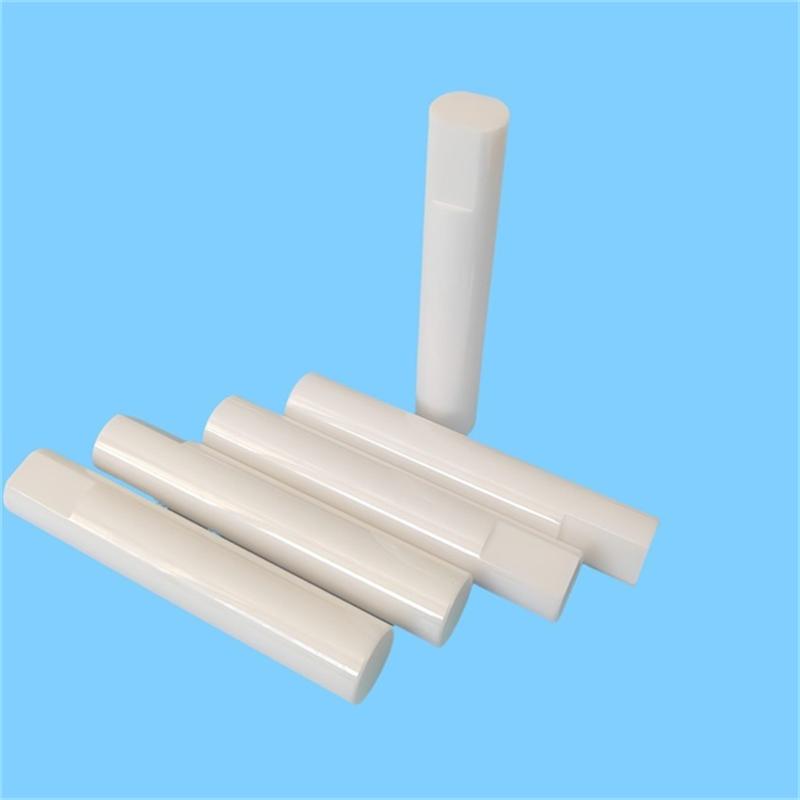
What Is Silicon Nitride Bearing
A silicon nitride bearing is a precision component where the rolling elements (balls or rollers), and in some cases the bearing rings, are manufactured from silicon nitride ceramic material. In the most common configuration—the hybrid bearing—silicon nitride rolling elements are paired with steel bearing rings . This design strategically combines the exceptional compressive strength and wear resistance of silicon nitride with the fracture toughness and established manufacturing infrastructure of bearing steel.
Alternatively, full ceramic bearings utilize silicon nitride for both rolling elements and bearing rings, providing complete immunity to corrosion and electrical conductivity issues, suitable for extreme environments including chemical processing, semiconductor manufacturing, and vacuum applications .
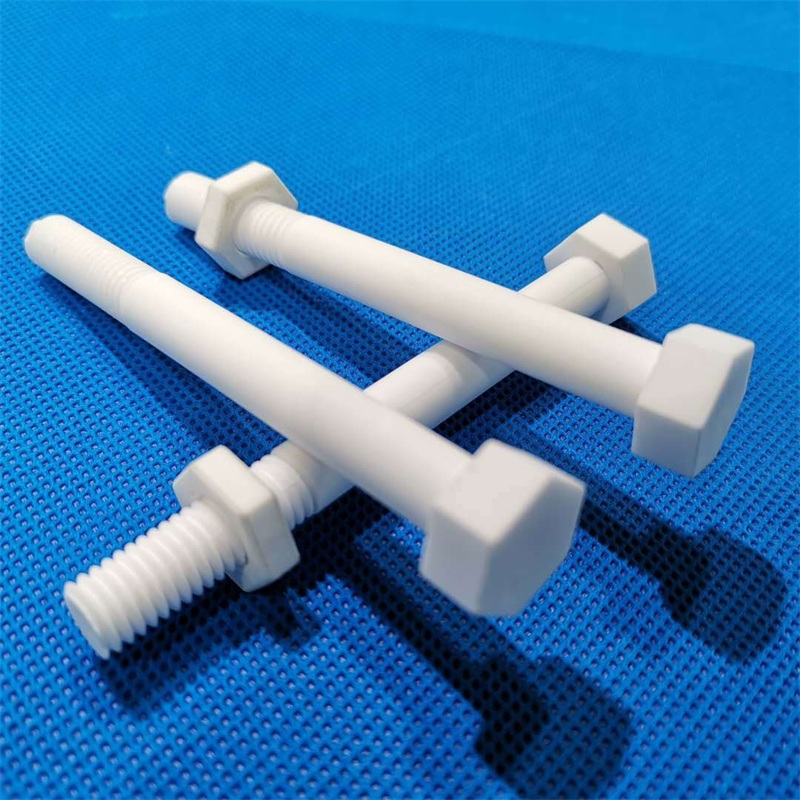
Key Properties Of Silicon Nitride Bearings
The superior performance of silicon nitride bearings derives from several intrinsic material properties:
Density and Centrifugal Force Reduction: Silicon nitride has a density of approximately 3.23 g/cm³, roughly 42% that of bearing steel (7.85 g/cm³) . This weight reduction translates directly to lower centrifugal forces at high rotational speeds, enabling operation at spindle speeds of 20,000 to 100,000 RPM while reducing rolling element loads on bearing raceways .
Hardness and Mechanical Strength: With a Vickers hardness of approximately 1500 HV and flexural strength of 720–1000 MPa, silicon nitride provides exceptional resistance to surface fatigue and indentation . The elastic modulus of 300–320 GPa ensures minimal mechanical deformation under load, contributing to superior running accuracy in precision applications .
Thermal Stability and Conductivity: Silicon nitride maintains its mechanical properties at temperatures up to 800–1050°C in air, far exceeding the 300°C practical limit for standard bearing steel . The coefficient of thermal expansion (3.2 × 10⁻⁶/K) is approximately one-quarter that of steel, resulting in consistent bearing clearance and preload across wide temperature ranges . Thermal conductivity of approximately 25 W/m·K enables efficient heat dissipation .
Wear Resistance and Friction Performance: Under oil-lubricated conditions at elevated temperatures (170°C), silicon nitride-based systems exhibit significantly lower coefficients of friction compared to steel-steel systems. Research has demonstrated that Si₃N₄/M50 bearing systems show wear rate reductions of 65.7–75% relative to steel-only configurations under identical operating conditions . At 260°C, silicon nitride paired with M50 bearing steel achieves a wear rate of only 2.67 × 10⁻⁴ mm³/N·m, and with CSS-42L steel, 2.04 × 10⁻⁴ mm³/N·m—representing 15.4% and 11.8% of the wear rate of standard GCr15 steel under equivalent conditions .
Corrosion Resistance: Silicon nitride is chemically inert to most acids, alkalis, and organic solvents, maintaining structural integrity in aggressive chemical environments including electroplating, seawater, and chemical processing applications . This corrosion resistance also eliminates the rusting and pitting failure modes common to steel bearings.
Electrical Insulation and Magnetic Properties: As a non-conductive material with volume resistivity exceeding 10¹³ Ω·m, silicon nitride prevents electrical discharge damage—a critical requirement in electric motors, particularly in electric vehicle drive systems where voltage levels of 400–800V are common . The non-magnetic nature prevents the accumulation of ferrous wear particles that can accelerate bearing wear .
Extended Service Life: Published literature indicates that silicon nitride bearings can achieve service life 3.6 to 10 times longer than steel bearings under equivalent operating conditions, attributable to the combined effects of reduced wear, corrosion resistance, and thermal stability . Hybrid bearings in the new energy vehicle sector have demonstrated substantial reliability advantages over conventional designs .
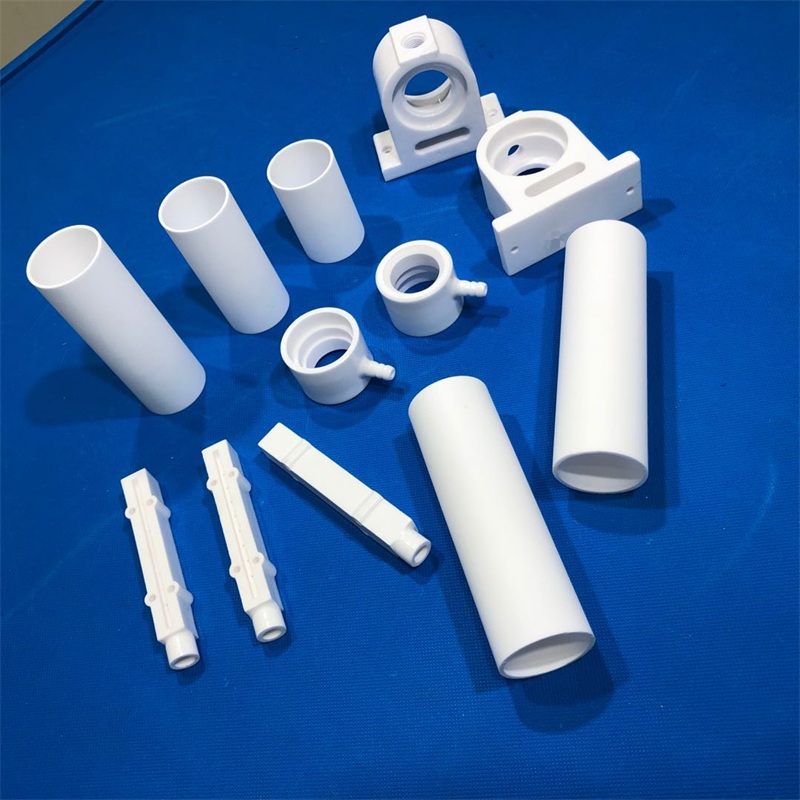
Typical Applications
The unique property profile of silicon nitride bearings has established their use across diverse industries:
Semiconductor and Electronics: The electrical insulation and wear resistance of silicon nitride bearings make them essential in semiconductor manufacturing equipment where static discharge and particle generation must be minimized. The material’s resistance to aggressive process chemicals further supports these applications .
Medical and Dental Equipment: High-speed dental handpieces, surgical drills, and medical instrumentation benefit from the high rotational capability, corrosion resistance, and biocompatibility of silicon nitride bearings . The material’s inertness eliminates the risk of metal ion contamination in sterile environments.
Automotive and Electric Vehicles: Silicon nitride bearings have become critical in electric vehicle drive motors, where electrical corrosion protection and high-speed operation are paramount . Hybrid bearings with silicon nitride balls and steel rings are now standard in many EV designs. Aerospace applications include aircraft engine bearings and control surface actuators, where weight reduction and reliability are essential .
Energy and Industrial Equipment: Wind turbine bearings benefit from the corrosion resistance and extended maintenance intervals enabled by silicon nitride components . High-speed machine tool spindles, printing presses, and industrial robotics achieve improved accuracy and reduced downtime through silicon nitride bearing technology . In chemical and fluid processing, full ceramic silicon nitride bearings withstand corrosive media and high temperatures .
High Temperature and Vacuum Environments: Furnaces, heat treatment equipment, and vacuum systems utilize silicon nitride bearings where conventional lubricants fail due to decomposition or evaporation. The self-lubricating properties of silicon nitride allow operation without liquid lubrication in ultra-high vacuum environments .
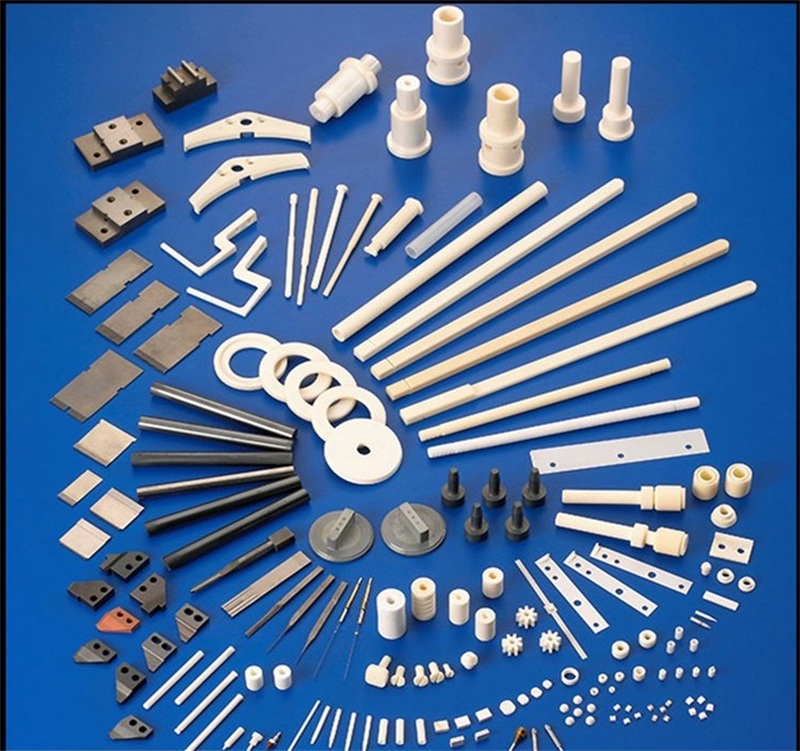
Advantages Compared With Other Bearing Materials
Silicon Nitride vs. Steel: Steel remains the standard bearing material for general applications due to low cost and established manufacturing. However, steel experiences rapid wear above 300°C, requires continuous lubrication, is susceptible to corrosion, and presents electrical conductivity issues . Silicon nitride addresses all these limitations, providing superior high-temperature performance, corrosion resistance, and electrical insulation .
Silicon Nitride vs. Zirconia (ZrO₂): Zirconia offers higher fracture toughness (up to 10 MPa·m½) but has greater density (6.05 g/cm³) and a significantly higher coefficient of thermal expansion (10.5 × 10⁻⁶/K), limiting its high-speed performance and thermal stability . Silicon nitride maintains mechanical properties to higher temperatures and is preferred for high-speed, high-load applications. Zirconia may be selected where extremely high toughness is the primary requirement .
Silicon Nitride vs. Alumina (Al₂O₃): Alumina provides lower cost and high hardness at room temperature but has lower fracture toughness (4.2 MPa·m½) and higher density than silicon nitride . Silicon nitride offers superior thermal shock resistance and strength retention at elevated temperatures, making it the preferred choice for demanding bearing applications.
Silicon Nitride vs. Silicon Carbide (SiC): Silicon carbide offers higher hardness (2800 HV) and thermal conductivity (120 W/m·K) but has lower fracture toughness (3.9 MPa·m½) and is electrically semi-conductive . Silicon nitride provides a superior balance of properties for rolling bearing applications, particularly where toughness and electrical insulation are required .
Custom Manufacturing Options
Silicon nitride bearing components are available in a range of precision grades, dimensions, and configurations to meet specific application requirements.
Accuracy Grades: Precision levels range from P0 (standard) to P5 (precision), with P4 and P2 available for ultra-precision applications. Ball grades typically range from G10 to G5, with G5 representing the highest precision level achievable through advanced lapping processes .
Size Range: Silicon nitride bearing balls are available in diameters from 0.8 mm to 110 mm. Complete bearing assemblies range from 3 mm inner diameter to 250 mm outer diameter .
Bearing Types: All standard bearing configurations can be manufactured with silicon nitride components, including deep groove ball bearings, angular contact bearings, self-aligning bearings, thrust bearings, and custom configurations .
Cage Materials: Retainer options include polyamide (nylon), PTFE, PEEK, stainless steel, brass, or full complement designs without cages. Material selection depends on operating temperature, chemical exposure, and speed requirements .
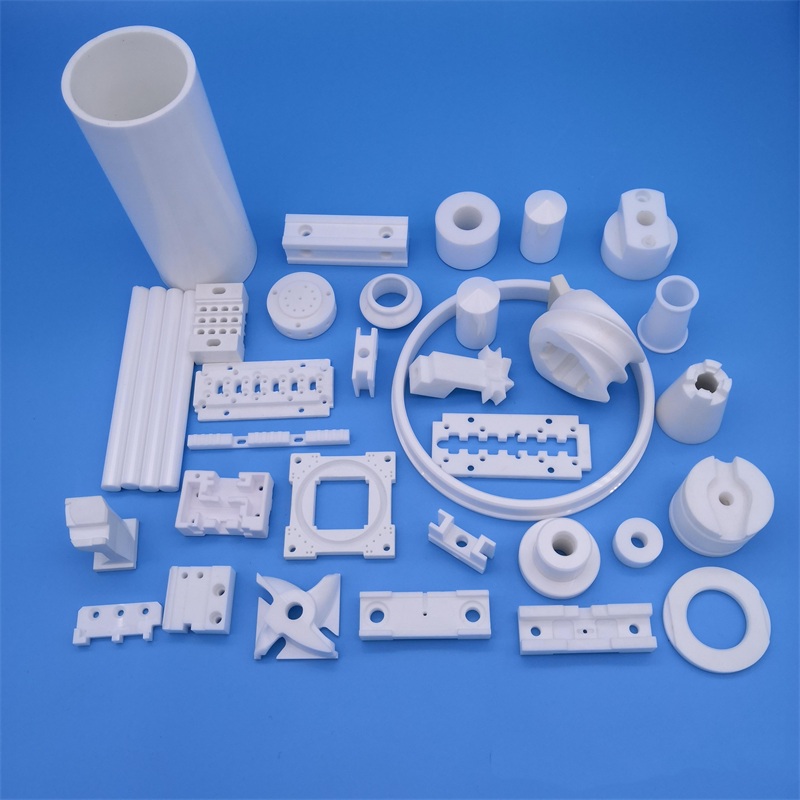
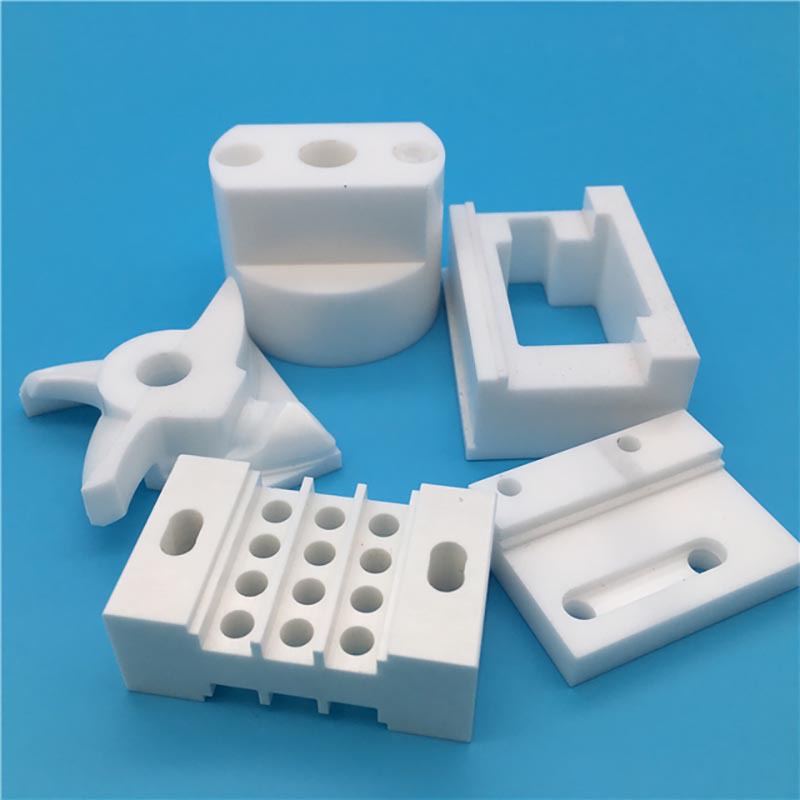
Custom Precision Components: For specialized applications, OEM custom parts can be engineered to specific dimensions, tolerances, and material grades. Custom Manufactured components can incorporate features such as alternative lubrication groove designs, specialized coatings, or non-standard geometries to address unique application challenges .
How To Choose The Right Supplier
Selecting a reliable supplier for silicon nitride bearing components requires careful evaluation of technical capability, quality systems, and industry experience.
Manufacturing Capability: Evaluate the supplier’s production processes. A vertically integrated Manufacturer with in-house powder synthesis, HIP sintering, and precision grinding capabilities demonstrates comprehensive process control . Inquire about the sintering technology used—hot isostatic pressing is essential for achieving the material density and strength required for bearing applications .
Quality Assurance: The supplier should maintain ISO 9001 or AS9100 certification with documented quality systems. Request measurement data for critical parameters including diameter variation, roundness, and surface finish. Established suppliers provide material certifications and dimensional inspection reports with each shipment.
Technical Support: A competent Supplier provides application engineering support to assist with material selection, bearing configuration, and installation recommendations. Technical knowledge of specific industry requirements (automotive, aerospace, semiconductor) indicates depth of expertise.
Experience and Reference: Review the supplier’s track record in your industry. Established suppliers working with major bearing manufacturers demonstrate proven reliability. Consider whether the Factory or Supplier has experience with your specific bearing types (hybrid vs. full ceramic) and size requirements.
Precision Capabilities: Confirm the supplier’s ability to achieve your required accuracy grade. The production of G5 or G10 precision components requires specialized lapping equipment and extensive process knowledge. A supplier capable of these grades demonstrates high manufacturing maturity.
Customization Flexibility: For OEM applications, confirm the supplier’s ability to develop Custom Parts and Precision Components to your specifications. Inquire about lead times, minimum order quantities, and design support.
Supply Chain Considerations: Evaluate the supplier’s production capacity and supply chain reliability. For critical applications, consider suppliers with multiple production lines or strategic raw material reserves.
Silicon nitride bearings offer a compelling combination of properties that explain their growing adoption across demanding industries. The lighter weight reduces centrifugal forces and enables higher speeds; the hardness and wear resistance extend service life several times beyond steel alternatives; the thermal stability preserves performance across wide temperature ranges; the corrosion resistance ensures reliability in aggressive environments; and the electrical insulation prevents damage in motor applications.
For engineers and procurement professionals evaluating bearing materials, silicon nitride represents a proven, high-performance solution that addresses the fundamental limitations of steel bearings. When selecting a supplier, focus on manufacturing capability, quality systems, and relevant industry experience. The investment in silicon nitride bearings typically yields returns through reduced maintenance, extended equipment life, and improved machine performance.
FAQ
How much longer do silicon nitride bearings last compared to steel bearings?
Under equivalent operating conditions, silicon nitride bearings typically achieve service life 3.6 to 10 times longer than steel bearings . The improvement is most pronounced in high-speed, high-temperature, or corrosive environments where steel bearings experience accelerated wear.
At what temperature can silicon nitride bearings operate?
Silicon nitride bearings can operate at temperatures up to 800–1050°C in air . In comparison, standard bearing steel practical limit is approximately 300°C. The material retains its mechanical properties up to 900°C with minimal degradation .
What is the difference between hybrid and full ceramic silicon nitride bearings?
Hybrid bearings use silicon nitride rolling elements with steel rings, combining ceramic wear resistance with steel toughness . Full ceramic bearings use silicon nitride for both rolling elements and rings, providing complete corrosion resistance and electrical insulation, suitable for chemical processing and high-temperature applications .
Are silicon nitride bearings suitable for electric vehicle applications?
Yes. Silicon nitride bearings are increasingly standard in electric vehicle drive motors, where they provide electrical insulation against bearing currents, enable high-speed operation, and offer extended service life . They perform effectively in 400–800V motor environments .
How do I choose a ceramic bearing supplier?
Evaluate the supplier’s manufacturing capability (especially HIP sintering technology), quality certifications, precision grade capabilities, technical support, and relevant industry experience. Request material certifications and dimensional inspection reports. Established suppliers serving major bearing manufacturers demonstrate proven reliability .
 What Is Polyimide (PI)
What Is Polyphenylene Sulfide (PPS)
What Is Polyimide (PI)
What Is Polyphenylene Sulfide (PPS)
 What is PEEK-for Engineers and Buyers
 Application Scope of Zirconia Ceramic Structural Components