
Ceramic Chucks: The Invisible Key Components Supporting Advanced Manufacturing
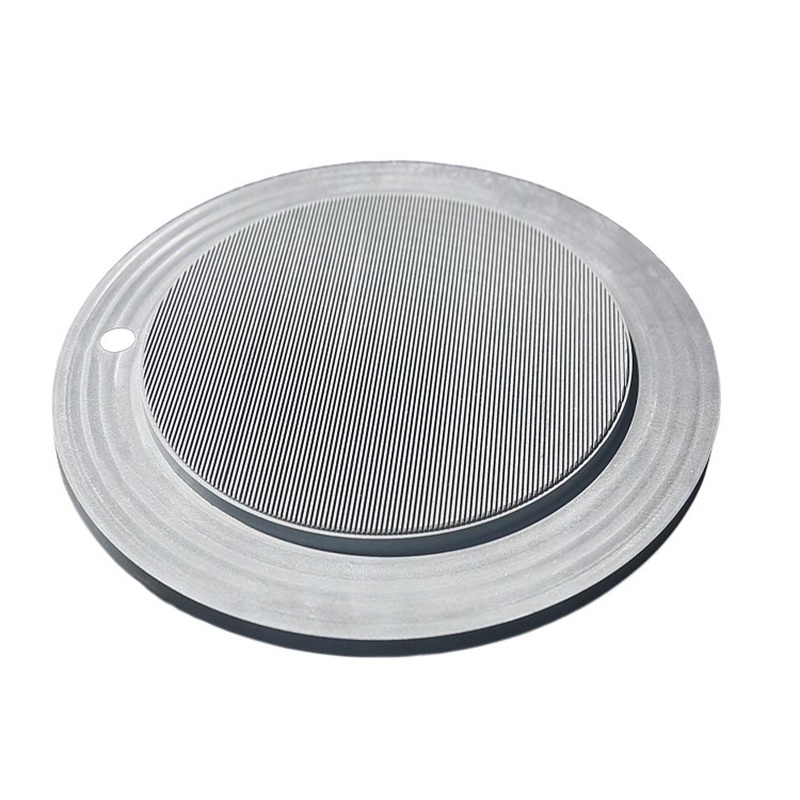
In semiconductor fabrication, precision optics, and advanced packaging, a ceramic chuck often works quietly behind the scene. It holds, positions, or supports delicate workpieces during processing, measurement, or assembly. Although it rarely draws attention, its material stability, dimensional accuracy, and process compatibility can directly affect yield, repeatability, and equipment uptime.
A ceramic chuck is typically a precision ceramic workholding or support component used in demanding environments where metals, polymers, or conventional engineering ceramics may not be suitable. The most common materials are alumina (Al₂O₃), aluminum nitride (AlN), silicon nitride (Si₃N₄), silicon carbide (SiC), and zirconia (ZrO₂). The choice among them is not simply a matter of hardness or cost. It depends on thermal behavior, electrical requirements, vacuum compatibility, chemical exposure, mechanical loading, and the precision needed by the process.
Why Ceramics Are Used Instead of Metals or Polymers
Metals are strong and thermally conductive, but they can introduce magnetic interference, outgas in vacuum, corrode in aggressive chemical environments, or create particle contamination during wear. Polymers are lightweight and easy to machine, yet they usually cannot tolerate high temperatures, plasma exposure, or tight dimensional stability under thermal cycling.
Ceramics offer a different balance. They generally provide high hardness, good wear resistance, low particle generation, chemical inertness, and stable performance across wide temperature ranges. For vacuum and clean-process applications, low outgassing and controlled surface quality are especially important. In semiconductor-related processes, ceramic chucks are often selected because they can reduce contamination risk while maintaining flatness, rigidity, and long-term dimensional stability.
Main Ceramic Types and Their Engineering Trade-offs
Alumina is one of the most widely used structural ceramics for chucks and fixtures. It offers good mechanical strength, electrical insulation, chemical resistance, and a reasonable cost-performance balance. It is suitable for many general-purpose holding, positioning, and support applications where extreme thermal conductivity is not required.
Aluminum nitride is often chosen when thermal management matters. AlN combines relatively high thermal conductivity with electrical insulation, making it useful in applications involving heating, cooling, temperature uniformity, or electrostatic chuck designs. Its performance depends strongly on purity, density, and processing quality, so material grade should be verified against the actual thermal and electrical requirements.
Silicon nitride provides high strength, good fracture toughness for a ceramic, and strong thermal shock resistance. It is a practical choice when the chuck must survive rapid temperature changes, mechanical shock, or cyclic loading. Si₃N₄ is especially relevant where reliability under thermal-mechanical stress is more critical than maximum thermal conductivity.
Silicon carbide is valued for high hardness, excellent thermal conductivity, strong wear resistance, and good performance in aggressive environments. SiC chucks are often considered for plasma-exposed, high-temperature, or high-wear conditions. The main trade-offs are higher processing cost and more demanding machining requirements.
Zirconia is known for high fracture toughness among structural ceramics. It can be suitable where impact resistance and damage tolerance are important. However, its thermal and environmental stability must be evaluated carefully, especially in high-temperature or long-term service conditions.
Typical Applications
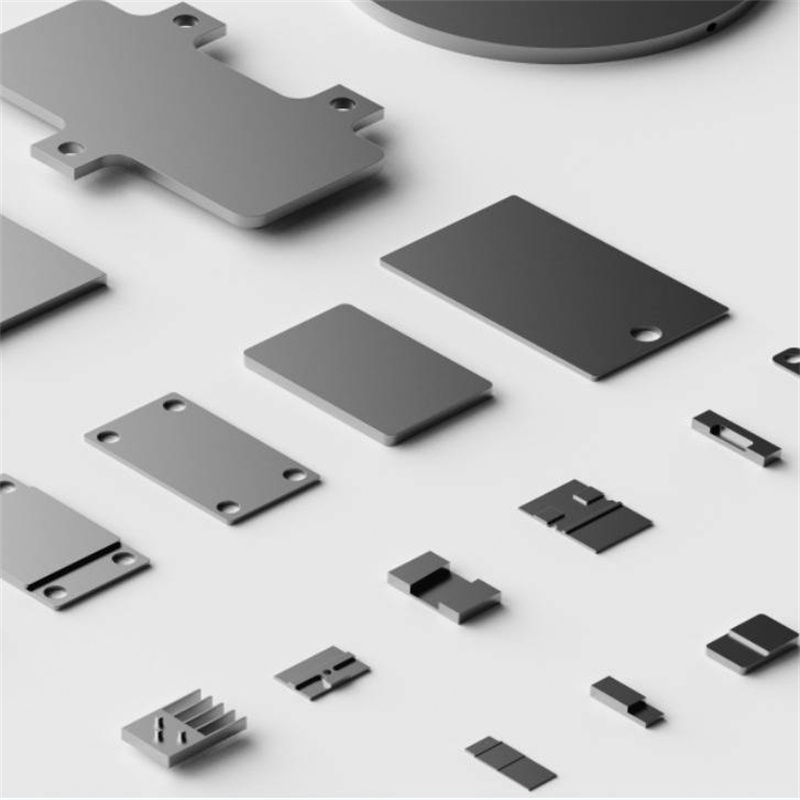
Ceramic chucks appear in semiconductor wafer handling, lithography-related fixtures, inspection stages, vacuum chambers, plasma process environments, thin-film deposition setups, precision assembly, optical component support, and high-purity laboratory equipment. In these applications, the chuck is not just a mechanical holder. It must often preserve flatness, avoid particle shedding, resist chemical attack, remain stable under vacuum, and avoid interfering with electrical or thermal processes.
Advantages and Limitations
The main advantages are dimensional stability, wear resistance, chemical inertness, vacuum compatibility, low magnetic interference, and the ability to combine thermal and electrical properties through material selection. The limitations are brittleness, sensitivity to impact, tight machining tolerances, higher cost for advanced ceramics, and the need to match material properties to the process environment.
Engineering Selection Guidance
When selecting a ceramic chuck, start from the process environment rather than the material name. If the priority is electrical insulation and general chemical resistance, alumina is often a strong baseline. If thermal uniformity or heat dissipation is critical, AlN becomes more relevant. If thermal shock and mechanical reliability dominate, Si₃N₄ deserves attention. If the environment involves plasma, high wear, or aggressive chemical exposure, SiC is often preferred. If impact tolerance is the main concern, zirconia may be considered.
Flatness, surface finish, porosity, density, thermal expansion, thermal conductivity, dielectric strength, and vacuum outgassing behavior should all be checked against the actual process window. A ceramic chuck that performs well in one system may be unsuitable in another because the thermal gradient, clamping force, chemical exposure, or precision requirement is different.
In short, ceramic chucks are not simply “hard ceramic parts.” They are precision-enabling components whose material selection must balance thermal, electrical, mechanical, chemical, and contamination-control requirements. Choosing the right ceramic type helps turn an ordinary fixture into a reliable part of a high-performance manufacturing system.
FAQ
What makes a ceramic chuck different from a metal chuck?
A ceramic chuck usually offers better chemical inertness, lower magnetic interference, lower outgassing in vacuum, and different thermal-electrical properties. Metals may be tougher and more thermally conductive in some cases, but they can be less suitable for clean, vacuum, plasma, or electrically sensitive environments.
When should AlN be chosen instead of alumina?
AlN is preferred when higher thermal conductivity is needed while maintaining electrical insulation, such as in temperature-controlled holding, heating/cooling applications, or electrostatic chuck designs. Alumina is often sufficient for general structural, insulating, or chemical-resistant applications.
Is silicon nitride always better than alumina?
Not necessarily. Si₃N₄ generally offers better thermal shock resistance and toughness, but alumina may be more cost-effective and adequate for applications without severe thermal cycling or impact loading.
Can ceramic chucks be used in vacuum systems?
Yes, many ceramic chucks are suitable for vacuum environments because ceramics typically have low outgassing and good dimensional stability. The specific grade, density, surface finish, and cleanliness requirements should still be verified.
What are the main risks when using ceramic chucks?
The main risks are brittleness, edge chipping, cracking under impact, and failure caused by improper clamping or thermal shock. Design, handling, mounting, and thermal management are as important as material selection.
How should engineers choose between SiC and Si₃N₄?
Choose SiC when high hardness, wear resistance, thermal conductivity, and plasma/chemical resistance are priorities. Choose Si₃N₄ when thermal shock resistance, fracture toughness, and mechanical reliability under cyclic thermal-mechanical conditions are more important.
 What Is Polyimide (PI)
What Is Polyphenylene Sulfide (PPS)
What Is Polyimide (PI)
What Is Polyphenylene Sulfide (PPS)
 What is PEEK-for Engineers and Buyers
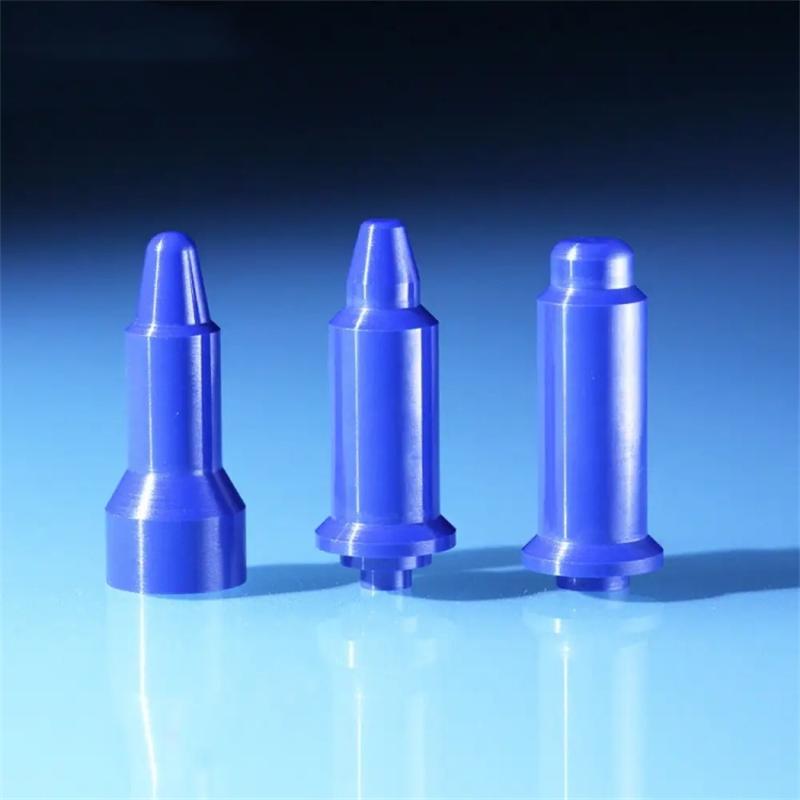 Application Scope of Zirconia Ceramic Structural Components