
Why Zirconia Bearings Outperform Steel Bearings
In the world of precision machinery and high-performance rotating equipment, bearing failure remains one of the primary causes of unplanned downtime. For engineers designing systems that operate in aggressive environments—high temperatures, corrosive chemicals, electrical stress, or demanding speed conditions—the choice of bearing material is critical. Zirconia ceramic bearings (ZrO₂ bearings) have emerged as a high-performance alternative to conventional steel bearings, delivering superior wear resistance, corrosion protection, and electrical insulation.
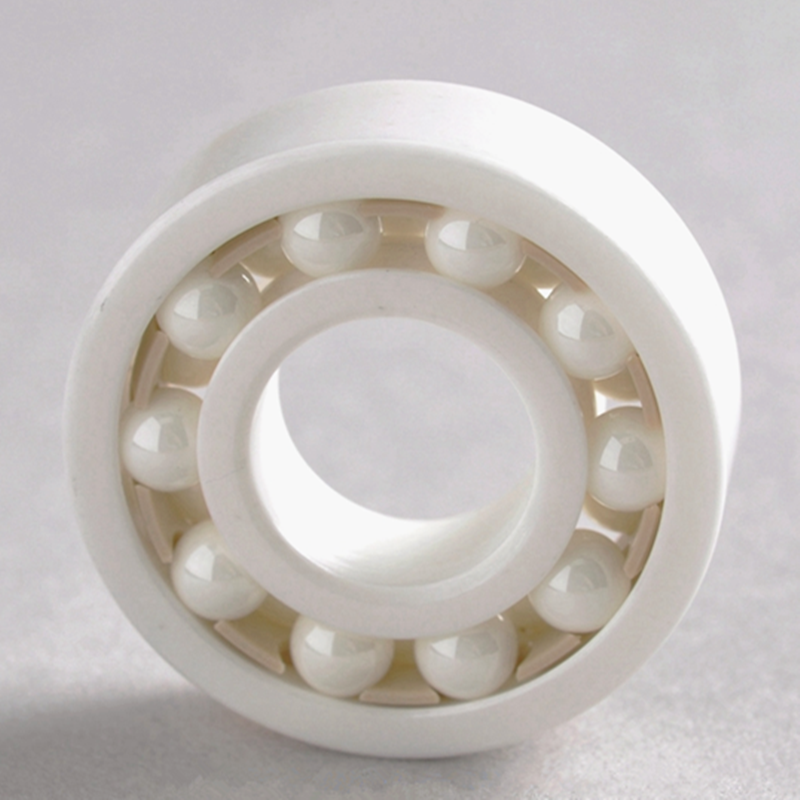
What Is Zirconia Bearing
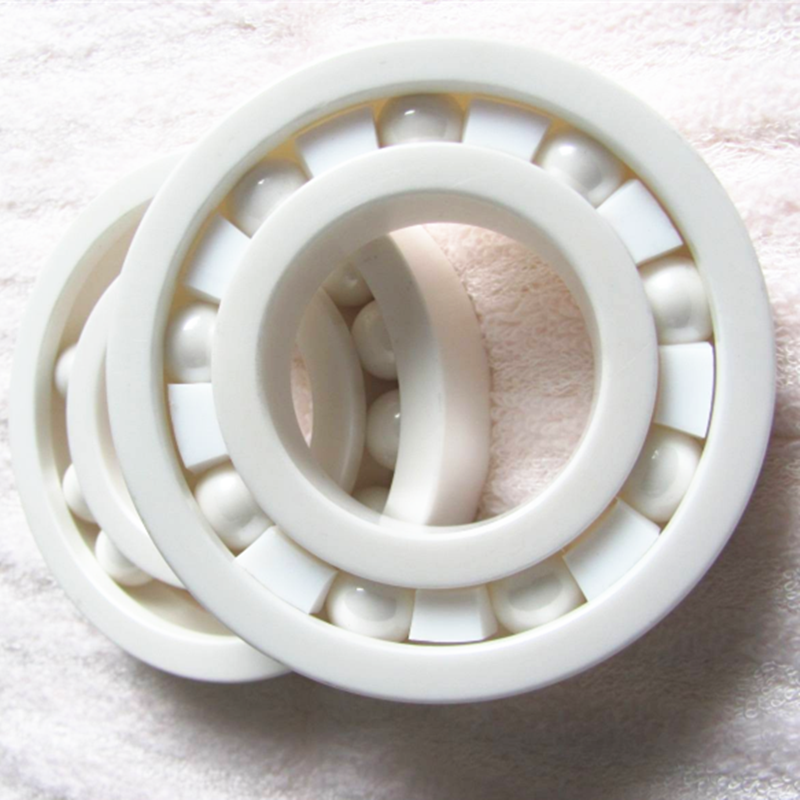
Zirconia bearing is a precision component manufactured from yttria-stabilized tetragonal zirconia polycrystal (Y-TZP) ceramic material. Unlike hybrid bearings that pair ceramic rolling elements with steel rings, full zirconia bearings consist entirely of advanced ceramic material. Yttria-stabilized zirconia is formulated by adding 3-5.5% yttrium oxide to zirconium dioxide, which stabilizes the tetragonal phase at room temperature and imparts a transformation-toughening mechanism that gives the material exceptional fracture toughness for a ceramic . This phase transformation enables zirconia to resist crack propagation—a property that sets it apart from other technical ceramics and makes it suitable for bearing applications.
Zirconia bearings are typically precision-engineered to international standards, with precision grades comparable to steel bearings. They are available as full ceramic components (rings and rolling elements) or can be incorporated into hybrid designs where only the rolling elements are ceramic. The thermal expansion coefficient of zirconia closely matches that of steel, which is a critical factor when considering bearing fits in assemblies that experience temperature fluctuations .
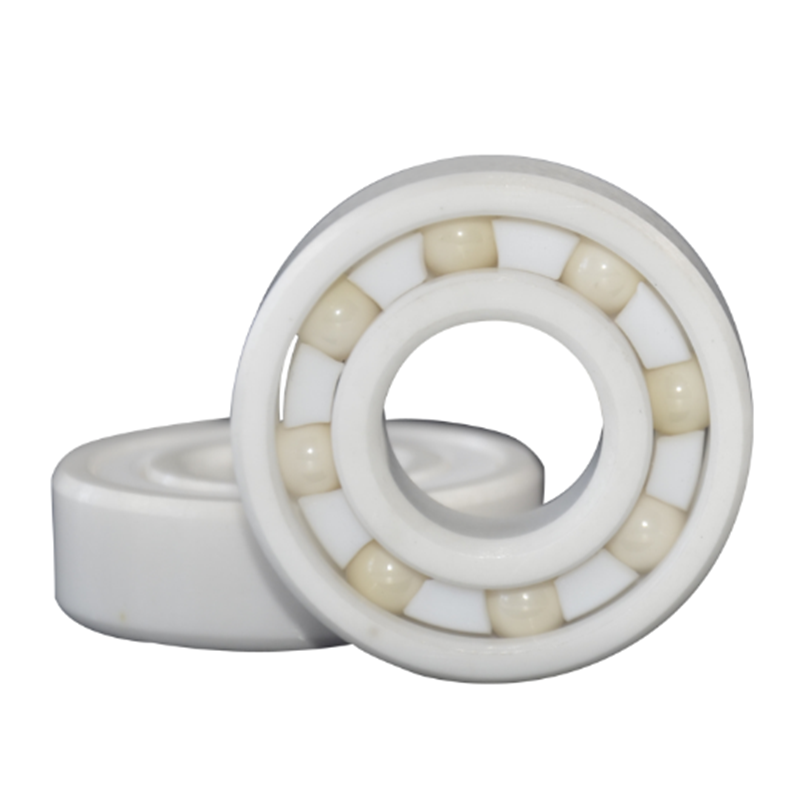
Key Properties Of Zirconia Bearings
Mechanical Properties and Wear Resistance
Zirconia ceramics exhibit outstanding mechanical strength, with flexural strengths typically exceeding 1000 MPa and compressive strengths reaching 2000-3000 MPa. These values significantly exceed those of standard bearing steel. The fracture toughness of zirconia generally ranges from 7 to 12 MPa·m¹⁄²—substantially higher than other advanced ceramics like alumina or silicon nitride—making it the toughest ceramic commonly used in bearing applications . This toughness provides a margin of safety against impact damage that is not available with more brittle ceramic alternatives.
Wear resistance is a defining characteristic of zirconia bearings. With Vickers hardness values typically between 1150 and 1280 HV, zirconia is considerably harder than steel, providing exceptional resistance to abrasive and adhesive wear mechanisms . In practical terms, this translates to significantly longer service life in applications involving particulate contamination, marginal lubrication, or high-frequency start-stop cycling.
Corrosion and Chemical Resistance
Unlike steel, which is susceptible to oxidation, pitting, and chemical attack, zirconia demonstrates excellent corrosion resistance across a wide range of aggressive media. Zirconia bearings maintain their structural integrity in acidic, alkaline, and saline environments that would rapidly degrade steel components. This property makes them particularly valuable in marine environments, chemical processing equipment, and applications involving process fluids or cleaning agents .
High Temperature Resistance and Thermal Properties
Zirconia bearings offer a substantial improvement in operating temperature capability compared to conventional steel bearings. While standard bearing steels typically cannot exceed 500°C without losing hardness and dimensional stability, zirconia can operate continuously at temperatures up to 850-1000°C, with a melting point near 2700°C . This extreme high-temperature resistance makes zirconia suitable for furnace equipment, exhaust systems, and high-temperature processing.
The thermal conductivity of zirconia is approximately 2-3 W/m·K, significantly lower than that of steel . This low thermal conductivity reduces heat transfer through the bearing, which can be beneficial in applications where thermal isolation is desired. Importantly, the coefficient of thermal expansion for zirconia (approximately 10-10.3 × 10⁻⁶/°C) closely matches that of steel, allowing zirconia bearings to be used with steel shafts and housings without excessive clearance changes over temperature ranges .
Electrical Insulation
Zirconia is an excellent electrical insulator, with volume resistivity exceeding 10¹² Ω·cm at room temperature . This property is crucial in electric motors, generators, and semiconductor equipment where electrical arcing through steel bearings can cause pitting, lubricant degradation, and premature failure. By providing electrical insulation, zirconia bearings eliminate the need for insulating coatings or shaft grounding devices in many applications.
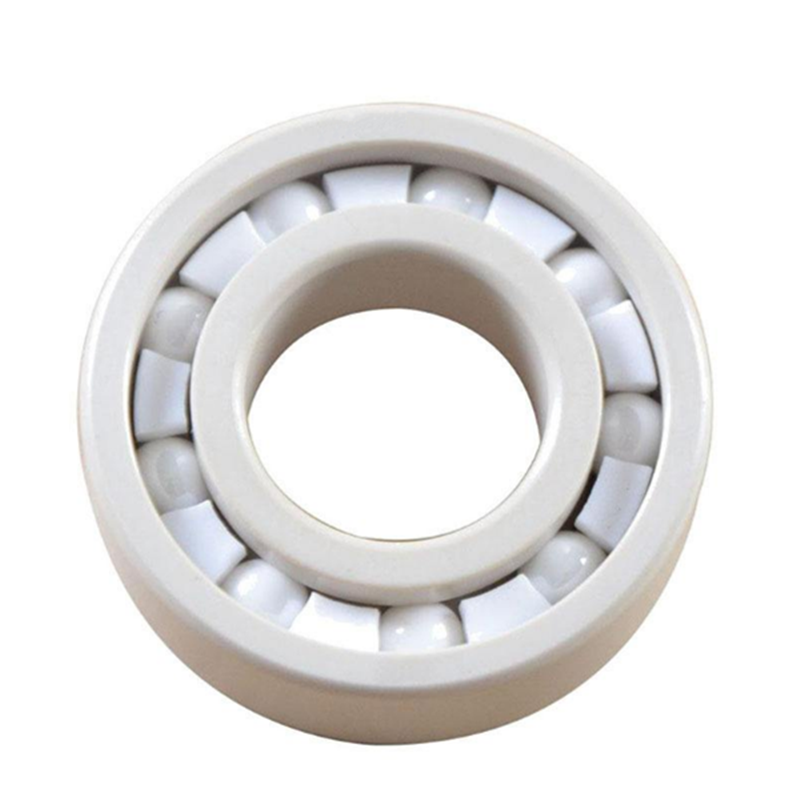
Typical Applications
Semiconductor and Electronics Industry
Zirconia bearings are widely used in semiconductor manufacturing equipment where purity, corrosion resistance, and electrical insulation are essential. They perform reliably in vacuum environments, chemical processes, and high-precision positioning systems where metallic contamination is unacceptable .
Medical and Healthcare Equipment
The corrosion resistance and biocompatibility of zirconia make it suitable for medical devices including surgical instruments, diagnostic equipment, and pharmaceutical processing. Zirconia bearings can withstand repeated sterilization cycles and aggressive cleaning agents without degradation .
Automotive and Transportation
In electric vehicle motors, zirconia bearings prevent electrical damage to bearing surfaces and extend service life under high-speed conditions. They are also used in high-performance motorsports, fuel systems, and turbochargers where high temperatures and demanding loads are routine .
Energy and Industrial Equipment
Zirconia bearings find applications in wind turbines, pumps, compressors, and industrial machinery where corrosion resistance and reliability reduce maintenance requirements and increase uptime. They are particularly valuable in submersible equipment operating in seawater, chemical plants, and geothermal energy systems .
High-Speed and Precision Machinery
The low density of zirconia bearings (approximately 40% lighter than steel) reduces centrifugal loads at high rotational speeds, permitting higher operating speeds and reduced energy consumption in machine tools, spindles, and other precision equipment .
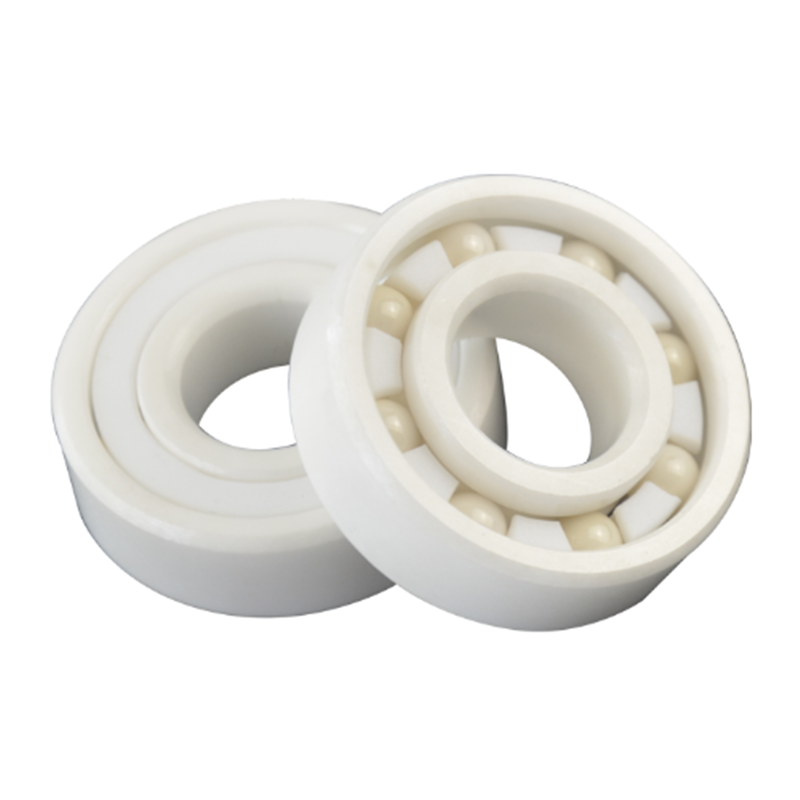
Advantages Compared With Steel Bearings
The superiority of zirconia bearings over steel counterparts can be understood through several critical performance indicators:
Corrosion Resistance: Zirconia provides near-total immunity to rust and chemical attack, whereas steel bearings corrode in humid environments and require proper lubrication and sealing to prevent surface degradation.
Temperature Capability: Zirconia maintains structural integrity and hardness at temperatures up to 1000°C, compared to approximately 500°C for high-grade bearing steels. At elevated temperatures, steel undergoes softening, grain growth, and dimensional changes that compromise bearing function.
Electrical Insulation: Zirconia is non-conductive, preventing electrical discharge machining (EDM) damage in electric motors and generators. Steel bearings can suffer from electrical pitting when stray currents pass through the bearing.
Wear Resistance: The higher hardness of zirconia provides superior resistance to abrasive wear, particularly in applications with marginal lubrication or contaminated environments. Steel bearings are more susceptible to three-body abrasive wear from particulate contamination.
Weight Reduction: Zirconia has lower density than steel, reducing centrifugal loads at high speeds and enabling higher rotational rates or reduced energy consumption.
Lubrication Requirements: Zirconia’s lower coefficient of friction and exceptional surface finish allow operation with reduced lubrication in many applications, simplifying maintenance and reducing lubricant costs.
However, steel bearings retain advantages in certain areas. Steel offers higher fracture toughness and tolerance to impact loads. Steel bearings are also less expensive to produce and are available in a wider range of standard configurations and sizes. For applications involving heavy shock loads or where ceramic content carries a cost premium, steel bearings may be the more appropriate choice.
Custom Manufacturing Options
Zirconia bearings are available as standard components, but many engineering applications require custom configurations. Reputable zirconia bearing manufacturers and suppliers offer comprehensive custom manufacturing capabilities.
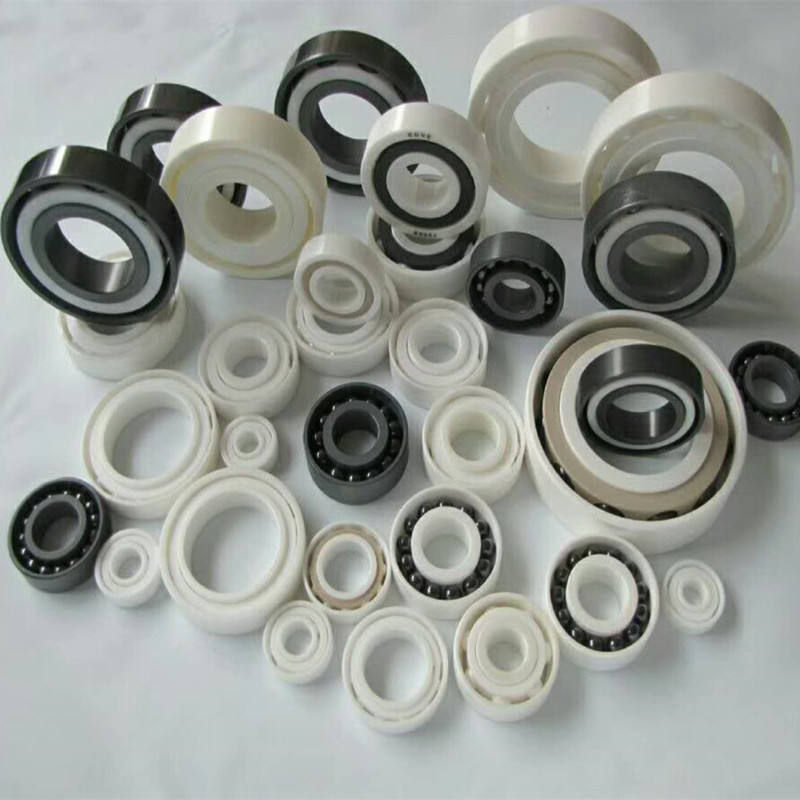
Custom Sizes and Configurations: Precision components can be manufactured to custom dimensions, including non-standard bore sizes, outside diameters, and widths, as well as specialized raceway geometries and rolling element configurations. Custom parts are typically available with precision up to ±0.02mm and surface finishes approaching mirror quality .
Material Formulations: The zirconia composition can be tailored through yttria content and stabilizing additives to optimize specific properties such as fracture toughness, hardness, or thermal shock resistance .
Complex Geometries: Advanced ceramic manufacturers can produce components with complex shapes, including specialized cages, retainer designs, mounting flanges, and integral features. Full zirconia bearings can be manufactured in configurations suitable for demanding environments, including operation in vacuum, extreme temperatures, and aggressive chemical conditions .
Surface Finishing and Tolerances: Custom zirconia components can be precision-ground and polished to extremely high tolerances, achieving surface finishes and dimensional control comparable to precision steel bearings.
How To Choose The Right Supplier
Selecting a reliable zirconia bearing supplier requires careful consideration of several factors to ensure component quality, consistency, and long-term reliability.
Technical Expertise: Look for a supplier or manufacturer that demonstrates deep technical knowledge of ceramic materials and bearing design. A supplier that understands the specific requirements of your application and can provide engineering recommendations is more likely to deliver appropriate components.
Quality Systems: Verify that the supplier maintains robust quality management systems, including process control, inspection procedures, and traceability. Quality-conscious suppliers should be able to provide material certification and test reports for their components.
Manufacturing Capability: Assess the supplier’s manufacturing capabilities, including powder processing, pressing, sintering, and precision grinding equipment. Suppliers with in-house manufacturing control offer better consistency and shorter lead times than trading companies that outsource production.
Customization Support: If your application requires non-standard components, evaluate the supplier’s ability to handle custom orders. Leading manufacturers can accommodate custom sizes, configurations, and material formulations.
Industry Experience: Consider suppliers with proven experience in your industry sector. Semiconductor, medical, automotive, and energy applications all have specific requirements that experienced suppliers understand .
Global Presence and Support: For international procurement, evaluate the supplier’s logistics capabilities, export experience, and technical support resources. Established suppliers should be able to provide documentation, specifications, and support in multiple languages.
Zirconia bearings offer a compelling combination of mechanical properties that address many limitations of conventional steel bearings in demanding applications. Their exceptional corrosion resistance, high-temperature capability, electrical insulation, and wear resistance make them the preferred solution for critical applications in semiconductor, medical, automotive, and energy industries. While the initial cost of zirconia bearings is higher than steel equivalents, the extended service life, reduced maintenance requirements, and improved reliability often provide a favorable life-cycle cost profile.
For engineers and procurement professionals evaluating bearing materials, the decision ultimately depends on the specific operating conditions and performance requirements of the application. When applications involve corrosion, elevated temperatures, electrical stress, or the need for extended maintenance intervals, zirconia bearings deserve serious consideration.
Frequently Asked Questions
What is the difference between zirconia bearings and silicon nitride bearings?
Zirconia bearings offer higher fracture toughness and better resistance to thermal shock than silicon nitride bearings, making them more suitable for applications with potential impact loads or rapid temperature changes. However, silicon nitride has higher hardness and density is lower than zirconia. Silicon nitride also offers higher maximum operating temperatures (up to 1200°C in air) and superior performance in high-speed applications. The choice depends on the specific application requirements .
Can zirconia bearings be used in electric motors?
Yes, zirconia bearings are particularly suitable for electric motors and generators because they are electrical insulators. This property prevents electrical discharge machining (EDM) damage that commonly affects steel bearings in variable frequency drive applications. Zirconia bearings eliminate the need for shaft grounding or insulated coatings in many motor applications .
How do I select the correct zirconia bearing grade for my application?
Selecting the appropriate zirconia bearing grade requires evaluating operating temperature, speed, load conditions, environmental exposure, and required precision. The yttria content influences mechanical properties and phase stability. Consult with an experienced ceramic bearing supplier who can match the material grade to your specific application requirements, considering factors such as load capacity, thermal conditions, and corrosion exposure .
Are zirconia bearings more expensive than steel bearings?
Yes, zirconia bearings are significantly more expensive than comparable steel bearings due to the cost of raw materials and the complex manufacturing processes required to produce precision ceramic components. However, the extended service life and reduced maintenance requirements often provide a lower total cost of ownership in demanding applications where steel bearings would experience premature failure .
What should I consider when custom machining zirconia bearing components?
Custom machining of zirconia requires specialized equipment and expertise because the material is extremely hard and brittle. Key considerations include designing for manufacturability, allowing adequate material for final grinding, specifying realistic tolerances, and understanding the limitations of the material. Many suppliers offer design-for-manufacturability reviews to optimize component geometry for ceramic processing. Close collaboration with an experienced ceramic machining partner is essential for successful custom zirconia components .
 What Is Polyimide (PI)
What Is Polyphenylene Sulfide (PPS)
What Is Polyimide (PI)
What Is Polyphenylene Sulfide (PPS)
 What is PEEK-for Engineers and Buyers
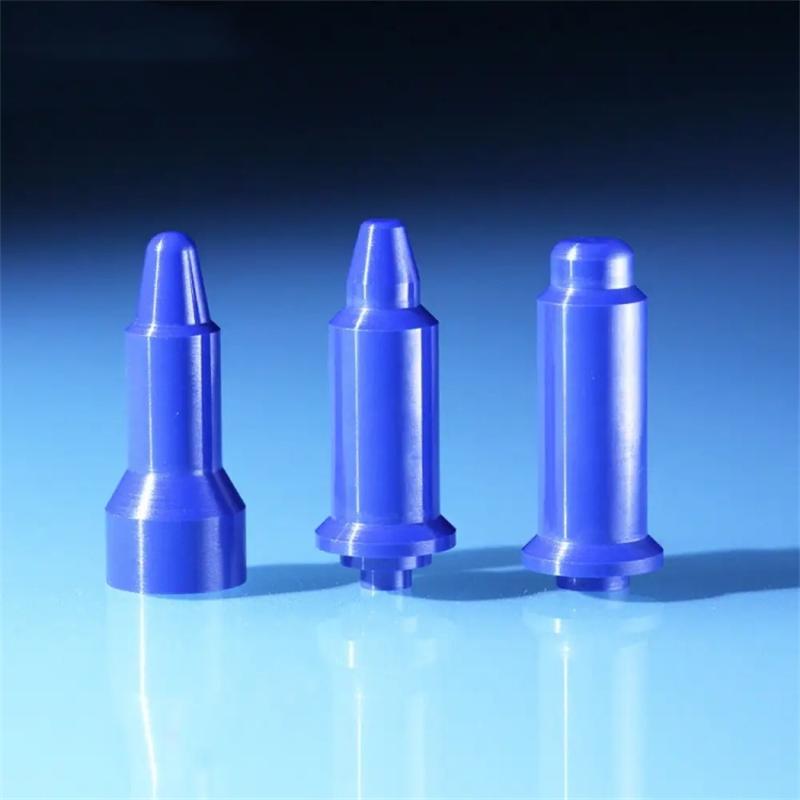 Application Scope of Zirconia Ceramic Structural Components