
Why Polyimide (PI) Can Withstand Extreme High Temperatures
In the demanding worlds of aerospace, semiconductor manufacturing, and high-performance automotive engineering, material selection is critical. Standard engineering plastics often fail when confronted with extreme thermal stress. This is where high-performance polymers step in. Polyimide (PI), often hailed as the pinnacle of polymer science, consistently proves its ability to withstand extreme high temperatures where other materials degrade. This article explores the science behind its heat resistance, its key properties, and why it remains the material of choice for engineers solving the toughest thermal challenges. We will examine why polyimide (PI) can withstand extreme high temperatures, making it an indispensable asset in modern industry .
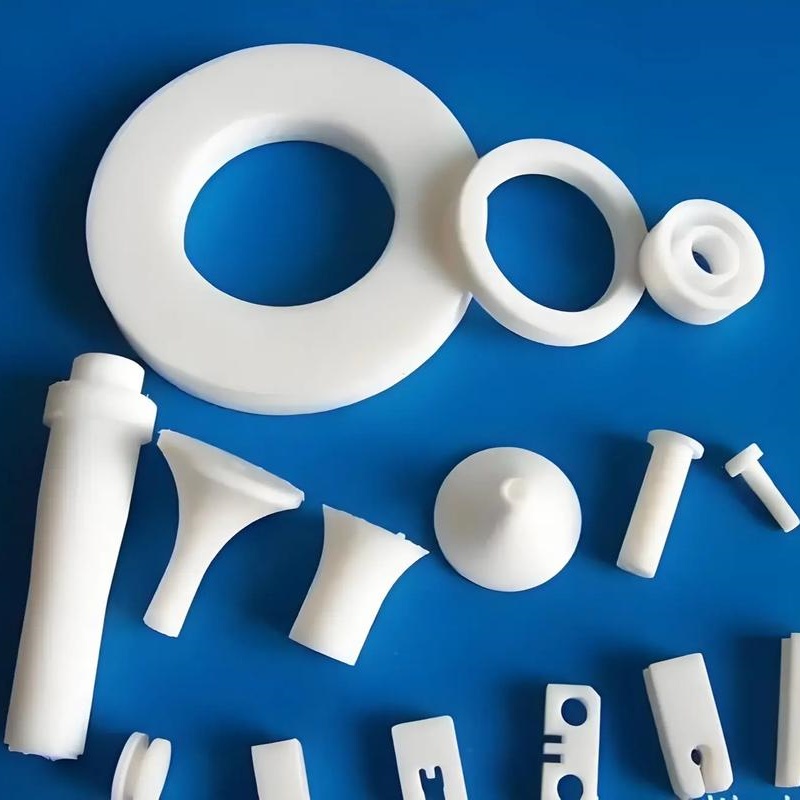
What is Polyimide (PI)?
Polyimide (PI) is a high-performance polymer characterized by its molecular backbone, which contains imide rings (a functional group with a specific nitrogen-carbon-oxygen structure) . These rings create a highly stable, rigid, and aromatic molecular chain. This unique structure is the fundamental reason behind its exceptional thermal and mechanical properties.
PI is available in two primary forms: thermosetting and thermoplastic. Thermosetting PIs undergo a curing process that creates a cross-linked network, granting superior heat resistance and structural integrity, though they cannot be remelted. Thermoplastic PIs are more processable but generally have slightly lower continuous-use temperatures .
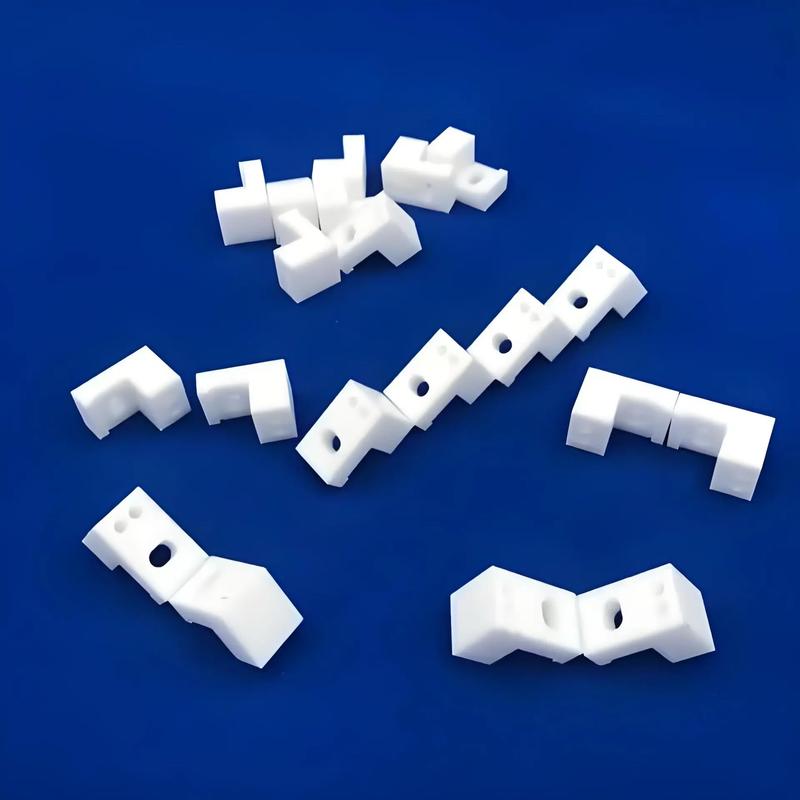
Key Properties of Polyimide (PI)
The value of polyimide (PI) lies in its balance of high-performance characteristics, all anchored by its thermal capabilities.
Thermal Properties
This is where PI excels. Polyimide (PI) can withstand extreme high temperatures due to its high glass transition temperature (Tg) and decomposition temperature .
– Continuous Service Temperature: -269°C to 260°C, with some grades capable of long-term service up to 300°C .
– Short-Term Heat Resistance: Can withstand up to 400°C for short periods and up to 470°C (Heat Deflection Temperature) .
– Thermal Decomposition: Initial decomposition often begins above 500°C, with some advanced grades exhibiting Td5% exceeding 550°C .
Mechanical Properties
PI retains high strength and stiffness even at elevated temperatures, maintaining its structural integrity when other plastics soften or creep. Typical compressive strength can reach 82 MPa at high temperatures .
Chemical Resistance
PI is highly resistant to acids, fats, and many solvents. It exhibits excellent resistance to hydrolysis, though strong alkalis and concentrated acids can attack the polymer chain .
Electrical Properties
It maintains excellent electrical insulation and a low dielectric constant across a wide temperature range, making it crucial for the semiconductor and electronics industries .
Wear and Friction
PI is renowned for its exceptional wear resistance and low friction coefficient, even under high loads and without lubrication .
Dimensional Stability
Its low coefficient of thermal expansion (CTE) ensures it maintains its shape and precision, even under significant temperature fluctuations .
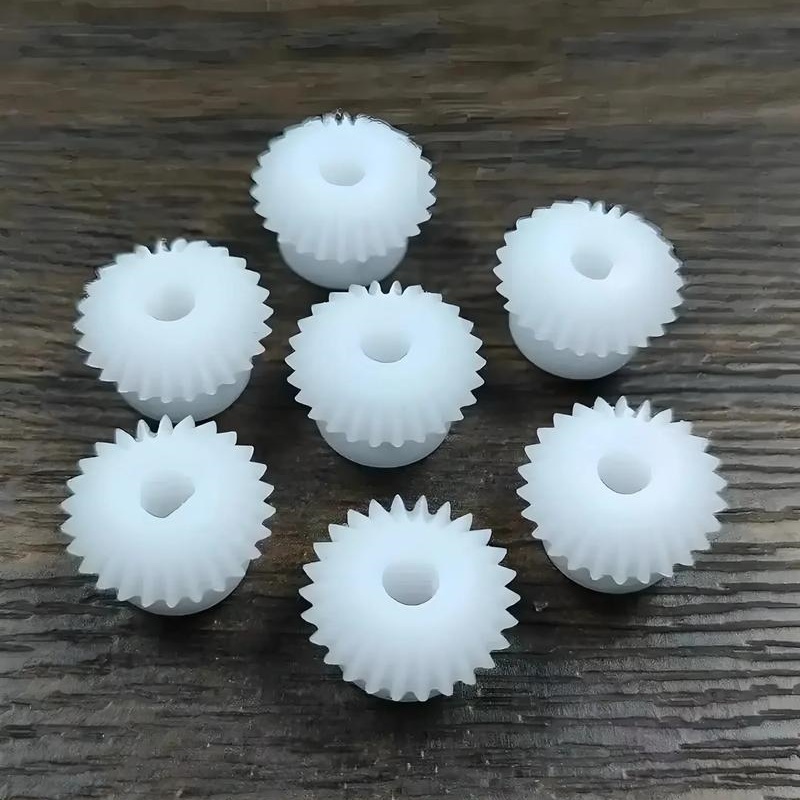
Applications of High-Temperature PI
The ability of polyimide (PI) to withstand extreme high temperatures enables its use in critical applications across diverse sectors:
– Aerospace & Defense: Used in structural composites for engine nacelles, thermal protection systems, and high-temperature connectors .
– Semiconductor & Electronics: Essential for flexible circuit boards (FPCs), chip packaging, and wafer handling equipment .
– Automotive & Transportation: Applied in high-temperature seals, bearings, and sensors in electric vehicles and high-performance engines.
– Robotics & Automation: Utilized for gears, bearings, and insulating components in robots that operate in hot or high-friction environments .
– Medical Devices: Used in devices requiring sterilization resistance.
– Oil & Gas: Ideal for downhole seals and connectors that must endure high-temperature, high-pressure (HT/HP) environments.

Advantages of Polyimide (PI)
Exceptional Thermal Stability: Capable of continuous operation up to 260°C and short-term exposure to 400°C+ .
Excellent Wear and Friction Properties: Can operate in dry-running conditions with low wear .
High Chemical Resistance: Withstands exposure to a broad range of chemicals .
Superior Dimensional Stability: Maintains tight tolerances across temperature ranges.
Excellent Electrical Insulation: Maintains dielectric properties at high temperatures .
Inherent Flame Resistance: Naturally meets UL94 V-0 standards without additives .
Limitations of Polyimide (PI)
– High Cost: More expensive than standard engineering plastics like PEEK or PPS.
– Processing Difficulty: Typically non-melting, requiring sintering or specialized thermosetting processes for fabrication .
– Moisture Absorption: Can absorb moisture, which can affect dimensional stability and properties, though modified grades offer improvements .
– Poor Impact Resistance: Brittle compared to metals or some other polymers.
– UV Sensitivity: Susceptible to degradation from UV radiation.
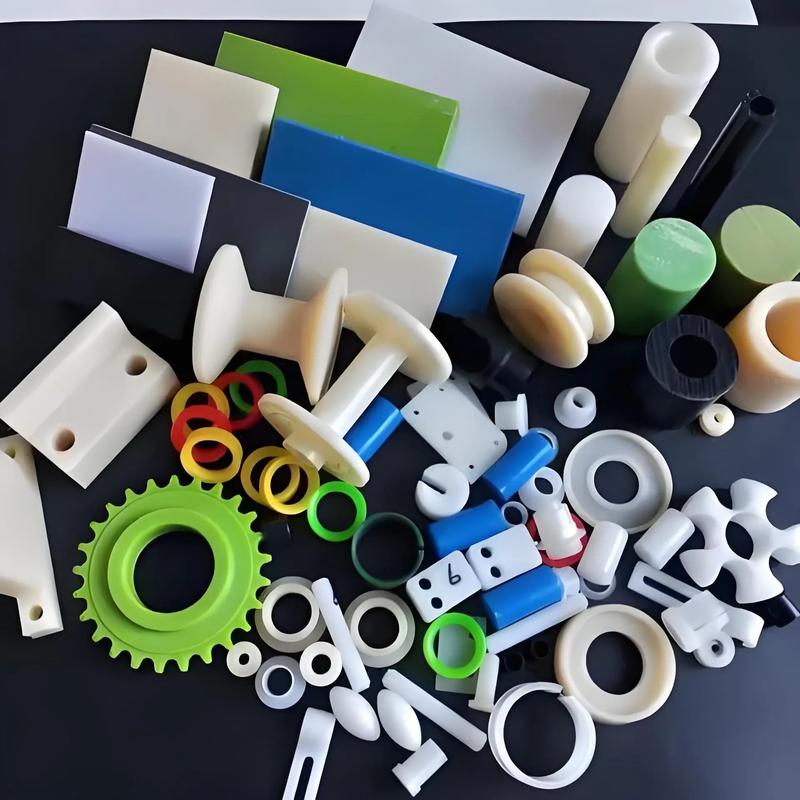
Material Comparison: PI vs. PEEK
While polyimide (PI) can withstand extreme high temperatures, it is often compared to PEEK (Polyetheretherketone).
– Temperature: PI generally has a higher continuous-use temperature (up to 260°C for PI vs. up to 250°C for PEEK) .
– Processing: PEEK is a melt-processable thermoplastic, which simplifies machining and molding. PI often requires more complex sintering or high-temperature compression molding processes.
– Cost: PI is significantly more expensive.
– Properties: PEEK offers higher impact resistance and hydrolysis resistance, whereas PI excels in tribological performance and maintains higher stiffness at elevated temperatures.
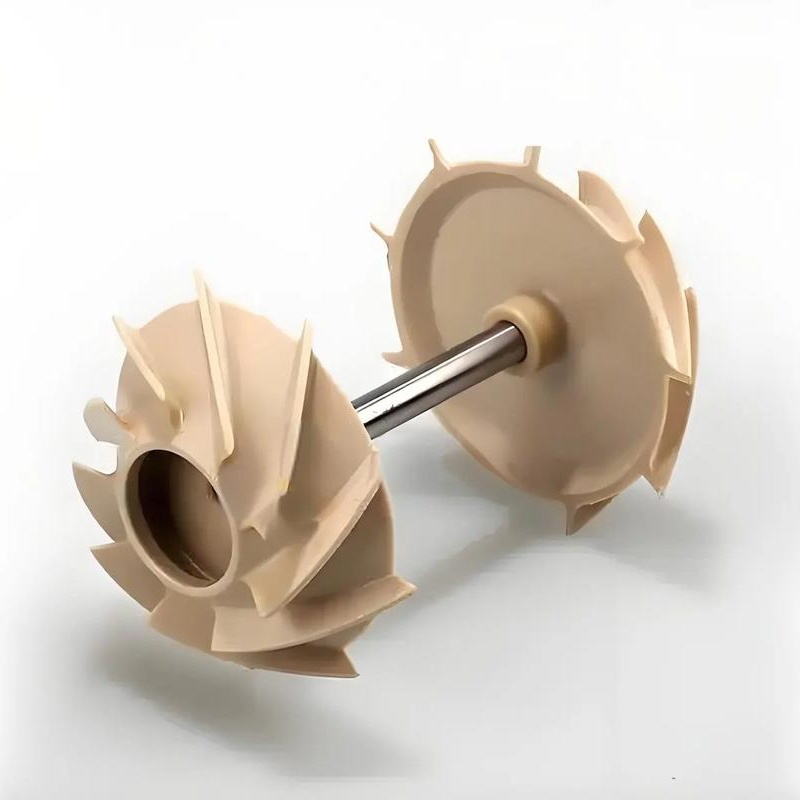
Selection Guide
When selecting PI, buyers and engineers should focus on the following:
– Thermal Requirements: Define the maximum and continuous operating temperatures. Polyimide (PI) can withstand extreme high temperatures up to 400°C short-term, but the specific grade must match your use case.
– Mechanical Loads: Determine the load-bearing and wear requirements.
– Environmental Factors: Assess chemical exposure, moisture levels (consider TECASINT 2000 or 4000 grades with lower moisture absorption), and vacuum conditions (low outgassing) .
– Electrical Needs: For semiconductors or electronics, confirm the volume resistivity and dielectric strength .
– Regulatory Compliance: Does the application require FDA food-grade, medical, UL94 V-0, RoHS, or REACH compliance?
– Lead Time and Sourcing: Contact a reliable PI supplier or PI manufacturer directly. For custom or complex shapes, look for a PI OEM specializing in PI custom parts and PI machining.
– Cost Analysis: PI is a premium material. A cost-benefit analysis compared to metals or other high-temperature plastics should be conducted.
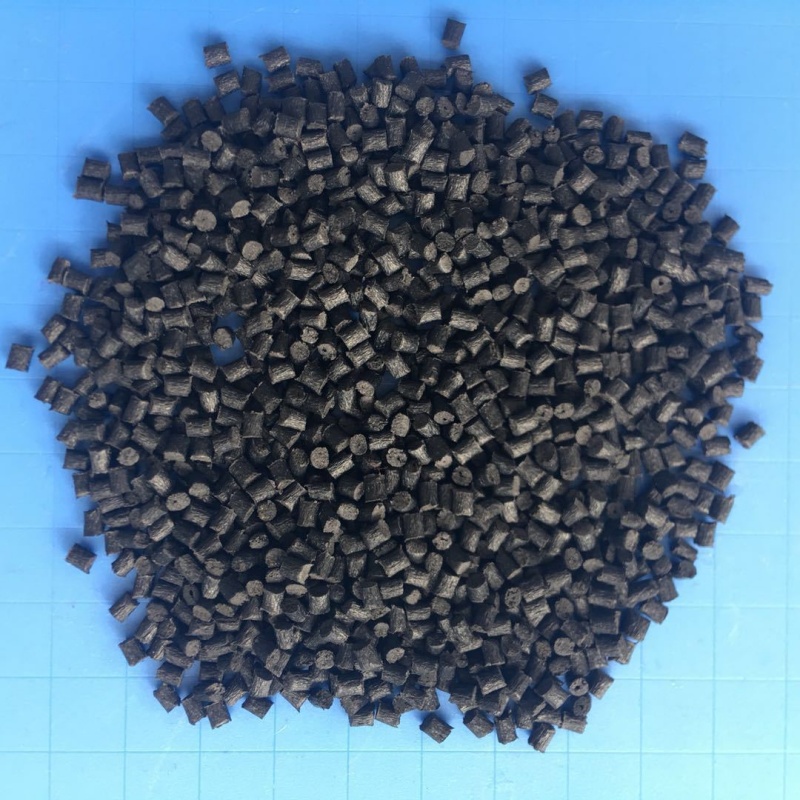
FAQ
What is polyimide (PI)?
Polyimide (PI) is a high-performance polymer with a molecular structure containing imide rings. This gives it exceptional thermal stability, mechanical strength, and chemical resistance, making it the top choice for extreme environments where polymers normally fail .
Why choose polyimide (PI) over other plastics?
Choose PI primarily for its supreme thermal capabilities. Polyimide (PI) can withstand extreme high temperatures that cause other plastics like PPS or even PEEK to soften and degrade. It also offers outstanding wear resistance for demanding, dry-running friction applications .
Can polyimide (PI) replace metal?
Yes, in many cases. PI is used to replace metals where weight reduction is critical, and for self-lubricating components. It is commonly used to replace bronze or stainless steel in bearings and seals, reducing weight, eliminating the need for lubrication, and resisting corrosion .
What temperature can polyimide (PI) withstand?
Polyimide (PI) can be used continuously at temperatures from -269°C up to 260°C, with some high-performance grades offering continuous service up to 300°C. It can withstand brief excursions up to 400°C, with some grades showing short-term heat resistance up to 470°C .
Is polyimide (PI) chemically resistant?
Yes, PI offers excellent chemical resistance to a wide range of substances, including acids, fats, and common solvents. However, its resistance to strong alkalis and concentrated acids is lower, so care must be taken in such environments .
How is polyimide (PI) machined?
Due to its brittle nature and wear resistance, machining PI requires specialized equipment and techniques. Sintered PI is typically machined using carbide tooling with high speeds and low feeds to prevent chipping. It’s best to rely on an experienced PI manufacturer for precision PI machining .
Where can I find a reliable PI supplier?
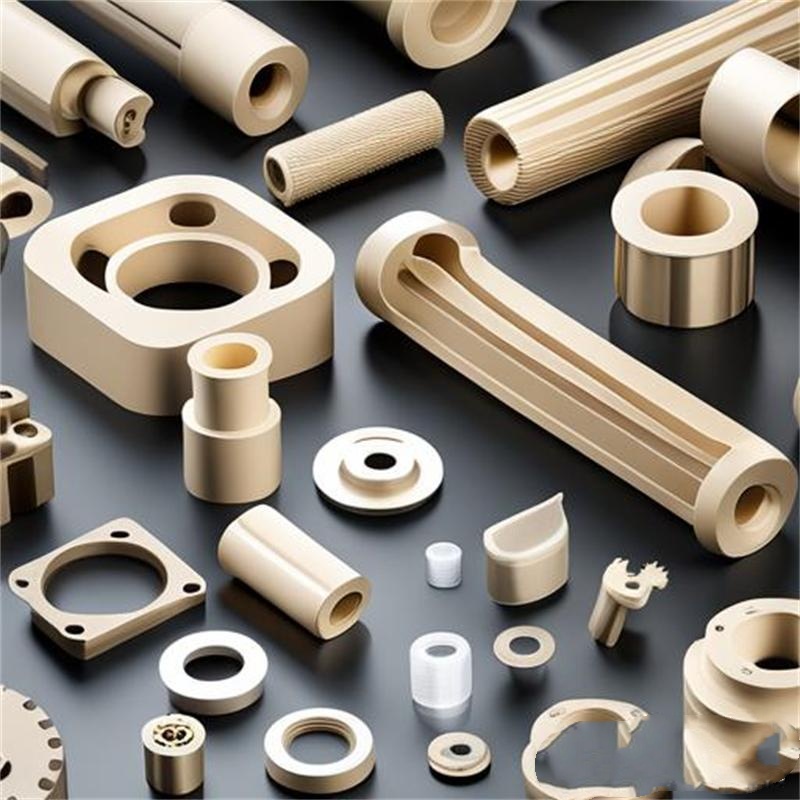
Source PI from established plastic distributors or directly from global PI manufacturers such as Ensinger (TECASINT), DuPont (Vespel, Kapton), and Mitsubishi Chemical. Look for suppliers offering stock shapes (rods, sheets, tubes) and providing PI datasheets .
Why is PI so expensive?
The cost of PI is driven by its complex, high-performance monomer synthesis and challenging manufacturing process. Unlike thermoplastics, it often requires advanced sintering or direct forming, and its production volume is significantly lower than standard engineering plastics, justifying the high price per kilo .
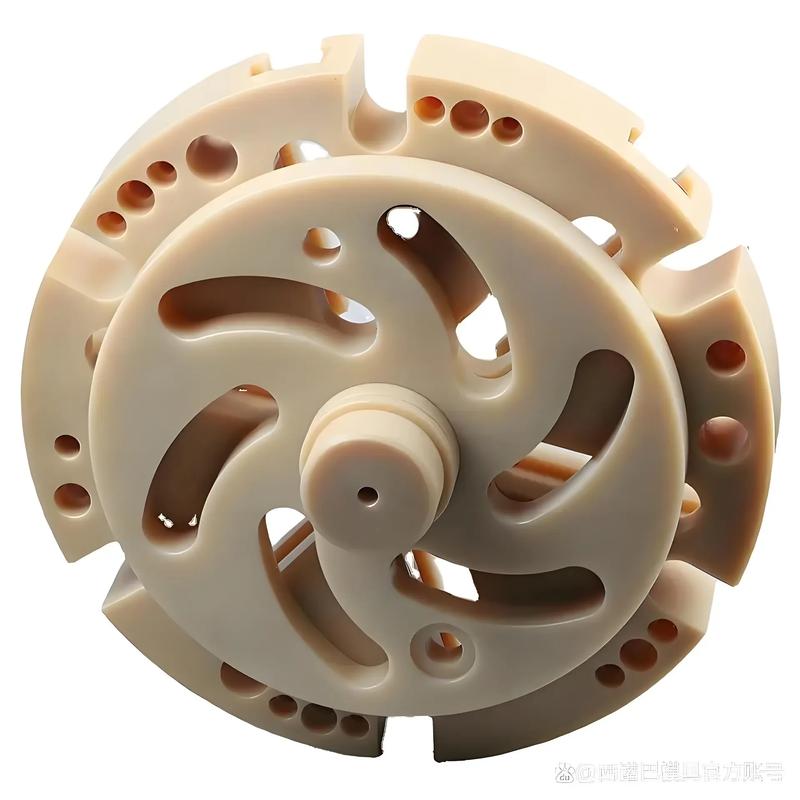
Polyimide (PI) can withstand extreme high temperatures because of its uniquely stable molecular structure, making it the premier choice for the most demanding thermal environments. Its combination of exceptional heat resistance, high mechanical strength, outstanding wear properties, and chemical inertness makes it invaluable across critical industries. By understanding the properties, limitations, and processing requirements of PI, engineers and procurement specialists can effectively harness this advanced material to solve complex engineering challenges. Collaborating with an experienced PI supplier will ensure the right grade is selected for your specific application.
 Thermoplastic vs Thermoset Composites
 Carbon Fiber vs Glass Fiber Composites
 The Influence of Fiber Orientation on the Mechanical Performance of Composite Laminates
 The Multifunctionality of Polymer Composites