
PEEK: The High-Performance Plastic That Replaces Metal in Critical Applications
For decades, engineers and designers facing extreme environments had a simple choice: specify expensive, heavy metal alloys or compromise performance with conventional plastics. The question “Why choose PEEK over metal?” is increasingly answered by engineers who have discovered that polyetheretherketone—better known as PEEK—isn’t just a substitute material. It represents a paradigm shift in engineering design, offering a combination of properties that metals simply cannot match . This article explores why PEEK is often called the “metal replacement plastic” and provides the technical insights needed to evaluate it for your next project.
What Is PEEK?
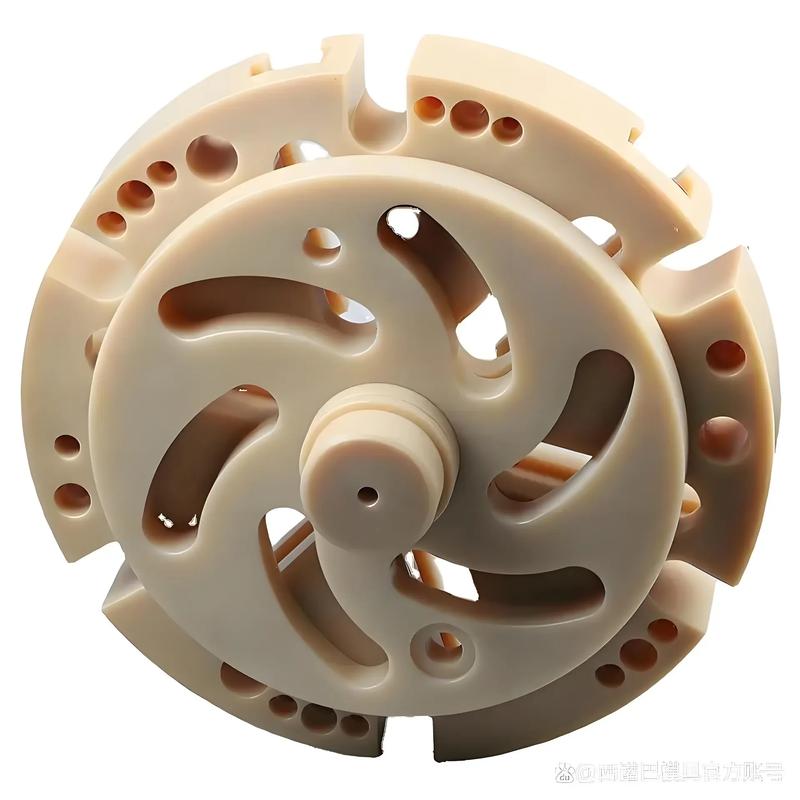
Polyetheretherketone (PEEK) is a semi-crystalline, high-performance thermoplastic polymer belonging to the polyaryletherketone (PAEK) family . Its molecular structure, featuring aromatic rings linked by ether and ketone groups, creates a material with exceptional thermal stability and mechanical strength . First synthesized in 1977 by Imperial Chemical Industries (ICI) and commercialized by Victrex in the early 1980s, PEEK has become the benchmark for high-performance engineering plastics .
PEEK’s unique combination of properties—mechanical strength, thermal stability, chemical resistance, and dimensional stability—makes it the material of choice when failure is not an option. Its strength-to-weight ratio is comparable to many metals, but at a fraction of the weight, which is why PEEK is increasingly viewed as a viable metal replacement across multiple industries .
Key Properties: Why PEEK Stands Out
When assessing PEEK vs metal, the following properties explain why PEEK can replace metal in many demanding applications:
Mechanical Properties
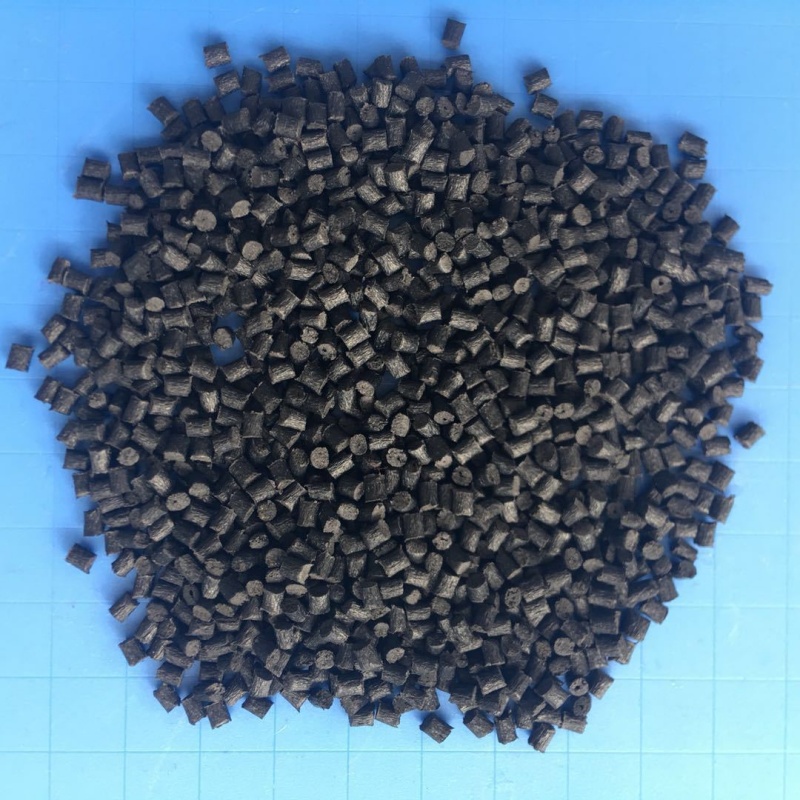
PEEK delivers exceptional mechanical strength that rivals many metals. Unfilled grades achieve tensile strength up to 195 MPa and flexural strength of 290 MPa at 23°C . Carbon-fiber-reinforced grades offer even higher stiffness and strength, with elastic modulus values approaching 17 GPa . Critically, PEEK maintains these properties at elevated temperatures where other plastics fail.
Thermal Properties
With a melting point of 343°C and glass transition temperature of 143°C, PEEK can operate continuously at temperatures up to 260°C . Its heat deflection temperature at 1.8 MPa reaches an impressive 343°C . This thermal capability makes PEEK a direct metal replacement for applications where traditional plastics would soften or degrade.
Chemical Resistance
PEEK exhibits outstanding resistance to a wide spectrum of chemicals, including dilute acids, alkalis, oils, greases, aliphatic and aromatic hydrocarbons, and alcohols . Only concentrated sulfuric acid and nitric acid significantly attack the polymer. This chemical stability is a key reason PEEK is specified for aggressive environments where metals corrode.
Electrical Properties
PEEK provides excellent electrical insulation properties that remain stable across wide temperature ranges and in high-humidity environments . Its dielectric strength and volume resistivity (1,000,000 Ω·cm at 23°C) make it ideal for semiconductor and electronic applications requiring electrical insulation combined with thermal stability .
Wear Resistance and Tribology
PEEK offers exceptional wear resistance and a low coefficient of friction (0.15–0.35), making it an excellent bearing material . Its self-lubricating properties mean PEEK components can often run dry, eliminating the need for lubricants in sensitive applications.
Dimensional Stability
PEEK exhibits low thermal expansion (coefficient of linear thermal expansion: 9×10⁻⁶/K along the flow direction) and high creep resistance, ensuring components maintain their dimensions and tolerances under prolonged load .
Applications: Where PEEK Replaces Metal
When asked “Can PEEK replace metal?” engineers point to real-world successes across diverse industries:
– Aerospace: From engine seals and fasteners to structural components, PEEK delivers the performance of aluminum or titanium at 50-60% weight savings . Its inherent flame retardance (UL94 V-0) and low smoke/toxicity emission are critical for aircraft interiors.
– Automotive and Electric Vehicles: PEEK replaces metal in transmission components, bearings, seals, and ABS valves . In EVs, it serves in 800V electrical systems, battery components, and lightweight structural parts. The humanoid robotics market is emerging as a significant growth driver for PEEK .
– Semiconductor Manufacturing: PEEK’s high purity, low particle generation, and chemical resistance make it essential for wafer carriers, CMP retaining rings, and high-temperature connectors .
– Medical Implants: With a bone-like elastic modulus (3–4 GPa vs. 110–240 GPa for metals), PEEK minimizes stress shielding in spinal cages, joint replacements, and fracture fixation devices . Its radiolucency allows clear post-operative imaging without artifacts.
– Oil and Gas: Seals, connectors, and downhole components made from PEEK withstand 200°C temperatures, 140 MPa pressure, and aggressive chemicals .

Advantages of Choosing PEEK
Weight Reduction: PEEK is approximately 80% lighter than stainless steel and 50% lighter than aluminum while maintaining comparable strength .
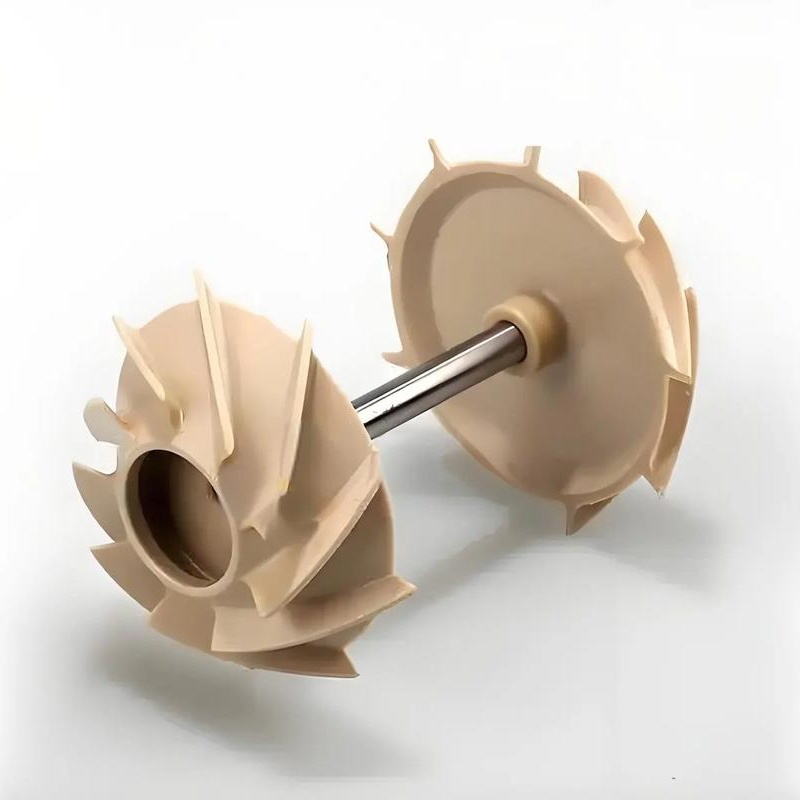
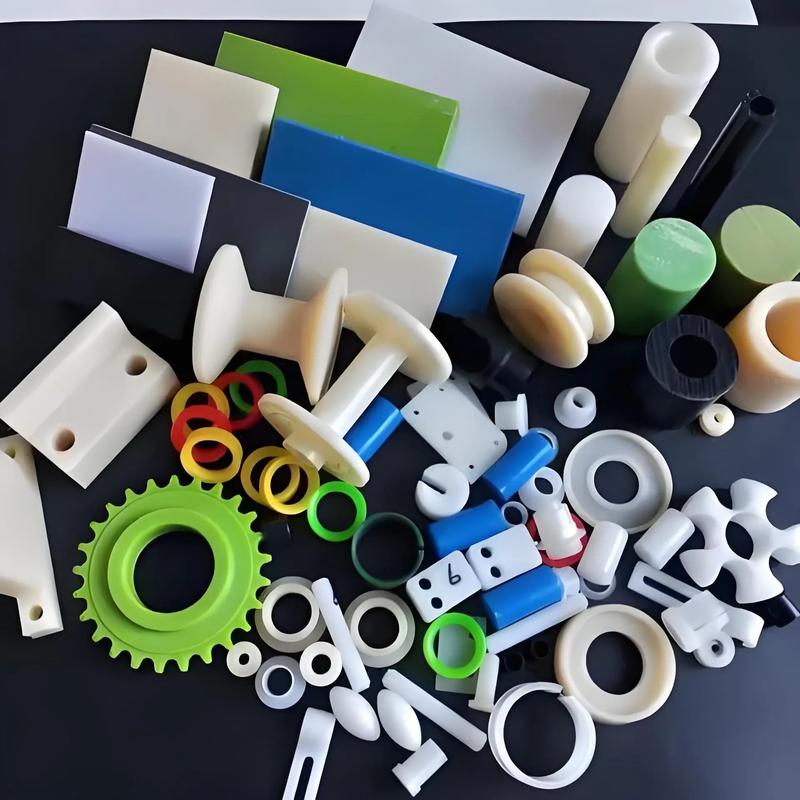
Design Freedom: PEEK’s versatility allows manufacturing via injection molding, CNC machining, extrusion, and additive manufacturing . Complex geometries that require costly metal fabrication can be produced as single PEEK components.
Corrosion Resistance: Replacing metal with PEEK eliminates concerns about galvanic corrosion and chemical attack.
Self-Lubrication: PEEK’s low friction and wear characteristics reduce maintenance requirements and eliminate lubrication needs in inaccessible or clean environments.
Radiolucency: In medical applications, PEEK implants enable accurate post-operative imaging, unlike metal implants that create artifacts .
Regulatory Compliance: PEEK is available in FDA-compliant, medical-grade, and food-grade formulations, with UL94 V-0, RoHS, and REACH compliance .
Limitations of PEEK
Despite its exceptional properties, PEEK has limitations to consider:
– Cost: PEEK is significantly more expensive than standard engineering plastics and can cost up to 40 times more per kilogram than commodity plastics. However, total cost of ownership often favors PEEK when considering maintenance and lifespan.
– Processing Requirements: PEEK requires high processing temperatures (melting point 343°C) and specialized equipment, increasing manufacturing costs.
– Moisture Absorption: While low at 0.3% at saturation , moisture absorption can affect dimensions in precision applications and requires consideration in design.
– UV Resistance: Unmodified PEEK degrades under prolonged UV exposure, limiting outdoor applications without appropriate protection.
Material Comparison: PEEK vs Alternative Plastics
PEEK vs PPS
PPS (Polyphenylene Sulfide) offers cost advantages and good chemical resistance at temperatures up to 200°C. However, PEEK demonstrates superior toughness, higher continuous service temperature (260°C vs. 200°C), and significantly better impact resistance. For demanding applications exceeding 200°C or requiring high ductility, PEEK is the superior choice.
PEEK vs PI
Polyimide (PI) materials match PEEK’s high-temperature capability but at higher cost and often with limited melt processability. PEEK offers a broader processing window and better wear performance in bearing applications.
PPS vs LCP
For applications below 200°C, LCP (Liquid Crystal Polymer) provides excellent flow characteristics for thin-wall molding. PPS bridges the gap between cost and thermal performance.
PSU vs PPSU
PSU and PPSU dominate medical sterilization applications, but PEEK offers higher temperature resistance and chemical resistance when required.
PAI vs PEEK
PAI (Polyamide-imide) provides higher compressive strength and continuous service temperature (up to 280°C) but is typically more expensive, more difficult to process, and less resistant to hydrolysis. PEEK is preferred for high-moisture environments.
Selection Guide: Key Considerations for Buyers
When specifying PEEK, engineers and procurement professionals should evaluate:
– Operating Temperature: Continuous temperatures >260°C exclude PEEK; choose PAI or PI. For <200°C, lower-cost alternatives may suffice.
– Chemical Exposure: PEEK resists most chemicals except concentrated sulfuric and nitric acid. For strong acid exposure, consider specialized grades or alternative materials.
– Load and Stress: Determine whether compressive strength, flexural strength, or tensile properties dominate the design. Consult PEEK datasheets for temperature-dependent performance.
– Wear and Friction: For bearing applications, consider wear-modified grades incorporating PTFE, graphite, or carbon fiber.
– Electrical Requirements: PEEK’s insulating properties are excellent up to high temperatures. Consider grounded or shielded designs for conductive applications.
– FDA, Medical, or Food Grade: Confirm material certification and availability with the supplier. Victrex and other manufacturers offer distinct grades for medical and food-contact applications.
– Regulatory Compliance: Verify UL94 rating, RoHS, and REACH compliance through material datasheets.
PEEK has earned its reputation as a “metal replacement plastic” by delivering a unique combination of mechanical strength, thermal stability, chemical resistance, and wear performance in a lightweight, processable polymer. While it doesn’t replace every metal application, PEEK is the undisputed solution when components must withstand extreme conditions and where total cost of ownership—including weight reduction, corrosion resistance, and longer service life—justifies investment. For engineers and designers seeking a material that pushes the boundaries of what plastic can achieve, PEEK remains the premier choice.
FAQ
What is PEEK?
PEEK (polyetheretherketone) is a semi-crystalline high-performance thermoplastic known for its exceptional thermal stability, mechanical strength, and chemical resistance. It belongs to the PAEK family and is used in demanding engineering and medical applications where conventional materials cannot perform .
Why choose PEEK over metal?
PEEK offers comparable strength to many metals at 50-80% weight reduction. It provides corrosion resistance, self-lubrication, design flexibility, and eliminates galvanic corrosion concerns. In medical applications, PEEK’s bone-like elastic modulus reduces stress shielding—a key advantage over rigid metal implants .
Can PEEK replace metal?
Yes. PEEK successfully replaces metals like aluminum, titanium, and steel in many applications. However, it does not replace all metals. Consider PEEK when weight reduction, corrosion resistance, and self-lubrication are priorities and operating temperatures remain within 260°C continuous service limits .
Is PEEK chemically resistant?
Yes. PEEK demonstrates excellent resistance to dilute acids, alkalis, oils, greases, aliphatic and aromatic hydrocarbons, and alcohols. Only concentrated sulfuric acid and nitric acid attack the polymer, making it suitable for most aggressive chemical environments .
What temperature can PEEK withstand?
PEEK provides continuous service up to 260°C and short-term exposure exceeding 300°C. Its melting point is 343°C, and the glass transition temperature is 143°C. This thermal capability makes PEEK one of the highest-temperature thermoplastics available .
How to machine PEEK?
PEEK can be CNC machined, injection molded, extruded, and 3D printed (via FFF/FDM). Machining requires sharp tooling, adequate cooling, and proper fixturing due to PEEK’s abrasiveness. Post-machining annealing is often recommended to relieve internal stresses and maintain dimensional stability .
Where to buy PEEK?
PEEK is available through major manufacturers including Victrex (the original developer), Evonik, Solvay, and SABIC . Specialized distributors and compounders offer custom grades. For China-based procurement, many domestic manufacturers now provide high-quality PEEK materials .
 Thermoplastic vs Thermoset Composites
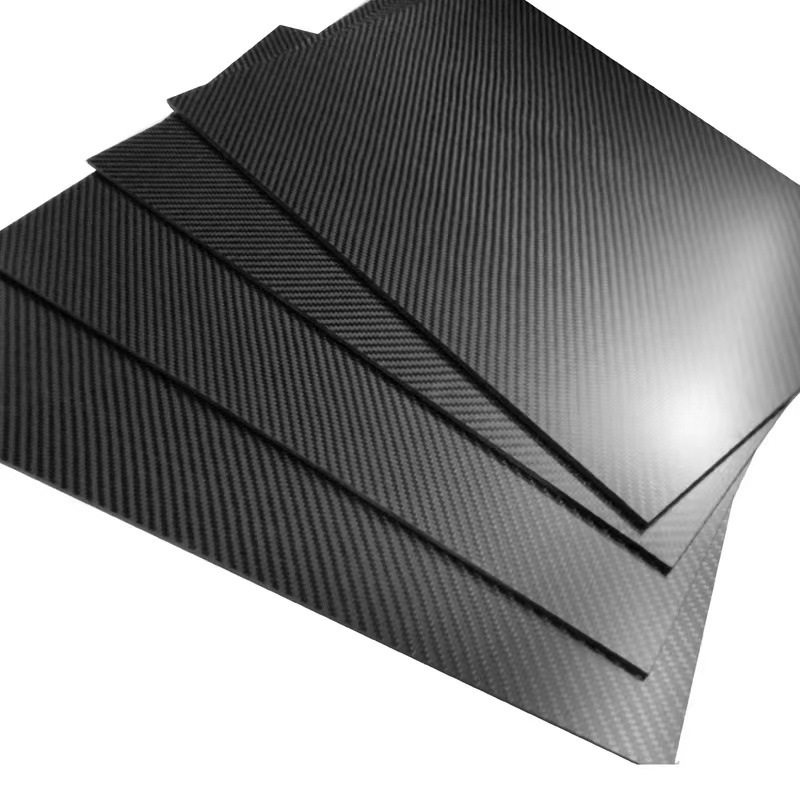 Carbon Fiber vs Glass Fiber Composites
 The Influence of Fiber Orientation on the Mechanical Performance of Composite Laminates
 The Multifunctionality of Polymer Composites