
How Chemically Resistant Is Polyphenylene Sulfide (PPS)
When specifying materials for aggressive chemical environments, few engineering thermoplastics command the respect of Polyphenylene Sulfide (PPS). This semi-crystalline, high-performance polymer has become an industry standard for engineers and procurement specialists who need a material that withstands both thermal and chemical assault . But just how strong is the chemical resistance of PPS, and where does this polymer fall short? This guide provides an in-depth, technical analysis for design engineers, R&D professionals, and global buyers looking to leverage the unique properties of PPS for critical applications.
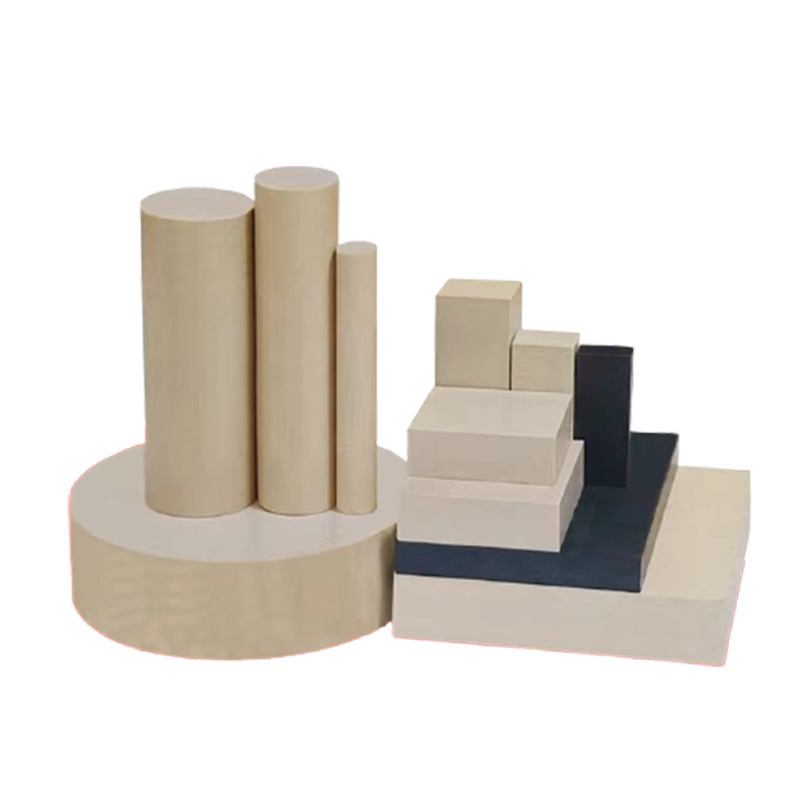
What is PPS (Polyphenylene Sulfide)?
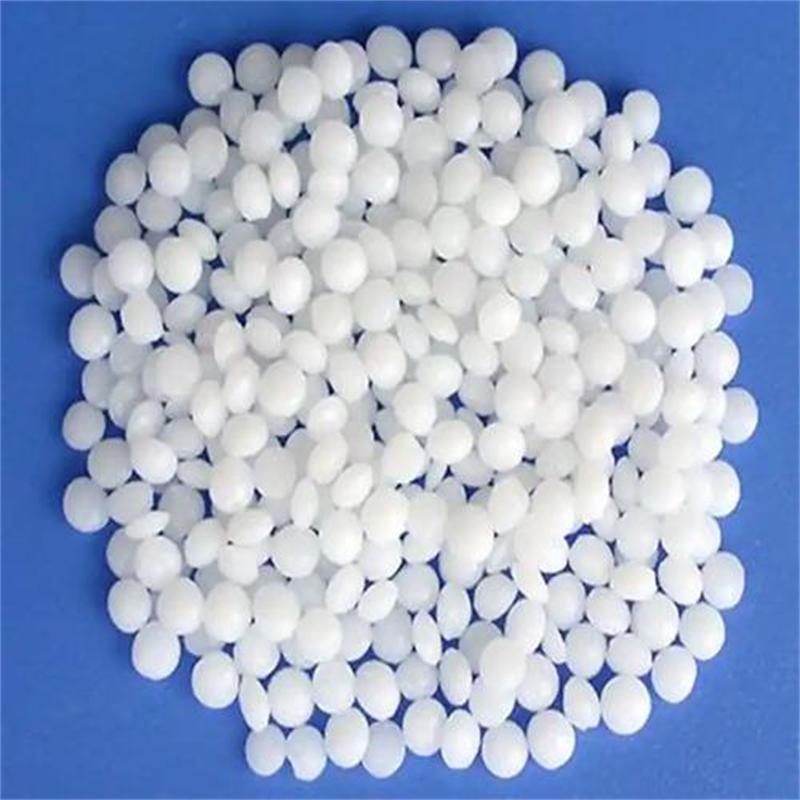
At its core, PPS is a high-temperature engineering thermoplastic composed of benzene rings linked by sulfur atoms. This para-linked aromatic structure forms a rigid, semi-crystalline backbone that is inherently flame-retardant (UL94 V-0 without additives) and highly resistant to degradation . While it is frequently reinforced with glass fibers or mineral fillers (often 30% to 40%) to enhance mechanical strength, its base chemical structure defines its resistance profile . This resin is widely available from global suppliers and manufacturers in various grades, including unfilled, glass-filled, and carbon-filled variants for enhanced electrical insulation or thermal conductivity.
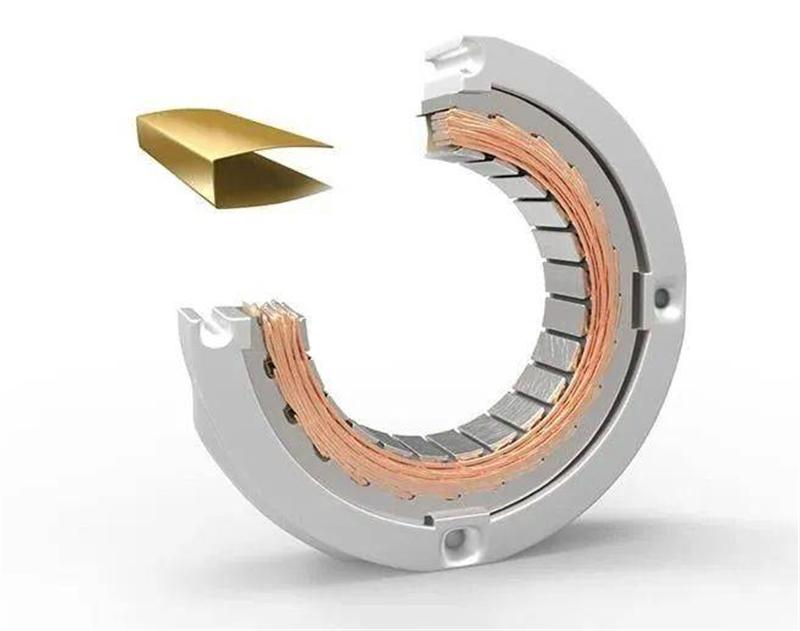
Key Properties of PPS
Before evaluating its chemical limits, it is crucial to understand the properties that define PPS as an engineering material.
– Mechanical Properties: High stiffness and excellent creep resistance. However, it is inherently brittle, which is often mitigated by adding fillers to improve impact strength .
– Thermal Properties: Excellent long-term use at 200°C to 240°C and short-term resistance up to 260°C. The melting point is approximately 280°C to 285°C .
– Chemical Resistance: This is the focus of our article—resists a wide range of solvents and acids, though it is vulnerable to strong oxidizing agents.
– Electrical Properties: Outstanding dielectric strength, making it a top choice for electrical insulation even in high-humidity environments .
– Wear Resistance: Low friction and wear, especially in lubricated grades (often combined with PTFE or carbon fiber) .
– Dimensional Stability: A standout feature—PPS has extremely low moisture absorption (around 0.03%), ensuring parts maintain tight tolerances in wet conditions .
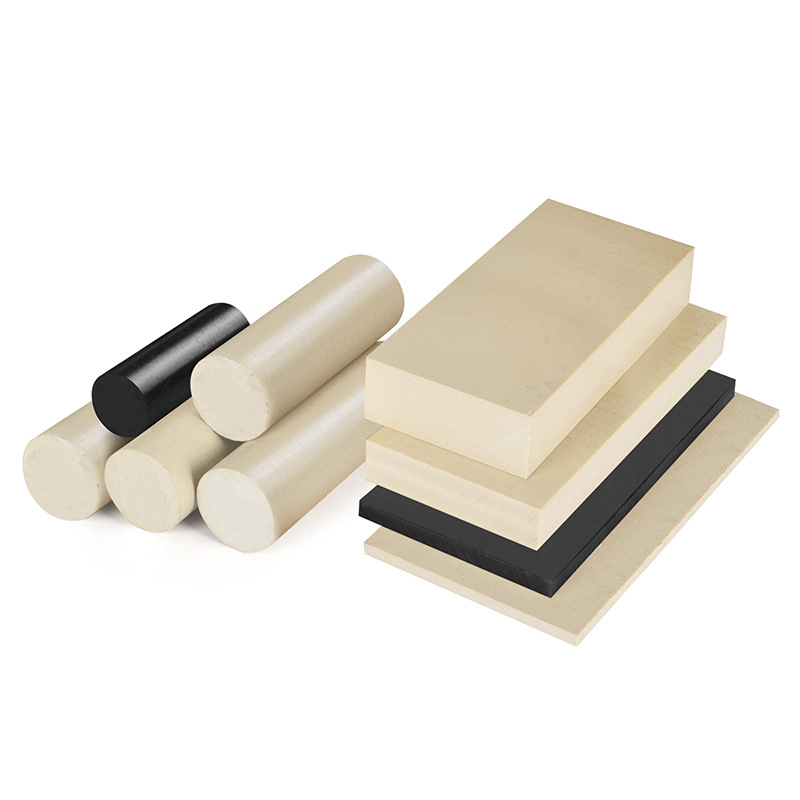
The Chemical Resistance of PPS
To answer the core question: the chemical resistance of PPS is generally considered second only to PTFE (Teflon) among plastics . This is due to its high crystallinity and stable aromatic structure.
Excellent Resistance (The “Safe” Zone)
PPS is highly stable against most organic solvents. No known solvent dissolves PPS below 200°C . It is resistant to:
– Aliphatic and aromatic hydrocarbons (fuels, benzene).
– Chlorinated compounds.
– Esters, ketones, and alcohols.
– Most dilute acids and bases.
This makes it an indispensable material for automotive fuel systems and chemical process equipment .
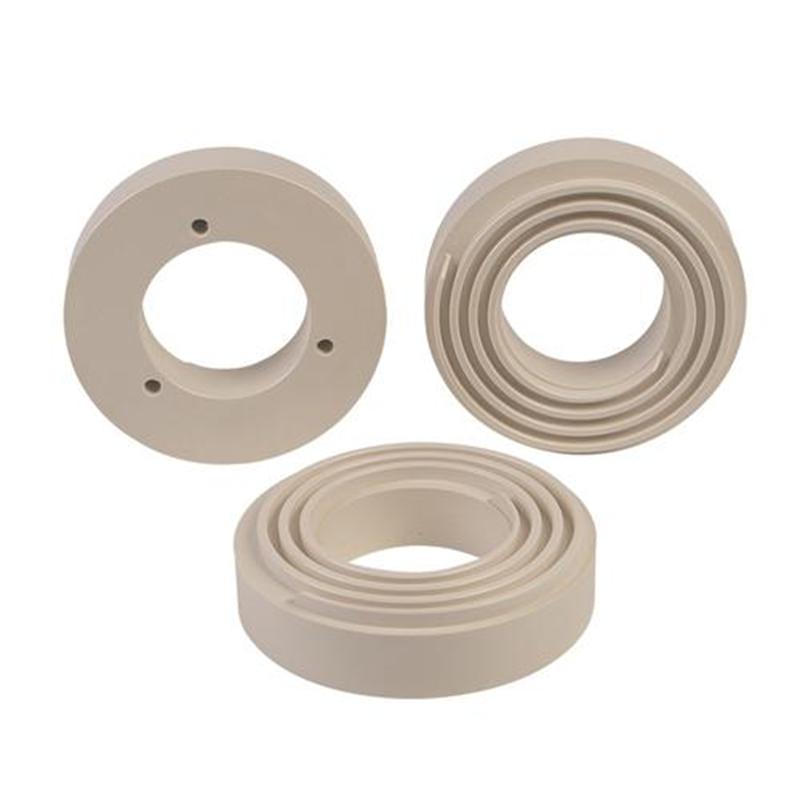
Limitations (The “Caution” Zone)
However, the chemical resistance of PPS is defeated by strong oxidizing acids.
– PPS is attacked by concentrated sulfuric acid, concentrated nitric acid, and aqua regia .
– While it shows good resistance to most dilute acids, concentrated forms will degrade the sulfur bonds in the polymer backbone.
Applications: Where Does This Material Shine?
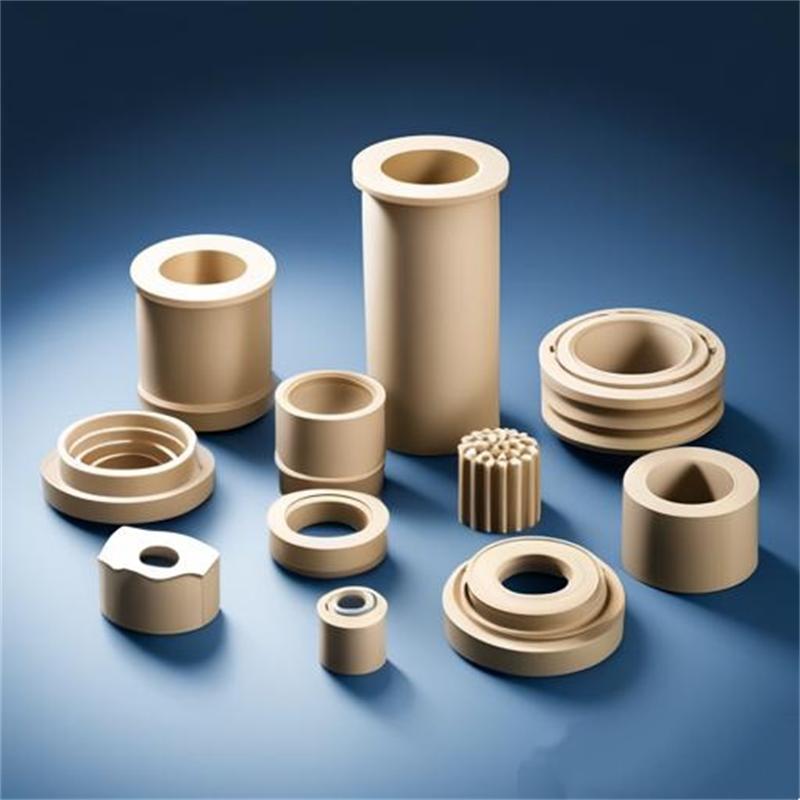
Thanks to its unique balance of thermal and chemical stability, PPS is used to replace metal and thermosets in demanding sectors.
– Automotive: Sensor housings, oil pump components, coolant fittings, and IGBT power modules. In electric vehicles, its resistance to hot coolants and oils is critical .
– Electronics & Electrical: Connectors, sockets, and circuit board fixtures due to its electrical insulation .
– Industrial & Chemical: Pump housings, valve parts, and impellers where corrosion is a constant battle.
– Aerospace & Defense: High-temperature resistant parts requiring dimensional stability and fire safety .

Advantages and Limitations
Advantages
– Inherent Flame Retardancy: Achieves UL94 V-0 rating without costly additives .
– Exceptional Dimensional Stability: Low moisture absorption prevents swelling, ensuring precision custom parts maintain tolerances .
– Cost-Effective Performance: For many applications requiring thermal stability below 240°C, PPS offers a more affordable solution compared to PEEK (often 5-10 times cheaper) .
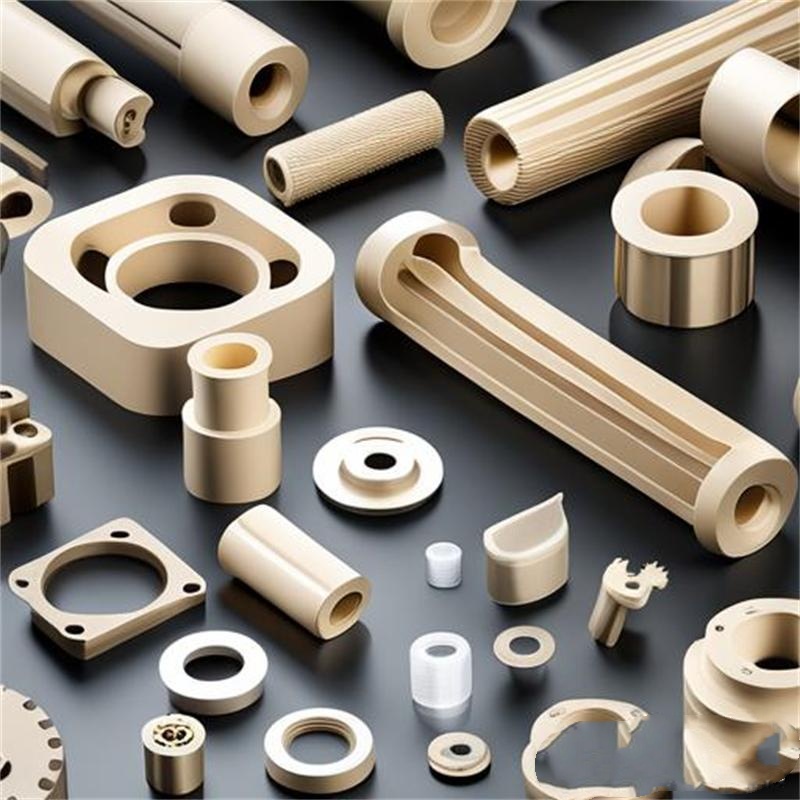
– Easy Machining: Despite its rigidity, it can be processed effectively via injection molding and CNC machining. Many machining guidelines are available for complex geometries.
Limitations
– Brittleness: Low impact resistance compared to materials like PC or Nylon .
– Limited UV Resistance: Unprotected PPS degrades under long-term UV exposure.
– Chemical Ceiling: As noted, cannot withstand strong oxidizing acids.
Material Comparison: PPS vs. PEEK
This is the most common comparison for engineers deciding on a high-performance plastic .
PEEK (Polyether Ether Ketone) is often considered the “superior” material in terms of mechanical strength, impact resistance, and maximum continuous operating temperature (260°C vs. 220°C for PPS) . However, the chemical resistance of PPS is arguably comparable to PEEK in most environments, though PEEK tends to have slightly better resistance to high-pressure steam and concentrated sulfuric acid.
The critical differentiator is price and processing . PEEK is significantly more expensive and requires higher processing temperatures (380°C vs. 320°C for PPS). For applications where the operational temperature does not exceed 220°C and impact strength is not the primary concern, PPS offers a pragmatic, cost-effective alternative. For example, a standard automotive valve might use PPS for cost control, whereas an aerospace component under extreme fatigue might justify the cost of PEEK.
Selection Guide for Buyers and Engineers
When selecting PPS grades, consider the following criteria:
1. Service Temperature: If your operating environment is below 220°C, PPS is viable. If above, look at PEEK .
2. Chemical Environment: Ensure the fluid is not concentrated sulfuric acid or nitric acid.
3. Mechanical Load: For high load/friction, choose a lubricated grade (PTFE or Carbon filled) .
4. Regulatory Compliance: Check for RoHS and REACH compliance. For food contact, specific Food Grade or FDA approved variants are available .
5. Sourcing: If you are looking for a China based supplier or factory, ensure they offer OEM support and strict quality control for custom parts.
FAQ: Questions from Engineers and Procurement
Q: What is PPS?
PPS (Polyphenylene Sulfide) is a semi-crystalline, high-performance engineering thermoplastic. It is known for its exceptional resistance to heat and chemicals, inherent flame retardancy, and excellent electrical insulation properties, making it a primary choice for replacing metals in demanding industries .
Q: Why choose PPS over other plastics?
Choose PPS when you need a material that offers a “middle-ground” solution. It provides excellent chemical and heat resistance at a much lower cost than PEEK, while significantly outperforming standard plastics like ABS or PP in high-temperature and corrosive environments .
Q: Can PPS replace metal?
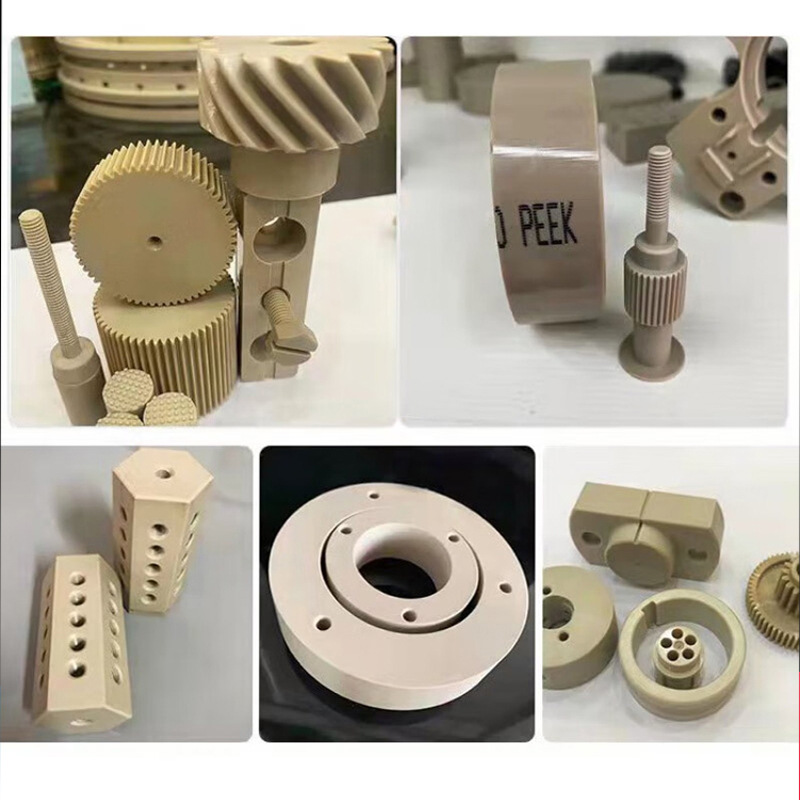
Yes. PPS is widely used to replace metals like aluminum and steel in automotive and electronic applications. It reduces weight, resists corrosion that would affect metals, and can be molded into complex shapes, reducing the need for secondary machining operations .
Q: Is PPS chemically resistant?
Yes. The chemical resistance of PPS is outstanding, second only to PTFE. It resists most fuels, oils, acids, and organic solvents. The main exception is strong oxidizing agents like concentrated sulfuric and nitric acids .
Q: What temperature can PPS withstand?
PPS can withstand continuous service temperatures of 200°C to 240°C, with a short-term tolerance up to 260°C. It has a melting point of approximately 280°C to 285°C .
Q: How to machine PPS?
While PPS is often injection-molded, machining is common for prototypes. It requires sharp tooling. Due to its abrasiveness (especially when glass-filled), carbide or diamond tools are recommended to ensure tight tolerances and reduce wear.
Q: Where to buy PPS?
PPS is available through global distributors or directly from manufacturers. When sourcing, look for a supplier offering a reliable datasheet and the ability to supply specific grades (glass-filled, mineral-filled) suitable for your application requirements.
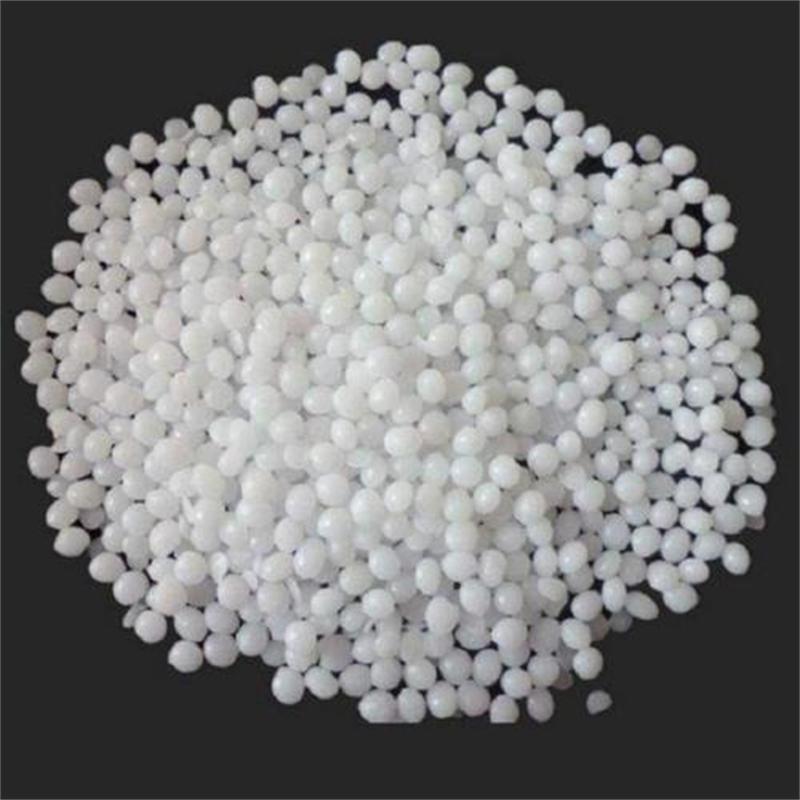
In the hierarchy of engineering plastics, the chemical resistance of PPS places it near the top, just behind fluoropolymers. It is a robust, reliable, and cost-effective material solution for engineers navigating the challenges of high temperatures and corrosive chemicals in industries ranging from automotive to electronics. While it is not the absolute “best” in every category—it lacks the ultimate temperature resistance of PEEK or the impact strength of PC—its unique balance of properties, flame retardancy, and dimensional stability make it an indispensable material for modern engineering design and a key component in the transition to more efficient technologies like electric vehicles . When sourcing, ensure you work with a reputable supplier to secure the correct grade for your specific design criteria.
Thermoplastic vs Thermoset Composites
 Carbon Fiber vs Glass Fiber Composites
 The Influence of Fiber Orientation on the Mechanical Performance of Composite Laminates
 The Multifunctionality of Polymer Composites