
Thermoplastic vs Thermoset Composites
The selection between thermoplastic and thermoset polymer matrices is one of the most consequential decisions in composite material engineering. This choice fundamentally influences manufacturing feasibility, mechanical performance, lifecycle costs, and end-of-life options for components across aerospace, automotive, marine, and industrial applications .
Thermoset composites—dominated by epoxy, polyester, and vinyl ester resins—have long been the industry standard for high-performance structural applications. Their cross-linked molecular structure provides excellent stiffness, dimensional stability, and thermal performance. However, thermoplastic composites—utilizing polymers such as PEEK, PPS, PEI, and polyamide—are gaining substantial market share, with the global thermoplastic composites market projected to grow from USD 28.0 billion in 2019 to USD 36.0 billion by 2024 .
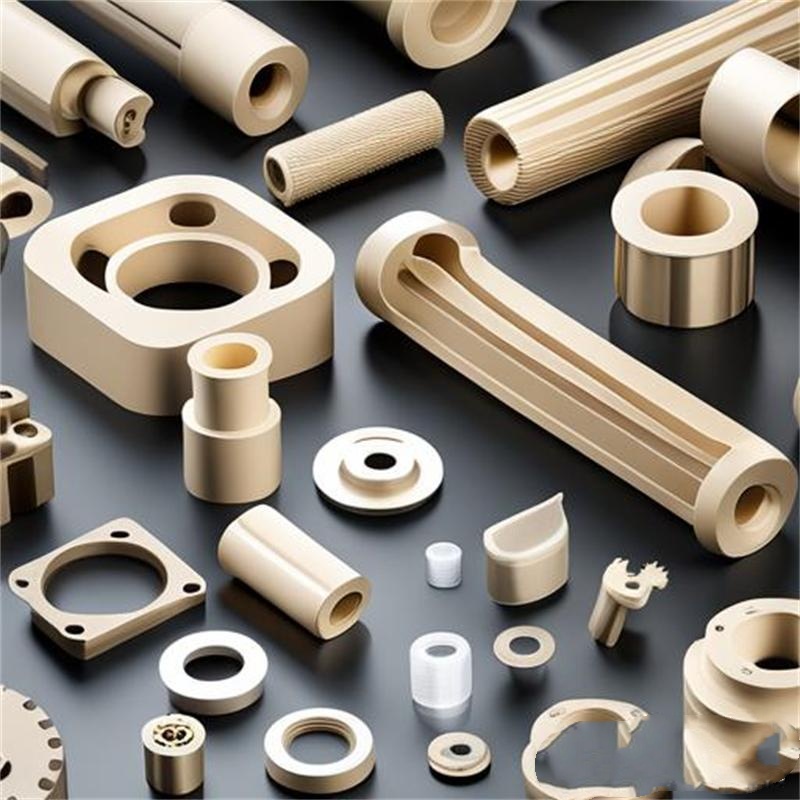
What Are Thermoset Composites?
Thermoset composites consist of a polymer matrix that undergoes an irreversible chemical cross-linking reaction during curing. This thermosetting process—initiated by heat, chemical catalysts, or a combination—transforms the resin from a liquid or malleable solid into a rigid, three-dimensional molecular network that cannot be remelted or reformed .
Molecular Structure and Curing Mechanism
The cross-linked structure of thermoset polymers provides their defining characteristics. During curing, polymer chains bond together through covalent bonds, creating an interconnected network that resists molecular movement under load. This structure accounts for the material`s high stiffness, creep resistance, and thermal stability up to the decomposition temperature .
Once fully cured, thermoset composites cannot be reshaped. Any attempt to reheat the material results in thermal degradation rather than melting. This irreversibility is both a limitation and, in certain applications, an advantage—thermoset components maintain their dimensional stability and mechanical properties through repeated thermal cycling .
Common Thermoset Matrix Systems
Epoxy Resins represent the most widely used thermoset matrix for high-performance composites, particularly carbon fiber reinforced systems. Their excellent adhesion to carbon fibers, low shrinkage during cure, and balance of mechanical properties make them the baseline for aerospace and automotive structural applications . Research has demonstrated that carbon fiber reinforced thermoset epoxy (CFRTS) laminates achieve interfacial shear strength comparable to thermoplastic epoxy systems, with approximately 45% fiber volume fraction .
Polyester Resins offer a cost-effective option for general-purpose composites, widely used in marine, construction, and consumer goods applications. They process readily at ambient temperatures but provide lower mechanical performance and reduced chemical resistance compared to epoxy systems .
Vinyl Ester Resins bridge the performance gap between polyester and epoxy, offering improved chemical resistance and mechanical properties while maintaining reasonable cost and processability. These materials are frequently specified for corrosion-resistant applications such as chemical storage tanks and piping.
Phenolic Resins provide exceptional fire resistance and low smoke emissions, making them the material of choice for interior aircraft and mass transit components where fire safety is paramount.
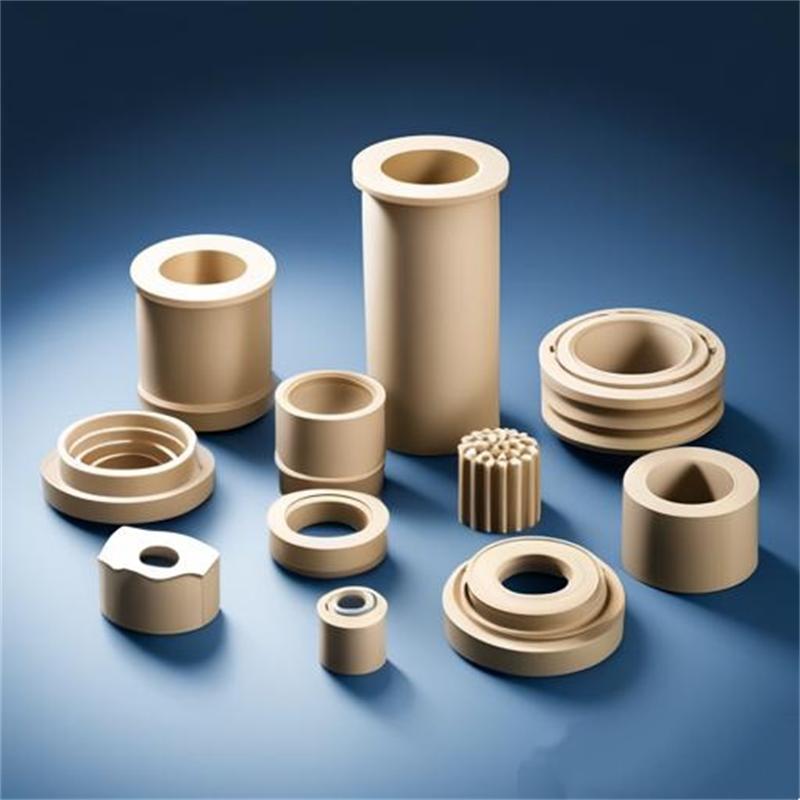
What Are Thermoplastic Composites?
Thermoplastic composites utilize polymer matrices that soften when heated and harden upon cooling through a reversible physical process. Unlike thermosets, thermoplastic polymers are composed of long molecular chains that are not chemically cross-linked, allowing them to flow and be reshaped when heated above their glass transition temperature (Tg) or melting temperature (Tm) .
Molecular Structure and Processing Mechanism
The absence of cross-linking bonds gives thermoplastic molecules freedom to slide past one another under applied heat and pressure. This characteristic enables the fundamental processing advantages of thermoplastics: rapid consolidation cycles, the ability to weld components together, and the potential for remelting and reusing materials .
Semicrystalline thermoplastics such as PEEK and PPS exhibit both crystalline and amorphous regions, providing a combination of thermal stability, chemical resistance, and mechanical performance that approaches thermoset levels. Amorphous thermoplastics such as PEI (polyetherimide) offer good dimensional stability and optical clarity but reduced chemical resistance .
Common Thermoplastic Matrix Systems
PEEK (Polyether Ether Ketone) represents the highest-performing thermoplastic matrix commercially available for structural composites. Its semicrystalline structure provides continuous service temperatures up to approximately 250°C, exceptional chemical resistance, and mechanical properties that surpass many thermoset systems . Research indicates that carbon fiber reinforced PEEK (C/PEEK) laminates exhibit time-to-failure approximately 17 times higher than C/epoxy laminates under identical creep loading conditions with a 50 kW/m² heat flux .
PPS (Polyphenylene Sulfide) offers a cost-effective alternative to PEEK with a continuous service temperature of approximately 200°C. PPS resin cost is approximately an order of magnitude lower than PEEK and less than half that of PEI, making it attractive for large structural applications. Successfully demonstrated applications include the Airbus A340 and A380 fixed wing leading edges and Fokker 50 undercarriage doors .
PEI (Polyetherimide) provides good thermal performance and processing characteristics for applications requiring transparency and dimensional stability. However, the resin cost for PEI exceeds that of PPS, and its amorphous structure provides lower chemical resistance than semicrystalline options .
Polyamide (Nylon) Composites serve in applications where cost is a primary driver and service temperatures remain below approximately 150°C. Glass fiber reinforced nylon compounds are widely used in automotive and industrial applications requiring toughness and chemical resistance.
Manufacturing Process Comparison
The divergent processing requirements of thermoset and thermoplastic composites significantly impact manufacturing cost, cycle time, and production scalability.
Thermoset Composite Processing
Prepreg Layup and Autoclave Curing represents the traditional manufacturing approach for high-performance thermoset composites. Layers of pre-impregnated carbon or glass fiber are laid up in the desired orientation, then subjected to elevated temperature and pressure in an autoclave for two to four hours to complete the curing reaction . This process enables high fiber volume fractions and precise fiber alignment but requires substantial capital equipment, high energy consumption, and limited throughput.
Resin Infusion Processes including vacuum-assisted resin transfer molding (VARTM) and resin transfer molding (RTM) involve injecting liquid thermoset resin into a closed mold containing dry fiber reinforcement. The resin then cures at elevated temperature. These processes reduce prepreg costs but require precise control of resin flow and cure kinetics to achieve consistent part quality .
Compression Molding of sheet molding compound (SMC) or bulk molding compound (BMC) enables high-volume production of thermoset composite parts with cycle times of two to five minutes. However, fiber length and alignment are limited, reducing mechanical properties compared to continuous fiber prepreg systems.
Key Thermoset Processing Characteristics:
– Extended cure cycles: typically two to four hours for autoclave processes
– Mandatory thermal cycling with controlled heating and cooling rates
– Significant energy input for both heating and maintaining elevated temperatures
– Limited ability to process parts beyond certain thickness without exothermic reaction issues
– Post-cure processing often required to achieve full property development
Thermoplastic Composite Processing
Automated Fiber Placement (AFP) with in-situ consolidation represents a transformative manufacturing capability for thermoplastic composites. The process deposits pre-impregnated thermoplastic tape onto a tool surface with localized heating and pressure, consolidating the material immediately. As thermoplastics do not require curing, the same cycle that would cure one thermoset part can consolidate multiple thermoplastic parts, significantly reducing processing time and energy consumption .
Thermoforming of pre-consolidated thermoplastic composite sheets enables the rapid production of parts from pre-existing flat stock. Heating the sheet above the matrix melt temperature, forming in a matched metal tool, and cooling under pressure produces finished parts in minutes rather than hours.
Injection Molding is the highest-volume thermoplastic composite process, enabling cycle times of thirty to ninety seconds. However, fiber length is limited by the processing conditions, and fiber orientation is influenced by flow patterns, resulting in reduced mechanical properties compared to continuous fiber systems.
Compression Molding of thermoplastic composites requires heating the material to melt temperature before forming and subsequent cooling to solidify the matrix. Automatic shuttling of parts in and out of the press can further reduce the energy requirement for subsequent parts .
Key Thermoplastic Processing Characteristics:
– Rapid consolidation: multiple parts in the time required to cure one thermoset component
– No chemical curing reaction: simplified process control
– Elimination of autoclave processing for many applications
– Unlimited raw material shelf life without refrigeration requirements
– Potential for in-situ consolidation in automated fiber placement
Mechanical and Physical Properties Comparison
Damage Tolerance and Toughness
The most significant property advantage of thermoplastic composites is their superior damage tolerance, derived from the fundamental structure of the polymer chains themselves. Thermoplastic long-chain molecules are inherently tougher than the cross-linked backbone of thermosets, resulting in higher impact resistance, better fatigue performance, and improved crack propagation resistance .
This increased toughness manifests in several measurable characteristics: thermoplastic composites absorb more energy during impact events and are better at preventing crack propagation, making them particularly valuable for dynamic aerospace conditions. The material can also be reheated and reformed in the field for repair, potentially reducing component downtime .
Thermal Performance
While thermoset composites typically exhibit higher stiffness at elevated temperatures due to their cross-linked structure, high-performance thermoplastics have closed this performance gap in recent years. PEEK-based composites can achieve continuous service temperatures up to 250°C, comparable to or exceeding many epoxy systems .
However, thermoplastics generally exhibit lower residual stress in molded parts than thermosets because they solidify as they cool down, whereas thermosets solidify as they heat up during curing. This reduced residual stress translates to more dimensionally stable components .
Research has demonstrated that under identical thermal aggression conditions (50 kW/m² heat flux, creep loading), C/PEEK laminates exhibit time-to-failure approximately 17 times higher than C/epoxy laminates, while C/PPS shows approximately twice the resistance of the epoxy baseline. This dramatic improvement is attributed to the higher thermal decomposition onset temperatures of thermoplastics (580–510°C for PEEK and PPS) compared to epoxy (350°C) .
Chemical Resistance
Thermoplastic composites generally provide superior chemical resistance compared to thermoset systems. This advantage is particularly pronounced in high-performance semicrystalline thermoplastics such as PEEK and PPS, which resist attack from a wide range of solvents, fuels, and hydraulic fluids. Low moisture uptake further contributes to excellent hot-wet property retention, making thermoplastics attractive for marine and chemical processing applications .
Interfacial Properties
The fiber-matrix interface plays a critical role in composite performance. Studies have demonstrated that carbon fiber reinforced thermoplastic epoxy (CFRTP) achieves interfacial shear strength comparable to thermoset epoxy systems (CFRTS) when the thermoplastic matrix has sufficient molecular weight. Research indicates that thermoplastic epoxy with weight-average molecular weight (Mw) exceeding 60,000 provides optimal interfacial bonding, with values comparable to thermoset systems at Mw=90,000 .
Advantages Summary
Thermoset Composite Advantages
– Established Processing Infrastructure: Extensive industry knowledge, equipment availability, and supply chain support
– Dimensional Stability: Cross-linked structure provides excellent creep resistance and dimensional stability under load
– Thermal Performance: Can maintain mechanical properties at elevated temperatures without softening
– Lower Raw Material Cost: Thermoset resin systems are generally less expensive than high-performance thermoplastics
– Long Processing Window: Many thermoset systems offer extended working time before cure initiates
– Excellent Fiber Wet-Out: Low resin viscosity facilitates thorough reinforcement impregnation
Thermoplastic Composite Advantages
– Superior Damage Tolerance: Higher toughness, impact resistance, and fatigue performance than thermosets
– Rapid Processing: Eliminates lengthy cure cycles, significantly reducing manufacturing time
– Recyclability: Thermoplastics can be remelted and reprocessed, supporting circular economy initiatives
– Repairability: Components can be reheated and welded for in-field repair
– Unlimited Shelf Life: Thermoplastic prepreg requires no refrigeration, reducing storage costs and simplifying inventory management
– Energy Efficiency: Processing energy requirements are substantially lower than thermoset equivalents
– Weldability: Fusion bonding can eliminate adhesives and mechanical fasteners
– Enhanced Fire Performance: Higher decomposition temperatures than epoxy systems
Limitations Summary
Thermoset Composite Limitations
– Irreversible Curing: Cannot be remolded or reshaped after cure
– Limited Repairability: Damaged components typically require complete replacement
– Recycling Challenges: Cross-linked structure prevents remelting, limiting end-of-life options
– Extended Processing Times: Two to four hour cure cycles reduce manufacturing throughput
– Shelf Life Constraints: Thermoset prepreg requires refrigeration and has finite storage life
– Brittle Failure Modes: Limited energy absorption capacity under impact loads
– Higher Residual Stress: Curing process induces residual stresses that can affect dimensional stability
Thermoplastic Composite Limitations
– Higher Matrix Cost: High-performance thermoplastics such as PEEK are significantly more expensive than epoxy systems
– Processing Challenges: Higher melt viscosity can complicate fiber impregnation and wet-out
– Specialized Equipment Requirements: Heaters, cooling systems, and consolidation equipment differ from traditional thermoset processing
– Surface Preparation Requirements: May require special surface treatments for painting or adhesive bonding
– Creep Sensitivity: Can exhibit creep under sustained load at elevated temperatures near the Tg
– Limited High-Temperature Options: Fewer material choices for applications exceeding 300°C continuous service
Applications
Thermoset Composite Applications
Aerospace: Thermoset composites remain dominant for primary and secondary structural components requiring maximum stiffness and thermal stability. Fuselage sections, wing skins, engine nacelles, and interior components are commonly manufactured from carbon fiber/epoxy systems due to their excellent strength-to-weight ratio and dimensional stability under thermal cycling .
Marine: Thermoset composites—particularly polyester and vinyl ester resins with glass fiber reinforcement—are the standard for boat hulls, decks, and superstructures. Their cost-effectiveness, resistance to water absorption, and established manufacturing processes support widespread adoption .
Automotive: Thermoset composites are used for structural components, body panels, and under-hood applications requiring heat resistance. Compression molded SMC is particularly common for Class A body panels and structural components .
Wind Energy: Thermoset composites, predominantly epoxy and polyester with glass fiber reinforcement, dominate wind turbine blade manufacturing due to their combination of mechanical performance, fatigue resistance, and established processing capability for large structures.
Thermoplastic Composite Applications
Aerospace: Thermoplastics are increasingly adopted for secondary structures, interior components, and selected primary structures where damage tolerance and repairability are prioritized. Successful applications include the Airbus A340 and A380 fixed wing leading edges (PPS matrix), Fokker 50 undercarriage doors (PPS matrix), and various interior components requiring fire resistance and toughness .
Automotive: Thermoplastic composites are rapidly growing in automotive applications, particularly for semi-structural components, underbody shields, and interior parts where rapid cycle times and recyclability provide competitive advantages .
Consumer Electronics: The combination of lightweight, durability, and design flexibility has driven adoption of thermoplastic composites for laptop housings, mobile device frames, and wearable technology components .
Sports Equipment: Thermoset composites have historically dominated high-performance sporting goods such as bicycles, tennis rackets, and golf clubs. However, thermoplastic composites are increasingly specified for components where damage tolerance and recyclability are valued .

Design Considerations
Performance-Based Selection Criteria
Service Temperature is the primary discriminator between material families. For applications with continuous service temperatures below approximately 120°C, both thermosets and thermoplastics may be viable. Applications requiring service between 120°C and 180°C typically specify epoxy thermosets or high-performance thermoplastics such as PPS or PEI. Continuous service above 180°C typically requires PEEK thermoplastics or specialized thermoset formulations with high glass transition temperatures .
Loading Conditions should guide material selection based on the dominant failure modes. For static, high-load applications where stiffness and dimensional stability are paramount, thermoset composites often provide advantages. For applications subject to impact, fatigue, or dynamic loading, the superior damage tolerance of thermoplastic composites may justify their higher material cost .
Manufacturing-Based Selection Criteria
Production Volume significantly influences material selection. For low-volume, high-value components such as aerospace prototypes or bespoke marine structures, the longer cycle times and higher capital requirements of thermoset processing may be acceptable. For high-volume automotive or consumer goods production, the rapid cycle times and recyclability of thermoplastics provide compelling advantages .
Part Size and Complexity affects processing feasibility. Thermoset composites can be processed in very large structures through infusion or prepreg layup methods. Thermoplastic composites are generally more challenging for large structures due to heating and cooling requirements, although automated fiber placement with in-situ consolidation is enabling larger thermoplastic components .
Lifecycle Considerations
Repair and Maintenance costs should be evaluated over the component lifecycle. Thermoset components typically require complete replacement when damaged, increasing lifecycle costs and downtime. Thermoplastic components can often be repaired through reheating and welding, reducing downtime and extending component life .
End-of-Life Management is increasingly important as sustainability regulations evolve. Thermoplastic composites can be remelted and reprocessed, supporting circular economy objectives. Thermoset composites are typically landfilled or incinerated at end-of-life, although emerging recycling technologies such as pyrolysis and solvolysis are being developed .
Energy Consumption differences between material systems should be considered in environmental impact assessments. The elimination of autoclave processing and reduced cycle times for thermoplastics result in substantially lower energy consumption per component. For simple parts produced in a heated press, energy consumption is proportional to the area under the time-temperature cure cycle, with thermoplastics enabling multiple parts within the time required for a single thermoset cure .
Industry Standards
Relevant standards organizations and specifications for thermoset and thermoplastic composites include:
ASTM International provides test methods for composite materials, including ASTM D3039 (tensile properties), ASTM D6641 (compression properties), ASTM D7264 (flexural properties), and ASTM D7136 (drop-weight impact).
SAE International maintains aerospace material specifications (AMS) for composite materials, including AMS 3925 and AMS 3927 for carbon fiber/epoxy prepregs and AMS 3974 for thermoplastic composites.
ISO Standards including ISO 527 (plastics tensile testing), ISO 14125 (fiber-reinforced composites flexural testing), and ISO 14130 (interlaminar shear strength by short-beam method) provide international testing frameworks.
NADCAP certification for composite processing ensures quality management compliance for aerospace applications.
DNV GL provides standards for marine composite structures, including DNVGL-ST-C501 (Composite Components) and DNVGL-CP-0166 (Composite Materials).
Government Specifications including MIL-HDBK-17 for aerospace composites provide comprehensive guidance on material characterization and allowables development.
Selection Guide
When to Specify Thermoset Composites
– Service temperatures above 150°C with PEEK not economically justifiable
– Maximum stiffness and dimensional stability are critical requirements
– Production volumes are low and cycle time is not a primary concern
– Established supply chain and processing infrastructure are required
– Lower material cost is essential for application viability
– Complex, large-structure geometries favor infusion processing
– Fire resistance with low heat release is required (phenolic systems)
When to Specify Thermoplastic Composites
– Damage tolerance and impact resistance are critical requirements
– Rapid production cycle times are essential for economic viability
– Repair and maintenance capabilities are important for lifecycle costs
– Recyclability is required for regulatory compliance
– Welding or fusion bonding is preferred for assembly
– Shelf life and storage constraints exist for thermoset materials
– Fatigue loading is a dominant design driver
Performance-Based Trade Study Framework
For engineered decision-making, evaluate each material option against the following weighted criteria:
1. Mechanical Performance: Determine specific strength, specific modulus, and damage tolerance requirements
2. Thermal Environment: Evaluate continuous and peak service temperatures
3. Manufacturing Volume: Assess required production rate and tooling investment
4. Part Geometry: Consider complexity, size, and thickness requirements
5. Lifecycle Cost: Calculate total cost including materials, processing, assembly, maintenance, and disposal
6. Regulatory Requirements: Identify fire safety, emissions, and sustainability compliance obligations
Common Problems and Solutions
Thermoset Composite Challenges
Porosity and Voids: Trapped air in the laminate during processing creates voids that reduce mechanical properties. Solutions include vacuum debulking, careful resin mixing and degassing, controlled infusion rates, and optimized cure cycles to permit void escape before gelation.
Incomplete Curing: Inadequate time or temperature during curing results in reduced properties and potential post-cure deformation. Solutions include thermal monitoring during cure, post-cure heat treatment, and process verification through differential scanning calorimetry.
Residual Stresses: Differential thermal contraction between fiber and matrix during cool-down induces residual stresses that can cause warpage or microcracking. Solutions include optimized cool-down rates, tooling design that accommodates thermal expansion, and selection of matrix systems with matched thermal expansion coefficients.
Exothermic Reaction Control: Thick thermoset laminates can experience excessive exothermic heat generation during cure, potentially degrading the matrix. Solutions include staged cure cycles, reduced cure temperatures, and catalyst level optimization.
Thermoplastic Composite Challenges
Fiber Wet-Out: High melt viscosity of thermoplastic matrices can prevent complete fiber impregnation. Solutions include high pressure processing, optimized heating profiles, use of lower-viscosity thermoplastic grades, and the development of thermoplastic epoxy systems that combine thermoset processability with thermoplastic recyclability .
Processing Temperature Control: Precise temperature management during heating and cooling is essential for consistent properties. Solutions include infrared or laser heating systems for automated fiber placement, well-controlled press temperatures for compression molding, and thermal profiling to optimize cooling rates .
Tooling Cost: Matched metal tooling for thermoplastic processing can be more expensive than vacuum bag tooling for thermosets. Solutions include the use of rapid tooling techniques, design for manufacturability, and investment in production volumes sufficient to amortize tooling costs.
Joining and Assembly: While welding is possible, thermoplastic composite joining requires specialized techniques and equipment. Solutions include fusion bonding, ultrasonic welding, induction welding, and adhesive bonding with surface preparation to achieve adequate bond strength .
Frequently Asked Questions
Which is stronger: thermoplastic or thermoset composites?
Neither material family is universally stronger. Thermoset composites typically exhibit higher stiffness and compressive strength due to their cross-linked molecular structure, while thermoplastic composites provide superior toughness, impact resistance, and fatigue performance. The appropriate selection depends on the specific loading conditions and performance requirements of the application .
Can thermoplastic composites replace thermosets in all applications?
No. Each material family has advantages and limitations that make it more suitable for specific applications. Thermoplastics cannot always match the cost structure, processing flexibility for large parts, or high-temperature performance of thermosets. The trend is toward application-specific selection rather than universal replacement .
Are thermoplastic composites more expensive than thermosets?
Generally, yes. High-performance thermoplastic matrices such as PEEK are significantly more expensive than epoxy systems. However, lifecycle cost analysis often reveals that processing cost savings, reduced assembly time, repair capability, and recyclability can offset the higher material cost .
How do thermoplastic composites compare to thermosets in fire resistance?
High-performance thermoplastics such as PEEK and PPS exhibit higher thermal decomposition onset temperatures than epoxy systems (580–510°C vs. 350°C), providing superior fire resistance. Phenolic thermosets remain the benchmark for fire safety in interior applications due to their low heat release and smoke emissions .
Can thermoset composites be recycled?
Traditional thermoset composites cannot be remelted or reprocessed due to their irreversible cross-linked structure. Emerging technologies such as pyrolysis, solvolysis, and mechanical recycling can recover fiber reinforcements, but the matrix material is typically lost. Thermoplastic composites offer more straightforward recyclability .
What is the difference in processing time between thermoplastic and thermoset composites?
Thermoset composites typically require two to four hours of autoclave or press time for curing. Thermoplastic composites can be consolidated in minutes, with the potential for multiple parts to be processed in the time required for a single thermoset cure cycle. This difference is one of the most significant advantages of thermoplastics for high-volume production .
Which material is better for aerospace applications?
Both are used extensively. Thermosets dominate primary structures where stiffness and thermal stability are critical. Thermoplastics are increasingly specified for secondary structures, interior components, and applications where damage tolerance, repairability, and weight reduction are prioritized. The trend is toward increased thermoplastic adoption as processing technologies advance .
Do thermoplastic composites require special storage conditions?
No. One of the advantages of thermoplastics is that they do not require refrigeration and have unlimited shelf life. Thermoset prepreg requires cold storage and has finite working life, adding to handling and inventory management costs .
Can thermoplastic composites be welded?
Yes. Fusion bonding is a key advantage of thermoplastic composites, enabling the elimination of adhesives and mechanical fasteners in many assemblies. This capability also supports in-field repair of damaged components .
What are the temperature limits for thermoplastic vs. thermoset composites?
Thermoset epoxies typically offer continuous service temperatures up to approximately 180°C. High-performance thermoplastics such as PEEK provide continuous service up to 250°C, with PPS offering approximately 200°C capability. For applications exceeding these temperatures, specialized thermoset formulations or ceramic matrix composites may be required .
How do I select between thermoplastic and thermoset composites for my application?
A systematic trade study should evaluate service temperature, loading conditions, production volume, part geometry, lifecycle cost, and regulatory requirements. Weighted scoring against application-specific criteria enables objective decision-making. Consultation with materials engineers and processing experts is recommended for critical applications .
What are the emerging trends in thermoplastic vs. thermoset composites?
Key trends include increased thermoplastic adoption driven by sustainability requirements, advancements in automated fiber placement with in-situ consolidation, development of thermoplastic epoxy systems combining thermoset processing with thermoplastic recyclability, and growing applications in aerospace and automotive industries. Thermoset materials continue to evolve with improved toughness and processing efficiency .
The selection between thermoplastic and thermoset composites requires careful evaluation of application-specific requirements, manufacturing constraints, and lifecycle considerations. Thermoset composites offer established processing infrastructure, lower material costs, and excellent stiffness and thermal stability for demanding structural applications. Thermoplastic composites provide superior damage tolerance, rapid processing, repairability, and recyclability—advantages that are increasingly valued in aerospace, automotive, and industrial applications.
Neither material family represents a universal solution. The optimal selection depends on service temperature, loading conditions, production volume, part geometry, and lifecycle cost considerations. As processing technologies advance and sustainability requirements evolve, the adoption of thermoplastic composites is expected to grow substantially, driven by their unique combination of performance and environmental advantages .
For engineering and procurement professionals, understanding the fundamental differences in molecular structure, processing characteristics, and performance attributes enables informed material selection that balances technical requirements with economic and sustainability constraints. Continued advances in both thermoset and thermoplastic composite systems will further expand the design space for composite materials across the aerospace, automotive, marine, and industrial sectors .
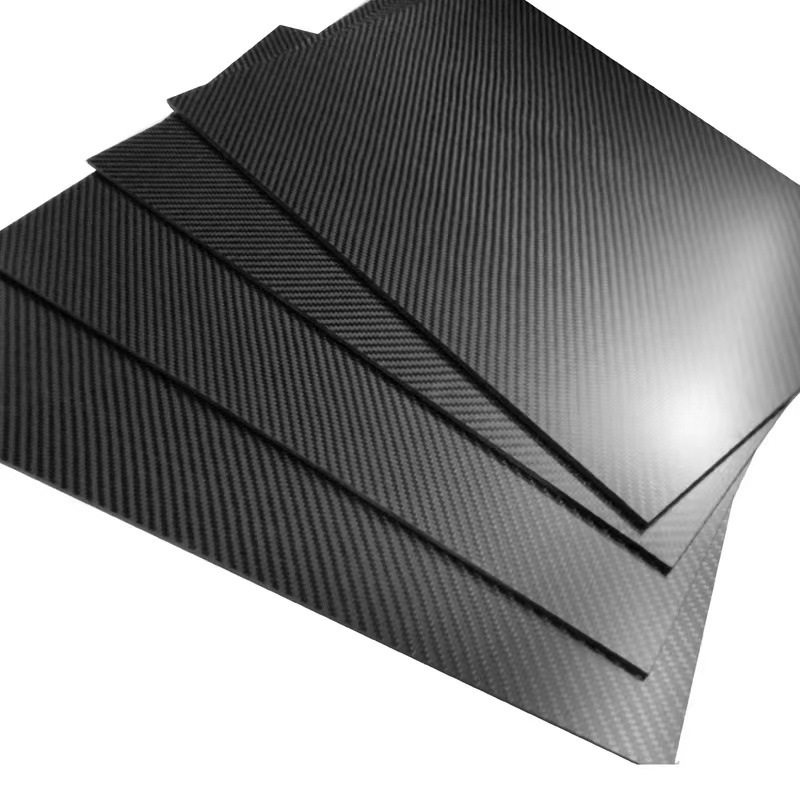 Carbon Fiber vs Glass Fiber Composites
 The Influence of Fiber Orientation on the Mechanical Performance of Composite Laminates
 The Multifunctionality of Polymer Composites
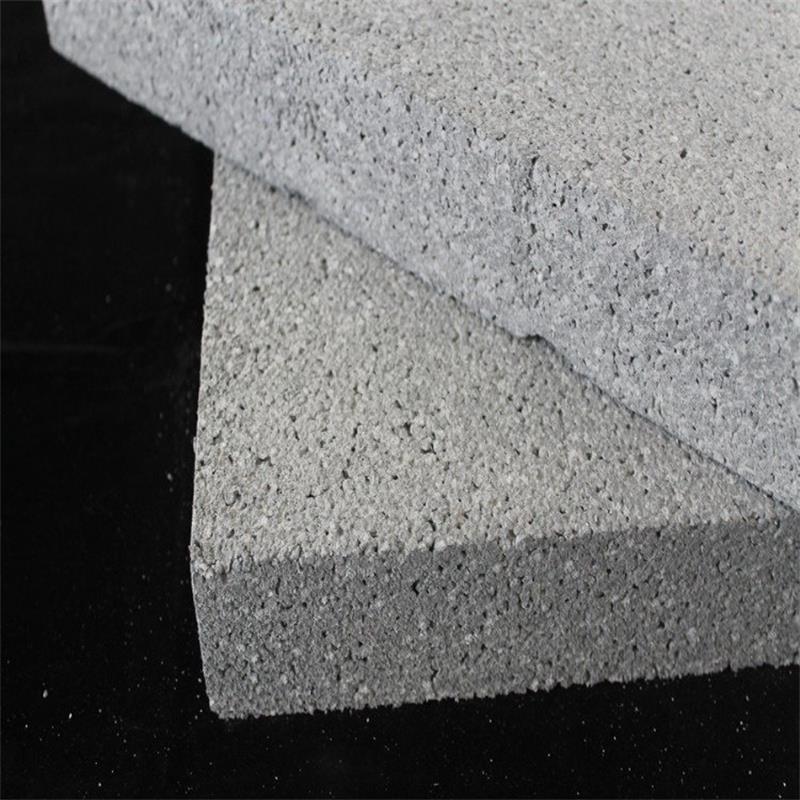 Thermoplastic vs. Thermoset Composites