
PAEK vs PEI: Key Differences & Selection
In the demanding world of high-performance engineering plastics, two material families frequently emerge as top contenders: PAEK and PEI. Polyaryletherketones (PAEK) and Polyetherimides (PEI) are both high-temperature thermoplastics used to replace metal in critical applications, yet their molecular structures and performance profiles are fundamentally different. For engineers and procurement specialists, the decision to choose PAEK vs PEI can significantly impact product longevity, safety, and cost. This guide provides a deep, expert-driven comparison to help you navigate these complex materials, ensuring you select the optimal polymer for your specific design and operational requirements.
What are PAEK and PEI?
Polyaryletherketone (PAEK)
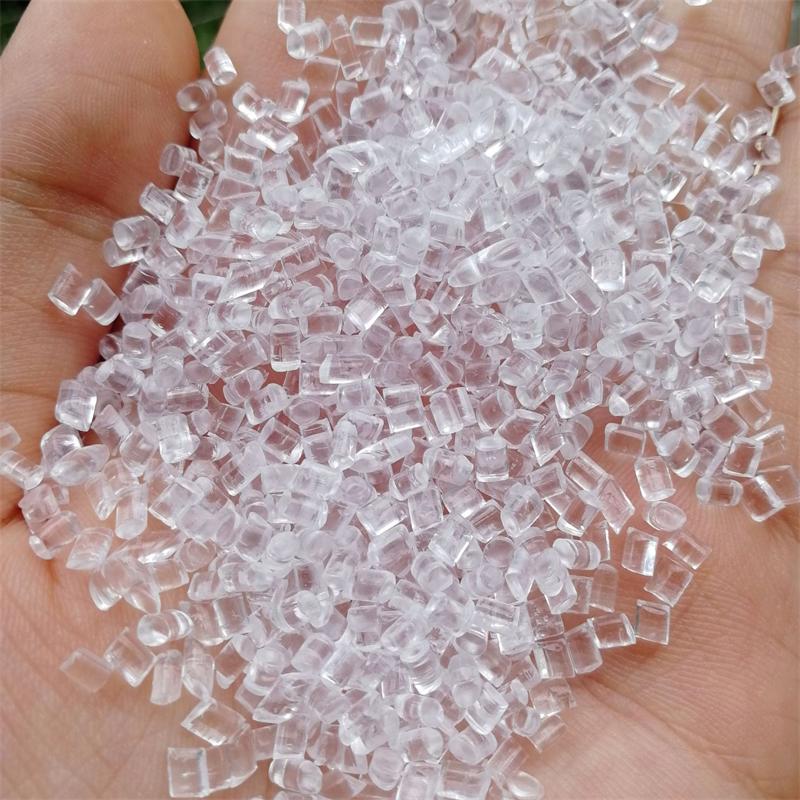
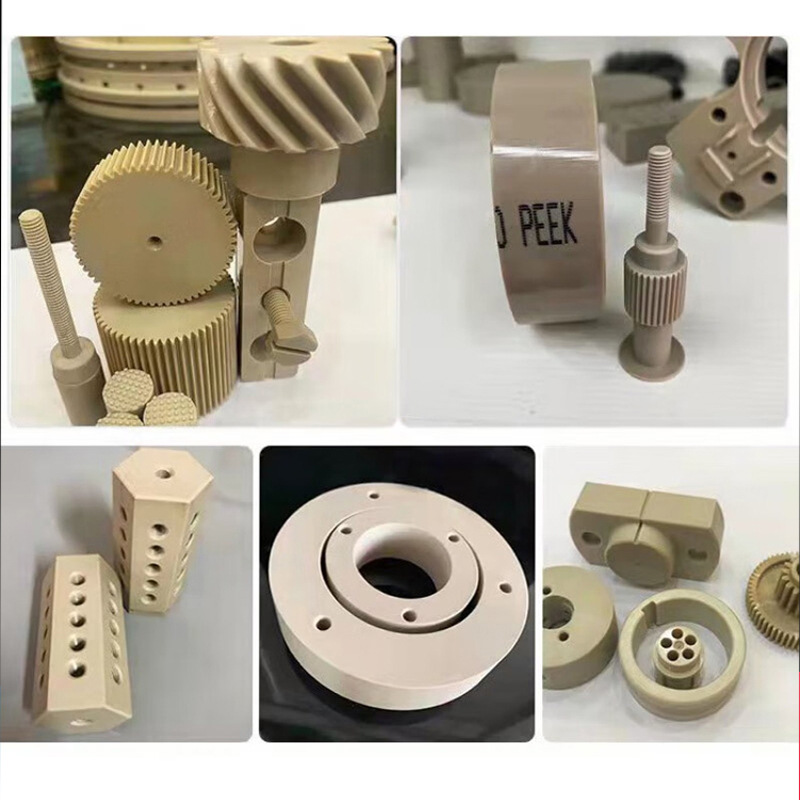
PAEK is not a single material but a family of high-performance, semi-crystalline thermoplastics. This family includes well-known members like PEEK (Polyether Ether Ketone) and PEKK (Polyether Ketone Ketone) . The defining characteristic of the PAEK family is its ether and ketone linkages, which provide exceptional thermal stability and chemical resistance. The semi-crystalline structure of PAEK materials gives them excellent mechanical strength and resistance to creep, even at elevated temperatures .
Polyetherimide (PEI)
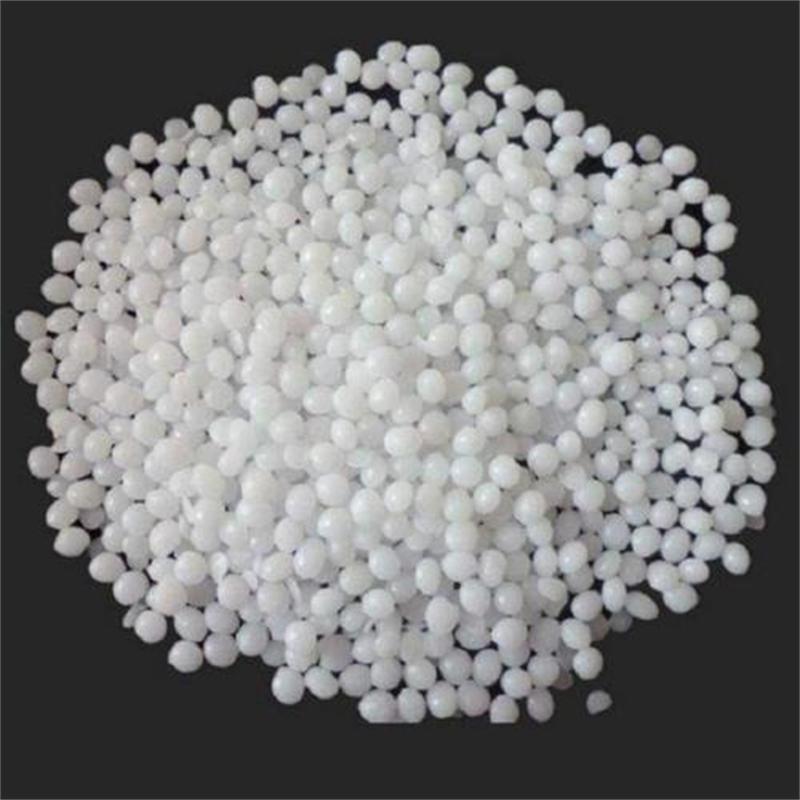
PEI, often recognized by its trade name ULTEM™, is an amorphous thermoplastic developed by General Electric . Unlike the crystalline PAEK, PEI’s amorphous structure means it lacks a defined melting point, which allows for easier processing and predictable shrinkage. It is renowned for its excellent dimensional stability, inherent flame retardancy (UL94 V-0), and good dielectric strength, making it a go-to material for electrical and aerospace applications . For many, the choice of PAEK vs PEI often boils down to a trade-off between extreme performance and cost-efficiency.
Key Properties
Understanding the performance comparison is crucial when evaluating PAEK vs PEI. The table below summarizes typical values for unfilled grades.
Mechanical Properties
PEI boasts high tensile strength and rigidity. However, PAEK generally offers superior toughness and impact resistance, especially because its crystallinity provides better resistance to fatigue and crack propagation . When evaluating PAEK vs PEI for dynamic load applications, PAEK’s fracture toughness is significantly higher, with Type II fracture toughness reported at ~2584 MPa for PAEK composites compared to ~1060 MPa for PEI .
Thermal Properties
While PEI has a higher glass transition temperature (Tg) of 217°C versus PAEK’s 143°C, PAEK’s semi-crystalline nature allows it to maintain mechanical properties at higher continuous operating temperatures (up to 260°C) . This is because PEI, being amorphous, softens above its Tg, whereas PAEK remains stable until its melting point (~340°C) .
Chemical Resistance
This is often the deciding factor in PAEK vs PEI selection. PAEK materials are highly resistant to a wide range of solvents, acids, and bases, including automotive fluids and hydrocarbons . PEI offers good resistance to many chemicals but is less robust against aggressive solvents and can be susceptible to stress cracking in certain environments .
Other Properties
– Wear Resistance: PAEK’s semi-crystalline structure provides superior wear resistance and a low coefficient of friction compared to PEI .
– Electrical Properties: PEI is exceptional in electrical insulation and maintains its dielectric strength at high temperatures.
– Dimensional Stability: PEI is easier to machine and processes with greater stability due to its predictable amorphous shrinkage .
Applications
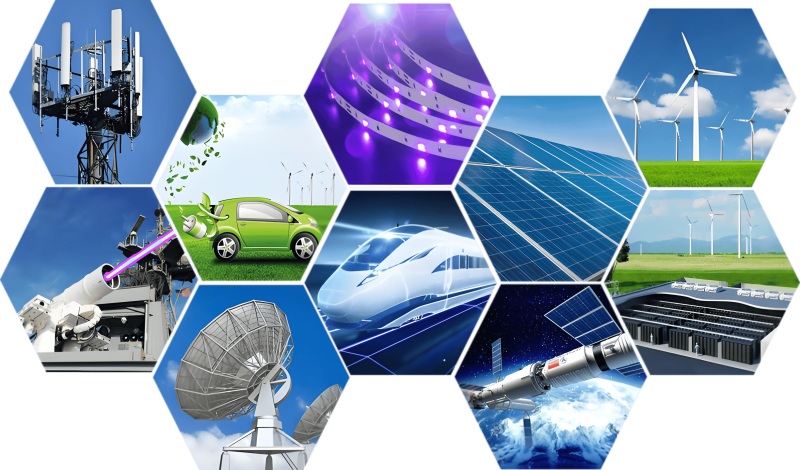
The choice between PAEK and PEI is dictated by the operational environment.
– Aerospace: PAEK is used for structural brackets, ducts, and fasteners that require high strength-to-weight ratios . PEI (e.g., ULTEM 9085) is commonly used for interior cabin components, clips, and semi-structural parts due to its excellent FST (Fire, Smoke, Toxicity) ratings .
– Medical: PAEK is favored for implants and orthopedic devices due to its biocompatibility and ability to withstand sterilization . PEI is used for surgical guides and non-implantable medical devices .
– Semiconductor: Both materials are used in semiconductor applications requiring purity and chemical resistance, but PAEK is chosen for more aggressive chemical environments and high-temperature handling .
– Automotive & Oil/Gas: PAEK is preferred for seals, bearings, and connectors in high-heat, high-wear under-hood and down-hole environments. PEI is used for sensors and electrical connectors where cost is a primary factor.
Advantages and Limitations
PAEK Advantages:
– Unmatched combination of heat and chemical resistance.
– Excellent wear and fatigue resistance.
– Suitable for long-term, load-bearing applications in harsh environments.
PAEK Limitations:
– High material and processing costs.
– More difficult to process; requires high melting temperatures and precise annealing to achieve optimal crystallinity .
PEI Advantages:
– More cost-effective than PAEK .
– Superior electrical insulation and inherent flame retardancy.
– Easier to process with stable dimensions (no crystallization warping).
– Lower moisture absorption than many other plastics.
PEI Limitations:
– Lower continuous use temperature (170–180°C).
– Lower impact strength and fracture toughness compared to PAEK .
– Less resistant to harsh chemicals and solvents.
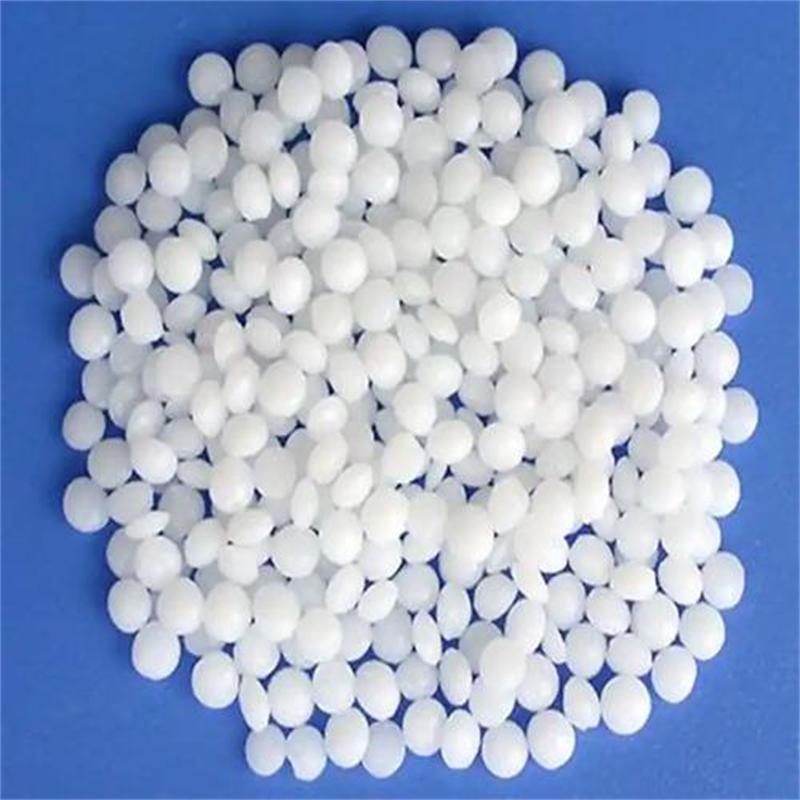
Material Comparison (PAEK vs PEI)
The decision to select PAEK vs PEI is a classic engineering trade-off. The primary difference lies in the material structure: semi-crystalline (PAEK) versus amorphous (PEI). This fundamentally affects how they perform under stress and temperature.
For an engineer, choosing PAEK means prioritizing performance. PAEK materials can handle extreme temperatures where PEI would fail, and they are much more resistant to chemical attack and wear . However, this performance comes at a significantly higher cost and requires expensive, high-temperature processing equipment.
Conversely, selecting PEI often makes sense for its processing advantages and cost-effectiveness. While PEI has a higher Tg, its performance above 180°C degrades rapidly, whereas PAEK is stable up to 260°C . If chemical exposure or long-term mechanical stress under heat is a factor, PAEK is the safer choice. However, if the application requires exceptional electrical properties, dimensional stability, and fire resistance at a lower cost, PEI is the superior option. Many engineers choose PEI for “fit and function” prototypes before committing to the more expensive PAEK for final production.
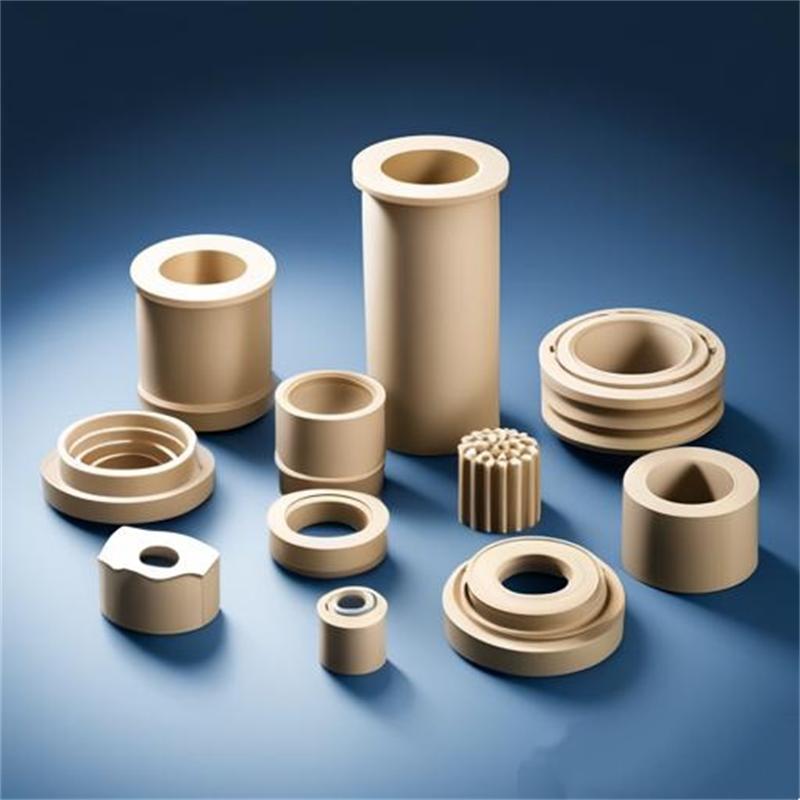
Selection Guide
When deciding between PAEK and PEI, consider these key factors:
– Working Temperature: Is the continuous operating temperature above 180°C? If so, PAEK is necessary .
– Chemical Exposure: Will the part come into contact with automotive fluids, solvents, or aggressive chemicals? PAEK offers superior resistance .
– Mechanical Load: Are there dynamic loads, wear, or impact requirements? PAEK’s toughness is superior .
– Regulatory Requirements: Check for required certifications:
– Aerospace: FST compliance (PEI often excels here for interiors).
– Food Contact: Specific grades of both are available (FDA approved).
– Flammability: PEI offers inherent UL94 V-0 compliance .
– Budget vs. Performance: Can you justify the higher cost of PAEK, or will PEI meet the specification at a lower price point?
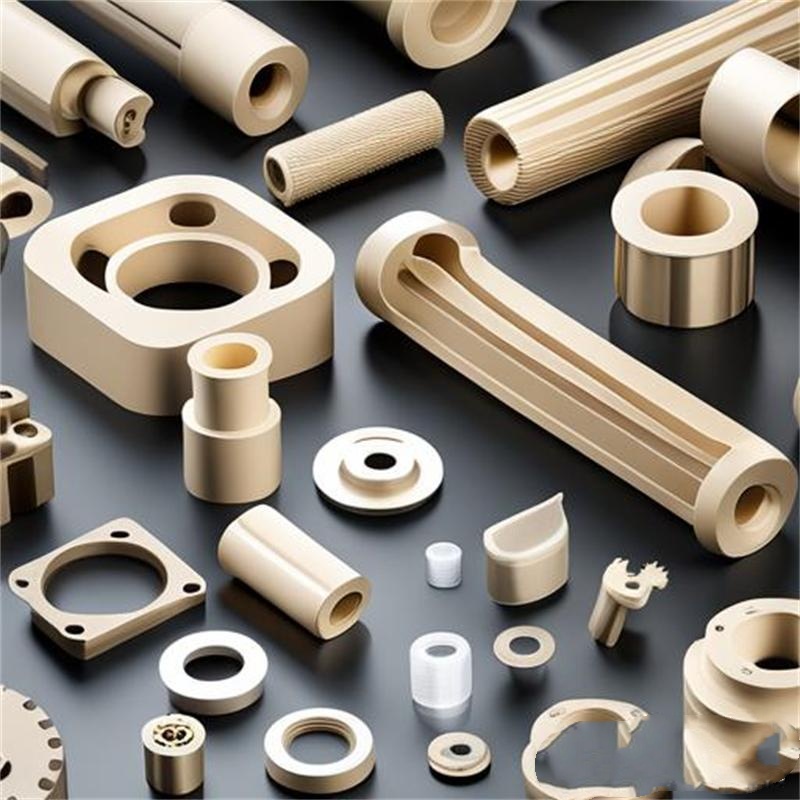
In the debate of PAEK vs PEI, there is no “one-size-fits-all” winner. The best choice depends entirely on the application’s specific demands. Polyaryletherketone (PAEK) is the champion of extreme environments, offering superior chemical resistance, thermal stability, and mechanical toughness, albeit at a premium cost. Polyetherimide (PEI), on the other hand, is a highly effective and accessible alternative, providing excellent dimensional stability, electrical insulation, and flame retardancy at a more economical price. By carefully evaluating the thermal, chemical, and mechanical requirements of your project, you can make an informed decision between PAEK vs PEI, ensuring optimal performance, safety, and cost-efficiency.
FAQ
What is the main difference between PAEK and PEI?
The primary difference is molecular structure. PAEK is a semi-crystalline polymer, which provides excellent heat and chemical resistance. PEI is an amorphous polymer, which offers excellent dimensional stability and is easier to process .
Why choose PAEK over PEI?
Choose PAEK if your application demands extreme temperatures (above 180°C), exposure to harsh chemicals, or high wear and fatigue resistance. PAEK also has higher impact strength, making it suitable for load-bearing components .
Is PEI a cheaper alternative to PAEK?
Yes, PEI is significantly more affordable than PAEK materials. While it doesn’t match PAEK’s upper thermal limit or chemical resistance, it offers a great balance of performance and cost for less demanding applications .
Can PAEK or PEI replace metal?
Yes, both materials are used for metal replacement to reduce weight. PAEK is often used to replace aluminum and steel in aerospace and automotive applications, offering comparable strength at a fraction of the weight while being corrosion-resistant .
How do you machine PAEK and PEI?
PEI is generally easier to machine due to its amorphous structure, requiring standard tools. PAEK is more challenging; it requires sharp, wear-resistant tooling and careful cooling to prevent warping, as it is semi-crystalline .
Where can I buy PAEK and PEI materials?
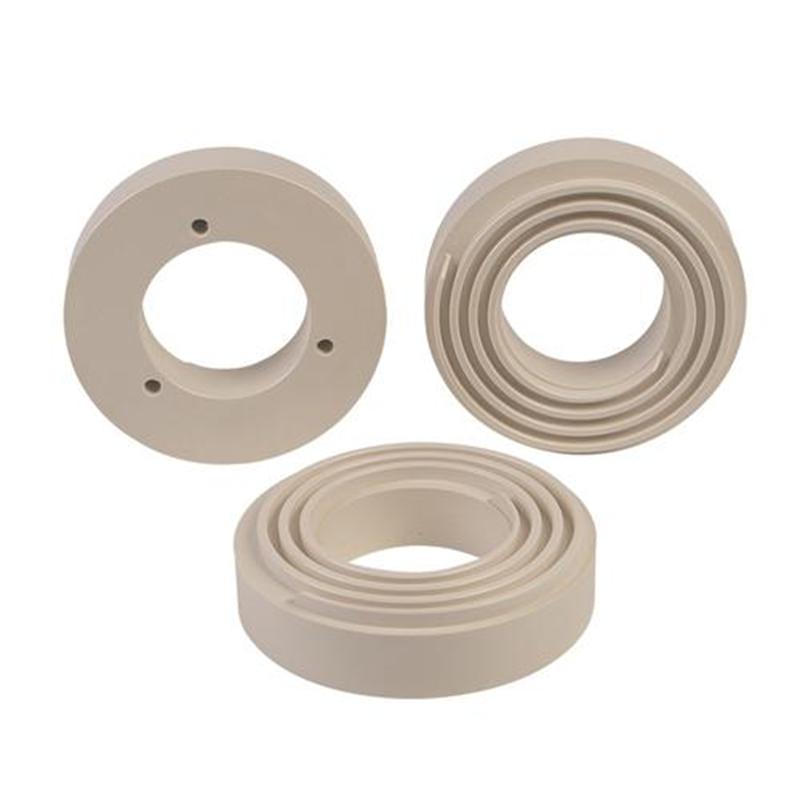
PAEK and PEI are available as pellets, sheets, rods, and filaments from global chemical suppliers like Victrex, Solvay, and SABIC (for PEI, ULTEM brand). For custom parts, look for specialized OEM and machining service providers .
Thermoplastic vs Thermoset Composites
 Carbon Fiber vs Glass Fiber Composites
 The Influence of Fiber Orientation on the Mechanical Performance of Composite Laminates
 The Multifunctionality of Polymer Composites