
High-Performance Thermoplastics in Aerospace
The aerospace industry’s relentless pursuit of weight reduction, fuel efficiency, and enhanced performance has positioned high-performance thermoplastics in aerospace applications as a critical solution. Moving beyond traditional metals and thermosets, materials like PEEK, PPS, PEI, and PEKK are now integral to next-generation aircraft and spacecraft. This analysis offers a comparative, engineering-focused examination to guide material selection for engineers and procurement specialists, ensuring that every choice is backed by robust technical reasoning.
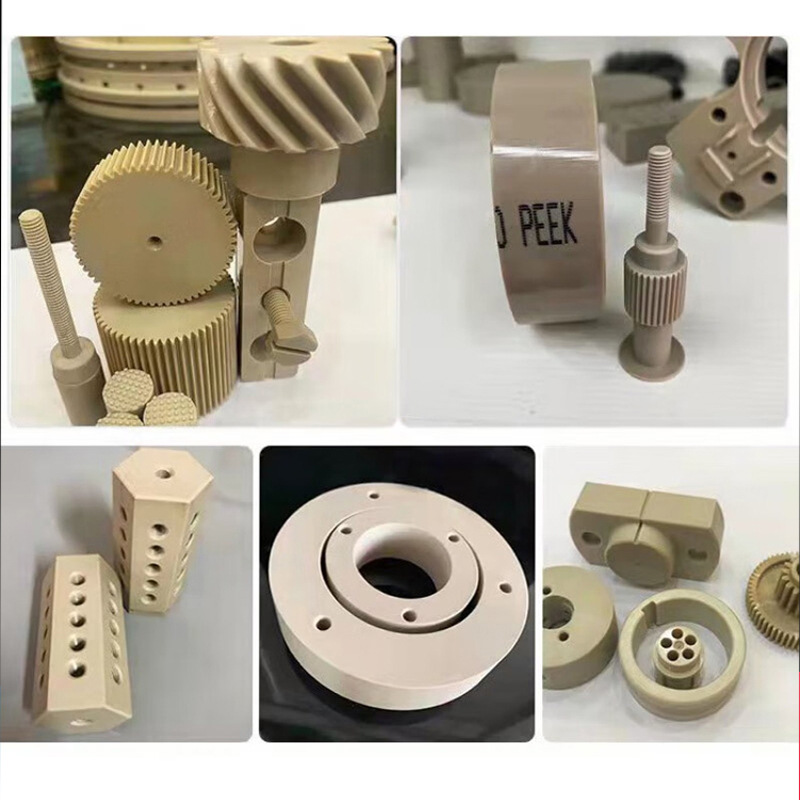
What Are High-Performance Thermoplastics?
High-performance thermoplastics are a class of semi-crystalline or amorphous polymers that maintain exceptional mechanical properties and dimensional stability at continuous service temperatures exceeding 150°C. Unlike thermosets, their polymer chains are linear, allowing them to be softened and reshaped upon heating. This fundamental characteristic provides a unique advantage in aerospace: recyclability and the ability to be welded into complex, monolithic structures, significantly reducing part count and assembly time. Key examples include PEEK, PEI (Ultem), PPS, and PEKK, each offering a distinct balance of properties suited for specific applications.
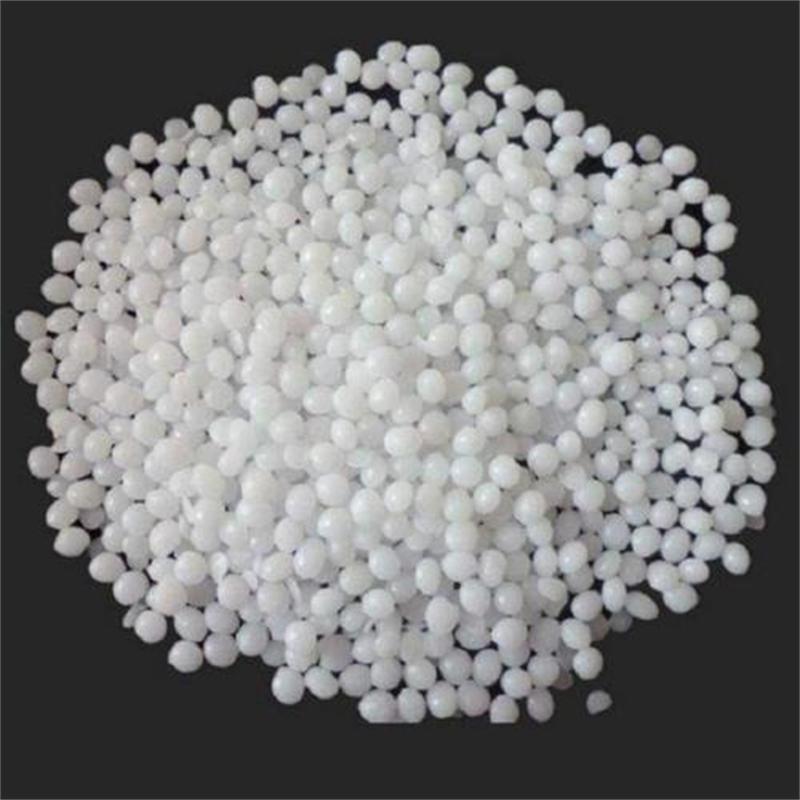
Key Properties for Aerospace
These materials are selected for their ability to withstand the extreme conditions of flight. A comparative look at their mechanical and thermal properties reveals important distinctions. PEEK is renowned for its excellent strength, stiffness, and outstanding fatigue resistance, even at elevated temperatures, with a continuous use temperature reaching up to 250°C. In contrast, PEI (Ultem) offers high strength and rigidity as an amorphous polymer, excelling in creep resistance under sustained loads, but its thermal limit is lower, typically around 170°C. PPS provides a good balance of strength and stiffness, though it is inherently more brittle and is often modified with glass or carbon fibers to enhance its performance. Meanwhile, PEKK is emerging as a formidable competitor, with mechanical properties often comparable or even superior to PEEK, particularly at very high temperatures.
Regarding thermal performance, the semi-crystalline structure of PEEK and PPS, coupled with their high melting points, gives them a significant advantage in continuous high-heat environments. PEI, while boasting a high glass transition temperature (Tg) of approximately 217°C, is amorphous, meaning its mechanical properties can begin to soften more rapidly above its Tg compared to semi-crystalline materials. For chemical resistance, PPS is often considered the gold standard, exhibiting superior resistance to a broader range of aggressive solvents and aviation fluids than both PEEK and PEI. PEEK also offers outstanding resistance to most acids, bases, and hydraulic fluids, whereas PEI can be susceptible to certain aromatic hydrocarbons and strong solvents.
Wear resistance is another critical parameter, especially for moving parts in landing gear or actuation systems. PEEK is well-known for its low coefficient of friction and high abrasion resistance, making it an excellent choice for unlubricated bearings. PPS also demonstrates good wear characteristics, often enhanced with internal lubricants like PTFE. PEI offers good but generally lower wear resistance compared to the semi-crystalline materials. A vital factor often overlooked is moisture absorption, which can drastically affect dimensional stability. The amorphous structure of PEI can lead to a moisture absorption rate over ten times higher than that of PEEK or PPS, a crucial consideration for components that must maintain tight tolerances in fluctuating humidity.
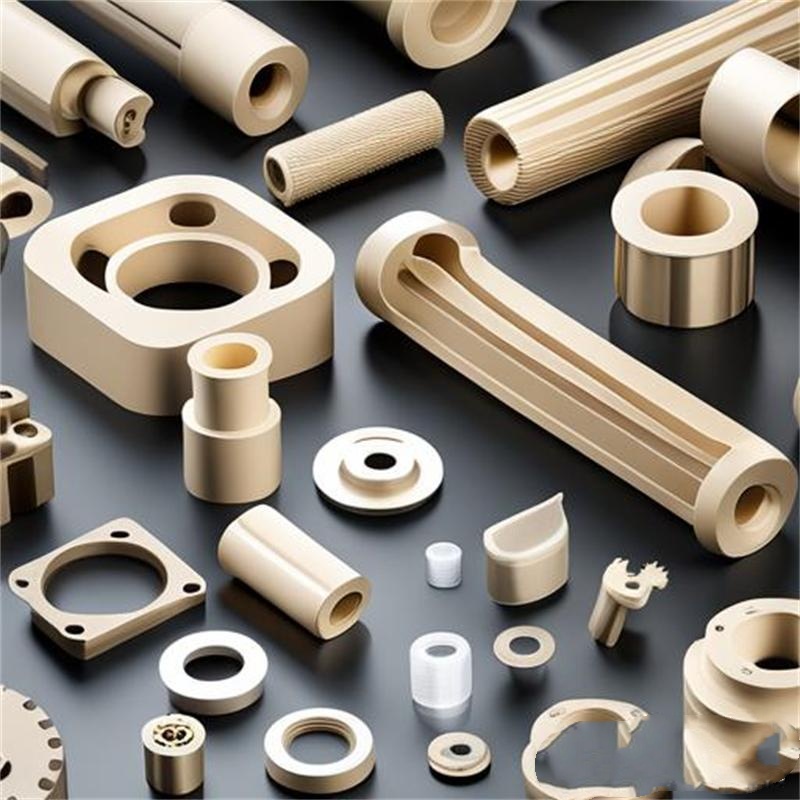
Applications in the Aerospace Sector
The application of high-performance thermoplastics spans both airframe and engine components. In primary and secondary airframe structures, the use of carbon-fiber-reinforced PPS (GF/PPS) has been a proven success, famously utilized by Fokker for the Airbus A380’s “J-shaped” nose and wing leading edges, achieving a significant 20% weight reduction over aluminum. For primary structures demanding the highest performance, the H-160 helicopter features a critical CF/PEEK composite hub beam, where the material’s superior damage tolerance and fatigue resistance are paramount.
In cabin interiors, stringent FST (Flame, Smoke, and Toxicity) regulations make PEI (Ultem) a material of choice for floor panels, ducting, and passenger service units. Its inherent flame retardancy, combined with good mechanical properties, provides a safe and reliable solution. Within the engine and nacelle systems, the exceptional thermal and chemical stability of PEEK and PEKK are making them prime candidates for components like fan blades, acoustic liners, and other nacelle structures, helping to improve engine efficiency and reduce overall weight.

Advantages of Thermoplastics Over Traditional Materials
The shift towards high-performance thermoplastics is driven by several key advantages that resonate with designers and procurement managers alike. The most significant benefit is weight reduction, as their high strength-to-weight ratio is paramount in an industry where every kilogram saved translates directly to fuel savings and increased payload capacity. This is complemented by unparalleled design flexibility; these materials can be injection-molded, extruded, or even 3D-printed to create complex, integrated geometries that are impossible or cost-prohibitive with metals.
The inherent durability of these materials provides another compelling advantage. They naturally resist corrosion, chemical attack, and fatigue, which drastically reduces maintenance intervals and extends the service life of components. From a manufacturing perspective, the rapid processing cycles of thermoplastic composites, combined with the ability to weld them using advanced techniques, offer significant cost and time savings compared to the autoclave-curing processes required for thermosets. Finally, and increasingly important, is their sustainability. Unlike thermosets which form irreversible bonds, these thermoplastics can be reprocessed and recycled, aligning with the aviation industry’s ambitious circular economy goals.
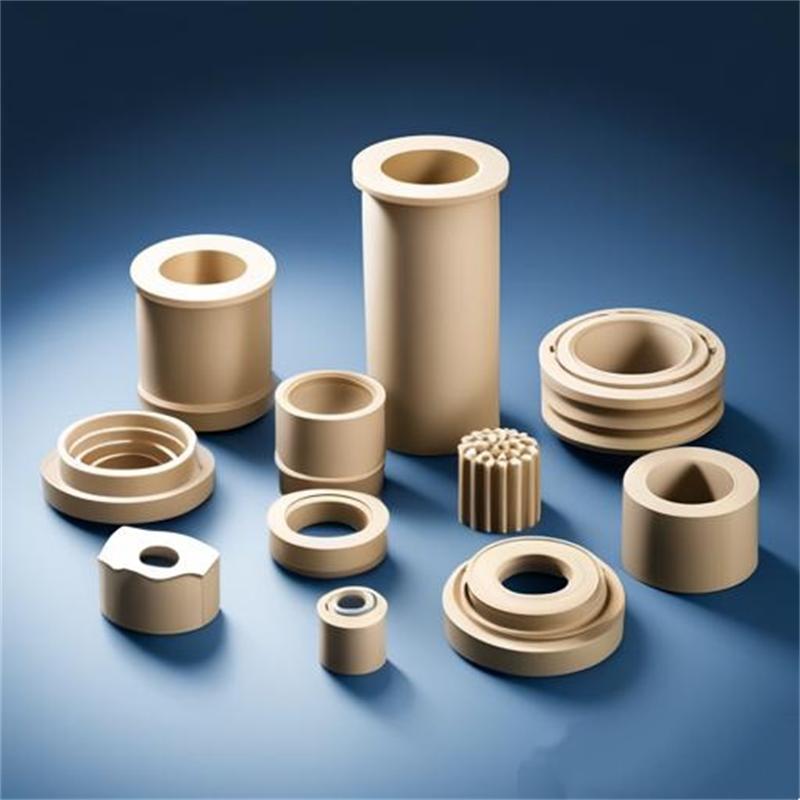
Limitations and Considerations
While the benefits are extensive, these materials do have limitations that engineers must consider. The primary barrier is cost; PEEK, for instance, remains significantly more expensive than PPS or PEI, a factor that heavily influences material selection for cost-sensitive, high-volume parts. Processing also presents challenges, requiring specialized, high-temperature injection molding or extrusion equipment. Furthermore, some materials, like PEI, are extremely sensitive to moisture and must undergo careful drying before processing to prevent defects. Additionally, while their short-term properties are well-documented, the long-term performance data under extreme UV and radiation exposure, which is critical for space applications, is still being generated for many advanced variants.
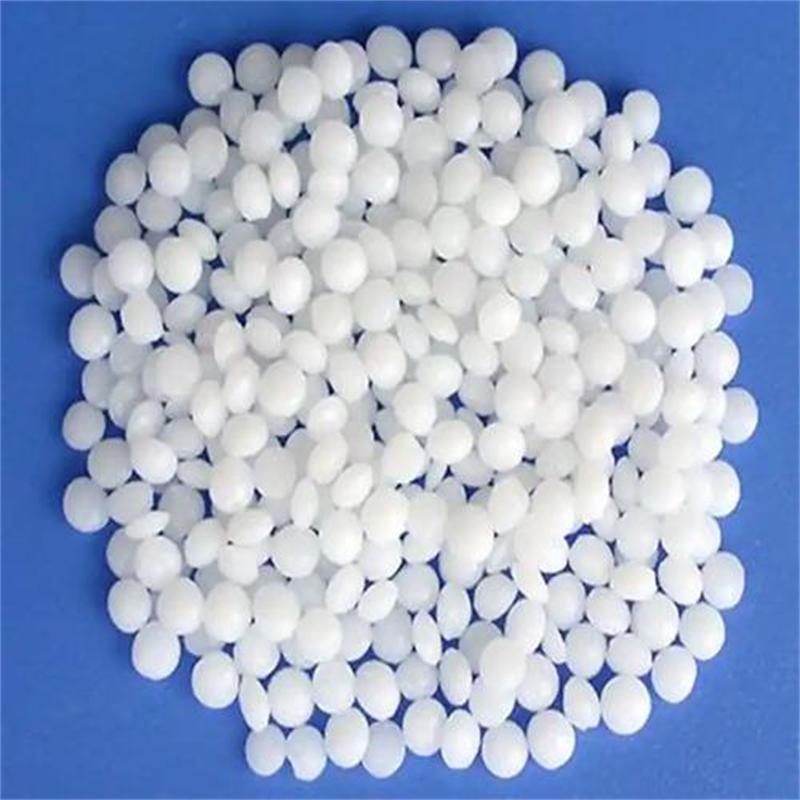
Material Comparison: PEEK vs. PPS vs. PEI
Selecting the optimal material from this family depends entirely on the application’s specific demands and the operational environment. PEEK stands as the ultimate performer for high-stress, high-temperature applications. While it commands the highest price, its unparalleled combination of mechanical strength, thermal stability, and broad-spectrum chemical resistance makes it the material of choice for critical structural components and applications where failure is not an option.
Conversely, PPS offers an exceptional balance of properties at a significantly lower cost. Its superior chemical resistance, particularly against aggressive aviation fluids, combined with very low moisture absorption and good thermal performance, makes it an ideal choice for demanding, high-volume applications like ducts, housings, and pump components where PEEK’s extreme properties are over-engineered and unnecessary.
Finally, PEI (Ultem) excels in interior and high-frequency electrical applications. Its high glass transition temperature and inherent, halogen-free flame retardancy, along with a cost point lower than PEEK, make it a common sight in cabin interiors and electronic connectors. It is a fantastic choice, provided the application does not involve continuous exposure to aggressive solvents or require the very high continuous service temperatures of its semi-crystalline counterparts.
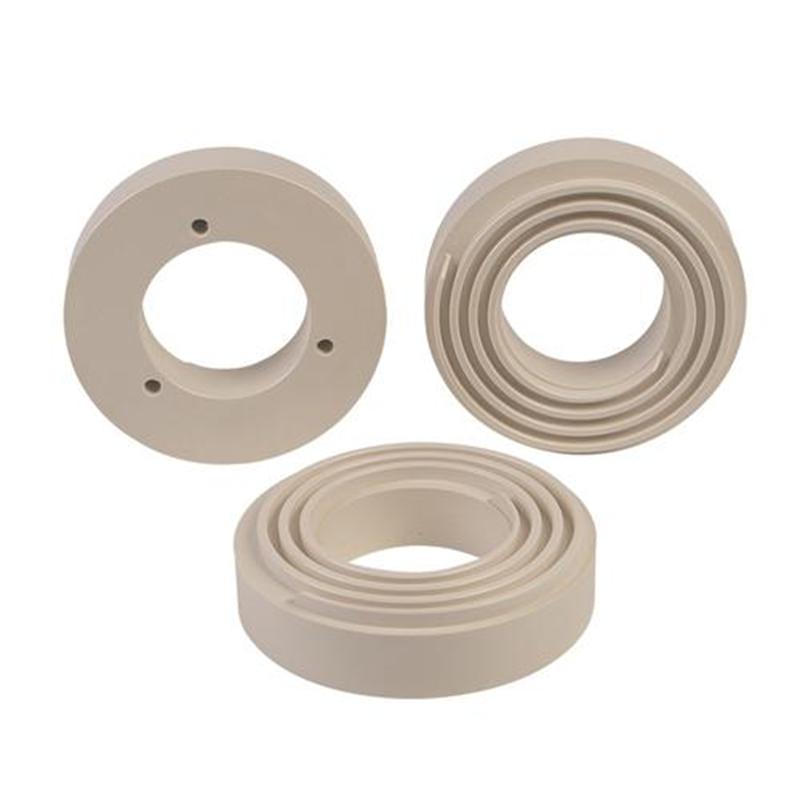
Selection Guide for Procurement and Engineering
When navigating the selection of a high-performance thermoplastic, a structured approach is essential. Engineers and procurement managers should prioritize a few key factors. First and foremost is the service temperature. If the application requires continuous use above 200°C, PEEK or PEKK are the only viable options, whereas PEI and PPS are best suited for applications up to 170-220°C.
Next, the chemical environment must be meticulously defined. If the part will be exposed to aggressive fuels, de-icing fluids, or strong solvents, PPS and PEEK are the safest choices, while PEI’s chemical resistance is more limited. The mechanical load is equally critical. For primary structural components bearing heavy loads and experiencing high fatigue, the superior mechanical properties of PEEK are unmatched. For less critical brackets and housings, PPS is often more than sufficient.
Equally important are regulatory and compliance requirements. For any aircraft interior application, materials must meet stringent FST requirements, such as FAR 25.853, and must have an established data base for compliance. For any potential medical applications of these materials, look for USP Class VI or ISO 10993 approval. Finally, consider the manufacturing feasibility; determine if the part will be machined from stock shapes, injection molded, or additively manufactured, as this will influence both material grade selection and cost.
FAQ
What is a high-performance thermoplastic for aerospace?
It is a specialized polymer designed to maintain its mechanical and structural integrity at continuous service temperatures exceeding 150°C. These materials are engineered to outperform traditional metals and thermosets in demanding aerospace environments, where weight, durability, and resistance to extreme conditions are paramount.
Why choose high-performance thermoplastics over metals?
The primary driver is significant weight reduction without sacrificing structural strength or stiffness. This leads to enhanced fuel efficiency and increased payload capacity. Beyond weight, these thermoplastics offer superior corrosion and fatigue resistance, which improves component longevity and reduces maintenance needs over the aircraft’s lifecycle.
Can these materials be used in high-heat engine applications?
Yes, but with specific applications. Materials like PEEK and PEKK are increasingly used in engine nacelles and secondary structures due to their high continuous use temperatures (up to 250°C+). However, they are not suitable for the hottest turbine sections, which require advanced ceramics or superalloys.
Are PEEK and PPS chemically resistant?
Yes, both offer outstanding chemical resistance. PPS is particularly effective against a very broad range of aggressive solvents and aviation fluids. PEEK provides a comprehensive spectrum of resistance to most acids, bases, and hydraulic fluids, while PEI has good but comparatively limited chemical compatibility.
What is the maximum continuous use temperature of PEEK?
PEEK can withstand a continuous service temperature of up to 250°C (482°F). This is due to its semi-crystalline structure and high melting point, allowing it to retain significant mechanical properties even in extreme heat.
How are high-performance thermoplastics machined?
They are machined using standard CNC equipment, but success depends on specific techniques. Sharp tools, rigid setups, and effective cooling or high-pressure air are essential to prevent heat generation and material distortion. Machining parameters must be carefully matched to the specific material and any filler content.
Where can I buy certified aerospace-grade thermoplastics?
Purchasing should always be done through certified and reputable global suppliers such as Victrex, Solvay, or Evonik, or their authorized distributors. This ensures material traceability, certified properties, and proper documentation for regulatory compliance. Custom compounding is also available from specialized manufacturers.
What is the difference between PEEK and PEKK?
While both are high-performance semi-crystalline polymers, PEKK has a different ketone-to-ether ratio in its structure, which gives it a slightly lower melting point and a slower crystallization rate compared to PEEK. This often makes PEKK more processable, especially in additive manufacturing, while offering similar or sometimes superior mechanical and thermal performance.
High-performance thermoplastics in aerospace applications represent a paradigm shift in aircraft design and manufacturing. By offering a superior balance of weight, strength, and durability, materials like PEEK, PEI, and PPS are now central to achieving modern aviation’s sustainability and efficiency goals. For engineers and procurement experts, the key to success lies in a thorough understanding of the operational environment and a strategic, property-based material selection to unlock the full potential of these advanced engineering materials. A careful evaluation of temperature, chemical exposure, mechanical load, and regulatory needs will ensure the optimal choice is made for long-term, reliable performance.
Thermoplastic vs Thermoset Composites
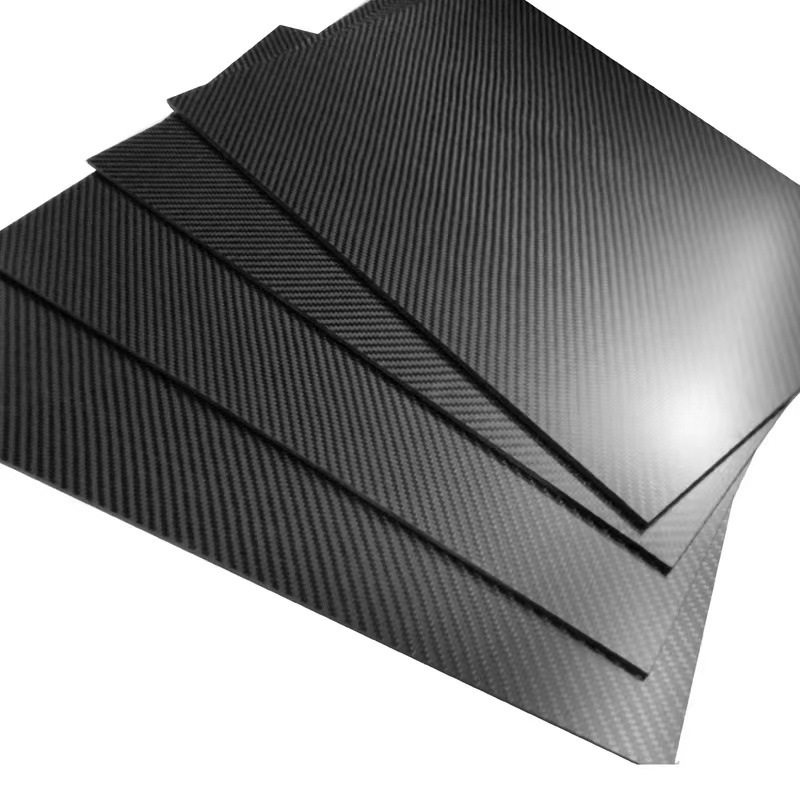 Carbon Fiber vs Glass Fiber Composites
 The Influence of Fiber Orientation on the Mechanical Performance of Composite Laminates
 The Multifunctionality of Polymer Composites