
How PEEK’s Self-Lubricating Properties Extend the Lifespan of Mechanical Motion Components
In demanding engineering applications, from aerospace actuation systems to high-speed automotive components, mechanical wear is the primary constraint on service life and reliability. Traditional metal-on-metal contact requires continuous lubrication, which adds complexity, cost, and maintenance requirements. Polyether Ether Ketone (PEEK) has emerged as a transformative solution, and PEEK’s self-lubricating properties are directly responsible for significantly extending the operational lifespan of critical motion components. This article provides a detailed technical analysis for engineers and procurement specialists on how to leverage this unique high-performance engineering plastic to solve real-world wear challenges.
What is PEEK’s Self-Lubricating Property?
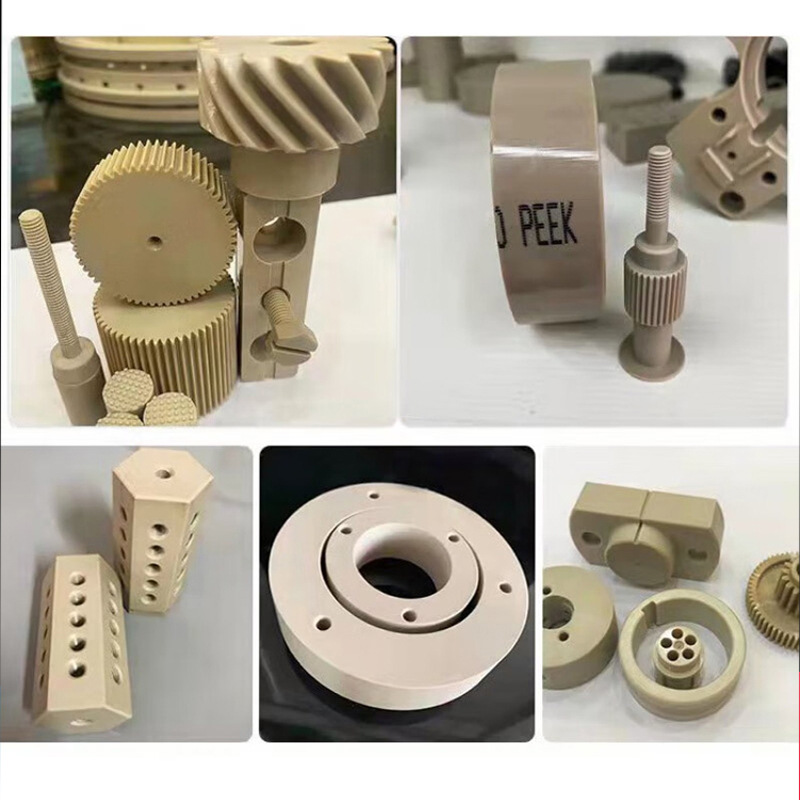
PEEK does not require external oil or grease to achieve a low coefficient of friction. This is due to its inherent molecular structure, which allows for the formation of a stable tribofilm—a thin, protective layer that naturally deposits onto the counterface (e.g., steel or ceramic) during initial operation .
This self-lubrication mechanism is load-dependent. Research indicates that under medium radial loads, PEEK bearings achieve significantly longer lives due to this film formation, which prevents direct adhesion between surfaces and reduces abrasive wear . Furthermore, in composite grades, fillers like PTFE, graphite, or carbon fiber are extruded to the surface under pressure, creating a continuous lubricating layer that allows machinery to run dry or in boundary lubrication conditions without failure .
Key Mechanical & Tribological Properties
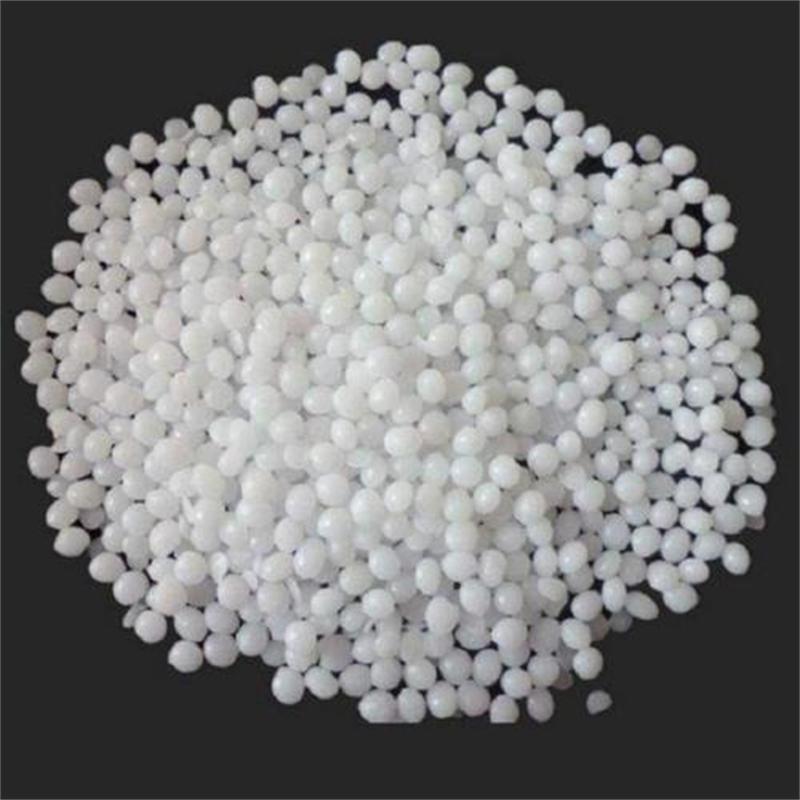
Understanding the data behind the material is crucial for design engineers. Unfilled PEEK typically exhibits a dry coefficient of friction ranging from 0.09 to 0.3, depending on the specific load and sliding velocity conditions. However, this value improves significantly with composite modifications—the addition of PTFE and graphite can reduce the friction coefficient to as low as 0.09 under optimized conditions.
In terms of wear resistance, the specific wear rate of unfilled PEEK is generally in the range of 10⁻⁶ mm³/Nm. When reinforced with 10% carbon fiber (such as the popular PEEK-HPV grade), this wear rate drops dramatically to the 10⁻⁷ mm³/Nm range, representing an order-of-magnitude improvement that directly translates to extended component lifespan under continuous sliding contact.
The thermal properties of PEEK are equally critical to its tribological performance. With a glass transition temperature (Tg) of approximately 143°C, the material maintains its mechanical integrity and creep resistance even when frictional heat accumulates during operation. The melting temperature (Tm) sits at around 340°C, allowing for high-temperature sterilization in autoclave cycles and continuous service in environments reaching 260°C.
Dimensional stability under load is another defining characteristic. PEEK demonstrates excellent creep resistance and fatigue strength, with load-bearing capacity reaching up to 140 MPa in composite grades. This high fatigue resistance prevents deformation and loss of clearance in precision motion components, unlike metals that may suffer from adhesive wear or galling under similar conditions. Modifications, such as adding 20 wt% glass fiber, have shown a reduction in wear rate by up to 58% compared to pure PEEK by reinforcing the matrix against micro-ploughing .
Applications Extending Machinery Lifespan
Aerospace: Nacelle Slider Tracks
In a major case study, aircraft nacelle components made from metal required frequent servicing. Swapping to self-lubricating PEEK eliminated the need for manual greasing and maintenance. PEEK’s self-lubricating properties ensured the component lasted the lifespan of the aircraft (over 20 years) under temperatures ranging from -40°C to 80°C, setting a new industry standard .
Heavy-Duty Equipment & Hydraulics
In radial piston hydraulic motors operating under low-speed, high-torque conditions, bronze bearings often fail due to the inability to maintain a hydrodynamic oil film. PEEK composite bushes utilize carbon fibers and PTFE to bear the mechanical load (up to 35 MPa) and reduce friction by 87% compared to pure PEEK, significantly extending the service intervals of hydraulic motors .
Semiconductor & Automation
For precision robots and semiconductor handling equipment, the absence of outgassing and the elimination of liquid lubricants—which can contaminate wafers—are critical. PEEK provides the necessary electrical insulation and wear resistance for high-precision motion systems in cleanroom environments. The inherent dimensional stability of PEEK ensures that robotic positioning accuracy remains consistent over millions of cycles.
Oil & Gas Exploration
Downhole tools and valve seats benefit from PEEK’s combined chemical resistance and self-lubrication in aggressive environments containing hydrogen sulfide (H₂S) and high salinity. Sealless pump components made from PEEK continue to operate reliably when traditional materials would corrode or seize.

Advantages of Self-Lubricating PEEK
– Reduced Maintenance Costs: Eliminates lubrication schedules, grease fittings, and oil circulation systems.
– Weight Reduction: Replaces heavy metals (steel, bronze) with lightweight polymer, achieving up to 70% weight savings.
– Reliability in Harsh Environments: Performs consistently in vacuum, dry-running conditions, and aggressive chemical washdowns .
– Thermal Stability: Maintains low friction and mechanical integrity even when temperatures rise due to frictional heat .
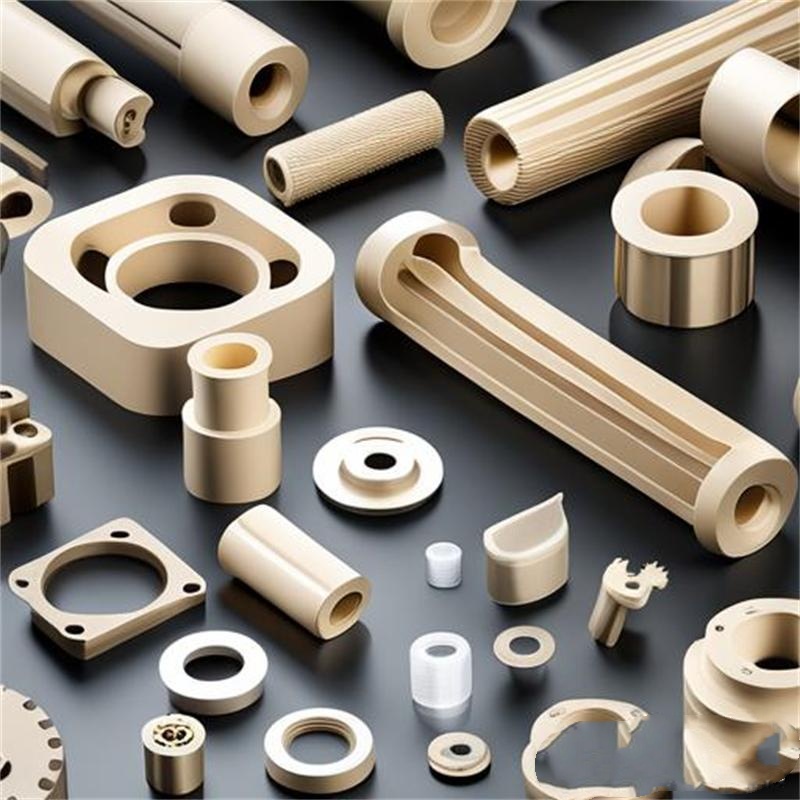
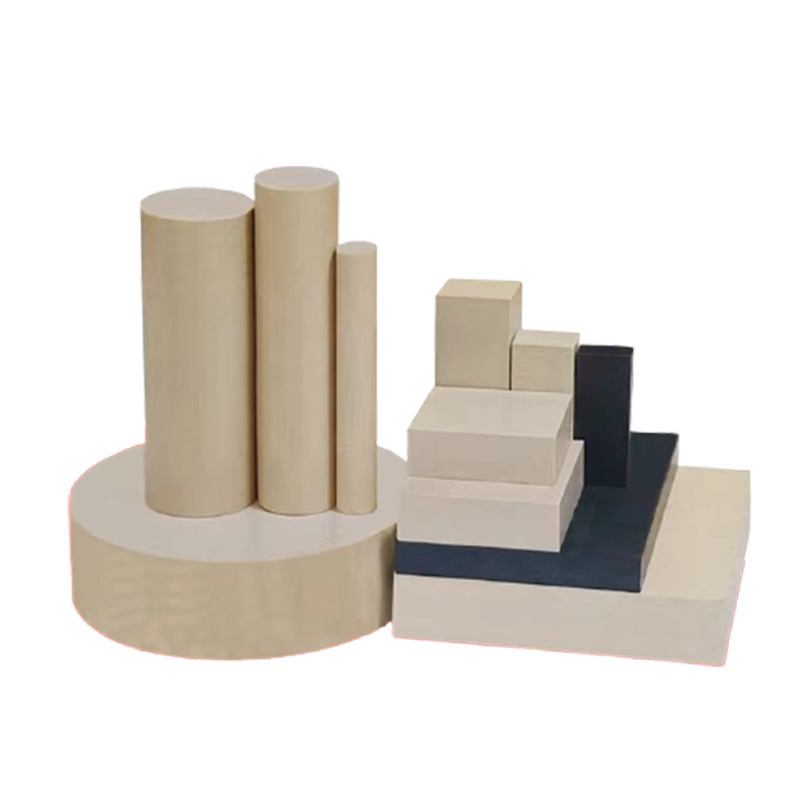
– Design Flexibility: Available in sheet, rod, and tube forms for OEM and custom parts machining to tight tolerances.
– System Simplification: Reduces overall component count by eliminating seals, reservoirs, and pumps required for liquid lubrication systems.
Limitations
While revolutionary, PEEK is not a universal solution and engineers must consider the following constraints:
– High Material Cost: PEEK is significantly more expensive than standard engineering plastics like Nylon (PA) or POM (Acetal). The raw material price often ranges from 5 to 10 times that of conventional plastics.
– Processing Requirements: Requires specialized high-temperature tooling and significant machining expertise. Improper cooling or tool selection can lead to residual stresses and dimensional inaccuracies.
– Pure PEEK Limitations: Unfilled PEEK can have a relatively high friction coefficient under high loads and slow speeds; filled composites are often essential for optimal tribological performance .
– UV Degradation: Not recommended for long-term outdoor UV exposure without protective additives or coatings.
– Hydrolysis Sensitivity: While resistant to most chemicals, PEEK can experience reduced properties in superheated steam (>200°C) under prolonged exposure.
Material Comparison: PEEK vs. PI vs. PPS
When selecting a high-performance plastic for motion components, the choice depends on the environmental demands and cost constraints.
PEEK vs. PI (Polyimide)
PI offers higher continuous use temperatures, often exceeding 260°C, and is the material of choice for extreme thermal applications such as jet engine stators. However, PI is typically more difficult to machine and commands a significantly higher price point. PEEK strikes a superior balance of chemical resistance, wear resistance, and cost-effectiveness for most bearing and sliding applications operating below 250°C. Additionally, PEEK’s melt-processable nature allows for injection molding of complex geometries, while PI is typically compression-molded or machined from stock shapes.
PEEK vs. PPS (Polyphenylene Sulfide)
PPS is a cost-effective alternative frequently used in automotive and fluid handling applications. However, PEEK possesses superior toughness and fatigue strength, particularly at elevated temperatures. Under high cyclic loads or impact conditions, PEEK outperforms PPS, which tends to be more brittle and has lower elongation at break . If the application requires long-term durability under repeated stress or shock loading—such as in reciprocating pump components—PEEK is the preferred choice. PPS also has a lower continuous service temperature (around 200°C) compared to PEEK’s 260°C rating.
Selection Guide for Engineers & Sourcing Managers
When specifying PEEK for motion components, consider the following technical and procurement factors:
Operating Temperature: Evaluate the maximum continuous and peak temperatures the component will experience. Standard PEEK grades are suitable up to 260°C continuous; for applications exceeding this, consider PI or specialized high-temperature variants.
Chemical Environment: Identify all chemicals, cleaning solvents, and fluids the component will contact. PEEK demonstrates excellent resistance to a wide range of organic solvents, acids, and automotive fluids, but performance in superheated steam or strong oxidizing acids should be verified with the datasheet.
Load and Speed (PV) Analysis: Calculate the Pressure x Velocity (PV) value for the bearing application. Unfilled grades are suitable for lower PV conditions, while carbon-filled grades handle higher loads due to improved thermal conductivity and load-spreading capabilities.
Wear vs. Friction Priority: If minimizing friction is the primary goal (energy efficiency), PTFE-filled grades are optimal. If maximizing wear resistance and dimensional stability under abrasive conditions is critical, carbon-fiber or glass-fiber filled grades are more appropriate.
Regulatory and Compliance Requirements: Determine whether FDA approval for food contact, USP Class VI for medical device applications, or UL94 V-0 flammability ratings are required. Ensure your supplier provides certification documentation.
Manufacturing and Supply Chain: Evaluate the supplier’s capabilities for custom parts production. Consider their machining tolerance capabilities, lead times, and whether they stock the required grade in sufficient quantities for your production schedule.
FAQ
What is PEEK’s self-lubricating property?
PEEK’s self-lubrication refers to its ability to form a transfer film on the mating metal surface during wear. This film reduces the friction coefficient and prevents direct material-to-material contact, acting like a built-in dry lubricant . The film is self-replenishing, ensuring consistent performance over the life of the component.
Why choose self-lubricating PEEK over metal?
Unlike metals that require external lubricants to prevent galling and adhesive wear, PEEK eliminates lubrication systems entirely. This reduces maintenance costs, prevents contamination—critical in semiconductor and food processing applications—and saves weight. In dry-running conditions, PEEK often outlasts metals because it does not rely on a hydrodynamic oil film that can fail.
Can PEEK replace metal in bearings?
Yes. Research shows PEEK polymer bearings can successfully operate under dry rolling contact fatigue and sliding contact conditions. They are particularly effective in applications where metal bearings fail due to lack of lubrication, corrosion, or the high cost of surface treatments. Replacement has been successfully demonstrated in everything from automotive pivot points to aerospace flap tracks.
Is PEEK chemically resistant?
Yes. PEEK has excellent resistance to a wide range of chemicals, including organic solvents, automotive fluids, diesel, and inorganic acids. This resistance ensures that the material’s mechanical properties and self-lubrication ability are not compromised by harsh washdowns, fuel exposure, or aggressive operating environments. It is not, however, recommended for use in concentrated sulfuric acid or nitric acid.
What temperature can PEEK withstand?
PEEK can withstand continuous service temperatures up to 260°C (500°F) and short-term thermal excursions up to 300°C. Its high glass transition temperature (143°C) ensures it retains its load-bearing capacity and dimensional stability even when frictional heat builds up during operation . For applications requiring even higher thermal resistance, consider polyimide-based materials.
How to machine PEEK?
Due to its high melting point and abrasive nature—especially with glass or carbon fiber fillers—PEEK requires carbide or diamond tooling. Sharp tool edges, positive rake angles, and efficient heat dissipation (using water-soluble coolants) are essential. Workpiece support must be robust to prevent vibration-related stress cracks. Annealing the machined part is often recommended to relieve residual stresses.
Where to buy PEEK for high-performance applications?
You can source PEEK from specialized engineering plastics suppliers such as Victrex, Solvay, or Evonik, or through global distributors offering OEM manufacturing services. For self-lubricating grades (e.g., Ketron TX PEEK or Lubricomp types), look for suppliers with in-house technical support to assist with grade selection, design optimization, and machining guidance. Many China-based manufacturers also offer competitive pricing for custom parts while maintaining international quality standards.
Does PEEK meet FDA and food-grade requirements?
Several PEEK grades are FDA-compliant for repeated food contact under 21 CFR 177.2415. These grades are available from major manufacturers and are clearly indicated on the datasheet. They are suitable for components in food processing equipment, such as bearings, scraper blades, and conveyor guides, where self-lubrication eliminates the risk of grease contamination.
Is PEEK suitable for electrical insulation in motion systems?
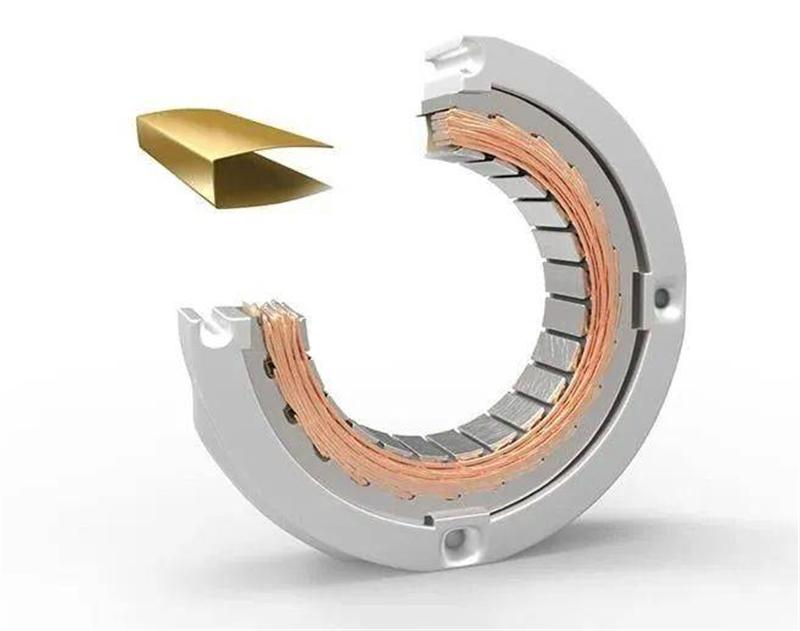
Yes, PEEK provides excellent electrical insulation properties with a high dielectric strength and volume resistivity. This makes it ideal for components like motor commutators, sensors, and actuators where electrical isolation is required alongside mechanical movement and wear resistance.
PEEK’s self-lubricating properties represent a paradigm shift in tribological design. By eliminating the dependency on external lubricants and reducing wear rates to levels competitive with advanced alloys, PEEK offers engineers a reliable pathway to extend the lifespan of motion components across aerospace, automotive, semiconductor, and oil and gas industries. While cost and processing remain considerations, the long-term gains in reduced downtime, maintenance, and system weight often outweigh the initial investment. For any mechanical engineer or procurement manager looking to enhance reliability in high-temperature or chemically aggressive environments, incorporating self-lubricating PEEK—available as custom parts from specialized suppliers in regions like China, Europe, and North America—provides a proven, data-backed solution for achieving “fit and forget” durability.
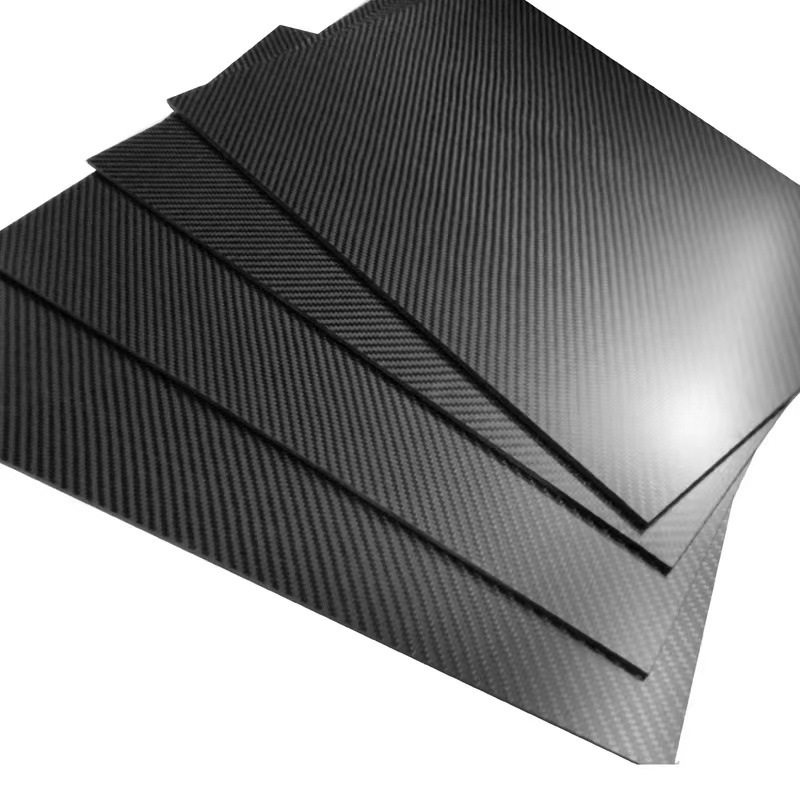 Carbon Fiber vs Glass Fiber Composites
 The Influence of Fiber Orientation on the Mechanical Performance of Composite Laminates
 The Multifunctionality of Polymer Composites
 Thermoplastic vs. Thermoset Composites