
How PEEK’s Wear Resistance Extends the Lifespan of Mechanical Moving Parts
In the demanding world of mechanical engineering, component failure due to friction and wear remains a primary challenge. Polyetheretherketone (PEEK), a high-performance thermoplastic, has emerged as a transformative solution. Its exceptional tribological properties directly address this challenge, and understanding How PEEK’s Wear Resistance Extends the Lifespan of Mechanical Moving Parts is crucial for engineers seeking to enhance reliability and reduce downtime across industries from aerospace to food processing.
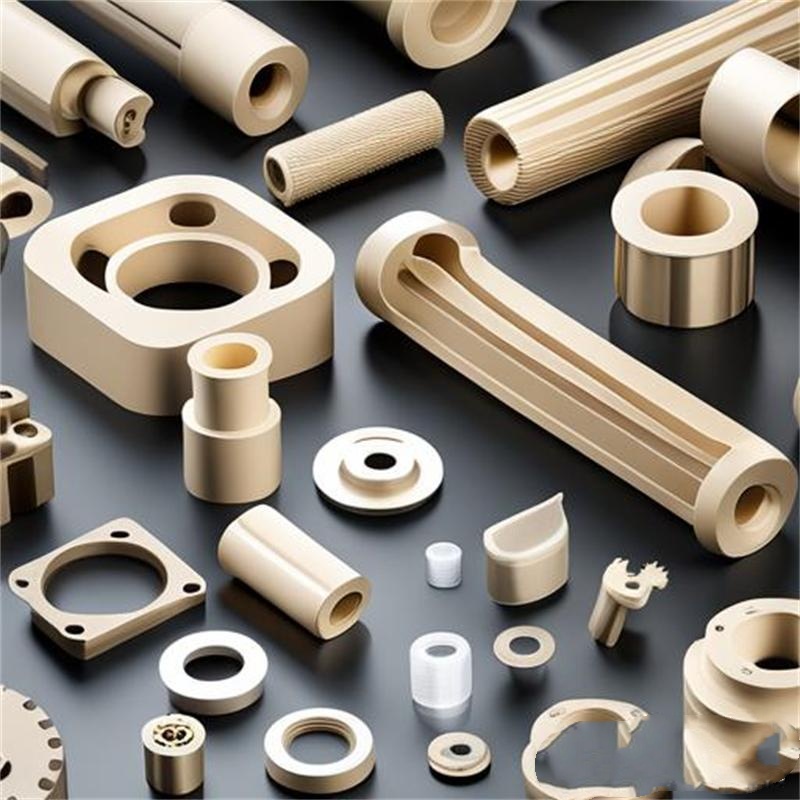
What is PEEK?
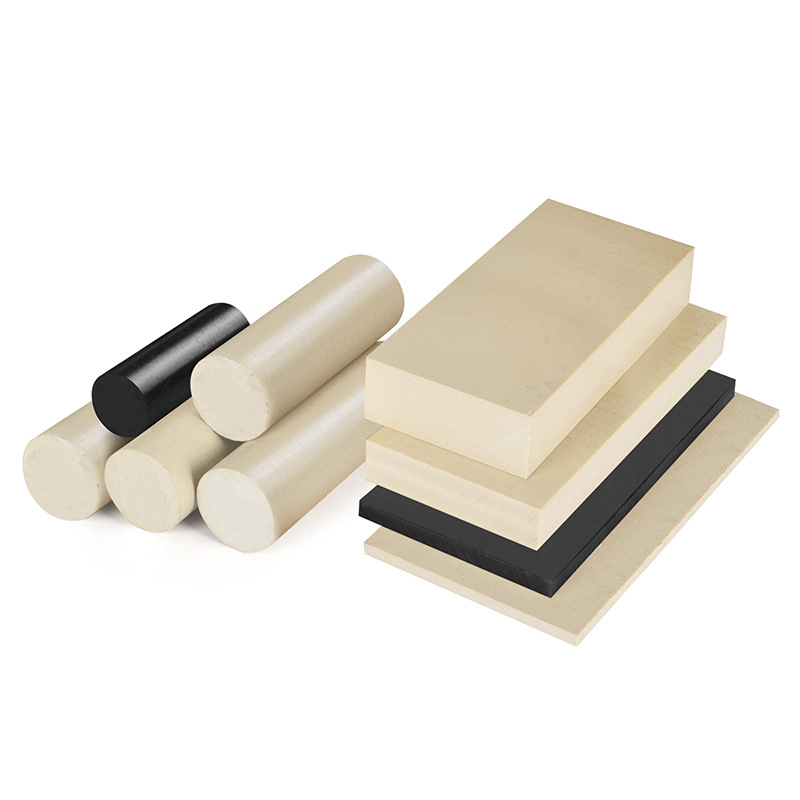
PEEK, or Polyetheretherketone, is a semi-crystalline, high-performance engineering thermoplastic belonging to the polyaryletherketone (PAEK) family. Its molecular structure, featuring a rigid backbone of aromatic rings connected by ether and ketone groups, is the source of its remarkable properties. This unique configuration gives PEEK an exceptional combination of mechanical strength, thermal stability, and chemical resistance, placing it at the top of the polymer performance pyramid and earning it the reputation of a “resin king” in demanding applications.
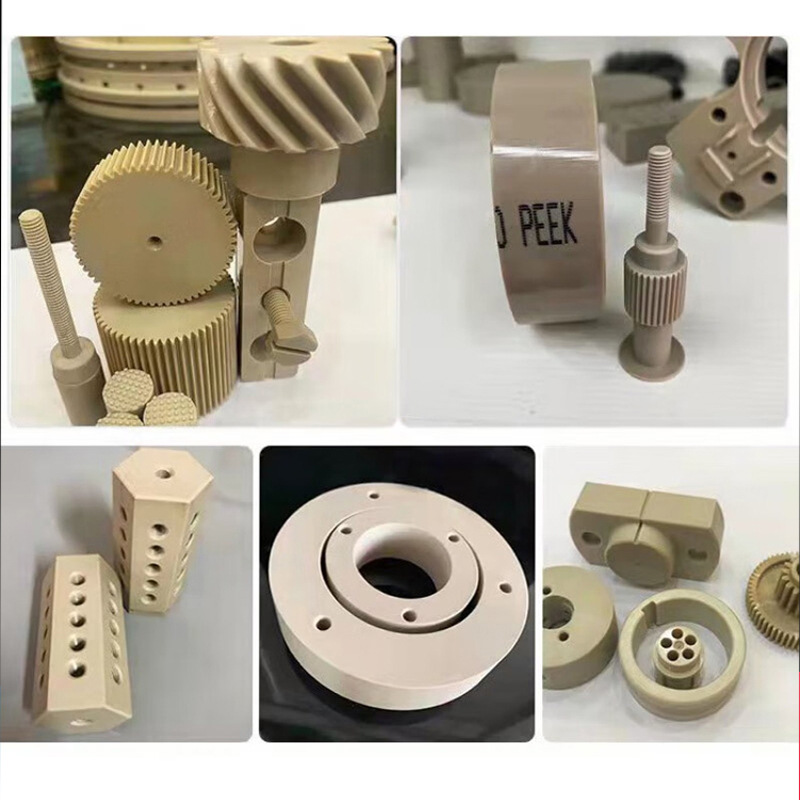
Key Properties
Mechanical Properties
PEEK boasts outstanding mechanical strength and rigidity, with a tensile strength of 85-115 MPa and a flexural modulus of approximately 3.6-4.2 GPa. It exhibits excellent fatigue resistance, maintaining a fatigue strength of 30-100 MPa at 10⁶ cycles, making it ideal for parts under repeated stress. Its elongation at break of 25-40% demonstrates toughness, allowing it to deform before fracturing, unlike more brittle polymers.
Thermal Properties
PEEK maintains its mechanical integrity at elevated temperatures, with a glass transition temperature of approximately 143°C and a melting point of 343°C. It can operate continuously at up to 260°C and withstand short-term exposure to 300°C, significantly outperforming standard engineering plastics like POM which typically cannot exceed 90°C continuously.
Chemical Resistance
PEEK exhibits outstanding chemical resistance, withstanding attack from most organic and inorganic chemicals, including strong acids, bases, and solvents. It is highly resistant to hydrolysis and can endure repeated steam sterilization cycles at 121-134°C without significant degradation, which is critical for medical and food processing applications.
Electrical Properties
With a dielectric constant of approximately 3.2 and a low dissipation factor of 0.003 at 1 MHz, PEEK provides excellent electrical insulation properties that are stable across a wide temperature range, making it suitable for semiconductor and electronics applications.
Wear Resistance and Friction
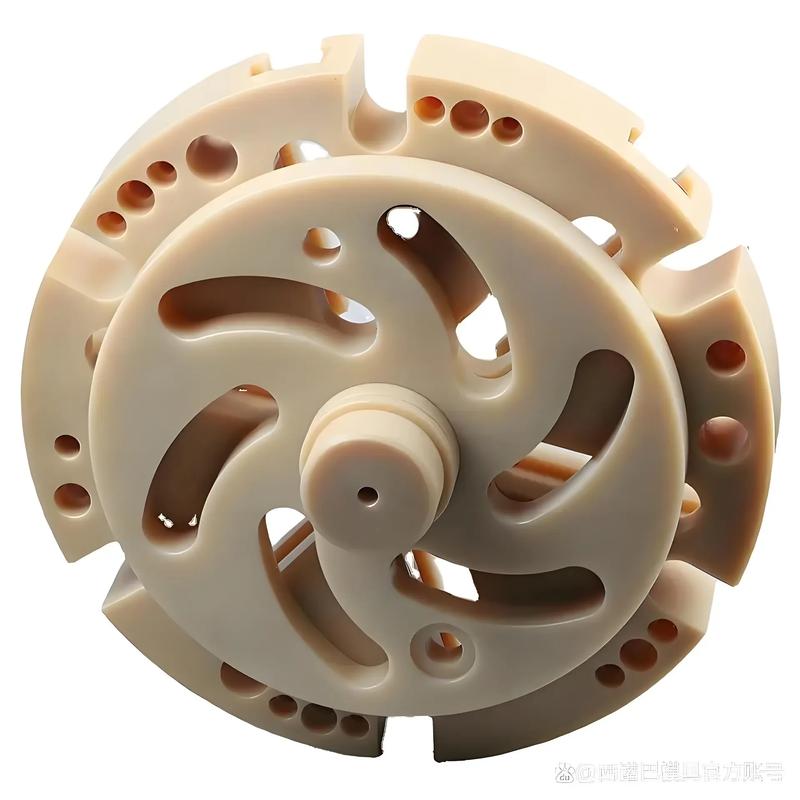
PEEK’s inherent wear resistance is a standout property. It offers a moderate coefficient of friction (0.35-0.45) but exhibits exceptional resistance to wear, especially in demanding conditions. This balance ensures that components maintain dimensional stability and performance over prolonged service periods. For example, in a direct comparison for gear applications, PEEK shows superior wear performance at high temperatures and mechanical loads, far exceeding the capability of materials like POM or Nylon. When reinforced with carbon fiber or formulated with internal lubricants like PTFE and graphite, the wear resistance of PEEK can be improved by roughly an order of magnitude, with the friction coefficient potentially dropping as low as 0.1. This self-lubricating nature makes it an exceptional choice for components where external lubrication is undesirable or impossible, such as in semiconductor handling equipment, and is the primary reason for How PEEK’s Wear Resistance Extends the Lifespan of Mechanical Moving Parts in high-load, dry-running applications.
Dimensional Stability
PEEK has excellent dimensional stability characterized by extremely low moisture absorption (approximately 0.05-0.3% in water). This allows it to maintain tight tolerances (±0.01 mm) even in humid or high-temperature environments, preventing part swelling or distortion that can cause failure in precision assemblies.
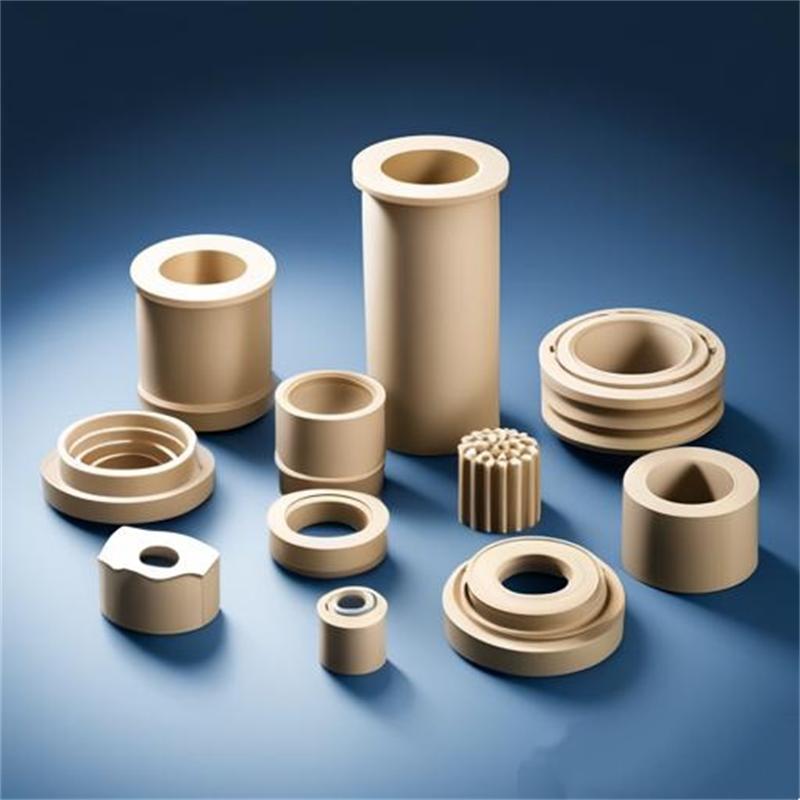
Applications
The unique combination of properties makes PEEK the material of choice across diverse industries:
Aerospace: For structural brackets, insulation components, and parts requiring high strength-to-weight ratios and FST (flame, smoke, toxicity) compliance.
Automotive: In high-performance bearings, seals, and transmission components to reduce weight and increase reliability.
Semiconductor & Electronics: For wafer handling fixtures, connectors, and insulating parts requiring purity and resistance to aggressive chemicals.
Medical & Pharmaceutical: In surgical instruments, spinal implants, and orthopedic devices due to its biocompatibility and compatibility with repeated sterilization.
Oil & Gas: For downhole seals, valve seats, and compressor components that must withstand extreme pressures, temperatures, and corrosive environments.
Robotics & Automation: PEEK is the “joint king” of robotics, used in gears and joints to reduce weight by 50% (improving energy efficiency and battery life by up to 30%) while offering significantly extended service life.
Food & Beverage Processing: For bearings, gears, and wear strips where it outperforms traditional materials like POM and PA, solving reliability issues in high-speed, sanitary equipment.

Advantages
1. Exceptional Wear Resistance: Significantly extends component life and reduces downtime, directly answering How PEEK’s Wear Resistance Extends the Lifespan of Mechanical Moving Parts.
2. High-Temperature Performance: Maintains mechanical properties at temperatures up to 260°C.
3. Superior Chemical and Hydrolysis Resistance: Provides durability in aggressive chemical and high-temperature steam environments.
4. High Strength and Stiffness: Offers outstanding strength-to-weight ratio, enabling lightweight designs that are 50% lighter than aluminum.
5. Excellent Fatigue and Creep Resistance: Ideal for components under long-term or cyclic stress.
6. Low Moisture Absorption: Ensures dimensional stability in harsh or humid environments.
7. Inherent Self-Lubrication: Suitable for dry-running applications where external lubricants are forbidden.
8. Radiolucency: In medical applications, it doesn’t interfere with MRI or CT imaging.
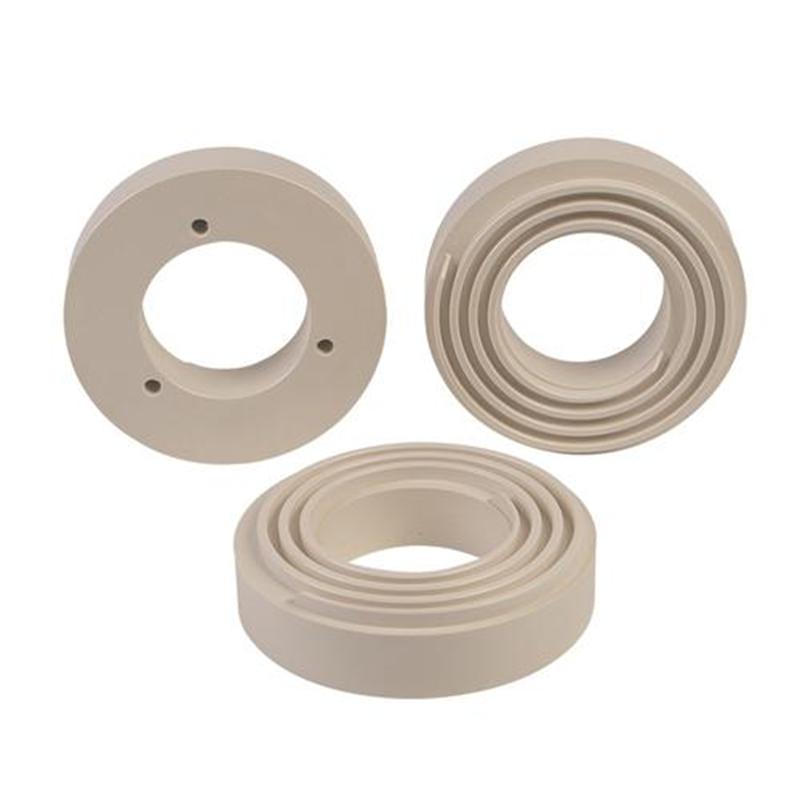
Limitations
While PEEK is a premium material, it has limitations:
Cost: Its raw material cost is significantly higher than standard engineering plastics, often being a key factor in the final material selection for applications where cheaper alternatives like POM or PP might suffice.
Machining Difficulty: Requires specialized tooling and careful process control (e.g., heat management) to prevent part damage and achieve required tolerances, which can increase production costs.
UV Resistance: Standard PEEK grades have poor resistance to ultraviolet light and require protection or stabilization for outdoor applications.
Impact Resistance: While tough, its impact strength can be lower than some materials like Nylon under certain conditions.
Wear Performance Under Some Conditions: In water-lubricated conditions, pure PEEK can show a high coefficient of friction, requiring modification (e.g., with carbon fiber) to optimize performance.
Material Comparison
When selecting PEEK, it is often compared to other high-performance and engineering plastics.
PEEK vs. PPS: While PEEK is more expensive, with a relative price of 70 compared to PPS’s 16.7, it provides superior thermal capabilities, extending the continuous service temperature by 20°C to 260°C, and demonstrates higher compressive strength (143.5 MPa vs 112 MPa). PPS, however, offers better chemical resistance below 200°C and much lower water absorption (0.02% vs 0.3%), making it a very strong, more cost-effective alternative in some less demanding high-temperature applications.
PEEK vs. PI (Polyimide): Polyimide (PI) offers a higher maximum service temperature (300°C) and superior compressive strength (192 MPa). However, its cost is the highest among high-performance polymers (relative price 100), and it suffers from high water absorption (1.645%), which compromises its dimensional stability in humid environments, making PEEK a more stable choice for applications with moderate temperature demands.
PEEK vs. POM (Acetal): This is a common choice based on application requirements. POM (Delrin) is an excellent, low-cost material for wear-resistant parts like gears and bushings in moderate environments (up to 90°C). However, if the component is exposed to high temperatures, heavy loads, or aggressive chemicals, PEEK is the superior choice despite its higher cost, as POM would soften, deform, or degrade. While POM has an excellent low coefficient of friction, PEEK’s wear resistance at high temperatures is unmatched.
Selection Guide
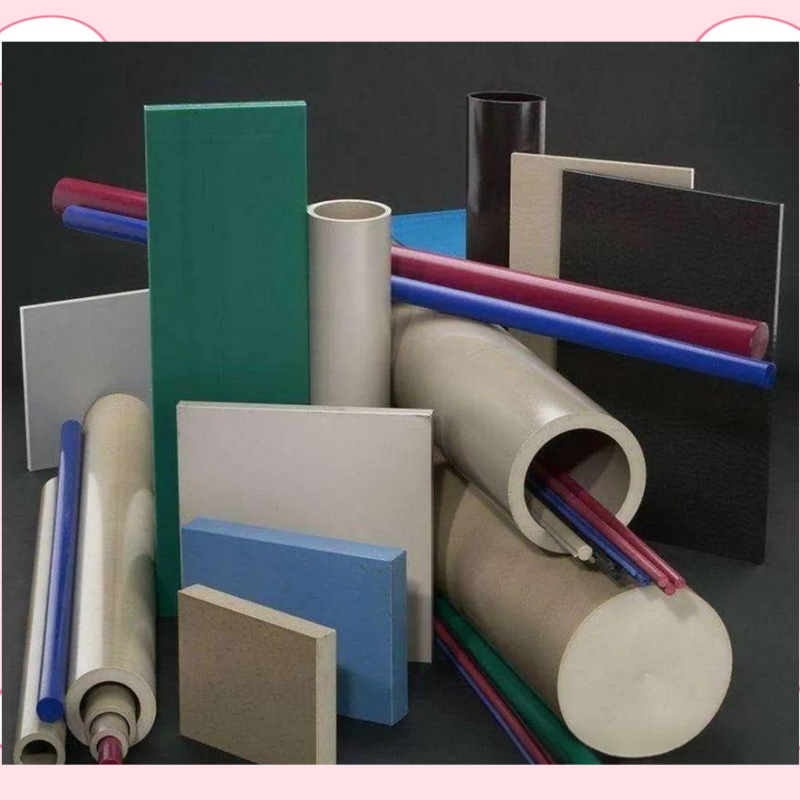
When specifying PEEK for a project, key factors must be considered:
Service Temperature: Does the application require continuous service above 90-100°C? If so, PEEK is likely the optimal choice.
Chemical Exposure: Will the part contact strong acids, bases, or hot water/steam? PEEK’s superior chemical resistance to materials like POM and Nylon is critical.
Mechanical Load: Is the component subject to high static loads or cyclic fatigue? PEEK’s high compressive and fatigue strength are essential.
Tribological Requirements: Does the part need to operate without external lubrication? PEEK’s self-lubricating nature and high wear resistance are key. As an engineer, when assessing How PEEK’s Wear Resistance Extends the Lifespan of Mechanical Moving Parts, you must consider the specific wear mechanism (abrasive, adhesive, fatigue) and environment (temperature, load, media).
Certifications: Verify compliance with standards like FDA (for food contact), ISO 10993 (medical), UL94 V-0 (flammability), RoHS, and REACH.
FAQ
What is PEEK?
PEEK (Polyetheretherketone) is a high-performance semi-crystalline thermoplastic engineered for the most demanding applications. It is renowned for an exceptional combination of properties, including very high-temperature resistance (up to 260°C continuous), outstanding chemical inertness, high mechanical strength, and excellent wear resistance.
Why choose PEEK over other engineering plastics?
Choose PEEK when standard plastics (like POM, Nylon, or PPS) cannot meet the performance demands of your application. This is typically due to its superior performance under high temperatures, its resistance to aggressive chemicals and steam, and its exceptional ability to withstand friction and wear, particularly in critical, high-value mechanical components.
Can PEEK replace metal?
Yes, in many applications. PEEK offers a superior strength-to-weight ratio, being about 50% lighter than aluminum. It eliminates corrosion and galvanic issues associated with metals, provides inherent electrical insulation, and in medical applications, offers radiolucency. However, engineers must ensure PEEK’s stiffness and strength are adequate for the specific load conditions.
Is PEEK chemically resistant?
Yes, PEEK offers outstanding resistance to a wide range of chemicals, including most organic solvents, acids, and bases, and even high-temperature steam. It is insoluble in all common solvents at room temperature, making it a primary choice for chemically aggressive environments.
What temperature can PEEK withstand?
PEEK has a melting point of 343°C and can operate continuously at up to 260°C. It can withstand short-term exposure to temperatures of 300°C or higher, making it one of the most thermally stable thermoplastics available.
How to machine PEEK?
Machining PEEK requires specific strategies due to its strength, abrasiveness, and thermal properties. It requires sharp carbide tooling, strict thermal control to prevent heat buildup and dimensional drift, and careful feed rates. Unlike metals, PEEK requires heat management to avoid surface degradation, warping, or micro-cracking.
Where to buy PEEK and custom PEEK parts?
PEEK can be sourced from major manufacturers like Victrex, Solvay, and Ensinger, and from specialized suppliers and machining shops globally, including in China. For custom parts, it is advisable to work with a supplier that offers both the material knowledge and precision machining capabilities to manage the complexities of PEEK processing and meet strict quality requirements.
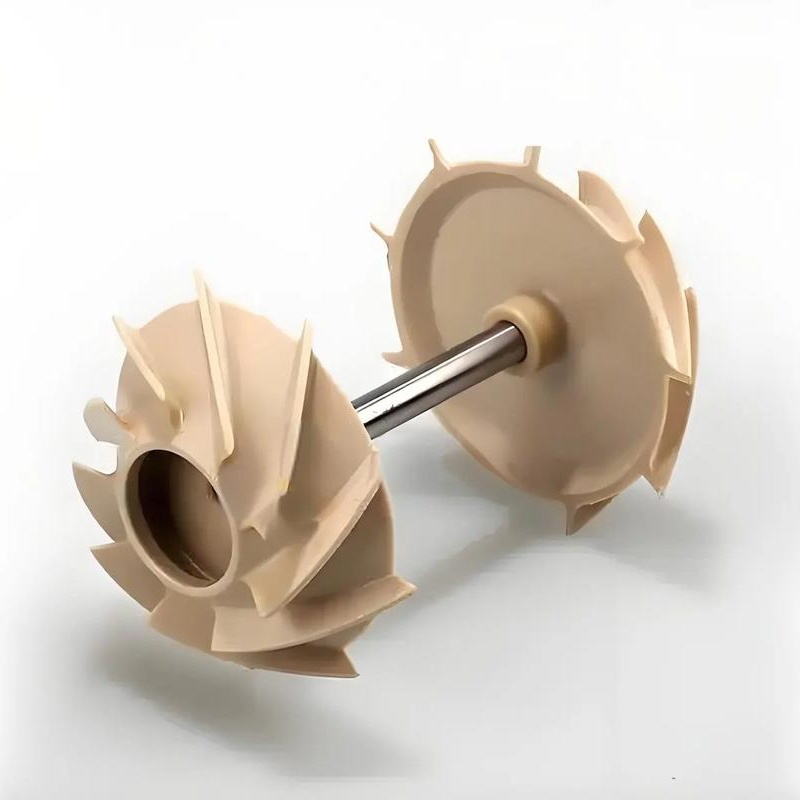
PEEK’s unique combination of properties makes it an indispensable material for engineers seeking to improve the reliability and longevity of mechanical systems. Its exceptional wear resistance, high-temperature stability, and chemical inertness allow it to outperform conventional plastics and even metals in the most challenging environments. By choosing PEEK, manufacturers can significantly reduce maintenance, extend service intervals, and lower the total cost of ownership for critical equipment. Ultimately, understanding “How PEEK’s Wear Resistance Extends the Lifespan of Mechanical Moving Parts” is fundamental to modern mechanical design, driving innovation across industries from aerospace to biomedical engineering.
 Carbon Fiber vs Glass Fiber Composites
 The Influence of Fiber Orientation on the Mechanical Performance of Composite Laminates
 The Multifunctionality of Polymer Composites
 Thermoplastic vs. Thermoset Composites