
PEEK, PTFE, PPS: How to Choose the Right High-Performance Plastic
Selecting the right high-performance plastic for a demanding application is rarely straightforward. PEEK, PTFE, and PPS each offer distinct property profiles that solve different engineering problems. Choosing the wrong material can lead to premature failure, dimensional instability, or unnecessary cost. This guide compares PEEK, PTFE, and PPS across mechanical, thermal, chemical, and tribological performance to help engineers and procurement teams make informed decisions.
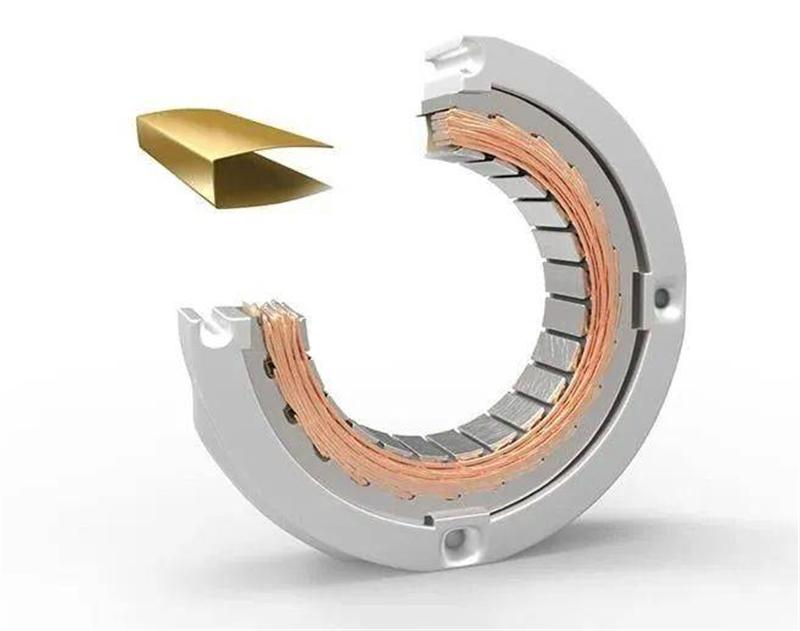
What Are PEEK, PTFE, and PPS?
PEEK (polyetheretherketone) is a semi-crystalline thermoplastic known for its balanced combination of strength, heat resistance, and chemical stability. It sits at the top tier of engineering polymers, with continuous use temperatures reaching 250°C and tensile strength in the 90–150 MPa range .
PTFE (polytetrafluoroethylene), often referred to as Teflon, is a fluoropolymer prized for its extremely low friction coefficient and near-universal chemical inertness. Its dielectric properties are exceptional, with a dielectric constant around 2.0, the lowest among common insulating materials .
PPS (polyphenylene sulfide) is a semi-crystalline engineering plastic that offers good mechanical strength, inherent flame resistance, and excellent dimensional stability at a more accessible price point than PEEK . It performs well in chemically aggressive environments and high-temperature electrical applications.
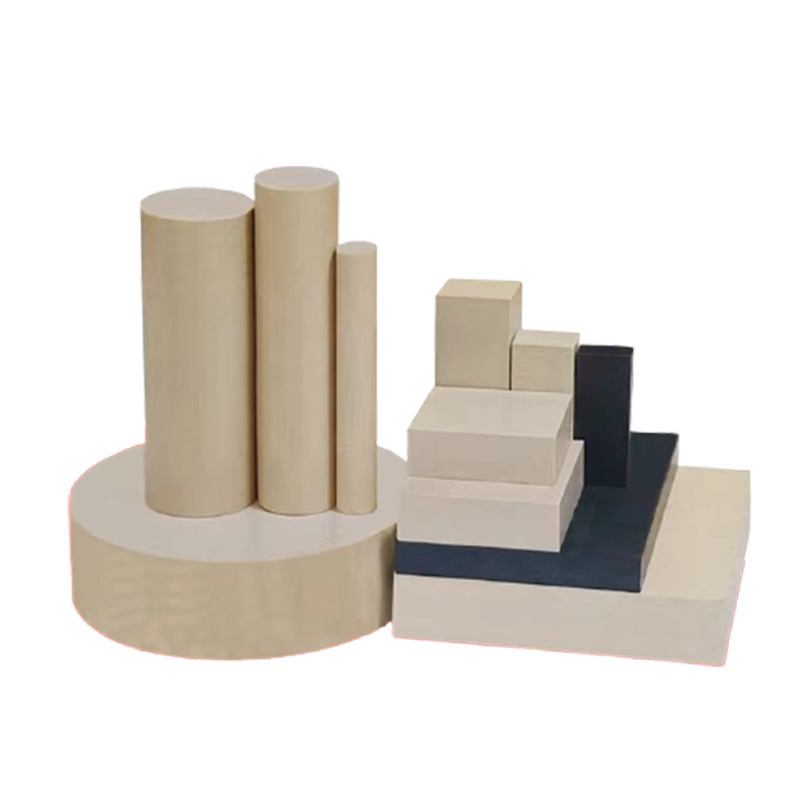
Key Properties
Mechanical Properties
PEEK demonstrates the highest rigidity among these three materials, with a tensile modulus of approximately 4,300 MPa . Its shear strength reaches 215 MPa, more than six times that of PTFE . PPS offers moderate strength and good creep resistance, particularly in glass-filled grades . PTFE is comparatively soft and prone to deformation under sustained load, though it maintains useful toughness and flexibility .
Thermal Properties
PEEK leads with a melting point of 334–343°C and a glass transition temperature around 143°C . Its long-term service temperature reaches 250°C. PTFE matches PEEK in continuous use temperature but has lower mechanical strength at elevated temperatures . PPS offers a long-term use temperature of approximately 220°C, sufficient for many automotive and electrical applications .
Chemical Resistance
All three materials resist a broad range of chemicals, but their mechanisms differ. PTFE is essentially inert to virtually all industrial chemicals, including concentrated acids and bases . PEEK withstands most organic solvents and acids, with concentrated sulfuric acid being a notable exception . PPS provides good resistance to hydrocarbons, bases, and steam, though it can be attacked by strong oxidizing agents .
Electrical Properties
PTFE delivers the best dielectric performance, with a dielectric constant of approximately 2.0 and exceptional volume resistivity . PEEK offers good insulation with a dielectric strength of 24 kV/mm . PPS provides reliable electrical insulation, particularly in glass-reinforced grades designed for electrical/electronic applications .
Wear Resistance
PTFE achieves the lowest friction coefficient, approximately 0.04–0.15, making it ideal for non-stick and low-friction applications . However, its wear rate under high loads is relatively poor. PEEK offers a superior balance of low friction and high load-bearing capacity, with a friction coefficient around 0.40 and excellent wear resistance under pressure . PPS provides moderate wear performance, often enhanced with fillers for tribological applications.
Dimensional Stability
PEEK exhibits very low moisture absorption, less than 0.5%, and maintains dimensions across temperature fluctuations . PPS also offers excellent dimensional stability, with low mold shrinkage and minimal water uptake . PTFE has negligible moisture absorption but a high coefficient of thermal expansion, which can affect tight-tolerance applications .
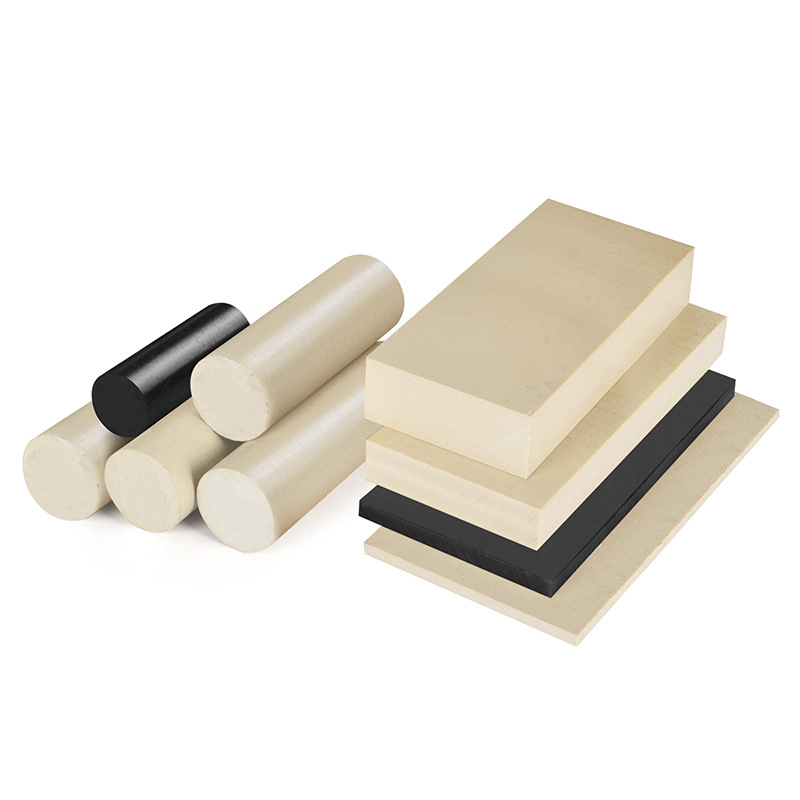
Applications
Aerospace: PEEK is used in engine components, structural brackets, and cable insulation where weight reduction and fire resistance matter. PTFE serves in fuel hose liners and wire coatings .
Semiconductor: PEEK’s low particle generation and high purity make it ideal for wafer carriers, CMP retaining rings, and vacuum chamber seals capable of withstanding 280°C in EUV lithography environments .
Medical: PEEK’s biocompatibility and radiotransparency support implants, dental components, and surgical instruments that tolerate repeated autoclaving .
Automotive: PPS is widely used in under-hood electrical connectors, sensors, and pump components due to its heat resistance and dimensional stability . PEEK serves in transmission bearings and fuel system components .
Chemical Processing: PTFE lines reactors, pumps, and piping for aggressive fluid handling . PEEK handles high-pressure seals and valve components in oil and gas applications.

Advantages
PEEK advantages:
– Highest overall mechanical strength among the three
– Excellent fatigue resistance and creep performance
– Continuous service to 250°C
– Biocompatible grades available for medical use
– Superior wear resistance under high loads
– Low moisture absorption and excellent dimensional stability
PTFE advantages:
– Lowest friction coefficient of any solid material
– Near-universal chemical inertness
– Exceptional dielectric properties
– Broad operating temperature range
– Excellent non-stick and anti-fouling properties
– Negligible water absorption
PPS advantages:
– Inherent flame resistance (UL94 V-0)
– Good chemical resistance at moderate cost
– Excellent dimensional stability and low shrinkage
– High-precision moldability
– Good electrical insulation properties
– Cost-effective compared to PEEK
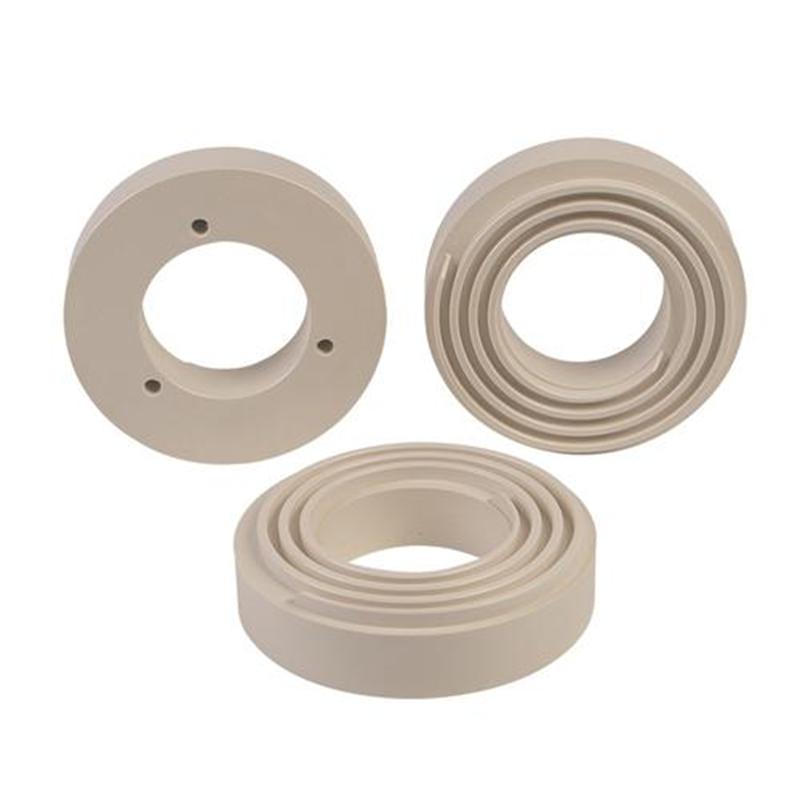
Limitations
PEEK limitations: High material cost, processing challenges requiring specialized equipment and annealing to relieve internal stresses , susceptibility to concentrated sulfuric acid, and notch sensitivity.
PTFE limitations: Poor creep resistance under sustained load, high thermal expansion, difficult to bond or weld, relatively low mechanical strength and stiffness, and potential regulatory scrutiny regarding PFAS .
PPS limitations: Lower impact strength compared to PEEK, brittleness in unfilled grades, limited resistance to strong oxidizing agents, and lower maximum service temperature than PEEK or PTFE.
Material Comparison
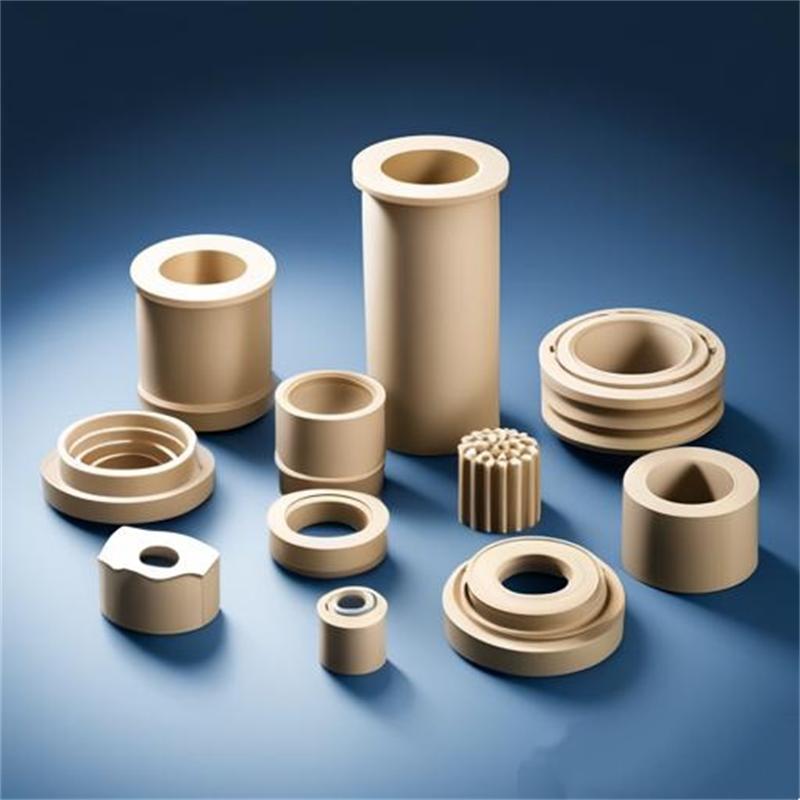
PEEK vs PPS: PEEK outperforms PPS in mechanical strength, maximum service temperature, and wear resistance. PPS offers a lower-cost alternative with excellent dimensional stability and inherent flame resistance. For applications requiring sustained loads above 220°C or high shear stress, PEEK is the better choice. For high-volume electrical components with moderate thermal demands, PPS provides better value .
PEEK vs PTFE: These materials serve fundamentally different purposes. PEEK provides structural strength and load-bearing capability; PTFE provides unmatched chemical inertness and low friction. In sealing applications, PEEK handles high-pressure dynamic loads while PTFE excels in static chemical barriers. Some designs combine both materials to leverage their complementary properties.
PPS vs PTFE: PPS offers superior mechanical strength and thermal stability, while PTFE provides better chemical resistance and lower friction. For microwave and radar components, PTFE remains the performance leader, though PEEK and PPS can serve as PFAS-free alternatives with acceptable trade-offs .
PEEK vs PI (Polyimide): PEEK generally offers better toughness and moisture resistance, while PI provides higher temperature capability and superior dielectric strength. PI can be more brittle and sensitive to hydrolysis in some forms.
Selection Guide
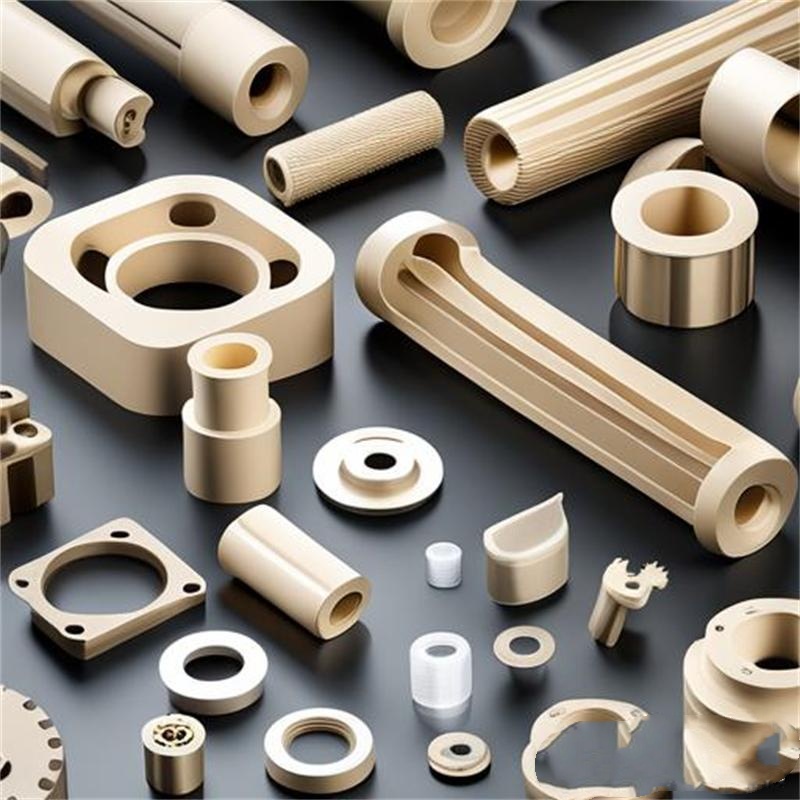
Temperature: For continuous service above 220°C, choose PEEK or PTFE. PPS suits applications up to 200–220°C.
Chemical exposure: For exposure to aggressive acids, bases, or solvents, PTFE offers the broadest resistance. PEEK handles most industrial chemicals; PPS covers moderate chemical environments.
Load and stress: For high-load structural components, PEEK is the clear choice. PPS works for moderate structural demands. PTFE is limited to low-load applications or requires fillers to improve creep resistance.
Friction and wear: PTFE for lowest friction; PEEK for best wear resistance under load; PPS for moderate tribological performance.
Electrical insulation: PTFE for best dielectric properties; PEEK for good insulation with structural capability; PPS for cost-effective electrical components.
Certifications: Medical-grade PEEK meets ISO 10993 and FDA requirements . Food-grade grades of all three materials are available. PPS typically carries UL94 V-0 rating. RoHS and REACH compliance should be verified with specific suppliers.
FAQ
What is the main difference between PEEK, PTFE, and PPS?
PEEK balances strength, heat resistance, and wear performance. PTFE excels in chemical inertness and low friction. PPS offers good all-around performance at lower cost. The choice depends on which properties are most critical for your application.
Can PEEK replace metal in structural applications?
Yes, in many cases. PEEK’s specific strength is higher than aluminum, and its fatigue resistance outperforms most thermoplastics . It is already replacing metal in aerospace brackets, automotive bearings, and medical implants where weight reduction or corrosion resistance is valuable.
Is PTFE safe for food and medical applications?
Food-grade PTFE is widely used in food processing equipment. Medical-grade PTFE is available, though PEEK is often preferred for implants due to its superior mechanical strength and bone-like modulus .
What temperature can PPS withstand?
PPS maintains useful properties up to approximately 220°C continuously, with short-term exposure capability somewhat higher. Glass-filled grades offer improved heat deflection temperatures .
How does moisture affect these materials?
PTFE has essentially zero moisture absorption. PEEK absorbs less than 0.5%, maintaining dimensional stability . PPS also exhibits low water uptake, making all three suitable for humid or wet environments.
Which material is best for chemical processing equipment?
PTFE provides the broadest chemical resistance, including concentrated acids. PEEK handles most aggressive chemicals except concentrated sulfuric acid. PPS covers moderate chemical exposure at lower cost.
How do I machine PEEK components?
PEEK machines with standard equipment, but its low thermal conductivity requires sharp tooling, high speeds, and minimal heat generation . Annealing after machining relieves internal stresses and improves dimensional stability.
Choosing between PEEK, PTFE, and PPS requires matching material properties to application demands rather than selecting the highest-performing option by default. PEEK delivers the best combination of strength, heat resistance, and wear performance for demanding structural applications. PTFE remains unmatched for chemical inertness and low-friction surfaces. PPS provides a cost-effective balance of properties for electrical, automotive, and moderate chemical environments. Understanding how PEEK, PTFE, and PPS perform under real operating conditions—temperature, load, chemical exposure, and wear—enables better engineering decisions and more reliable products.
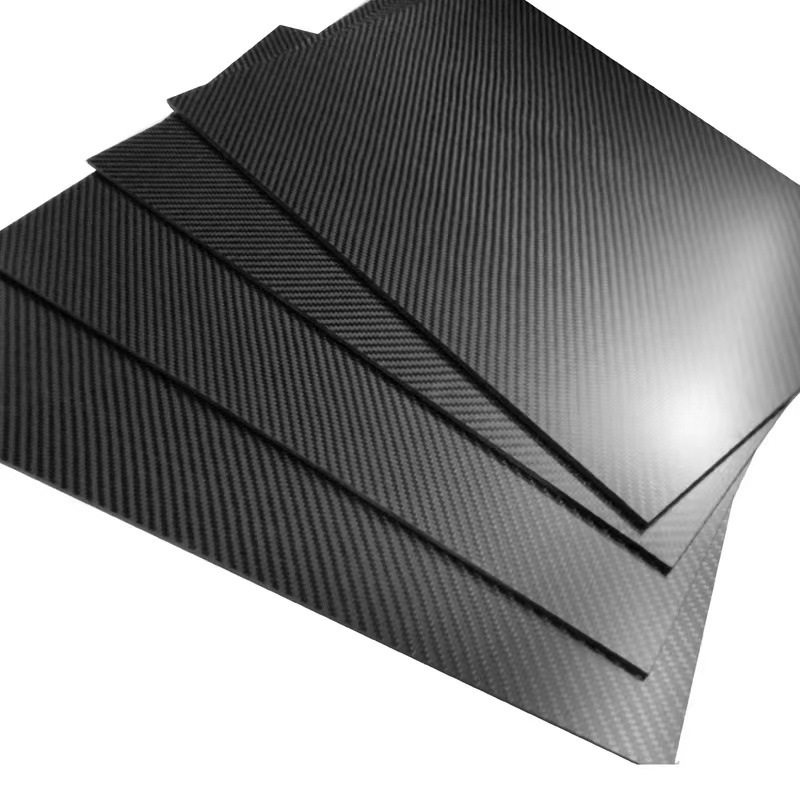 Carbon Fiber vs Glass Fiber Composites
 The Influence of Fiber Orientation on the Mechanical Performance of Composite Laminates
 The Multifunctionality of Polymer Composites
 Thermoplastic vs. Thermoset Composites