
Why Carbon Fiber Reinforced PEEK is Becoming the Preferred Material for Wear-Resistant Aerospace Bearings
Carbon fiber reinforced polyetheretherketone (CF/PEEK) is becoming the preferred material for wear-resistant aerospace bearings. The core reason lies in its ability to simultaneously address the contradictions that traditional metals and ordinary engineering plastics cannot balance: it must withstand extreme loads and temperatures, while also achieving lightweight, corrosion resistance, and maintenance-free properties.
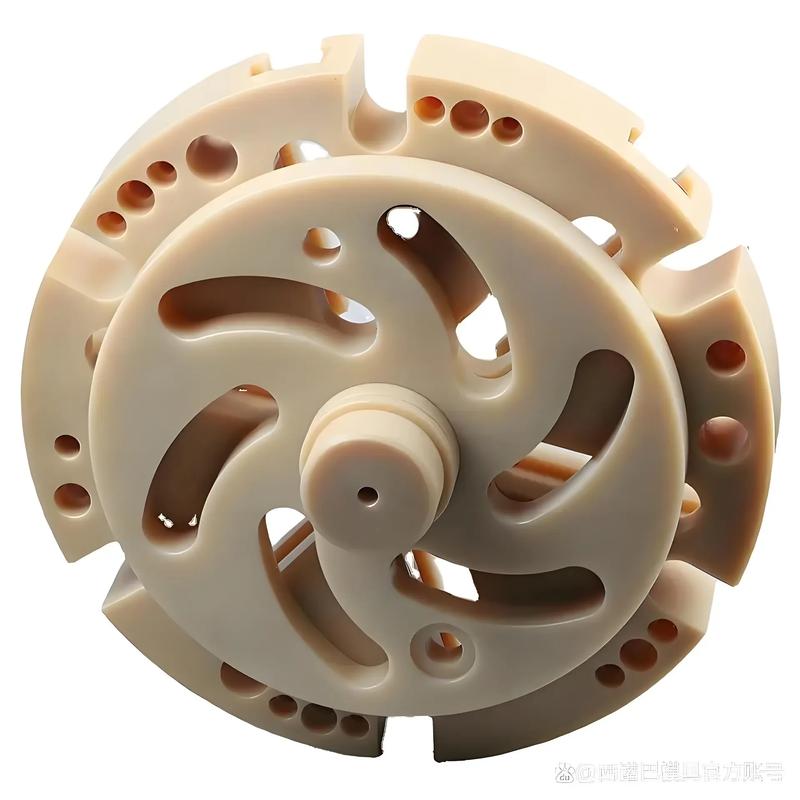
What is Carbon Fiber Reinforced PEEK?
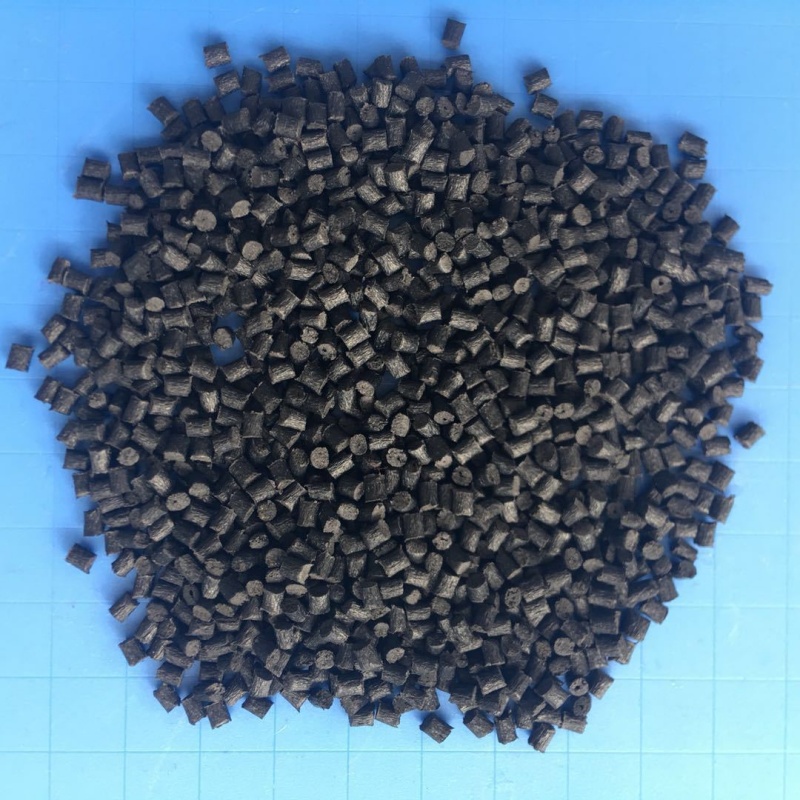
PEEK (Polyether Ether Ketone) is a semi-crystalline, high-temperature thermoplastic known for its outstanding mechanical and chemical resistance properties. When short carbon fibers are incorporated into the PEEK matrix—typically at 20% to 30% by weight—the resulting composite, known as carbon fiber reinforced PEEK, exhibits a dramatic improvement in key properties . The carbon fibers act as a reinforcement phase, significantly increasing the material’s strength, stiffness, and creep resistance, while also enhancing its thermal conductivity, a vital property for bearing applications.
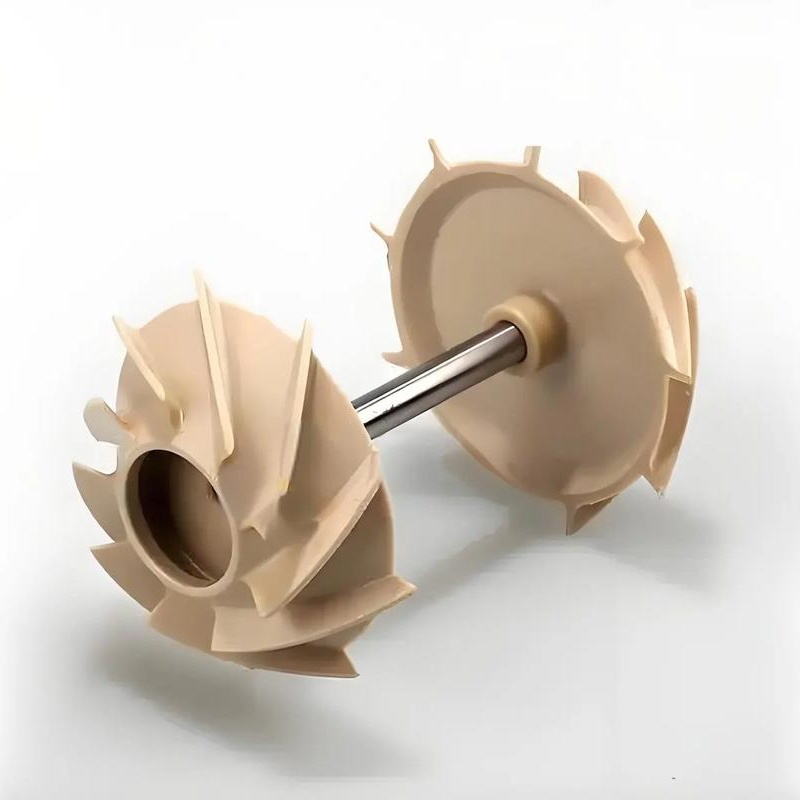
Key Properties Driving Aerospace Adoption
Mechanical Properties
The addition of carbon fiber transforms PEEK into an exceptionally rigid and strong material. Carbon fiber reinforced PEEK grades like 450CA20 and 450FC30 offer a tensile modulus exceeding 12,000 MPa and tensile strength around 140-170 MPa . Its high compressive strength and resistance to creep are particularly critical for bearings that must maintain precise tolerances under sustained high loads. This makes carbon fiber reinforced PEEK an excellent choice for self-lubricating bearing applications .
Thermal Properties
Aerospace bearings often operate in extreme heat, generated by friction or transmitted from nearby engines. Carbon fiber reinforced PEEK maintains its mechanical integrity up to a continuous service temperature of 250°C, with a melting point of 341°C . It also exhibits a low coefficient of thermal expansion (CTE), ensuring dimensional stability despite significant temperature fluctuations .
Wear Resistance and Friction
This is the primary reason for its selection in bearings. The inherent lubricity of PEEK, combined with the load-bearing capacity of carbon fibers, results in a very low coefficient of friction and exceptional wear resistance. This combination allows for operation without external lubrication, reducing maintenance and eliminating the risk of lubricant contamination . The carbon fibers also improve thermal conductivity, dissipating frictional heat away from the bearing surface, which prolongs component life and prevents premature failure .
Chemical Resistance
Carbon fiber reinforced PEEK is virtually inert to a wide range of chemicals, including aviation fuels, hydraulic fluids, and de-icing agents, which are common in aerospace environments . This chemical resistance ensures the bearing’s integrity and performance remain uncompromised even in aggressive chemical environments.
Key Applications
– Aircraft Engine Systems: Bearings in engine fuel pumps are a prime application. They benefit from the material’s high load-bearing capacity, low friction, and resistance to fuel and high temperatures. The material’s lightweight nature also aids in overall engine efficiency .
– Flight Control Actuation Systems: Bearings in wing flaps and other control surfaces must operate reliably under high loads and in varying temperatures. Carbon fiber reinforced PEEK provides the necessary precision and durability.
– Helicopter Pitch Linkage Systems: These critical components demand self-lubricating bearings that can handle high dynamic loads and oscillating movements, where carbon fiber reinforced PEEK excels .
– Landing Gear Components: Bearings used in landing gear rely on the material’s excellent creep resistance and ability to withstand high static and dynamic loads without deforming .

Advantages of Carbon Fiber Reinforced PEEK Bearings
High Load Capacity: The carbon fiber reinforcement provides excellent strength and stiffness, allowing bearings to sustain substantial loads without deformation.
Exceptional Wear Resistance: Low friction and high wear resistance lead to long service life, reducing downtime and maintenance costs .
Self-Lubricating Properties: Eliminates the need for external lubricants, reducing maintenance and preventing contamination of sensitive components .
Lightweight: It is significantly lighter than steel or bronze, reducing the overall weight of the aircraft and improving fuel efficiency. One study showed a weight reduction to 1/6 of traditional copper alloys .
Chemical and Corrosion Resistance: It withstands harsh chemicals and fluids, ensuring reliable performance in aggressive environments .
Wide Operating Temperature Range: Suitable for use in extreme cold and high-heat environments, from -40°C to +260°C .
Limitations
– High Material Cost: The raw material cost of carbon fiber reinforced PEEK is significantly higher than that of standard engineering plastics.
– Processing Difficulty: It requires specialized high-temperature equipment for injection molding and extrusion. Processing demands strict temperature controls and tooling designed to withstand the material’s abrasive nature .
– UV Sensitivity: In its natural state, PEEK is susceptible to UV degradation, though this is rarely a concern for internal bearing components .
Material Comparison: Carbon Fiber Reinforced PEEK vs. PAI
While both are high-performance materials used in demanding bearing applications, Polyamide-imide (PAI) and carbon fiber reinforced PEEK differ significantly. PAI offers an even higher continuous use temperature, sometimes exceeding 260°C, but is generally more difficult to process and more expensive. Carbon fiber reinforced PEEK, on the other hand, offers an excellent balance of strength, wear resistance, chemical inertness, and processability. For many bearing applications, PEEK’s combination of properties, particularly its superior toughness and resistance to steam and hydrolysis, makes it the more versatile and cost-effective solution .
Selection Guide for Buyers and Engineers
When selecting carbon fiber reinforced PEEK for bearing applications, consider the following:
– Operating Temperature: The glass transition temperature is 143°C. For continuous use at 250°C, carbon fiber reinforced PEEK is ideal .
– Contact Load: Assess the maximum static and dynamic load the bearing must support. PEEK CF30 grades provide high mechanical performance for structural applications .
– PV Value: For custom parts, the Pressure-Velocity (PV) limit is crucial. Carbon fiber grades are suitable for high PV applications requiring low friction and good thermal conductivity.
– Environment: For semiconductor applications, consider the material’s purity and outgassing potential .
– Compliance: Ensure the material meets relevant standards like UL94 V-0 for flammability, and RoHS/REACH for environmental compliance .
Frequently Asked Questions (FAQ)
What is carbon fiber reinforced PEEK?
It is a high-performance composite material made by adding short carbon fibers to a PEEK (Polyether Ether Ketone) polymer matrix. The carbon fibers significantly enhance the material’s strength, stiffness, and wear resistance compared to unfilled PEEK, making it ideal for demanding structural and bearing applications .
Why choose carbon fiber reinforced PEEK for aerospace bearings?
It offers a unique combination of properties, including an exceptional strength-to-weight ratio, outstanding wear resistance, a wide operating temperature range (-40°C to +260°C), and self-lubricating capabilities. These properties reduce weight, extend component life, and enable maintenance-free operation compared to traditional metal bearings .
Can carbon fiber reinforced PEEK replace metal in bearings?
Yes. It is increasingly used as a direct replacement for metals like steel and bronze. Its self-lubricating nature eliminates oiling, its light weight improves efficiency, and its resistance to chemicals and wear extends service life. It is particularly effective in high-load, high-temperature applications where metal parts suffer from lubrication failure .
Is carbon fiber reinforced PEEK chemically resistant?
Yes, carbon fiber reinforced PEEK boasts extremely high resistance to a broad range of chemicals, including aviation fuels, hydraulic fluids, and de-icing agents. This inertness ensures consistent performance even in harsh chemical environments, making it a preferred material for demanding applications .
What temperature can carbon fiber reinforced PEEK withstand?
It has a continuous use temperature of up to 250°C, with a melting point of around 341°C. Its low coefficient of thermal expansion ensures dimensional stability, even during significant temperature changes, which is crucial for maintaining bearing precision .
How to machine carbon fiber reinforced PEEK?
While it can be injection-molded, it is also machinable from stock shapes like rods and sheets. Machining requires sharp tools, rigid setups, and effective cooling to prevent overheating. The abrasive nature of the carbon fiber can cause rapid tool wear, so carbide or diamond tools are recommended .
Where to buy carbon fiber reinforced PEEK?
It is available from specialized manufacturers and suppliers of high-performance plastics. Many offer both stock shapes for machining and custom injection-molded parts. Look for companies with ISO9001 certification and expertise in PEEK processing .
The shift towards carbon fiber reinforced PEEK in aerospace bearing applications is a clear testament to the material’s superior engineering properties. Its unparalleled combination of high strength, low weight, extreme wear resistance, and chemical inertness directly addresses the industry’s critical need for reliable, long-lasting, and maintenance-free components. As aerospace technology continues to evolve towards more efficient and demanding designs, the role of carbon fiber reinforced PEEK as the preferred material for advanced bearing solutions will only become more significant, driving both performance and cost-efficiency in future aircraft.
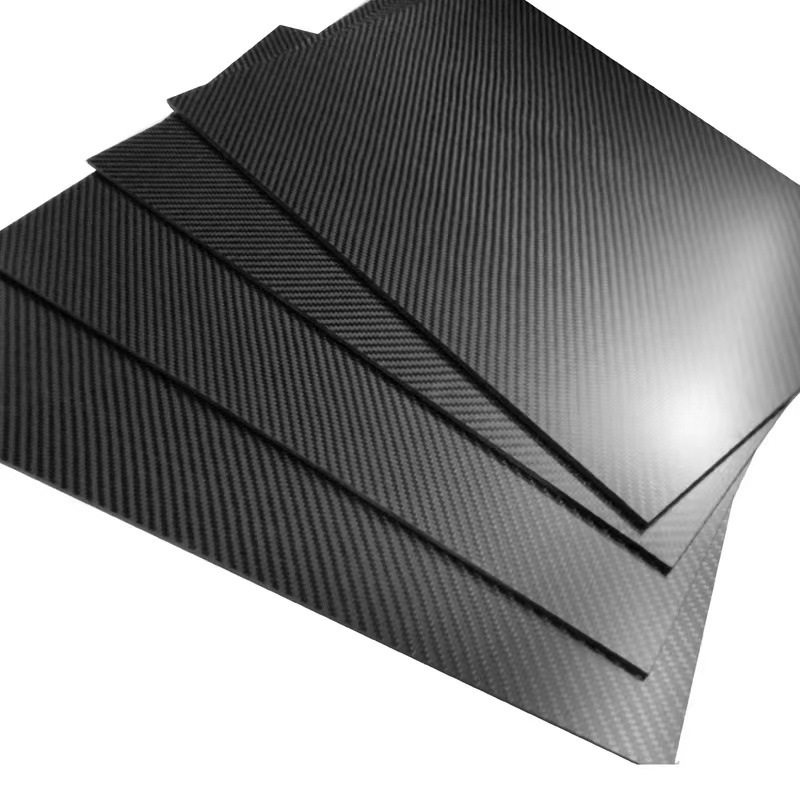 Carbon Fiber vs Glass Fiber Composites
 The Influence of Fiber Orientation on the Mechanical Performance of Composite Laminates
 The Multifunctionality of Polymer Composites
 Thermoplastic vs. Thermoset Composites