
High-Performance Engineering Plastics in Aerospace
In the relentless pursuit of fuel efficiency and operational range, the aerospace industry faces a fundamental challenge: reducing weight while maintaining uncompromising safety and performance standards. Enter high-performance engineering plastics, a class of materials that has evolved from niche applications to become a cornerstone of modern aircraft and spacecraft design. Aerospace high-performance engineering plastics like PEEK (polyetheretherketone) are enabling engineers to achieve weight savings of up to 60-70% compared to metals, without sacrificing mechanical integrity or thermal stability . This article explores how aerospace high-performance engineering plastics are redefining what’s possible in aviation and space exploration, offering practical insights for procurement specialists, design engineers, and R&D professionals.
What Are Aerospace High-Performance Engineering Plastics?
Aerospace high-performance engineering plastics are a specialized category of polymers that maintain structural integrity and dimensional stability under extreme conditions. Unlike standard engineering plastics used in consumer goods, these materials are engineered to withstand the punishing environments encountered in flight: temperature extremes from -40°C to over 260°C, exposure to aviation fuels and hydraulic fluids, continuous vibration, and high mechanical loads .
Polyetheretherketone (PEEK) is the most widely adopted material in this category, representing the “top of the pyramid” in polymer technology . Its molecular structure—featuring aromatic rings connected by ether and ketone linkages—confers exceptional thermal stability and chemical resistance. Other notable aerospace high-performance engineering plastics include PEKK (polyetherketoneketone), PEI (polyetherimide), and PPSU (polyphenylsulfone), each offering specific property profiles for different applications .
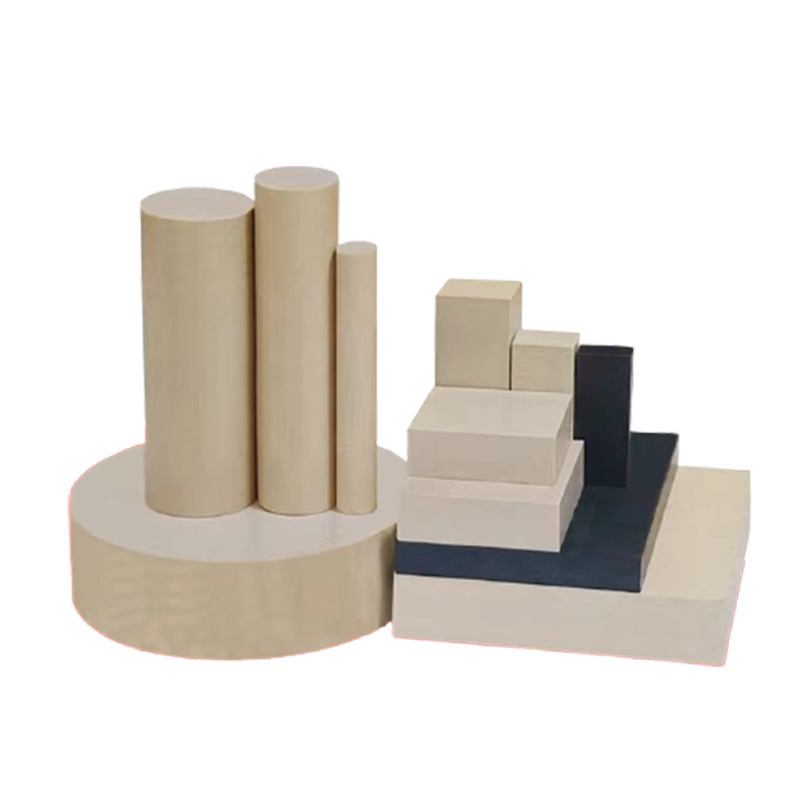
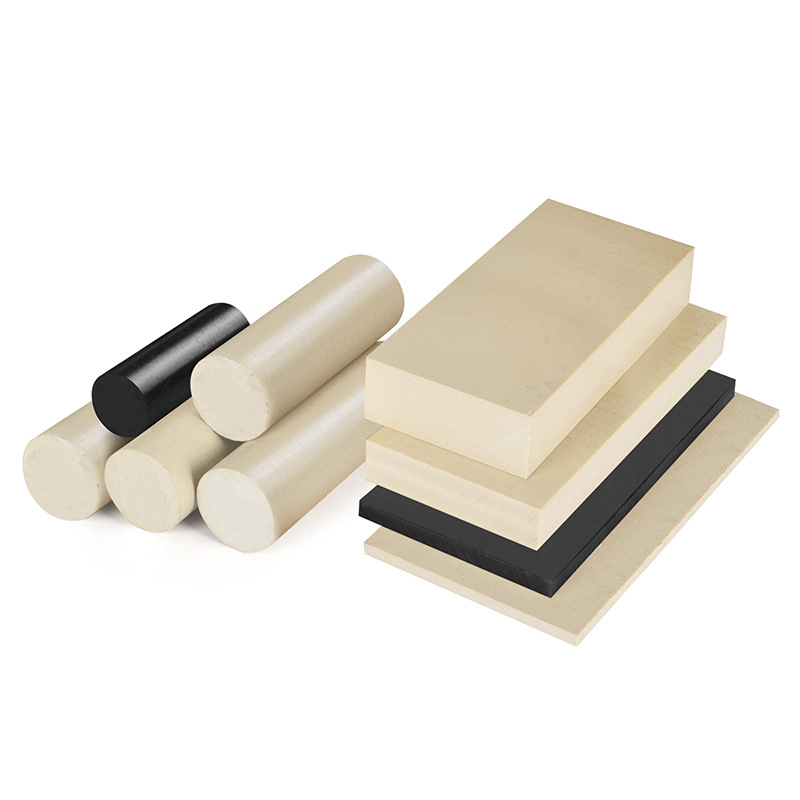
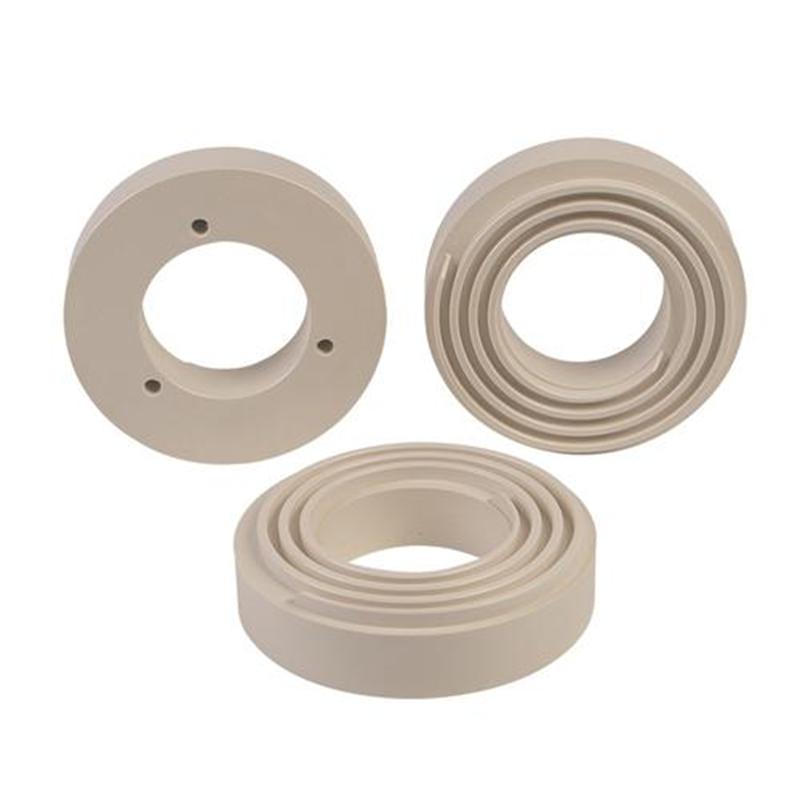
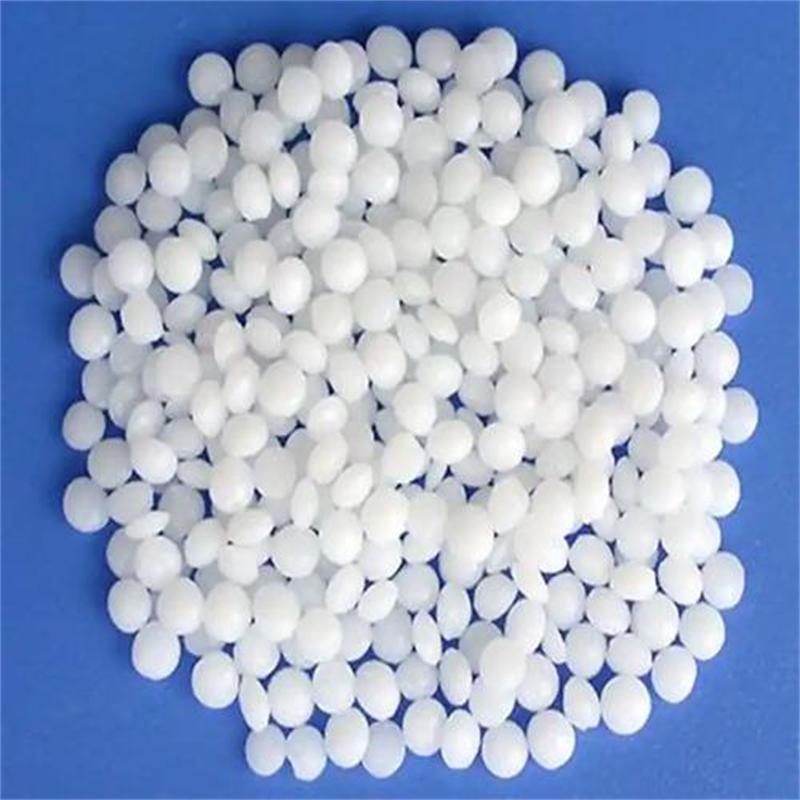
These materials are supplied in various forms—injection molding pellets, extruded rod and sheet, and composite prepregs—and are available from global manufacturers and specialized aerospace high-performance engineering plastics suppliers who provide fully traceable, aerospace-grade material with complete certification packages.
Key Properties of Aerospace High-Performance Engineering Plastics
Mechanical Properties
Aerospace high-performance engineering plastics exhibit tensile strengths approaching 100 MPa and flexural moduli exceeding 4 GPa, comparable to aluminum alloys . More importantly, they maintain these properties over extended service life, with fatigue resistance reportedly up to 100 times longer than typical aerospace aluminum alloys . The specific strength (strength-to-weight ratio) often surpasses metals, making aerospace high-performance engineering plastics ideal for structural applications where every gram matters.
Thermal Properties
These materials are defined by their exceptional thermal performance. Unfilled PEEK has a melting point of approximately 343°C and can operate continuously at 260°C while retaining mechanical properties . The glass transition temperature (Tg) is around 143°C, above which the polymer becomes more ductile but remains structurally sound. Aerospace high-performance engineering plastics also exhibit low coefficients of thermal expansion (CTE) close to that of aluminum and titanium, minimizing thermal stress in assemblies.
Chemical Resistance
In aerospace environments, materials encounter jet fuel, hydraulic fluids (Skydrol), de-icing fluids, and cleaning solvents. Aerospace high-performance engineering plastics demonstrate exceptional resistance to these aggressive chemicals, with virtually no dissolution or degradation . This chemical inertness extends component life and reduces maintenance frequency, a key consideration for operators seeking to minimize downtime.
Electrical Properties
These materials are excellent electrical insulators with dielectric strengths exceeding 20 kV/mm and stable performance across a wide frequency range. For applications like radomes and antenna housings, aerospace high-performance engineering plastics offer low dielectric constants and dissipation factors, ensuring signal transparency while providing mechanical protection .
Wear Resistance and Friction
Self-lubricating grades of aerospace high-performance engineering plastics demonstrate low coefficients of friction (0.3-0.5 against steel) and minimal wear rates, enabling bearing and bushing applications without external lubrication . This capability reduces system complexity and eliminates lubrication-related contamination in sensitive areas.
Dimensional Stability
Low moisture absorption (typically <0.5% at saturation) and excellent creep resistance ensure that components made from aerospace high-performance engineering plastics maintain tight tolerances throughout their service life, critical for precision assemblies and mating interfaces.
Applications of Aerospace High-Performance Engineering Plastics
Airframe Structures
Aerospace high-performance engineering plastics are increasingly used for brackets, clips, and fasteners, replacing heavier aluminum and titanium components . These applications directly benefit from the weight savings enabled by aerospace high-performance engineering plastics, with reductions of up to 60% reported in production programs .
Engine Components and Nacelles
Thermal stability makes these materials suitable for engine nacelle components, including brackets, fairings, and ducting. The ability to withstand 260°C continuous service allows aerospace high-performance engineering plastics to operate in proximity to hot engine sections without degradation .
Electrical and Avionics Systems
Wire insulation, connectors, and cable management systems leverage the electrical properties and flame retardancy (UL94 V-0) of aerospace high-performance engineering plastics . The low smoke and toxic gas emission characteristics are crucial for passenger safety in cabin applications.
Radomes and Antenna Systems
The combination of low dielectric constant, high mechanical strength, and weather resistance makes aerospace high-performance engineering plastics ideal for radome structures that protect sensitive radar and communication systems .
Spacecraft and Satellite Components
PEKK, a close relative of PEEK, has been qualified for spacecraft structural components, including satellite body structures and auxiliary parts, where vacuum stability and radiation resistance are essential .

Advantages of Aerospace High-Performance Engineering Plastics
Significant Weight Reduction: Density of 1.3–1.5 g/cm³ compared to 2.7 g/cm³ for aluminum and 4.5 g/cm³ for titanium enables savings of 60-70% per component .
Design Freedom: Injection molding and additive manufacturing capabilities allow complex geometries impossible with metal machining, consolidating assemblies and reducing part count.
Corrosion and Chemical Resistance: Eliminates the need for surface treatments, coatings, and corrosion prevention measures required for metals.
Maintenance Reduction: Self-lubricating properties and wear resistance extend component life, reducing inspection and replacement frequency .
Electrical Insulation: Natural insulating properties eliminate the need for separate insulation layers in electrical applications.
Flame Safety: V-0 flammability rating with low smoke and toxicity supports cabin safety requirements .
Radar Transparency: Low dielectric constant materials are transparent to radar frequencies, critical for radome applications.
Design for Sustainability: Recyclable thermoplastic materials support circular economy initiatives compared to thermoset composites.
Limitations and Considerations
While aerospace high-performance engineering plastics offer remarkable advantages, they have limitations that engineers must address:
Cost: Premium materials command premium prices—typically $50–$100 per pound for aerospace grades. However, total system cost analysis often reveals competitiveness when considering reduced machining, assembly, and maintenance costs.
Processing Complexity: Achieving aerospace-grade quality requires controlled processing conditions. Injection molding, extrusion, and machining demand specialized equipment and expertise. Part geometry must be designed to accommodate flow characteristics and minimize internal stresses.
Moisture Absorption: Although low, moisture uptake (up to 0.5%) can affect dimensional stability and some mechanical properties. Pre-conditioning and proper storage protocols are essential .
Impact Resistance: While tough, these materials can be notch-sensitive. Designers must incorporate appropriate radii and avoid sharp corners in high-load applications.
UV Sensitivity: Extended UV exposure can cause surface degradation; protective coatings or pigmentation may be required for exterior applications.
Maximum Service Temperature: While continuous use at 260°C is possible, above this temperature, creep resistance and strength decline. For applications exceeding 300°C, ceramic or metal alternatives remain necessary.
Material Comparison: PEEK and Its Alternatives
PEEK vs. PEKK
PEKK (polyetherketoneketone) shares PEEK’s performance characteristics but offers a lower melting point (around 360°C) and slightly higher glass transition temperature, providing a broader processing window . PEKK exhibits higher compression strength, making it suitable for load-bearing aerospace structural applications. However, PEEK maintains its advantage in fatigue resistance and chemical resistance. Both materials serve aerospace applications, with selection depending on specific processing and performance requirements.
PEEK vs. PAEK
The PAEK (polyaryletherketone) family encompasses PEEK and its derivatives. Newer formulations like VICTREX LMPAEK™ offer a lower melting point (300–310°C) than PEEK, enabling faster processing cycles and reduced energy consumption . This aerospace high-performance engineering plastic demonstrates up to 60% weight reduction over equivalent-strength metals when used as a composite matrix, with a 40% wider processing window. LMPAEK™ also achieves three times higher Z-direction strength in additive manufacturing parts compared to conventional PEEK .
PEEK vs. Polyimide (PI)
Polyimides can withstand higher temperatures (up to 315°C continuous) than PEEK and exhibit superior creep resistance. However, PI materials are generally more expensive, more difficult to process (typically requiring compression molding or sintering), and less chemically resistant. PEEK is the preferred choice for injection-molded components up to 260°C, while PI remains the material of choice for extreme high-temperature applications above 260°C .
PEEK vs. PPS
PPS (polyphenylene sulfide) costs significantly less than PEEK and offers excellent chemical resistance at temperatures up to 200°C. However, PPS is brittle, lacks PEEK’s toughness and fatigue resistance, and cannot match PEEK’s continuous service temperature of 260°C. For aerospace applications requiring mechanical robustness above 200°C, PEEK is the superior choice.
Selection Guide for Aerospace High-Performance Engineering Plastics
Define the Operating Temperature Range
Continuous use temperature is the primary selection criterion. If the component operates above 200°C, eliminate PPS and focus on PEEK, PEKK, or PI. For applications up to 260°C, PEEK or PEKK are suitable; above 260°C, PI becomes necessary.
Identify Chemical Exposure
Evaluate the specific fluids the component will contact—hydraulic fluid, fuel, de-icing agents. PEEK and PEKK offer broad chemical resistance; PI may be less resistant to certain solvents. Certification test data from your aerospace high-performance engineering plastics supplier should validate compatibility.
Determine Mechanical Requirements
Consider static loads, fatigue, and wear. PEEK excels in fatigue resistance (100x better than aluminum), making it ideal for dynamic applications . For high compressive loads, PEKK may be preferred. Self-lubricating grades incorporate fillers like PTFE or carbon for bearing applications.
Review Regulatory Compliance
Aerospace applications require traceability and full qualification documentation. Ensure your aerospace high-performance engineering plastics factory provides:
– Material specifications and datasheets
– Batch traceability
– Compliance with REACH and RoHS
– Applicable aerospace standards (e.g., AMS, ASTM, ISO)
– Outgassing data for space applications
– Flammability certification (UL94)
Consider Processing and Fabrication
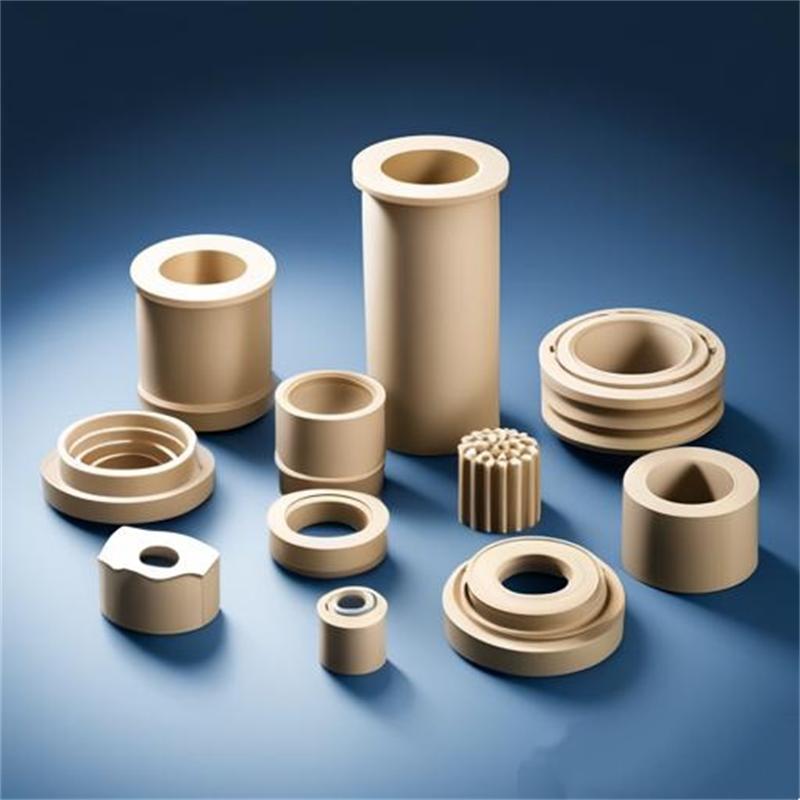
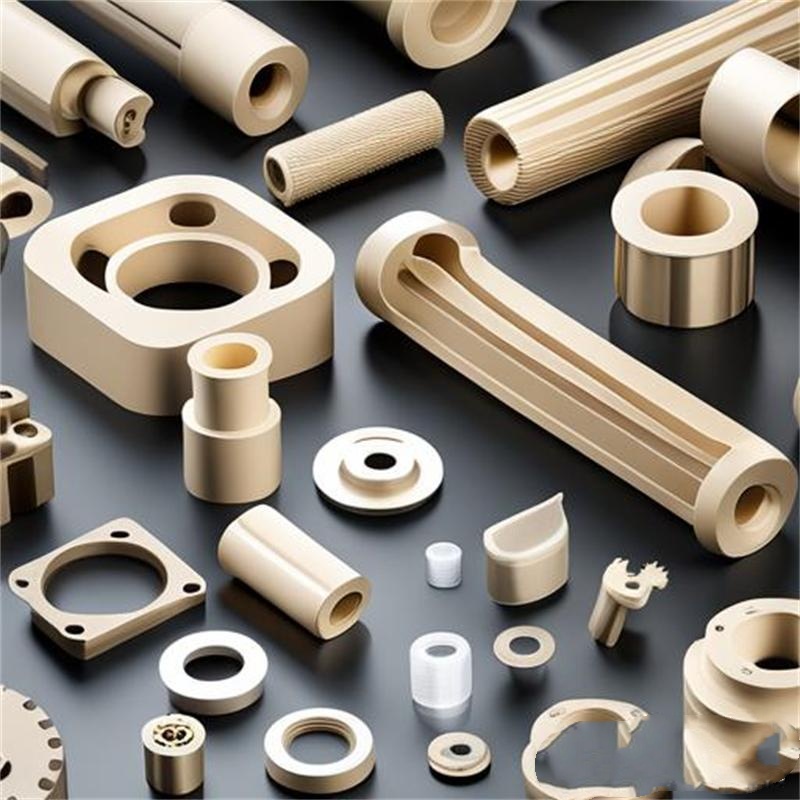
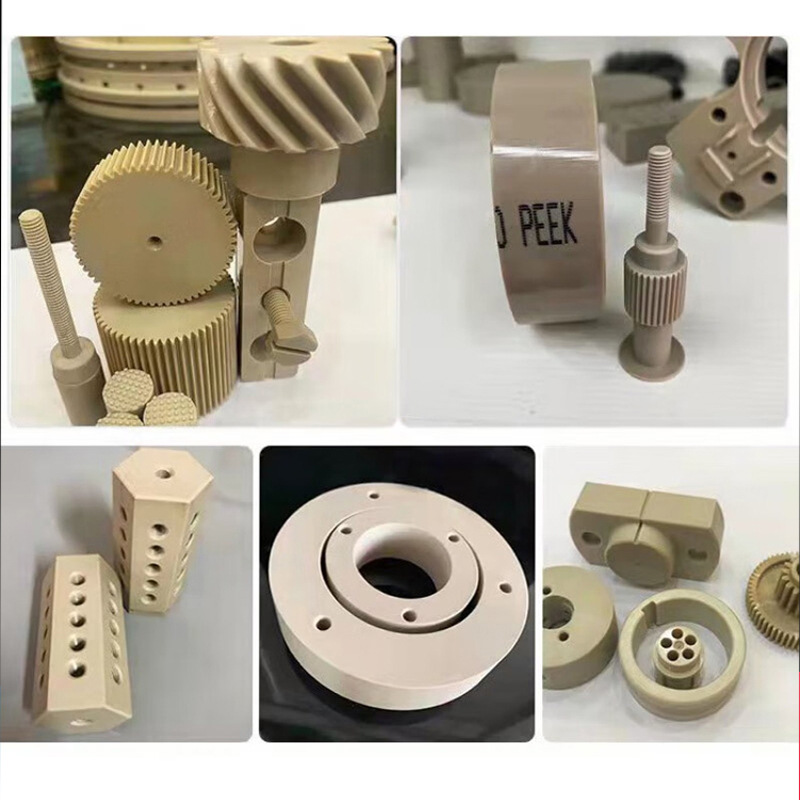
Consult with OEM aerospace high-performance engineering plastics manufacturers early in the design process. Complex geometries may favor injection molding, while simpler profiles can be machined from stock shapes. Custom machining of aerospace high-performance engineering plastics parts requires specialized tooling and practices to avoid stress cracking and ensure dimensional stability.
Request Testing and Validation
Before full-scale production, request testing of representative prototypes. FDM (fused deposition modeling) and other additive manufacturing technologies enable rapid prototyping with materials like PEKK before committing to production processes . Ensure the material specification matches the grade needed for ultimate production.
Frequently Asked Questions
What are aerospace high-performance engineering plastics?
Aerospace high-performance engineering plastics are advanced polymer materials engineered to withstand the extreme temperature, chemical, and mechanical demands of aircraft and spacecraft applications. Examples include PEEK, PEKK, PEI, and PAEK formulations. These materials replace metals to achieve weight reduction while maintaining structural integrity, thermal stability, and chemical resistance. They are typically supplied by specialized manufacturers with full traceability and aerospace-grade certification.
Why choose high-performance engineering plastics for aerospace applications?
These materials offer an unparalleled combination of high strength-to-weight ratio, thermal stability up to 260°C continuous service, chemical resistance, self-lubrication, and design flexibility. They enable weight reductions of 60-70% compared to metals, improving fuel efficiency and payload capacity. Modern aerospace high-performance engineering plastics also support advanced manufacturing techniques like injection molding and additive manufacturing, reducing production costs and enabling complex geometries .
Can aerospace high-performance engineering plastics replace metal components?
Yes, in many applications, these materials have proven effective replacements for metals. Components such as brackets, fasteners, wire insulation, bearings, and even structural fairings now use aerospace high-performance engineering plastics. In some cases, they outperform metals in fatigue resistance and corrosion resistance. However, they cannot replace metals in applications exceeding 260°C continuous service or those requiring extreme creep resistance at very high temperatures .
How chemically resistant are aerospace high-performance engineering plastics?
PEEK and PEKK are extremely resistant to a wide range of chemicals encountered in aerospace environments, including aviation fuels, hydraulic fluids, de-icing agents, and many solvents. They do not dissolve or degrade upon exposure, significantly extending component life. However, they are not universally resistant to all chemicals, so compatibility testing is recommended for specific chemical exposure scenarios .
What temperature can aerospace high-performance engineering plastics withstand?
Standard PEEK can operate continuously at temperatures up to 260°C (500°F) and withstand short-term exposure up to 300°C. PEKK has a slightly higher glass transition temperature (Tg) of around 165°C compared to PEEK’s 143°C, offering advantages in certain high-heat applications. Polyimides (PI) extend continuous use to 315°C. For applications above 315°C, ceramics or metals remain necessary .
How are aerospace high-performance engineering plastics processed?
These materials can be processed using conventional thermoplastic techniques: injection molding, extrusion, and compression molding. They also support advanced manufacturing: CNC machining, ultrasonic welding, and additive manufacturing (3D printing). Aerospace high-performance engineering plastics machining requires sharp tools, proper cooling, and optimized feed rates to avoid stress cracking. PEEK and PEKK can also be used as matrices for continuous fiber composites .
Where can I buy aerospace-grade high-performance engineering plastics?
Qualified aerospace high-performance engineering plastics suppliers and OEM aerospace high-performance engineering plastics factories offer certified materials with full traceability. Leading global suppliers include Victrex (UK), Solvay (Belgium), and Evonik (Germany), with an increasing number of China-based aerospace high-performance engineering plastics manufacturers providing competitive alternatives . For high-volume custom parts, engage directly with an aerospace high-performance engineering plastics OEM with experience in aerospace quality systems.
Aerospace high-performance engineering plastics have proven that weight reduction and performance retention are not mutually exclusive goals. Through decades of materials science advancement, these polymers offer engineers a robust toolkit for designing next-generation aircraft and spacecraft that are lighter, more fuel-efficient, and more sustainable. The adoption of aerospace high-performance engineering plastics is no longer experimental but mainstream, with applications ranging from airframe structures to engine components and avionics systems. As global aerospace high-performance engineering plastics manufacturers continue to innovate, bringing new formulations to market that offer broader processing windows and improved economics, the role of these materials will only expand. For procurement professionals, engineers, and designers, understanding the capabilities, limitations, and selection criteria for aerospace high-performance engineering plastics is essential to leveraging their full potential. The integration of these advanced materials into aerospace platforms represents not just an evolution in materials engineering but a fundamental shift in how we design for performance, efficiency, and sustainability in the skies and beyond.
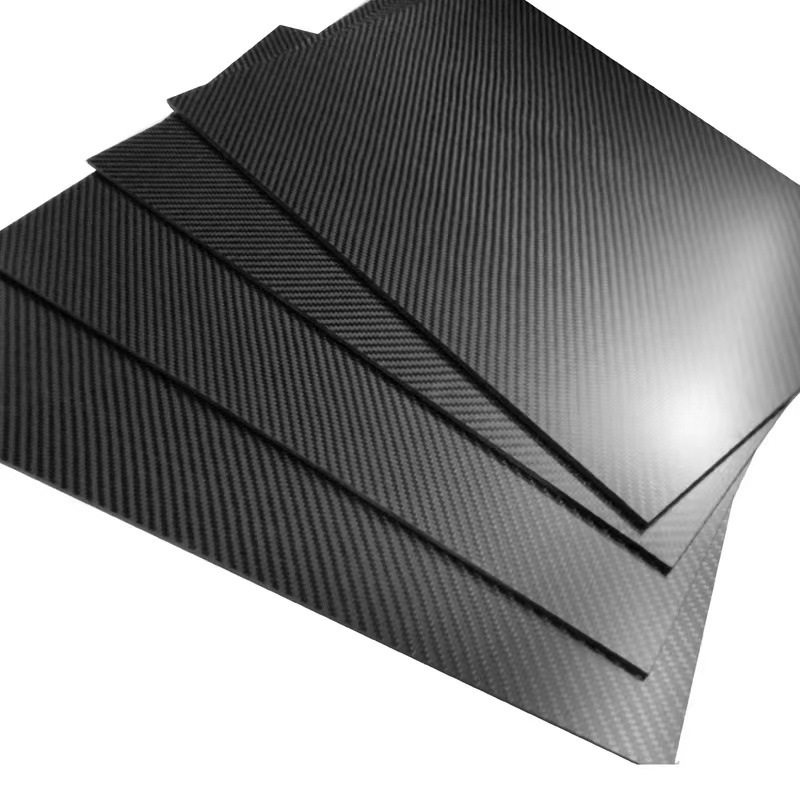 Carbon Fiber vs Glass Fiber Composites
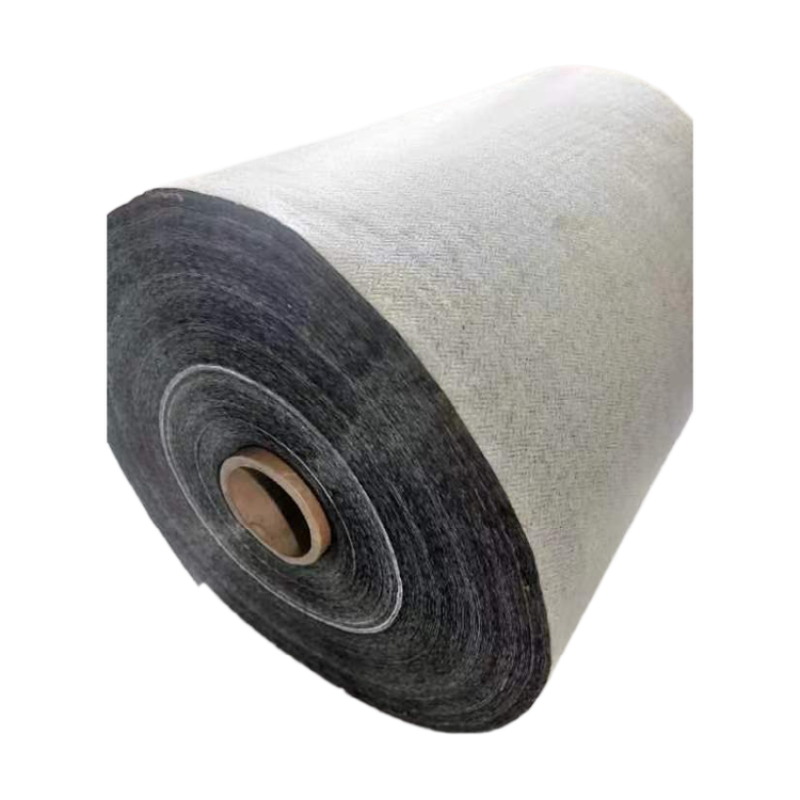 The Influence of Fiber Orientation on the Mechanical Performance of Composite Laminates
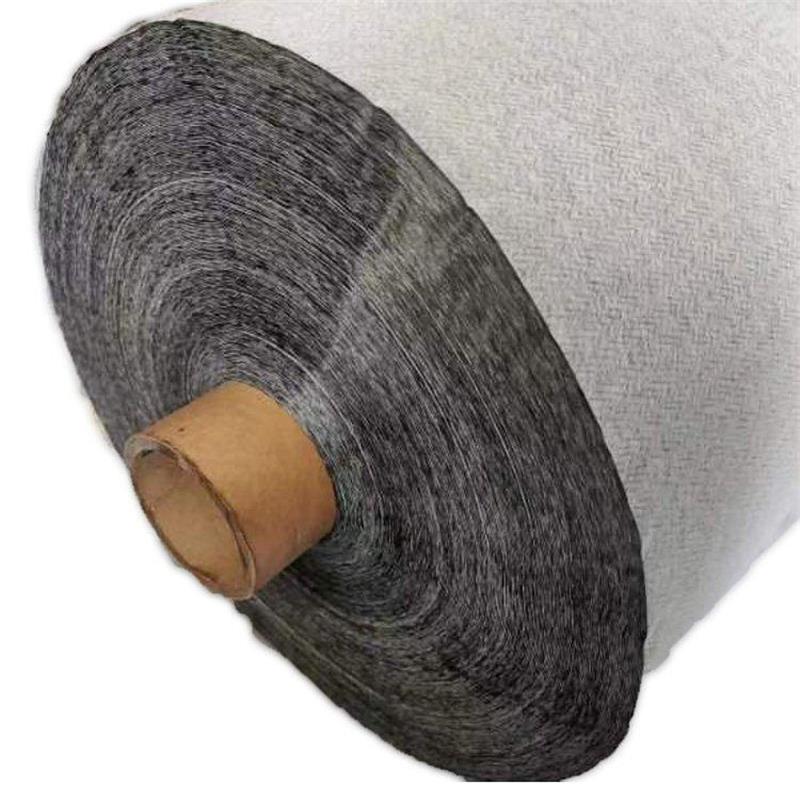 The Multifunctionality of Polymer Composites
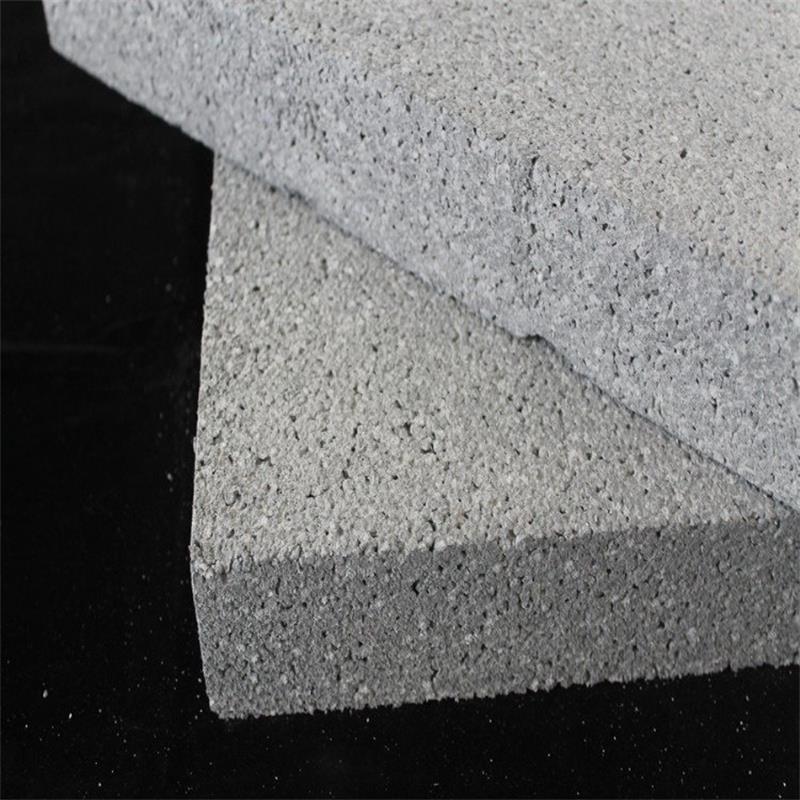 Thermoplastic vs. Thermoset Composites