
The Critical Role of Polyimide and PEEK in Semiconductor Applications
The semiconductor industry demands materials that can withstand extreme conditions while maintaining precise dimensional stability. Polyimide and PEEK in semiconductor applications have become essential as chip architectures shrink and manufacturing processes intensify. These high-performance engineering plastics offer unique combinations of thermal stability, chemical resistance, and mechanical strength that traditional materials cannot match. From wafer handling to test sockets, polyimide and PEEK in semiconductor manufacturing enable the precision and reliability required for today’s advanced chips.
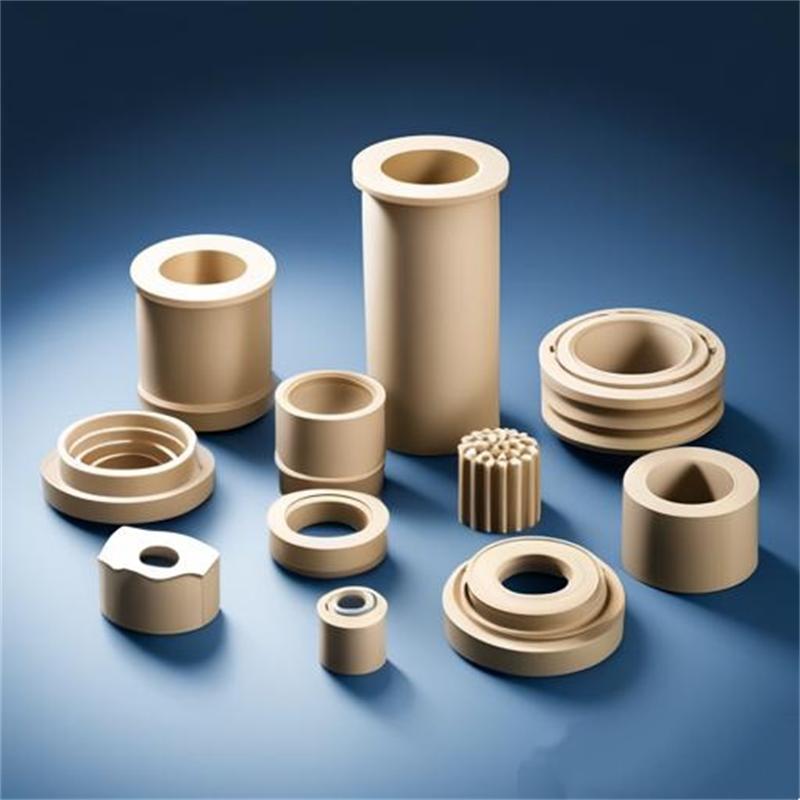
What Are Polyimide and PEEK?
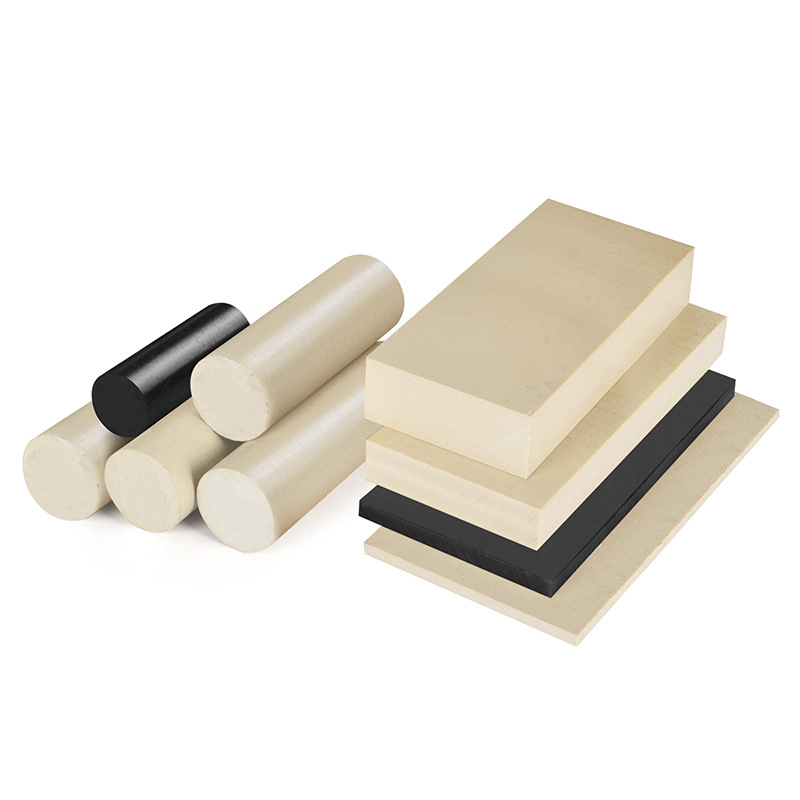
Polyimide (PI) is a high-temperature polymer characterized by imide groups in its molecular backbone, offering exceptional thermal stability exceeding 250°C while maintaining mechanical properties and dimensional stability even under extreme conditions . PEEK (polyetheretherketone) is a semi-crystalline thermoplastic with a continuous operating temperature of 260°C and outstanding chemical resistance. Both materials exhibit low outgassing and high purity characteristics crucial for semiconductor applications. Recent innovations include composite formulations such as ceramic-filled PEEK and polyimide-PEEK blends that combine the strengths of both materials .
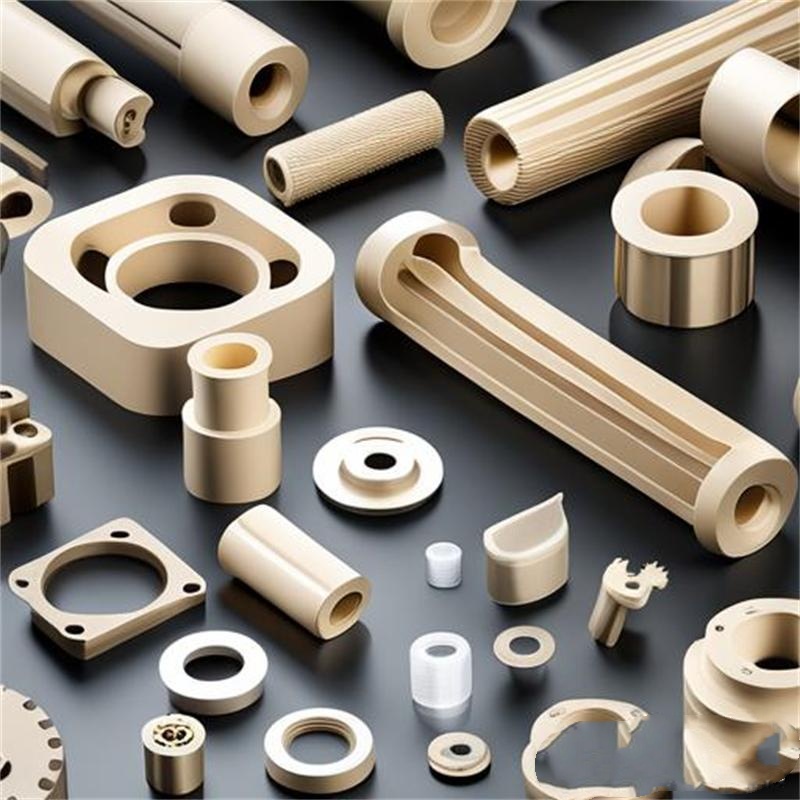
Key Properties
Thermal Properties
Both materials maintain performance at elevated temperatures. Polyimide retains strength and dimensional stability above 250°C, while PEEK offers continuous service up to 260°C with a glass transition temperature of 143°C .
Mechanical Strength and Stiffness
New high-performance polyimide formulations offer roughly twice the strength and stiffness of traditional polyimides, with these mechanical enhancements remaining intact at elevated temperatures . PEEK provides excellent tensile strength and creep resistance.
Dimensional Stability
The latest high-performance polyimides demonstrate dimensional change below 0.1% after 8 weeks at 90% relative humidity—less than half the change found in traditional polyimides and approximately one-eighth the expansion observed in unfilled PAI .
Chemical Resistance
Both materials resist aggressive semiconductor chemicals including photoresist strippers and cleaning solutions. PEEK shows exceptional chemical resistance, while high-performance polyimides maintain integrity in demanding wet processing environments.
Electrical Properties
Both offer excellent electrical insulation properties with high dielectric strength, making them suitable for test sockets and electrical connectors .
Wear Resistance
Enhanced polyimide grades exhibit increased wear resistance with higher PV limit capabilities, particularly important for CMP retaining rings .
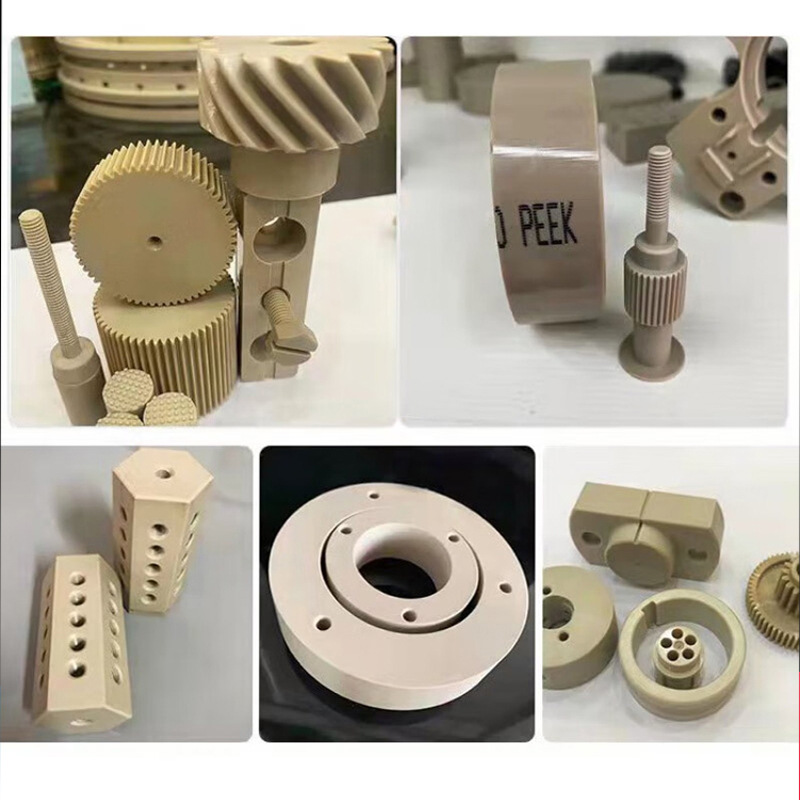
Applications in Semiconductor Manufacturing
Wafer Handling and Transport
PEEK and PEI are widely used in wafer carriers (cassettes) and FOUPs (front opening unified pods) due to their high cleanliness, low outgassing, and resistance to particle generation . These materials prevent contamination while protecting delicate wafers during transfer.
Test Sockets
Semiconductor test sockets utilize PEEK, PEI, PPS, and polyimide based on temperature requirements. For temperatures from -40°C to approximately 170°C, PEI is suitable; up to 220°C, PPS works well; above these temperatures, PEEK and PI become preferred options .
CMP Retaining Rings
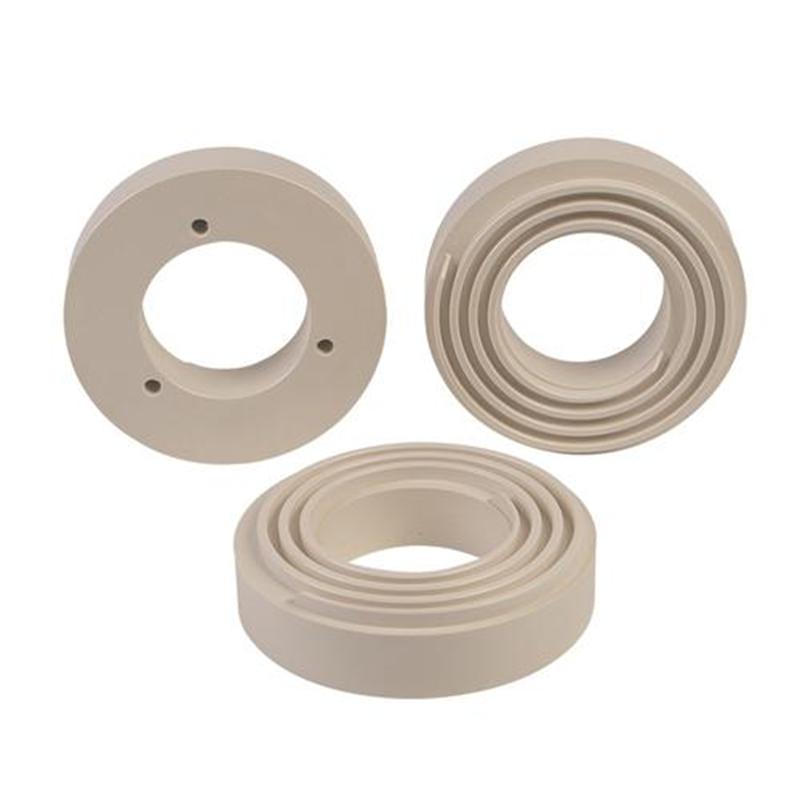
PEEK has become the preferred material for chemical mechanical polishing retaining rings, outperforming PPS with twice the service life in oxide and tungsten polishing slurries .
Back-end Processing
Recent innovations include polyimide temporary bonding materials for wafer thinning to 30 microns and below, enabling advanced semiconductor stacking technologies for AI and memory applications .

Advantages
Exceptional thermal stability for high-temperature semiconductor processes
Superior chemical resistance to aggressive processing chemicals
Excellent dimensional stability maintaining precision across temperature and humidity variations
Low outgassing and particle generation preserving cleanroom integrity
High purity grades available for critical semiconductor applications
Wear resistance extending component life in abrasive processes
Electrical insulation properties for test and measurement applications
FDA and UL94 compliance for medical-grade and safety-rated variants
Limitations
– Higher cost compared to standard engineering plastics such as PPS or PP
– Processing complexity requiring specialized equipment for injection molding and machining
– Moisture absorption can affect dimensional stability, though newer grades show significant improvement
– Limited UV resistance for outdoor or transparent applications
– Temperature limitations above 260°C where other materials such as ceramics may be required
Material Comparison
PEEK vs. PPS
PEEK offers significantly higher temperature capability (260°C vs. 220°C for PPS) and superior mechanical properties at elevated temperatures. In CMP applications, PEEK retaining rings demonstrate more than twice the service life of PPS in oxide and tungsten polishing slurries . However, PPS offers cost advantages for less demanding applications.
Polyimide vs. PEEK
While PEEK exhibits higher strength and stiffness at ambient temperatures, these properties reduce considerably near its glass transition temperature. Traditional polyimides maintain their mechanical properties better at extreme temperatures exceeding 250°C . New high-performance polyimide grades now offer approximately twice the strength and stiffness of established polyimides with comparable thermal characteristics .
Polyimide vs. PAI
New high-performance polyimide formulations show approximately one-eighth the dimensional expansion of unfilled PAI after exposure to high humidity conditions, representing significant improvement in hygroscopic stability .
Selection Guide for Semiconductor Applications
Operating Temperature
– Below 170°C: PEI or PPS
– 170-220°C: PPS or standard PEEK
– Above 220°C: PEEK or polyimide
– Extreme temperatures above 250°C: Polyimide
Chemical Exposure
– Aggressive slurries and cleaners: PEEK or high-performance polyimide
– Hydrolytic environments: PEEK, which offers excellent hydrolysis resistance
– Solvent resistance: Both materials perform well, with PEEK showing edge
Precision Requirements
– For very fine pitch test sockets (under 0.4mm): Composite polyimide materials with ceramic fillers for maximum dimensional stability
– For standard applications: PEEK or PI based on cost and availability
Regulatory Compliance
– UL94 V-0 ratings available for both materials
– RoHS compliance standard
– REACH compliance confirmed by leading manufacturers
– Medical-grade variants available with USP Class VI and ISO 10993 biocompatibility
FAQ
What is polyimide, and how is it used in semiconductor manufacturing?
Polyimide is a high-temperature polymer with imide groups in its molecular structure. In semiconductor applications, polyimide serves as a critical material for wafer handling components, test sockets, and temporary bonding materials. It maintains mechanical properties at temperatures exceeding 250°C with exceptional dimensional stability .
Why choose PEEK over other materials for semiconductor applications?
PEEK offers an optimal combination of chemical resistance, thermal stability to 260°C, mechanical strength, and purity. In CMP retaining rings, PEEK provides more than twice the service life compared to PPS . Its hydrolytic stability and low outgassing make it ideal for wafer handling and transport applications .
Can PEEK and polyimide replace metal in semiconductor equipment?
Yes, these polymers successfully replace metals such as aluminum and stainless steel in many semiconductor applications. They offer weight reduction, design flexibility, and eliminate signal interference concerns. PEEK and polyimide components provide comparable or superior chemical resistance and can withstand challenging processing environments without corrosion .
Are polyimide and PEEK chemically resistant to semiconductor processing chemicals?
Both materials demonstrate excellent chemical resistance to aggressive photoresist strippers, cleaning solutions, and polishing slurries commonly used in semiconductor manufacturing. This resistance is a key reason for their widespread adoption in wet processing and CMP applications .
What temperature can polyimide and PEEK withstand?
Polyimide maintains performance above 250°C, while PEEK offers continuous service up to 260°C . For short-term exposure, both can withstand higher temperatures. However, PEEK’s mechanical properties decrease near its glass transition temperature of 143°C, whereas polyimide retains more strength at extremely high temperatures .
How are polyimide and PEEK components machined for semiconductor use?
Components are typically fabricated using precision injection molding, CNC machining, or compression molding. Manufacturers with semiconductor experience employ specialized techniques to achieve the tight tolerances and surface finishes required. Ceramic-filled grades offer improved machinability for complex geometries .
Where to buy polyimide and PEEK for semiconductor applications?
Leading global suppliers include Victrex (PEEK), Toray (polyimide), and specialized compounders offering semiconductor-grade formulations. Chinese manufacturers have also emerged as competitive suppliers. When sourcing, look for established semiconductor material suppliers with proven purity and quality control systems.
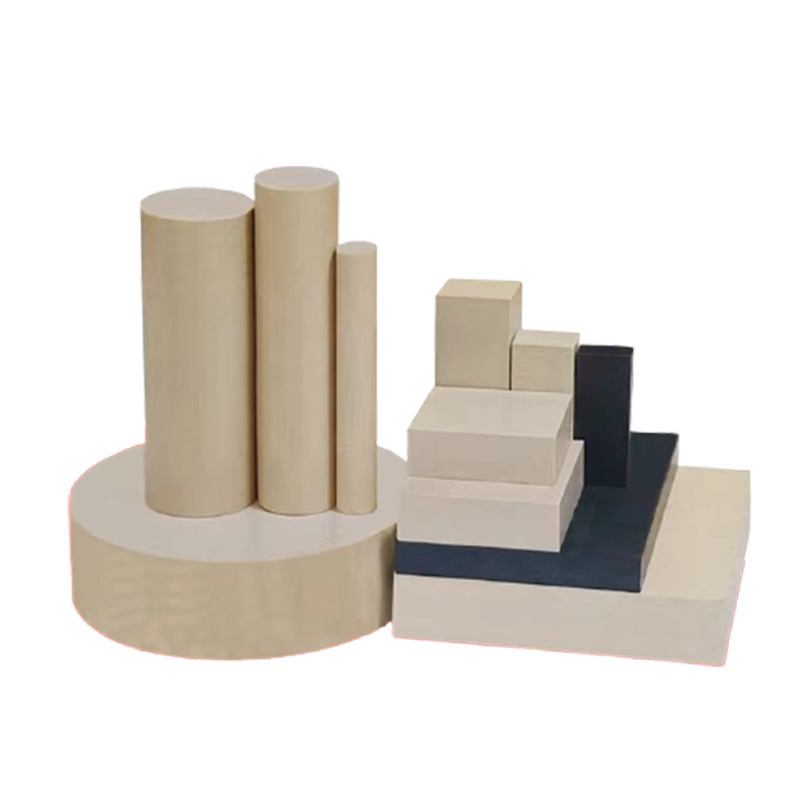
Polyimide and PEEK play indispensable roles in semiconductor manufacturing, enabling advanced chip production through their unique combinations of thermal stability, chemical resistance, and mechanical performance. From wafer handling to CMP retaining rings and test sockets, polyimide and PEEK in semiconductor applications continue to expand as process nodes shrink and performance requirements intensify. New high-performance polyimide formulations with enhanced strength and improved dimensional stability promise even broader adoption in critical applications such as AI memory packaging and extreme temperature environments. Polyimide and PEEK in semiconductor manufacturing represent a mature yet evolving materials category essential for the semiconductor industry’s continued advancement.
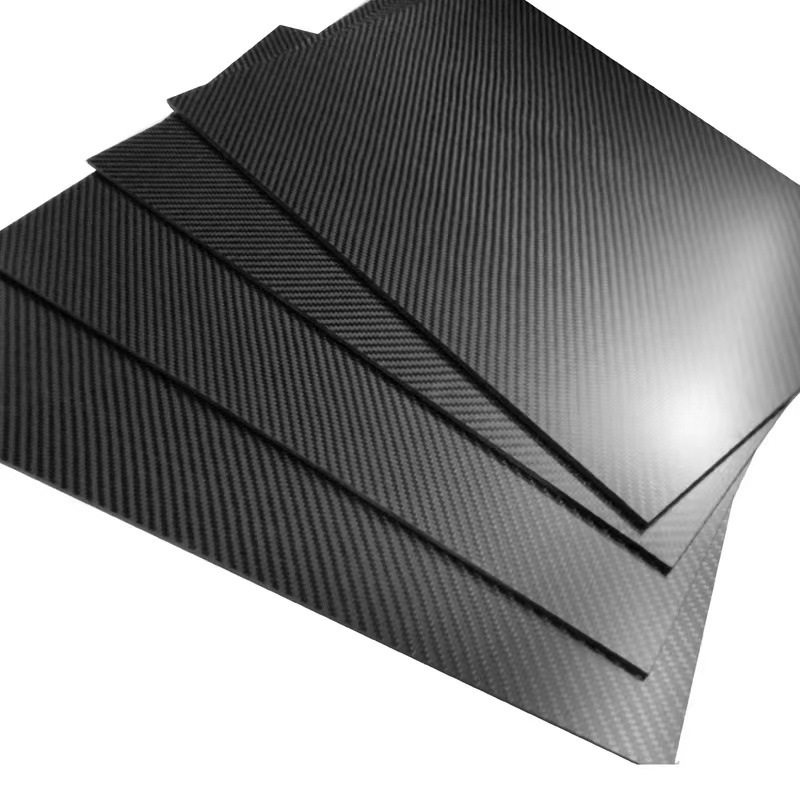 Carbon Fiber vs Glass Fiber Composites
 The Influence of Fiber Orientation on the Mechanical Performance of Composite Laminates
 The Multifunctionality of Polymer Composites
 Thermoplastic vs. Thermoset Composites