
Polyimide and PEEK in Electronics
In the high-stakes world of electronics manufacturing, material selection directly impacts yield, reliability, and performance. As devices become smaller, faster, and more powerful, the demand for engineering plastics that can withstand extreme conditions has never been greater. Polyimide and PEEK in electronic manufacturing have emerged as irreplaceable materials, each offering a unique set of properties that address the industry’s most demanding challenges. From semiconductor fabrication to consumer electronics, these high-performance polymers enable innovations that were impossible just a decade ago. This guide draws on decades of material science expertise to help engineers, procurement specialists, and designers make informed decisions when selecting between these advanced materials .
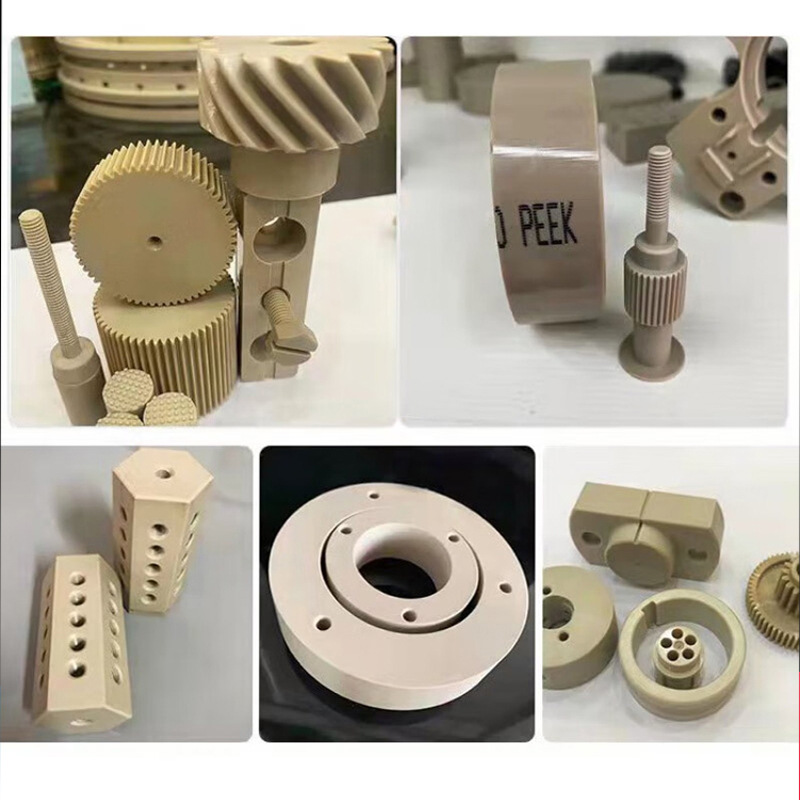
What Are Polyimide and PEEK?
Polyimide (PI) is a high-performance polymer characterized by its imide ring structure within the molecular chain. This configuration gives PI exceptional thermal stability, with many grades maintaining structural integrity at temperatures exceeding 260°C. In its thermoset form, PI offers unmatched heat resistance and dimensional stability, making it the material of choice for flexible printed circuits, semiconductor insulation layers, and high-temperature tape applications .
Polyether ether ketone (PEEK) , by contrast, is a semi-crystalline thermoplastic belonging to the PAEK family. Its molecular backbone—comprising aromatic rings linked by ether and ketone groups—provides an optimal balance of strength, toughness, and chemical resistance. Unlike PI, PEEK can be melt-processed using conventional injection molding and extrusion equipment, offering greater design flexibility and faster production cycles .
The distinction between these materials is more than academic: it fundamentally affects how components are manufactured, how they perform under stress, and how they behave over their service life.
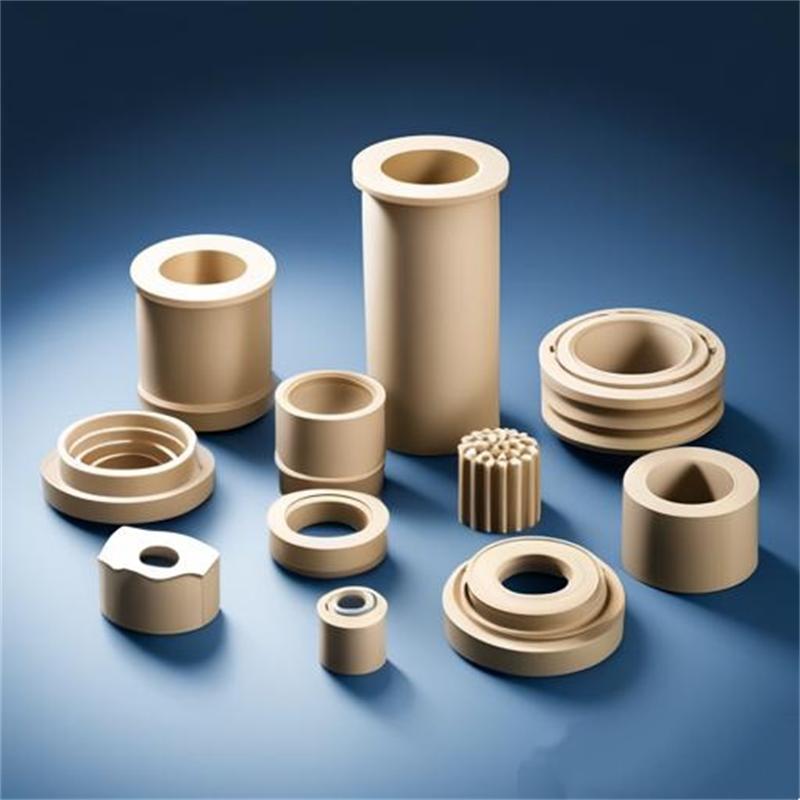
Key Properties of PI and PEEK for Electronics
Thermal Performance
Both materials excel in high-temperature environments, but with different profiles. Polyimide for semiconductor applications typically offers superior heat resistance, with some formulations capable of withstanding 400°C for short durations. Continuous service temperatures for PI generally range from 260°C to 300°C, depending on the specific grade .
PEEK provides continuous service up to 260°C, with a melting point around 343°C. While its absolute thermal ceiling is lower than PI’s, PEEK’s semi-crystalline structure provides better resistance to creep and stress relaxation at elevated temperatures. Recent developments in PI/PEEK multilayer composites have demonstrated the ability to withstand 300°C continuously and 600°C for short periods, highlighting the synergies between these materials .
Mechanical Strength and Toughness
The mechanical distinction between PI and PEEK is critical for design engineers. PEEK exhibits exceptional toughness, with elongation at break reaching 150% or more in some grades. This “bend-don’t-break” characteristic makes PEEK ideal for dynamic applications—moving parts that experience repeated stress cycles. Tensile strengths for PEEK typically range from 70-100 MPa, with glass or carbon fiber reinforcement pushing these values substantially higher .
PI offers higher tensile strength in absolute terms—often exceeding 170 MPa—but displays lower ductility. This makes PI preferable for static structural applications where stiffness and dimensional stability are paramount, but less suitable for components subject to impact or flexural fatigue .
Chemical Resistance
The electronics industry exposes materials to aggressive chemicals—developers, etchants, solvents, and cleaning agents. PEEK chemical resistance is outstanding across virtually all common solvents, acids, and bases. Only concentrated sulfuric acid and a few halogenated compounds present meaningful challenges. This chemical inertness is why PEEK components are widely used in chemical mechanical planarization (CMP) and wet etching processes .
PI shows generally good chemical resistance but can be affected by strong bases and some polar solvents. The specific resistance profile depends heavily on the grade: thermoplastic PI variants typically offer better chemical resistance than thermoset formulations .
Electrical Properties
For high-frequency and high-voltage applications, the electrical performance of both materials is exceptional. PEEK for electrical insulation provides consistent dielectric properties up to 200°C, with a dielectric strength exceeding 20 kV/mm. Its low dielectric constant (around 3.2 at 1 MHz) makes it suitable for signal integrity in high-speed digital applications .
PI offers even lower dielectric constants in optimized formulations—some grades achieve 2.69-2.92 at 1 MHz—critical for 5G and millimeter-wave applications. The thermal stability of PI’s electrical properties is particularly valuable in demanding environments like aerospace electronics and automotive power modules .
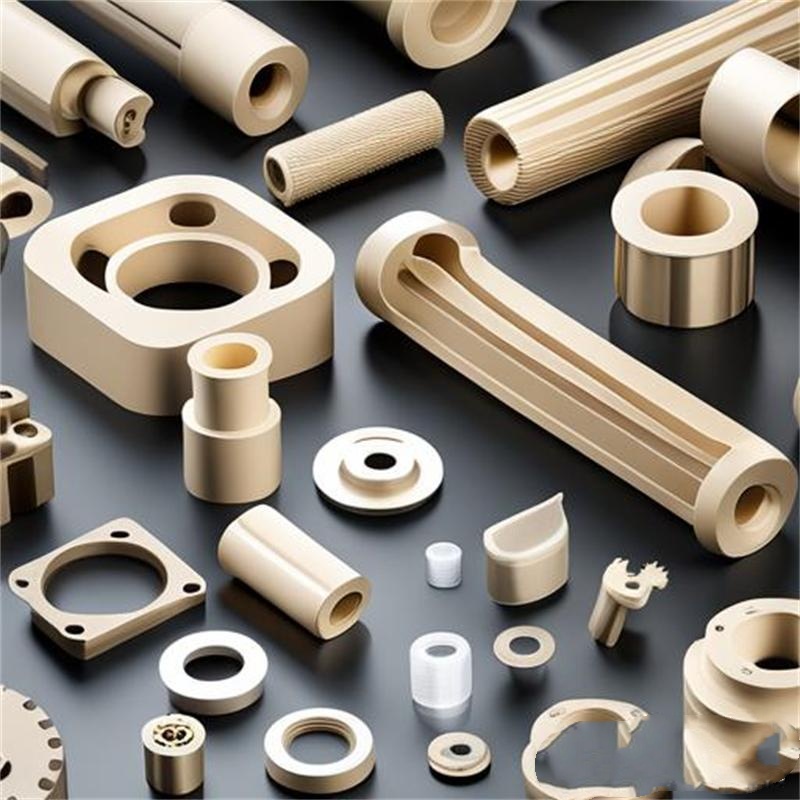
Applications in Electronics Manufacturing
Semiconductor Fabrication
PEEK in semiconductor manufacturing has become standard practice in critical applications. CMP retaining rings, wafer carriers, wafer handling end effectors, and chemical bath fixtures all benefit from PEEK’s purity, dimensional stability, and chemical resistance. The material’s low particle generation and minimal outgassing directly improve yield in advanced node fabrication .
PI serves as the dielectric layer in high-density interconnect substrates, protecting copper traces while maintaining signal integrity. Flexible PI films are the backbone of foldable displays and wearable electronics, providing thermal stability and mechanical flexibility that no other engineering plastic can match. Recent AI-optimized PI formulations have improved thermal stability by 20% while reducing dielectric loss by 86%—advances made possible by machine learning-accelerated materials development .
Automotive Electronics
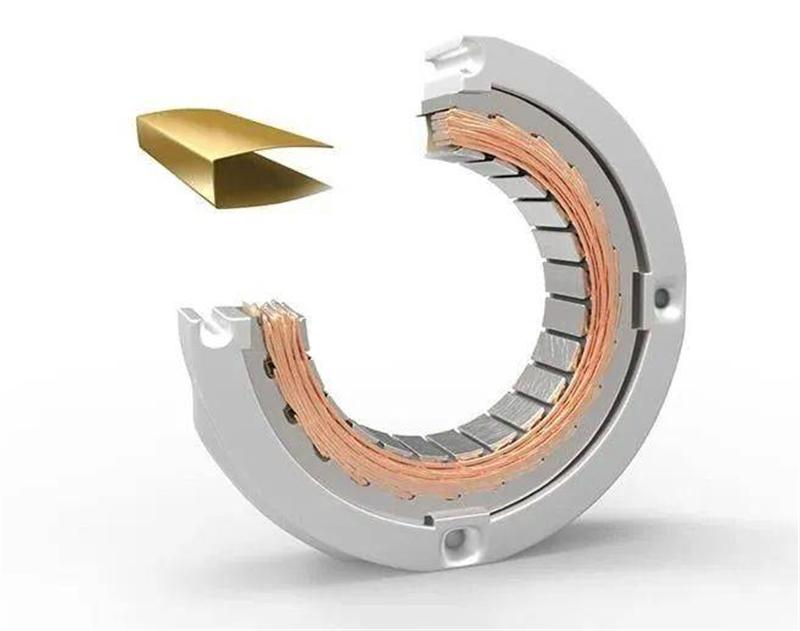
The transition to 800V and 1000V electric vehicle architectures has created new opportunities for these materials. PEEK’s balance of thermal stability, wear resistance, and electrical insulation makes it the preferred material for motor winding magnet wire insulation. PI-based films, improved with PEEK coatings, now achieve thermal conductivity improvements of 5-10 times while maintaining high dielectric strength—essential for next-generation drive systems .

Advantages of PI and PEEK in Electronic Applications
Both materials offer compelling advantages for electronics manufacturing:
– Extended service life in high-temperature environments, reducing maintenance intervals and warranty claims
– Particle generation minimization critical for contamination-sensitive cleanroom processes
– Superior wear resistance for moving components, reducing particulate contamination and maintaining precision over millions of cycles
– Low moisture absorption that maintains dimensional stability and electrical performance
– Compatibility with automation through consistent, predictable material behavior
– Excellent chemical resistance that protects components in aggressive processing environments
Limitations and Considerations
Cost remains the most significant barrier to broader adoption. Both PEEK price and PI pricing are significantly higher than conventional engineering plastics. PI typically commands the higher premium due to its more complex synthesis and processing requirements. Budget-conscious projects may consider lower-cost alternatives like PPS or PEI for less demanding applications .
Processing difficulty varies between the materials. PEEK can be injection molded, extruded, or machined from stock shapes—though it requires specialized equipment capable of maintaining melt temperatures above 380°C. Proper drying is essential to avoid hydrolytic degradation, and thermal management during processing is critical to minimize internal stresses and warpage .
PI presents greater processing challenges, particularly in its thermoset form. Traditional PI cannot be melt-processed and requires compression molding or direct fabrication (casting films, machining from blocks). Thermoplastic PI variants are easier to process but may offer different performance profiles. In either case, achieving optimal properties requires precisely controlled processing conditions .
UV resistance is limited for both materials. While their molecular structures provide excellent resistance to most chemicals and heat, UV exposure causes degradation. PI is particularly susceptible, losing mechanical properties after prolonged sun exposure.
Material Comparison: PI vs PEEK
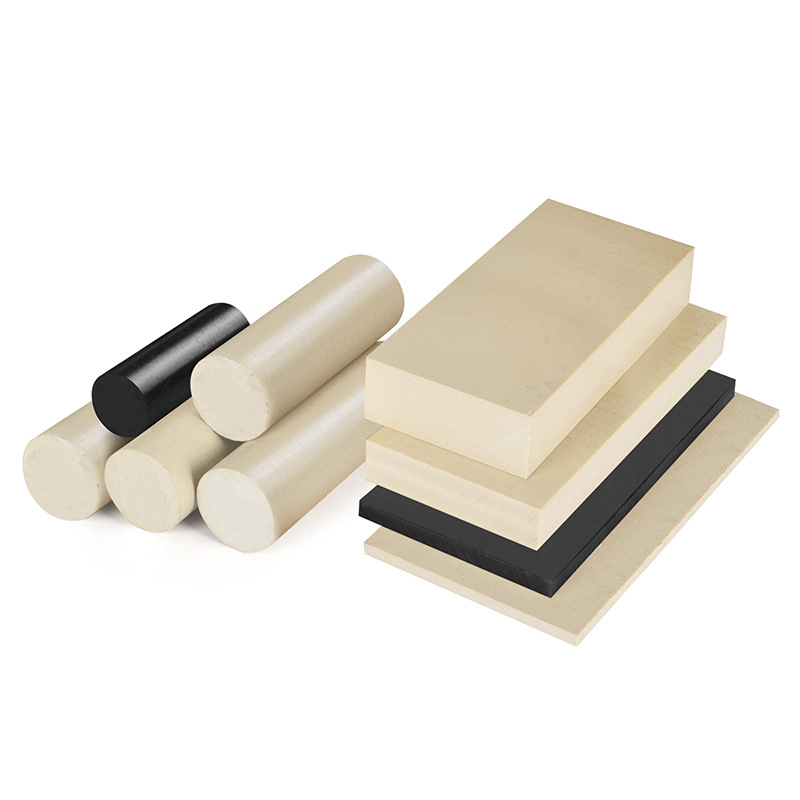
When evaluating PEEK vs PI, the decision ultimately depends on application requirements. PI offers superior heat resistance (sustained operation above 260°C is viable), higher tensile strength (200+ MPa in many grades), and better dimensional stability under load. It is the material of choice when absolute thermal performance and stiffness are the highest priorities .
PEEK provides greater toughness (especially important for dynamic applications), superior chemical resistance, and the major advantage of melt processability. For components requiring both high performance and cost-effective manufacturing—including injection molding of complex geometries—PEEK is often preferred. The thermoplastic nature also enables welding, overmolding, and other assembly techniques not available with thermoset PI .
Selection Guide for Engineers and Procurement Specialists
Choosing between Polyimide and PEEK in electronic manufacturing requires careful evaluation of multiple factors:
– Continuous operating temperature: Above 260°C indicates PI; below 260°C with dynamic loading favors PEEK
– Chemical exposure: High pH or aggressive solvents suggest PEEK; neutral or acidic environments are compatible with both
– Mechanical requirements: Static stiffness favors PI; dynamic loading, impact resistance, or fatigue cycling favors PEEK
– Manufacturing volume: High-volume injection molding favors PEEK; low-volume specialty applications may be economical with PI
– Regulatory requirements: Both materials meet UL94 V-0 requirements; FDA-compliant PEEK and PI grades are available for medical electronics; RoHS and REACH compliance is standard for reputable manufacturers
– Cost sensitivity: PEI, PPS, or LCP may be adequate alternatives for lower-specification applications
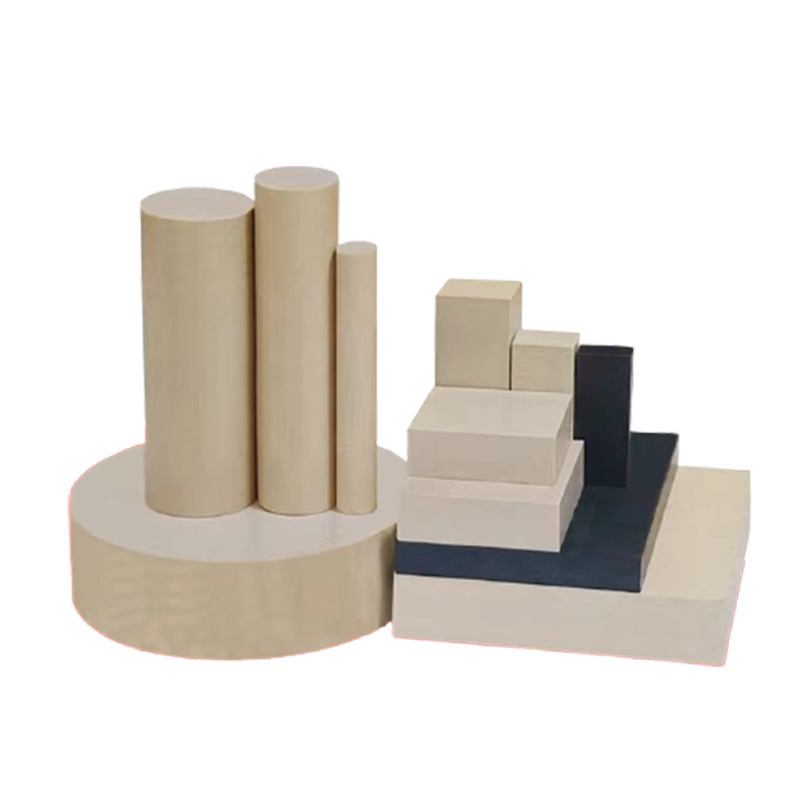
Polyimide and PEEK in electronic manufacturing represent complementary technologies rather than competing alternatives. PI excels when maximum thermal stability, stiffness, and electrical insulation are required—semiconductor interlayer dielectrics, flexible substrates for high-temperature applications, and critical static components benefit from PI’s exceptional properties. PEEK dominates where toughness, chemical resistance, and processability are prioritized—wafer handling components, CMP equipment, and electrical connectors in harsh environments.
Material selection is never simple, but understanding these distinctions enables informed decisions that balance performance, cost, and manufacturability. For engineers, procurement specialists, and designers navigating the demanding landscape of modern electronics manufacturing, both PI and PEEK offer solutions that justify their premium positioning through superior performance and extended service life .
FAQ
What are polyimide and PEEK?
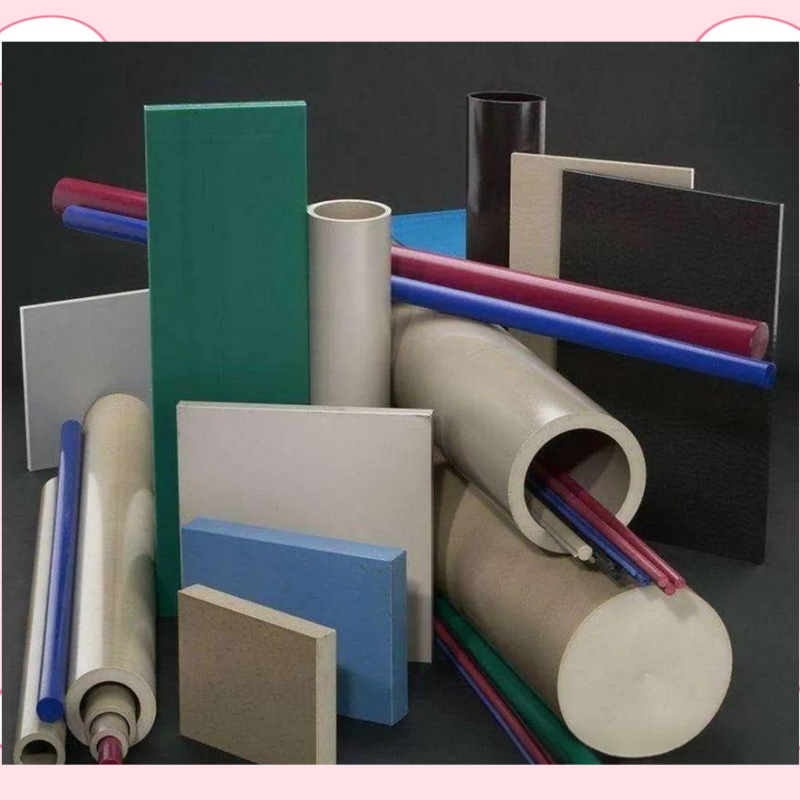
PI and PEEK are high-performance engineering plastics. PI is a thermoset or thermoplastic polymer with exceptional heat resistance, while PEEK is a melt-processable thermoplastic offering excellent chemical resistance and toughness. Both are critical in electronics manufacturing for demanding applications where standard materials fail .
Why choose PEEK over traditional materials in electronics?
PEEK replaces copper alloys and stainless steel in semiconductor equipment—CMP rings, wafer carriers, and chemical baths—because it resists corrosion, generates fewer particles, and withstands high temperatures. Unlike metals, PEEK won’t contaminate wafers with ionic impurities, significantly improving manufacturing yields .
Can PEEK replace polyimide in electronics?
Not universally. PEEK offers better toughness and chemical resistance but PI provides superior thermal stability (continuous operation above 260°C) and higher tensile strength. Each excels in different applications—PEEK for moving parts and chemical contact, PI for static insulation and high-temperature substrates .
Are PI and PEEK chemically resistant?
PEEK resists virtually all common solvents, acids, and bases—only concentrated sulfuric acid presents a significant challenge. PI shows good resistance to most chemicals but can be affected by strong bases and some polar solvents. Always verify compatibility with specific processing chemicals .
What temperature can PI and PEEK withstand?
PEEK provides continuous service at 260°C with a 343°C melting point. PI offers continuous service from 260°C to 300°C, with short-term tolerance exceeding 400°C. Specialized PI/PEEK composites demonstrate 300°C continuous performance and 600°C short-term capability .
How to machine PEEK and polyimide?
Both materials machine well with proper technique. Use sharp carbide or diamond tools, moderate speeds, and generous coolant. PEEK requires stress-relieving heat treatment before machining to minimize warpage. PI machines similarly but may require post-curing to remove machining-induced stresses. Both materials benefit from careful part design to avoid thin sections that promote distortion.
Where to buy PI and PEEK for electronic applications?
Authorized distributors include Victrex (PEEK), Ensinger, and Saint-Gobain for PI. Chinese manufacturers like Zhongyan (PEEK) and Wanrun (PI) now offer competitive supply options through their distribution networks. For custom parts, specialized precision machining companies provide finished components.
What are the disadvantages of PI and PEEK?
Both materials are expensive relative to standard engineering plastics. Processing requires specialized equipment and technical expertise. PI’s UV sensitivity limits outdoor use; PEEK’s high processing temperature demands sophisticated injection molding equipment. Both absorb moisture, requiring drying before processing to prevent defects .
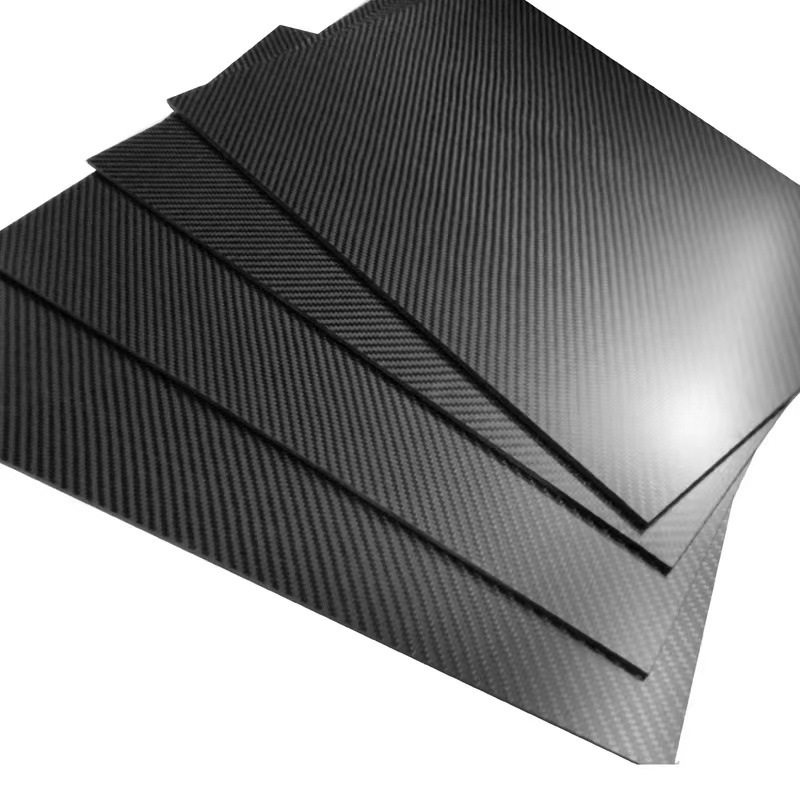 Carbon Fiber vs Glass Fiber Composites
 The Influence of Fiber Orientation on the Mechanical Performance of Composite Laminates
 The Multifunctionality of Polymer Composites
 Thermoplastic vs. Thermoset Composites