
How to Select the Right High-Performance Thermoplastic for Aircraft Components
The aviation industry’s relentless pursuit of fuel efficiency and performance has driven a paradigm shift from traditional metals to advanced polymers. High-performance thermoplastics, such as PEEK, PPS, and PEI, are now central to this transformation, offering remarkable strength-to-weight ratios and design flexibility . However, for engineers and procurement specialists, selecting the correct aircraft components requires careful evaluation of high-performance thermoplastics based on specific operational demands. The right choice can significantly reduce weight, streamline production cycles, and lower overall lifecycle costs. This guide provides a technical yet accessible framework for making this critical decision, ensuring compliance with stringent aerospace standards.
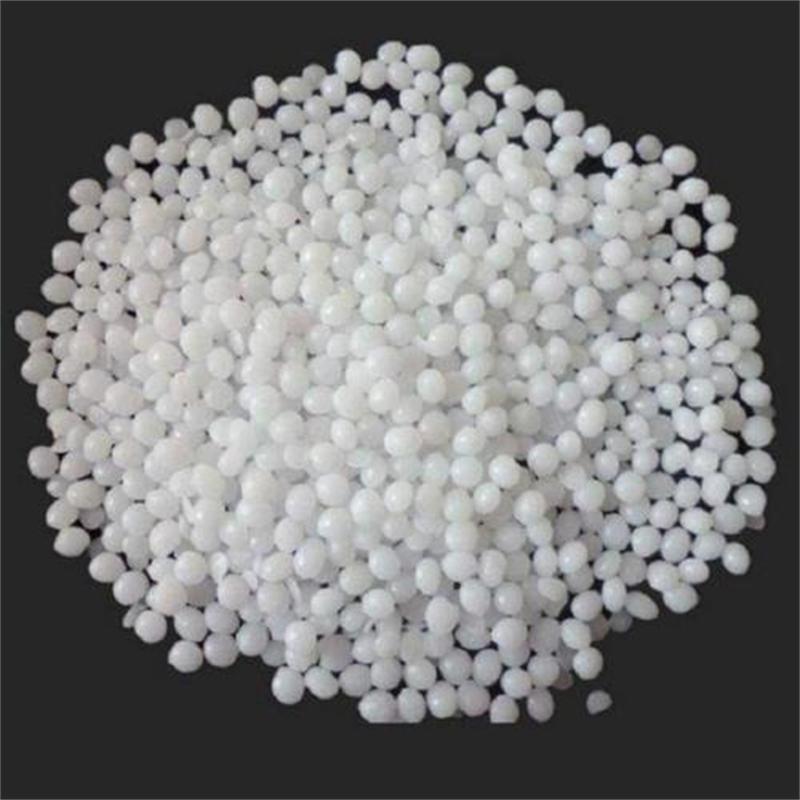
What are High-Performance Thermoplastics?
High-performance thermoplastics are a class of engineering polymers designed to withstand extreme mechanical loads, high temperatures, and aggressive chemical environments while maintaining dimensional stability. Unlike thermoset plastics, they can be melted and reshaped, offering advantages in recyclability and processing speed . Key materials in this category include Polyether Ether Ketone (PEEK), known for its excellent mechanical and thermal resistance; Polyphenylene Sulfide (PPS), prized for chemical resistance and dimensional stability; and Polyamide-imide (PAI), which excels in high-heat applications. When reinforced with carbon or glass fibers, these materials compete directly with aluminum and titanium in structural applications .
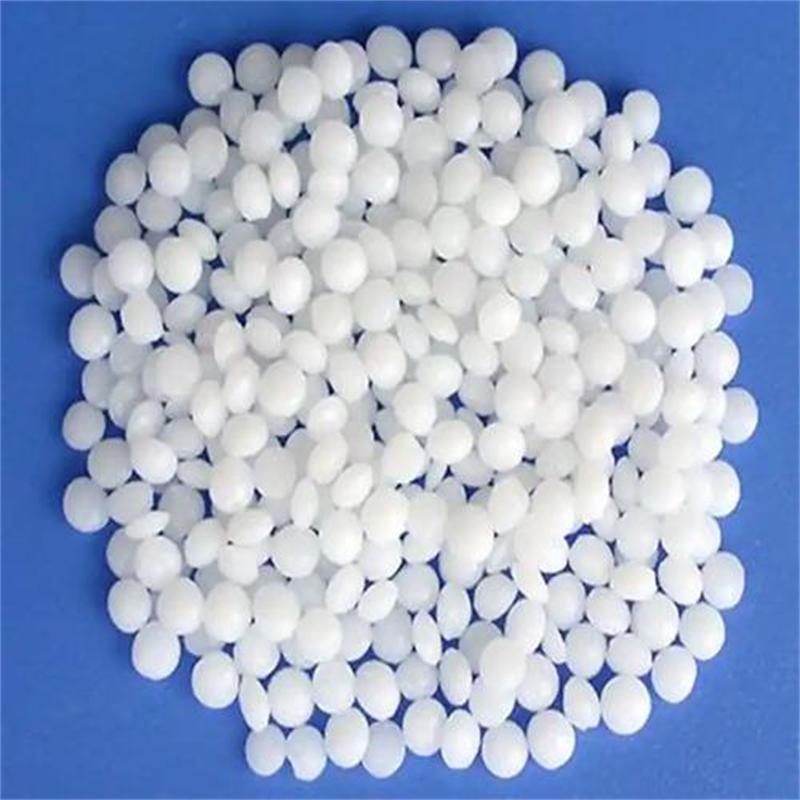
Key Properties for Aerospace Applications
When evaluating thermoplastics for aircraft parts, specific performance parameters are non-negotiable.
– Thermal Properties: Continuous service temperatures are critical. PEEK can operate up to 260°C, while PAI can handle peaks above 270°C . Polyimides withstand even higher temperatures but are harder to process .
– Mechanical Properties: High tensile strength and stiffness are essential. For example, PEEK offers tensile strength around 95 MPa, while PAI offers higher strength (around 120 MPa) for bearing and seal applications .
– Chemical Resistance: Resistance to jet fuel, hydraulic fluids, and de-icing agents is paramount. PEEK and PPS offer exceptional chemical inertness, with PPS being particularly noted for its resistance to a wide range of solvents and acids .
– Wear Resistance and Friction: For moving parts like bushings and bearings, low friction and high wear resistance are vital. PAI and specific PEEK grades are formulated with internal lubricants for these applications .
– Flame, Smoke, and Toxicity (FST): Compliance with aviation safety regulations (FAA/EASA) is mandatory. Materials like PEEK, PEI (Ultem), and PEKK inherently meet FST requirements, making them suitable for cabin interiors and structural components .
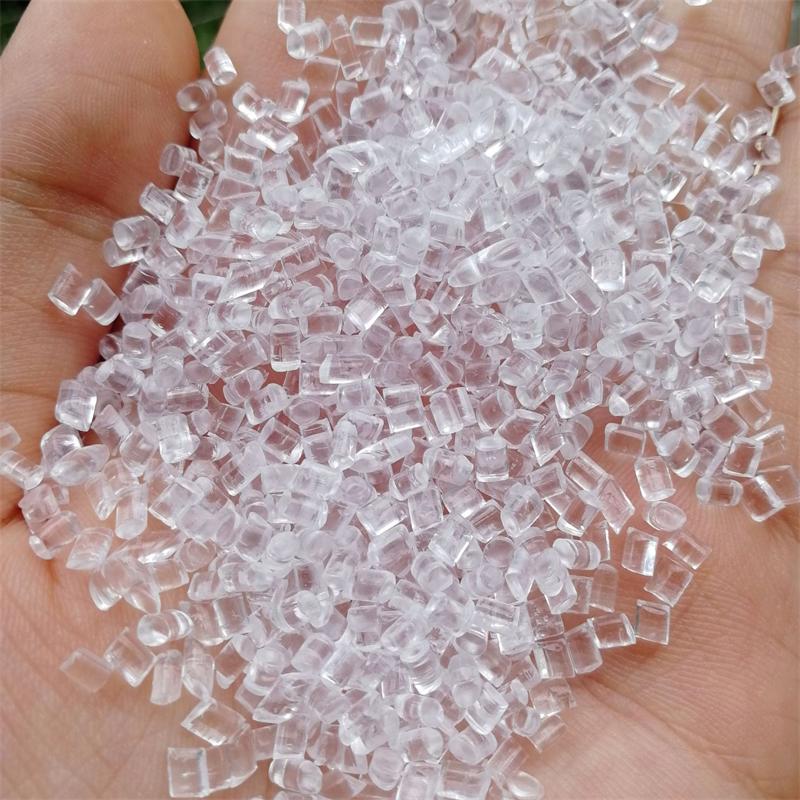
Applications in Modern Aircraft
High-performance thermoplastics are employed across various aircraft systems.
– Structural Components: Carbon fiber-reinforced PEEK and PEKK are replacing metal in brackets, clips, and aircraft frames, offering weight reductions of up to 50% .
– Airframe and Interior: PPS composites are used in the Airbus A350 for clips and cleats, demonstrating their reliability in critical airframe applications . PEI is favored for interior panels and seat backs due to its aesthetic qualities and fire safety .
– Engine and Pneumatic Systems: Components near engines require extreme temperature and chemical resistance. PAI and PEEK are used for compressor valve plates, seals, and connectors in these harsh environments .

Key Advantages of High-Performance Thermoplastics
1. Weight Reduction: Significantly lighter than metals, contributing directly to fuel savings and increased payload .
2. Design Freedom: Allows for part consolidation, reducing assembly time and cost by integrating multiple functions into a single, injection-molded or 3D-printed component .
3. Superior Toughness: Compared to traditional thermosets, thermoplastics offer better impact resistance, especially critical for components susceptible to foreign object damage .
4. Recyclability: As thermoplastics, they can be reprocessed, supporting circular economy goals and reducing manufacturing waste .
5. Faster Production: Molding cycles for thermoplastics are significantly shorter than the curing cycles required for thermosets, enabling higher throughput .
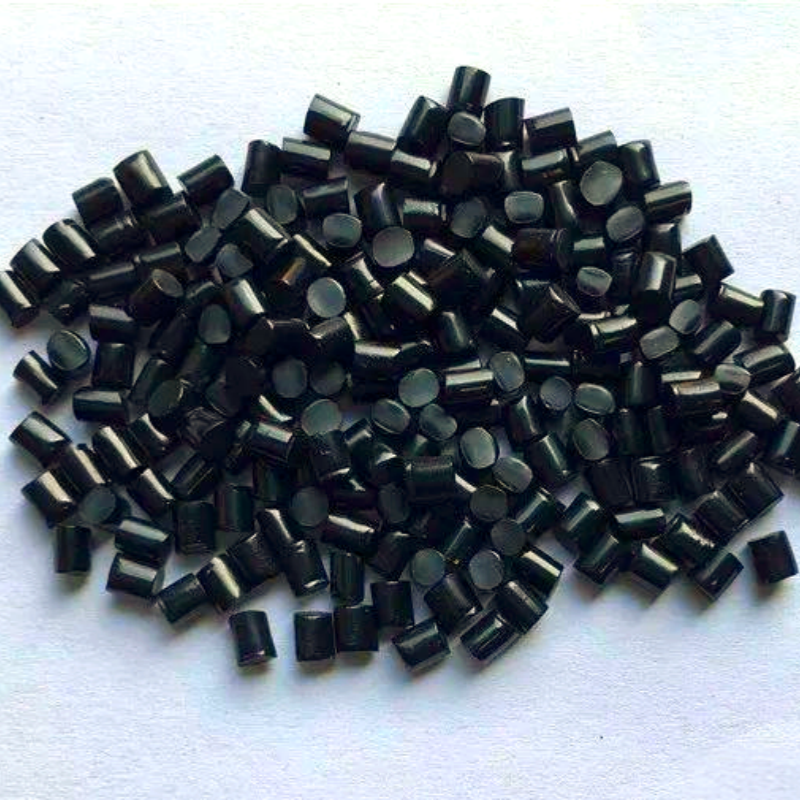
Limitations and Considerations
While advantageous, these materials do have limitations.
– Cost: Raw materials like PEEK and PAI are significantly more expensive than metals or standard engineering plastics .
– Processing Requirements: High melting temperatures (e.g., PEEK at 343°C) require specialized, high-temperature processing equipment and strict moisture control to prevent degradation .
– Moisture Absorption: Some materials like PAI are hygroscopic, requiring pre-drying and potentially impacting dimensional stability in certain environments .
– UV Resistance: Prolonged exposure to UV radiation can degrade some polymers, potentially requiring protective coatings for external applications.
Material Comparison: PEEK vs. PPS vs. Polyimides
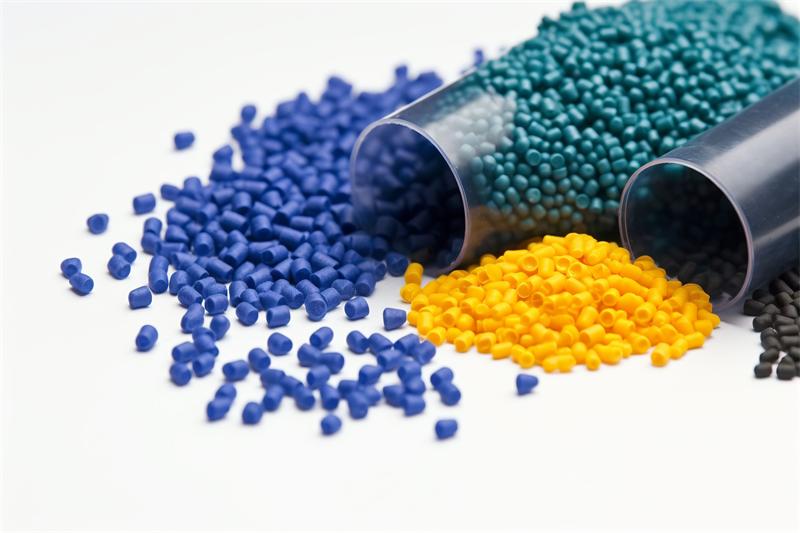
Choosing between these leading materials depends heavily on the operating environment. PEEK is the versatile workhorse, offering a balanced combination of high-temperature resistance (up to 260°C), excellent mechanical strength, and broad chemical resistance, making it ideal for dynamic components like brackets and valve parts . On the other hand, PPS, while operating at slightly lower temperatures (~220°C), is a top choice for applications demanding superior dimensional stability and resistance to aggressive chemicals, often at a lower cost point than PEEK .
For extreme thermal demands where temperatures exceed 300°C, Polyimides are the benchmark. They offer unmatched thermal stability and are often used in insulative layers and adhesives. However, their processing is complex and costly, which is a significant trade-off compared to PEEK . Essentially, the choice is a balance between thermal requirements, budget, and processing capabilities.
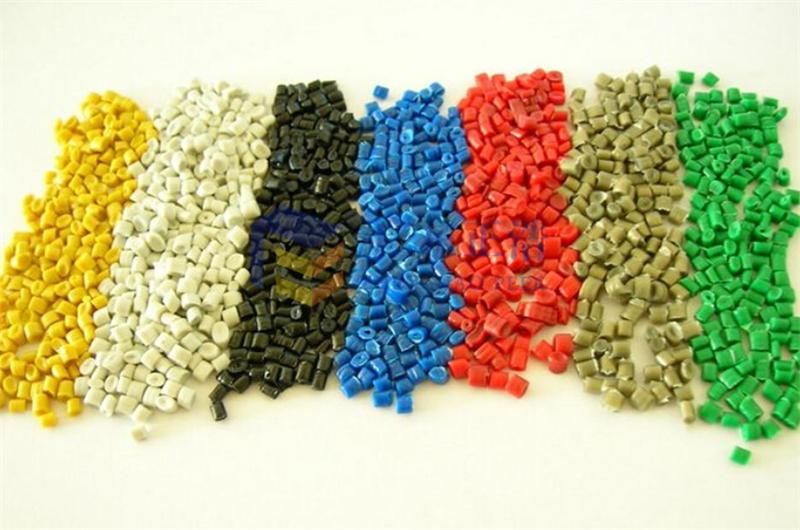
Selection Guide for Engineers and Purchasers
When selecting a material, follow this structured approach.
1. Define the Thermal Environment: Determine the maximum continuous and peak operating temperatures. If over 250°C, PAI or Polyimide may be necessary; below that, PEEK or PPS are viable options.
2. Assess Chemical Exposure: Identify all fluids (fuels, hydraulic fluids, solvents) the component will contact. PEEK and PPS are excellent; PAI is good but less universal.
3. Evaluate Mechanical Loads: Calculate the static and dynamic loads. For high-wear applications like bearings, consider specialized PAI or PEEK bearing grades.
4. Compliance and Standards: Check for required certifications (e.g., medical grade ISO 10993, FDA for food contact, or UL94 V-0 for flammability).
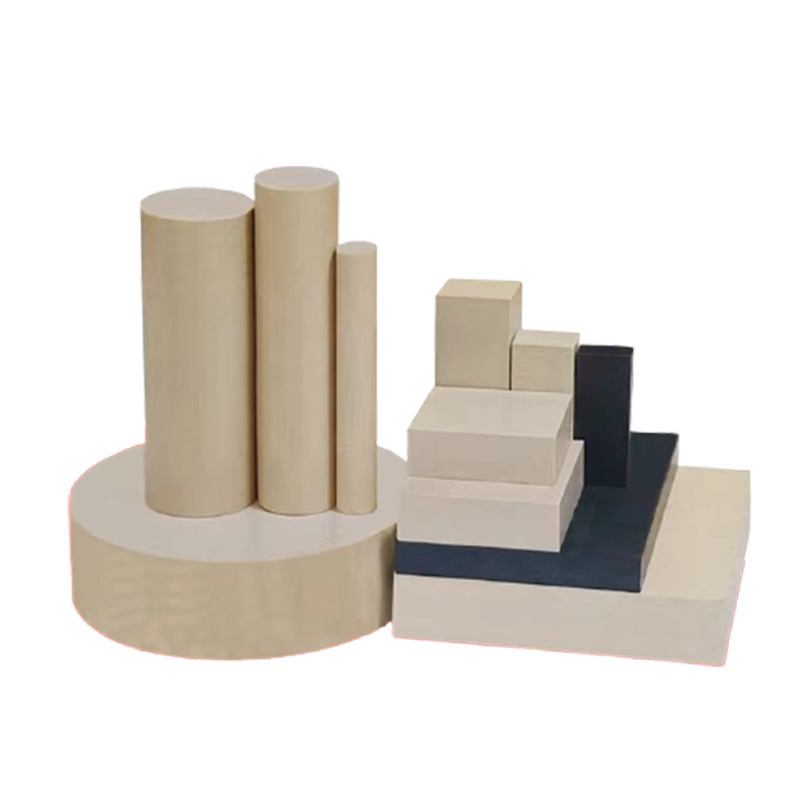
5. Determine Machining vs. Molding: Complex geometries may favor 3D printing or injection molding, while simple parts might be machined from stock shapes .
6. Supplier Qualification: Source from a reputable supplier with a proven track record in the aerospace sector, ensuring full traceability and certification .
Selecting the right high-performance thermoplastic for aircraft components is a multifaceted engineering challenge that directly impacts safety, performance, and cost. By meticulously evaluating the service environment against the distinct properties of materials like PEEK, PPS, and Polyimides, engineers can achieve significant weight reduction and design innovation. Understanding that aircraft components require high-performance thermoplastics that meet rigorous FST standards and offer chemical resistance is fundamental. As the industry advances towards greater efficiency and sustainability, strategic partnership with an experienced high-performance thermoplastic manufacturer and a focus on material science will be key to successful project outcomes .
FAQ
What is the best high-performance thermoplastic for aerospace?
There is no single “best” material; the selection depends on the specific application. For general use requiring high strength and temperature resistance up to 260°C, PEEK is an industry standard. For extremely high temperatures exceeding 300°C, polyimides are often preferred .
Why choose thermoplastics over metals for aircraft parts?
Thermoplastics offer significant weight savings, which is critical for fuel efficiency. They also resist corrosion and fatigue better than metals, provide design flexibility (allowing part consolidation), and often have faster production cycles .
Can PEEK replace metal in aircraft engines?
Yes, PEEK can replace metal in several engine-area applications, such as brackets, compressor valve plates, and seals. It can withstand operating temperatures up to 260°C and is resistant to various chemicals, leading to significant weight reductions without compromising performance .
Is PEEK chemically resistant to aircraft fluids?
Absolutely. PEEK is highly resistant to a wide range of chemicals, including jet fuel, hydraulic fluids, and de-icing agents. Its chemical inertness makes it a reliable choice for critical components exposed to aggressive aerospace environments .
What temperature can PPS withstand?
PPS offers excellent thermal stability, with a continuous service temperature of approximately 200-220°C and a heat deflection temperature (HDT) that can reach up to 260°C. This makes it suitable for many applications where strength and dimensional stability are required at elevated temperatures .
How should I machine high-performance thermoplastics?
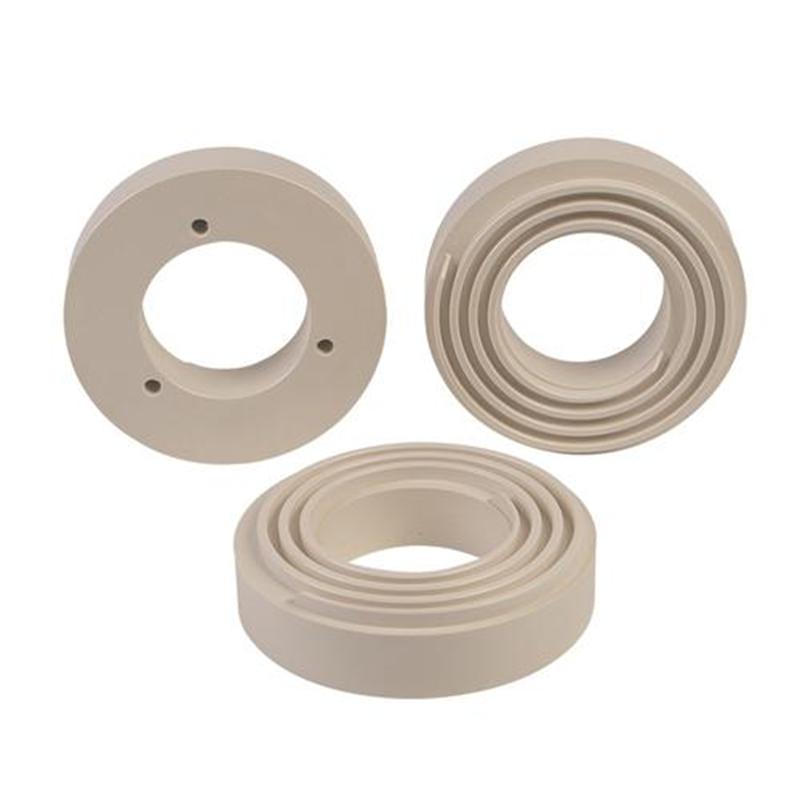
Machining PEEK or PAI requires specialized equipment and techniques. Due to their abrasiveness and high melting points, they demand sharp carbide tooling, robust cooling, and precise feed rates to prevent melting or chipping. It is often recommended to source custom-machined parts from specialized manufacturers .
Where can I buy certified aerospace-grade thermoplastics?
It is crucial to source from established manufacturers and distributors with a proven aerospace track record. Look for companies with material traceability, ISO certifications, and experience supplying major programs like Airbus or Boeing. Direct inquiries to leading high performance plastic suppliers in North America, Europe, or Asia .
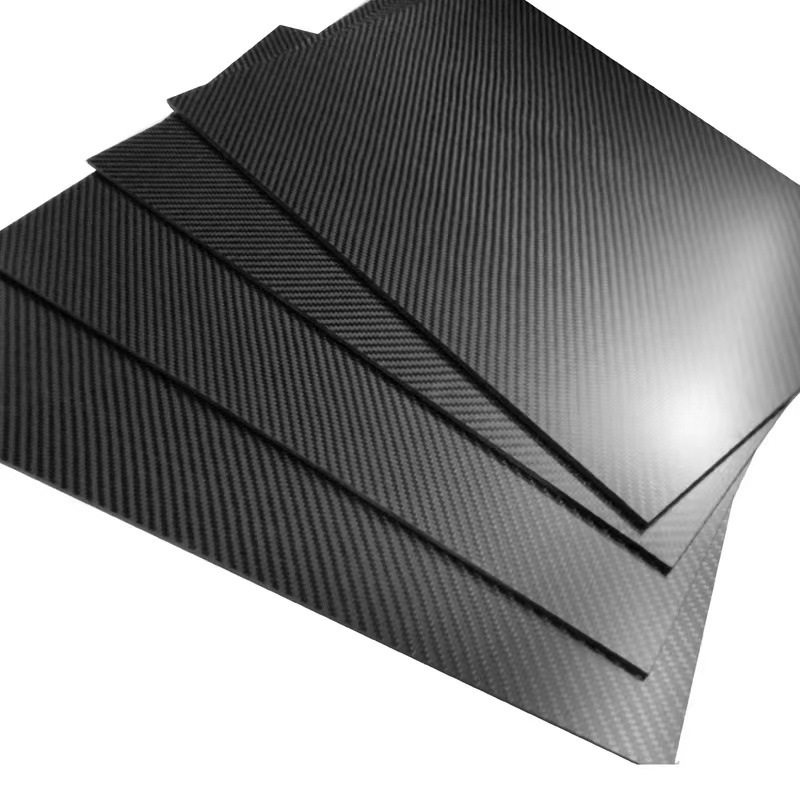 Carbon Fiber vs Glass Fiber Composites
 The Influence of Fiber Orientation on the Mechanical Performance of Composite Laminates
 The Multifunctionality of Polymer Composites
 Thermoplastic vs. Thermoset Composites