
When to Replace Metal with PEEK for Lightweight Structural Components
In the relentless pursuit of efficiency and performance across industries like aerospace, automotive, and robotics, the question of when to use PEEK instead of metal for lightweight structural components has become a focal point for engineers and procurement specialists. Polyether Ether Ketone (PEEK) is a high-performance engineering plastic that has emerged as a leading candidate for metal replacement, offering an exceptional combination of strength, thermal stability, and chemical resistance at a fraction of the weight of steel or aluminum . The decision, however, is not always straightforward. This guide will provide a comprehensive, data-driven analysis to help you determine precisely when PEEK is the optimal choice for your lightweight structural applications.
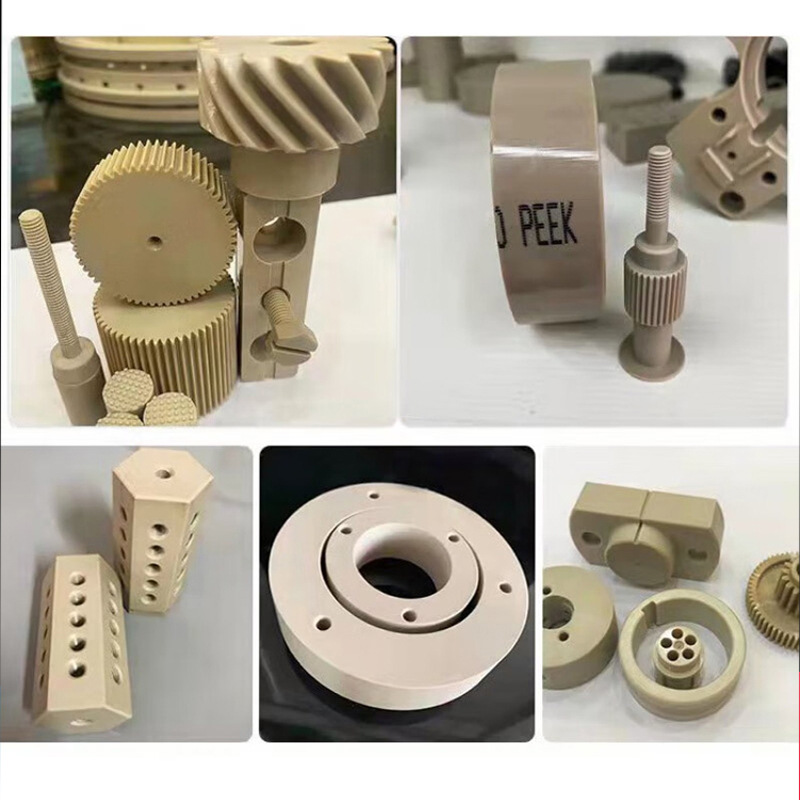
What is PEEK?
PEEK is a semi-crystalline, high-temperature thermoplastic belonging to the polyaryletherketone (PAEK) family . It is synthesized through a step-growth polymerization reaction to create a robust and rigid polymer chain that provides its remarkable properties. Often called the “king of plastics,” PEEK stands at the top of the polymer performance pyramid . It is an ideal material for lightweight structural components because its specific strength (strength-to-weight ratio) is remarkably high, sometimes surpassing that of many metals.
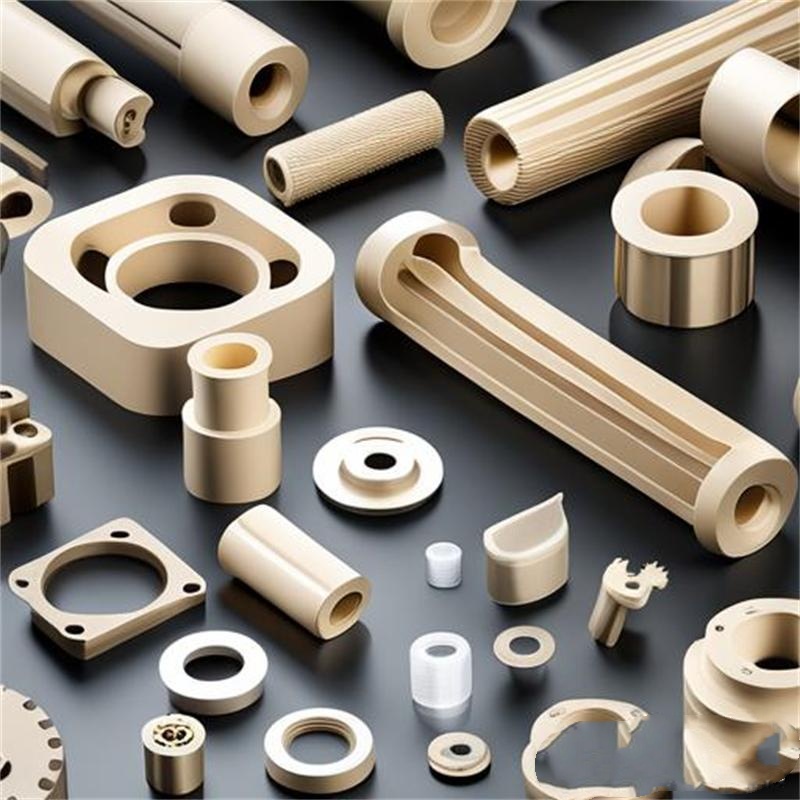
Key Properties of PEEK: A Data-Driven Analysis
When evaluating PEEK for lightweight structural components, its suite of properties must be examined against the demands of the application. The following data, validated by sources like Victrex and independent material databases, forms the basis for engineering decisions .
Mechanical Properties
PEEK offers excellent tensile strength (typically 90-100 MPa for unreinforced grades), high modulus, and outstanding fatigue resistance. Its fatigue resistance is particularly noteworthy, as it is one of the best among all thermoplastics and can rival some metals. Carbon-fiber-reinforced grades (e.g., PEEK-CF30) can achieve tensile strengths exceeding 200 MPa and moduli over 20 GPa.
Thermal Properties
PEEK has a glass transition temperature (Tg) of 143°C and a melting point (Tm) of 334°C. It can be used continuously at service temperatures of 250°C and up to 300°C for short periods. Heat deflection temperatures (HDT) for filled grades can be as high as 316°C .
Chemical Resistance
PEEK is highly resistant to a wide range of chemicals, including organic solvents, acids, and alkalis. It is virtually insoluble in all common solvents except for concentrated sulfuric acid, which attacks the polymer matrix. This makes PEEK a perfect choice for chemical processing and oil & gas applications.
Electrical Properties
PEEK is an excellent electrical insulator, maintaining its dielectric properties even at high temperatures, high voltages, and high frequencies. Its dielectric strength is typically around 19 kV/mm, making it suitable for demanding semiconductor and electrical applications .
Wear Resistance
PEEK possesses excellent tribological properties, including a low coefficient of friction and exceptional resistance to abrasive and adhesive wear. Its resistance to sliding wear and fretting wear is superior, allowing it to function effectively in dynamic applications without requiring lubrication .
Dimensional Stability
PEEK has a low coefficient of thermal expansion (CTE), which is close to that of metals like aluminum. This ensures that PEEK structural components maintain their tight tolerances across significant temperature swings, critical for high-precision engineering.
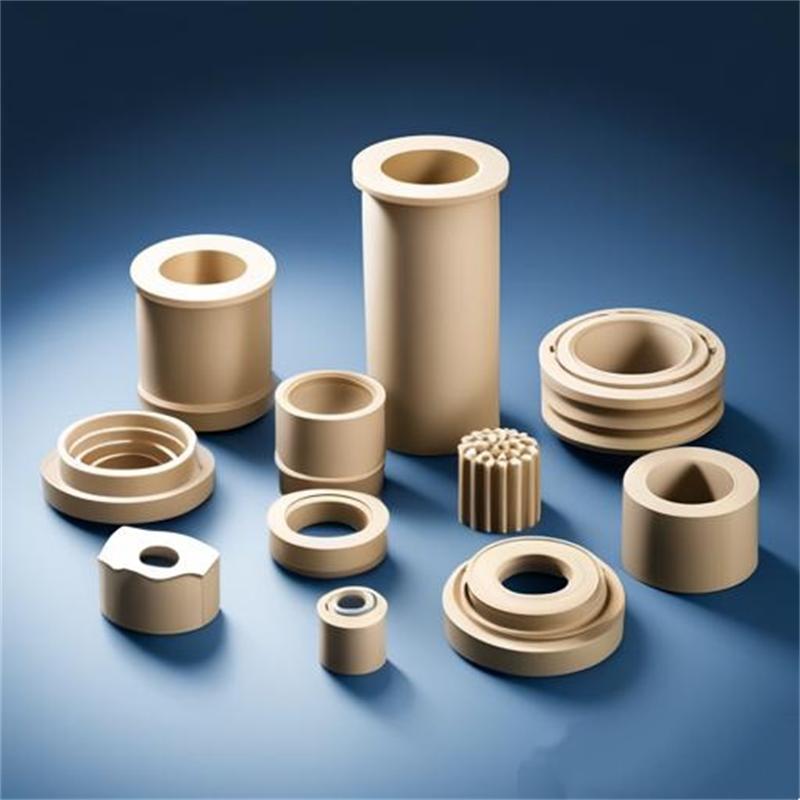
Key Applications Where PEEK Replaces Metal
The decision of when to use PEEK instead of metal is often dictated by the specific application area and its unique environmental demands. Here are the primary industries where PEEK is making a significant impact .
Aerospace & Aviation
In aerospace, weight reduction is paramount. PEEK is used for structural brackets, fasteners, and door fittings. The Airbus A350 uses carbon-fiber-reinforced PEEK to replace aluminum brackets, achieving a 40% weight reduction and a 40% reduction in production costs . Its excellent fatigue resistance also means a part can last up to 100 times longer than its aluminum counterpart.
Automotive & Motorsport
PEEK is used in engine and transmission components to reduce weight and improve fuel efficiency. Its low wear and self-lubricating properties make it ideal for bearings, seals, and clutch components that experience high friction and high heat.
Semiconductor & Electronics
PEEK is used to manufacture wafer carriers, test sockets, and connectors due to its high purity, low outgassing, excellent thermal stability, and stable electrical insulation. It is essential for protecting sensitive silicon wafers during high-temperature processing .
Medical & Healthcare
The biocompatibility of medical-grade PEEK (meeting FDA and ISO 10993 standards) makes it a top choice for spinal implants, trauma fixation devices, and dental implants. Its elastic modulus is similar to that of human bone, which helps to reduce stress shielding, a common issue with metal implants .
Robotics & Automation
A recent and rapidly growing application is in humanoid robots. By using PEEK in joints and gearboxes, companies are reducing the weight of robotic components by up to 62% while increasing torque density, leading to better efficiency and longer battery life .
Oil & Gas
PEEK is a go-to material for seals, bushings, and connectors in downhole equipment and valves. It withstands extreme temperatures, pressures, and highly corrosive environments like hydrogen sulfide (H2S) and seawater, outlasting many metal alloys .

Advantages of PEEK for Lightweighting
Choosing PEEK for lightweight structural components brings numerous tangible benefits.
– Exceptional Weight Reduction: With a density of about 1.3 g/cm³, PEEK is 70-80% lighter than steel and about half the weight of aluminum. Its strength-to-weight ratio allows for significant weight savings without sacrificing performance .
– Design Versatility: PEEK can be injection molded or machined into complex geometries, allowing for parts consolidation and the integration of multiple functions into a single component. 3D printing also offers rapid prototyping of PEEK parts .
– Low Friction and Self-Lubrication: Eliminates the need for grease or oil in moving parts, reducing maintenance and simplifying mechanical assemblies.
– High Thermal and Chemical Stability: Performs reliably in harsh environments that cause most polymers and some metals to fail.
– Long-Term Durability: Provides high fatigue resistance and excellent creep resistance, ensuring a long service life under cyclic stress and load.
Limitations of PEEK
Despite its superlative properties, the decision of when to use PEEK instead of metal also depends on a few critical limitations.
– High Material Cost: PEEK is significantly more expensive than commodity plastics and even some engineering metals like aluminum. Its cost has historically been a barrier to large-scale adoption .
– Processing Demands: PEEK requires high processing temperatures (above 380°C for melt processing) and special equipment. Injection molding and extrusion require precise control to manage the material’s high crystallinity, which dictates its final properties .
– Notch Sensitivity: Unfilled PEEK can be sensitive to stress concentrations and impact. High-impact applications often require reinforced grades (e.g., with carbon fiber) to improve toughness.
– Moisture Absorption: While low, PEEK does absorb a small amount of moisture, which can affect its dimensional stability in extremely precise applications if not accounted for in design.
– UV Resistance: PEEK degrades under prolonged exposure to ultraviolet radiation and requires coatings for long-term outdoor use.
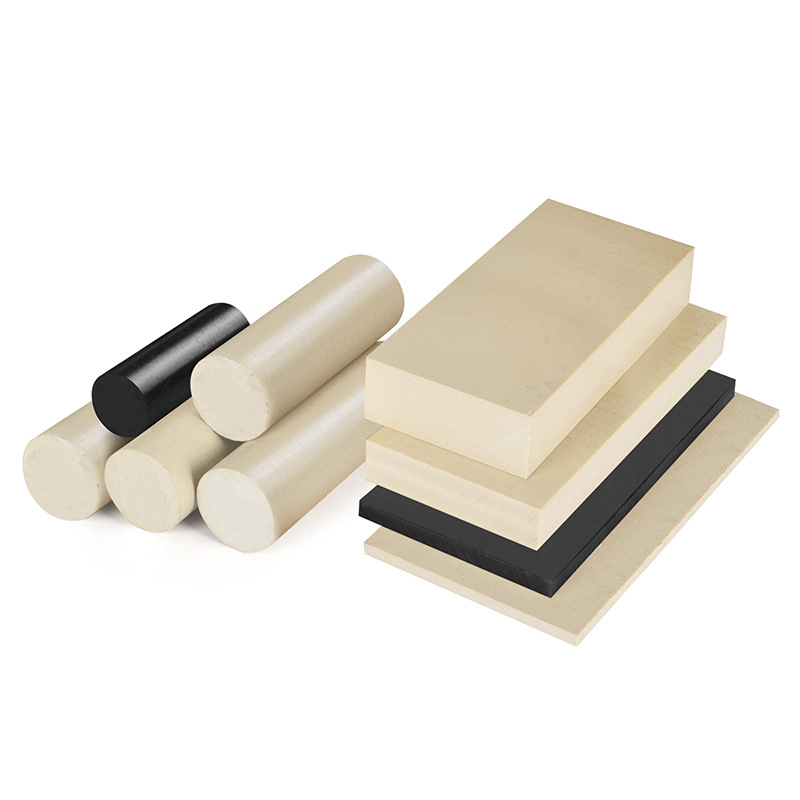
Material Comparison: PEEK vs. Other High-Performance Plastics
To know when to use PEEK instead of metal, it’s also essential to compare PEEK to other high-performance plastics that could also be candidates for metal replacement. The choice is often a delicate balance of cost, temperature, and mechanical demands.
PEEK vs. PPS (Polyphenylene Sulfide)
PPS is a lower-cost alternative to PEEK. While both are thermally and chemically stable, PEEK offers superior mechanical strength, toughness, and fatigue resistance. PPS has a lower continuous service temperature (around 220°C) and tends to be more brittle.
PEEK vs. PI (Polyimide)
PI, like Vespel, offers exceptional thermal stability, with service temperatures exceeding 300°C. However, PEEK is generally much easier to process (semi-crystalline vs. thermoset-like) and has better wear properties and chemical resistance in some environments.
PEEK vs. PAI (Polyamide-imide)
PAI (Torlon) is another high-performance plastic known for its high strength at high temperatures. PAI is generally stronger at extreme temperatures but is more expensive and more difficult to machine than PEEK.
PEEK vs. LCP (Liquid Crystal Polymer)
LCP is known for its incredibly high strength and stiffness, as well as its excellent flow characteristics for molding thin-walled parts. However, PEEK offers much higher toughness, better weld line strength, and superior thermal and chemical stability in a wider range of environments.
PPSU vs. PSU (Polyphenylsulfone vs. Polysulfone)
These are high-performance amorphous plastics. PPSU is an upgraded version of PSU with better impact strength and chemical resistance. Both are viable for applications up to 180°C but fall short of PEEK’s 250°C continuous service temperature.
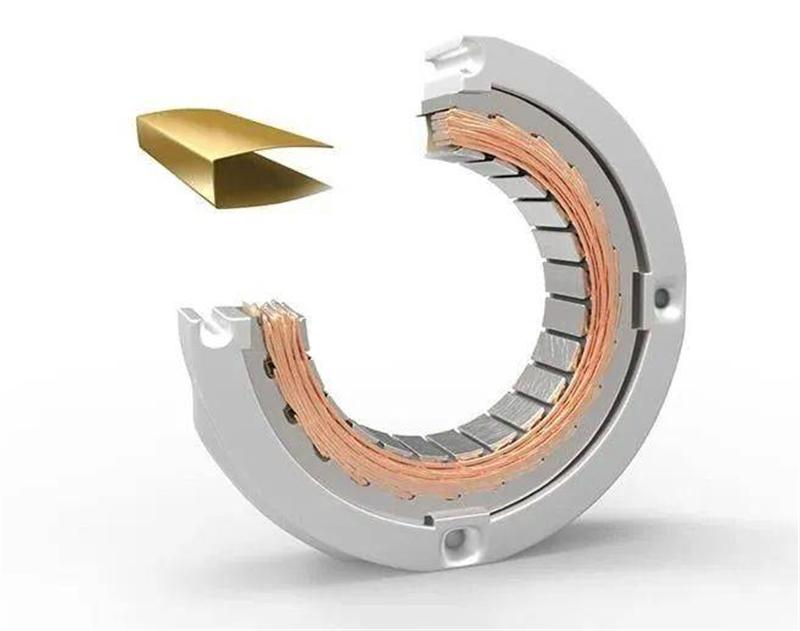
Selection Guide: How to Choose
For a precise decision on when to use PEEK instead of metal for lightweight structural components, a systematic approach is essential.
1. Define the Thermal Environment: If your operating temperature is between 180°C and 250°C for thousands of hours, PEEK is a superior choice.
2. Assess Environmental Exposure: Consider exposure to steam, high-pressure water, or harsh chemicals like acids.
3. Evaluate Mechanical Demands: Identify if parts will endure dynamic loads, high impact, or sustained stress.
4. Compliance and Regulatory Checks: Determine if the application is in food processing (FDA) or medical (ISO 10993).
5. Review Manufacturing Requirements: Assess volume and geometry. Is injection molding for high-volume production the best fit, or is machining/3D printing for lower volumes more suitable?
6. Calculate the Total Cost: Despite higher material costs, PEEK can reduce total system costs through weight savings, better performance, and longer maintenance intervals.
FAQ
What is PEEK?
PEEK (Polyether Ether Ketone) is a high-performance, semi-crystalline engineering thermoplastic known for its exceptional mechanical strength, chemical resistance, and high-temperature stability .
Why choose PEEK over aluminum?
Choosing PEEK over aluminum reduces weight by up to 70%, eliminates galvanic corrosion, and offers superior fatigue resistance, though aluminum is generally cheaper and conducts heat better .
Is PEEK suitable for medical implants?
Yes, medical-grade PEEK is biocompatible and widely used for spinal implants and trauma devices because its stiffness closely matches that of human bone, which promotes bone growth .
Can PEEK be recycled?
PEEK is a thermoplastic and, in its pure, unreinforced form, it can be reground and reprocessed. However, high-performance applications typically require virgin material to guarantee precise mechanical properties.
Is PEEK chemically resistant?
Yes, PEEK offers excellent resistance to a wide range of chemicals, including automotive fluids, strong acids, and bases, making it suitable for harsh environments .
How do you machine PEEK?
PEEK is machinable using standard tooling, but specialized grades and sharp tooling are required. Annealing the material before machining is often recommended to reduce residual stress .
Where to buy PEEK for prototyping?
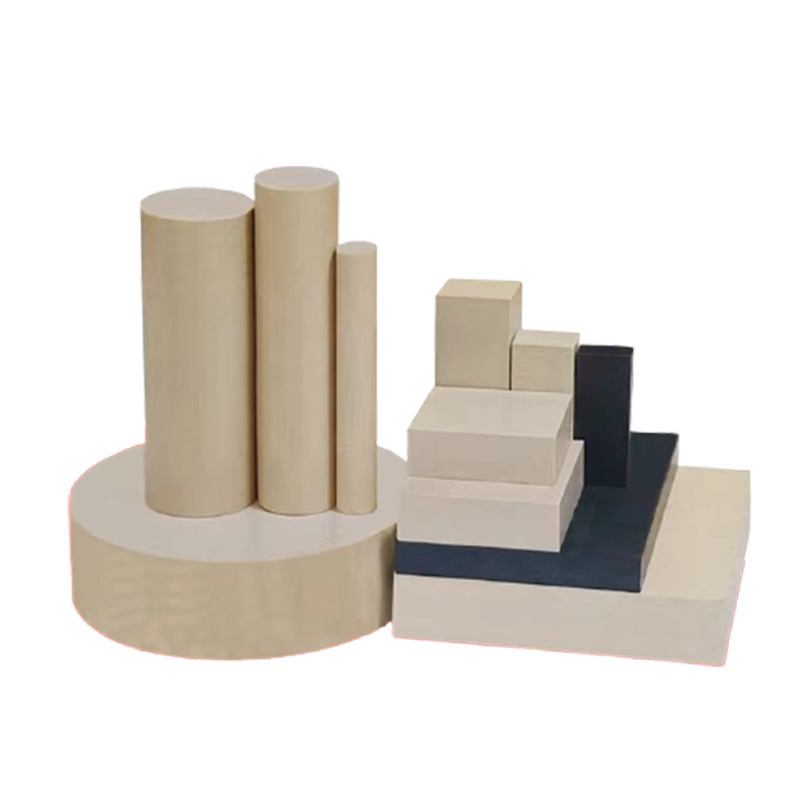
PEEK can be purchased in rod, sheet, or filament form from specialized plastic distributors. For parts, you can use a contract manufacturer or a service bureau with experience in high-performance thermoplastics.
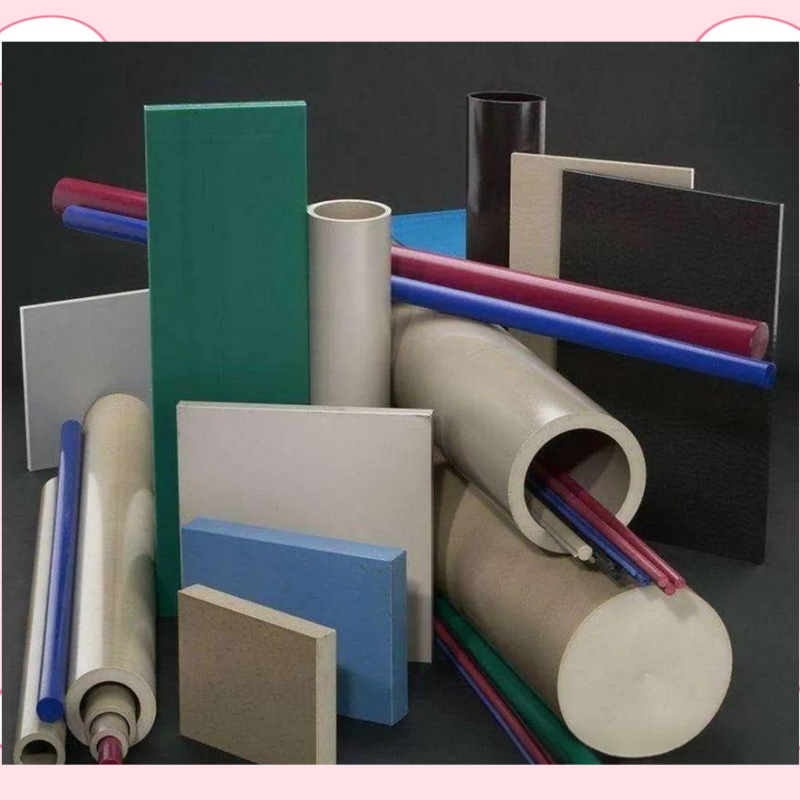
The decision of when to use PEEK instead of metal for lightweight structural components is not a universal “yes” or “no” but a carefully calculated engineering judgment. PEEK is the material of choice when the application demands a combination of high strength, excellent thermal stability (continuous use at 250°C), and superior chemical resistance, all within a lightweight structure. While its high cost and processing demands make it uneconomical for some applications, its unparalleled performance justifies the investment in high-value sectors. From the critical structural brackets of an Airbus A350 to the compact, powerful joints of a next-generation humanoid robot, PEEK is the metal replacement solution for the demanding world of modern engineering .
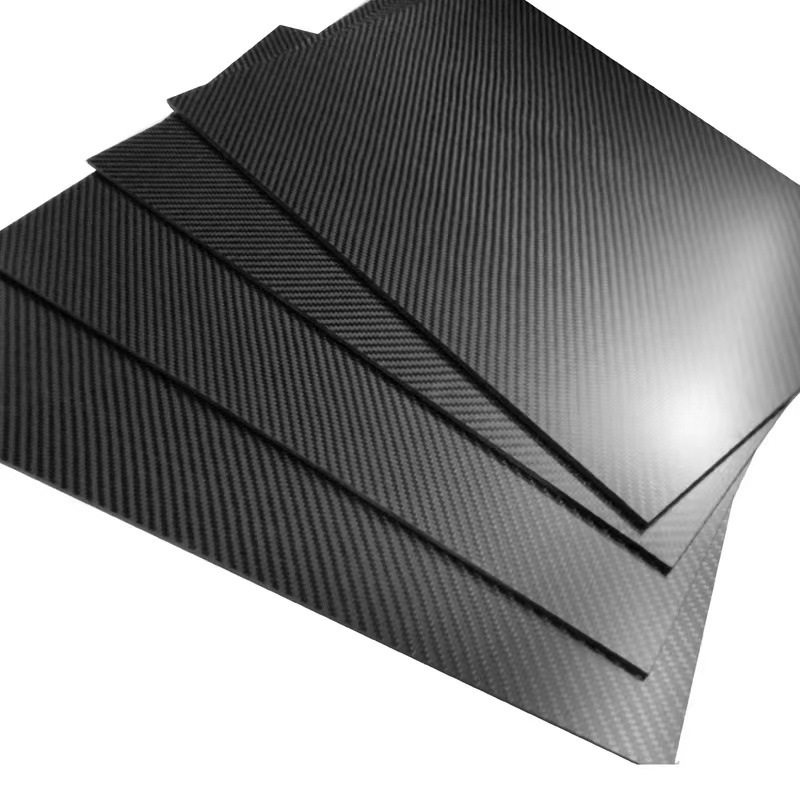 Carbon Fiber vs Glass Fiber Composites
 The Influence of Fiber Orientation on the Mechanical Performance of Composite Laminates
 The Multifunctionality of Polymer Composites
 Thermoplastic vs. Thermoset Composites