
How PEEK is Revolutionizing Medical Devices and Surgical Tools
The medical device industry is undergoing a quiet but profound transformation, driven by materials that offer superior performance where traditional metals and polymers fall short. At the forefront of this revolution is Polyether Ether Ketone (PEEK), a high-performance thermoplastic that is fundamentally changing how surgical instruments and implants are designed and manufactured. From enabling more precise surgical guides to creating durable, lightweight surgical tools, PEEK is revolutionizing medical devices and surgical tools by offering a unique combination of properties previously unattainable in a single material. This shift is being embraced by engineers, surgeons, and medical device manufacturers seeking to enhance patient outcomes and streamline procedural workflows.
What is PEEK?
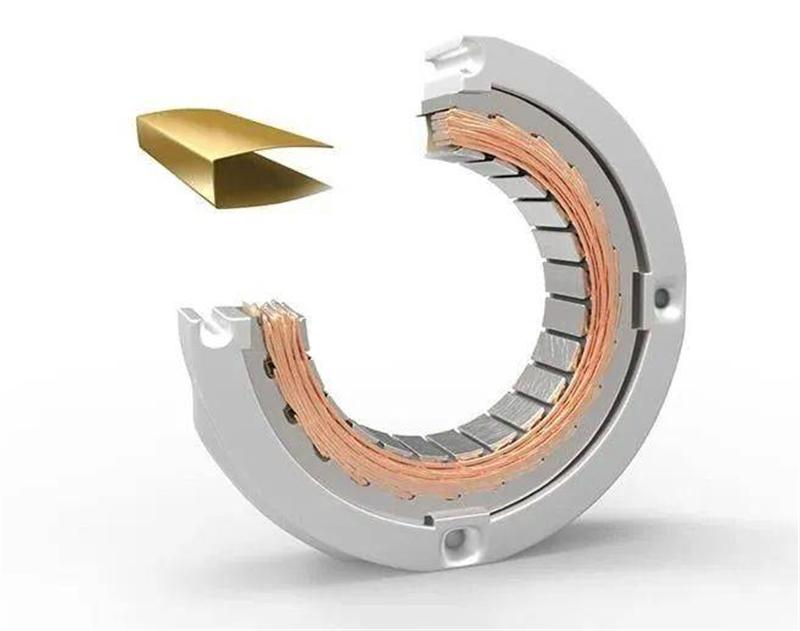
Polyether Ether Ketone (PEEK) is a semi-crystalline, high-performance engineering plastic from the polyaryletherketone (PAEK) family. Its polymer backbone, composed of aromatic rings linked by ether and ketone groups, provides exceptional thermal stability and mechanical strength . The material is created through a step-growth polymerization process, and its properties can be tailored for specific applications, including unfilled grades, carbon-fiber-reinforced (CFR-PEEK), and medical-grade variants that meet rigorous biocompatibility standards . As a biomaterial, PEEK has been commercially available for medical use since 1998, and its adoption has accelerated due to its proven performance and regulatory acceptance .
Key Properties Driving the Revolution
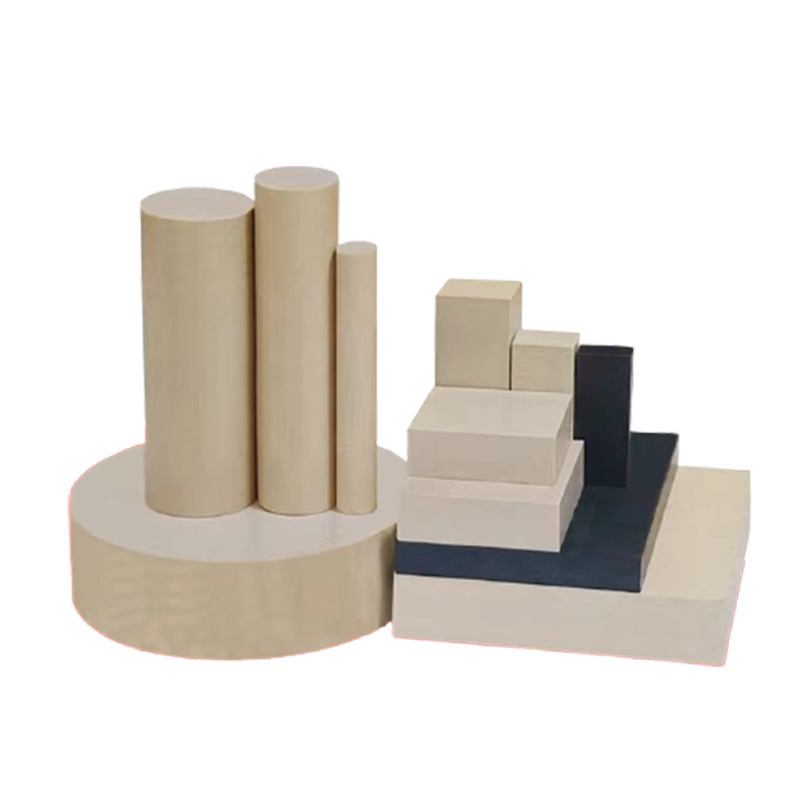
Understanding the key properties of PEEK is essential for engineers and designers to exploit its full potential in medical applications. These attributes are why PEEK is revolutionizing medical devices and surgical tools across the board.
Mechanical Properties
PEEK boasts a tensile strength at yield of over 90 MPa and a flexural modulus of approximately 3–4 GPa . This provides excellent strength and rigidity. Crucially, its elastic modulus is remarkably close to that of human cortical bone. This similarity is clinically significant as it helps mitigate “stress shielding,” a phenomenon where a stiffer implant (like titanium) bears the majority of the load, causing the surrounding bone to weaken over time .
Thermal Properties
One of the defining features of PEEK is its ability to withstand high temperatures. It has a glass transition temperature of approximately 143°C and a melting point of 343°C . This allows it to endure repeated steam sterilization cycles without significant deformation or loss of mechanical integrity, a critical requirement for reusable surgical tools and instruments . It can be used in applications requiring continuous service temperatures of up to 260°C and can briefly withstand up to 300°C.
Chemical Resistance
PEEK offers outstanding resistance to a wide range of chemicals, including many solvents, acids, and bases. This inertness is vital for medical devices that come into contact with bodily fluids, cleaning agents, and sterilization chemicals. It ensures the material will not degrade or leach harmful substances, which is crucial for biocompatibility and long-term implant stability .
Electrical Properties
PEEK is a natural electrical insulator with high dielectric strength. This makes it an ideal material for applications requiring electrical isolation, such as components in electrosurgical instruments where it helps prevent current leakage and ensure patient safety.
Wear Resistance
The material exhibits excellent wear resistance and has a low coefficient of friction. This makes it suitable for moving parts in surgical tools, such as hinges and ratcheting mechanisms, ensuring smooth operation and a long service life without the need for lubrication that could contaminate the sterile field.
Dimensional Stability
PEEK has a low coefficient of thermal expansion and excellent dimensional stability. This ensures that components, such as surgical guides and precision instruments, maintain their exact shape and tolerances, even under varying temperature conditions during use and sterilization. Its inherent radiolucency also means it does not create artifacts on CT or MRI scans, a major advantage over metal devices .
Key Applications: Where PEEK is Making a Difference
The unique properties of PEEK have led to its widespread adoption across a spectrum of medical applications. It is proving to be a versatile alternative to traditional materials like metals and other polymers.
– Surgical Instruments: PEEK is used to create lightweight, ergonomic surgical tools. Replacing metal handles and components reduces surgeon fatigue during lengthy procedures . Its radiolucency is also a key benefit for instruments used in image-guided surgery, providing a clear, unobstructed view during X-ray or CT imaging . Examples include PEEK-based surgical guides, handles for scalpels, and components for minimally invasive surgery devices .
– Surgical Implants: This is a primary area where PEEK is revolutionizing medical devices and surgical tools. It is extensively used in:
– Spinal Implants: Intervertebral fusion cages and fixation systems. CFR-PEEK is particularly valuable here as it provides comparable strength to titanium while allowing for better post-operative imaging, enabling surgeons to accurately assess fusion and detect complications like tumor recurrence .
– Orthopedics: For trauma plates, screws, and fixation devices. The bone-like modulus of PEEK promotes better load sharing and bone healing.
– Craniomaxillofacial: Patient-specific, custom-milled implants for cranial defects. These implants offer a better anatomic fit and reduced operating time compared to traditional methods .
– Dental: PEEK is used for dental abutments and frameworks. Studies show that machined PEEK abutments exhibit biomechanical behavior comparable to traditional titanium abutments, offering a metal-free alternative that is also radiolucent and comfortable for patients .
– Endoscopy: Thin-walled PEEK tubes are used in endoscopic instruments, leveraging its strength, radiolucency, and ability to function as a support structure and multi-lumen channel .

Key Advantages of PEEK
The shift toward PEEK in medical technology is driven by several distinct advantages it offers over traditional materials.
Reduced Stress Shielding: Its modulus of elasticity (3-4 GPa) is much closer to that of cortical bone than metals like titanium (103-110 GPa), which encourages natural load transfer and bone growth .
Radiolucency: PEEK is transparent to X-rays, eliminating imaging artifacts that are common with metal implants and instruments. This provides surgeons with a clear view for precise placement and post-operative assessment .
Biocompatibility: Medical-grade PEEK is non-cytotoxic, non-allergenic, and biocompatible, passing stringent ISO 10993 tests, making it suitable for both short-term and long-term human contact .
Sterilization Compatibility: It withstands all standard sterilization methods, including steam autoclaving, ethylene oxide (EtO), and gamma radiation, without degradation of its mechanical or chemical properties .
Weight Reduction: PEEK components can be up to 70% lighter than their metal counterparts, reducing surgeon fatigue and improving ergonomics .
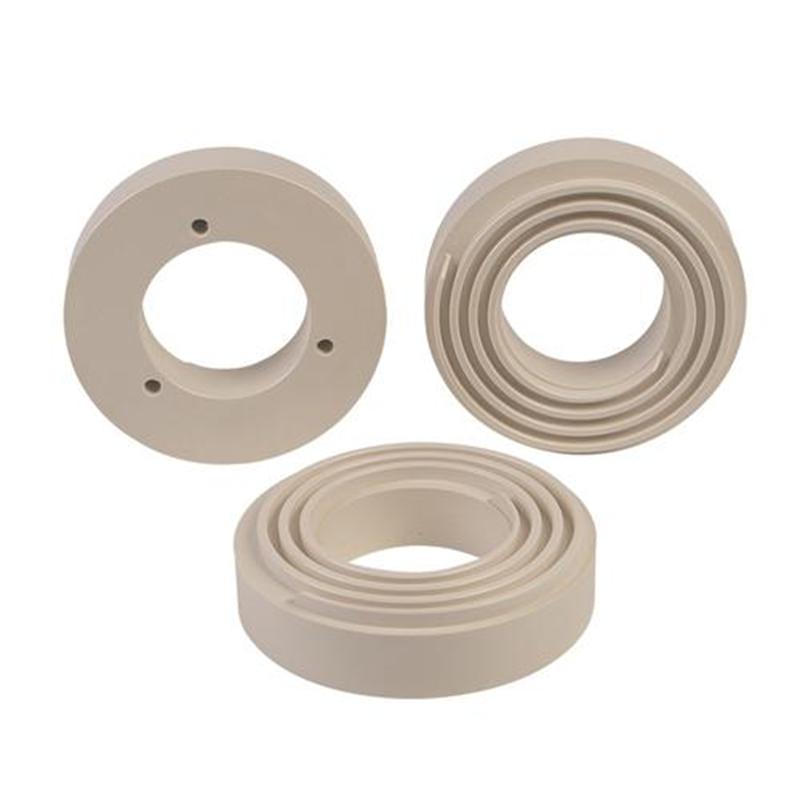
Design Flexibility: It can be manufactured through injection molding, extrusion, and advanced additive manufacturing (3D printing) . This allows for the creation of complex, patient-specific geometries that are not possible with metals.
Limitations
While PEEK offers transformative benefits, designers and engineers must also be aware of its limitations to ensure proper application.
– High Material and Processing Cost: PEEK is significantly more expensive than commodity plastics and often more expensive than standard metals. Furthermore, processing it requires specialized, high-temperature equipment due to its elevated melting point .
– Processing Challenges: Achieving optimal mechanical properties in machined or 3D-printed parts requires careful control over crystallization and cooling rates. Improper processing can lead to reduced strength and dimensional instability .
– Biological Inertness: As a bioinert material, PEEK does not naturally bond with bone. To improve osseointegration, implants may need surface modifications or be combined with bioactive fillers like hydroxyapatite .
– Joining Challenges: Welding PEEK to create hermetically sealed assemblies in devices like fluidic cassettes is challenging with conventional laser welding due to its low light transmittance. New technologies like Absorption-Transmission-Absorption (ATA) laser welding are emerging to overcome this .
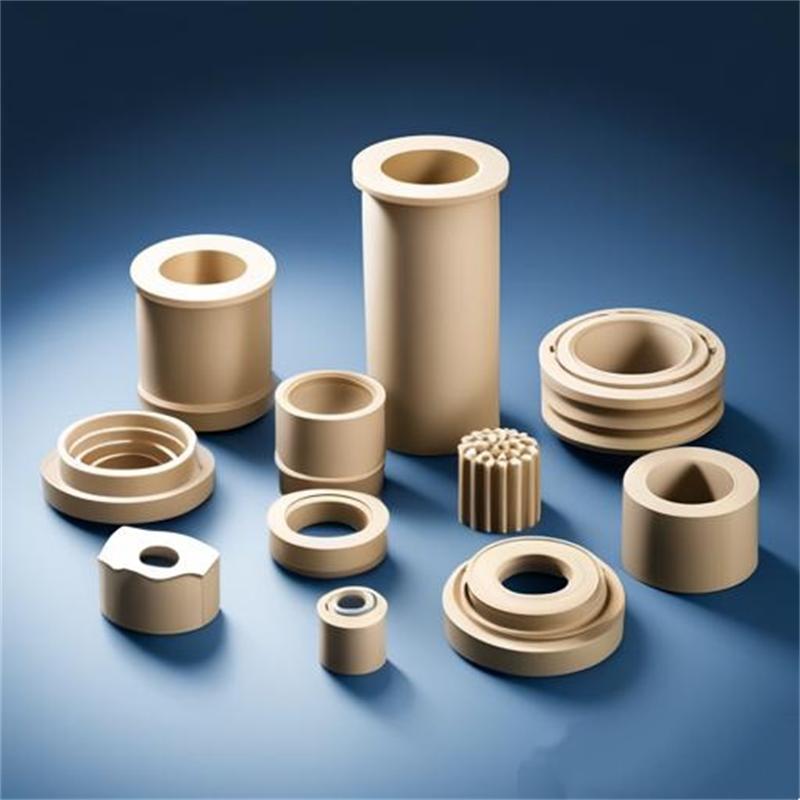
Material Selection Guide
Choosing the right material for a medical device is a critical decision. Here is a selection guide for evaluating if PEEK is the optimal choice for your project.
Compare Performance Needs
First, map your device’s specific performance requirements. For implants requiring bone-like flexibility and imaging compatibility, PEEK is often superior to titanium or other polymers. For high-wear articulation, its wear resistance and low friction are key advantages.
Analyze the Operating Environment
Consider the demands of sterilization and the chemical environment. PEEK’s tolerance to high-temperature steam and aggressive chemicals makes it suitable for reusable instruments, whereas materials like POM or standard plastics may degrade.
Understand the Regulatory Pathway
Medical-grade PEEK has a proven track record with FDA clearances, notably for cranial implants, which can ease the regulatory pathway for new devices . Confirm that the specific grade complies with ASTM F2026 for implantable materials .
Evaluate the Application Need
For imaging compatibility, PEEK is often the only choice. For high-temperature, high-load applications, it is a top contender, but its biological inertness may require coatings or surface treatments for osseointegration .
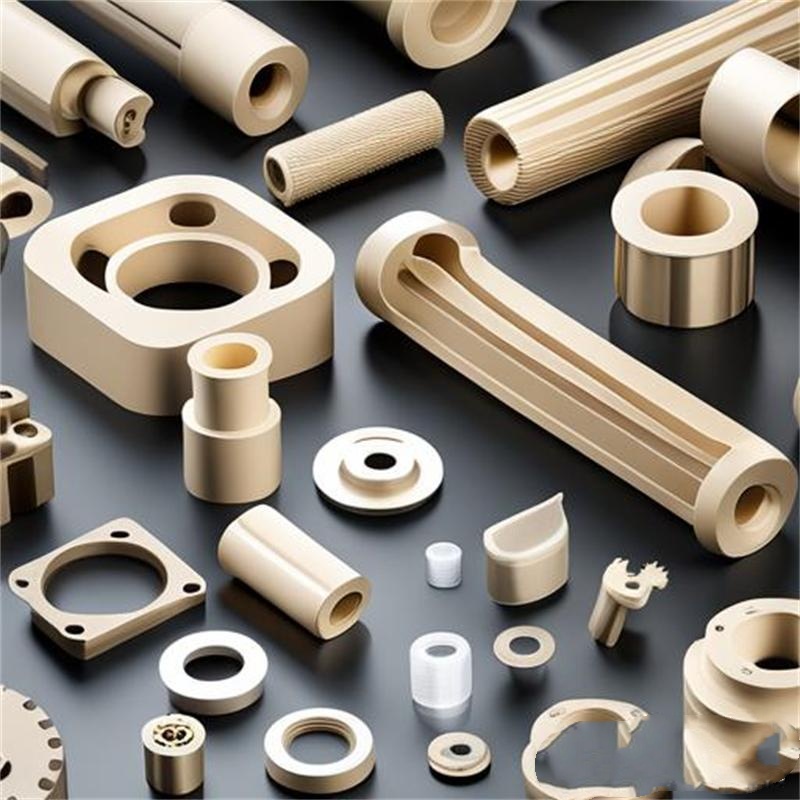
Material Comparison: PEEK vs. Titanium and PEI
The choice of material is pivotal in medical device design. Here is how PEEK compares to two common alternatives: titanium and Polyetherimide (PEI).
PEEK vs. Titanium
In spinal and orthopedic applications, the decision often comes down to these two materials. The critical difference lies in their elastic modulus. Titanium (110 GPa) is significantly stiffer than cortical bone (15-18 GPa), leading to stress shielding and potential implant failure. PEEK, with a modulus of 3-4 GPa, provides a more favorable mechanical match that promotes bone health . While titanium offers superior initial tensile strength, CFR-PEEK can match its load-bearing capacity. The radiolucency of PEEK is a major advantage for post-operative monitoring, but it does not osseointegrate as effectively as titanium, requiring surface modifications or titanium coatings to achieve bone bonding . PEEK is also significantly lighter.
PEEK vs. PEI
Polyetherimide (PEI) is another high-performance polymer used in medical settings. While both are biocompatible and sterilizable, they are often chosen for different strengths. PEEK is renowned for its superior mechanical properties, fatigue resistance, and chemical resistance, making it ideal for load-bearing implants and instruments. PEI, on the other hand, is highly valued for its exceptional thermal stability and high dielectric strength, making it a prime candidate for applications with strict thermal requirements, such as housings for medical electronics or components that must withstand repeated high-temperature cycles .
FAQ: Questions from Procurement Engineers and Designers
What is PEEK used for in medical devices?
PEEK is used in a wide array of medical applications, from surgical instruments, such as handles and guides, to implantable devices like spinal fusion cages, orthopedic trauma plates, and cranial implants. Its versatility is due to its biocompatibility, strength, and radiolucency.
Why choose PEEK over metal for implants?
The primary reason is its elasticity, which is similar to bone, reducing the risk of stress shielding. It also offers superior imaging compatibility and is lightweight, all while maintaining the strength needed for load-bearing applications.
Can PEEK be sterilized?
Yes, PEEK is highly resistant to all common sterilization methods, including steam autoclaving, ethylene oxide, and gamma radiation. This makes it an ideal material for reusable surgical tools and implants that must endure a sterile environment.
Is PEEK safe for the body?
Medical-grade PEEK is biocompatible, non-toxic, and has passed rigorous ISO 10993 tests for cytotoxicity and genotoxicity. It is an FDA-approved material for various implantable devices and has a proven safety record since its commercial introduction.
How do you machine PEEK?
Machining PEEK requires specialized equipment and techniques due to its high melting point and abrasiveness. It is often more challenging and costly than machining metals or plastics, necessitating sharp tools and effective cooling to prevent thermal degradation and achieve tight tolerances.
Where can I buy medical-grade PEEK?
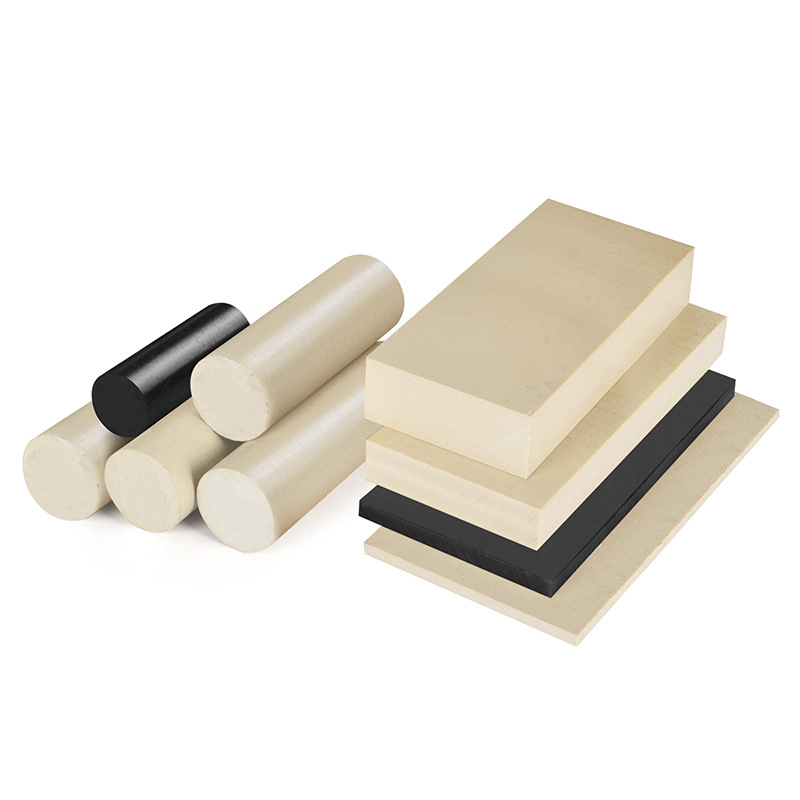
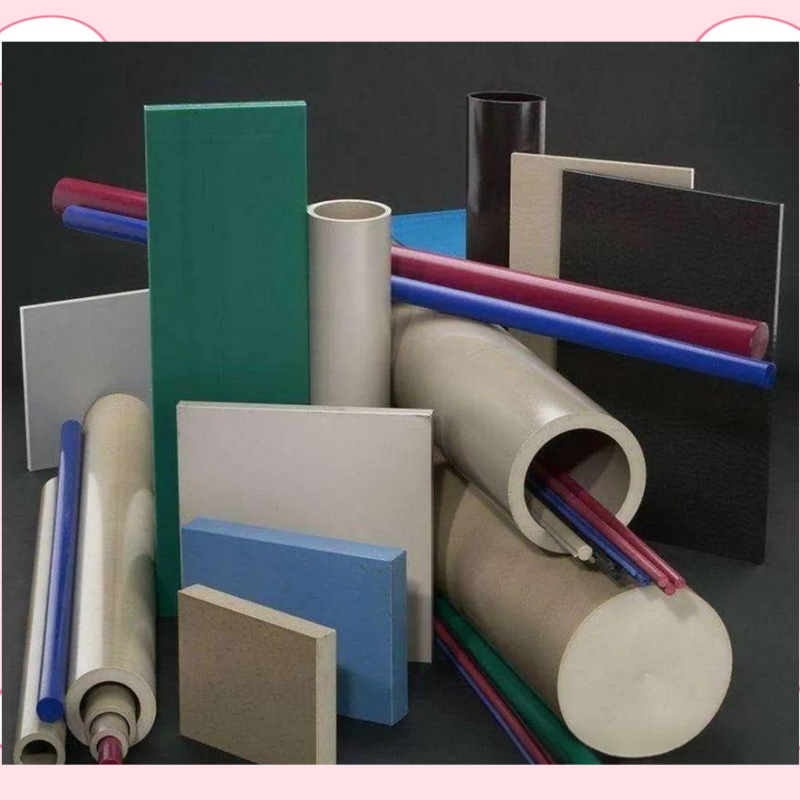
Medical-grade PEEK can be sourced from specialized polymer suppliers, such as Syensqo, Victrex, Evonik, and Solvay. It can also be purchased as raw stock (rods, sheets) or as finished, custom-machined parts from precision medical manufacturers.
Polyether Ether Ketone (PEEK) is more than just an advanced plastic; it is a transformative material that is revolutionizing medical devices and surgical tools. By offering a unique combination of bone-like mechanical properties, exceptional chemical and thermal resistance, and complete radiolucency, PEEK enables a new generation of devices that enhance surgical precision, improve patient outcomes, and reduce procedural burdens. Whether it is a lightweight surgical guide that allows for pinpoint accuracy, or a durable spinal implant that supports natural bone healing, PEEK is at the forefront of medical innovation. Its proven biocompatibility and versatility have cemented its position as a critical material for the future of healthcare, promising further advancements in personalized medicine and surgical technology.
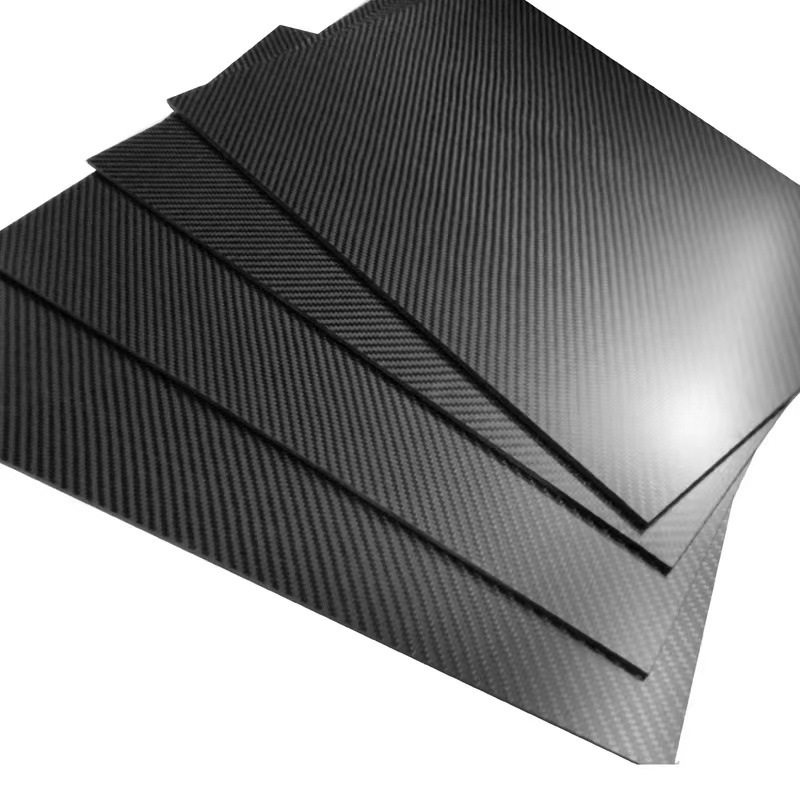 Carbon Fiber vs Glass Fiber Composites
 The Influence of Fiber Orientation on the Mechanical Performance of Composite Laminates
 The Multifunctionality of Polymer Composites
 Thermoplastic vs. Thermoset Composites