
PEEK vs PI vs PPS vs LCP: Electronics Guide
Selecting the right high-performance engineering plastic for electronic components is a critical decision that directly impacts product reliability, manufacturing cost, and long-term performance. Materials like PEEK, PI, PPS, and LCP represent the pinnacle of polymer engineering, each offering unique combinations of thermal stability, chemical resistance, and electrical insulation properties. This PEEK vs PI vs PPS vs LCP comparison guide is designed to help engineers, procurement specialists, and R&D professionals navigate these choices with confidence, backed by data-driven insights and practical application knowledge .
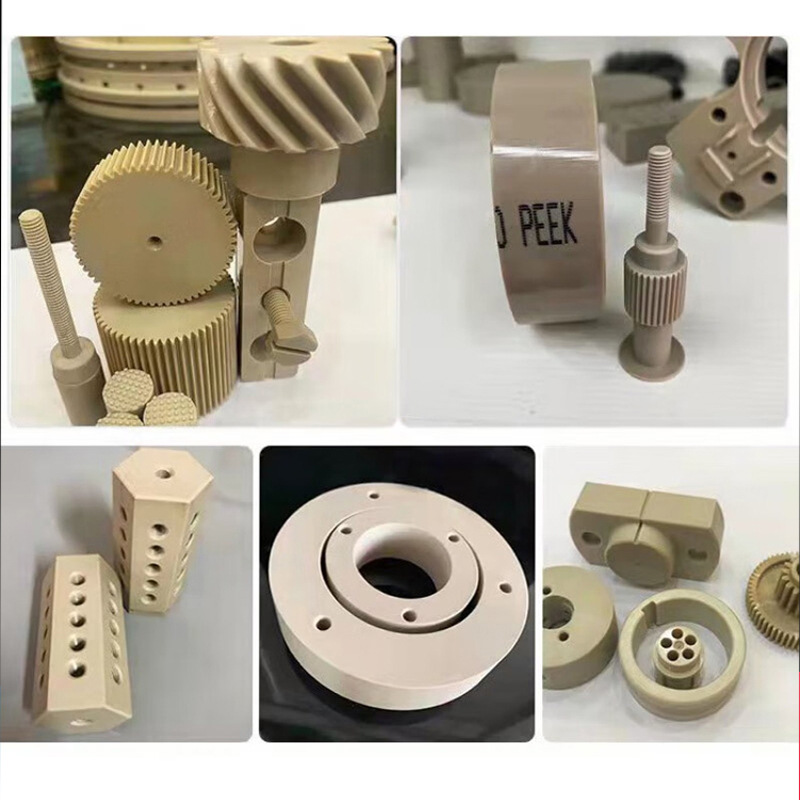
What is PEEK?
Polyether ether ketone (PEEK) is a semi-crystalline thermoplastic belonging to the PAEK family. Its molecular backbone consists of aromatic rings connected by ether and ketone groups, creating a structure that balances rigidity with toughness . PEEK offers exceptional thermal stability, maintaining performance from -200°C to 260°C, and demonstrates outstanding resistance to chemicals, hydrolysis, and radiation. These properties make it a go-to material for demanding applications ranging from semiconductor manufacturing to medical implants .
What is PI?
Polyimide (PI) is characterized by its aromatic imide ring structure, providing unmatched thermal stability—with thermoset grades maintaining integrity above 500°C. PI can be either thermosetting or thermoplastic, offering flexibility in processing. Its exceptional dielectric properties and radiation resistance make it ideal for aerospace wiring, flexible circuits, and 5G communication films .
What is PPS?
Polyphenylene sulfide (PPS) is a high-temperature engineering plastic with a molecular structure featuring benzene rings linked by sulfur atoms. This high-crystallinity polymer delivers excellent dimensional stability, inherent flame retardancy (UL94 V-0), and outstanding resistance to solvents and chemicals. PPS is more cost-effective than PEEK while still performing reliably up to 220°C, making it a favored choice for automotive electronics and industrial components .
What is LCP?
Liquid crystal polymer (LCP) consists of rigid, rod-like molecules that form highly ordered structures in both melt and solid states. This unique molecular alignment gives LCP exceptional flow characteristics, extremely low warpage, and outstanding high-frequency electrical properties—including a dielectric constant as low as 2.9 at 10 GHz . LCP excels in miniaturized, thin-wall electronic components where precision and signal integrity are paramount .
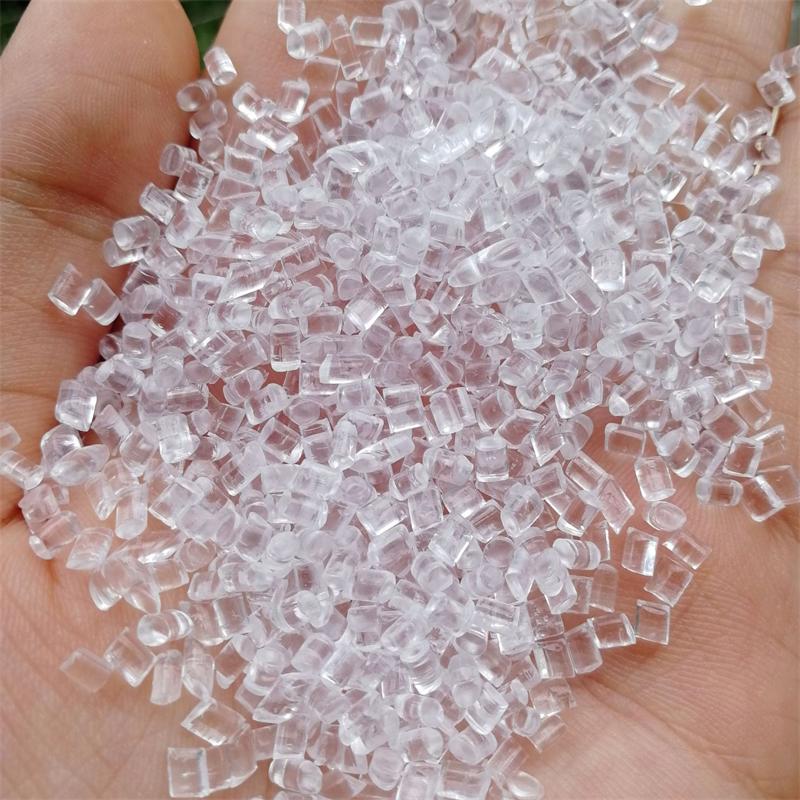
Key Properties Comparison
Thermal Properties
PEEK leads the group with continuous service up to 260°C and a heat deflection temperature of 160°C . PI, particularly thermoset variants, can withstand even higher temperatures—exceeding 500°C for short durations . PPS maintains stability around 200-220°C, while LCP performs well up to 240°C but with anisotropy that can affect performance depending on flow direction .
Mechanical Properties
PEEK offers high tensile strength (~95 MPa yield) combined with excellent toughness and fatigue resistance, making it suitable for load-bearing applications . PPS provides comparable strength (~85 MPa) with higher stiffness (3.4 GPa modulus) but is more brittle . LCP delivers excellent strength (90 MPa) in the flow direction but performs differently across orientations due to its anisotropic nature .
Chemical Resistance
PEEK vs PPS in chemical resistance shows both materials excelling, but PEEK withstands a broader range of aggressive chemicals including jet fuels, sterilization agents, and automotive fluids . PPS offers excellent resistance to solvents and acids but can be attacked by some chlorinated hydrocarbons and oxidizing agents . LCP provides good chemical resistance suitable for most electronic applications, while PI offers moderate resistance with susceptibility to strong acids and bases.
Electrical Properties
LCP stands out in high-frequency applications with its low dielectric constant (2.9 at 10 GHz) and ultra-low dissipation factor (0.0025), making it ideal for 5G antennas and high-speed connectors . PEEK and PPS are excellent electrical insulators, with PEEK maintaining performance even under high humidity. PI offers good dielectric properties but may absorb moisture affecting performance .
Dimensional Stability
PPS and LCP demonstrate exceptional dimensional stability, with LCP exhibiting thermal expansion coefficients close to copper (10×10⁻⁶/°C), critical for surface-mount applications . PEEK shows moderate expansion but excellent creep resistance, while PI can absorb moisture leading to dimensional changes.
Wear Resistance
PEEK offers superior wear resistance and low friction, often enhanced with fillers like carbon fiber. PI provides excellent wear properties suitable for demanding bearing applications. PPS and LCP offer moderate wear resistance—adequate for most electronic housing applications but not heavy friction environments .
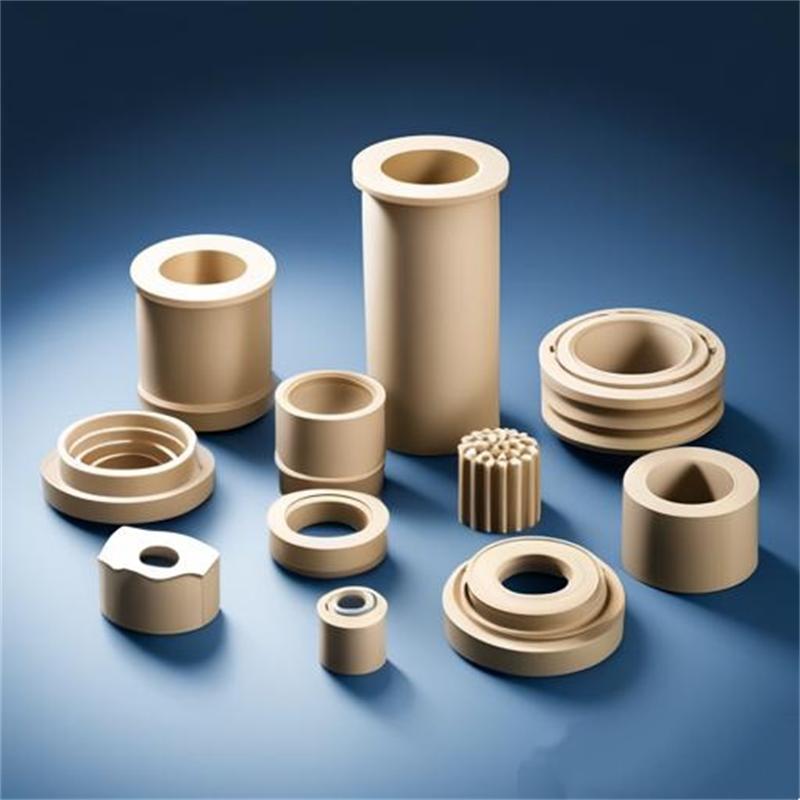
Applications in Electronics
Semiconductor Manufacturing
PEEK dominates this sector due to its purity, chemical resistance, and ability to withstand aggressive processing conditions. It is used for wafer carriers, CMP rings, insulating sheets, and ultra-pure water handling equipment . PEEK parts reduce contamination risk and maintain mechanical integrity through repeated cleaning cycles.
Connectors and Interconnects
LCP is the material of choice for high-density, high-speed connectors operating above 1 GHz, where low dielectric loss and dimensional stability are essential . PPS offers a cost-effective alternative for standard connectors requiring thermal stability up to 220°C and UL94 V-0 rating. PEEK is selected for high-reliability connectors in aerospace, military, and medical applications where long-term reliability in extreme environments is non-negotiable.
Printed Circuit Boards and Flexible Circuits
PI remains the standard for flexible printed circuits (FPC) and high-temperature PCB applications due to its combination of thermal stability and flexibility. LCP substrates are gaining traction in high-frequency applications, offering lower loss than PI at millimeter-wave frequencies used in 5G and advanced radar systems .
Semiconductor Test Equipment
PEEK and PI are both used in test sockets and contactors, with PEEK providing better wear resistance for high-cycle applications while PI offers higher temperature capability for burn-in testing .
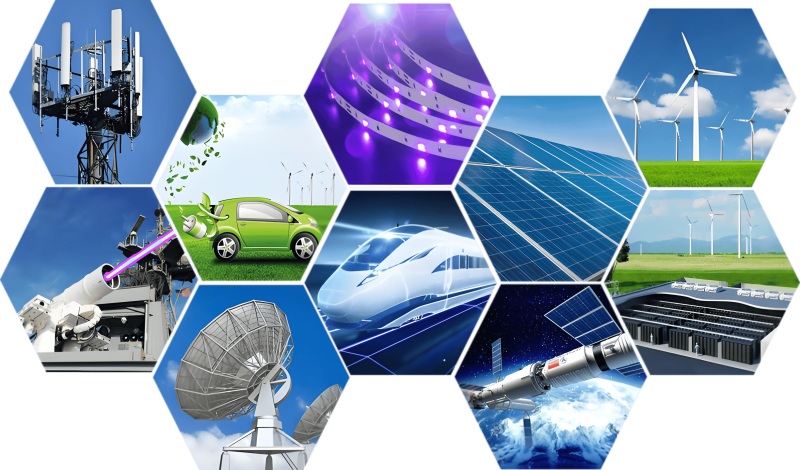
Advantages
PEEK Advantages:
– Exceptional thermal stability (-200°C to 260°C)
– Outstanding chemical and hydrolysis resistance
– Excellent wear resistance and low friction
– High purity suitable for cleanroom applications
– Biocompatible (ISO 10993) for medical-electronics applications
PI Advantages:
– Highest thermal stability (>500°C short-term)
– Superior radiation resistance
– Excellent dielectric properties for high-frequency use
– Flexibility in film and coating applications
– Good mechanical strength at elevated temperatures
PPS Advantages:
– Excellent dimensional stability
– Inherent flame retardancy (UL94 V-0)
– Very low moisture absorption
– Cost-effective compared to PEEK and PI
– Good chemical resistance
LCP Advantages:
– Superior high-frequency electrical properties
– Ultra-low warpage for precision parts
– Excellent flow for thin-wall molding (<1mm)
– Very low thermal expansion matching copper
– High productivity in injection molding
Limitations
PEEK Limitations:
– High cost (3-5× higher than PPS)
– Requires high processing temperatures (380-420°C)
– More difficult to process with higher tool wear
– Limited UV resistance
PI Limitations:
– Very high cost (most expensive among the four)
– Difficult to process (thermoset grades cannot be injection molded)
– Can absorb moisture affecting electrical properties
– Limited availability of grades
PPS Limitations:
– Brittle (low impact strength)
– Can be attacked by certain chemicals (chlorinated solvents, some petroleum products)
– Higher CTE than LCP
– Limited thin-wall molding capability (requires >4mm wall thickness)
LCP Limitations:
– Anisotropic properties (strength varies by direction)
– Weld-line weakness in injection molded parts
– High material cost (though lower than PEEK)
– Limited color options (typically dark)
Material Comparison Analysis
PEEK vs PPS: While both are semi-crystalline thermoplastics, PEEK offers superior temperature resistance (260°C vs 220°C) and broader chemical resistance. PPS provides higher stiffness and lower cost but becomes brittle in thin sections. For high-stress applications requiring long-term reliability at elevated temperatures with chemical exposure, PEEK is the preferred choice despite its higher cost. PPS excels in cost-sensitive applications where temperature requirements remain below 200°C and chemical exposure is moderate .
PEEK vs PI: PI offers higher temperature capability than PEEK, particularly thermoset grades that can exceed 500°C. However, PI is significantly more expensive, more difficult to process, and shows higher moisture absorption. PEEK is selected for applications requiring ease of processing (injection moldability) combined with excellent all-around performance, while PI is specified when absolute temperature resistance and radiation tolerance are paramount, such as in aerospace wiring and high-altitude applications .
PPS vs LCP: PPS is more cost-effective and offers good dimensional stability and chemical resistance. LCP excels in precision, thin-wall applications with superior flow characteristics and ultra-low warpage, making it ideal for miniaturized components with tight tolerances. For high-frequency (5G/microwave) applications, LCP’s dielectric properties make it the clear winner. PPS is selected for applications where chemical resistance, stiffness, and cost are primary drivers, while LCP is chosen when dimensional precision and electrical performance at high frequencies are critical .
Selection Guide for Engineers and Procurement
Operating Temperature Range
– Up to 200°C: PPS is cost-effective; LCP for thin-wall precision
– 200-260°C: PEEK is the standard choice
– Above 260°C: Consider PI (thermoset grades)
– Cryogenic (below -50°C): PEEK or PI preferred over PPS or LCP
Chemical Exposure Requirements
– Broad solvent resistance: PEEK or PPS
– Acid exposure: LCP or PPS
– Hydrolysis/steam exposure: PEEK (excellent)
– Aromatic hydrocarbon exposure: Avoid PPS; use PEEK or LCP
Mechanical Load and Wear
– High-load bearing/wear applications: PEEK (especially filled grades)
– Static structural applications: PPS or LCP (both adequate)
– Dynamic/stress applications: PEEK or PI
– Thin-wall high-strength parts: LCP (best flow) or PEEK
Electrical Requirements
– High-frequency (5G/microwave): LCP (best dielectric properties)
– General insulation: PEEK or PPS (both excellent)
– High-voltage insulation: PEEK or PI
– Anti-static / conductive needs: Fillers can be added to all materials
Regulatory and Certification Requirements
– Medical device (ISO 10993): PEEK (most extensively validated)
– Food contact (FDA): PEEK and some PPS grades available
– Flame retardancy (UL94 V-0): PPS (inherent), PEEK, LCP, and PI all available
– RoHS/REACH compliance: All materials can be formulated to comply
– Semiconductor purity requirements: PEEK (preferred) with low-outgassing grades
Design and Manufacturing Considerations
– Thin-wall components (<1mm): LCP best; PEEK may be difficult
– Complex geometries: LCP (high flow); PEEK (moderate flow, requires larger gates)
– Large parts: PEEK (can mold larger sections); PPS (up to 4mm wall)
– Secondary machining: PEEK (excellent); PI (difficult for thermoset)
– 3D printing/rapid prototyping: PEEK (most common) and PPS available
FAQ
What is PEEK vs PI vs PPS vs LCP?
These are four high-performance engineering plastics used in demanding electronic applications. PEEK (Polyether ether ketone) is a semi-crystalline thermoplastic with broad temperature range and chemical resistance. PI (Polyimide) offers unmatched thermal stability. PPS (Polyphenylene sulfide) provides cost-effective performance at high temperatures. LCP (Liquid crystal polymer) excels in high-frequency, precision applications with superior flow and dimensional stability .
Why choose PEEK for semiconductor applications?
PEEK offers exceptional purity, chemical resistance, and thermal stability up to 260°C, making it ideal for wafer handling, CMP rings, and ultra-pure water systems in semiconductor manufacturing. Its low outgassing properties are critical for cleanroom environments, and it can withstand aggressive cleaning processes without degradation .
Can PEEK replace metal in electronic applications?
Yes, PEEK frequently replaces metals like stainless steel, titanium, and aluminum in electronic housings, connectors, and fixturing. PEEK provides weight reduction (up to 3× lighter than titanium), excellent corrosion resistance, and eliminates galvanic corrosion concerns. Designers using PEEK can often integrate functions, reducing part count and simplifying assembly .
Is PPS chemically resistant?
Yes, PPS offers excellent resistance to most acids, alkalis, salts, and solvents at temperatures up to 200°C. However, it can be attacked by chlorinated hydrocarbons, aromatic solvents, and some petroleum products. For applications involving these chemicals, PEEK or LCP would be better choices .
What temperature can LCP withstand?
LCP grades typically provide heat deflection temperatures ranging from 230-240°C, with short-term use possible at higher temperatures. However, performance is anisotropic—properties may differ between flow and cross-flow directions. LCP’s low thermal expansion (10×10⁻⁶/°C) makes it excellent for temperature-cycling applications .
How to machine PEEK?
PEEK can be machined using standard CNC equipment with carbide tooling, but requires proper cooling and chip evacuation. High-speed machining with sharp tools and appropriate feeds/speeds (typically lower than for metals) produces good surface finishes. Annealing before machining can reduce residual stress and improve dimensional stability .
Where to buy PEEK or these materials?
These materials are available through specialized suppliers including Victrex, Solvay, Ensinger, Mitsubishi Chemical, and various distributors. For custom parts, many precision machining and injection molding companies specialize in high-performance plastics. When selecting a supplier, verify grade traceability, quality control systems, and experience with your specific application .
What’s the cost difference between these materials?
PEEK is significantly more expensive than PPS—typically 3-5× higher—while PI and LCP fall between them in cost depending on grade and form. Processing and manufacturing add to the final part cost, and each material’s productivity in molding must be considered. LCP’s fast cycling can improve part economics despite its higher material cost .
Which material for high-frequency 5G applications?
LCP is the preferred material for 5G applications due to its low dielectric constant (2.9 at 10 GHz), low dissipation factor (0.0025), and ability to maintain signal integrity at millimeter-wave frequencies. Its low thermal expansion also makes it suitable for surface-mount components that experience temperature cycling .
Does PEEK meet medical device requirements?
Yes, PEEK is widely used in medical devices and implants with ISO 10993 biocompatibility certification. It offers excellent resistance to sterilization methods (steam, autoclave, E-beam, gamma), maintains dimensional stability, and does not cause stress shielding in implant applications due to its bone-matching modulus .
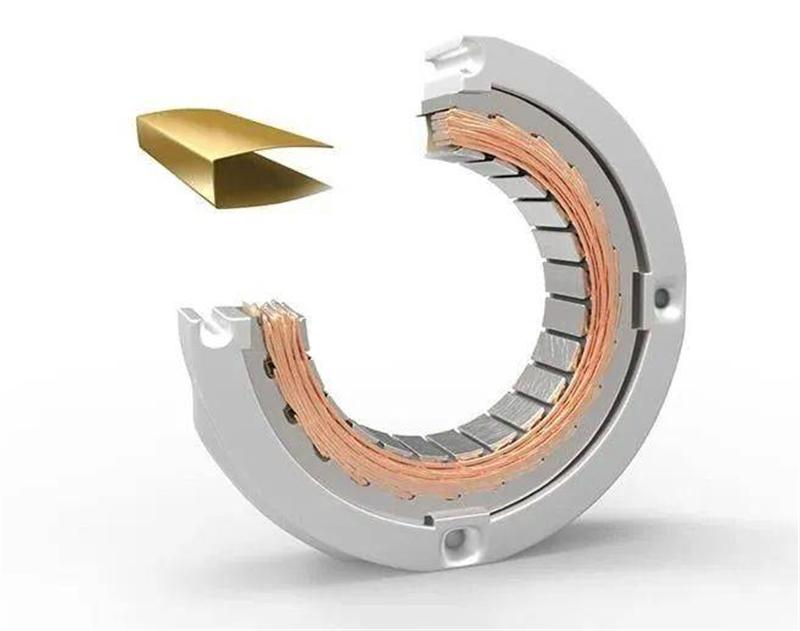
Choosing between PEEK, PI, PPS, and LCP for electronic applications requires careful consideration of operating temperature, chemical exposure, mechanical loads, electrical requirements, and manufacturing constraints. PEEK offers the best all-around performance with exceptional thermal stability, chemical resistance, and mechanical strength, making it the material of choice for demanding semiconductor, medical, and high-reliability applications. PI provides unmatched high-temperature capability for aerospace and specialized electronics. PPS delivers cost-effective performance for automotive and industrial electronics where temperature requirements remain below 220°C. LCP excels in precision, high-frequency applications where signal integrity and dimensional stability are paramount. This PEEK vs PI vs PPS vs LCP comparison provides a framework for engineers and procurement specialists to make informed decisions based on their specific requirements. For critical applications, consultation with material suppliers and testing in actual use conditions is recommended to validate performance before committing to production.
 Carbon Fiber vs Glass Fiber Composites
 The Influence of Fiber Orientation on the Mechanical Performance of Composite Laminates
 The Multifunctionality of Polymer Composites
 Thermoplastic vs. Thermoset Composites