
High Performance Engineering Plastics Guide
In the demanding world of advanced manufacturing and engineering design, standard materials often fall short. When components must withstand extreme heat, aggressive chemicals, or continuous mechanical stress, engineers turn to high performance engineering plastics. These advanced polymers are not your everyday plastics; they are meticulously engineered materials designed to replace metals, ceramics, and glass in the most challenging environments. From aerospace and medical implants to semiconductor manufacturing and oil and gas exploration, high performance engineering plastics enable innovation where failure is not an option. This guide explores the leading high performance engineering plastics, their key properties, applications, and how to select the right material for your project.
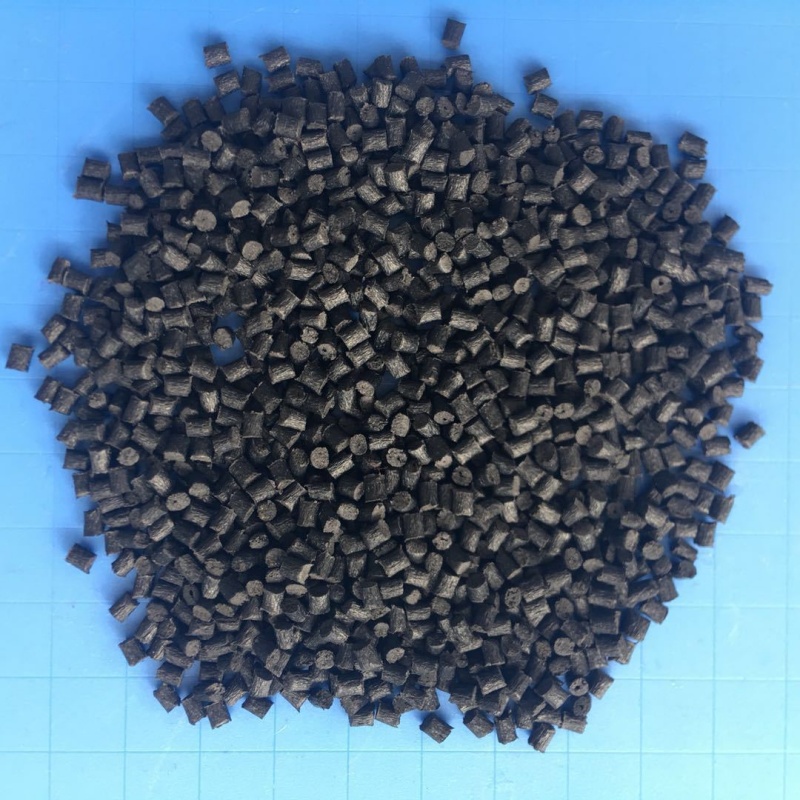
What Are High Performance Engineering Plastics?
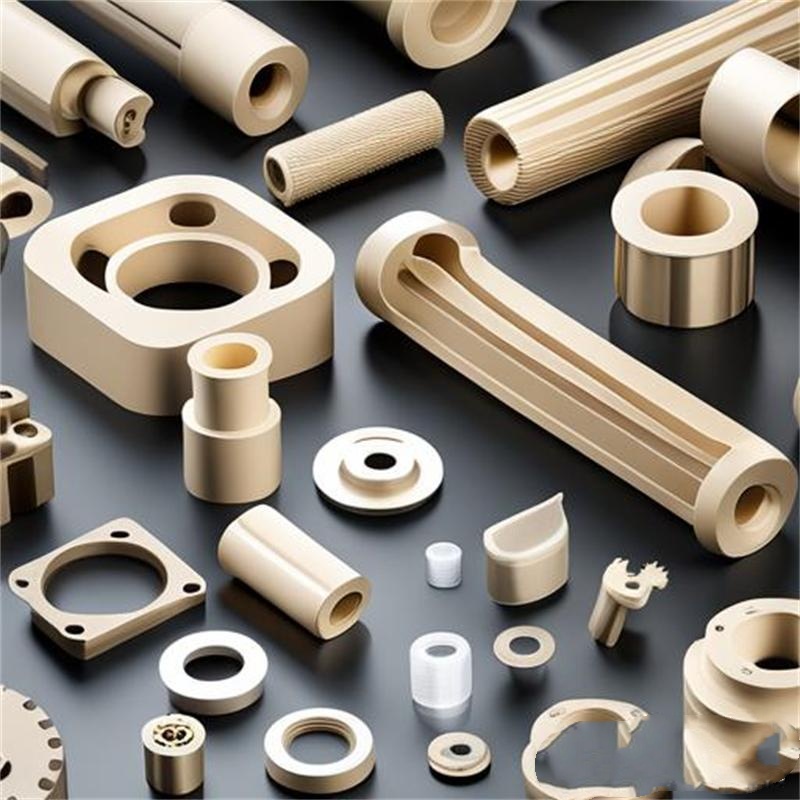
High performance engineering plastics represent the pinnacle of polymer technology. While standard engineering plastics like polyamide (PA) or polycarbonate (PC) serve many industrial roles, high performance engineering plastics are defined by their ability to maintain mechanical integrity, dimensional stability, and chemical resistance at continuous service temperatures exceeding 150°C . These materials, often referred to as specialty or high-temperature plastics, bridge the gap between traditional engineering thermoplastics and exotic materials like ceramics. The family of high performance engineering plastics includes polyetheretherketone (PEEK), polyimide (PI), polyphenylene sulfide (PPS), liquid crystal polymers (LCP), polysulfone (PSU), and polyamide-imide (PAI). They are typically semi-crystalline or amorphous thermoplastics, prized for their unique molecular structures that impart exceptional performance in critical applications .
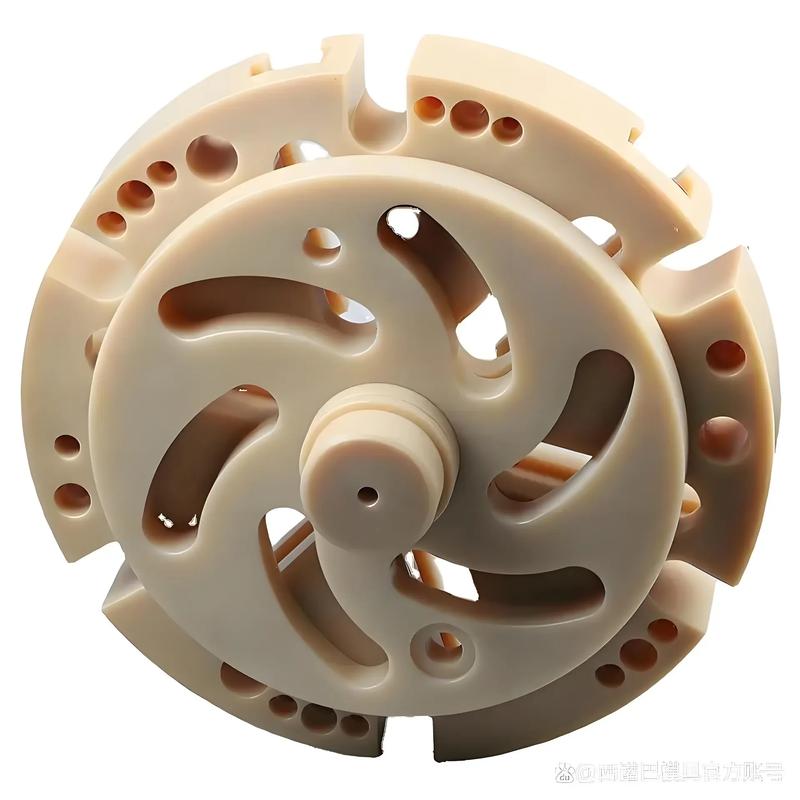
Key Properties of High Performance Engineering Plastics
Understanding the distinct properties of high performance engineering plastics is crucial for successful material selection. These materials are defined by a combination of superior characteristics:
Mechanical Properties
High performance engineering plastics often exhibit tensile strengths comparable to some metals. For instance, PAI can achieve tensile yields around 120 MPa, while PEEK offers a tensile yield of approximately 95 MPa . They also provide excellent creep resistance, maintaining their shape under long-term static loads. This combination of strength and rigidity allows engineers to design lightweight components that can bear significant structural loads .
Thermal Properties
The hallmark of high performance engineering plastics is their ability to withstand high temperatures. PEEK offers a continuous service temperature of up to 260°C (500°F), while PAI and PEI (polyetherimide) can handle even higher thermal loads, with heat deflection temperatures (HDT) often exceeding 200°C . This thermal stability is critical for applications near engines, in downhole drilling, or within electronic assemblies.
Chemical Resistance
Many high performance engineering plastics, such as PEEK and PPS, exhibit outstanding resistance to a wide range of aggressive chemicals, including acids, bases, hydrocarbons, and solvents . This inertness makes them ideal for use in chemical processing, semiconductor fabrication, and oil and gas applications where exposure to corrosive media is constant.
Electrical Properties
High performance engineering plastics are excellent electrical insulators, a property that is maintained even at elevated temperatures and under high humidity. This makes them suitable for electrical connectors, sensor housings, and insulating components in high-voltage environments .
Wear Resistance and Friction
With inherent lubricity and the ability to be filled with additives like PTFE or carbon fiber, certain high performance engineering plastics excel in high-wear and high-pressure-velocity (PV) applications. They are often used in bearings, thrust washers, and seals to reduce friction and extend component lifespan .
Dimensional Stability
These materials exhibit low creep and good dimensional stability, maintaining tight tolerances even under fluctuating temperatures and mechanical loads. This property is essential for precision parts in aerospace and medical devices .
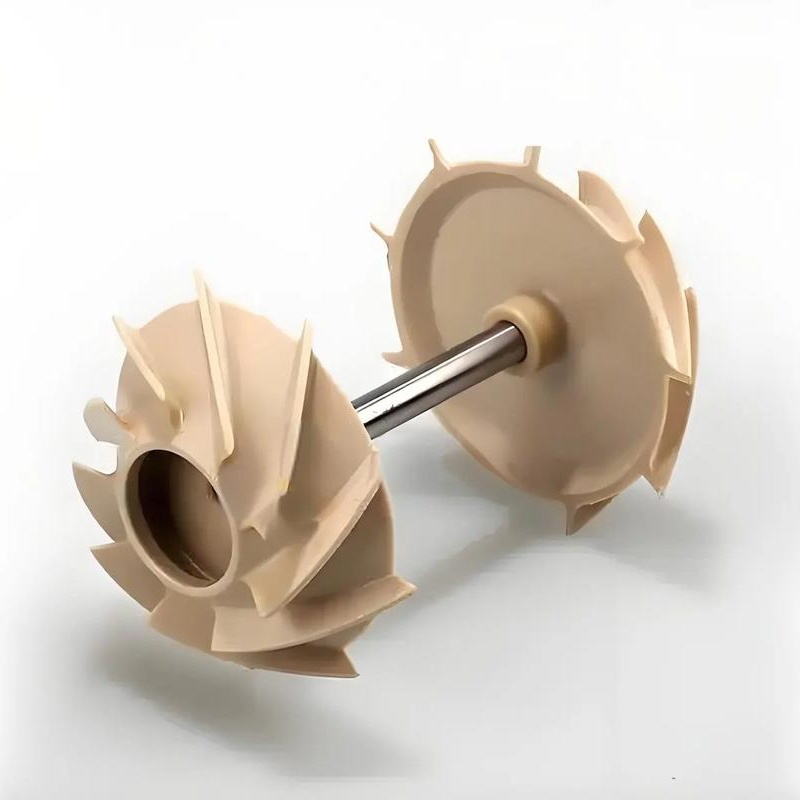
Applications Across Industries
The unique combination of properties found in high performance engineering plastics makes them indispensable across a broad spectrum of industries.
– Aerospace & Defense: The need for lightweight, high-strength materials in aircraft and spacecraft makes PEEK, PEI, and PI ideal for structural components, wire coatings, and interior panels. Their ability to reduce weight while maintaining structural integrity improves fuel efficiency and performance .
– Automotive: In the quest for lighter, more efficient vehicles, high performance engineering plastics are used in engine components, transmission parts (thrust washers), and sensor housings, often replacing metal parts to reduce weight and improve fuel economy .
– Semiconductor & Electronics: The pure, contamination-free environment required for semiconductor manufacturing relies on high performance engineering plastics for wafer handling components, connectors, and sockets. Their low outgassing and high purity grades are essential . LCP is popular for thin-wall, precision electronic components due to its high flow and low warpage .
– Medical & Pharmaceutical: Biocompatible grades of PEEK and PSU are widely used in medical implants, surgical instruments, and sterilization-resistant equipment housings. They can withstand repeated autoclave cycles without degrading, and are compatible with the human body .
– Oil & Gas: In downhole drilling, components are exposed to extreme pressures, high temperatures, and corrosive fluids. PEEK and PAI are materials of choice for seals, bearings, and backup rings in these unforgiving environments .
– Industrial Machinery: For bearings, gears, and wear pads that operate under high loads and without external lubrication, high performance engineering plastics offer superior performance, reducing maintenance costs and downtime .

Advantages of High Performance Engineering Plastics
Why choose high performance engineering plastics over metals or standard polymers? The benefits are numerous:
Significant Weight Reduction: With densities far lower than metals, these plastics enable significant weight savings, crucial for fuel efficiency in transportation and ease of handling in robotics .
Superior Corrosion Resistance: They are impervious to rust and many chemical attacks, eliminating a common failure mode for metal components .
High-Temperature Performance: They maintain their mechanical properties at temperatures that would soften or melt commodity plastics and even degrade some metals over time .
Reduced Noise, Vibration, and Harshness (NVH): These polymers have natural damping properties, leading to quieter and smoother-operating machinery .
Design Freedom: The injection molding and machining capabilities allow for complex geometries and part consolidation, reducing assembly time and costs.
Self-Lubrication: Many grades offer inherent lubricity, reducing or eliminating the need for external lubricants and simplifying maintenance .
Excellent Electrical Insulation: They provide reliable dielectric strength even in humid or high-temperature conditions .
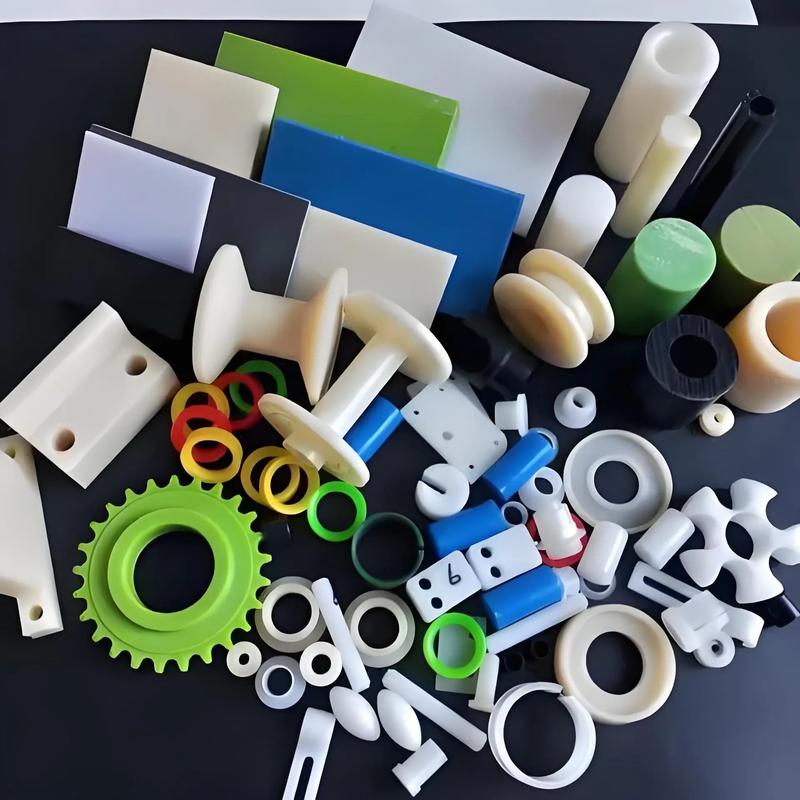
Limitations to Consider
Despite their impressive performance, high performance engineering plastics have limitations that engineers must consider:
– High Material Cost: The advanced chemistry and manufacturing processes make these plastics significantly more expensive than commodity or even standard engineering plastics .
– Processing Challenges: High melting points require specialized injection molding machinery, tooling, and process control to manage warpage and ensure proper crystallization. PEEK, for example, requires melt temperatures around 343°C and careful thermal management .
– Hygroscopic Nature: Some materials, like polyamides and PEI, are hygroscopic and must be thoroughly dried before processing to prevent defects .
– Potential for UV Degradation: Many high-performance plastics are susceptible to UV degradation if not properly stabilized, limiting their use in long-term outdoor applications.
– Abrasive to Tooling: Filled grades with glass or carbon fiber can be highly abrasive to molds and processing equipment, leading to increased tool wear .
Material Comparison: PEEK vs. PPS vs. PAI
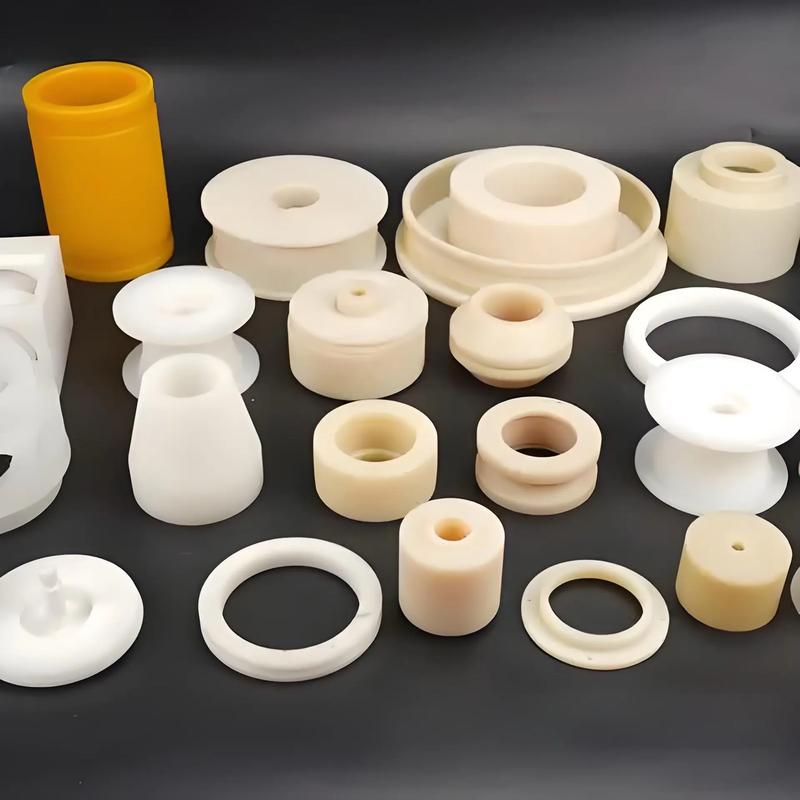
When selecting a high performance engineering plastic, understanding the nuances between them is key. PEEK is often called the “performance king” due to its excellent all-around properties, including high-temperature resistance (up to 260°C), exceptional chemical resistance, and good wear characteristics . It is a versatile workhorse but comes at a premium cost.
PPS, on the other hand, is considered the “cost-performance champion” . While it has a slightly lower continuous use temperature (around 220°C), it provides outstanding chemical resistance, inherent flame retardancy (UL94 V-0), and excellent dimensional stability at a lower price point than PEEK, making it a popular choice in automotive and electronics .
For extreme conditions, PAI stands out. It boasts the highest strength and heat resistance (with an HDT exceeding 270°C) of the three . However, PAI’s processing is more complex, and it is typically more expensive. It is selected for the most demanding mechanical and thermal applications where other materials would fail .
How to Choose the Right High Performance Engineering Plastic
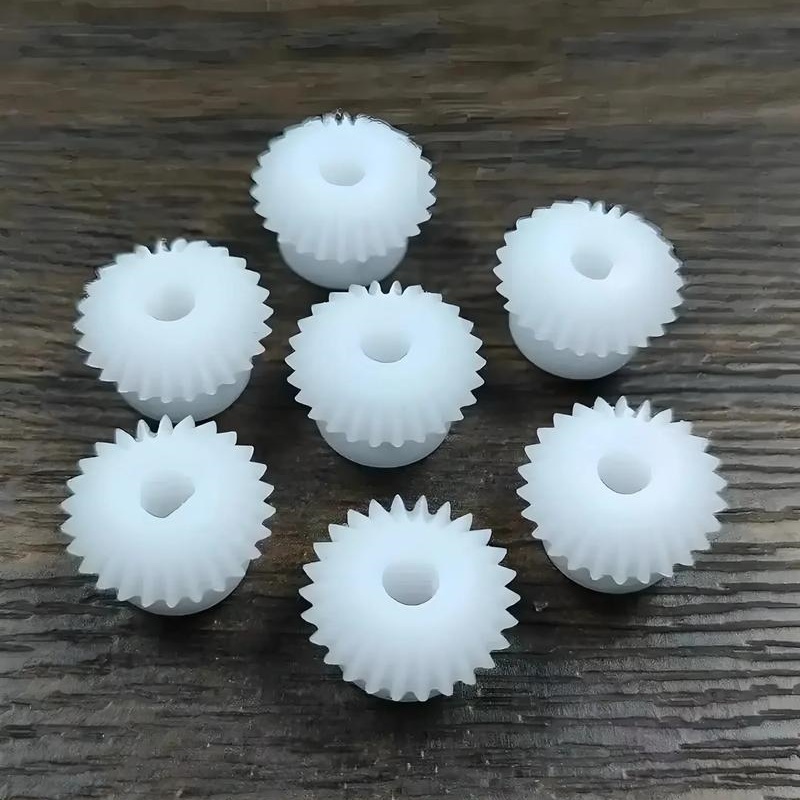
Selecting the optimal high performance engineering plastic for your project requires a systematic approach. Consider these critical questions:
– What is the operating temperature range? Will the component be exposed to continuous heat or short-term spikes? This is a primary differentiator between materials.
– What chemicals will it contact? Assess the specific fluids (acids, bases, solvents, fuels) and concentrations to ensure compatibility.
– What are the mechanical loads? Determine the static and dynamic loads, including tensile strength and pressure-velocity (PV) values for moving parts.
– What are the regulatory requirements? Does the application require FDA compliance for food contact, ISO 10993 for biocompatibility, or UL94 V-0 for flame retardancy? Different grades are available to meet these standards .
– What is the required manufacturing process? Will the part be injection molded, extruded, or machined from stock shapes? The material’s flow properties and processing characteristics will influence this decision.
– What is the total cost of ownership? Consider not just the raw material price but also processing costs, tooling wear, component lifespan, and maintenance savings.
Consulting with a material supplier or manufacturer is highly recommended, as they can provide critical material datasheets, process simulations, and engineering support to guide you to the best solution .
Frequently Asked Questions (FAQ)
What is PEEK material?
PEEK (Polyether Ether Ketone) is a high performance engineering plastic known for its exceptional combination of mechanical strength, thermal stability (up to 260°C), and chemical resistance. It is often used as a metal replacement in demanding applications like aerospace, medical implants, and oil and gas components .
Why choose PPS over PEEK?
PPS (Polyphenylene Sulfide) is often chosen over PEEK for cost-sensitive applications. While it has a slightly lower continuous service temperature (approx. 220°C), it offers excellent chemical resistance, inherent flame retardancy (UL94 V-0), and good dimensional stability, making it ideal for automotive and electrical applications at a lower cost .
Can high performance engineering plastics replace metal?
Yes. High performance engineering plastics frequently replace metals to achieve significant weight reduction, improved corrosion resistance, and reduced noise, vibration, and harshness. They offer comparable strength and stiffness while being lighter and self-lubricating .
Are high performance engineering plastics chemically resistant?
Generally, yes. Materials like PEEK, PPS, and PAI are highly resistant to a wide range of chemicals, including acids, bases, hydrocarbons, and solvents. However, resistance can be grade- and filler-dependent, so it is crucial to consult a chemical resistance chart for your specific application .
What temperature can PEEK withstand?
PEEK offers a high continuous service temperature, typically rated for use up to 250-260°C (480-500°F) . Its high melting point (around 343°C) allows it to maintain its structural integrity in demanding thermal environments .
What is the difference between engineering plastics and high performance engineering plastics?
Standard engineering plastics, like nylon (PA) or polycarbonate (PC), are suitable for general industrial applications with moderate thermal and mechanical demands. High performance engineering plastics, however, are specifically engineered to operate at temperatures exceeding 150°C and under extreme chemical or mechanical stress, where standard materials would degrade or fail .
Where can I buy high performance engineering plastics?
High performance engineering plastics can be purchased from specialized material suppliers and distributors who offer both raw resin and machined or molded parts. Many suppliers in China and globally provide OEM and custom part machining services. It is advisable to work with a reputable supplier who can provide full datasheets, technical support, and quality documentation .
The world of high performance engineering plastics is diverse and powerful. Materials like PEEK, PPS, PI, and PAI offer engineers and designers the ability to solve challenges that were once impossible. By providing an unmatched combination of high temperature resistance, mechanical strength, chemical inertness, and lightweight properties, these advanced polymers are critical to innovation in aerospace, automotive, semiconductor, medical, and many other industries. Understanding the key properties, limitations, and selection criteria for high performance engineering plastics is essential to unlocking their full potential and ensuring the success of your next project.
 Thermoplastic vs Thermoset Composites
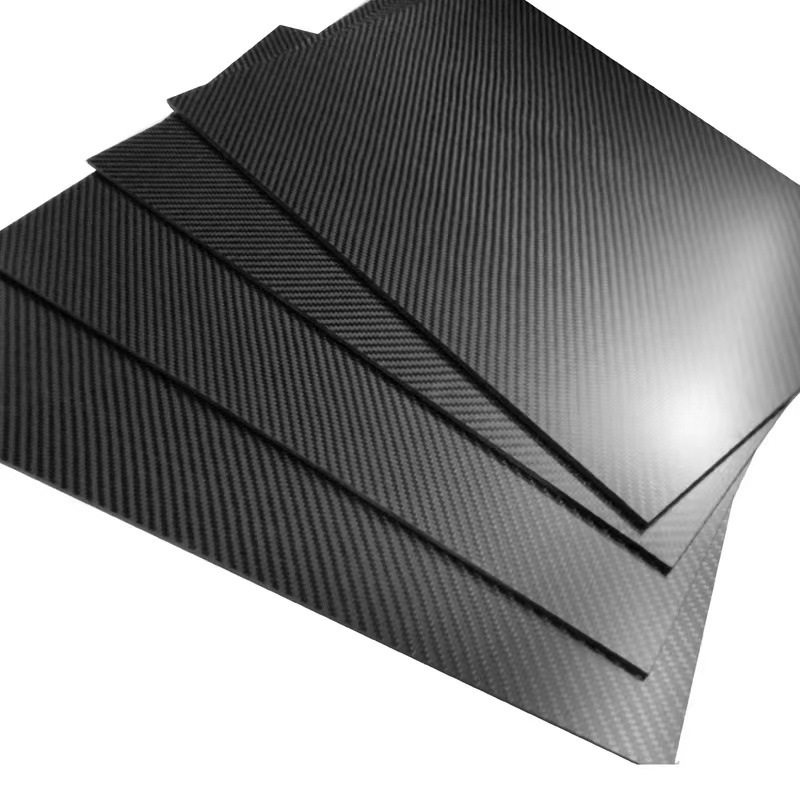 Carbon Fiber vs Glass Fiber Composites
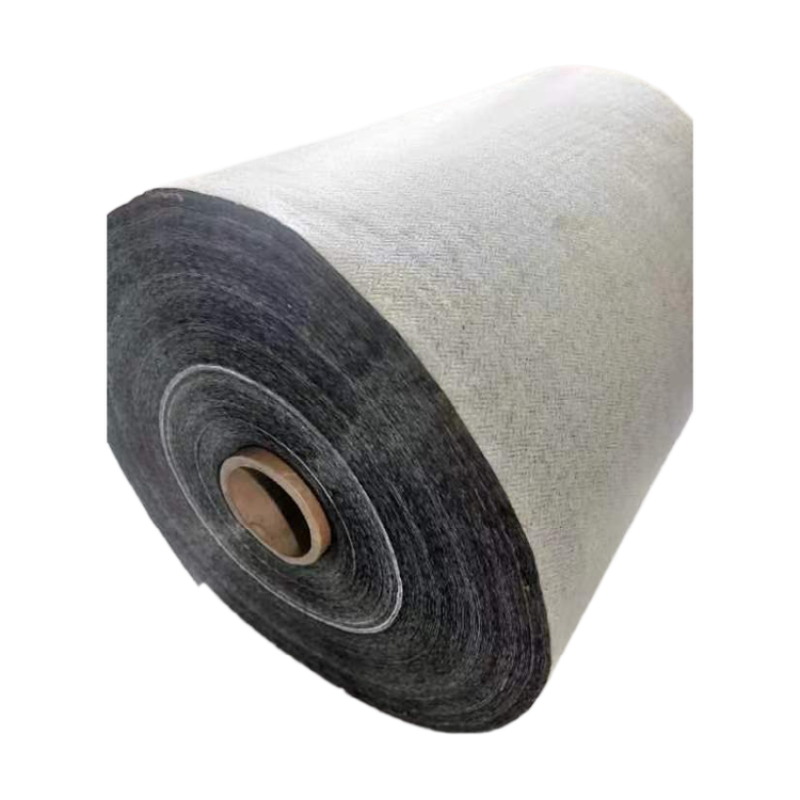 The Influence of Fiber Orientation on the Mechanical Performance of Composite Laminates
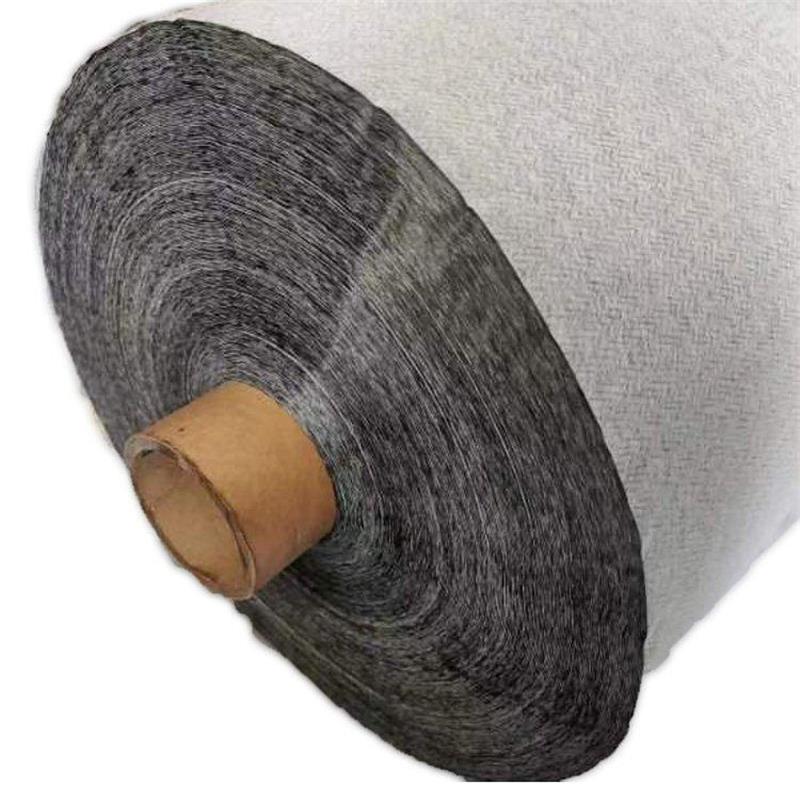 The Multifunctionality of Polymer Composites