
What Is High-Temperature Nylon (PPA)
With engine compartment temperatures in automobiles continuing to rise and the integration of electronic components constantly increasing, traditional engineering plastics often fail under the dual stresses of high temperature and high humidity. High-temperature-resistant nylon (PPA) is the key material developed specifically to address this challenge. It bridges the performance gap between general-purpose nylons (such as PA66) and high-end specialty plastics (such as PEEK), making it the mainstream choice for lightweight connectors, thermal management systems, and structural components. This article will analyze the core value of PPA material from the perspectives of materials science, mechanical design, and the supply chain.
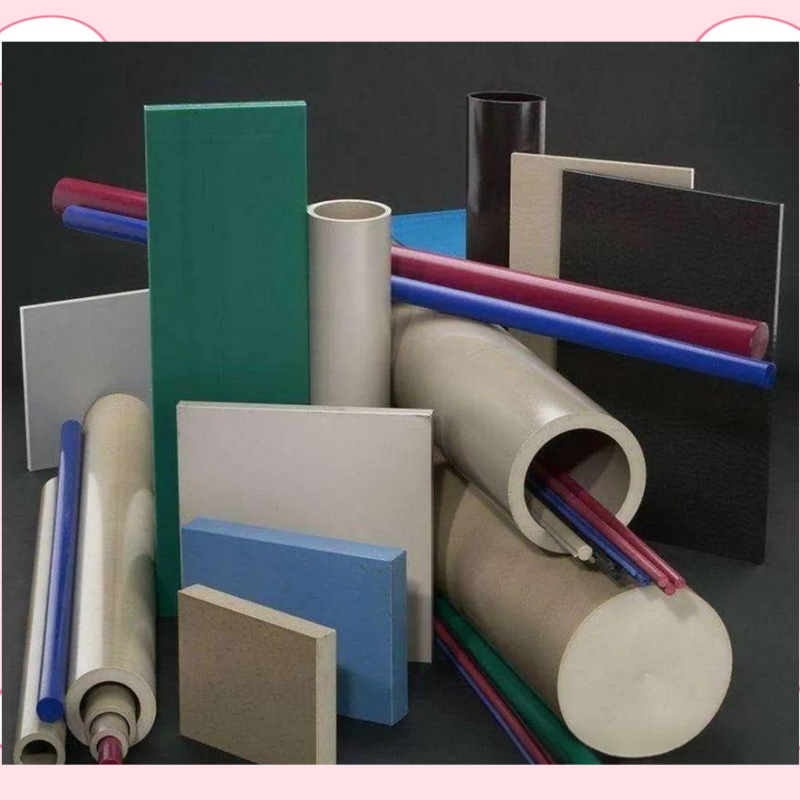
What Is High-Temperature-Resistant Nylon (PPA)?
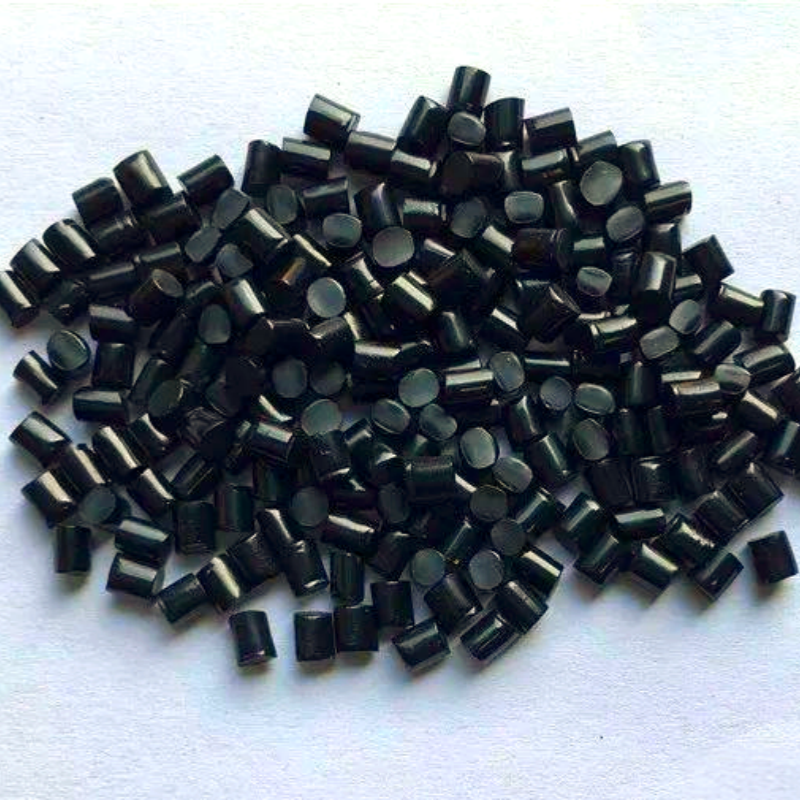
PPA plastic, short for polyphthalamide, is a semi-aromatic polyamide formed through the polycondensation of aromatic dicarboxylic acids (such as terephthalic acid) with aliphatic diamines.
Unlike conventional nylons (PA6/PA66), which rely on aliphatic structures, the benzene ring structure in the PPA molecular chain gives it rigidity and heat resistance far exceeding those of traditional nylons. It is typically used in glass-fiber-reinforced or mineral-filled modified forms, and depending on the specific grade, it exhibits a remarkable balance of thermal, mechanical, and electrical properties. This makes high-temperature-resistant nylon PPA both an ideal substitute for metals and a cost-effective alternative to expensive materials such as PEEK.
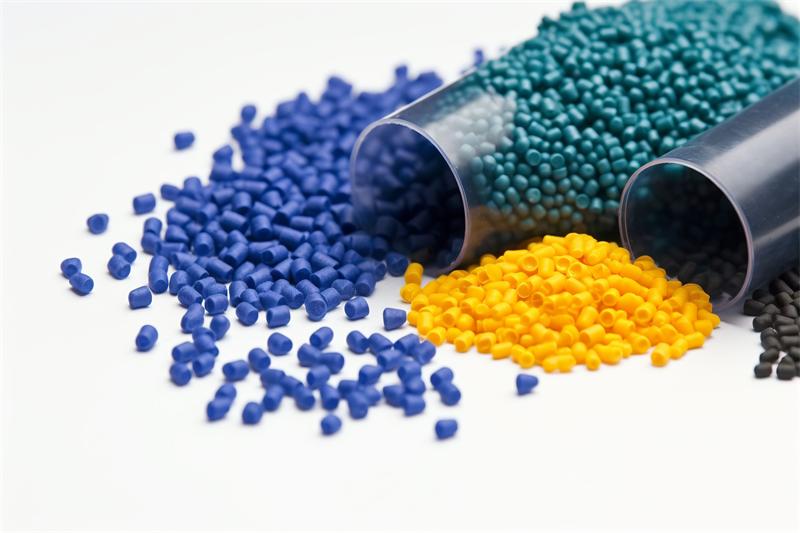
Key Properties of PPA Materials
Thermal Properties
The core advantage of high-temperature-resistant nylon lies in its excellent thermal stability. The PPA heat deflection temperature (HDT) can reach 260°C–290°C under a load of 1.8 MPa; the PPA melting point typically falls within the range of 310°C–325°C; the long-term continuous operating temperature can reach approximately 170°C; and it can even withstand short-term temperatures of up to 290°C during infrared reflow soldering processes. In sustained high-temperature environments above 150°C, its strength and stiffness retention far exceed those of traditional PA66.
Mechanical Properties
Through glass-fiber-reinforced PPA (such as GF30/GF40 grades), its tensile strength can reach 170–220 MPa, with a flexural modulus exceeding 10 GPa, demonstrating extremely high stiffness and creep resistance. Although PPA’s notched impact strength is typically lower than that of PA66 (approximately 9–10.5 kJ/m²), toughened PPA grades offer a better balance of toughness while maintaining rigidity.
Dimensional Stability and Low Moisture Absorption
This is a key indicator that distinguishes PPA from PA66. After 24 hours of immersion in water at 23°C, the PPA water absorption rate is only 0.17%–0.4%, far lower than PA66’s approximately 8.9%. Low moisture absorption means that dimensional changes do not exceed 1% in humid environments, and the PPA glass transition temperature (Tg) remains above 40°C, preventing severe performance degradation caused by water-induced plasticization.
Chemical Resistance
PPA exhibits excellent chemical resistance against automotive fluids (engine oil, transmission fluid, brake fluid), coolants (ethylene glycol aqueous solutions), aliphatic hydrocarbons, and aromatic hydrocarbons, maintaining good performance even when immersed at high temperatures of 150°C. It should be noted that PPA is not resistant to strong acids or strong oxidizing agents and will dissolve in highly polar solvents.
Electrical Properties
PPA offers excellent insulation properties and a high relative tracking index (CTI). Flame-retardant, reinforced PPA meets the UL 94 V-0 rating while maintaining high dielectric strength, making it an ideal insulating material for high-voltage connectors.
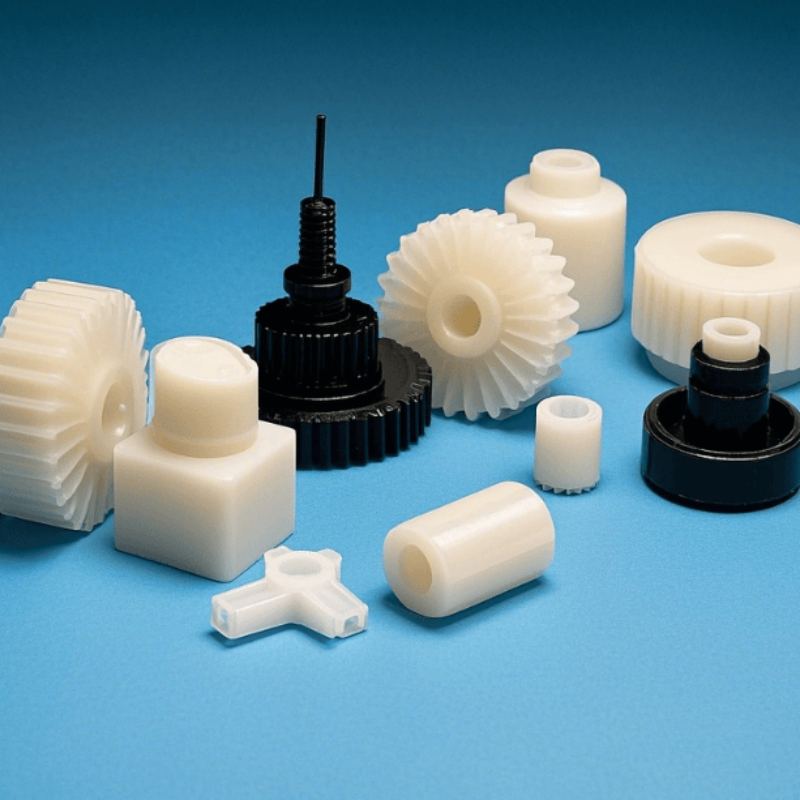
Typical Applications
Thanks to its well-balanced properties, PPA engineering plastic is widely used in numerous demanding applications:
Automotive Industry: Accounts for approximately 80% of total PPA consumption. Used in engine-related components, thermostat housings, throttle bodies, as well as high-voltage connectors, busbar insulation components, and thermal management modules for new energy vehicles, supporting the transition toward lightweighting and electrification.
Electronics and Electrical Equipment: Used in SMT (surface-mount) connectors, circuit breakers, and switchgear. Its high HDT value allows it to withstand the high temperatures of lead-free soldering (reflow soldering), and its low wicking properties make it suitable for thin-walled enclosures.
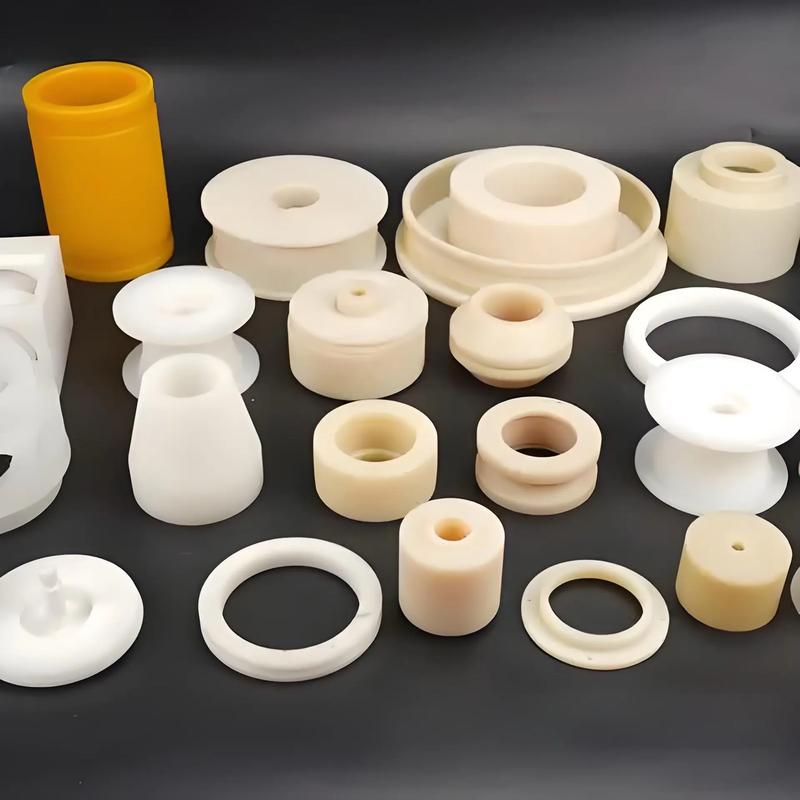
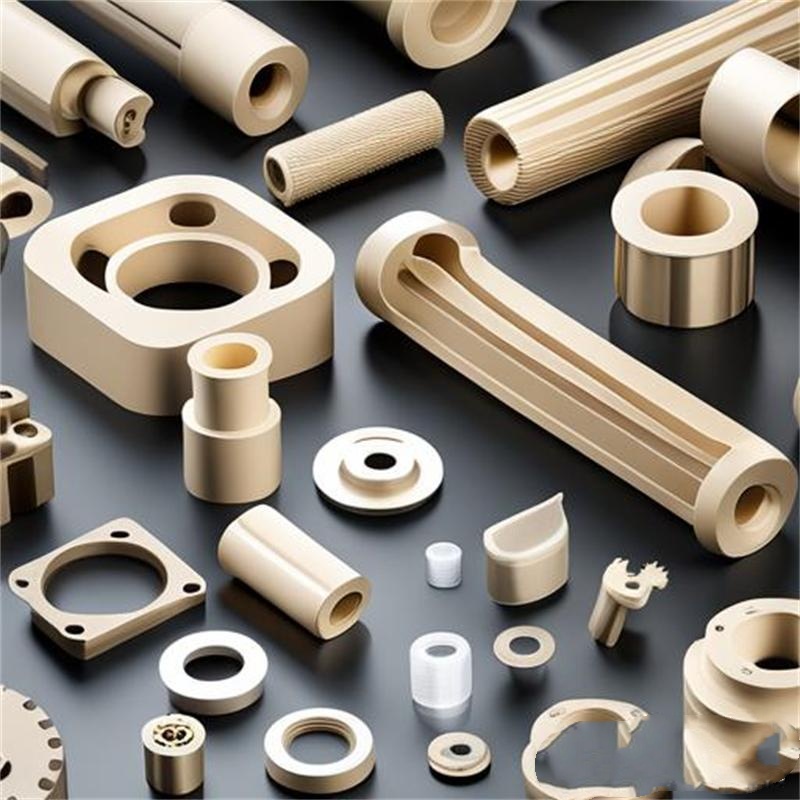
Machinery and Industrial Equipment: Used in lubrication-free bearings, gears, seals, and oilfield components, leveraging its wear resistance, fatigue resistance, and chemical resistance.
Other Applications: Components for food-contact equipment compliant with FDA and EU environmental standards (RoHS/REACH), high-temperature structural parts for aerospace, sporting goods, and more.

Key Advantages
Metal Substitution: Its high rigidity and low density provide an efficient metal-substitution solution for structural components such as automotive front-end modules, enabling weight reduction and cost savings.
Heat Aging Resistance: Maintains mechanical strength over the long term in high-temperature environments exceeding 150°C.
Cost-Effectiveness: In applications where performance requirements fall between those of PA66 and PEEK, PPA is an extremely cost-effective solution.
Dimensional Precision: Extremely low water absorption ensures dimensional accuracy and fit of components in variable environments.
Design Flexibility: Complex structural designs can be achieved through injection molding, and the material offers a high surface gloss, allowing for coloring without the need for painting.
Limitations
Impact Toughness: The toughness of standard glass-fiber-reinforced PPA is inferior to that of unreinforced PA66; careful validation is required for components subjected to severe impact loads.
Processing Requirements: Strict pre-drying to a moisture content below 0.1% is required prior to injection molding, and the mold temperature must be maintained above 135°C to ensure sufficient crystallization.
Weather Resistance: For long-term outdoor applications exposed to extremely high UV radiation, it is still recommended to apply a protective coating or select specific stabilized grades.
Material Comparison: PPA vs. PPS vs. LCP vs. PEEK
When selecting high-temperature engineering plastics, it is crucial to understand the differences between PPA, PPS, LCP, and PEEK.
PPA vs. PPS: PPS is known for its excellent chemical resistance and high-temperature resistance, but pure PPS is brittle and difficult to bond. PPA offers superior toughness compared to PPS, as well as better dimensional stability and surface gloss, making it suitable for structural components requiring high rigidity and an attractive appearance; however, PPS may have an advantage in environments with extreme chemical corrosion.
PPA vs LCP: LCP (liquid crystal polymer) features extremely high flowability, strength, and a very low coefficient of thermal expansion, making it suitable for ultra-thin-walled, high-precision microconnectors. However, LCP exhibits significant anisotropy and has relatively weak weld line strength. In contrast, PPA offers better isotropy during processing and is typically less expensive than LCP, making it suitable for parts that require dimensional accuracy but have moderate wall thicknesses.
PPA vs. PEEK: PEEK is a top-tier high-temperature specialty plastic with superior heat resistance (260°C continuous use) and hydrolytic stability. However, PPA offers far better value for money than PEEK. For applications with operating temperatures between 150°C and 200°C (such as automotive thermal management systems), PPA provides sufficient performance margin while costing only half as much as PEEK—or even less.
Selection Guide
As a purchaser or engineer, consider the following parameters when selecting PPA:
Thermal Performance Verification: Determine the component’s continuous operating temperature and peak short-term temperature. If the component must withstand lead-free reflow soldering, the heat deflection temperature must be ≥260°C.
List of Media in Contact: Identify the media with which the component will come into contact (e.g., coolant, brake fluid). PPA exhibits excellent resistance to ethylene glycol aqueous solutions but is not resistant to concentrated sulfuric acid.
Mechanical Loads: Under sustained high loads, glass-fiber-reinforced grades (e.g., GF30/40) must be selected to suppress creep.
Flame Retardancy and Regulations: For electronic and electrical components, clearly specify whether UL94 V-0 compliance is required; for export products, confirm RoHS and REACH compliance; for food-contact components, confirm FDA and GB4806 certification.
Mold Design and Machining: Although PPA material has low moisture absorption, its injection molding requires high mold temperatures (above 135°C). Communicate injection molding parameters with PPA suppliers early on to avoid strength reduction due to insufficient crystallinity.
FAQ (Common Procurement and Design Questions)
What is high-temperature-resistant nylon (PPA)?
PPA is a semi-aromatic polyamide formed by the polycondensation of aromatic dicarboxylic acids and aliphatic diamines. The incorporation of benzene rings into its main chain significantly enhances the material’s heat resistance, rigidity, and dimensional stability, with performance far exceeding that of conventional PA6/PA66, making it suitable for high-temperature structural components.
Why choose PPA over metal?
In the automotive and electronics industries, PPA has a low density (approximately 1.45 g/cm³), making it more than 50% lighter than metal, which significantly reduces weight and saves energy. At the same time, injection molding enables the integration of complex structures, reduces post-processing costs, and offers resistance to chemical corrosion and rust, making it an ideal lightweight solution.
What is the maximum temperature PPA can withstand?
The typical PPA heat deflection temperature ranges from 260°C to 290°C (1.8 MPa). The long-term operating temperature can reach 150°C to 170°C, and after thermal stabilization modification, it can withstand even higher temperatures, meeting the requirements for engine compartments and SMT reflow soldering processes.
Is PPA resistant to chemical corrosion?
Yes. PPA exhibits excellent resistance to automotive fluids, coolants (ethylene glycol), gasoline, and most organic solvents, remaining stable even at high temperatures. However, it is not resistant to strong acids (such as sulfuric acid) or strong oxidizing agents, and it dissolves in phenolic and cresol-based solvents.
How are PPA parts machined?
Injection molding is the primary forming process. During the prototyping stage, PPA machining can be used. Note: The material’s dimensions may change slightly after absorbing moisture, so machining in a constant temperature and humidity environment is recommended. Use moderate cutting speeds, carbide cutting tools, and ensure adequate cooling.
Where can I purchase PPA materials and custom parts?
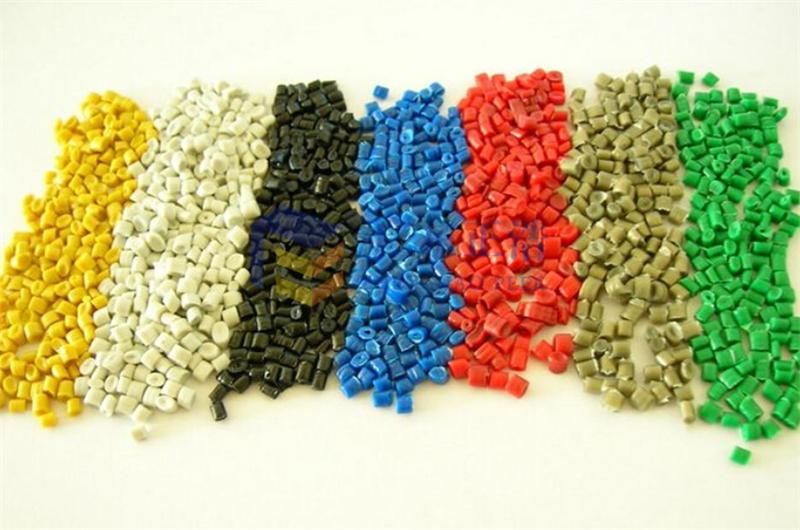
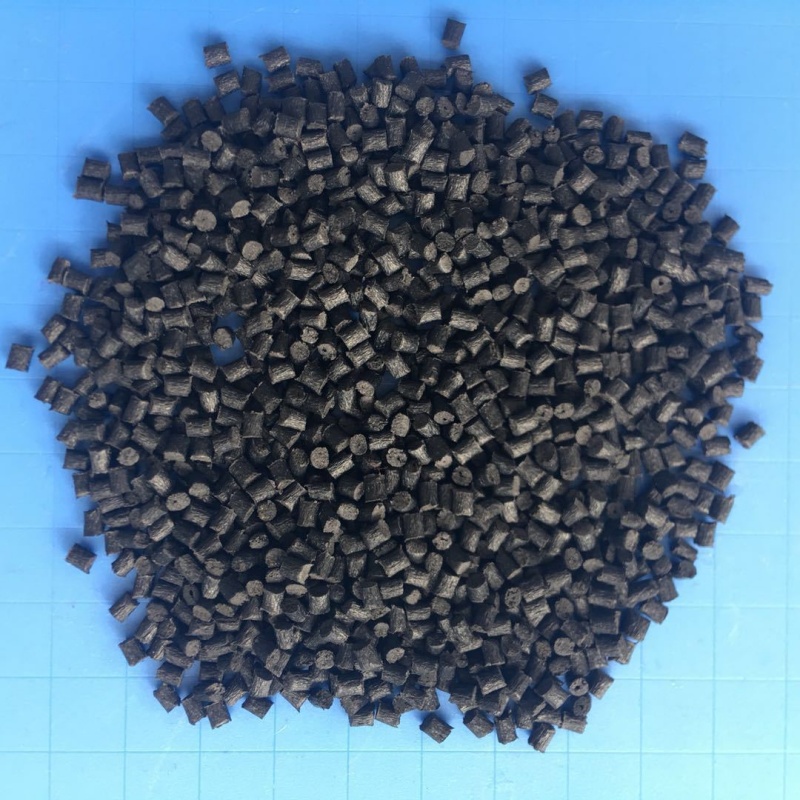
China has a well-established supply chain. In addition to international brands such as Solvay, Chinese manufacturers (such as Suzhou Napan, Suzhou Xuguang, and Water) offer cost-effective modified PPA pellets and OEM/ODM custom processing services. When contacting them, it is recommended to provide operating condition data directly to help match the appropriate grade.
As a key material that bridges the performance gap between PA66 and PEEK, high-temperature-resistant nylon (PPA)—with its excellent thermal stability, high strength, extremely low moisture absorption, and outstanding chemical resistance—has become a core solution for automotive electrification, the miniaturization of electronic connectors, and the lightweighting of industrial equipment. PPA is not a one-size-fits-all solution, but within the “golden temperature range” of 150°C–200°C, it offers an irreplaceable cost-performance advantage. When making material selection decisions, comprehensively considering the differences between PPA, PPS, and LCP—along with certification and processing requirements—will help your project achieve the optimal balance between performance and cost. If you need sample testing or technical support, we recommend contacting a specialized PPA manufacturer with polymer modification capabilities directly.
 Thermoplastic vs Thermoset Composites
 Carbon Fiber vs Glass Fiber Composites
 The Influence of Fiber Orientation on the Mechanical Performance of Composite Laminates
 The Multifunctionality of Polymer Composites