
What Is Polysulfone (PSF)
In demanding applications that require a balance of high-temperature resistance, dimensional stability, and steam sterilizability, polysulfone (PSF) is often one of the materials of choice for engineers. As a key member of the specialty engineering plastics family, polysulfone has played an irreplaceable role in the medical device, electronics, and aerospace industries since its industrialization. For procurement professionals and R&D personnel, understanding what polysulfone (PSF) is and how to leverage its performance advantages is the crucial first step toward successful material selection.
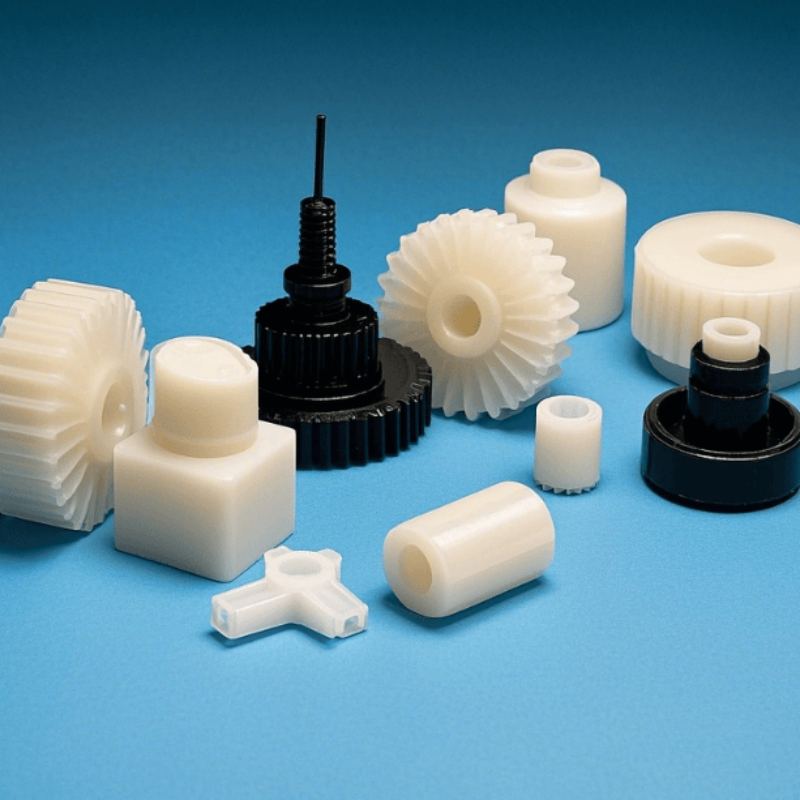
What Is Polysulfone (PSF)?
Polysulfone (PSF) is an amorphous thermoplastic resin whose main molecular chain contains sulfone (-SO₂-) and subaryl groups. The most common type on the market is bisphenol A-based polysulfone, which is characterized by its distinctive amber-colored, translucent appearance.
This material has earned its place among high-performance engineering plastics due to its molecular structure, which combines both rigidity and flexibility. The diphenylsulfone groups in the main chain provide rigidity and heat resistance, while the ether and isopropyl groups impart a certain degree of flexibility to the molecular chains, resulting in good processing flowability. Simply put, polysulfone (PSF) bridges the performance gap between general-purpose engineering plastics (such as PC) and higher-end specialty plastics (such as PEEK), excelling particularly in hydrolytic resistance and dimensional stability.
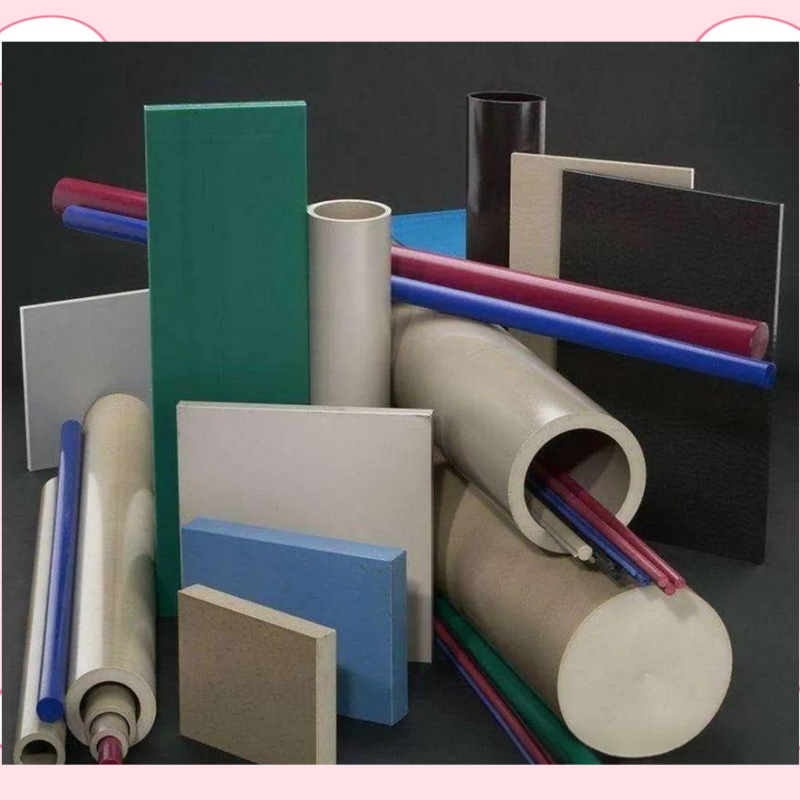
Core Characteristics of Polysulfone (PSF)
Mechanical Properties and Dimensional Stability
The most notable mechanical advantage of polysulfone (PSF) is its excellent creep resistance. At room temperature and under a stress of 20.7 MPa, its creep (strain) is only 1% after 10,000 hours. This means that under long-term loading, PSF products can maintain extremely high dimensional stability, with tensile strength typically exceeding 70 MPa.
Thermal Properties
As an amorphous plastic, polysulfone (PSF) has a long-term service temperature range of 150°C to 160°C, can withstand short-term temperatures of up to approximately 190°C, and has a heat deflection temperature of about 174°C. Its glass transition temperature (Tg) reaches as high as 190°C, and it retains good performance even at low temperatures of -100°C.
Chemical Resistance and Hydrolytic Stability
Polysulfone (PSF) exhibits good resistance to inorganic acids, alkalis, salt solutions, aliphatic hydrocarbons, and alcohols. One of its key advantages is its excellent hydrolytic stability; even under repeated high-temperature steam sterilization, its molecular chains do not degrade easily, which is a major reason for its dominance in the medical device industry.
Electrical Properties and Flame Retardancy
Across a wide range of temperatures and frequencies, polysulfone (PSF) maintains a stable low dielectric constant and high dielectric strength. It achieves the UL94 V-0 flame retardancy rating without the addition of flame retardants and produces low smoke emissions during combustion, making it extremely safe for use in electronic and electrical applications.
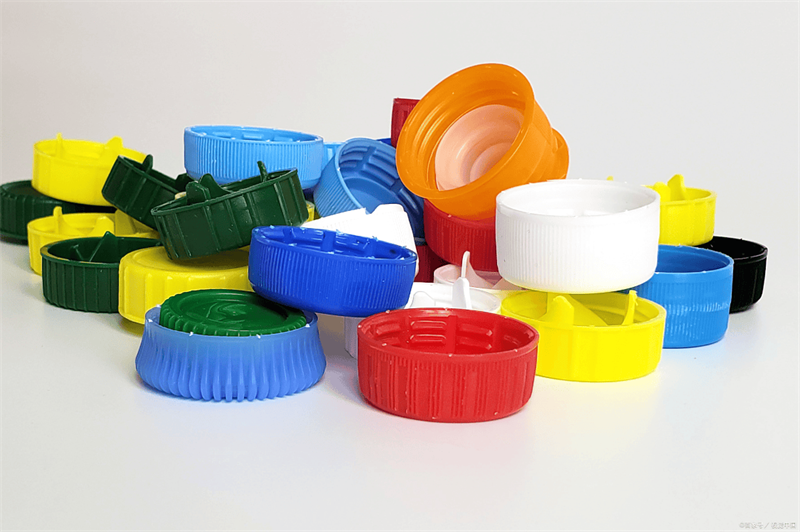
Limitations
When selecting polysulfone (PSF), its shortcomings must be weighed: First, it is an amorphous material with poor UV resistance and weather resistance; second, it has poor fatigue strength and is not suitable for dynamic, alternating loads; third, it must be thoroughly dried to a moisture content below 0.05% prior to processing, and its high melt viscosity places high demands on the injection molding process.
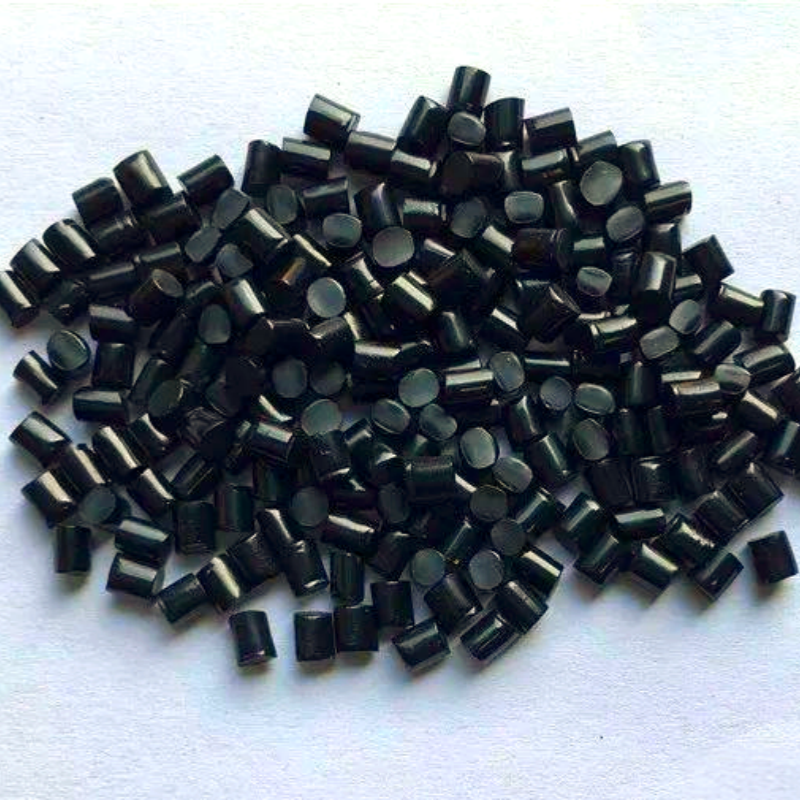
Major Application Areas of Polysulfone (PSF)
– Medical Devices and Food Processing Equipment: This is the core application area for polysulfone (PSF). Due to its ability to withstand repeated high-temperature steam sterilization, its transparency, and dimensional stability, it is widely used in surgical trays, dental instruments, heart valve components, and respiratory equipment. Additionally, it complies with FDA and EU food contact regulations and is commonly used in food processing equipment and dairy product piping.
– Electronics and Electrical: Leveraging its UL 94 V-0 flame retardant rating and stable electrical properties, PSF is used to manufacture printed circuit boards, coil forms, switches, and capacitor films.
– Water Treatment and Chemical Processing: Polysulfone (PSF) is a key raw material for manufacturing high-end nanofiltration and ultrafiltration membranes, used in municipal drinking water treatment and industrial zero-liquid-discharge systems.

Selection Guide: How to Choose Polysulfone (PSF)
When selecting polysulfone (PSF), buyers and engineers should focus on verifying the following parameters and compliance requirements:
Operating Temperature: Confirm whether the continuous service temperature (typically 150–160°C) meets the operating conditions.
Compliance Certifications: Determine whether the project requires FDA food-grade certification, USP Class VI medical-grade biocompatibility certification, or RoHS and REACH environmental compliance.
Chemical Resistance: PSF is not resistant to concentrated sulfuric acid, concentrated nitric acid, halogenated hydrocarbons, or ketone solvents; exposure to these media must be strictly avoided.
Processing Methods: If precision injection-molded parts are required, PSF’s excellent dimensional stability is a significant advantage; however, it is essential to ensure that the supplier has a proven PSF processing workflow, including rigorous pre-drying and high-temperature mold control.
Procurement Recommendations
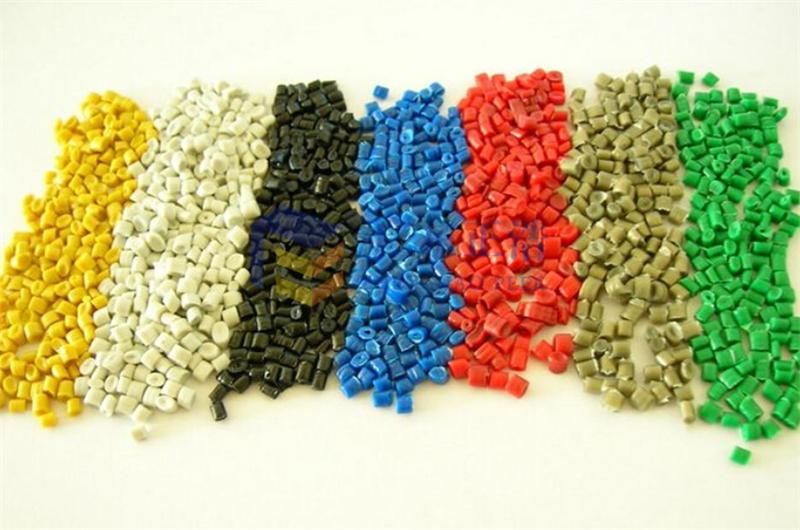
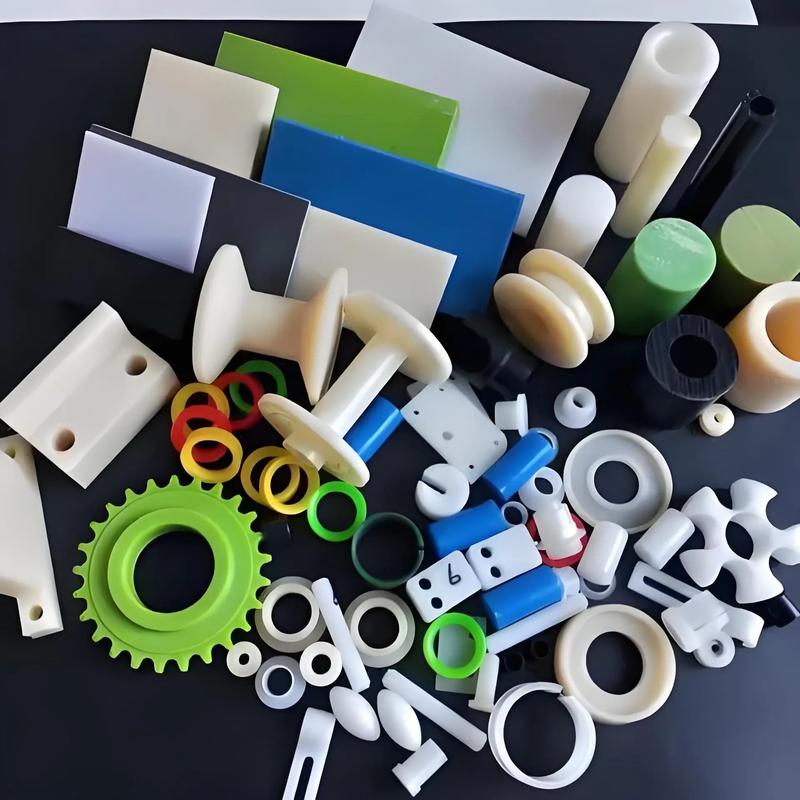
– Supplier Selection: The Chinese polysulfone market features both imported brands (such as BASF and Solvay) and high-quality domestic suppliers (such as Dalian Polysulfone Plastics), with a production capacity of approximately 200 metric tons per year. Specialized OEM manufacturers (such as Guangzhou Aote) can provide various machined or injection-molded parts.
– Quality Control: Be sure to confirm that the supplier provides a complete physical properties table and verify that they have experience processing high-viscosity melts.
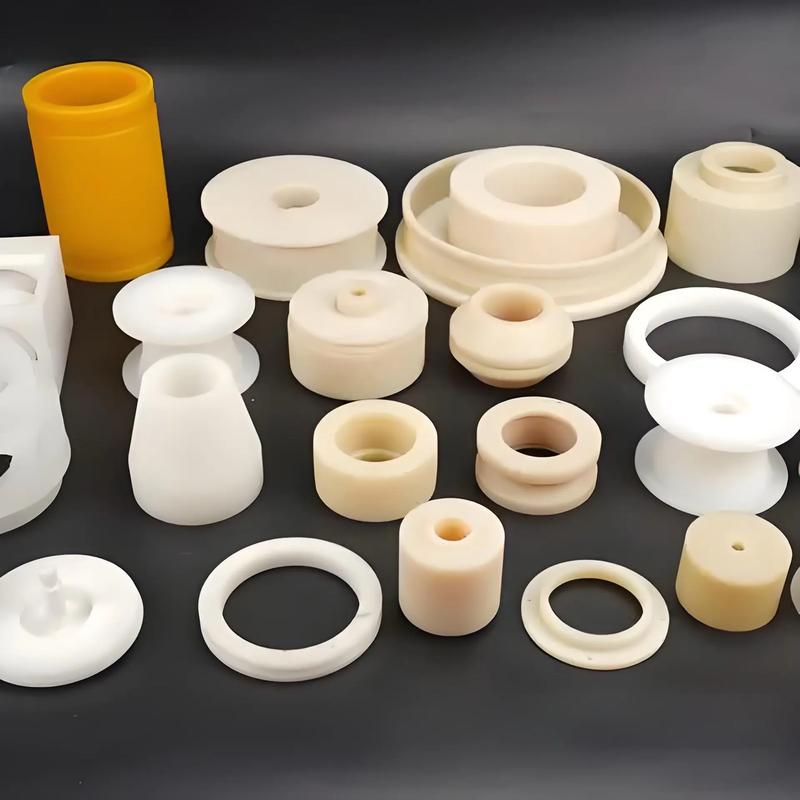
In summary, what is polysulfone (PSF)? It is a “jack-of-all-trades” material that combines high-temperature resistance, transparency, excellent dimensional stability, and outstanding hydrolytic resistance. While it is not the most expensive specialty plastic, polysulfone (PSF) often offers the best overall performance-to-cost ratio for medical devices requiring repeated steam sterilization or for electronic and electrical components that demand dimensional precision.
FAQ
What is Polysulfone (PSF)?
Polysulfone (PSF) is a high-performance, amorphous engineering thermoplastic known for its transparency, excellent thermal stability, and outstanding resistance to hydrolysis and creep. Its molecular structure contains sulfone groups, which provide rigidity and high-temperature performance.
What temperature can Polysulfone withstand?
PSF can withstand continuous service temperatures up to 150°C to 160°C, with short-term exposure up to 190°C. Its heat deflection temperature (HDT) is approximately 174°C, and it remains tough at temperatures as low as -100°C.
Is Polysulfone chemically resistant?
Yes, PSF exhibits excellent resistance to acids, bases, aqueous solutions, aliphatic hydrocarbons, and alcohols. However, it is not recommended for use with strong oxidizing acids, concentrated sulfuric/nitric acid, aromatic hydrocarbons, or ketones.
Can Polysulfone replace metal?
In specific applications like medical sterilization trays, surgical instruments, and food processing equipment, PSF successfully replaces stainless steel. It offers a combination of transparency, lighter weight, design flexibility, and the ability to withstand repeated steam sterilization.
Is Polysulfone FDA and medical grade compliant?
Yes, standard PSF grades comply with FDA regulations for food contact (21 CFR 177.1655) and meet USP Class VI biological reactivity standards, making it suitable for medical devices and food processing equipment.
How to machine or process Polysulfone?
PSF can be processed via injection molding, extrusion, and blow molding. Due to its hygroscopic nature, resin must be thoroughly dried to below 0.05% moisture before processing. A high mold temperature (100-140°C) is often required to minimize internal stress in finished parts.
 Thermoplastic vs Thermoset Composites
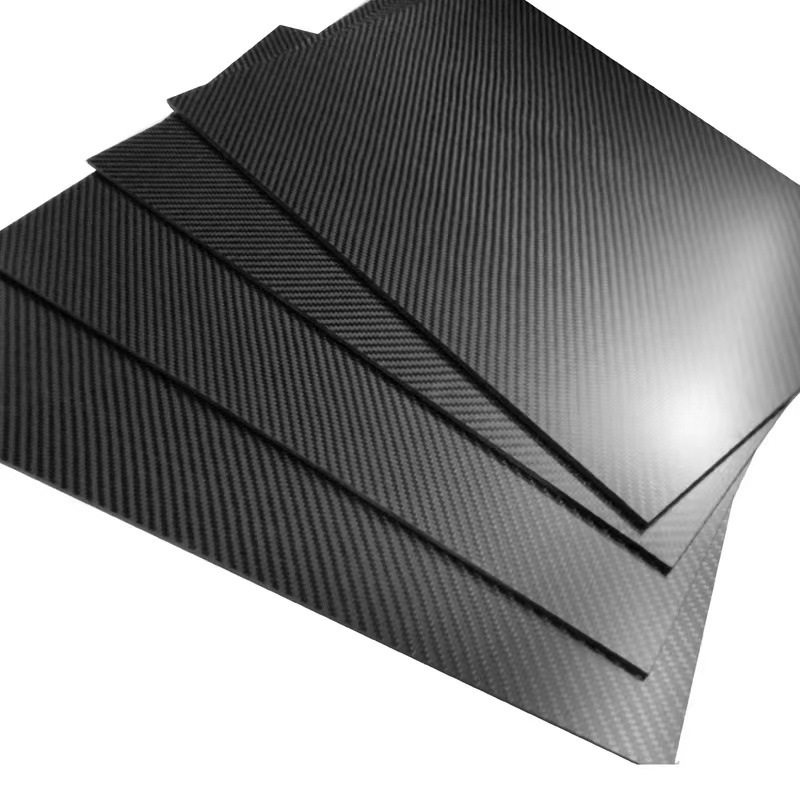 Carbon Fiber vs Glass Fiber Composites
 The Influence of Fiber Orientation on the Mechanical Performance of Composite Laminates
 The Multifunctionality of Polymer Composites