
Liquid Crystal Polymer (LCP): Properties & Applications
With the ongoing miniaturization of electronic devices and the rapid development of 5G communications, materials engineers and procurement professionals face a common challenge: finding a material that can withstand extreme temperatures, remain stable under high-frequency signals, and be molded into thin-walled precision components.
What is Liquid Crystal Polymer (LCP)? It is a specialty engineering plastic that combines the fluidity of a liquid with the ordered structure of a solid crystal. Thanks to its unique molecular arrangement, it delivers outstanding comprehensive performance in thermal, electrical, mechanical, and chemical properties, making it an indispensable choice for high-end manufacturing.
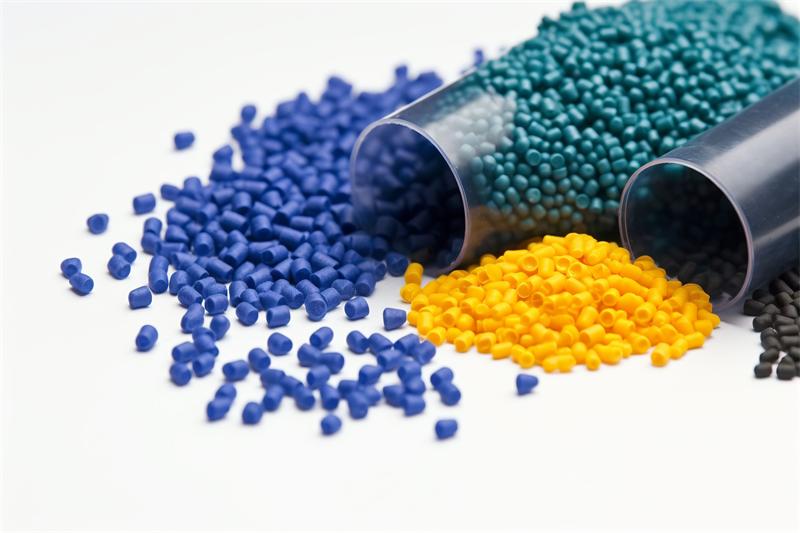
What Is Liquid Crystal Polymer (LCP)?
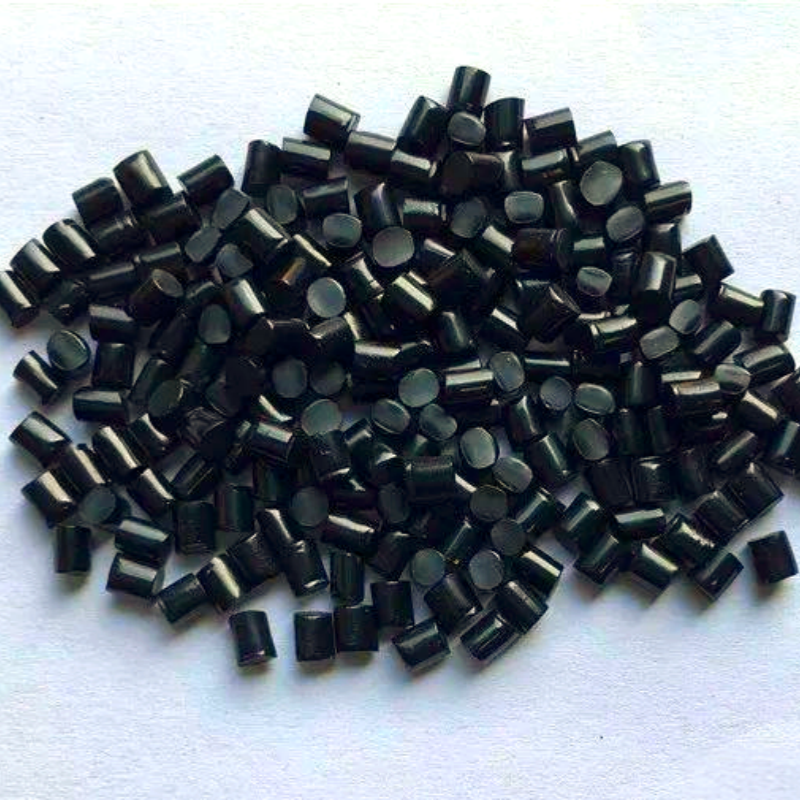
What is a liquid crystal polymer (LCP)? At the molecular level, it is an aromatic polyester composed of rigid, rod-like polymer chains. In the molten state, these molecules do not entangle randomly but maintain a certain degree of ordered alignment, forming a “liquid crystal state”—one that flows like a liquid while possessing the anisotropy of a crystal.
This unique molecular structure gives LCP its distinctive properties. Based on how the liquid crystal state is formed, LCPs are primarily divided into two categories: solution-induced liquid crystal polymers (LLCP), which require a solution to form the liquid crystal state and are mainly used to produce high-strength fibers; and thermo-induced liquid crystal polymers (TLCP), which form the liquid crystal state through heating and melting and are suitable for thermoplastic processing such as injection molding and extrusion—they are currently the mainstream choice for commercial applications.
Key Properties
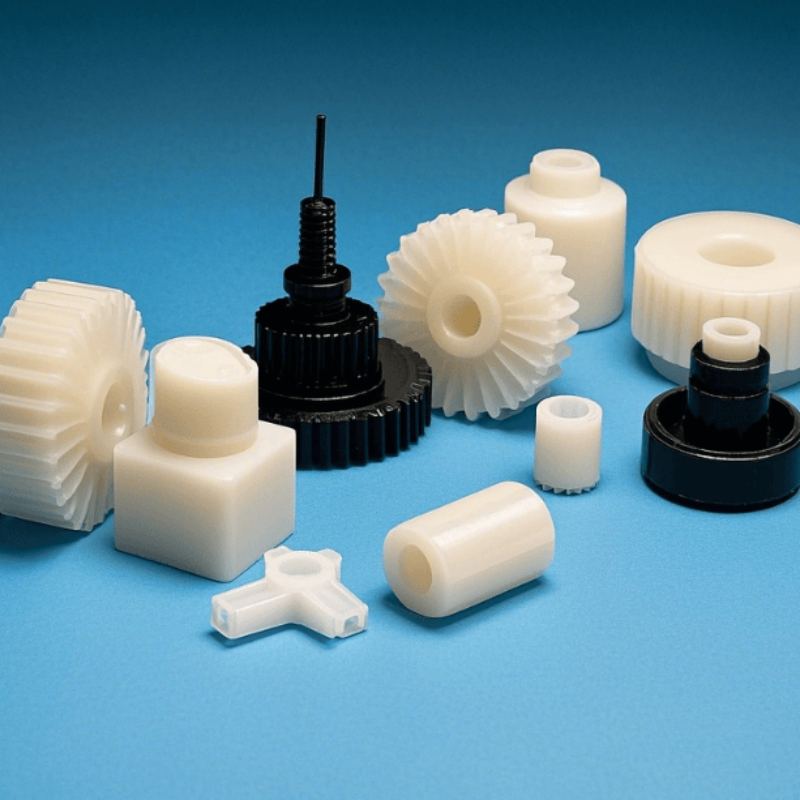
Understanding what liquid crystal polymers (LCPs) are hinges on grasping their key performance parameters:
Thermal Properties: The heat deflection temperature (HDT) of LCPs typically reaches 230–240°C; some grades can operate continuously at 260°C and withstand short-term temperatures as high as 340°C.
Mechanical Properties: Tensile strength can reach 140–182 MPa, and flexural modulus can reach 9–12 GPa, providing excellent rigidity and strength.
Chemical Resistance: LCP exhibits excellent resistance to most acids, alkalis, organic solvents, and boiling water, and can withstand stress cracking even at high temperatures.
Electrical Properties: A low dielectric constant (2.9 @ 10 GHz) and low dielectric loss (0.0025 @ 10 GHz) make it an ideal material for high-frequency signal transmission.
Dimensional Stability: The coefficient of thermal expansion (CTE) is extremely low (approximately 10×10⁻⁶/°C), comparable to that of copper, and it has low molding shrinkage, making it suitable for precision component molding.
Flame Retardancy: LCP possesses inherent flame retardancy and achieves UL94 V-0 rating without the need for added flame retardants.
Major Application Areas
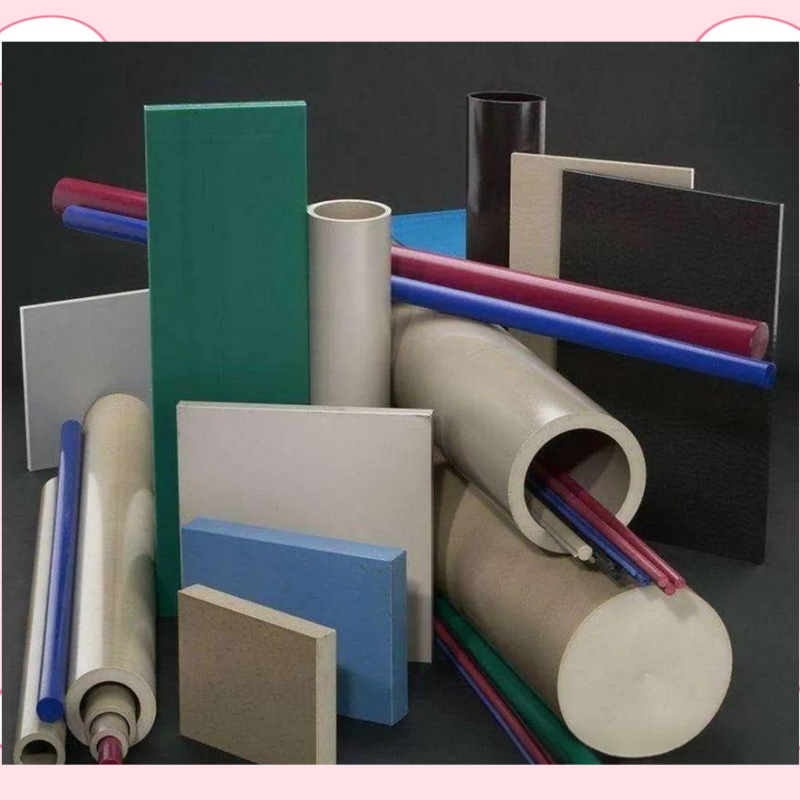
Thanks to the outstanding properties described above, What Is Liquid Crystal Polymer (LCP)? is widely used in the following high-end fields:
Electronics and Electrical Applications: LCP serves as a core material for 5G communication base station antenna elements, high-speed connectors, and flexible copper-clad laminates (FCCL). Its low dielectric loss and thin-wall molding capabilities meet the demands of high-frequency signal transmission and miniaturization.
Automotive Industry: Used in ignition coil cores, sensor housings, electric vehicle connectors, and other applications, LCP maintains dimensional stability in high-temperature engine compartments.
Medical Devices: LCP is used in reusable, sterilizable surgical instruments, dental tools, and implant housings, among others, and retains its performance after sterilization via steam, ethylene oxide, or gamma rays.
Aerospace and Defense: LCP is used in radar antenna radomes, lightweight structural components, and ballistic-resistant materials, where its specific strength and low coefficient of thermal expansion are key advantages.
Industrial Equipment: Pump housings, valve bushings, and chemical processing equipment components, thanks to its excellent chemical resistance.

Core Advantages
Ultra-thin-wall Molding Capability: Extremely low melt viscosity and excellent flowability enable the molding of complex parts with wall thicknesses less than 1 mm.
Outstanding Dimensional Accuracy: Low coefficient of thermal expansion and minimal molding shrinkage meet precision tolerance requirements.
Intrinsic Flame Retardancy: Achieves V-0 rating without the need for added flame retardants, meeting environmental and safety requirements.
Excellent Dielectric Properties: Extremely low dielectric constant and loss at high frequencies, making it an ideal material for the 5G era.
Outstanding Chemical Resistance: Resists the vast majority of chemicals, including strong acids, strong alkalis, and organic solvents.
Fast Molding Cycle: Rapid solidification after melting significantly shortens injection molding cycles and improves production efficiency.
Limitations
Anisotropy: Molecular orientation leads to significant performance differences between the flow direction and the perpendicular direction, which must be controlled through mold design.
Low Weld Line Strength: Weld lines are weak points that may affect the overall strength of the part.
Higher Cost: As a specialty engineering plastic, the raw material cost is higher than that of general-purpose engineering plastics such as PA and POM.
Moderate Impact Resistance: The notched cantilever beam impact strength is only 3–5 J/m, and its toughness is lower than that of PEEK.
Material Comparison: LCP vs. PPS vs. PEEK
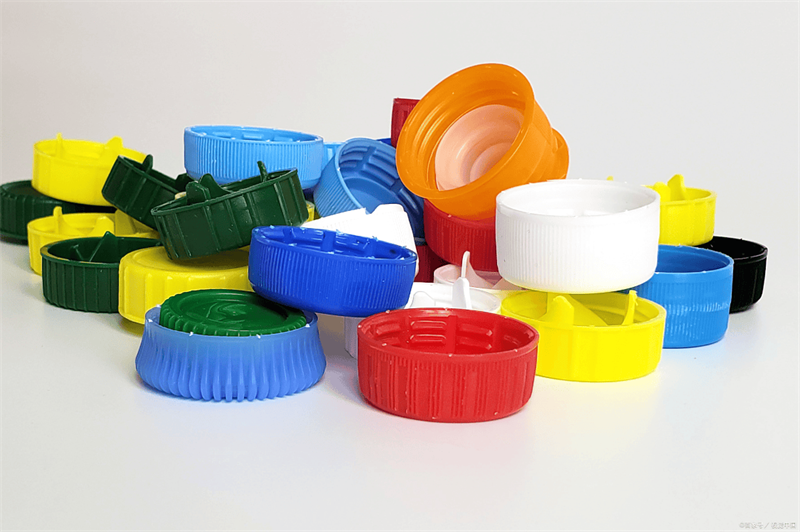
When discussing what liquid crystal polymer (LCP) is, comparing it with PPS and PEEK better highlights its positioning:
LCP vs. PPS: Both have V-0 flame retardancy and excellent chemical resistance, but LCP’s flowability far exceeds that of PPS, making it more suitable for thin-walled precision electronic components. However, PPS is typically less expensive and offers better cost-effectiveness in non-thin-walled applications.
LCP vs. PEEK: PEEK is renowned for its extreme heat resistance (260°C for long-term use) and excellent toughness, making it suitable for demanding applications such as aerospace and medical implants. LCP, on the other hand, has the edge in high-frequency electrical performance and thin-wall molding. If comprehensive mechanical properties are sought and the budget allows, PEEK is the preferred choice; if the focus is on miniaturized electronic components with extremely high dielectric performance requirements, LCP is the wiser choice.
Selection Guide
When evaluating what liquid crystal polymer (LCP) is, engineers and procurement professionals are advised to follow these steps:
Define Temperature Requirements: LCP is an ideal candidate when the continuous operating temperature exceeds 200°C.
Evaluate Wall Thickness and Structure: If the part has a wall thickness of less than 1 mm and a complex structure, LCP’s excellent flow properties make it the preferred choice.
Confirm Electrical Performance Requirements: For high-frequency signal transmission applications, focus on LCP’s low dielectric constant and loss.
Consider Environmental Exposure: LCP is suitable for environments requiring resistance to various chemicals and dimensional stability.
Pay Attention to Certifications: Select the appropriate grade based on requirements for medical devices (USP Class VI), food contact (FDA), environmental protection (RoHS/REACH), and flame retardancy (UL94).
Frequently Asked Questions (FAQ)
What is Liquid Crystal Polymer (LCP)?
What is Liquid Crystal Polymer (LCP)? It is a high-performance thermoplastic polyester whose molecules maintain an ordered arrangement in the molten state, combining the fluidity of a liquid with the anisotropy of a solid crystal, and offering exceptional heat resistance, mechanical properties, and electrical performance.
Why is LCP suitable for 5G communications?
LCP has an extremely low dielectric constant and dielectric loss at high frequencies, effectively reducing signal transmission loss and delay. At the same time, its low moisture absorption ensures stable performance in harsh environments, making it an ideal substrate for millimeter-wave antennas.
Can LCP replace metal?
Yes. In fields such as electronic connectors and automotive sensors, LCP is lighter than metal, offers greater design flexibility, and requires no secondary processing, resulting in a more cost-effective solution overall.
How does LCP fare in terms of chemical resistance?
LCP is resistant to the vast majority of chemicals, including strong acids, strong alkalis, ketones, and boiling water. However, concentrated sulfuric acid and boiling caustic alkalis at high temperatures can cause corrosion.
What is the maximum temperature LCP can withstand?
LCP has a heat deflection temperature of 230–240°C, can withstand short-term temperatures up to 340°C, and can be used continuously at 260°C.
How is LCP processed?
LCP is suitable for injection molding, extrusion, and blow molding processes. For injection molding, a mold temperature of 100–130°C and a barrel temperature of 310–350°C are recommended, and the gate location should be optimized to control the weld line.
Where can LCP materials be purchased?
LCP can be sourced from global chemical companies such as Celanese, Polyplastics, Sumitomo Chemical, and Solvay, as well as domestic suppliers like Kingfa Science & Technology and Jujia New Materials. It is recommended to select a supplier based on volume requirements and certification needs.
What is Liquid Crystal Polymer (LCP)? It is a key material in modern precision manufacturing and serves as a bridge between “electronics” and “high-frequency” applications. When a project requires ultra-thin wall thickness, extreme heat resistance, exceptional electrical properties, and precise dimensions, LCP demonstrates unparalleled advantages. Although limitations such as anisotropy and high cost exist, these challenges can be effectively managed through carefully designed molds and processes. For engineers and procurement professionals seeking to break through performance bottlenecks, liquid crystal polymer (LCP) is a high-performance solution worthy of close attention.
 Thermoplastic vs Thermoset Composites
 Carbon Fiber vs Glass Fiber Composites
 The Influence of Fiber Orientation on the Mechanical Performance of Composite Laminates
 The Multifunctionality of Polymer Composites