
Why Advanced Materials Are Critical to the Energy Transition
The global energy transition—the shift from fossil fuel-based systems to low-carbon, renewable energy infrastructure—represents one of the most significant engineering challenges of the 21st century. This transformation is not primarily an energy generation problem; it is fundamentally a materials problem.
The scale of this challenge demands a new generation of materials capable of operating under extreme conditions, storing energy with unprecedented efficiency, and enabling manufacturing processes that do not compromise the environmental benefits they seek to deliver. Advanced materials—including composites, nanomaterials, and engineered functional materials—serve as the enabling platform for every pillar of the energy transition: renewable energy generation, energy storage, transmission and distribution, and end-use efficiency.
What Are Advanced Materials in the Context of Energy?
Advanced materials refer to substances engineered at the molecular, nanoscale, or macroscale level to achieve properties not found in conventional materials . In the energy sector, these materials are characterized by:
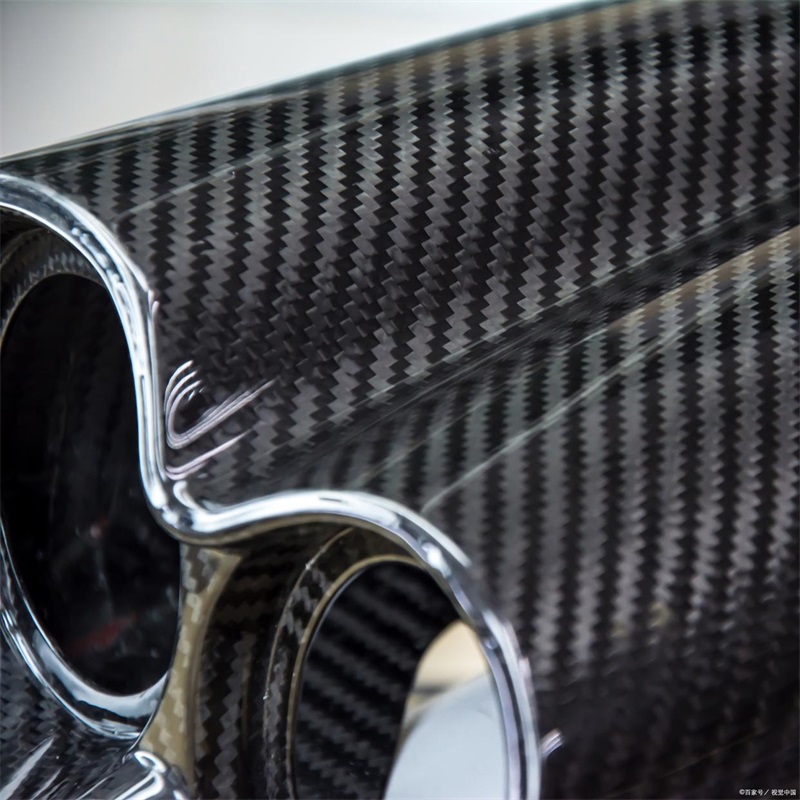
– High specific strength and stiffness: Enabling lightweight structures for wind turbine blades, vehicle bodies, and aerospace components
– Exceptional thermal stability: Allowing operation at elevated temperatures in energy conversion systems
– Controlled electrical and ionic conductivity: Essential for batteries, fuel cells, and electronic devices
– Chemical resistance and durability: Ensuring long service life in aggressive environments
– Tunable surface properties: Enabling catalysis, sensing, and separation functions
Unlike commodity materials that serve general purposes, advanced materials are specifically designed for demanding applications where conventional materials fail to meet performance requirements .
Why Advanced Materials Are Critical: A Framework
1. Enabling Renewable Energy Generation
Renewable energy technologies impose constraints that conventional materials cannot satisfy.
Wind Energy: Modern wind turbines are scaling to unprecedented sizes to capture more energy at lower wind speeds. Rotor blades exceeding 100 meters in length require materials with exceptional strength-to-weight ratios. Glass fiber reinforced polymer (GFRP) composites and carbon fiber reinforced polymer (CFRP) composites have become essential . Hybrid glass–carbon composite designs allow blades to achieve the necessary stiffness distribution while remaining transportable on road networks—a critical engineering consideration for inland wind farms .
Thermoplastic composites are emerging as a significant development in this sector. Unlike traditional thermoset composites, thermoplastics offer weldability, recyclability, and flexibility in manufacturing. These characteristics are particularly valuable for the large-scale production of wind turbine blades, where manufacturing efficiency and end-of-life recyclability are becoming increasingly important .
Solar Energy: Perovskite solar cells represent one of the most promising developments in photovoltaics, with laboratory efficiencies rivaling and sometimes exceeding conventional silicon cells. However, perovskite materials face critical challenges: sensitivity to heat, moisture, and light; limited operational lifespan; and the toxicity of lead used in their composition .
Efforts to substitute lead with tin, germanium, antimony, or bismuth have encountered significant obstacles—reduced efficiency, toxic properties, and critical raw material status under EU regulations . This illustrates a fundamental tension in the energy transition: materials that enable high performance often carry environmental or supply chain risks that must be carefully managed.
2. Addressing the Energy Storage Bottleneck
Energy storage is widely recognized as the most significant technical barrier to renewable energy adoption. The intermittency of solar and wind power requires storage systems capable of capturing excess energy and releasing it as needed .
Battery Technologies: Advanced materials are transforming electrochemical storage. Solid-state batteries, which replace liquid electrolytes with solid conductors, offer inherent safety advantages and the potential for higher energy density . The elimination of flammable liquid electrolytes addresses the safety concerns associated with conventional lithium-ion systems .
However, solid-state batteries face their own challenges: poor solid-solid contact, slow ionic transport, electrode volume changes during cycling, and high manufacturing costs . These issues highlight the critical role of materials engineering in overcoming practical deployment barriers.
Hydrogen Storage: Hydrogen holds immense promise as a clean energy carrier, but storage remains a fundamental challenge. Conventional hydrogen storage requires either high-pressure compression (up to 700 atmospheres) or cryogenic liquefaction at −253°C—both energy-intensive and operationally complex .
Recent innovations in hydride ion batteries offer a potential solution. Researchers have developed the first gas-solid hydride ion prototype battery that uses magnesium metal and hydrogen gas as electrodes . During discharge, hydrogen gas converts to hydride ions while the metal oxidizes to magnesium hydride; the process reverses during charging. This battery operates at ambient temperature and pressure, achieving an energy efficiency of 93.9%—approximately one-third higher than conventional thermal hydrogen storage methods .
The battery demonstrated an initial discharge capacity of 1,526 mAh/g and maintained over 70% capacity after 60 cycles, operating across a temperature range from −20°C to 90°C . While still at the prototype stage, this technology demonstrates how advanced materials can fundamentally change energy storage economics and practicality.
3. Enabling Sustainable Manufacturing and Circularity
The environmental benefits of renewable energy systems must be considered alongside the environmental costs of manufacturing, deploying, and eventually decommissioning these systems.
Advanced materials enable manufacturing processes that consume less energy and produce fewer emissions. However, the production of some advanced materials is itself energy-intensive. Aerogels, for example, are produced through the sol-gel process, which requires drying under extreme conditions and often involves hydrophobic agents containing chlorine .
Recyclability is becoming a central consideration. Thermoplastic composites, unlike thermoset alternatives, can be welded and recycled, offering a pathway to circular economy principles in wind turbine blade manufacturing . This is particularly significant given that thousands of turbine blades will reach end-of-life in the coming decades.
Advanced Materials and Their Energy Applications
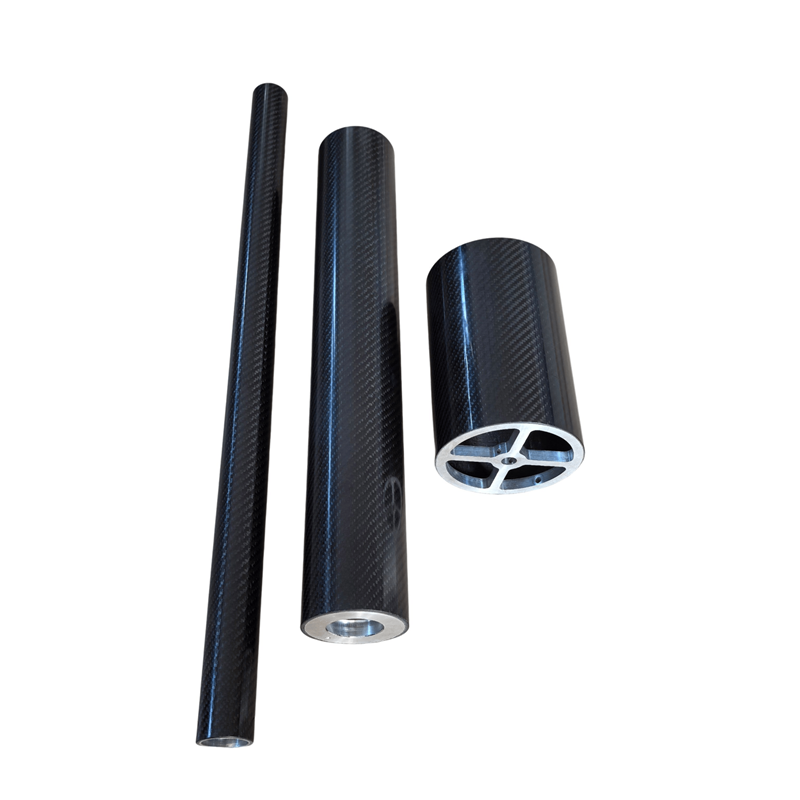
Carbon Fiber Composites (CFRP)
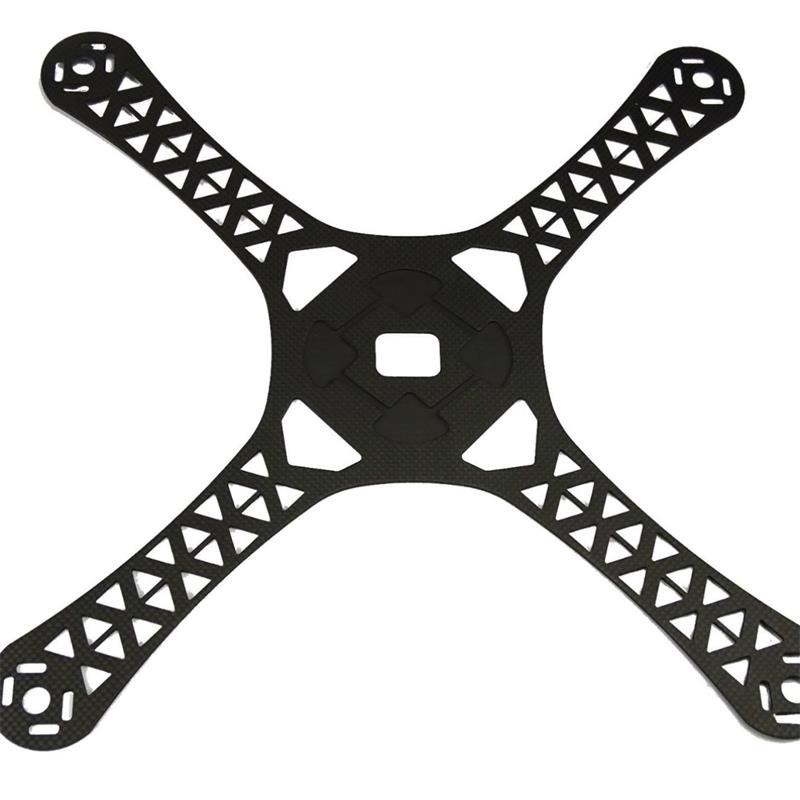
Energy Applications: Wind turbine blades, hydrogen storage tanks, automotive lightweighting, aerospace structures
Relevance: CFRP provides exceptional specific strength (strength-to-weight ratio), enabling longer turbine blades, lighter vehicles with reduced energy consumption, and more efficient aircraft. The material’s fatigue resistance is critical for wind turbine applications subjected to cyclic loading over 20+ year service lives.
Challenges: High manufacturing cost, energy-intensive carbon fiber production, limited recyclability compared to thermoplastics, potential health concerns from fibrous structure inhalation
Glass Fiber Composites (GFRP)
Energy Applications: Wind turbine blades (often in hybrid designs with CFRP), tidal energy structures, marine renewable energy devices
Relevance: GFRP offers cost-effective mechanical performance with adequate stiffness and strength for many applications. Hybrid designs using CFRP spars and GFRP skins optimize the balance between performance and cost .
Challenges: Lower stiffness than CFRP limits applications; moisture sensitivity in some formulations; end-of-life disposal challenges
Thermoplastic Composites
Energy Applications: Wind turbine blades, automotive components, electrical enclosures
Relevance: Thermoplastic composites offer weldability, enabling assembly methods unavailable with thermosets. Their inherent recyclability addresses the growing concern of turbine blade waste. Manufacturing cycle times can be shorter than thermoset processing .
Challenges: Higher melt viscosity makes processing more difficult; limited high-temperature stability compared to some thermosets; material availability at commercial scale
Metal-Organic Frameworks (MOFs)
Energy Applications: Gas separation and carbon capture, energy storage, water harvesting from air
Relevance: MOFs feature extremely high surface area and porosity with tunable chemical properties . Their ability to selectively capture carbon dioxide makes them candidates for carbon capture, utilization, and storage (CCUS) applications. AI-driven discovery tools are accelerating the identification of promising MOF structures .
Challenges: Synthesis complexity; scalability limitations; stability under operating conditions; production costs
Perovskite Materials
Energy Applications: Photovoltaic cells, light-emitting devices
Relevance: Perovskite solar cells have demonstrated rapid efficiency improvements, rivaling silicon-based devices. Their potential for low-cost, solution-processed manufacturing could dramatically reduce solar energy costs.
Challenges: Limited stability under real-world conditions; lead toxicity (lead is essential for highest-efficiency formulations); environmental impact of manufacturing
MXenes
Energy Applications: Batteries, supercapacitors, electronics, sensors
Relevance: These two-dimensional materials combine conductivity, flexibility, and chemically modifiable hydrophilic surfaces . Their composition can be adjusted to optimize performance for specific applications, including energy storage and environmental remediation .
Challenges: Relatively new material class; scalable production methods still developing; long-term stability not fully characterized
Conductive Polymers
Energy Applications: Biomedical energy harvesting, wearable electronics, sensors
Relevance: Specialized polymers doped with charge carriers can conduct electricity, enabling applications beyond traditional electronics . In energy contexts, they can serve in sensing, actuation, and energy harvesting devices.
Challenges: Limited conductivity compared to metals; environmental stability; processing complexity
Industry Standards and Certification
Engineers and procurement professionals should be aware of relevant standards governing advanced materials for energy applications:
– ISO 13003: Fiber-reinforced plastics—Determination of fatigue properties
– IEC 61400: Wind turbine design and testing requirements
– ASTM D3039: Tensile properties of polymer matrix composite materials
– ISO 19403: Characterization of wettability of composite materials
– ASTM E2340: Measurement of dielectric constant for electrical insulation materials
Compliance with these standards is essential for ensuring that materials meet performance requirements and safety certifications for energy infrastructure applications.
Design Considerations
Structural Design
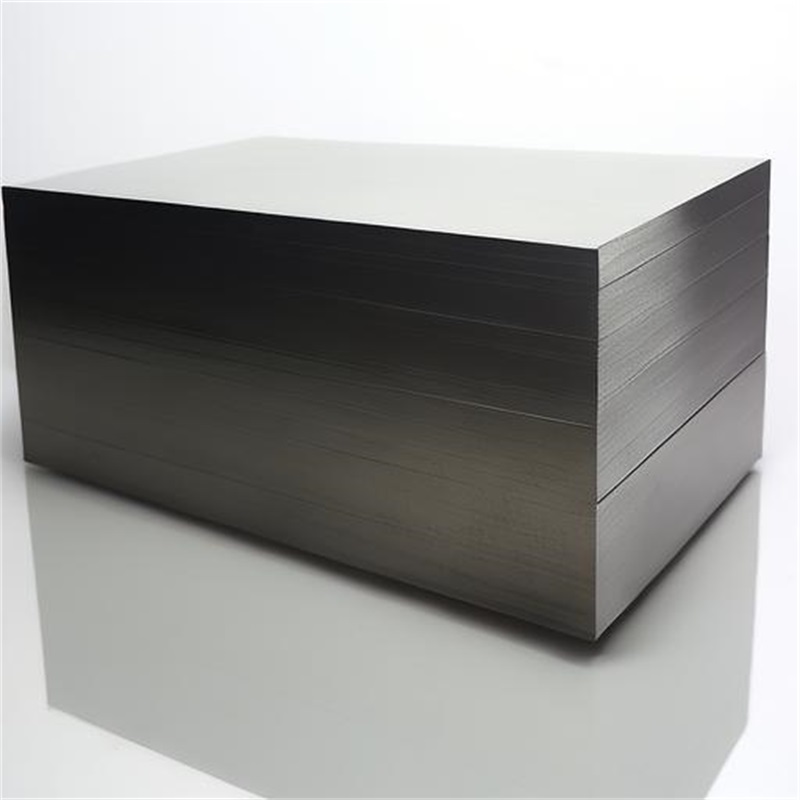
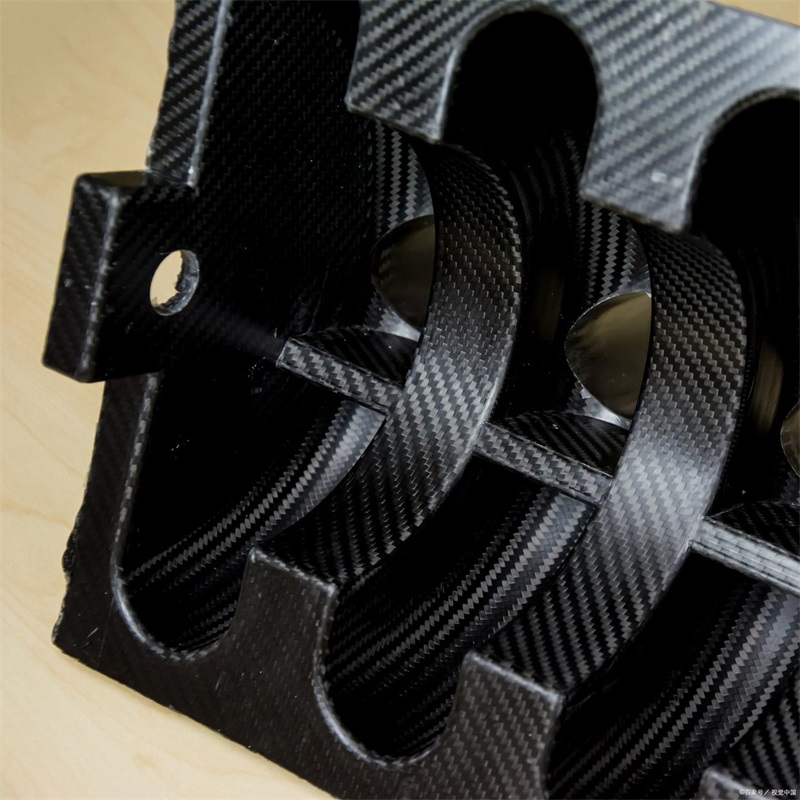
Advanced composite materials require design approaches that account for anisotropic properties (different properties in different directions). Unlike isotropic metals with uniform properties, composites can be tailored to distribute strength and stiffness where needed. This design flexibility is particularly valuable in wind turbine blades, where variable stiffness distribution along the blade span prevents permanent deformation and damage .
Environmental Exposure
Energy infrastructure operates in diverse and often aggressive environments—offshore wind farms, desert solar installations, high-altitude wind sites. Material selection must account for:
– Ultraviolet degradation in exposed applications
– Moisture absorption and hydrolysis
– Temperature cycling and thermal expansion mismatch
– Corrosion and chemical attack
– Biological fouling (particularly in marine applications)
Lifecycle Considerations
The energy transition requires considering not only manufacturing and operation but also end-of-life. Material selection should account for:
– Ease of disassembly and material separation
– Recyclability or repurposing options
– Energy recovery potential
– Regulatory requirements (e.g., EU Waste Framework Directive)
Selection Guide for Engineers and Procurement Professionals
For Wind Energy Applications
Material Selection Factors:
– Required blade length and energy capture capacity
– Transport logistics (road versus rail constraints)
– Manufacturing volume and cost targets
– Site conditions (onshore versus offshore, climate)
– Recyclability requirements
Recommendations:
– For blades exceeding 80 meters: Hybrid carbon–glass composites provide necessary stiffness while managing cost
– For mass production: Evaluate thermoplastic composites for weldability and recyclability benefits
– For corrosion resistance: Consider vinyl ester or epoxy resin systems with appropriate fiber sizing
For Energy Storage Applications
Material Selection Factors:
– Energy density requirements
– Operating temperature range
– Safety and regulatory requirements
– Cycle life expectations
– Supply chain reliability
Recommendations:
– For safety-critical applications: Consider solid-state battery technologies
– For large-scale stationary storage: Evaluate flow batteries and thermal storage options
– For portable applications: Assess specific energy requirements against safety constraints
For Solar Applications
Material Selection Factors:
– Efficiency requirements
– Installation conditions
– Service life expectations
– Environmental impact considerations
Recommendations:
– For premium efficiency: Perovskite/silicon tandem cells offer near-term potential
– For environmental compliance: Encapsulation of lead-containing perovskites is essential
– For durability: Silicon-based conventional cells remain the established option
Frequently Asked Questions
What makes advanced materials different from conventional materials in energy applications?
Advanced materials are specifically engineered for demanding energy applications where conventional materials fail to meet performance requirements. They offer tailored properties such as high specific strength, thermal stability, or controlled ionic conductivity that enable technologies like wind turbine blades exceeding 100 meters or high-efficiency solid-state batteries .
How are composite materials used in wind turbine blades?
Composite materials are essential for modern wind turbine blades. Glass fiber reinforced polymer (GFRP) composites and carbon fiber reinforced polymer (CFRP) composites provide the strength-to-weight ratio and fatigue resistance required for large rotor blades. Hybrid designs using CFRP spars with GFRP skins optimize structural performance while managing transport constraints and cost .
What is the advantage of thermoplastic composites over thermoset composites for energy applications?
Thermoplastic composites offer weldability, enabling easier assembly, and inherent recyclability, which is critical for end-of-life considerations. They also provide manufacturing flexibility and potentially shorter cycle times compared to thermoset processing. These characteristics are particularly valuable for large-scale production of wind turbine blades .
Why is energy storage considered the biggest challenge for renewable energy adoption?
Renewable energy sources like solar and wind are intermittent—they generate power only when the sun shines or wind blows. This variability demands storage systems that can capture excess energy and release it as needed. Advanced materials are critical for developing storage technologies with adequate energy density, cycle life, safety, and cost .
What are the main limitations of perovskite solar cells?
Perovskite solar cells face three primary challenges: limited operational stability under real-world conditions (heat, moisture, and light sensitivity), toxicity of lead in the most efficient formulations, and environmental impact from manufacturing. Substituting lead with alternatives like tin or bismuth significantly reduces efficiency .
How does the new hydride ion battery technology solve hydrogen storage problems?
The gas-solid hydride ion battery stores hydrogen at ambient temperature and pressure as solid magnesium hydride during charge/discharge cycling, eliminating the need for extreme conditions required by conventional methods (700 atm pressure or −253°C liquefaction). It achieves 93.9% energy efficiency—one-third higher than thermal hydrogen storage methods .
What role do advanced materials play in reducing carbon emissions from manufacturing?
Advanced materials enable manufacturing processes that consume less energy and produce fewer emissions through lightweighting, improved efficiency, and longer service life. However, the production of some advanced materials is itself energy-intensive, and careful lifecycle analysis is required. Thermoplastic composites offer recyclability benefits that reduce end-of-life emissions .
Are advanced materials environmentally sustainable?
The sustainability of advanced materials varies widely. Some face significant environmental concerns, including toxicity of critical elements (lead in perovskites, cadmium in quantum dots), energy-intensive production processes (aerogels, carbon fiber), and limited recycling pathways. However, these materials enable overall system benefits that often exceed their manufacturing impacts when evaluated across the full lifecycle .
What are MXenes and how are they used in energy applications?
MXenes are two-dimensional materials that combine conductivity, flexibility, and hydrophilic surfaces that can be chemically modified. Their composition can be adjusted to suit specific applications. They are used in batteries, supercapacitors, electronics, sensors, and environmental remediation .
What should engineers consider when selecting materials for energy infrastructure?
Engineers must consider structural requirements (specific strength, stiffness, fatigue resistance), environmental exposure (UV degradation, moisture, temperature cycling, chemical attack), manufacturing constraints (cost, processing method, scale-up potential), lifecycle considerations (disassembly, recyclability, end-of-life options), and regulatory requirements .
What are metal-organic frameworks (MOFs) and why are they important for carbon capture?
MOFs are highly porous materials with extremely high surface area and tunable chemical properties. Their ability to selectively capture gases makes them promising candidates for carbon capture and separation applications. AI-driven discovery is accelerating the identification of effective MOF structures for specific capture applications .
How does iron fuel technology contribute to the energy transition?
Iron fuel technology uses pulverized iron powder as a carbon-free fuel source. Burning iron produces iron oxide (rust) and heat—but no CO₂. The iron oxide can be reduced back to iron using renewable energy for reuse. Iron holds twice the energy of coal by volume, is safe and easy to transport compared to hydrogen, and can potentially be burned in retrofitted coal plant boilers .
Advanced materials are the enabling foundation of the energy transition. Without the specific properties engineered into carbon fiber composites, thermoplastic composites, perovskites, MOFs, and new battery materials, the renewable energy infrastructure required for decarbonization would be technically impossible or economically unviable.
However, the role of advanced materials is not without tension. The same materials that enable low-carbon energy systems often carry environmental concerns—toxicity of critical elements, energy-intensive manufacturing processes, and supply chain vulnerabilities. Lead in perovskites, cadmium in quantum dots, and energy consumption in aerogel production illustrate the challenges of sustainable material development .
The path forward requires integrated lifecycle thinking. Material selection must account for not only performance but also manufacturing energy, supply chain risks, operational durability, and end-of-life options. Thermoplastic composites demonstrate how recyclability and performance can coexist ; the hydride ion battery shows how new material concepts can solve fundamental storage challenges .
For engineers, procurement professionals, and researchers, understanding these materials—their properties, limitations, and real-world performance—is essential for making informed decisions that balance technical requirements, environmental considerations, and economic constraints.
The energy transition is ultimately a materials transition. The pace and scale of decarbonization will depend on the continued innovation of advanced materials, the sustainable production of these materials, and the development of circular systems that minimize their environmental footprint while maximizing their contribution to a low-carbon future.
 Metals vs. Ceramics vs. Composites: Engineer’s Guide to Material Selection
Material Selection Guide for Corrosive Environments
Alloys vs. Ceramics vs. Polymers for High-Temperature Applications
Comparative Analysis of Automotive Lightweighting Materials