
The Future of Specialty Materials: Alloys, Ceramics, and Polymers
The landscape of advanced materials is undergoing a fundamental transformation. Across the fields of metallurgy, ceramics science, and polymer chemistry, the common driver of innovation is no longer simply achieving higher performance, but doing so through intelligent design. Specialty materials—engineered alloys, advanced ceramics, and high-performance polymers—are converging toward a paradigm where computational modeling, data-driven discovery, and sustainability principles are integrated from the outset of development. This evolution is not incremental; it represents a strategic shift in how materials are conceived, validated, and deployed in critical applications from aerospace propulsion to humanoid robotics.
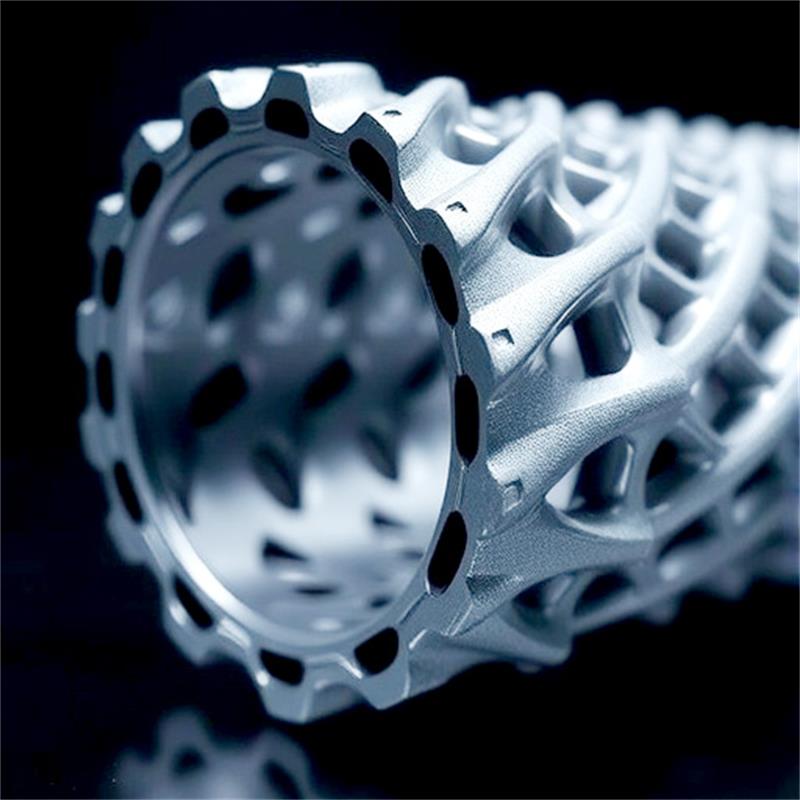
The Unifying Theme: Design-Led Material Innovation
Historically, the development of advanced materials often followed a trial-and-error approach: synthesize, test, iterate. The modern era demands a different model. As researchers now articulate, the field is transitioning toward “computation-led and microstructure-driven” innovation, where predictive modeling precedes physical synthesis, dramatically accelerating discovery cycles. The goal is no longer just to find a material that works, but to understand precisely *why* it works and how to tailor it for specific engineering constraints.
This paradigm shift has profound implications for how engineers and procurement specialists evaluate material options. Rather than relying solely on historical performance data or vendor recommendations, modern material selection increasingly involves assessing a material’s “designability”—its capacity to be computationally modeled, its microstructural sensitivity to processing parameters, and its potential for property optimization through targeted alloying or reinforcement strategies. This is particularly relevant for specialty materials where empirical data may be limited due to their novelty or application-specific nature.
Alloys: Pushing the Boundaries of Temperature and Weight
The evolution of advanced alloys is being driven by two distinct but equally critical imperatives: operating under extreme temperatures and achieving dramatic weight reduction. These dual drivers have given rise to distinct families of advanced alloys, each with its own design philosophy, performance envelope, and processing challenges.
Refractory High-Entropy Alloys
For decades, the temperature capability of nickel-based superalloys has been a limiting factor in jet engines and power turbines. The future lies in Refractory High-Entropy Alloys, complex mixtures of elements like niobium, molybdenum, tantalum, and tungsten. These alloys are engineered to maintain strength far beyond the 1100–1200°C limit of conventional superalloys. The design space for these materials is enormous, with five or more principal elements often combined in near-equimolar ratios, creating compositions that were previously unexplored in traditional metallurgy.
The critical breakthrough in RHEAs is overcoming the historic “strength-ductility trade-off.” While increasing strength often makes a material brittle, researchers are now employing innovative microstructural engineering—such as creating heterogeneous grain structures and manipulating atomic-scale chemical ordering—to achieve both robustness and deformability. The design methodology is also advanced: researchers are using computational thermodynamics and machine learning algorithms to navigate the enormous compositional space of these alloys, predicting stability and performance without the need for exhaustive physical testing.
However, significant limitations remain. The Achilles’ heel of many RHEAs is their poor oxidation resistance at elevated temperatures; many refractory metals form loose, volatile oxides rather than protective layers. This is not a minor issue—in turbine applications, oxidation resistance is as critical as creep strength, and current RHEA compositions struggle to balance both properties simultaneously. Scalability is another challenge, as their complex melting and processing requirements make large-scale manufacturing difficult. The vacuum arc melting and specialized casting techniques required for RHEAs are substantially more expensive and less throughput-efficient than conventional superalloy processing routes.
Lightweight High-Entropy Alloys
In parallel, the demand for lightweighting in automotive and aerospace is driving the development of Lightweight High-Entropy Alloys. These incorporate low-density elements such as magnesium, aluminum, titanium, and lithium to achieve exceptional specific strength—that is, strength normalized by density. In applications where every gram of mass translates directly into fuel consumption or payload capacity, these materials offer compelling advantages over conventional lightweight alloys.
Similar to their refractory counterparts, the development of LWHEAs relies heavily on computational design to navigate complex phase diagrams. The primary challenges for LWHEAs include preparation difficulties related to the volatility of their constituent elements and a current research focus primarily on mechanical properties, while other critical properties like corrosion resistance and fatigue behavior require further investigation. For procurement professionals, this means that LWHEAs should be approached with caution until more comprehensive qualification data becomes available.
Advanced Superalloys: The Incumbent Technology
While HEAs represent the frontier, nickel-based superalloys remain the workhorse of high-temperature applications. Modern superalloys like Inconel 718 and Waspaloy benefit from decades of processing optimization and operational data. Their mechanical properties, including tensile strength, creep resistance, and fatigue life across various temperature regimes, are thoroughly characterized and predictable. For engineering applications where qualification costs are prohibitive, superalloys often remain the more practical choice despite their temperature limitations.
Ceramics: Enabling Extreme Environments and Smart Functions
Advanced ceramics are emerging as indispensable materials for the most demanding applications, from thermal management in electronics to propulsion systems in hypersonic vehicles. Their value lies in a unique combination of thermal stability, chemical inertness, and tunable functional properties that are simply unavailable in metallic or polymeric materials.
Engineering Ceramics for Thermal Management
The push for higher-power electronics and more efficient energy systems is driving a critical need for advanced thermal management solutions. Engineered ceramics are becoming central to addressing this challenge. Their inherent thermal stability and insulating properties make them ideal candidates for managing heat in high-density power modules, semiconductor devices, and battery systems. Materials like aluminum nitride and silicon carbide possess thermal conductivities that rival metals while maintaining electrical insulation, a combination essential for power electronics packaging.
Government and industry funding is accelerating this development, particularly for applications in the private space sector and next-generation energy systems where traditional materials fail. The performance requirements are stringent: die-attach reliability, coefficient of thermal expansion matching, and long-term stability under thermal cycling are all critical factors that must be addressed through careful material selection and processing optimization.
Functional Ceramics: Beyond Structural Applications
The role of ceramics extends far beyond being passive structural components. Their functional properties are crucial for enabling modern technologies. Piezoelectric ceramics are fundamental to pressure sensors and ultrasound imaging, while superconducting ceramics hold promise for high-energy storage applications. In the energy sector, ceramic materials are being explored for advanced batteries and sensors due to their unique electrochemical properties, offering advantages in safety and efficiency compared to traditional alternatives.
For design engineers, the versatility of functional ceramics means that material selection must consider not just mechanical properties but also electrical, thermal, and electrochemical behavior. This interdisciplinary approach is increasingly necessary as components become more integrated and multifunctional.
Ceramic Matrix Composites
For the highest-temperature applications, such as turbine engine components, Ceramic Matrix Composites are a key strategic material. Unlike monolithic ceramics, CMCs incorporate reinforcing fibers that provide crack-bridging mechanisms, substantially improving fracture toughness. A current strategy to enhance their performance further involves reinforcing them at the nanoscale. Research has shown that incorporating carbon nanotubes or graphene can significantly improve the toughness and other properties of these otherwise brittle materials, overcoming a major historical limitation.
The challenge remains in achieving consistent, cost-effective manufacturing while meeting the stringent qualification standards of the aerospace sector. CMCs require specialized processing techniques, including chemical vapor infiltration or polymer infiltration and pyrolysis, which are capital-intensive and require long processing times. The economics of CMC production mean that they are typically reserved for the most demanding applications where their performance advantages justify the cost.
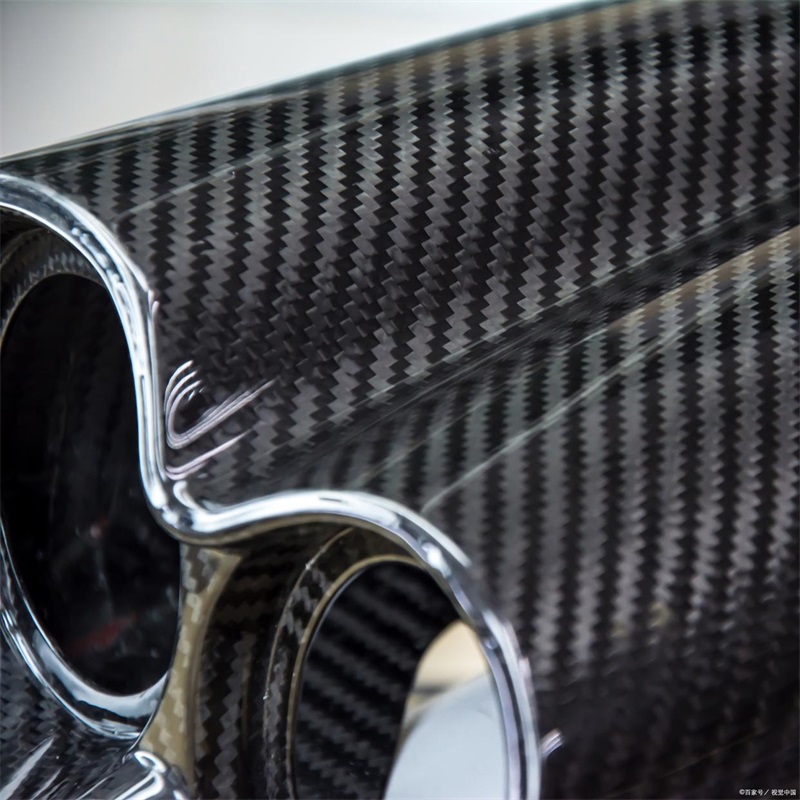
Key Applications of Advanced Ceramics
Advanced ceramics find application across a diverse range of industries. In gas and electrochemical sensors, they provide sensitivity and selectivity for detecting toxic and flammable gases. In energy storage, solid electrolyte batteries offer improved safety and energy density over liquid-electrolyte designs. High-temperature structural components in aerospace and energy sectors rely on ceramics where other materials would melt or oxidize. Power electronics increasingly depend on ceramic substrates and heat sinks for high-performance semiconductors. Each of these applications demands specific property combinations that must be carefully matched through material selection.
Polymers: The Confluence of Intelligence and Sustainability
The future of high-performance polymers is being redefined at the intersection of artificial intelligence and sustainable chemistry. The goal is to create materials that can meet the demands of aerospace, robotics, and electronics while breaking free from complete reliance on petrochemical feedstocks.
AI-Driven Polymer Design
The traditional polymer development cycle is being upended by the integration of AI-powered simulation tools. Machine learning algorithms are now capable of modeling organic reactivity, predicting thermal stability, and accelerating the discovery of novel polymer architectures. This computational approach allows researchers to set “more ambitious design targets” and iterate through candidates at speeds previously impossible. This is particularly valuable for advanced thermoset and thermoplastic systems where achieving the precise balance of properties—such as glass transition temperature, char yield, and fire resistance—is critical for applications in aerospace, defense, and extreme environments.
For engineers working with polymers, the implication is that property databases can now be augmented with predictive models that significantly expand the design space. Where previously only well-characterized commercial polymers might be considered, AI-driven discovery opens up possibilities for tailored materials that match specific application requirements more precisely.
Sustainable and Bio-Based High-Performance Polymers
A significant shift is occurring toward designing materials with sustainability in mind. Researchers are exploring how nature-derived molecular building blocks can be transformed into high-performance polymers that retain the exceptional thermal stability and mechanical strength required for demanding applications while reducing dependency on fossil fuels. The “strategic monomer design” approach allows for the tailoring of polymer networks, proving that high performance and sustainability are not mutually exclusive.
Government initiatives, particularly in regions like China, are actively backing this direction by designating specialty engineering plastics like PEEK and PI as critical materials for development. For procurement managers, this trend means that a new generation of bio-based alternatives is likely to become commercially available in the coming years, potentially offering similar performance with improved environmental credentials.
PEEK and the Rise of Strategic Applications
Polyether ether ketone (PEEK) exemplifies the modern high-performance polymer: it is not a material with a single standout property but one with an exceptional combination of properties. Its resistance to high temperatures, with a melting point of approximately 343°C, combined with chemical resistance and mechanical strength, makes it a “strategic functional material” for applications where failure is catastrophic and maintenance is difficult. The growth of industries like humanoid robotics and aerospace is expanding its potential, yet its adoption is constrained by complex and costly manufacturing requirements, cementing its role as a material used sparingly but critically, rather than as a general-purpose engineering plastic.
When evaluating PEEK for an application, engineers must consider not just its raw material cost—which is substantially higher than that of common engineering plastics—but also the processing costs associated with high-temperature molding, the limited availability of qualified processors, and the longer lead times typical of specialty polymer supply chains.
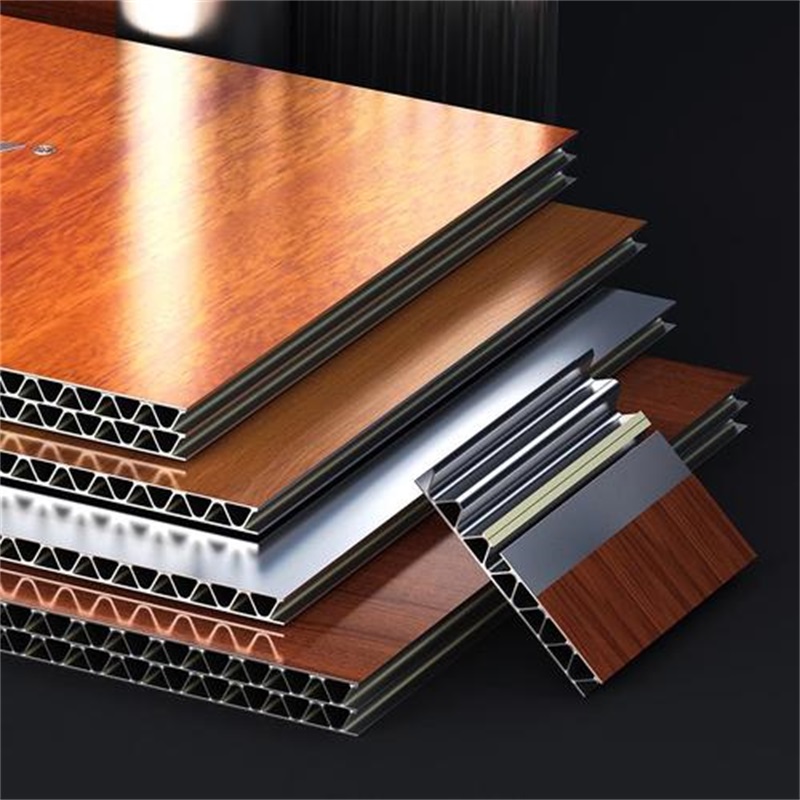
The Convergence: A Glimpse into the Integrated Future
The future of these three materials classes—alloys, ceramics, and polymers—is not siloed. It is integrated. Material selection for next-generation engineering challenges will increasingly involve synergistic combinations. We are seeing a push toward “high-performance thermosetting polymers” for composite matrices, “metal/ceramic matrix composites” for extreme environments, and a growing emphasis on “thermal management” that bridges materials science and electronics.
Key drivers of this integrated future include data-driven discovery, with machine learning and multiscale modeling reducing the time and cost of material design across all three fields. The mandate for sustainable chemistry is now a primary design parameter, not an afterthought. The push for more efficient aerospace, hypersonic travel, and advanced energy systems provides a shared driver of innovation. And perhaps most significantly, the future belongs to materials that do more than one thing—materials that can bear a load, manage heat, and sense their environment simultaneously.

Selection Guide for Engineers and OEMs
When considering advanced alloys, ceramics, or polymers for a new design, materials engineers and procurement specialists should use a structured, performance-based selection process rather than relying solely on familiarity.
The first step is to define the application envelope clearly. What is the maximum operating temperature? What are the chemical exposure risks? What are the weight targets? What is the acceptable cost per component? These parameters must be quantified with realistic margins before any material comparison can be meaningful.
The second consideration is the entire lifecycle cost. The cost of the raw material is often only a fraction of the total cost of ownership. Processing costs, machining costs, and the expected service life of the component all must be factored into the economic assessment. A more expensive material that extends maintenance intervals can be more economical over the product’s lifetime.
Third, evaluate manufacturing capabilities. A material with exceptional properties is of no use if it cannot be reliably and repeatedly manufactured into the required form. Evaluate the availability of qualified suppliers and the processing technologies required. Some advanced materials require specialized equipment or expertise that may not be readily accessible.
Fourth, assess supply chain maturity. For critical applications, the supply chain is as important as the material itself. Evaluate the number of qualified vendors, lead times, and the risk of supply disruptions, especially for strategic materials like high-grade PEEK or specialized alloys. Single-source supply should be avoided where possible.
Finally, validate using industry standards. Ensure that the material and its processing meet relevant industry specifications. For aerospace applications, this includes stringent military and civil aviation specifications that often require years of qualification testing.

Frequently Asked Questions
What is the primary advantage of refractory high-entropy alloys over superalloys?
Refractory high-entropy alloys offer the ability to retain significant mechanical strength and stability at temperatures exceeding 1200°C, far beyond the operational limit of nickel-based superalloys. This makes them candidates for next-generation turbine blades and hypersonic vehicle components. The advantage is not merely incremental—it represents a potential step-change in the temperature capability of structural materials.
Why are high-performance ceramics considered “brittle,” and how is this being addressed?
Their strong, rigid atomic structure makes them resistant to deformation but prone to sudden fracture. Unlike metals, which can yield and absorb energy through plastic deformation, ceramics typically fracture without warning. To counter this, researchers are reinforcing ceramics with carbon nanotubes and graphene to act as crack arrestors, improving toughness while maintaining high-temperature stability. This approach has shown promising results in laboratory settings but remains challenging to scale commercially.
How is artificial intelligence changing the development of new specialty materials?
AI, through machine learning and quantum mechanics simulations, is dramatically accelerating discovery by predicting material properties, phase stability, and performance before they are synthesized in a lab. This reduces the time and cost of development significantly. Rather than synthesizing hundreds of compositions and testing them empirically, researchers can now use computational screening to identify the most promising candidates for experimental validation.
What does “sustainability” mean in the context of advanced polymers?
Sustainability in advanced polymers refers to the development of high-performance polymers using bio-based or recycled feedstocks. This approach aims to reduce reliance on fossil fuels while designing materials that maintain the thermal and mechanical performance required for demanding applications like aerospace. The challenge is achieving equivalent properties with molecular building blocks derived from renewable sources, which often have different chemical characteristics than their petrochemical counterparts.
Is PEEK a “universal” solution for replacing metals?
No. While PEEK has an exceptional combination of strength, temperature resistance, and chemical stability, it is not a drop-in replacement for all metals. It is a strategic, high-cost, high-reliability material used in applications where its specific properties are critical, such as in aerospace and robotics. For many general engineering applications, less expensive thermoplastics or traditional metals remain the more appropriate choice.
What are the main obstacles to the widespread adoption of lightweight high-entropy alloys?
Manufacturing challenges, such as controlling the volatility of low-melting-point elements like magnesium and lithium during processing, and a current lack of comprehensive data on properties beyond basic mechanical strength, such as fatigue and corrosion resistance. Until these knowledge gaps are filled and cost-effective manufacturing routes are developed, LWHEAs are likely to remain in the research and early-adoption phase.
Why are advanced ceramics critical for electric vehicles and energy systems?
They are essential for thermal management, as they effectively dissipate heat from power electronics. They are also used in solid-state batteries and fuel cells, where their ionic conductivity and chemical stability provide significant safety and performance advantages. The transition to electric mobility is therefore driving substantial investment in ceramic materials development.
What is the “strength-ductility trade-off” and why is it significant?
This is a long-standing challenge where materials that are very strong tend to be brittle. In refractory high-entropy alloys, the trade-off is being overcome through innovative microstructural design, creating complex internal landscapes that strengthen the alloy while maintaining its ability to deform without fracture. This is achieved through mechanisms such as transformation-induced plasticity and twinning, which provide ductility without sacrificing strength.
What is the future outlook for the supply of specialty materials like PEEK?
The global market is evolving. While major producers like Victrex, Syensqo, and Evonik still dominate, production capacity is expanding in other regions to meet growing demand. However, the critical bottleneck often remains high-quality “effective supply” rather than just “installed capacity.” For procurement managers, this means that while material availability is generally improving, careful supplier qualification remains essential.
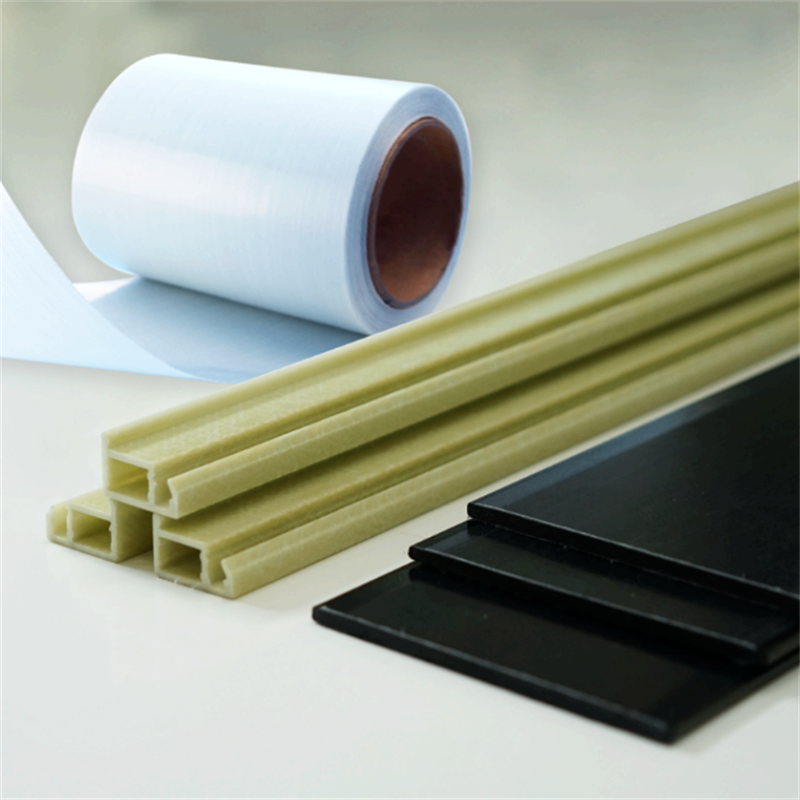
The future of specialty materials is one of intelligent design and synergistic application. The lines between alloys, ceramics, and polymers are blurring as materials scientists and engineers adopt a holistic, data-driven approach to solving the most challenging engineering problems. Whether it is a refractory high-entropy alloy for a jet engine, a ceramic matrix composite for a rocket nozzle, or a sustainable PEEK composite for a robotic arm, the key to success will be understanding not just the material’s properties, but its entire lifecycle—from its computational design and sustainable synthesis to its manufacturability and ultimate performance in the field.
For engineers and decision-makers, staying informed about these converging trends is no longer optional; it is a strategic necessity. The materials choices made today will determine the performance, cost, and environmental impact of products for decades to come. By understanding the fundamental drivers of innovation across alloys, ceramics, and polymers, materials professionals can make more informed decisions that balance technical requirements with economic and environmental constraints. The future of specialty materials is not about a single winning technology—it is about having the right material for the right application, designed and manufactured with insight, precision, and foresight.
Metals vs. Ceramics vs. Composites: Engineer’s Guide to Material Selection
Material Selection Guide for Corrosive Environments
 Alloys vs. Ceramics vs. Polymers for High-Temperature Applications
Comparative Analysis of Automotive Lightweighting Materials