
The Head-to-Head Showdown Between Special Alloys and Ordinary Steel
In high-end equipment manufacturing, aerospace, and engineering in extreme environments, the choice of materials often determines the success or failure of an entire project. When faced with the choice between “specialty alloys” and “ordinary steel,” many engineers and procurement professionals often ask a key question: In what ways are specialty alloys actually superior to ordinary steel? This goes beyond mere price differences; it involves a complex interplay of underlying metallurgical principles, microstructural characteristics, and total life-cycle costs.
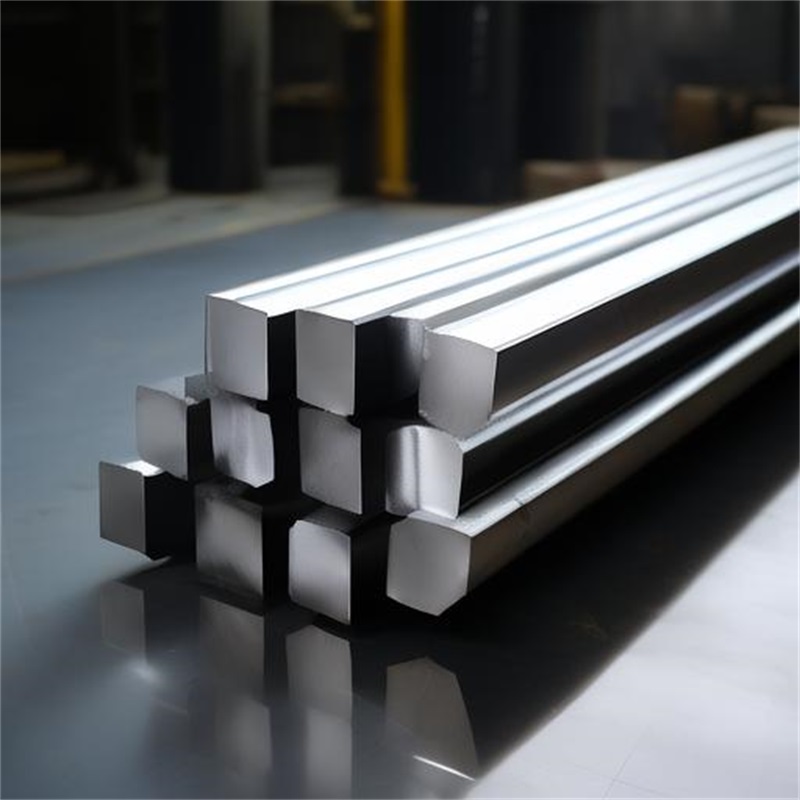
Core Differences:
From a “Carbon” Solo to a “Multicomponent” Symphony
The mechanical properties of ordinary steel (carbon steel) primarily depend on the adjustment of carbon content. Carbon content typically ranges from 0.05% to 2.0%. Increasing carbon content enhances hardness and strength, but this often comes at the expense of ductility and toughness, making the material prone to brittle fracture under extreme stress. Additionally, carbon steel is highly susceptible to rust in damp or harsh environments and must rely on external coatings for protection.
Special alloys break through this limitation.
Building upon a base of iron and carbon, special alloys precisely incorporate various alloying elements such as chromium, nickel, molybdenum, titanium, vanadium, and cobalt. These elements are not merely physically mixed; rather, through microscopic mechanisms such as solid solution strengthening, precipitation hardening (such as the formation of the γ’ phase), and grain boundary strengthening, they fundamentally transform the material’s properties. For example, chromium forms a dense passivation film on the surface, imparting exceptional corrosion resistance to the material; the addition of molybdenum and vanadium significantly enhances the material’s creep resistance and toughness at high temperatures. The strength of special alloys stems not only from carbon but also from the synergistic effects of multiple elements, enabling them to maintain extremely high structural integrity even when subjected to high temperatures, high pressures, severe corrosion, and alternating loads.
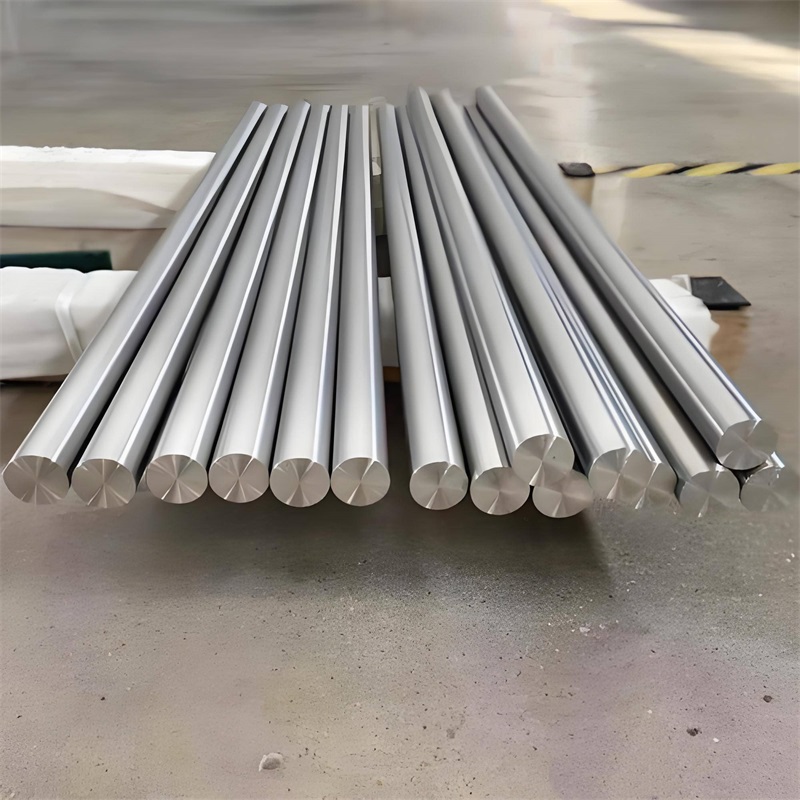
Diverse Classification of Special Alloys
Special alloys come in a wide variety and are typically categorized into the following major groups based on alloy element content and application:
High-temperature alloys are the “crown jewels” of this category. With nickel, cobalt, or iron as the matrix, they can operate stably for extended periods in high-temperature environments above 600°C. They are widely used in critical hot-end components such as aircraft engine turbine blades and gas turbine combustion chambers, offering exceptional high-temperature endurance strength and oxidation resistance.
Corrosion-resistant alloys are specifically designed for extreme corrosive environments. Nickel-based materials, such as Hastelloy, maintain extremely low corrosion rates even in acidic media containing hydrogen sulfide, environments with high concentrations of chloride ions, and even boiling nitric acid, making them the preferred choice for the petrochemical and offshore engineering industries.
Precision alloys and specialty stainless steels, meanwhile, achieve the ultimate in specific physical properties. For example, Invar alloy has an extremely low coefficient of thermal expansion and is used in precision instruments and electronic packaging; while duplex stainless steel and super austenitic stainless steel provide excellent resistance to pitting and crevice corrosion while maintaining high strength.
In addition, there are alloy tool steels used to manufacture cutting tools, alloy spring steels with high elastic limits, and ultra-low-temperature, high-strength, high-toughness, non-magnetic specialty alloys used in nuclear reactors and deep-sea exploration.
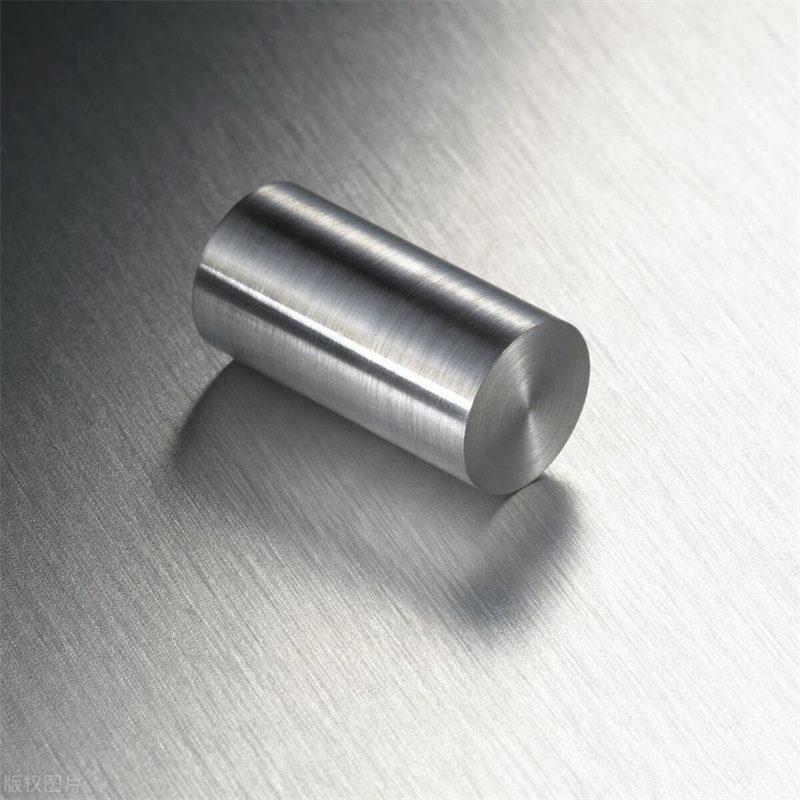
Real-World Applications: Irreplaceable in Extreme Conditions
The value of specialty alloys lies in solving engineering challenges that ordinary steel cannot address.
In the aerospace sector, the pursuit of a higher thrust-to-weight ratio has led to continuously rising temperatures in engine turbine sections. Ordinary heat-resistant steel has long since softened and failed under these conditions; only nickel-based or cobalt-based high-temperature alloys can withstand the dual challenges of thermal shock and centrifugal stress.
In deep-sea oil and gas extraction, equipment must withstand immense hydrostatic pressure from seawater and corrosion from high concentrations of hydrogen sulfide. Ordinary carbon steel is highly susceptible to stress corrosion cracking in such environments, whereas special corrosion-resistant alloys ensure the safe operation of deep-sea connectors, pump shafts, and Christmas trees; their reliability over the entire life cycle far exceeds that of carbon steel solutions with anti-corrosion coatings.
In the fields of nuclear power and new energy, whether for structural materials in fourth-generation lead-bismuth reactors or for high-temperature superconducting alloy tapes, materials must possess extremely low impurity levels and exceptionally high microstructural uniformity. Through ultra-pure smelting processes such as vacuum induction melting and electroslag remelting, specialty alloys limit harmful elements—including hydrogen, oxygen, and sulfur—to the parts-per-million (ppm) level, fundamentally eliminating the risks of hydrogen embrittlement and radioactive leakage.
Frequently Asked Questions (FAQ):
Q: Are the processing costs for specialty alloys significantly higher than those for ordinary steel?
A: Yes, the processing costs for specialty alloys are typically 3 to 5 times higher than those for ordinary steel. This is primarily due to their severe work-hardening tendency, poor thermal conductivity, and high hardness, which causes rapid tool wear. For example, machining high-temperature alloys requires high feed rates and low cutting speeds, along with specialized carbide or ceramic cutting tools. However, from a full life-cycle perspective, the exceptionally long service life and maintenance-free characteristics of special alloy components often significantly reduce overall operating costs.
Q: Is a higher PREN value (pitting resistance equivalent) always better?
A: Not necessarily. A high PREN value does indeed indicate excellent pitting resistance, but excessive alloying can make the material extremely difficult to machine, reduce toughness, and cause costs to skyrocket. When selecting materials, a technical and economic trade-off should be made based on specific operating conditions (temperature, pH, flow rate, chloride ion concentration), rather than blindly pursuing high specifications.
Q: What are the critical risks associated with welding special alloys?
A: Special alloys are extremely sensitive to heat input. During welding, if the cooling rate is too fast or preheating is insufficient, microcracks or brittle phase precipitation (such as the σ phase) are highly likely to form in the heat-affected zone. It is essential to strictly adhere to specifications such as low linear heat input, preheating before welding, and post-weld stress-relief annealing. Additionally, acid washing and passivation must be performed after welding to restore corrosion resistance.
Purchasing Recommendations: Establishing a Four-Dimensional Evaluation System
For procurement professionals, selecting special alloys is not merely about purchasing materials—it is about purchasing “certainty.” We recommend conducting a closed-loop evaluation based on the following four dimensions:
First, suitability for operating conditions. Clearly define the service temperature range, stress conditions, and corrosive media. For example, in the 650°C–750°C range, be wary of the σ-phase precipitation embrittlement zone in certain alloys; in sulfur-containing atmospheres, confirm the material’s resistance to thermal corrosion.
Second, data authenticity. Do not base decisions solely on room-temperature parameters provided by suppliers. Insist on obtaining actual test data simulating service conditions—such as high-temperature creep strength, cyclic oxidation testing, and stress relaxation testing—and verify the furnace batch number against authoritative third-party test reports.
Third, process compatibility. Verify whether the supplier possesses the necessary smelting, forging, and heat treatment capabilities. For example, is vacuum twin-tank refining used for large-sized forgings? Are heat treatment curves precise and controllable? These factors directly determine whether the material contains segregation or excessive inclusions.
Fourth, supply chain resilience. Specialty alloys (especially aerospace-grade superalloys) have long lead times and limited production capacity. It is recommended to establish a safety stock for core components or to select manufacturers with end-to-end production lines, on-hand inventory, and rapid response capabilities to avoid project delays caused by material supply disruptions.
Other Precautions: Details Determine Success or Failure
During storage and transportation, special alloys must never be stored together with carbon steel tools, acidic substances, or chlorides to prevent galvanic corrosion or surface contamination. Flexible slings must be used for lifting; directly securing the material with steel wire ropes is strictly prohibited to prevent surface scratches that could become sources of fatigue cracks.
Regarding safety precautions, high-temperature cutting or grinding of special alloys generates large amounts of metal dust and harmful fumes; operators must wear professional dust masks and high-temperature-resistant protective gear. Machining waste is classified as special metal scrap and must be sorted for recycling; it must not be mixed with household waste or exposed to water, as this could pose a hazard.
Finally, adopt a “service life-based” approach to material selection. The value of special alloys lies in their “appropriate application.” By implementing scientific evaluation models, although initial procurement costs may increase, equipment replacement cycles can be effectively extended, unplanned downtime reduced, and engineering benefits ultimately maximized.
 What Is Polyimide (PI)
What Is Polyphenylene Sulfide (PPS)
What Is Polyimide (PI)
What Is Polyphenylene Sulfide (PPS)
 What is PEEK-for Engineers and Buyers
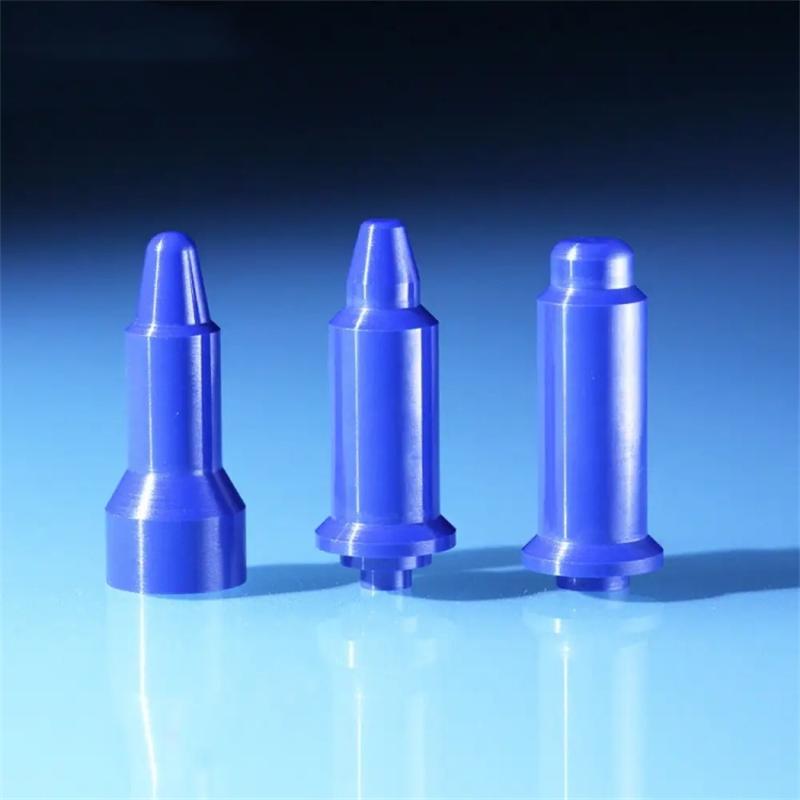 Application Scope of Zirconia Ceramic Structural Components