
High-Temperature Resistance of Special Alloys
In cutting-edge industrial sectors such as aerospace, power generation, and high-end chemical processing, materials often determine the upper limits of equipment performance. When operating temperatures exceed conventional limits—or even approach 1,000 degrees Celsius and beyond—the vast majority of metallic structural materials face severe challenges such as softening, oxidative failure, or creep fracture. In these extreme environments, specialty high-temperature alloys serve as the engineering world’s “last line of defense.” For engineers and procurement professionals, a deep understanding of the underlying principles governing the high-temperature performance of different specialty alloys is key to making precise material selections, mitigating application risks, and achieving cost savings and efficiency gains.
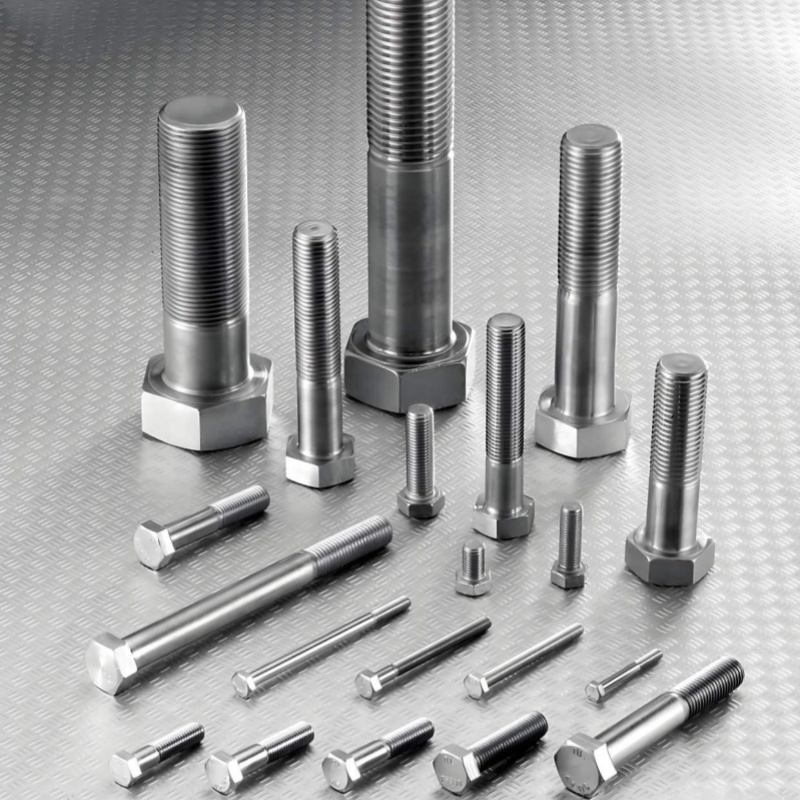
Nickel-Based Alloys: Industrial Pioneers Pushing the Limits of Temperature
Under ultra-high-temperature conditions, nickel-based high-temperature alloys hold an unshakable position thanks to their unparalleled high-temperature strength and exceptional oxidation resistance. Take Inconel 617 as an example: this nickel-chromium-cobalt-molybdenum solid-solution-strengthened alloy, specifically designed for ultra-high-temperature environments, exhibits extremely high creep strength and endurance in the 800°C to 1000°C range. Its high chromium content rapidly forms a dense protective layer of chromium oxide at high temperatures, effectively blocking the inward diffusion of oxygen. During prolonged exposure to air at temperatures as high as 1150°C, the oxide scale formed on its surface is dense and strongly adherent, making it resistant to peeling even under thermal shock conditions involving rapid cooling and heating.
In addition to its exceptional heat resistance, Inconel 617 also possesses outstanding resistance to carburization and nitriding. In complex chemical atmospheres rich in carbon or nitrogen, it effectively blocks the penetration of harmful elements, maintaining the material’s toughness. Similarly, nickel-based alloys such as GH5188, with their superior thermal stability, allow for repeated thermal cycling operations, reducing cracks caused by thermal fatigue, and are particularly suitable for critical components such as aircraft engine turbine blades and gas turbine combustion chambers. However, the difficulty of machining these alloys increases accordingly. Due to their extremely high work-hardening rates and low thermal conductivity, cold deformation or machining must follow a strategy of “small deformation, multiple passes, and intermediate annealing,” combined with adequate cooling and lubrication to prevent the formation of severe work-hardened layers or excessive tool wear.
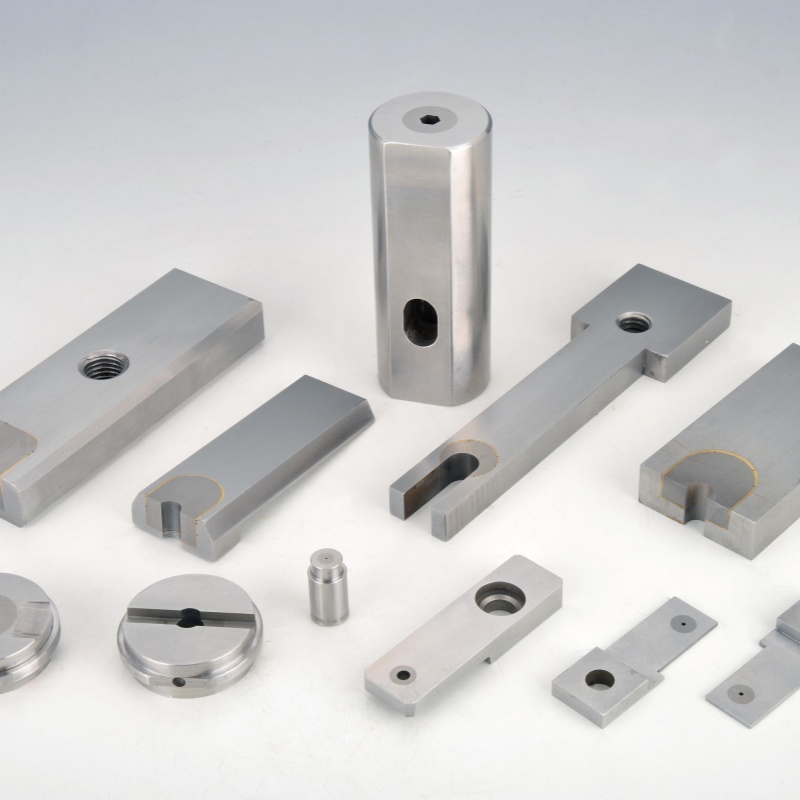
Iron-Based and Iron-Nickel-Based Alloys: Cost-Effective Solutions for the Medium-Temperature Range
Not all operating conditions require the use of expensive nickel-based alloys. In the medium-temperature range below 650°C, precipitation-hardening high-temperature alloys—both iron-based and iron-nickel-based—have emerged as highly competitive “specialized, refined, distinctive, and innovative” options thanks to their unique composition designs.
GH2696 is an Fe-Ni-Cr-based precipitation-hardening high-temperature alloy whose core design philosophy is “replacing nickel with iron and strengthening with aluminum and titanium.” By controlling the nickel content within the 25% to 30% range, raw material costs are significantly reduced. At the same time, by precisely controlling the ratio of aluminum to titanium, the alloy precipitates a dispersed distribution of nanoscale strengthening phases after heat treatment, enabling it to achieve tensile strengths comparable to certain nickel-based alloys at temperatures below 650°C. In applications such as high-pressure compressor discs for aircraft engines and annular components for gas turbines—where materials are subjected to prolonged high temperatures and centrifugal stresses—GH2696 demonstrates exceptional fatigue strength and cost advantages.
Similarly, alloys such as GH2150 and GH2328 also excel within their respective temperature ranges. GH2150 demonstrates outstanding endurance life at 650°C under a stress of 300 MPa and effectively resists plastic deformation caused by thermal stress cycling; while GH2328, through optimized carbide morphology and distribution, significantly improves machinability while maintaining high-temperature strength within the 650°C to 750°C range. For procurement professionals, if the operating temperature remains consistently below 550°C and there are no severe thermal cycles, selecting these iron-based or iron-nickel-based alloys as alternatives to expensive nickel-based alloys can often achieve cost reductions of over 40%.
Cutting-Edge Breakthrough: The Lightweighting Revolution in Heat-Resistant Aluminum Alloys
Beyond traditional high-temperature alloy systems, advances in materials science are continually pushing the boundaries of high-temperature-resistant materials. Conventional aluminum alloys experience a precipitous decline in strength at temperatures exceeding 300°C; however, in recent years, the service temperature of heat-resistant aluminum alloys has been significantly increased through mechanisms such as solution strengthening, excess-phase strengthening, and grain-boundary strengthening.
In particular, the oxide-dispersion-strengthened aluminum alloy developed by a team at Tianjin University in 2024—which employs a process using ultrafine nano-oxide particles for strengthening—has successfully raised the material’s service temperature to 500°C, while maintaining a tensile strength of 200 MPa at that temperature—more than six times that of traditional materials. This breakthrough provides a completely new approach to material selection for applications that require both lightweight construction and high-temperature resistance, such as aircraft engine compressor blades, spacecraft propulsion system components, and automotive turbocharger housings.
A Guide to Avoiding Pitfalls in Procurement and Engineering Applications
In the practical engineering application and procurement decision-making for specialty alloys, technical and procurement personnel often face numerous hidden challenges.
First is the precision of matching operating conditions. The key to material selection is not pursuing the “most expensive” or “highest temperature” option, but rather finding the solution that “best matches the operating conditions.” Establishing a three-dimensional evaluation model—comprising “operating temperature, stress level, and environmental medium”—is crucial. For example, in carbon-containing atmospheres, certain alloys may exhibit slightly inferior resistance to carburization; in such cases, the use of a carburization-resistant coating should be considered.
Second is the confirmation of the heat treatment condition. Many precipitation-hardened high-temperature alloys are extremely sensitive to heat treatment processes. Materials available on the market may differ between the solution-treated and aged states; if the purchaser processes the material directly in the solution-treated state without subsequent aging treatment, the strength of the parts may decrease significantly. Therefore, it is essential to clearly specify the final heat treatment condition in the technical agreement and require suppliers to provide long-term microstructural stability test reports to mitigate the risk of a sudden drop in performance caused by the precipitation of harmful phases.
Finally, there is the compatibility of welding and machining processes. Welding cracks in high-temperature alloys are a common industry issue, particularly in alloys with high aluminum and titanium content, which are prone to microcracks in the heat-affected zone during welding. It is recommended to confirm welding procedure qualification requirements with suppliers prior to procurement and to adopt strategies such as low heat input, appropriate preheating, and post-weld stress-relief annealing. For difficult-to-machine materials, prioritize suppliers with integrated capabilities in vacuum melting, forging, heat treatment, and machining, as this can effectively mitigate performance fluctuations and increased scrap rates caused by improper process coordination.
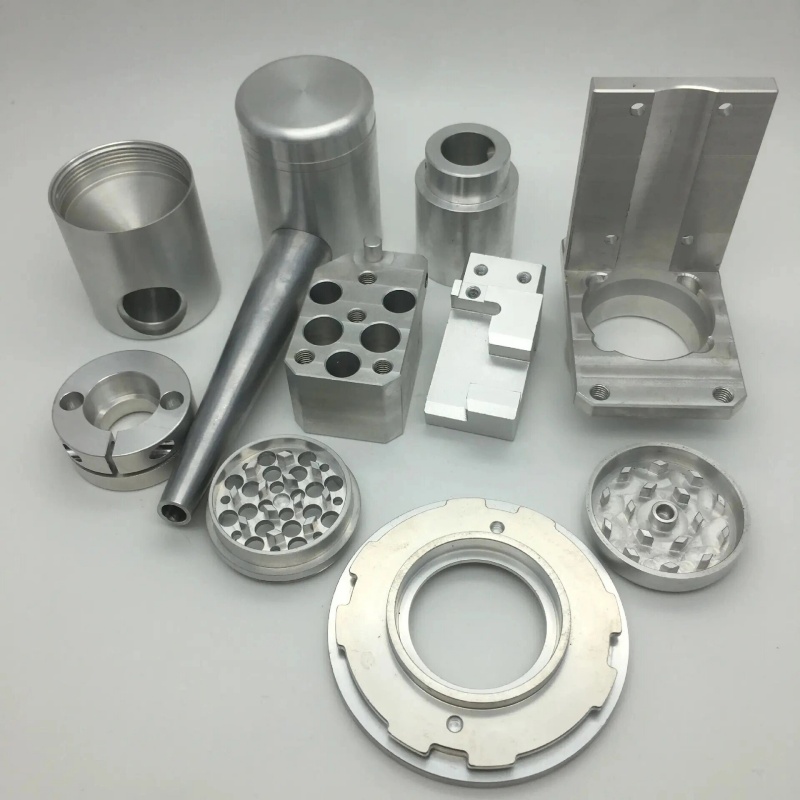
The high-temperature performance of specialty alloys is not merely a set of data from laboratory tests, but rather a comprehensive consideration of cost, process, and reliability in engineering practice. Only by understanding the composition logic and application limits of various alloys, and establishing scientific evaluation models and supply chain verification systems, can one handle the challenges of extreme operating conditions with ease and ensure that every penny of the procurement budget is spent where it matters most.
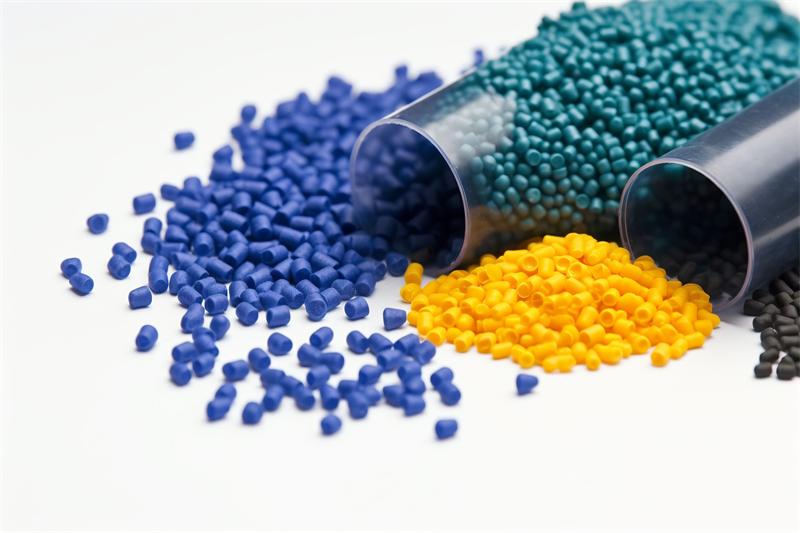 What Is Polyimide (PI)
What Is Polyphenylene Sulfide (PPS)
What Is Polyimide (PI)
What Is Polyphenylene Sulfide (PPS)
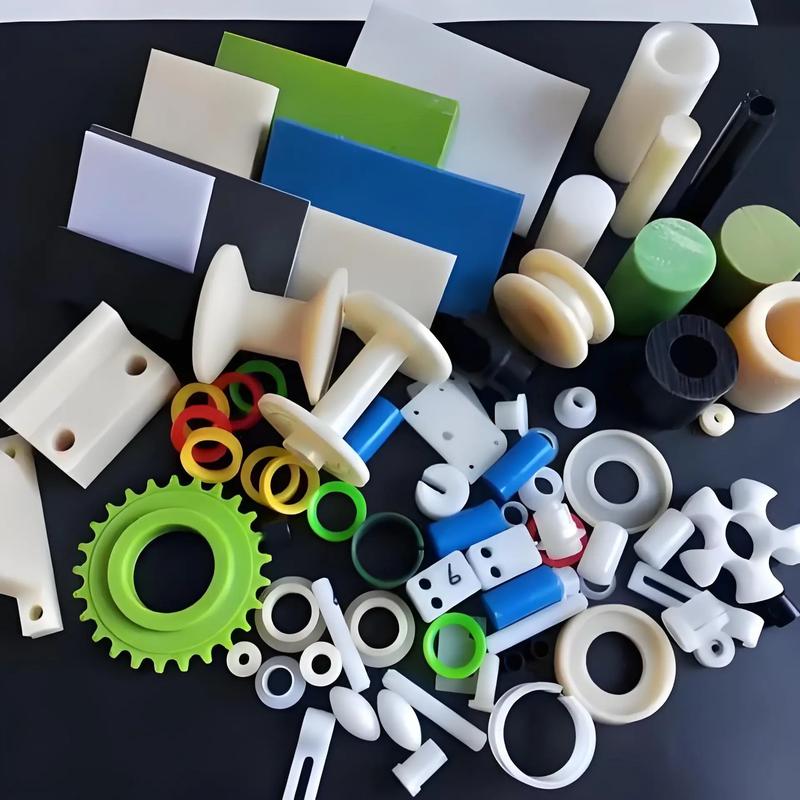 What is PEEK-for Engineers and Buyers
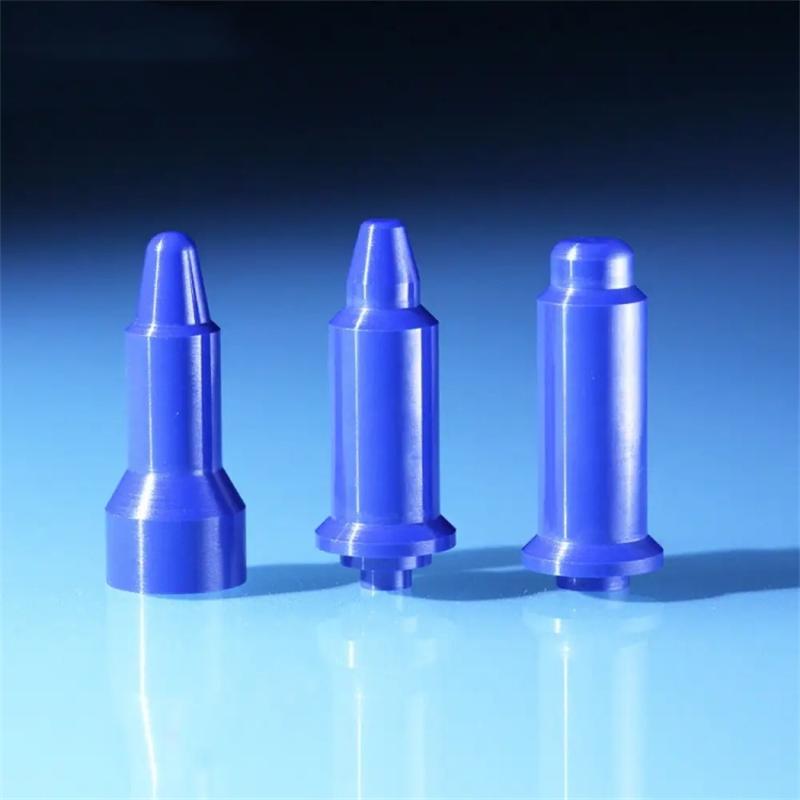 Application Scope of Zirconia Ceramic Structural Components