
Analysis of Corrosion Resistance in Special Alloys
In extreme industrial environments such as chemical processing, energy, offshore engineering, and aerospace, equipment failure due to corrosion not only results in high maintenance and replacement costs but can also lead to serious safety incidents. Thanks to their exceptional corrosion resistance and high-temperature stability, special alloys have become the “last line of defense” in these demanding operating conditions. However, faced with the vast array of alloy grades available on the market, knowing how to select the right grade accurately and avoid common application pitfalls is a core skill that engineers and procurement professionals must master. This article provides an in-depth analysis of the corrosion resistance of special alloys from various perspectives, including compositional mechanisms, classification systems, typical applications, and a guide to avoiding pitfalls during selection.
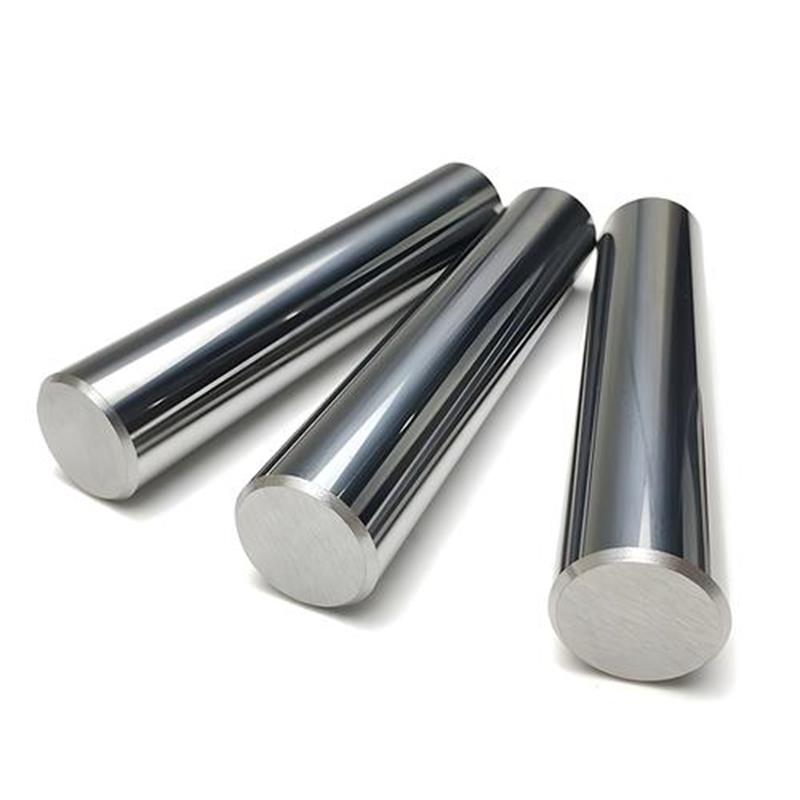
Composition: The Genetic Code of Corrosion Resistance
The corrosion resistance of special alloys is no accident; it stems from their precise chemical composition design and the synergistic effects between elements. Nickel (Ni) typically serves as the matrix element, providing not only excellent ductility and high-temperature stability but also forming the foundation for resistance to various acids and alkalis. Chromium (Cr) is key to resistance against oxidation and oxidizing acids (such as nitric acid), as it forms a dense protective layer of chromium oxide on the alloy’s surface.
When it comes to resisting reductive acids (such as hydrochloric acid and sulfuric acid) and localized corrosion (such as pitting and crevice corrosion), molybdenum (Mo) and tungsten (W) play irreplaceable roles. Molybdenum significantly enhances the stability of the passivation film in reductive media, while tungsten further strengthens the solid solution, improving resistance to pitting corrosion. Furthermore, a design featuring ultra-low carbon (C) and extremely low silicon (Si) content is key to preventing intergranular corrosion during welding or in high-temperature environments. Only through precise control of the proportions of these elements can specialty alloys maintain long-term durability in extreme environments.
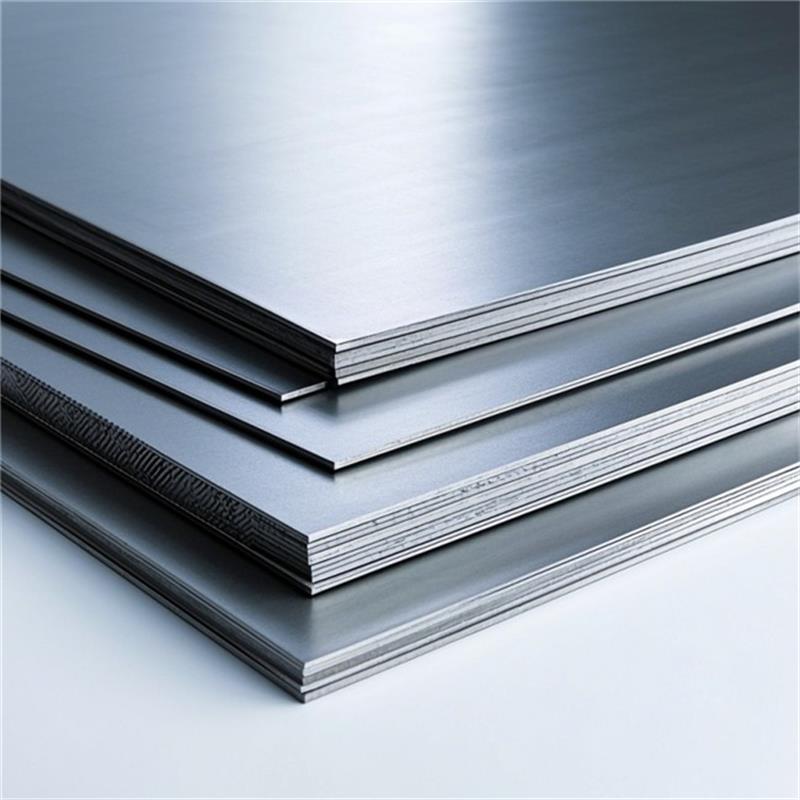
Classification
Based on their composition and primary applications, specialty alloys can be broadly categorized into the following groups:
Hastelloy Series: Hailed as the “king of corrosion-resistant alloys,” this series is primarily divided into the B and C series. The B series (e.g., B-2, B-3) consists of nickel-molybdenum alloys designed specifically for extremely reducing media (such as boiling hydrochloric acid and sulfuric acid), but they are susceptible to corrosion in oxidizing environments. The C series (e.g., C-276, C-22, C-2000) consists of nickel-chromium-molybdenum alloys with versatile properties; they can resist both oxidizing acids and reduce acids, as well as complex environments containing chloride ions. Among these, C-2000 further enhances its corrosion resistance limits in mixed acids through the addition of copper.
Cobalt-based high-temperature alloys (e.g., GH5605S): These alloys are “masters of balancing high temperatures and corrosion.” With a cobalt matrix supplemented by high levels of chromium and tungsten, they can simultaneously resist oxidation, sulfidation, and molten salt corrosion even at temperatures as high as 980°C. They perform exceptionally well under high-temperature gas erosion and in sulfur-containing atmospheres, making them specialists that many nickel-based alloys cannot replace.
High-Performance Special Steel Plates (e.g., 2848W5): Designed specifically for environments where ultra-high temperatures and severe corrosion coexist. Through composite strengthening with chromium, nickel, molybdenum, and tungsten, these materials exhibit extremely low oxidation rates below 1100°C and demonstrate remarkably long service lives in sulfur-containing flue gas, strong acid and alkali, and salt spray environments, making them cost-effective alternatives to traditional stainless steels and conventional nickel-based alloys.
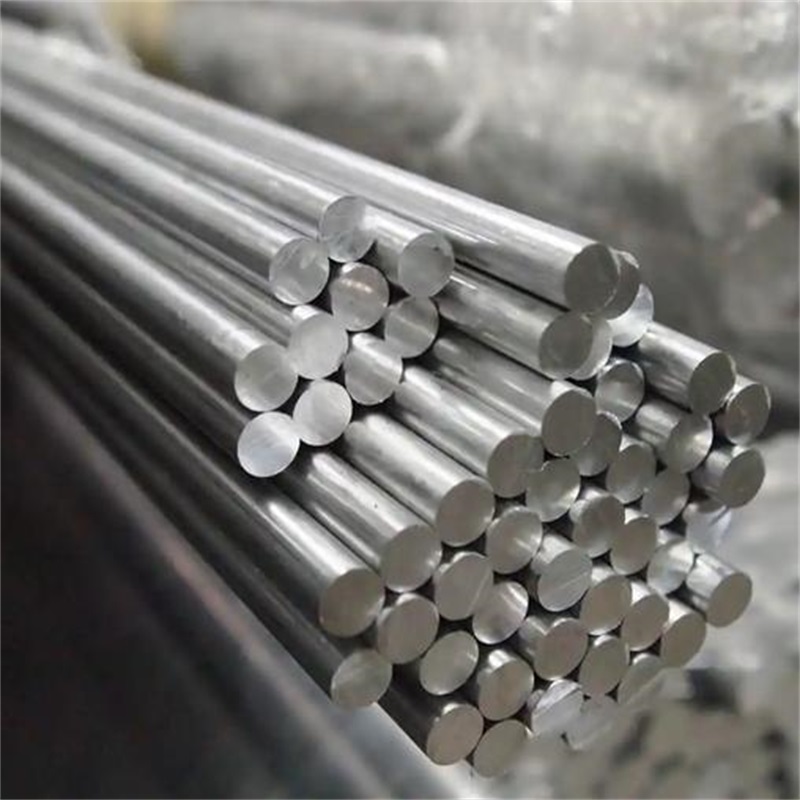
Typical Applications:
The Backbone of Extreme Operating Conditions
The applications of specialty alloys span virtually all core processes in heavy industry. In the chemical and petrochemical sectors, they are the materials of choice for sulfuric acid/hydrochloric acid reactors, hydrometallurgical leaching tanks, PTA production units, and flue gas desulfurization (FGD) systems. In energy and environmental engineering—from seawater desalination pumps and nuclear fuel reprocessing equipment to linings for waste gas incinerators—specialty alloys significantly extend equipment replacement cycles. In the aerospace sector, cobalt-based alloys are widely used to manufacture turbine blades, guide vanes, and engine combustion chamber liners, withstanding the most severe high-temperature gas conditions.
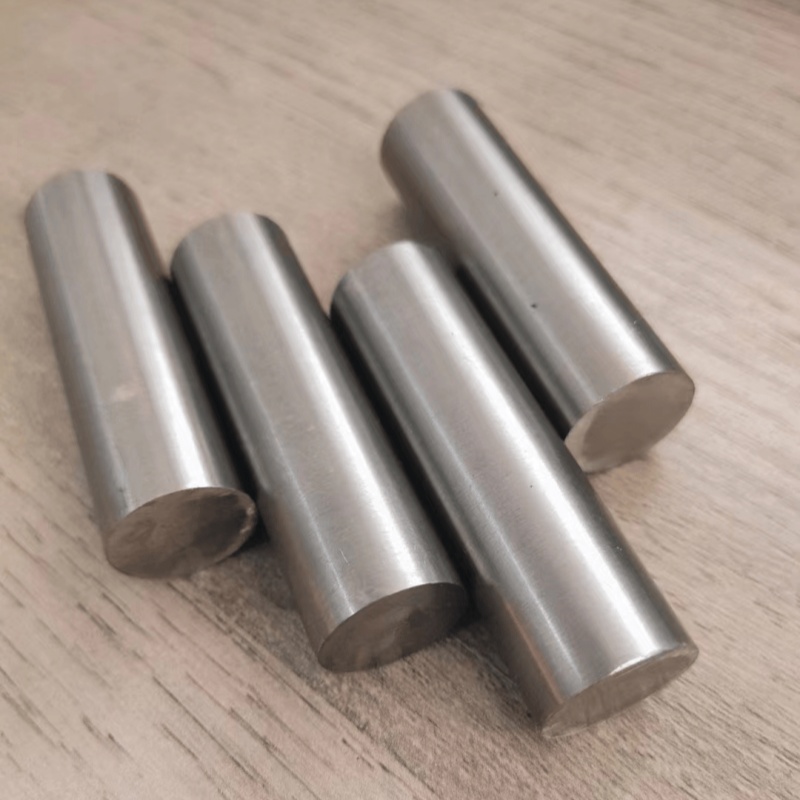
Purchasing Recommendations:
Considering Total Life Cycle Cost
For procurement professionals, material selection must never focus solely on the “unit price.” While the initial cost of specialty alloys is often higher, a life-cycle cost (LCC) analysis must be conducted. For example, a chemical plant’s waste gas incineration unit originally used conventional alloys, which required replacement every six months due to severe sulfur corrosion; after switching to GH5605S, the replacement cycle was extended to two years, and the overall cost was reduced by more than 40%.
When procuring, be sure to provide suppliers with complete operating parameters, including specific temperature, pressure, medium composition, and concentration (especially the content of oxidizing ions). Only by matching materials based on precise data can you avoid the waste caused by “over-specifying” or the safety hazards resulting from “under-specifying.”
FAQ
Q: How should one choose between the Hastelloy B and C series?
A: The key factor is the oxidizing nature of the medium. If the medium consists of strongly reducing acids such as pure hydrochloric acid or dilute sulfuric acid, the B series (e.g., B-3) offers excellent value for money; however, if the medium contains nitric acid, hypochlorites, or oxidizing ions such as Fe³⁺ or Cu²⁺, it is essential to select the high-chromium C series (e.g., C-276 or C-22), otherwise the B series will suffer catastrophic corrosion.
Q: Why are some alloys prone to intergranular corrosion after welding?
A: This is typically related to the precipitation of carbides or brittle phases. When selecting materials, ultra-low-carbon (C ≤ 0.01%) grades should be prioritized. During machining and welding, heat input and interpass temperatures must be strictly controlled; if necessary, a solution treatment followed by rapid water quenching should be performed after welding to maintain a uniform microstructure.
Precautions:
Special alloys are extremely sensitive to impurities. During machining, forming, and welding, the introduction of impurities such as iron and sulfur must be strictly prevented, and tools that have come into contact with carbon steel should not be used. Furthermore, even top-tier alloys have their physical limits; for example, the corrosion resistance of GH5605S decreases significantly in chlorine-containing atmospheres, while the B series must never be operated for extended periods in oxygen-enriched environments above 600°C. Accurately identifying the operating limits is the ultimate principle for ensuring the safety and longevity of equipment.
 What Is Polyimide (PI)
What Is Polyphenylene Sulfide (PPS)
What Is Polyimide (PI)
What Is Polyphenylene Sulfide (PPS)
 What is PEEK-for Engineers and Buyers
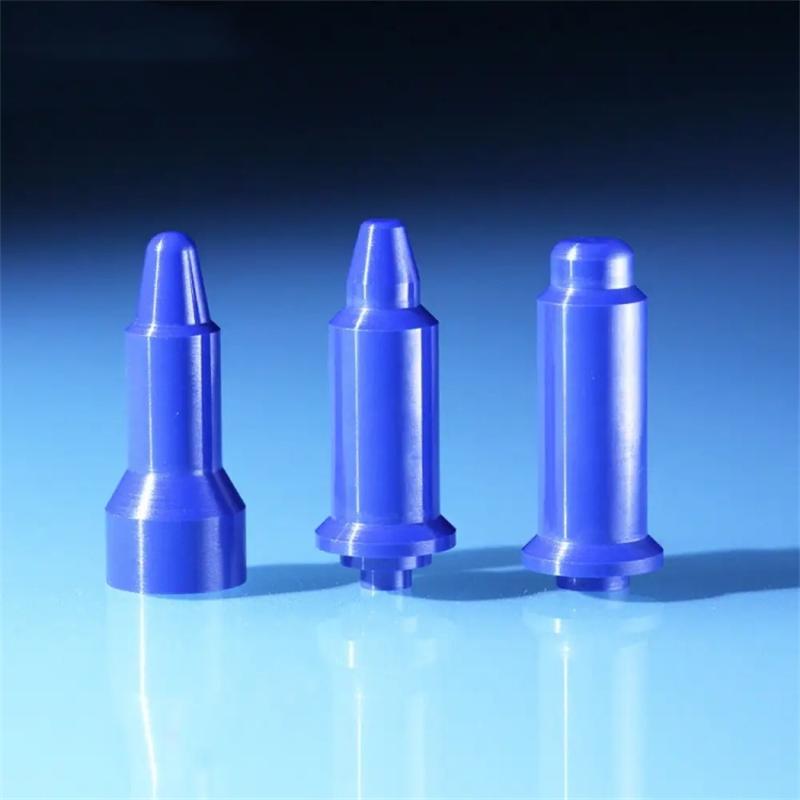 Application Scope of Zirconia Ceramic Structural Components