
Special Alloys: Core Materials from Aerospace to Medical Implants
Throughout the history of materials science, special alloys have consistently played a central role in pushing the boundaries of industry. From bronze smelting in the Stone Age to precision instruments in modern high-tech industries, every breakthrough in alloy systems has been accompanied by a leap in productivity. For engineers and procurement professionals, special alloys are not merely material grades on blueprints; they are key variables that determine a product’s performance, lifespan, and cost.
Core Components and Classification Logic
The essence of special alloys lies in achieving performance breakthroughs beyond the limitations of a single metal through the synergistic interaction of multiple elements. Based on matrix elements and application-oriented design, current mainstream special alloys can be divided into three major categories.
High-Temperature Alloys (Nickel-Based, Cobalt-Based, Iron-Based)
These materials serve as the “pillar of stability” in extreme environments. Nickel-based high-temperature alloys (such as GH4169 and Inconel 718) use nickel as the matrix and achieve solid-solution strengthening or precipitation hardening through the addition of elements such as chromium, molybdenum, and tungsten, maintaining extremely high tensile strength and creep resistance even at temperatures above 600°C. Cobalt-based alloys (such as CoCrW and Stellite 6), on the other hand, use cobalt as the matrix, typically contain 20–30% chromium, and are reinforced with tungsten and molybdenum. They exhibit exceptional wear resistance and corrosion resistance, maintaining excellent mechanical properties even at high temperatures of 760°C.
Biomedical Alloys (Titanium Alloys, Cobalt-Chromium-Molybdenum Alloys)
Medical implants impose extremely stringent requirements on materials, with biocompatibility and mechanical properties being the key considerations. Titanium alloys are hailed as the “universal metal”; their surfaces automatically form a dense protective layer of titanium dioxide, which effectively blocks the release of metal ions and prevents attacks by the immune system. Among these, β-type titanium alloys are the preferred choice for orthopedic implants because their elastic modulus most closely matches that of human bone, effectively reducing the “stress shielding effect.” Cobalt-chromium-molybdenum alloys (such as ASTM F75), on the other hand, play a crucial role in artificial joints and dental implants due to their extremely high wear resistance and non-magnetic properties.
Refractory High-Entropy Alloys and Functional Alloys
This is a cutting-edge field in materials science. Refractory high-entropy alloys (RHEAs), composed of various refractory metals such as niobium, tantalum, tungsten, molybdenum, and hafnium, exhibit remarkable strength and toughness at both extremely high and extremely low temperatures, making them potential structural materials for next-generation aircraft engines and nuclear reactors. In addition, shape-memory alloys (such as nickel-titanium alloys) can return to their original shape when exposed to temperature changes, while superconducting alloys (such as Nb-Ti) enable zero-resistance power transmission at low temperatures. These functional alloys are opening up entirely new dimensions of application.
Analysis of Key Application Scenarios
Aerospace and Energy Equipment
Aviation engines are the “main battlefield” for high-temperature alloys. From combustion chamber flame tubes and guide vanes to turbine discs, nickel-based and cobalt-based high-temperature alloys are subjected to extremely high temperatures and centrifugal stresses. In the energy sector, fuel loop piping in fourth-generation nuclear power plants’ molten salt reactors and high-temperature components in gas turbines similarly rely on the oxidation and corrosion resistance of specialty alloys. For example, Hastelloy N tubing exhibits exceptional stability in fluorine-containing reactors and molten salt environments, making it a core choice for nuclear-grade materials.
Medical Devices and Implants
The application of specialty alloys in the medical field has evolved from “substitution” to “integration.” After titanium alloy implants are inserted into the alveolar bone, they form direct “osseointegration” with new bone. This is made possible by the “foreign body balance” achieved by the immune system under the direction of T-regulator cells—macrophages shift from the pro-inflammatory M1 type to the anti-inflammatory, reparative M2 type, ultimately building new bone around the implant. Cobalt-chromium-molybdenum alloys, with their extremely low wear rates (only one-tenth that of 304 stainless steel), have become the ideal material for friction pairs in artificial joints.
Precision Manufacturing and Extreme Operating Conditions
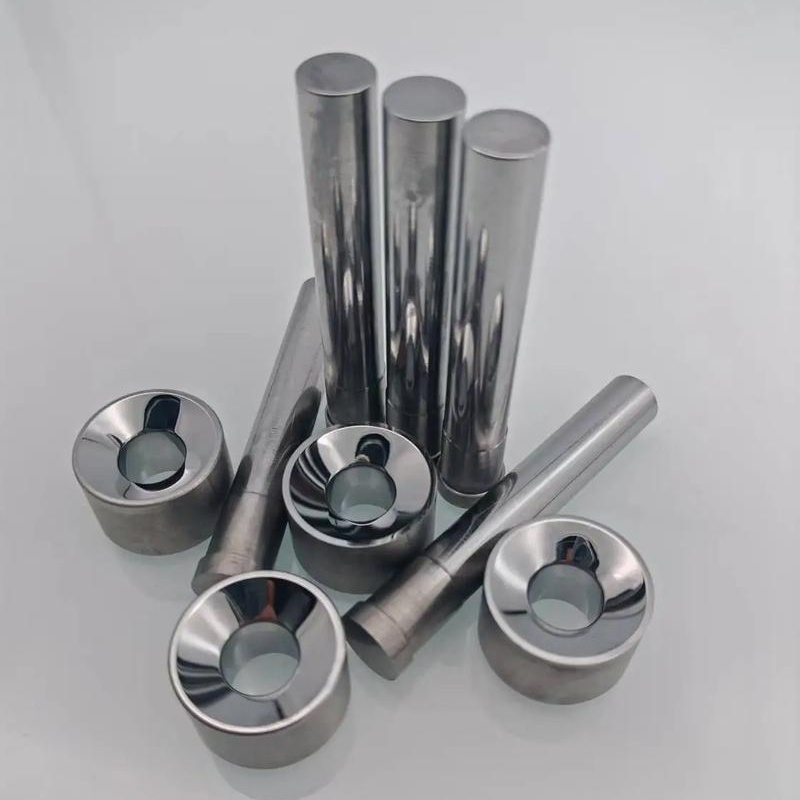
In chemical engineering and marine engineering, specialty alloys serve as the last line of defense against corrosion. Tungsten steel (cemented carbide), with its high hardness and wear resistance, is the core material for cutting tools and stamping dies; aluminum bronze and specialty stainless steels play critical roles in marine valves and explosion-proof tools. Special attention must be paid during procurement, as different operating conditions impose strict requirements on the microstructure of materials. For example, high-temperature creep performance is directly related to grain size, and nuclear-grade materials must meet the traceability requirements of ASME or AMS standards.
Frequently Asked Questions (FAQ) for Engineers and Purchasing Personnel
Q1: Is higher hardness always better?
Not necessarily. Hardness and toughness are often inversely proportional. For example, in tungsten steel, cobalt acts as a binder; the higher its content, the better the toughness, but hardness decreases slightly; conversely, lower cobalt content results in higher hardness but greater brittleness. When machining high-hardness steel, it is essential to select grades with adequate toughness rather than simply pursuing high HRA values, as otherwise, chipping is highly likely to occur.
Q2: How should one choose between titanium alloys and cobalt-chromium alloys for medical implants?
If osseointegration and lightweight design are the top priorities, β-type titanium alloys are the preferred choice, as their elastic modulus is close to that of human bone, reducing stress shielding. If the application site is subject to extremely high friction (such as joint surfaces), cobalt-chromium-molybdenum alloys offer superior wear resistance. However, it should be noted that some stainless steels and cobalt-chromium alloys may slowly release nickel and chromium ions; patients with nickel allergies require careful evaluation.
Q3: What is the difference between “single-crystal” and “equiaxial” superalloys?
Single-crystal alloys eliminate grain boundaries through directional solidification, offering creep resistance and thermal fatigue resistance at high temperatures that far exceed those of equiaxed alloys; they are the material of choice for advanced aircraft engine turbine blades. However, the single-crystal fabrication process is complex and extremely costly; for non-extreme high-temperature operating conditions, equiaxed or directionally oriented columnar alloys offer better value for money.
Q4: When purchasing specialty alloys, how can one avoid “substandard materials”?
Be wary of composition shortcuts. For example, low-cost cobalt-based alloys may substitute nickel for cobalt, resulting in a sharp decline in high-temperature performance; or they may have low chromium or tungsten content, leading to hardness that fails to meet specifications. Be sure to require suppliers to provide smelting batch reports, third-party testing reports (e.g., SGS/BV), and complete Material Test Certificates (MTCs). Focus on verifying raw data regarding grain size, non-destructive testing (UT/RT), and biocompatibility testing.
Selection Recommendations and Practical Guidelines
Define operating conditions clearly to precisely match the alloy grade
Do not start the procurement process by simply stating, “I want to buy a high-temperature alloy” or “I want to buy a titanium alloy.” Specifications must be detailed, including operating temperature, stress conditions, corrosive media, and fatigue life requirements. For example, turbine discs operating above 700°C require precipitation-hardened nickel-based alloys (such as GH4169), while combustion chamber shells operating below 800°C can use solution-hardened alloys (such as GH3030). For medical orders, verify ISO 10993 biocompatibility certification and relevant osteological test data.
Focus on Smelting Processes and Microstructure
The performance of specialty alloys is rooted in purity and microstructural uniformity. Prioritize suppliers that use a dual-refining process combining vacuum induction melting (VIM) and electroslag remelting (ESR), as this effectively controls impurity and gas content. For high-temperature alloys, confirm the grain size grade (e.g., ASTM Grade 4 or higher); for medical titanium alloys, focus on the ability of surface coating technologies (e.g., NT-ICA-ASP/PLGA) to regulate macrophage polarization, as this directly affects long-term stability.
Cost Optimization and Alternative Solutions
Provided performance requirements are met, costs can be reduced through process and structural optimization. For example, centrifugal casting can be considered for cobalt-based alloy tubes with wall thicknesses greater than 5 mm, as it reduces costs by 30% compared to forging; for non-load-bearing wear-resistant components, a CoCrW coating applied to a carbon steel substrate can reduce costs by 50%. For complex structural components, 3D printing (using pre-alloyed powders) is gradually replacing some machining requirements for bar stock, thereby reducing material waste.
Supplier Audits and Quality Traceability
Establish a rigorous supplier qualification mechanism. In addition to standard qualifications, conduct on-site inspections of their heat treatment capabilities, non-destructive testing equipment, and quality traceability systems. For aerospace and nuclear-grade materials, ensure full-chain traceability from the smelting furnace number to the finished product’s shipment. It is recommended to require suppliers to provide actual test data under typical operating conditions (e.g., tensile strength at 700°C, simulated body fluid corrosion rate), rather than relying solely on standard values.
Other Considerations
The Critical Role of Heat Treatment
The performance of special alloys is highly dependent on heat treatment. For example, nickel-based alloys require solution treatment after welding to restore corrosion resistance; materials that have undergone cold working require intermediate annealing to eliminate work hardening. During procurement, verify that the supplier possesses the necessary heat treatment capabilities or clearly define the heat treatment process parameters to avoid performance degradation caused by improper heat treatment.
The Strategic Value of Surface Treatment
Surface condition directly affects the service life of specialty alloys. Surface coatings on medical implants can modulate immune responses and promote osseointegration; oxidation-resistant coatings on high-temperature alloys can extend blade life; and hard coatings on cutting tools can enhance wear resistance. When procuring, surface treatment should be treated as a core technical specification rather than an optional feature.
Future Trends: Additive Manufacturing and Smart Materials
3D printing is redefining the application boundaries of special alloys; particle size control (15–53 μm) and sphericity of pre-alloyed powders are key metrics. Meanwhile, functional materials such as shape-memory alloys and superconducting alloys are moving from the laboratory toward engineering applications. Engineers must remain attuned to new material systems and reserve room for upgrades during the product design phase.
The procurement and application of specialty alloys are, at their core, a multidimensional balance of performance, cost, and reliability. Only by deeply understanding the chain linking composition, process, performance, and application can one ensure safety under extreme operating conditions and gain a technological edge in market competition.
 What Is Polyimide (PI)
What Is Polyphenylene Sulfide (PPS)
What Is Polyimide (PI)
What Is Polyphenylene Sulfide (PPS)
 What is PEEK-for Engineers and Buyers
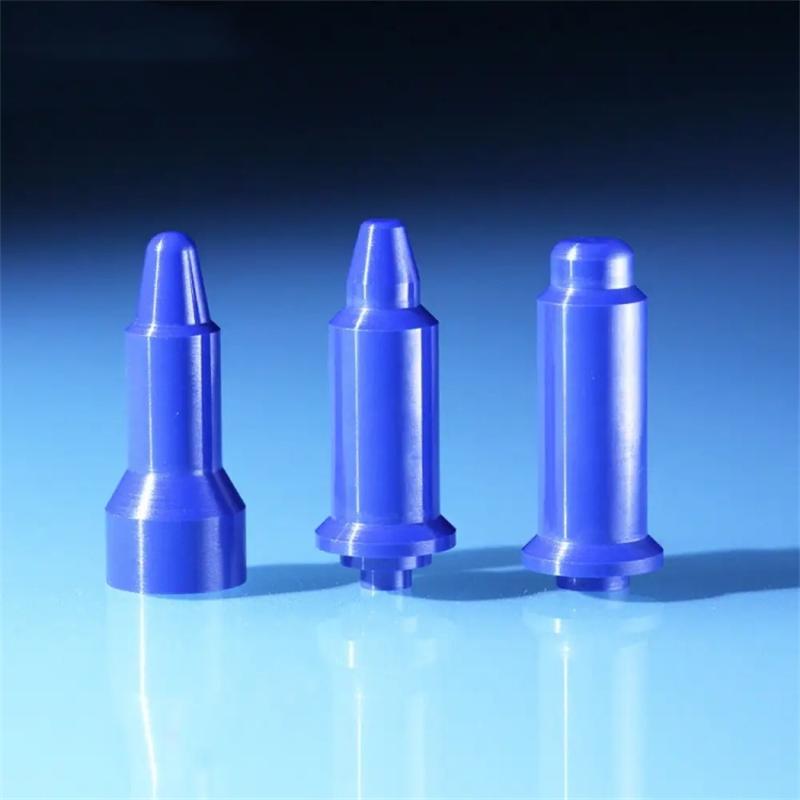 Application Scope of Zirconia Ceramic Structural Components