
Special Alloys: The Cornerstone of Material
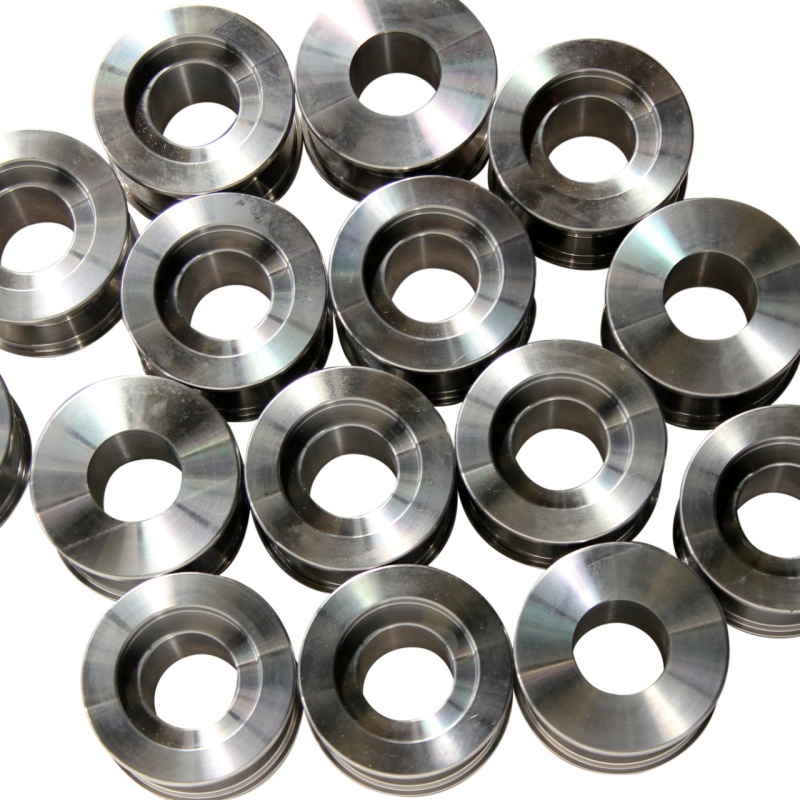
In modern high-end equipment manufacturing, ordinary metals often struggle to withstand extreme temperatures, pressures, or corrosive environments. Specialty alloys were developed precisely to address these demanding challenges. Through precise composition design and specialized processing techniques, these metallic materials achieve superior physical, chemical, and mechanical properties. For engineers and procurement professionals, a deep understanding of the nature, classification, and selection criteria of specialty alloys is key to ensuring equipment reliability and controlling overall costs.
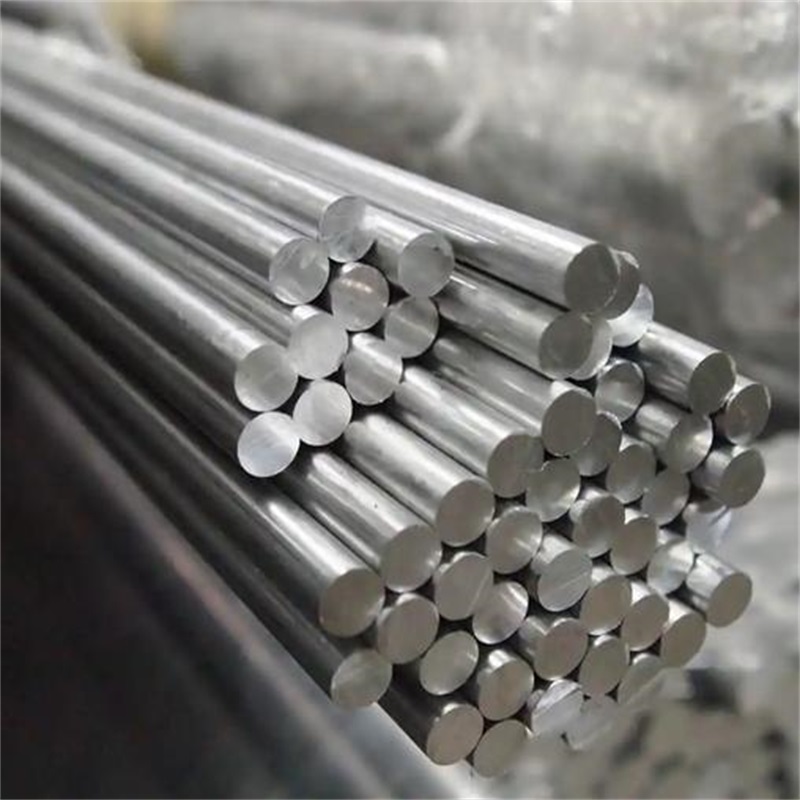
Core Composition and Strengthening Mechanisms
What makes specialty alloys “special” lies in their complex alloying design. These materials typically use nickel, cobalt, iron, or titanium as the matrix, with various alloying elements added. For example, chromium and aluminum form dense oxide films, imparting exceptional high-temperature oxidation resistance and corrosion resistance to the material; refractory metals such as molybdenum and tungsten significantly enhance the material’s high-temperature strength and creep resistance through solid solution strengthening. Furthermore, elements such as aluminum, titanium, and niobium form precipitation-hardened phases (such as the γ’ phase) under specific heat treatment conditions; this is the core mechanism that allows nickel-based high-temperature alloys to maintain extremely high strength at temperatures above 700°C. At the same time, trace elements such as boron and zirconium are often used to purify grain boundaries, further enhancing the material’s endurance and microstructural stability.
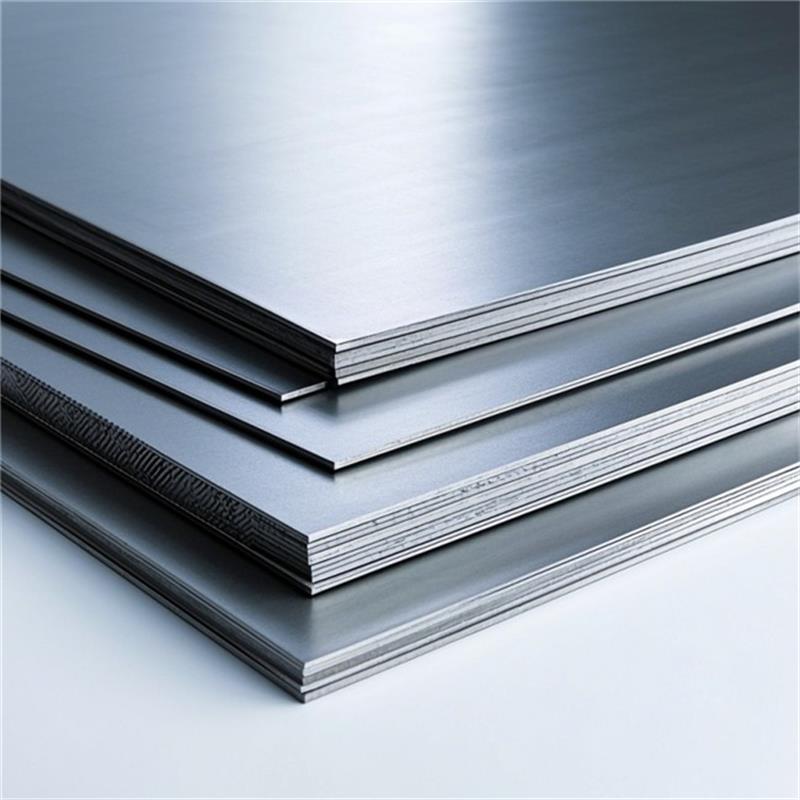
Major Classifications and Applications
The system of special alloys is vast and is typically classified based on matrix elements and functional properties. By matrix type, they primarily include nickel-based, cobalt-based, iron-based, and titanium alloys. Nickel-based alloys are the core materials for aircraft engine turbine discs, blades, and gas turbine combustion chambers, capable of long-term stable operation at high temperatures around 1000°C; cobalt-based alloys, with their excellent resistance to thermal corrosion and wear, are commonly used in guide vanes and chemical process valves; iron-based alloys strike a good balance between cost and performance and are widely used in pipelines and heat exchangers in the petrochemical and nuclear power sectors; Titanium alloys, with their extremely high specific strength and biocompatibility, are the material of choice for aerospace structural components and medical implants.
Classified by special functions, specialty alloys also include corrosion-resistant alloys (such as Hastelloy, designed for strong acid and alkali environments), precision alloys (such as low-expansion alloys, used in electronic packaging), wear-resistant alloys, and shape-memory alloys. These materials play an irreplaceable role in deep-sea engineering, semiconductor manufacturing, and precision instruments.
Frequently Asked Questions (FAQ) for Engineers and Purchasing Professionals
The following questions often arise during engineering applications and the procurement process:
Why is the machining of specialty alloys so difficult and costly?
Specialty alloys typically exhibit a strong tendency toward work hardening and have an extremely narrow hot-working temperature window. For example, certain high-temperature alloys are highly prone to forming surface-hardened layers during cold working, leading to severe tool wear; during forging, improper temperature control can easily cause cracking. This requires the use of specialized cutting tools, strict cooling protocols, and a multi-pass, low-deformation process, which inevitably drives up manufacturing costs.
Does meeting room-temperature performance standards guarantee absolute safety during high-temperature service?
Not necessarily. Many alloys exhibit excellent strength at room temperature but may undergo microstructural degradation during long-term high-temperature service, such as the precipitation of harmful σ phases leading to embrittlement, or high-temperature creep deformation. Therefore, the evaluation of special alloys must focus on their long-term strength, creep limits, and microstructural stability data at actual service temperatures, rather than relying solely on room-temperature tensile test reports.
How can failure of special alloys after welding be prevented?
The heat-affected zone (HAZ) is the weak point of special alloys. Improper welding can easily lead to hot cracks, grain coarsening, or reduced corrosion resistance. Engineering practices typically require low heat input, strict preheating, and post-weld stress-relief annealing or solution treatment. For high-demand components, post-weld radiographic or ultrasonic testing must be performed to ensure the absence of internal microcracks.
Recommendations for Informed Selection and Avoiding Pitfalls
Faced with a complex market, procurement personnel should establish a multidimensional evaluation system.
First, precise matching to operating conditions is essential. The equipment’s maximum operating temperature, stress conditions (static, alternating, or impact loads), and the chemical composition of the contact medium must be clearly defined. For example, in high-temperature atmospheres containing sulfur and chlorine, corrosion-resistant alloys with high chromium and molybdenum content must be selected; ordinary heat-resistant steels will fail rapidly.
Second, strictly control quality and traceability. The performance of special alloys is extremely sensitive to impurity elements (such as sulfur, phosphorus, and hydrogen). When purchasing, request that suppliers provide an original manufacturer’s warranty certificate with a unique traceability code, and carefully verify the chemical composition, high-temperature mechanical properties, and non-destructive testing reports. For critical load-bearing components, it is recommended to engage an authoritative third-party inspection agency to avoid hidden risks arising from “passing off inferior products as superior ones” or “under-specification of composition.”
Finally, focus on total life-cycle costs. While specialty alloys carry a high unit price, one should not blindly pursue the lowest cost. Instead, comprehensively evaluate the material’s processing yield, service life, and maintenance frequency. For non-core load-bearing components or those operating at lower temperatures, consider using lower-cost alternative grades to avoid resource waste caused by overdesign.
Storage, Processing, and Safety Precautions
The delicate nature of special alloys is evident not only during use but also during storage and processing. For storage, materials must be kept in a dry, well-ventilated indoor environment. They must never be stored alongside acids, alkalis, chlorides, or heavy metal powders to prevent galvanic corrosion or surface contamination. When handling, use flexible slings; direct contact with or throwing of steel wire ropes is strictly prohibited to prevent surface scratches that could become sources of fatigue cracks.
For machining and cutting, plasma, laser, or waterjet cutting is recommended; oxy-acetylene flame cutting should be avoided as much as possible to prevent edge carburization or the formation of heat-affected cracks. Metal dust generated during machining is irritating; workshops must be equipped with a comprehensive fume extraction and dust collection system, and operators must wear specialized dust masks and protective face shields.
Regarding safety and emergency response, special alloys reach extremely high surface temperatures when hot; operators must wear heat-resistant gloves and flame-retardant clothing. In the event of a burn from a hot component, immediately rinse the affected area with copious amounts of cold water and seek medical attention. The use of water or foam fire extinguishers to extinguish metal fires is strictly prohibited on site; dry powder or carbon dioxide fire extinguishers must be provided. Machining scrap and waste contaminated with chemicals must be strictly sorted and collected as hazardous waste and handed over to specialized agencies for disposal; they must not be discarded indiscriminately.
 What Is Polyimide (PI)
What Is Polyphenylene Sulfide (PPS)
What Is Polyimide (PI)
What Is Polyphenylene Sulfide (PPS)
 What is PEEK-for Engineers and Buyers
 Application Scope of Zirconia Ceramic Structural Components