
Silicon Nitride Ceramics in Semiconductor Manufacturing Equipment
In the demanding environment of semiconductor fabrication, equipment components must withstand extreme temperatures, corrosive plasmas, and rigorous mechanical stress while maintaining near-zero contamination levels. Silicon nitride (Si₃N₄) ceramics have emerged as an indispensable material solution, offering a unique combination of mechanical toughness, thermal stability, and electrical insulation that conventional materials cannot match .
As semiconductor nodes shrink and wafer sizes increase, the role of high-performance ceramic components becomes increasingly critical. Advanced ceramics now account for approximately 16% of the total value of semiconductor equipment parts, with silicon nitride playing a central role in wafer handling, plasma processing, and high-temperature applications . This guide provides semiconductor engineers, procurement specialists, and equipment OEMs with comprehensive technical information on silicon nitride ceramics—from material properties to supplier selection.
What Is Silicon Nitride Ceramic?
Silicon nitride (Si₃N₄) is a non-oxide engineering ceramic renowned for its exceptional fracture toughness and thermal shock resistance. Unlike traditional ceramics that are brittle and prone to cracking, silicon nitride features a unique microstructure of elongated β-Si₃N₄ grains that impart self-reinforcing mechanical properties .
The material is produced through advanced sintering techniques including gas pressure sintering (GPS), hot pressing (HP), and reaction-bonded sintering. GPS has become the preferred industrial manufacturing method due to its ability to produce dense, complex-shaped components with high output and relatively low per-unit production costs . The sintering process, typically conducted at temperatures above 1900°C under nitrogen pressures of 2-10 MPa, achieves near-full density (99.5%+) while suppressing decomposition of the Si₃N₄ grains .
Key Properties of Silicon Nitride Ceramics
Mechanical Properties
Silicon nitride delivers outstanding mechanical performance that makes it suitable for precision components subject to dynamic loads. Typical flexural strength ranges from 800 to 1,000 MPa, with fracture toughness values of 6-7 MPa·m¹/²—significantly higher than alumina or other oxide ceramics . With a density of just 3.2 g/cm³, it offers an exceptional strength-to-weight ratio, approximately 60% lighter than steel while maintaining comparable stiffness (Young’s modulus: 290-300 GPa) .
Thermal Performance
The material exhibits thermal conductivity ranging from 25 to over 79 W/m·K depending on processing conditions, enabling efficient heat dissipation in power-intensive applications . The thermal expansion coefficient of 3.6-4.2 × 10⁻⁶/K closely matches that of silicon (4.1 × 10⁻⁶/K), minimizing thermal mismatch stress in semiconductor assemblies .
Wear and Corrosion Resistance
Silicon nitride’s hardness (second only to diamond) and low friction coefficient provide exceptional wear resistance—outlasting conventional alloys by 3-10 times in abrasive environments . The material demonstrates excellent corrosion resistance against fluorine and chlorine-based plasmas used in etching processes, as well as resistance to molten metals and aggressive chemicals .
Electrical Insulation
With volume resistivity exceeding 10¹⁴ Ω·cm and dielectric strength above 39 kV/mm, silicon nitride provides reliable electrical insulation essential for preventing electrostatic discharge damage to sensitive semiconductor devices .
Typical Applications in Semiconductor Equipment
Wafer Handling and Robotics
Silicon nitride is the preferred material for vacuum robot end effectors and wafer handling arms. The low density reduces inertial loads on robotic joints, while high fracture toughness prevents edge chipping during high-speed motion. The material’s wear resistance ensures positional accuracy over millions of operational cycles .
Bearings and Motion Systems
Ceramic bearings and guide rails manufactured from silicon nitride eliminate the need for lubricants that could contaminate cleanroom environments. These components significantly reduce particle generation compared to metallic alternatives and provide maintenance-free operation in vacuum and corrosive gas environments .
Process Tubes and Liners
In diffusion furnaces and oxidation systems, silicon nitride process tubes offer superior thermal shock resistance versus quartz, enabling faster ramp rates and higher throughput. The material maintains structural integrity at temperatures up to 1,400°C, withstanding rapid temperature cycling without failure .
Clamp Rings and Retaining Rings
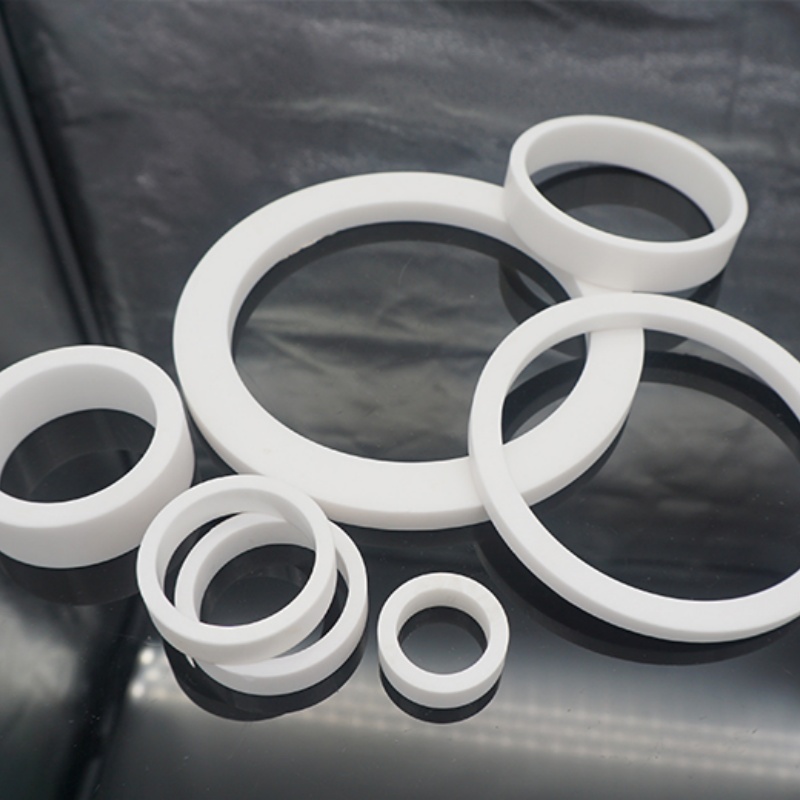
Used in chemical mechanical planarization (CMP) and etching systems, silicon nitride retaining rings extend service life by 5-10 times compared to polymer or alumina alternatives, reducing equipment downtime and improving process consistency .
High-Power Device Packaging
As the semiconductor industry transitions to wide-bandgap materials like silicon carbide and gallium nitride, silicon nitride ceramic substrates provide the thermal conductivity and mechanical reliability required for high-power IGBT and power module packaging .
Advantages Compared with Other Ceramic Materials
Silicon Nitride vs. Alumina (Al₂O₃): While alumina is widely used for its cost-effectiveness and electrical insulation, silicon nitride offers 2-3 times higher fracture toughness and superior thermal shock resistance. For applications subject to mechanical stress or rapid temperature changes, silicon nitride provides greater reliability .
Silicon Nitride vs. Aluminum Nitride (AlN): AlN excels in thermal conductivity (up to 230 W/m·K) and is preferred for heat dissipation substrates. However, AlN has lower mechanical strength and fracture toughness than silicon nitride, making silicon nitride the superior choice for structural components requiring both thermal management and mechanical durability .
Silicon Nitride vs. Silicon Carbide (SiC): SiC offers superior plasma resistance in high-energy etching environments and is often used for wafer chucks and focus rings. Silicon nitride, however, provides better fracture toughness, electrical insulation, and a lower dielectric constant, making it more suitable for moving mechanical components and RF-sensitive applications .
Custom Manufacturing Options
Qualified manufacturers and suppliers offer comprehensive custom fabrication capabilities for silicon nitride components:
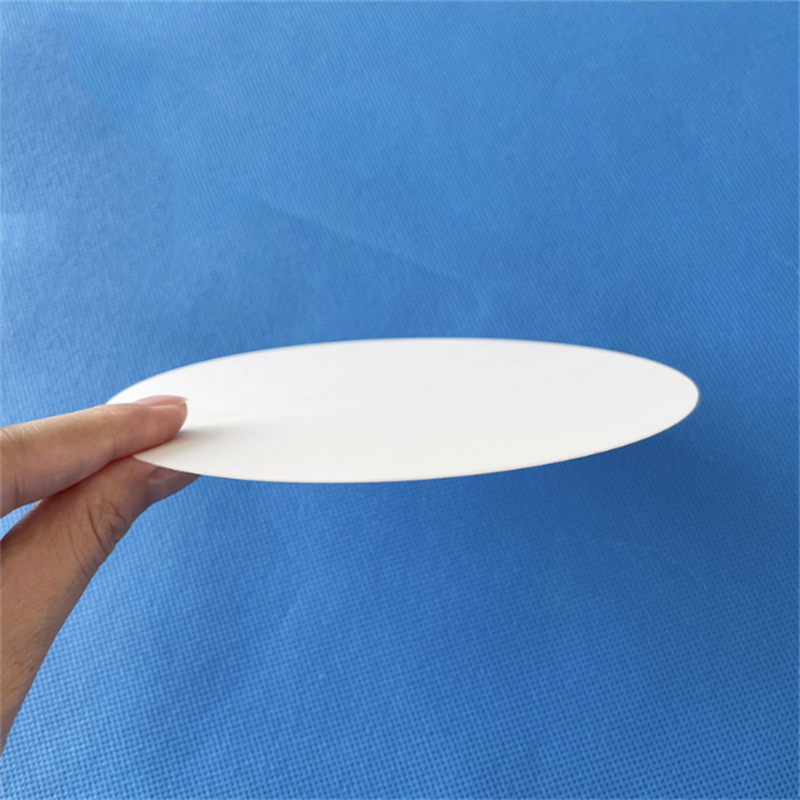
Forming Methods: Cold isostatic pressing (CIP), dry pressing, and injection molding enable production of parts ranging from simple discs to complex geometries. For large-scale production, gas pressure sintering provides the optimal balance of quality and cost-effectiveness .
Precision Machining: Diamond grinding and lapping achieve dimensional tolerances within microns and surface finishes below 0.1 μm Ra. Capabilities include grinding of internal and external diameters, flat surfaces, and through-holes .
Quality Control: Reputable manufacturers employ coordinate measuring machines (CMM) for 100% dimensional inspection, surface roughness measurement, and particle count verification for cleanroom compatibility. Components are packaged under ISO Class 5 conditions for direct fab entry .
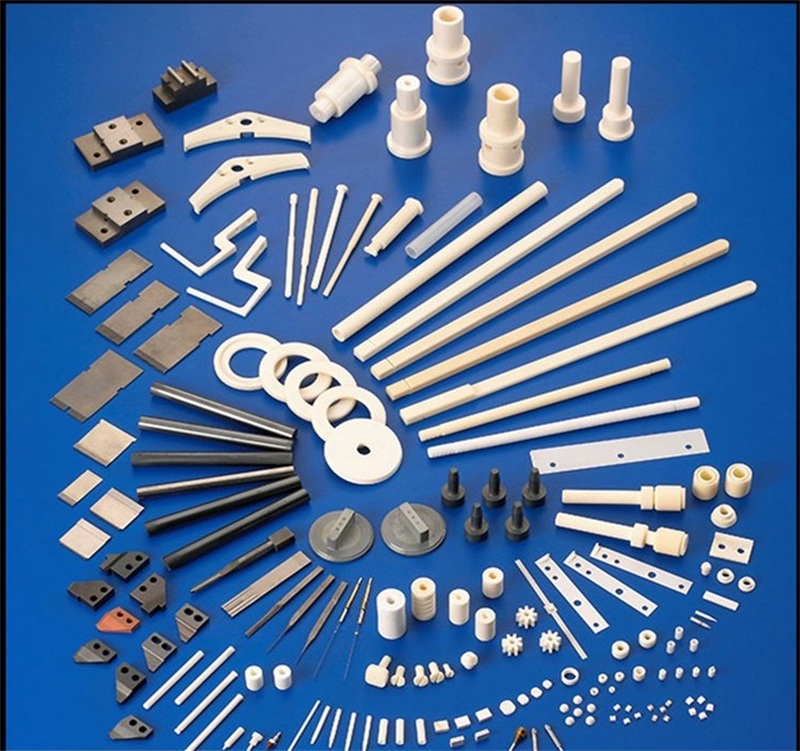
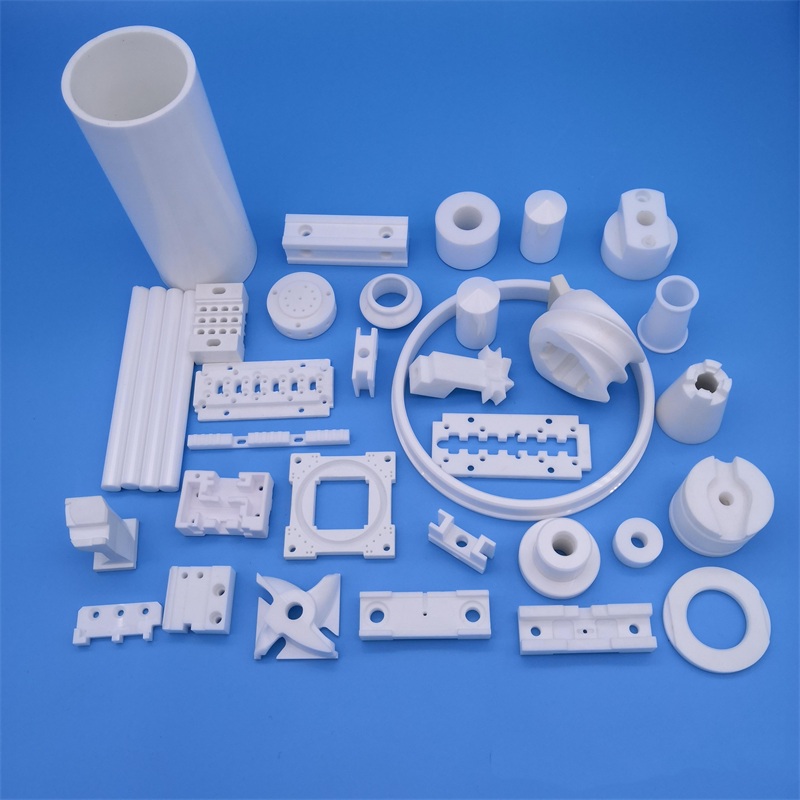
Custom Specifications: OEM custom parts can be manufactured to exact customer specifications, including non-standard geometries, surface finishes, and tight tolerance requirements. Many suppliers offer design assistance to optimize part geometry for manufacturability while maintaining performance requirements .
How to Choose the Right Supplier
When evaluating a manufacturer or supplier for silicon nitride precision components, consider these critical factors:
Material Certification: Request full material property documentation including flexural strength, fracture toughness, thermal conductivity, and dielectric properties. Verify that the supplier’s materials meet industry standards such as ASTM F2091 for semiconductor applications .
Manufacturing Capability: Assess whether the supplier possesses in-house sintering and precision machining capabilities. Integrated factories (Facility with full process control) can provide better quality control and shorter lead times than brokers or distributors .
Quality Systems: Look for ISO 9001 or IATF 16949 certification. Semiconductor components require rigorous process control, traceability, and cleanroom handling .
Custom Engineering Support: A supplier that offers CAD-based design review, finite element analysis, and prototyping services will help optimize your custom parts for both performance and manufacturability .
Global Supply Chain: For international procurement, consider suppliers with proven export experience, multilingual technical support, and established logistics networks serving semiconductor manufacturing centers .
Silicon nitride ceramics have become a fundamental enabling material for advanced semiconductor manufacturing equipment. The unique combination of mechanical toughness, thermal stability, wear resistance, and electrical insulation makes Si₃N₄ the material of choice for critical components where reliability cannot be compromised. As semiconductor technology continues to advance, the demand for precision-engineered silicon nitride components will grow accordingly.
For engineers and procurement professionals, selecting the right manufacturer requires careful evaluation of material properties, manufacturing capabilities, and quality assurance systems. By partnering with an experienced supplier offering custom manufacturing solutions, semiconductor equipment OEMs can ensure the performance and reliability essential for next-generation semiconductor production.
FAQ
What is the difference between Silicon Nitride and Alumina ceramics for semiconductor applications?
Silicon nitride offers significantly higher fracture toughness (6-7 vs. 3-4 MPa·m¹/²) and superior thermal shock resistance compared to alumina. While alumina is more cost-effective and provides excellent electrical insulation, silicon nitride is preferred for components subject to mechanical stress, thermal cycling, or where failure would cause costly equipment downtime. For wafer handling components, bearings, and retaining rings, silicon nitride’s wear resistance and toughness provide longer service life and greater reliability .
What temperature can Silicon Nitride withstand in semiconductor processes?
Silicon nitride maintains structural integrity at temperatures up to 1,400°C in air and higher in inert atmospheres. The material exhibits excellent thermal shock resistance, withstanding rapid temperature changes without cracking—a critical property for processes involving frequent thermal cycling. For comparison, hot-pressed silicon nitride can be heated to 1,000°C and quenched in cold water without damage .
Why is Silicon Nitride used in semiconductor equipment instead of metals?
Metals present several contamination risks in semiconductor manufacturing: they can release metal ions that diffuse into wafers during high-temperature processing, generate particles through wear and corrosion, and require lubricants that outgas in vacuum environments. Silicon nitride is inherently metal-free, chemically inert, and wear-resistant, eliminating these contamination pathways. Additionally, its strength-to-weight ratio enables faster robotic movements in wafer handling while maintaining positioning accuracy .
How do I choose the right specifications for custom Silicon Nitride components?
Start by defining the application requirements: operating temperature range, mechanical loads, chemical exposure, dimensional tolerances, and surface finish. Work with your supplier to select the appropriate Si₃N₄ grade—high-strength formulations (flexural strength ~1,000 MPa) for structural components versus higher-thermal-conductivity grades (>79 W/m·K) for packaging applications. Consider the manufacturing method: GPS sintering is suitable for complex shapes and large volumes, while hot pressing is appropriate for simple geometries requiring maximum density. Always request prototype samples to validate performance before volume production .
How do I select a reliable Silicon Nitride component supplier?
Evaluate potential suppliers on five criteria: (1) Technical capability—in-house sintering and precision machining, not just brokering; (2) Quality systems—ISO 9001 certification and cleanroom packaging for semiconductor-grade parts; (3) Material traceability—documentation of raw material sources and batch testing; (4) Custom engineering support—ability to optimize designs for manufacturability; (5) Industry experience—proven track record supplying semiconductor equipment OEMs. Request references from existing customers and consider visiting the factory to assess operations firsthand .
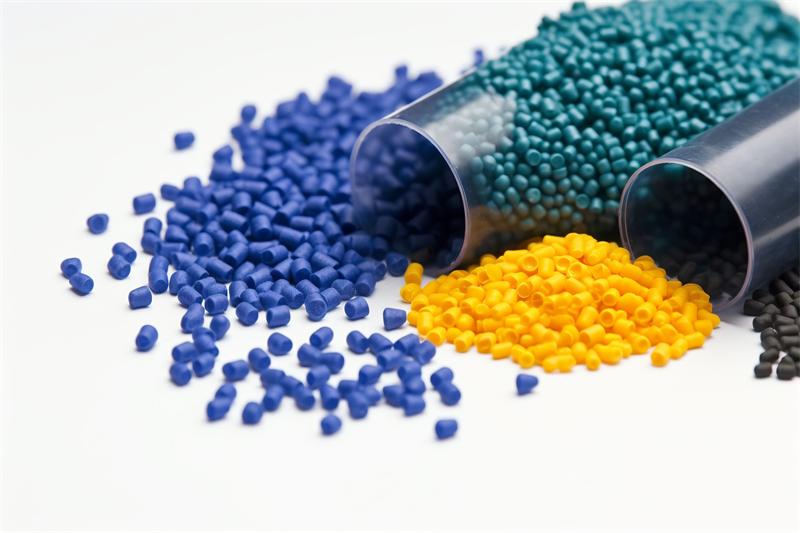 What Is Polyimide (PI)
What Is Polyphenylene Sulfide (PPS)
What Is Polyimide (PI)
What Is Polyphenylene Sulfide (PPS)
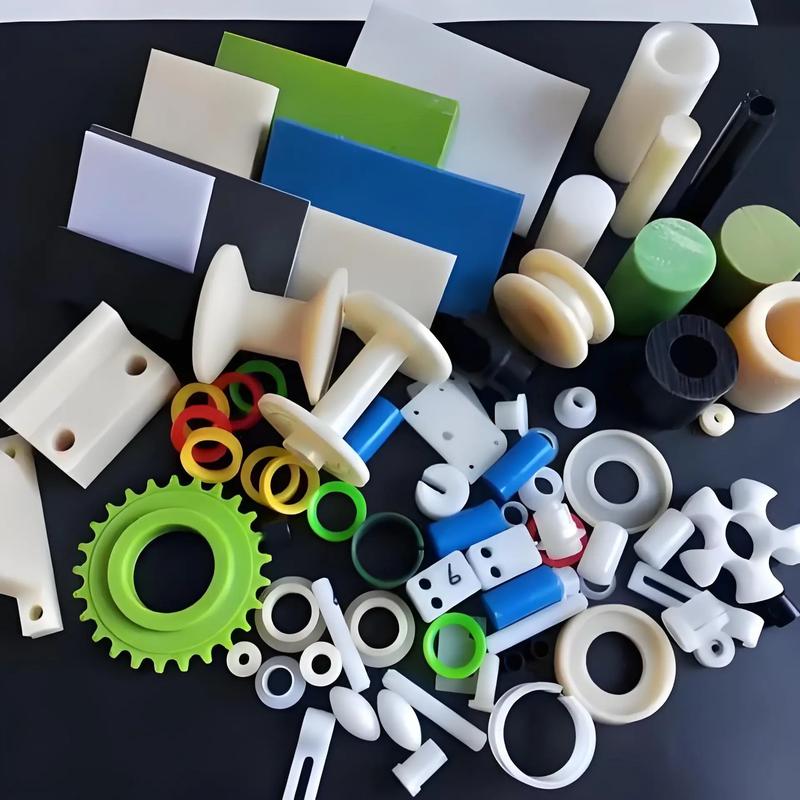 What is PEEK-for Engineers and Buyers
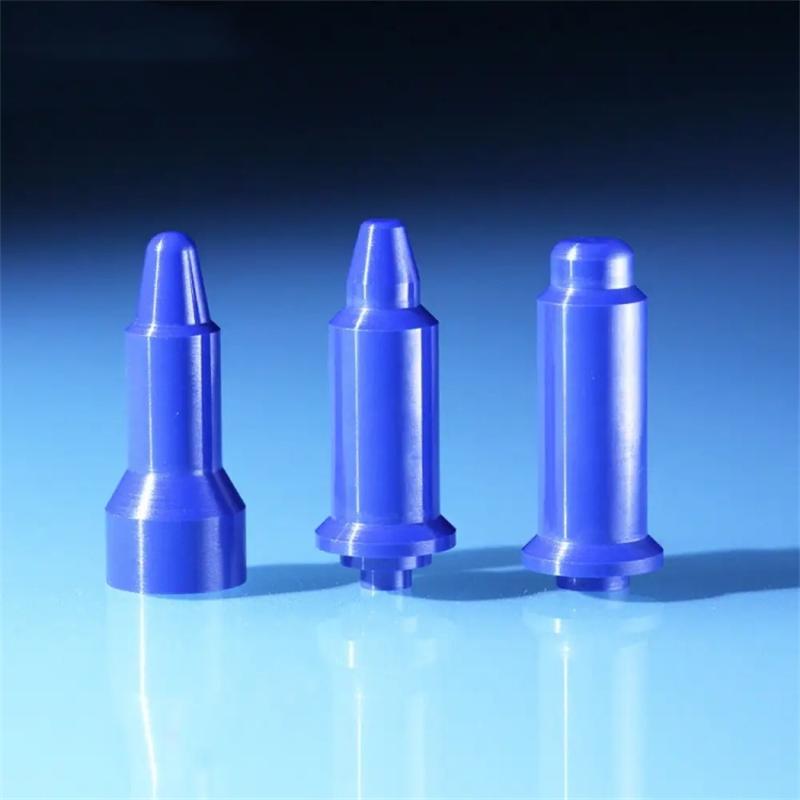 Application Scope of Zirconia Ceramic Structural Components