
Silicon Nitride Ceramics in Aerospace Applications
Silicon nitride (Si₃N₄) represents one of the most versatile advanced ceramic materials available to aerospace engineers today. First developed in the 1960s, this non-oxide ceramic has evolved into a critical material solution for extreme environment applications where conventional metals and even other ceramics fall short. Its unique combination of mechanical strength, thermal stability, and lightweight characteristics makes it particularly valuable for next-generation aerospace systems requiring both performance and reliability under demanding conditions .
The material’s significance in aerospace stems from its ability to maintain structural integrity at elevated temperatures while resisting thermal shock, wear, and corrosion—attributes that directly address the stringent requirements of turbine engines, thermal protection systems, and high-speed rotating components . As aerospace systems continue pushing toward higher operating temperatures and greater efficiency, silicon nitride ceramics have emerged as an enabling technology rather than merely an alternative material choice.
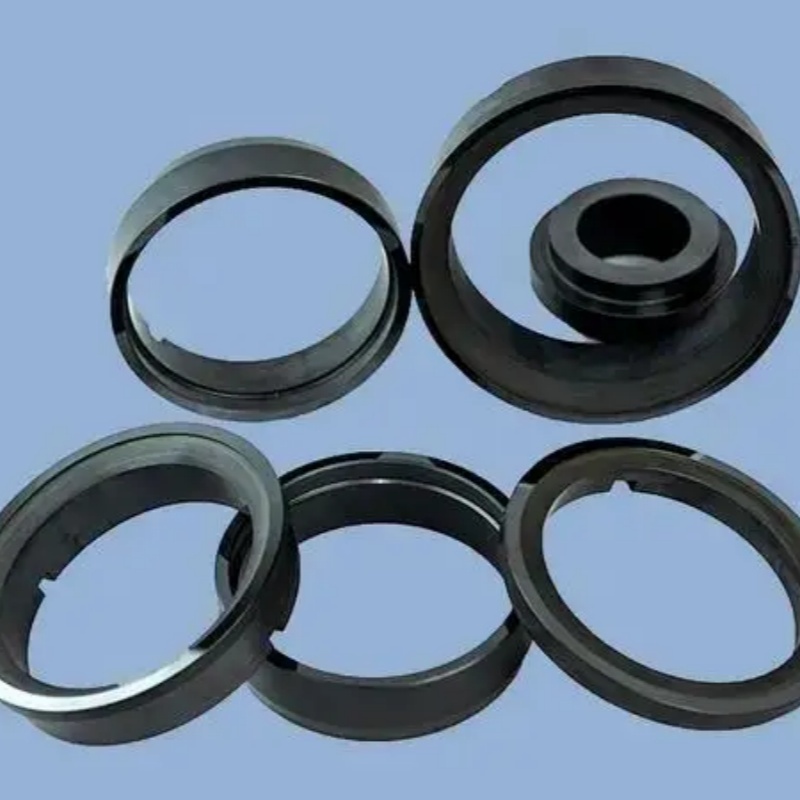
What Is Silicon Nitride Ceramic?
Silicon nitride (Si₃N₄) is a high-performance technical ceramic composed of silicon and nitrogen atoms arranged in a hexagonal crystal structure. It exists in three crystalline phases—α, β, and γ—with the β-phase being the most commonly utilized in engineering applications due to its superior mechanical properties . The material is produced through advanced sintering techniques including gas pressure sintering (GPS), hot isostatic pressing (HIP), and pressureless sintering, each offering different advantages depending on the application requirements .
What distinguishes silicon nitride from other advanced ceramics is its exceptional combination of properties. Unlike alumina or zirconia, which excel in specific areas but have limitations in others, silicon nitride provides a balanced performance profile that includes high strength, fracture toughness, thermal shock resistance, and wear resistance simultaneously. This versatility has made it a preferred material for aerospace components where multiple performance criteria must be satisfied .
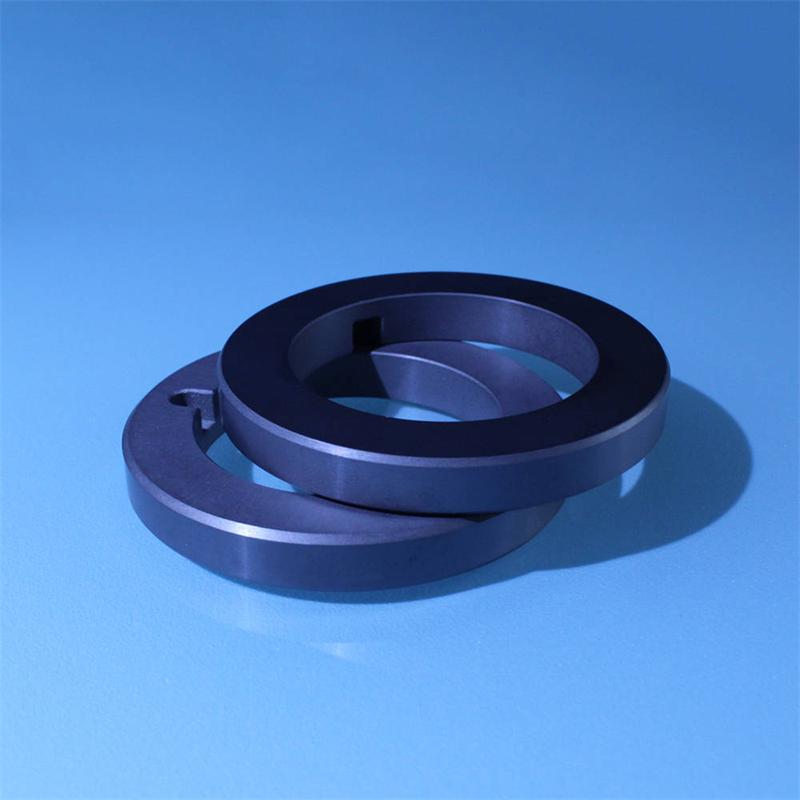
Key Properties of Silicon Nitride Ceramics
Mechanical Properties
Silicon nitride exhibits flexural strength ranging from 700 to 1000 MPa at room temperature, with fracture toughness values between 5 and 8 MPa·m¹/²—significantly higher than most monolithic ceramics . This combination of strength and toughness provides reliable performance under mechanical stress and dynamic loading conditions typical of aerospace applications. The material maintains approximately 80% of its room-temperature strength at temperatures up to 1200°C in inert atmospheres .
Thermal Properties
With a thermal conductivity of 15–90+ W/(m·K) depending on grade, silicon nitride effectively manages heat in demanding thermal environments . Its coefficient of thermal expansion (3.0–3.2 × 10⁻⁶/K) closely matches that of many metals, reducing thermal stress at material interfaces . The maximum service temperature reaches 1200–1400°C, with thermal shock resistance allowing rapid temperature changes of up to 800°C .
Wear Resistance and Corrosion Resistance
Silicon nitride ranks among the hardest ceramic materials with Vickers hardness of 1500–1700 HV, providing exceptional wear resistance in abrasive and high-speed applications . The material demonstrates excellent corrosion resistance to most inorganic acids and alkalis, with the notable exception of hydrofluoric acid, making it suitable for chemically aggressive aerospace environments .
Electrical Insulation
As an excellent electrical insulator, silicon nitride exhibits volume resistivity ≥10¹⁵ Ω·cm and dielectric strength of 12–15 kV/mm . This property is particularly valuable in aerospace electronics and sensor applications where electrical isolation must be maintained at elevated temperatures.
High Temperature Resistance
Unlike many materials that experience significant property degradation at elevated temperatures, silicon nitride maintains its mechanical integrity in extreme thermal environments. This high temperature resistance makes it suitable for gas turbine components, rocket engine parts, and thermal protection systems where temperatures routinely exceed 1000°C .
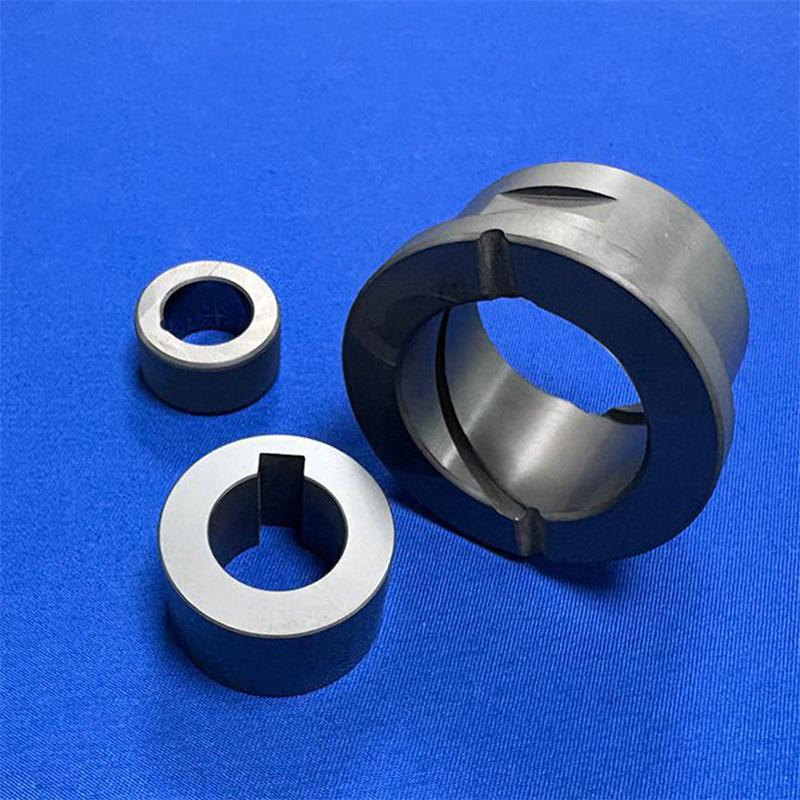
Typical Applications
Turbine Components and Engine Parts
Silicon nitride ceramics have found significant application in turbine blades, vanes, and other hot-section components where high temperature resistance and lightweight properties provide operational advantages . The material’s lower density compared to superalloys reduces centrifugal stress in rotating components while maintaining structural integrity at elevated temperatures.
Thermal Protection Systems
Aerospace vehicles operating at hypersonic speeds require thermal protection systems capable of withstanding extreme aerodynamic heating. Silicon nitride ceramic components are utilized in heat shields and structural interfaces where dimensional stability must be maintained under rapid thermal cycling .
Bearing and Rotating Systems
High-speed precision bearings manufactured from silicon nitride demonstrate superior performance compared to conventional steel bearings in aerospace applications . The combination of low density, high hardness, self-lubricating properties, and corrosion resistance extends service life and reduces maintenance intervals in critical rotating assemblies .
Structural Fastening and Positioning
Silicon nitride components serve as electrically insulated fastening elements and precision positioning structures that must maintain accurate alignment under temperature fluctuation and vibration . These applications leverage the material’s dimensional stability and electrical insulation properties.
Radome and Wave-Transparent Applications
The dielectric properties of silicon nitride-based ceramics make them suitable for radome and antenna window applications where efficient transmission of electromagnetic waves is required at high temperatures . Recent developments in Si-O-N ceramics have further enhanced wave-transparent performance while maintaining mechanical integrity .
Advantages Compared with Other Ceramic Materials
vs. Alumina (Al₂O₃)
While alumina is more economical for general-purpose applications, silicon nitride offers superior fracture toughness (6–7 vs. 3.5–4.5 MPa·m¹/²) and flexural strength (800–1000 vs. 300–400 MPa) . Silicon nitride’s thermal expansion coefficient (3.0–3.3 × 10⁻⁶/K) better matches that of metals, reducing thermal stress in hybrid assemblies . The material also provides better thermal shock resistance and maintains strength at higher temperatures.
vs. Silicon Carbide (SiC)
Silicon carbide exhibits higher thermal conductivity and hardness than silicon nitride, making it preferable for extreme wear applications . However, silicon nitride provides superior fracture toughness and thermal shock resistance, making it more suitable for components subject to rapid temperature changes and mechanical impact . Silicon nitride also offers better electrical insulation properties, with volume resistivity ≥10¹⁴ Ω·cm compared to SiC’s semiconductive behavior .
vs. Zirconia (ZrO₂)
Zirconia ceramics demonstrate higher fracture toughness (7–10 MPa·m¹/²) but have significantly lower thermal conductivity (2.5–3.0 vs. 20–35 W/m·K) and maximum service temperature (1000–1200°C vs. 1200–1400°C for silicon nitride) . Silicon nitride provides superior high-temperature stability and thermal management capability, making it better suited for elevated temperature aerospace applications .
vs. Metals (Superalloys)
Compared to nickel-based superalloys commonly used in aerospace, silicon nitride offers approximately 40% lower density (3.2–3.3 vs. 8.0–9.0 g/cm³), higher hot hardness, and superior corrosion resistance . While superalloys provide greater ductility and damage tolerance, silicon nitride’s mechanical properties at elevated temperatures and reduced weight provide significant advantages in rotating and thermal management applications.
Custom Manufacturing Options
Sintering Methods
Silicon nitride components are manufactured through various sintering techniques, each offering different property profiles and economics. Gas pressure sintering (GPS) provides a cost-effective approach for many structural applications, while hot isostatic pressing (HIP) produces near-theoretical density components with superior mechanical properties . Hot pressing (HP) remains suitable for simpler geometries requiring maximum density. Recent advances in high-pressure high-temperature (HPHT) sintering have demonstrated the capability to produce dense Si₃N₄ ceramics without sintering aids, potentially eliminating residual glass phases that can degrade high-temperature performance .
Precision Machining Capabilities
Silicon nitride’s exceptional hardness (second only to diamond and cubic boron nitride) requires specialized machining techniques. Reputable manufacturers employ diamond grinding, CNC machining, and lapping to achieve precise tolerances and surface finishes. Typical machining capabilities include:
– Outer diameter (OD) and inner diameter (ID) tolerances down to ±0.01 mm
– Length tolerances down to ±0.01 mm
– Surface roughness (Ra) ≤ 0.1 μm for fine finishes, with mirror finishes ≤ 30 nm achievable
– Parallelism down to 0.001 mm
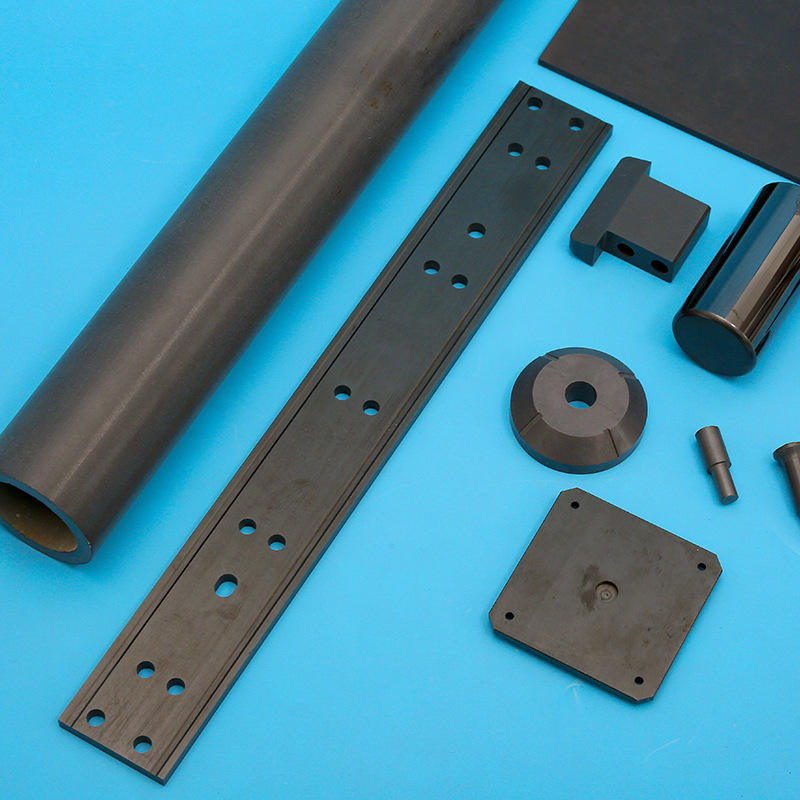
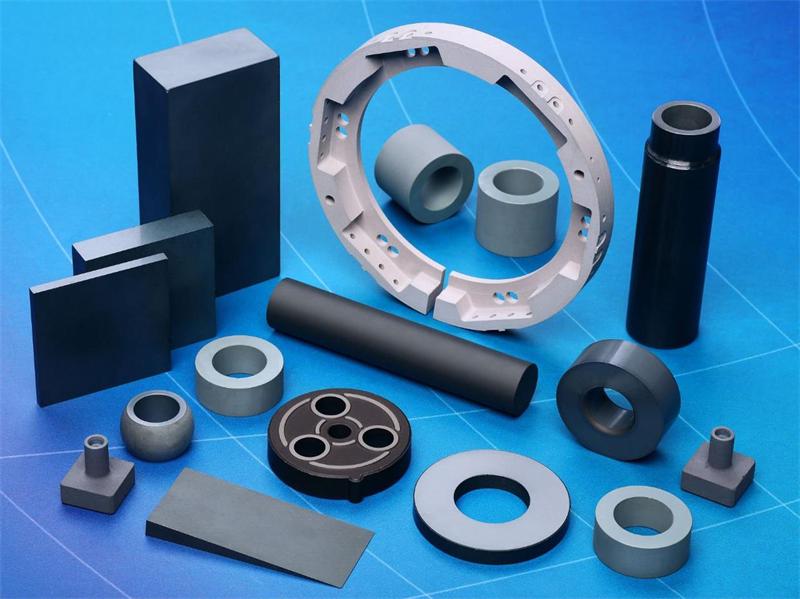
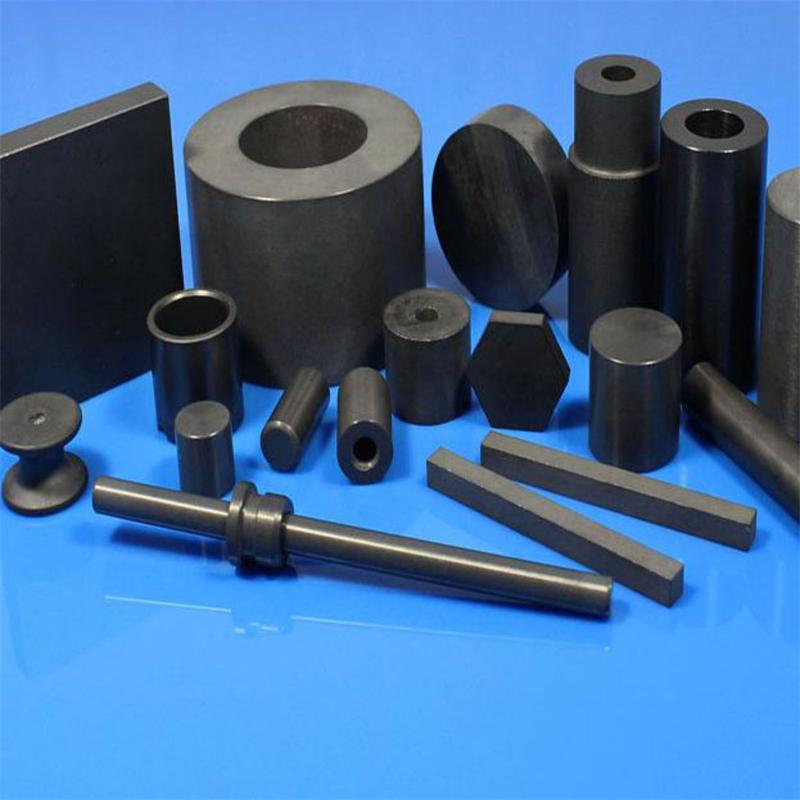
Available forms include rods, discs, plates, rings, sleeves, nozzles, crucibles, and complex custom geometries .
Near-Net Shaping and Complex Geometries
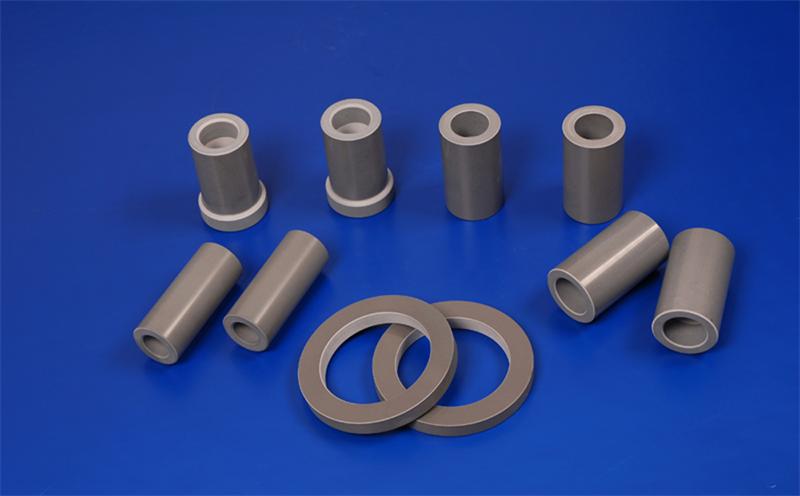
Advanced forming techniques allow complex shapes to be produced before final sintering, reducing machining requirements and material waste . This near-net shaping capability is particularly valuable for precision components with intricate features such as holes, slots, threads, and thin-wall sections . Custom features can be designed into components based on application requirements, with design-for-manufacturability reviews optimizing geometry for reliable production.
Prototyping and Production
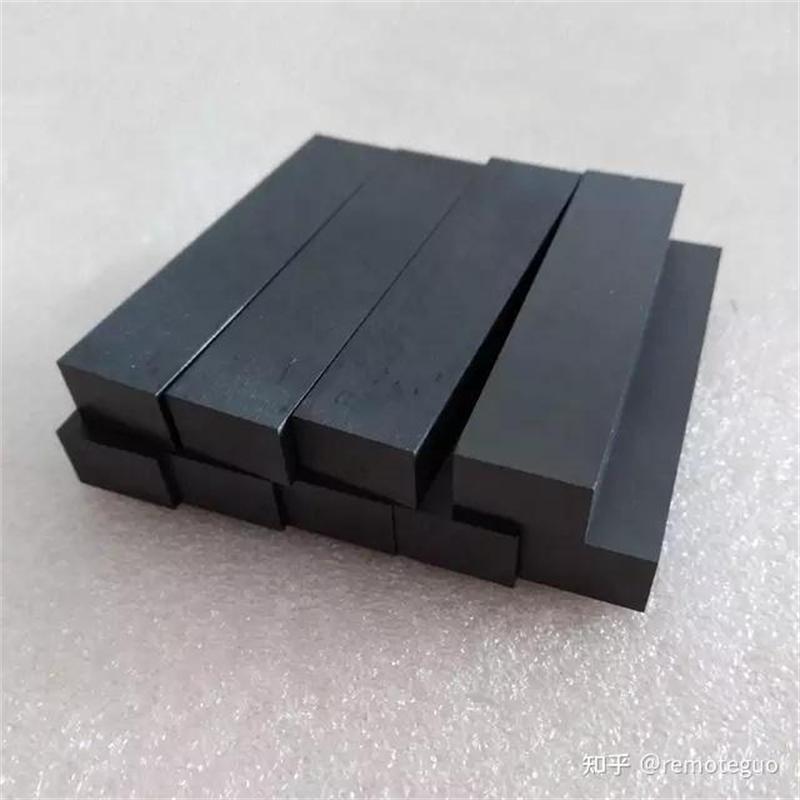
Quality manufacturers support both small-batch prototyping and mass production with factory-direct pricing. Prototype samples allow design validation before committing to production tooling, reducing qualification risk and ensuring consistent performance across production batches . Typical lead times range from 3–9 weeks depending on design complexity, tolerances, and inspection requirements .
How to Choose the Right Supplier
Evaluate Manufacturing Capabilities
When selecting a silicon nitride ceramic Manufacturer or Supplier, assess their sintering capabilities—whether they offer GPS, HIP, or HP—and their ability to achieve required densities and mechanical properties. A reputable Factory should have documented process controls and quality systems that ensure consistent material properties across production runs .
Review Precision Machining Expertise
Silicon nitride’s hardness requires specialized diamond grinding and precision machining capabilities. Inquire about achievable tolerances, surface finish capabilities, and inspection methods. A supplier experienced in producing Precision Components will have clear specifications for standard capabilities and transparent communication about challenging features .
Assess Quality Systems and Certifications
Verify that the supplier maintains ISO 9001 certification and has established quality management systems with material traceability and documented inspection procedures . For aerospace applications, additional quality requirements such as aerospace industry standards may apply. Request material certificates and inspection reports to verify conformance to specifications .
Consider Customization and Engineering Support
A supplier offering Custom Parts and OEM capabilities should provide engineering support for design optimization and material selection. Inquire about their experience with similar aerospace applications and their ability to provide technical guidance on material grade selection, geometry optimization, and tolerance specification .
Evaluate Lead Times and Supply Chain Reliability
For critical aerospace programs, supply chain reliability is as important as technical capability. Assess the supplier’s track record in meeting delivery commitments, their capacity for both prototyping and production volumes, and their ability to support ongoing production requirements .
Review Material Data and Testing Capabilities
A qualified supplier should provide comprehensive material data sheets with typical property values, test methods, and grade-specific information . Inquire about their inspection capabilities for dimensional verification, non-destructive testing, and surface integrity assessment.
Silicon nitride ceramics represent a mature yet continuously advancing material solution for demanding aerospace applications. The material’s unique combination of mechanical strength, fracture toughness, thermal shock resistance, wear resistance, electrical insulation, and high temperature resistance makes it indispensable for next-generation aerospace systems ranging from turbine engines to thermal protection structures.
The successful implementation of silicon nitride components requires careful consideration of material selection, property requirements, and manufacturing capability. While the material offers significant advantages over alternatives including alumina, silicon carbide, zirconia, and conventional metals, its exceptional hardness demands specialized manufacturing expertise that not all suppliers possess.
For aerospace engineers and procurement professionals, selecting a qualified Manufacturer with demonstrated expertise in both silicon nitride processing and Precision Components production is essential. The ideal supplier should offer comprehensive support from material selection through design optimization to production, with rigorous quality systems ensuring consistent performance. By understanding the material’s capabilities, limitations, and processing requirements, engineers can leverage silicon nitride’s unique properties to develop lighter, more efficient, and more reliable aerospace systems.
FAQ
What temperature can Silicon Nitride withstand?
Silicon nitride maintains structural integrity at temperatures up to 1200–1400°C in inert atmospheres, with the maximum service temperature typically around 1200°C in air . The material exhibits excellent thermal shock resistance, withstanding rapid temperature changes of up to 800°C without cracking . Property retention at elevated temperatures is exceptional, with approximately 80% of room-temperature strength maintained at 1200°C .
How does Silicon Nitride compare to other advanced ceramics?
Compared to alumina, silicon nitride offers superior fracture toughness (6–7 vs. 3.5–4.5 MPa·m¹/²) and flexural strength (800–1000 vs. 300–400 MPa) . While silicon carbide provides higher thermal conductivity, silicon nitride delivers better thermal shock resistance and fracture toughness . Zirconia offers higher fracture toughness but lower thermal conductivity and maximum service temperature . Silicon nitride is often described as providing the most balanced combination of mechanical, thermal, and electrical properties among technical ceramics .
What applications use Silicon Nitride in aerospace?
Aerospace applications include turbine blades and vanes, bearing and rotating systems, thermal protection components, structural fastening elements, radome structures, and rocket engine components . The material is particularly valued for applications requiring high temperature resistance, wear resistance, and lightweight construction. Silicon nitride is one of the few ceramic materials capable of withstanding the severe thermal shock and thermal gradients generated by hydrogen-oxygen rocket engines .
How are Silicon Nitride components manufactured?
Silicon nitride components are manufactured through advanced sintering techniques including gas pressure sintering (GPS), hot isostatic pressing (HIP), and hot pressing (HP) . Due to the material’s exceptional hardness, machining requires specialized diamond grinding and precision equipment to achieve tight tolerances and surface finishes . Typical achievable tolerances include ±0.01 mm on critical dimensions and surface roughness below 0.1 μm .
How do I choose a reliable Silicon Nitride supplier?
Evaluate the supplier’s manufacturing capabilities, sintering methods, precision machining expertise, and quality certifications . Request material data sheets, inspection documentation, and references for similar aerospace applications. Consider their experience with custom manufacturing, prototyping support, and supply chain reliability . A supplier with ISO 9001 certification, documented quality systems, and demonstrated expertise in Precision Components production is generally preferred for aerospace applications.
 What Is Polyimide (PI)
What Is Polyphenylene Sulfide (PPS)
What Is Polyimide (PI)
What Is Polyphenylene Sulfide (PPS)
 What is PEEK-for Engineers and Buyers
 Application Scope of Zirconia Ceramic Structural Components