
Silicon Carbide Ceramics in Aerospace
Silicon carbide (SiC) ceramics represent a class of advanced technical ceramics that have become indispensable in demanding aerospace applications. Defined by their exceptional high-temperature stability, outstanding mechanical properties, and lightweight nature, these materials are engineered to perform where metals and conventional ceramics fail. For engineers and procurement specialists, understanding the capabilities and limitations of SiC is critical for selecting the right material for next-generation aerospace systems .
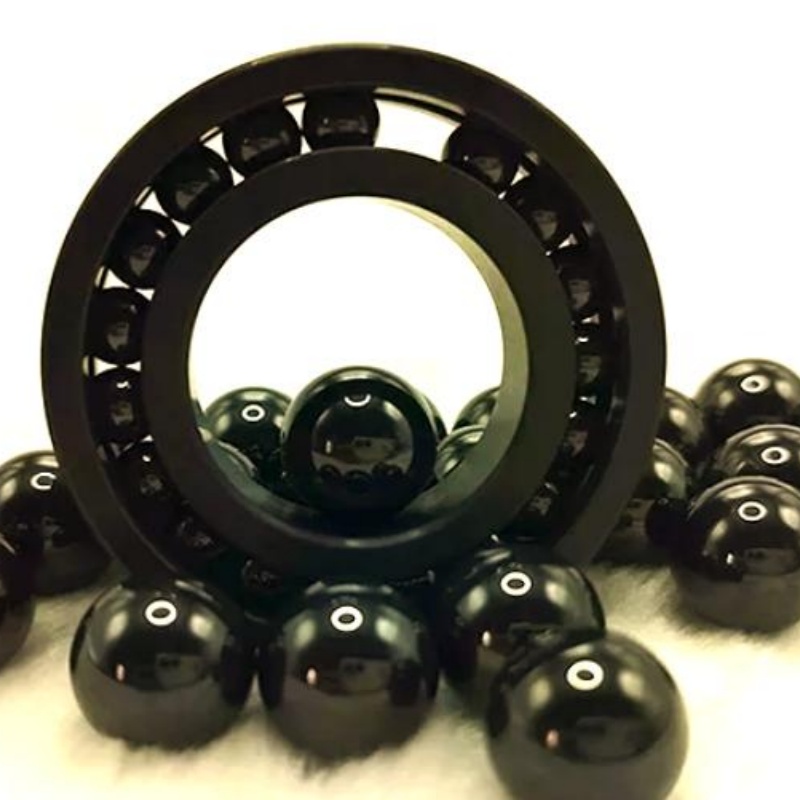
What Is Silicon Carbide Ceramic?
Silicon carbide is a synthetic ceramic material composed of silicon and carbon. In the aerospace sector, it is utilized in both monolithic forms and as a ceramic matrix composite (CMC), such as C/SiC (carbon-fiber-reinforced silicon carbide). The material is fabricated through advanced processes like chemical vapor infiltration (CVI), reaction bonding, and pressureless sintering to achieve high density and specific microstructures . Its covalent bonding structure gives it unique properties, although it historically required sintering aids to achieve high density—a challenge that has been overcome through decades of materials science development .
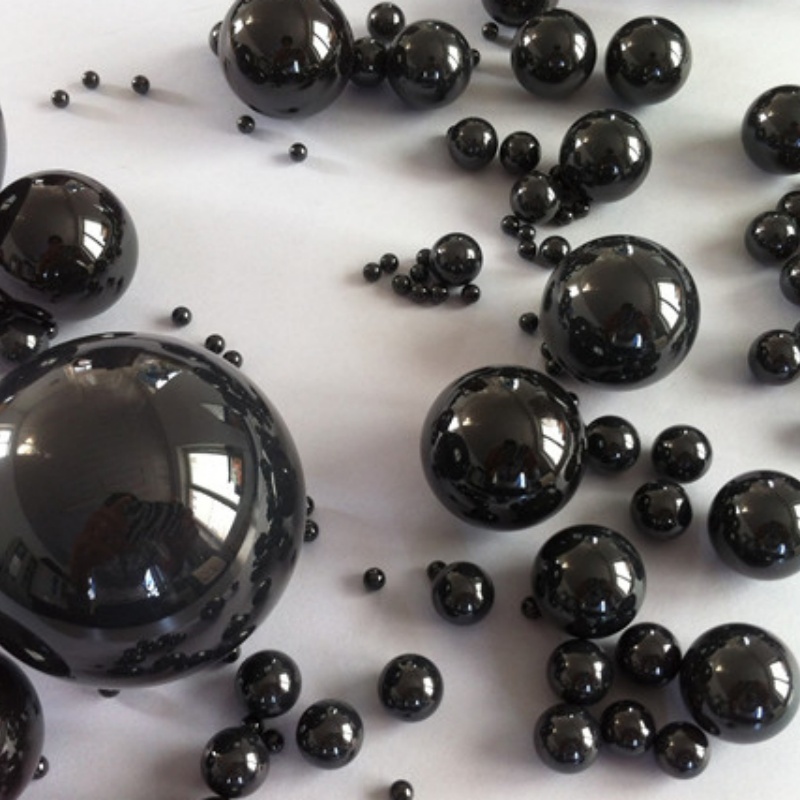
Key Properties of Silicon Carbide Ceramics
SiC ceramics offer a combination of properties unmatched by most other materials, making them suitable for extreme aerospace environments.
Mechanical Properties: SiC exhibits high hardness and wear resistance. Its flexural strength can reach up to 700 MPa, with compressive strength exceeding 2000 MPa in reaction-bonded grades. The material’s fracture toughness typically ranges from 3–4 MPa·m¹/², though advanced microstructural design can achieve up to 12–14 MPa·m¹/². These mechanical characteristics ensure structural integrity under high loads .
Thermal Properties: With a thermal conductivity ranging from 59 to 260 W/m·K depending on grade and microstructure, SiC efficiently dissipates heat. Its coefficient of thermal expansion is low (approximately 4.2–4.7 × 10⁻⁶/K), providing excellent thermal shock resistance and dimensional stability during rapid temperature changes .
High Temperature Resistance: SiC maintains mechanical strength at temperatures up to 1700°C in inert atmospheres, significantly outperforming superalloys and many other ceramics. This high-temperature resistance is critical for thermal protection systems and engine components .
Corrosion and Wear Resistance: The material demonstrates exceptional resistance to chemical attack from acids, alkalis, and oxidation, alongside outstanding wear resistance—critical for components exposed to harsh propellants or high-velocity particle erosion.
Electrical Properties: Depending on its microstructure and purity, SiC can behave as a semiconductor or an electrical insulator, with volume resistivity around 10⁸ Ω·cm at room temperature for some grades, which is relevant for electronic and sensor applications .
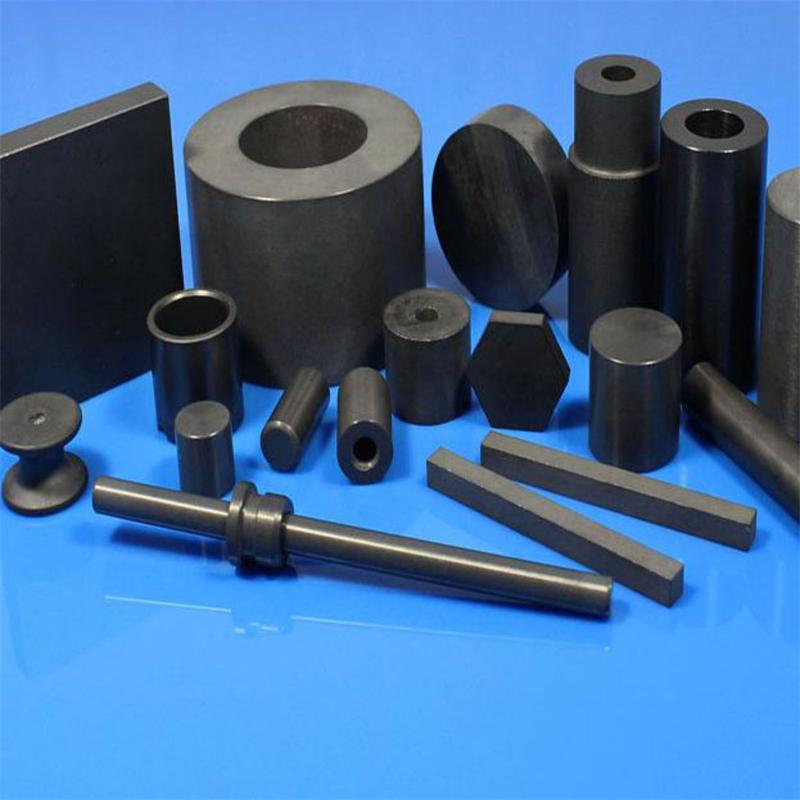
Typical Applications in Aerospace
The aerospace industry leverages the unique combination of properties offered by SiC ceramics across multiple critical systems.
– Thermal Protection Systems (TPS): C/SiC honeycomb structures and porous composites are utilized in hypersonic vehicle thermal protection components. These materials provide lightweight, high load-bearing capacity, and resistance to extreme heat fluxes .
– Regenerative Cooling Combustors: In scramjet engines, C/SiC composites reduce structural weight by over 50% compared to traditional superalloys while managing ultra-high temperatures through anisotropic thermal conductivity design .
– Optical Structures and Reflectors: High-purity, lightweight SiC is used for satellite mirrors and optical benches, providing dimensional stability and stiffness essential for space-based observation systems .
– Mechanical Components: SiC is employed in high-performance bearings, seal rings, and nozzles where wear resistance and reliability are paramount .
– Ballistic Protection: SiC ceramics offer superior ballistic performance compared to alumina and boron carbide, making them ideal for lightweight armor systems on aircraft and personnel protection .
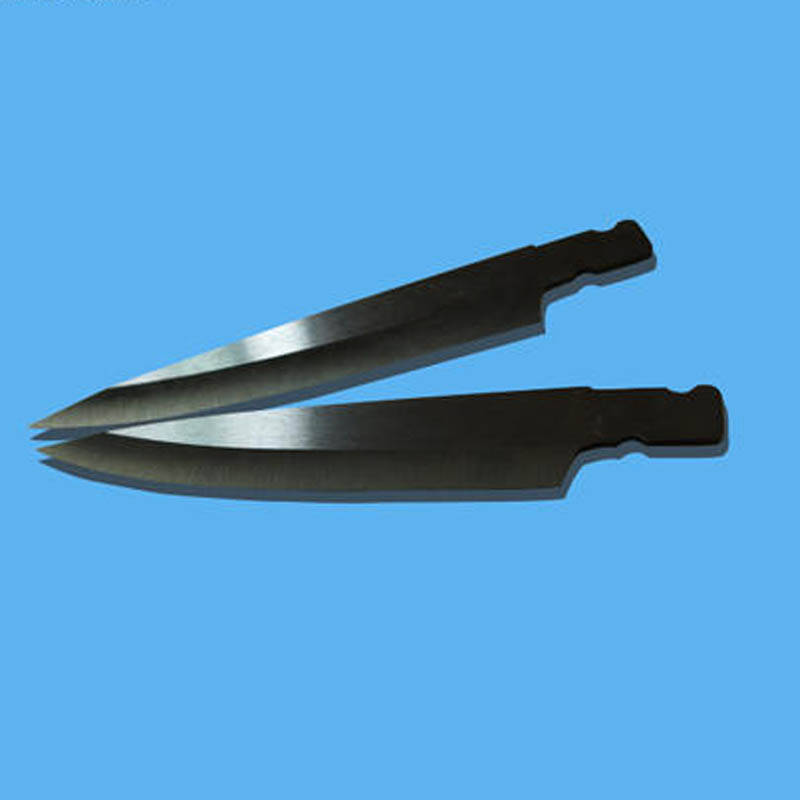
Advantages Compared with Other Ceramic Materials
When compared to alternatives like alumina (Al₂O₃) and silicon nitride (Si₃N₄), SiC offers distinct advantages.
Alumina is more cost-effective and widely used, but SiC is significantly lighter, harder, and possesses higher thermal conductivity . Silicon nitride provides higher fracture toughness and strength at elevated temperatures, but SiC generally offers superior thermal conductivity and wear resistance . In ballistic applications, SiC demonstrates the best protection performance among common ceramics, forming wider ceramic cones upon impact to dissipate projectile energy more effectively .
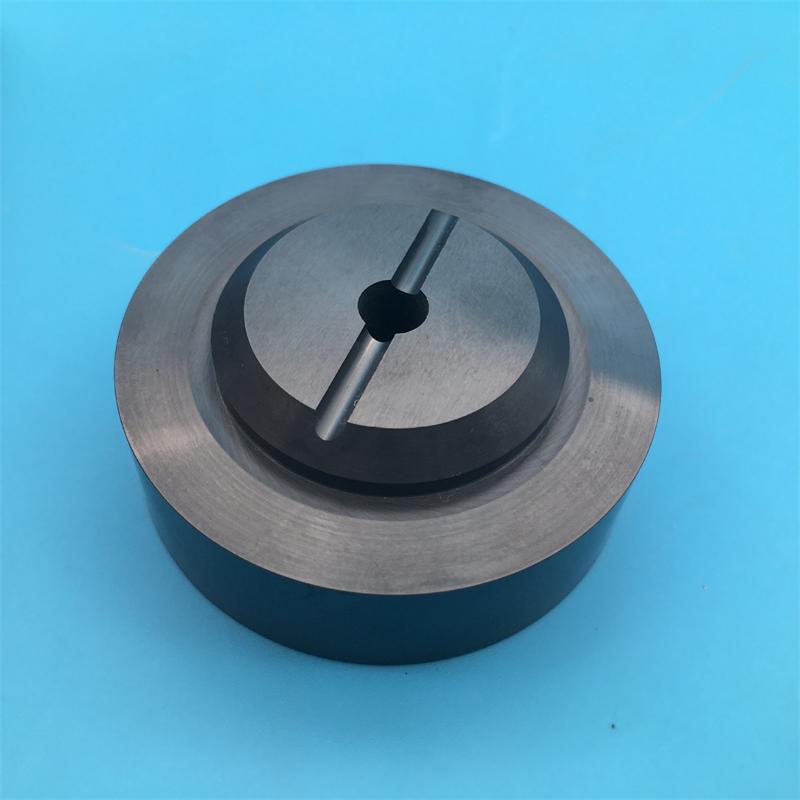
Custom Manufacturing Options
Selecting the right SiC component often requires custom manufacturing to meet specific design requirements. A reliable Manufacturer or Supplier should offer a range of fabrication capabilities.
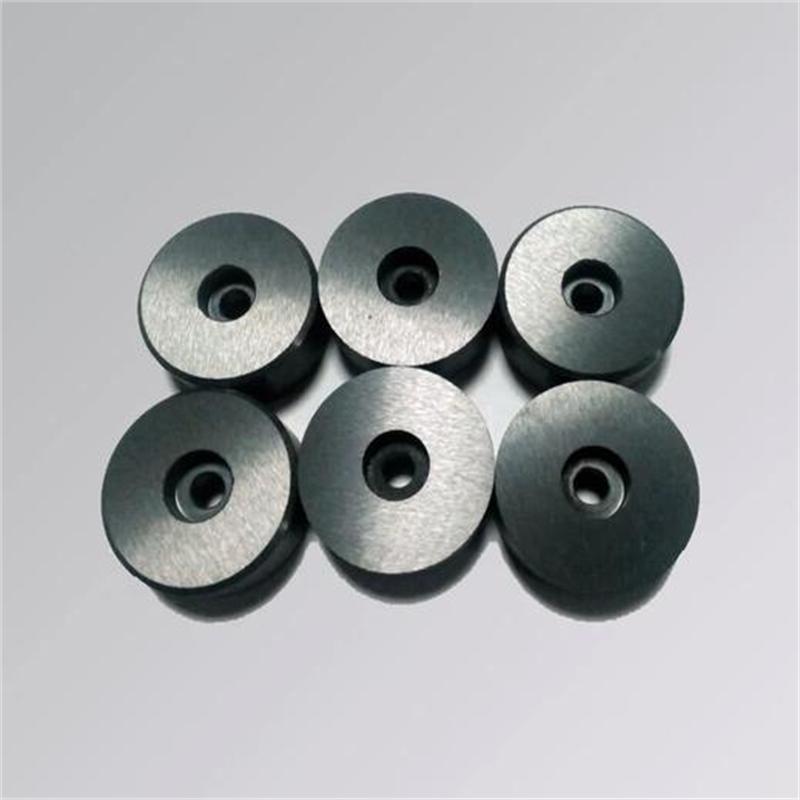
– Materials & Grades: Pressureless sintered SiC (SSiC) offers high density and purity for semiconductor and optical applications. Reaction-bonded SiC (RBSC) provides a cost-effective route with good mechanical properties for less critical applications .
– Precision Machining: Advanced OEM and Custom Parts require tight tolerances. Reputable Factories utilize CNC milling, grinding, and polishing to achieve dimensional accuracies of ±0.005 mm, surface roughness below Ra 0.02, and micro-hole diameters as small as 0.02 mm for Precision Components .
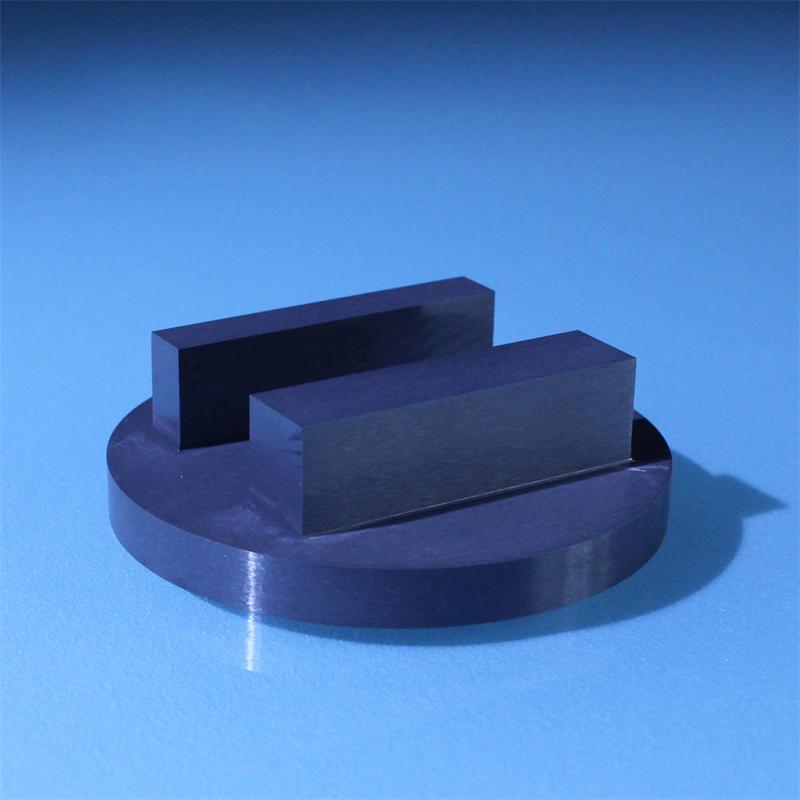
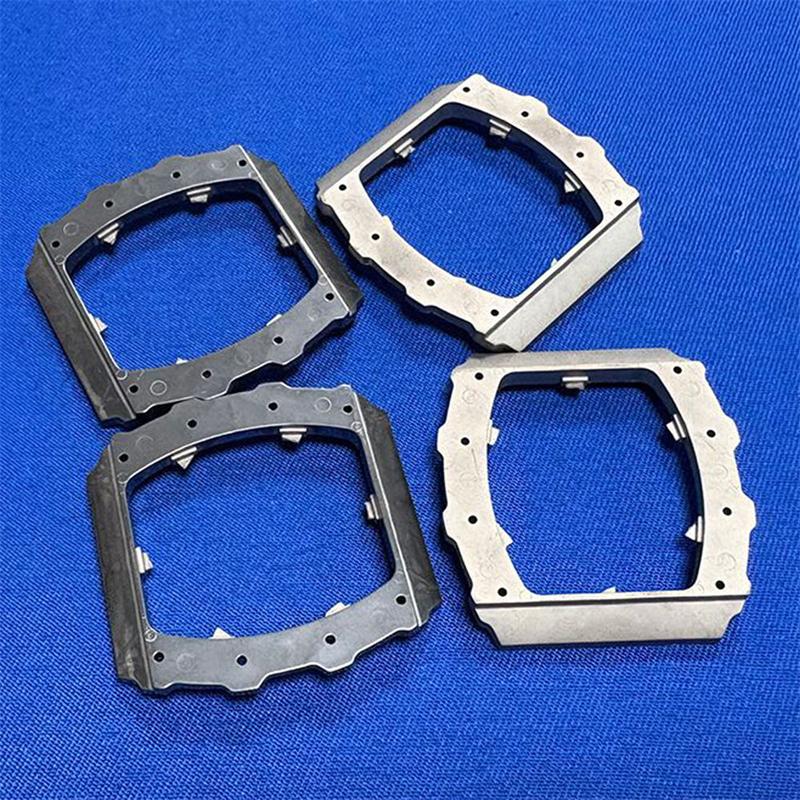
– Complex Geometries: Suppliers should support the fabrication of complex shapes, including thin-walled sections (bottom thickness as low as 0.3 mm), grooves, and internal cooling channels .
– Joining & Assembly: For larger structures, capabilities like ceramic-metal brazing, epoxy bonding, or thermal shrink fitting are essential to assemble SiC parts with metal or other ceramic components .
How to Choose the Right Supplier
For procurement specialists, selecting a Supplier or Manufacturer involves evaluating technical capability, quality assurance, and industry experience.
1. Verify Technical Expertise: Look for a company with a proven track record in aerospace, demonstrated by partnerships with research institutions or participation in national space programs. A strong R&D capability is a positive indicator .
2. Assess Quality Management: The supplier should possess rigorous quality assurance systems (e.g., ISO 9001) and in-house metrology equipment for material and dimensional verification .
3. Evaluate Customization Ability: Ensure they can handle the entire process from material synthesis to finished Custom Parts and Precision Components based on your drawings and specifications.
4. Check Industry Applications: A supplier serving multiple high-tech sectors such as Semiconductor, Medical, Automotive, Energy, and Industrial Equipment demonstrates reliability and versatility .
Silicon carbide ceramics are a cornerstone material for advancing aerospace technology. Their unique combination of high-temperature resistance, thermal conductivity, wear resistance, and lightweight design enables solutions for thermal protection, propulsion, and optical systems that are not possible with other materials. By understanding the key properties, application areas, and custom manufacturing options, engineers and procurement specialists can effectively select this industry proven material. Partnering with a reliable Supplier or Manufacturer that offers OEM capabilities and stringent quality control is essential for sourcing high-performance components that meet the rigorous demands of modern aerospace engineering.
FAQ
What temperature can Silicon Carbide withstand in aerospace applications?
Silicon carbide can withstand temperatures up to approximately 1700°C in inert or controlled atmospheres. For thermal protection applications in hypersonic vehicles, C/SiC composites have demonstrated stability under butane blowtorch ablation (~1300°C) for extended periods .
How does Silicon Carbide compare to Alumina for lightweight aerospace components?
Silicon carbide has a lower density (3.05–3.21 g/cm³ vs. ~3.90 g/cm³ for alumina) and significantly higher thermal conductivity. This makes SiC the preferred choice for applications where weight reduction and heat dissipation are critical, such as satellite optics and thermal management systems .
What custom shapes can be manufactured from Silicon Carbide?
A wide range of custom shapes are possible, including complex geometries with micro-holes (diameter as small as 0.02 mm), thin-walled structures, grooves, and internal cooling channels. Precision tolerances of ±0.005 mm on dimensions and flatness ≤0.005 mm can be achieved through CNC machining and grinding .
Why is Silicon Carbide used in semiconductor equipment?
SiC is valued in semiconductor equipment for its high purity, corrosion resistance, thermal stability, and mechanical strength. It is used in components like vacuum chucks, precision stages, and wafer handling systems, where it provides dimensional stability and contaminant-free performance .
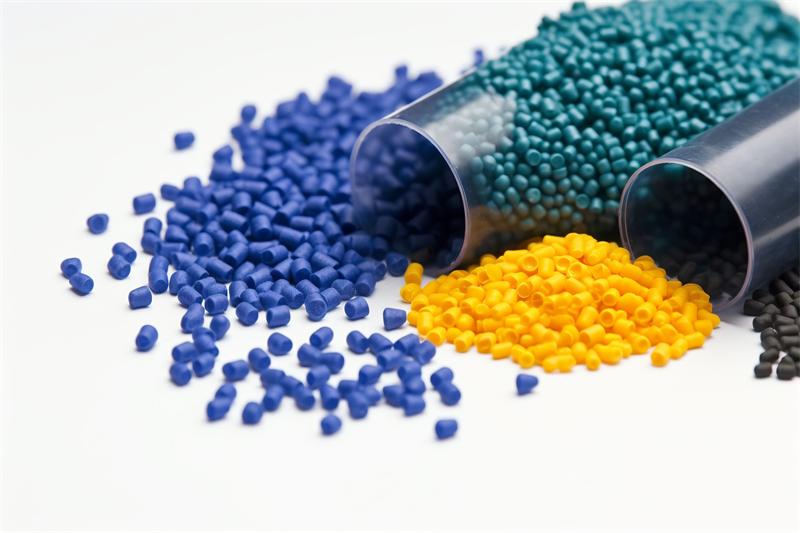 What Is Polyimide (PI)
What Is Polyphenylene Sulfide (PPS)
What Is Polyimide (PI)
What Is Polyphenylene Sulfide (PPS)
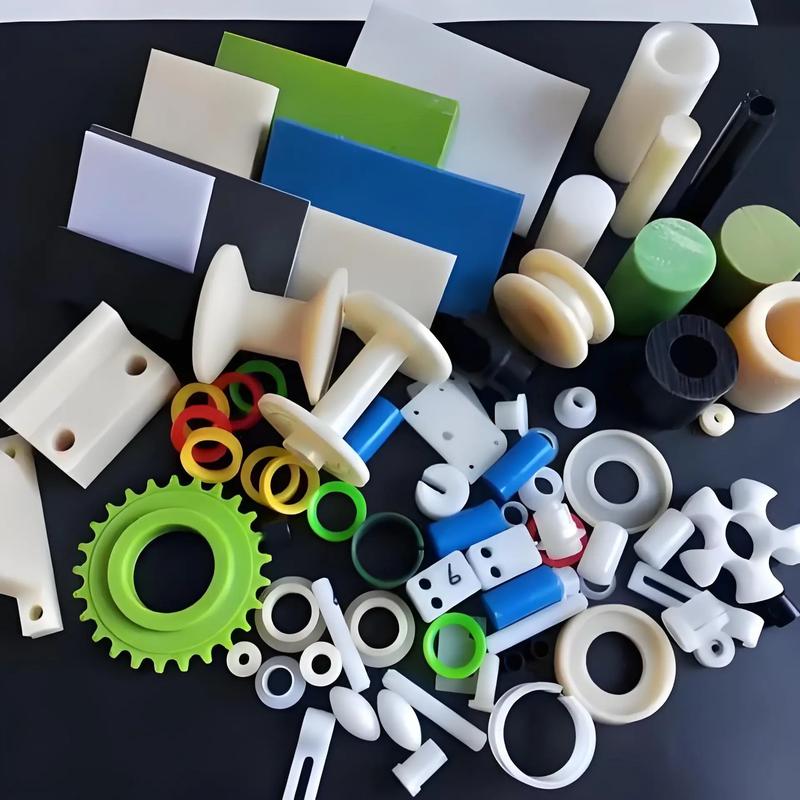 What is PEEK-for Engineers and Buyers
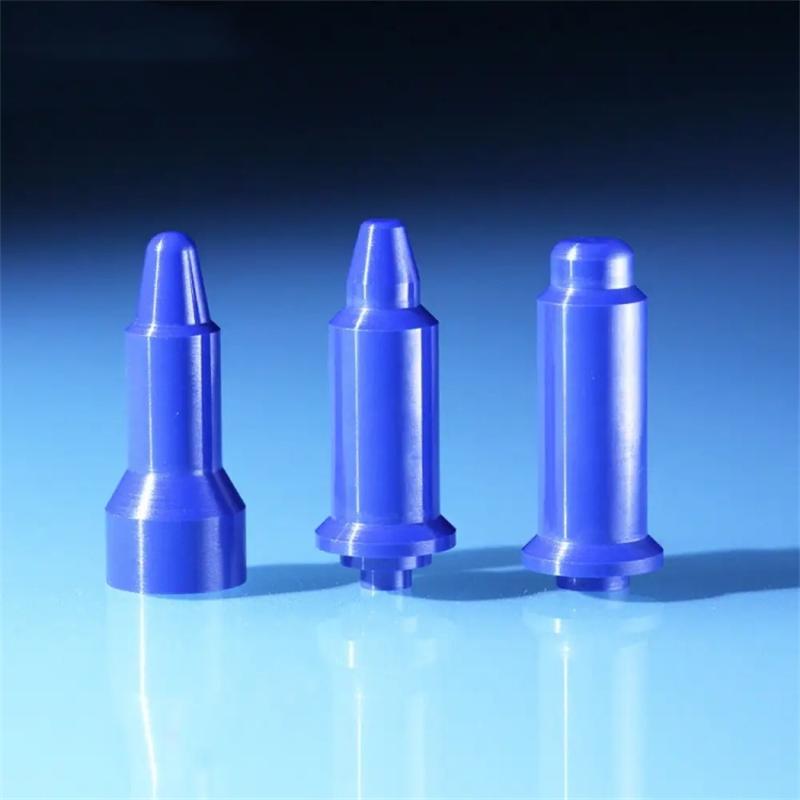 Application Scope of Zirconia Ceramic Structural Components