
Differences in the Applications of Ceramic Balls of Different Particle Sizes
Ceramic balls are widely used in industrial applications such as grinding media, catalyst supports, and packing materials due to their high hardness, excellent wear resistance, and chemical stability. Among the various parameters that define ceramic balls, particle size is one of the most critical factors influencing their performance and suitability for specific applications. Understanding how different particle sizes affect functionality can help engineers and procurement professionals make informed decisions when selecting ceramic balls for their processes.
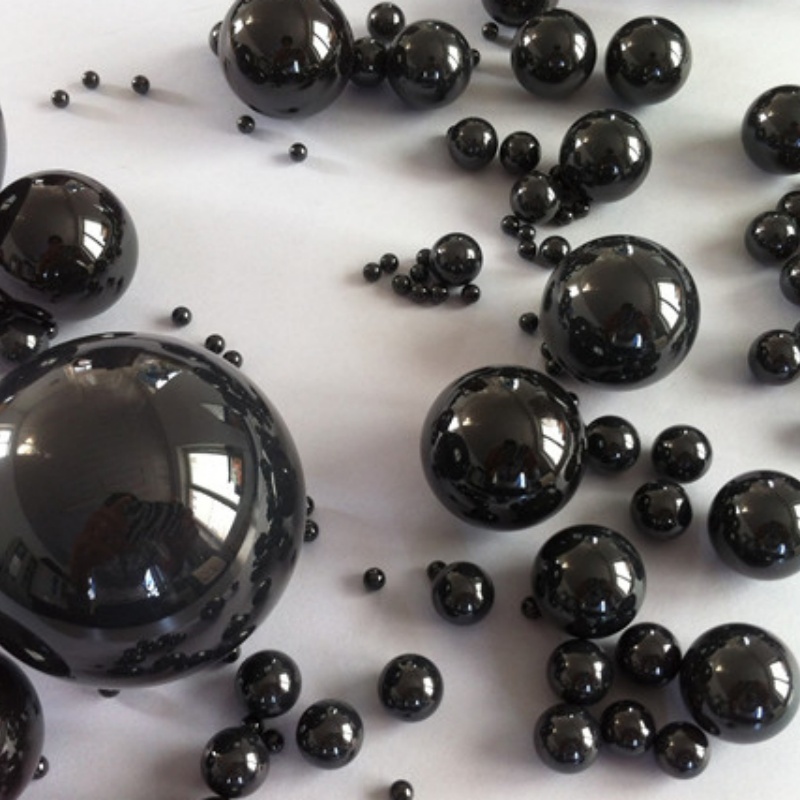
Fine Particle Ceramic Balls
Fine ceramic balls typically refer to those with diameters ranging from sub-millimeter to a few millimeters. Due to their small size, they offer a larger surface area per unit volume, which makes them ideal for applications requiring high contact efficiency.
Catalyst Support: In chemical reactors, fine ceramic balls are often used as catalyst supports. Their high surface area allows for better dispersion of catalytic materials, enhancing reaction efficiency.
Precision Grinding: In industries such as pharmaceuticals and electronics, where ultra-fine grinding is required, small ceramic balls provide the necessary impact frequency and shear force to achieve micron-level particle size reduction.
Filtration and Separation: Fine ceramic balls can serve as filter media in liquid-solid separation processes, helping to trap fine particles while maintaining good flow characteristics.
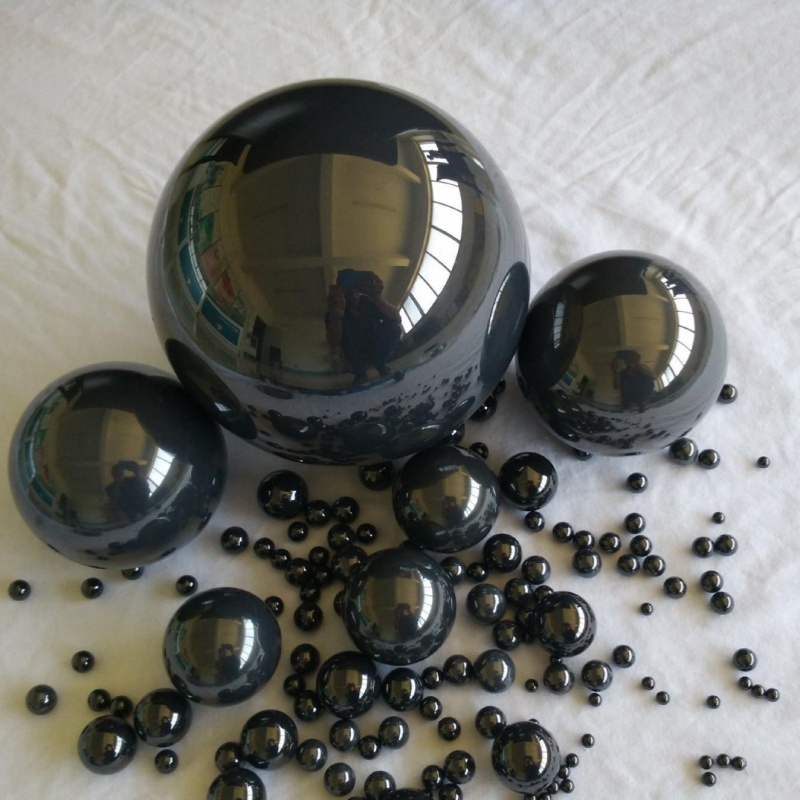
Medium Particle Ceramic Balls
Medium-sized ceramic balls, usually ranging from 3 mm to 10 mm in diameter, strike a balance between surface area and mechanical strength. They are commonly used in general-purpose industrial applications.
General Grinding Media: In ball mills for mineral processing, ceramics manufacturing, and pigment production, medium-sized ceramic balls provide effective grinding action without excessive wear on the mill lining.
Packing Material: In absorption towers and distillation columns, medium ceramic balls are used as structured or random packing to enhance gas-liquid contact and improve mass transfer efficiency.
Thermal Storage: In some thermal energy storage systems, medium ceramic balls are employed due to their ability to withstand thermal cycling and retain heat effectively.
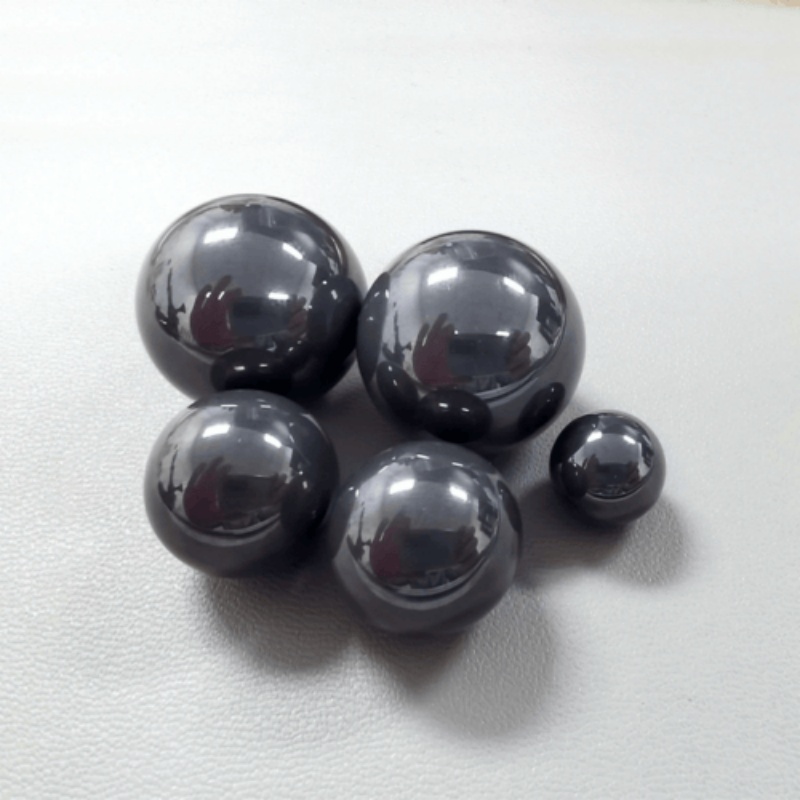
Coarse Particle Ceramic Balls
Coarse ceramic balls, with diameters exceeding 10 mm, are characterized by their high mechanical strength and durability. They are typically used in applications where heavy-duty performance is required.
Heavy-Duty Grinding: In mining and cement industries, large ceramic balls are used in primary grinding stages where high impact energy is needed to break down coarse feed materials.
Wear-Resistant Linings: Large ceramic balls can be embedded in equipment linings to protect against abrasion in slurry handling systems.
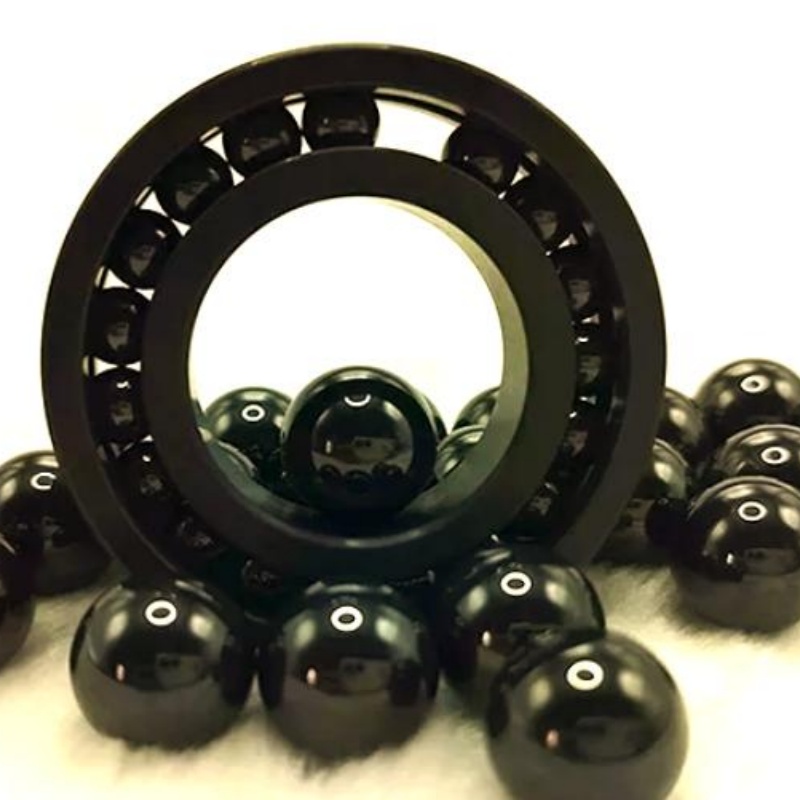
Ball Bearings and Valves: In specialized mechanical applications, large, high-precision ceramic balls are used in bearings and valves where low friction and high load capacity are essential.
Choosing the Right Size for Your Application
Selecting the appropriate ceramic ball size depends on several factors, including the nature of the material being processed, the type of equipment used, and the desired outcome. Engineers should consider the following when making a selection:
Material Hardness: Harder materials may require larger, more durable ceramic balls to withstand the impact forces.
Process Efficiency: Smaller balls may increase grinding efficiency but could also lead to higher energy consumption and wear.
Equipment Compatibility: The size of the ceramic balls must be compatible with the mill or reactor design to ensure optimal performance and prevent blockages or inefficiencies.
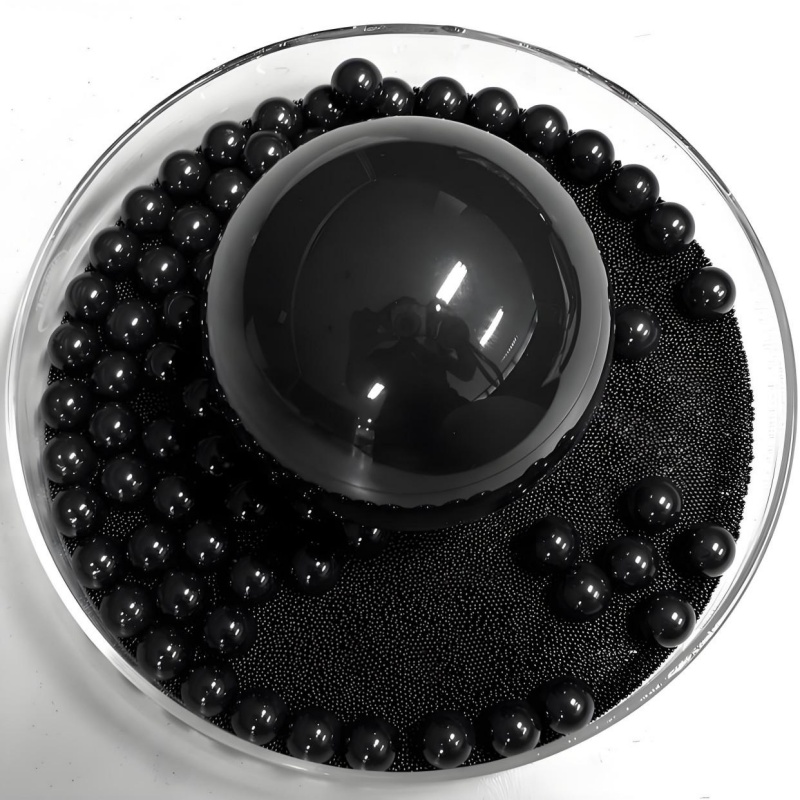
The particle size of ceramic balls plays a crucial role in determining their effectiveness in various industrial applications. By understanding the specific requirements of each application, engineers and procurement specialists can select the most suitable ceramic ball size to maximize efficiency, reduce costs, and extend equipment life.
 What Is Polyimide (PI)
What Is Polyphenylene Sulfide (PPS)
What Is Polyimide (PI)
What Is Polyphenylene Sulfide (PPS)
 What is PEEK-for Engineers and Buyers
 Application Scope of Zirconia Ceramic Structural Components