
Selection Guide for High-Purity Aluminum Hydroxide Powder
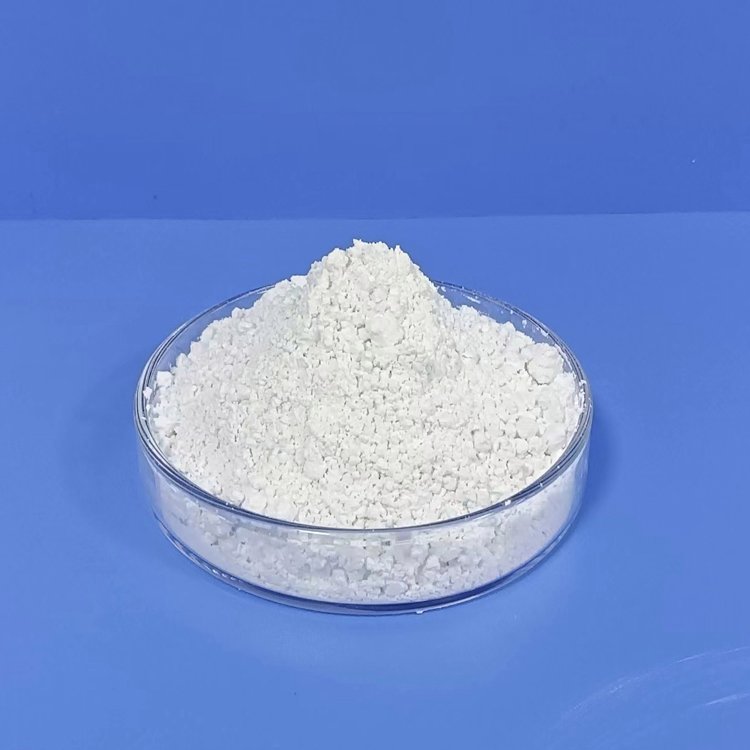
Once the characteristics and advantages of high-purity aluminum hydroxide powder have been clarified, engineers and procurement personnel face the practical challenge of selecting the product that best meets their specific needs from among the many available specifications. The selection process is not simply a matter of pursuing “high purity” or “ultrafine particle size,” but rather requires finding the optimal balance between performance, processing methods, and cost. The following is a practical selection guide based on core parameters and application scenarios.
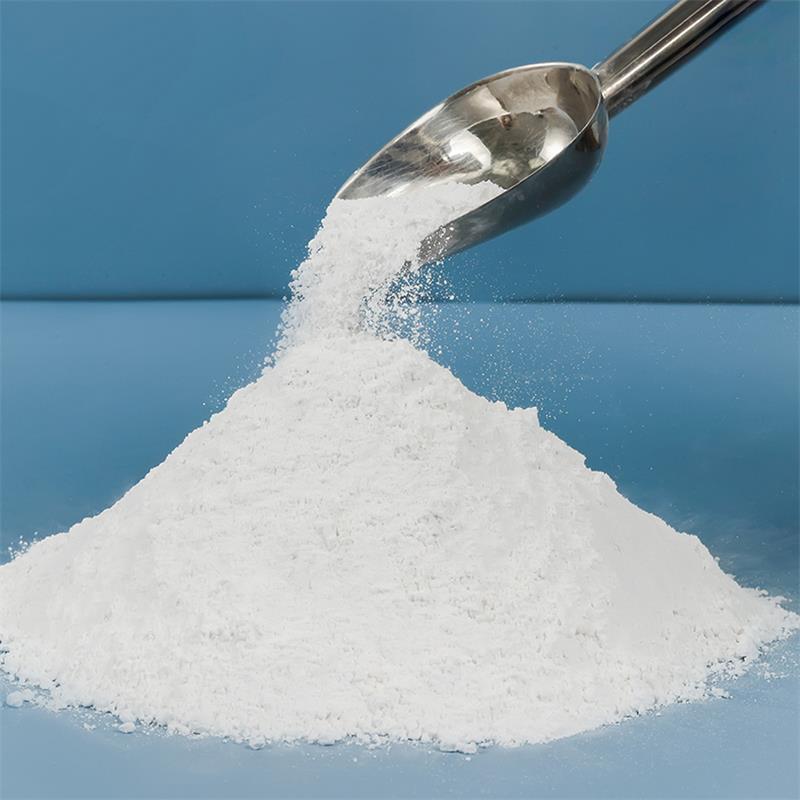
Identify Key Physical and Chemical Parameters
Purity and Impurity Control (Determines Basic Performance)
Purity is the primary criterion for classifying product grades. Standard industrial-grade products typically have an aluminum oxide content of around 99.5%, which is sufficient to meet general flame-retardant requirements; however, for electronic-grade, pharmaceutical-grade, or high-end coating applications, products with a purity of ≥99.99% (4N grade) must be selected. Even more critical is the control of specific metal impurities: for example, excessively high sodium (Na) content can significantly reduce the material’s thermal stability and electrical insulation; iron (Fe) impurities not only compromise the product’s whiteness but also affect its insulating properties. For semiconductor or precision electronic packaging, suppliers must provide certification of extremely low levels of metal ions such as Na, Fe, and K (typically controlled at the ppm level).
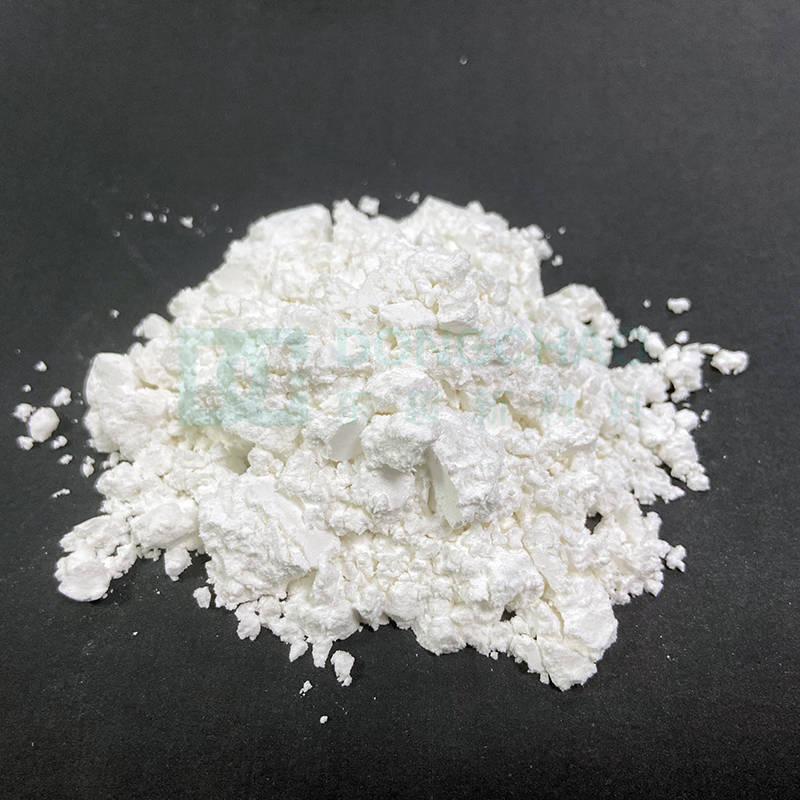
Particle Size Distribution and Morphology (Affecting Processing and Mechanical Properties)
Particle size directly determines the dispersion of the powder in the resin and the surface finish of the final product.
General-purpose flame retardants/fillers: Select conventional powders with a D50 of 5–10 μm, which offer good value for money and excellent flowability.
High-end cables/engineered stone/encapsulation adhesives: It is recommended to select ultrafine powders with a D50 of 0.8–2 μm, as this can significantly improve the mechanical strength and surface texture of the finished product.
Morphology Selection: Irregular powders are less expensive; however, for processes with extremely high flowability requirements—such as injection molding—we recommend “spherical-like” powders. These have high bulk density and low oil absorption (typically <30–40 mL/100 g), which effectively reduce the viscosity of the resin system and prevent processing difficulties.
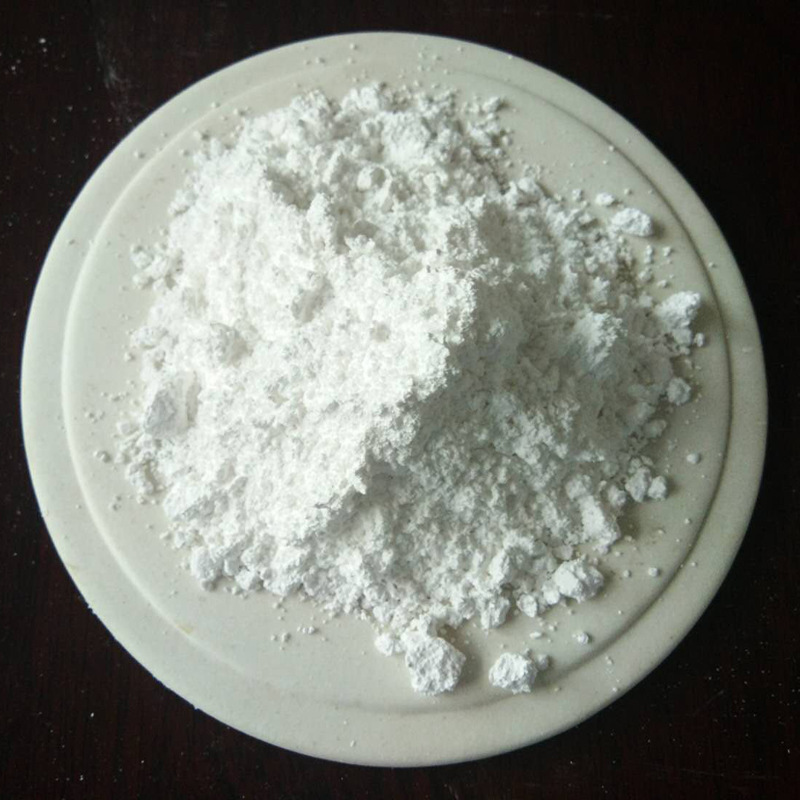
Surface Treatment (Addressing Compatibility Issues)
The surface of untreated, high-purity aluminum hydroxide is rich in hydrophilic hydroxyl groups, making it highly prone to agglomeration when added directly to polymer systems. Engineers should select surface-modified products based on the type of matrix resin:
Silane coupling agent treatment: Significantly improves interfacial adhesion with thermosetting resins (such as epoxy resins) and polar plastics, enhancing tensile strength.
Stearic acid/titanium acid ester treatment: Imparts hydrophobicity to the powder, making it easier to disperse in non-polar polymers (such as PE and PP), while also improving demolding properties.
Selecting the Right Solution for Each Application
Wires, Cables, and New Energy: The core requirements are low smoke, halogen-free, high insulation, and high filler loading. Priority should be given to flame-retardant-grade products that are high-purity, low-sodium, ultra-fine in particle size, and surface-modified to ensure excellent electrical performance and mechanical toughness even at filler loadings as high as 40%–60%.
Engineered Marble/Quartz Stone: The core requirements are aesthetics, density, and high strength. Filler-grade products with high whiteness (≥96%), an extremely narrow particle size distribution, and low oil absorption must be selected to ensure the resin fully encapsulates the powder, imparting a smooth texture and extremely high flexural strength to the stone.
Electronic Packaging and Copper-Clad Laminates: The core requirements are insulation, thermal conductivity, and dimensional stability. It is necessary to select electronic-grade products with ultra-high purity (4N grade), extremely low electrical conductivity, and a decomposition onset temperature higher than 220°C to prevent the formation of bubbles due to premature decomposition during processing.
Pharmaceuticals and Personal Care: The core requirements are absolute safety and mildness. It is essential to select pharmaceutical-grade products that comply with national pharmacopoeias (e.g., ChP, USP), strictly controlling heavy metal levels (e.g., ≤10 ppm) and microbial limits; When used as abrasives in toothpaste, controllable abrasiveness must also be considered.
Procurement and Validation Recommendations
In the actual procurement process, it is recommended not to make decisions based solely on written technical specifications. Be sure to request samples from suppliers to conduct compatibility testing with your own base materials and rheological property evaluations in the laboratory. At the same time, assess whether the supplier possesses comprehensive testing capabilities (such as ICP-MS for impurity detection and laser particle size analyzers for particle size analysis) as well as the ability to provide on-site technical guidance. For projects with customized requirements (such as specific whiteness or special coupling agent coating), selecting a supplier with strong R&D capabilities and stable mass production capacity is key to ensuring long-term supply chain security.
 What Is Polyimide (PI)
What Is Polyphenylene Sulfide (PPS)
What Is Polyimide (PI)
What Is Polyphenylene Sulfide (PPS)
 What is PEEK-for Engineers and Buyers
 Application Scope of Zirconia Ceramic Structural Components