
FAQ on Selecting High-Purity Alumina Granules
Purity Grades: How Are They Defined and Selected?
Q1: What specific purity level does the term “high-purity” commonly used in the market refer to?
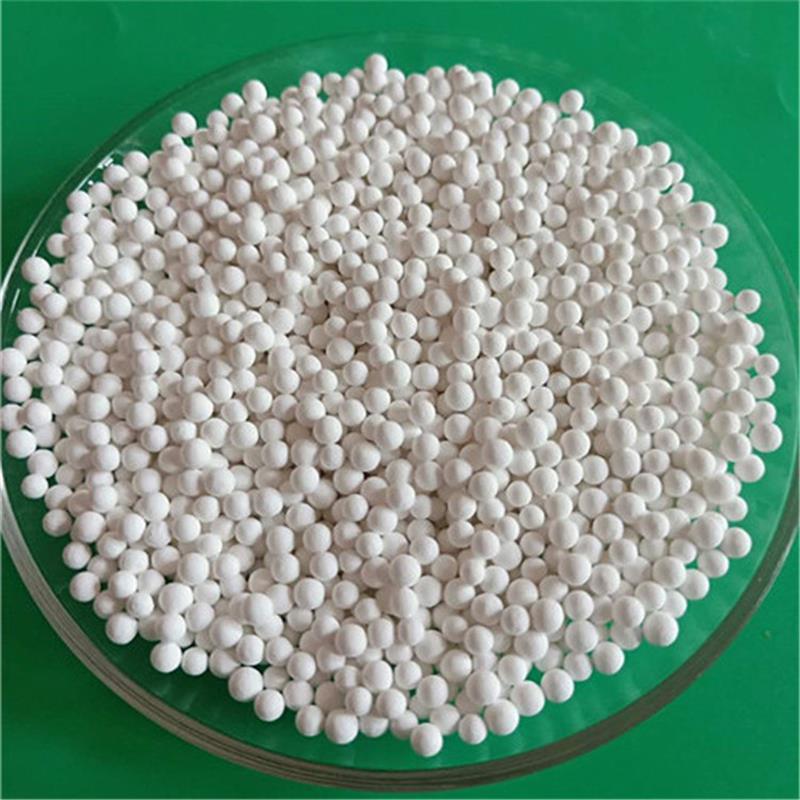
It is currently widely accepted in the industry that high-purity alumina generally refers to powders with a purity of 4N grade (≥99.99%) or higher. Based on purity, the main classifications are:
4N grade (99.99%): Standard high-end applications, such as conventional cathode material coating, phosphors, and general-purpose electronic ceramics.
4N5 grade (99.995%): Mid-to-high-end applications, such as high-voltage (≥4.5V) cathodes and solid-state electrolyte modification.
5N grade (99.999%): Top-tier applications, such as sapphire crystal growth, high-end transparent ceramics, and semiconductor substrates.
Q2: Aside from the main content, what impurity parameters should be considered?
Trace impurities have a significant impact on the performance of the final product. When purchasing, pay close attention to the following trace elements (typically required to be controlled at the ppm level):
Sodium (Na₂O): Affects dielectric properties and thermal stability; electronic ceramics require ≤0.03%.
Iron (Fe₂O₃): Causes discoloration of ceramics and reduces strength; in luminescent materials, it severely reduces luminescent performance.
Silicon (SiO₂): Increases the coefficient of thermal expansion and reduces dielectric loss and sintering performance.
Particle Size and Crystal Morphology: How Should Core Physical Parameters Be Matched?
Q1: How does the size of the raw crystal grains affect the material? Is smaller always better?
Smaller is not necessarily better; selection depends on the application scenario:
Nanoscale (10–200 nm): High specific surface area and high sintering activity; suitable for cathode coating layers (to suppress side reactions) or as fillers in composite electrolytes.
Submicron scale (0.2–1 μm): Balances mechanical strength and porosity; an ideal choice for ceramic coatings on separators (to enhance thermal stability).
Micron-scale and above: Suitable for large-volume filling applications, such as electronic packaging materials (TIMs, EMC); using a “combination of coarse and fine Granules” grading scheme can achieve higher fill rates and thermal conductivity.
Q2: How should α-phase and γ-phase alumina be distinguished and selected?
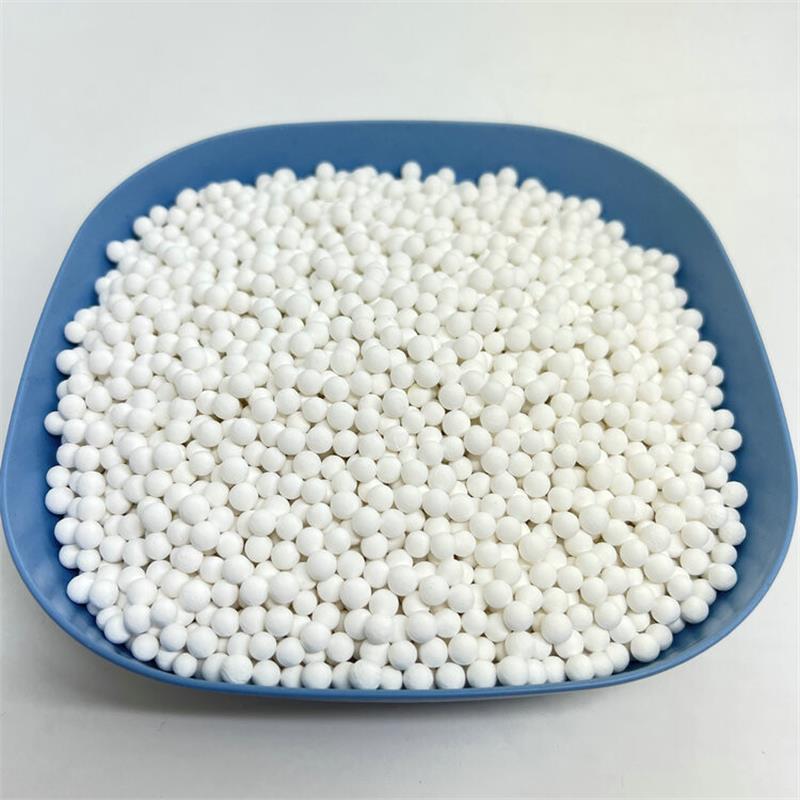
α-Al₂O₃ (α-phase): The most stable crystal structure, high hardness, strong chemical inertness, and high-temperature resistance (melting point exceeds 2050°C). Preferred applications: High-voltage cathode coating, wear-resistant ceramics, precision polishing, and electronic substrates.
γ-Al₂O₃ (γ-phase): Large specific surface area, high surface activity, and excellent adsorption and catalytic properties. Ideal applications: composite electrolyte fillers, catalyst supports, and desiccants.
Surface Treatment and Processing Properties: How to Ensure Mass Production Yield?
Q1: Why do some purchased nanopowders tend to agglomerate? How can this be resolved?
NanoGranules are highly prone to agglomeration due to their high surface energy. When purchasing, verify whether the supplier has performed surface modification (e.g., coating with silane or titanate coupling agents). Proper surface treatment can significantly improve the dispersion and compatibility of the powder in polymer matrices or slurries.
Q2: Aside from physical and chemical properties, what other “practical” attributes of the powder should be considered?
Flowability: Directly affects the uniformity of filler distribution in automated presses and reduces weight deviations.
Bulk density: Affects packaging volume and filling efficiency in downstream processes.
Particle Size Distribution Span: The narrower the distribution (e.g., Span < 1.0), the more uniform the microstructure of the sintered body, which helps prevent localized stress concentration.
Comprehensive Selection Recommendations and Best Practices
Q1: Can you provide quick-reference guidelines for selecting materials in different application scenarios?
Lithium-ion Battery Cathode Coating: Select the α phase, with a purity of ≥4N and a particle size of 50–200 nm; focus on coating uniformity.
Lithium-ion battery separator coating: Select boehmite or α-phase, purity ≥4N, particle size 200–500 nm; focus on coating adhesion and porosity.
Solid-state electrolyte doping: Select α-phase or γ-phase, purity ≥4N5, particle size 100–500 nm; focus on interfacial impedance and compatibility.
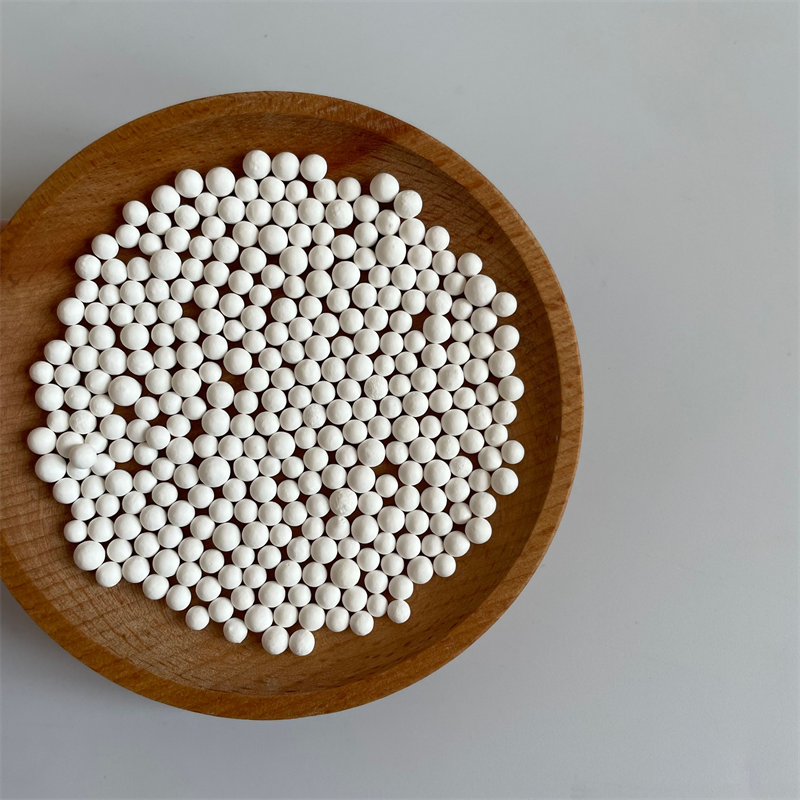
Thermal Fillers for Electronic Packaging: Select high-purity spherical α-phase Granules with a graded particle size distribution; focus on sphericity, electrical insulation, and thermal conductivity.
Q2: How can procurement newcomers avoid “pitfalls”?
Dispel the “particle size-only” mindset: Do not blindly pursue extremely fine particle sizes; nanopowders are costly and prone to agglomeration, while micron-sized Granules offer better cost-effectiveness in certain filling applications.
Be wary of “inflated specifications”: Always require suppliers to provide recent third-party test reports (TDS) and verify the particle size distribution curve and impurity content.
Prioritize batch consistency: Batch-to-batch variability is the greatest concern in high-end manufacturing. It is recommended to conduct small-batch trial production first to verify whether the processing window (e.g., sintering temperature, slurry dispersibility) is compatible with existing processes.
 What Is Polyimide (PI)
What Is Polyphenylene Sulfide (PPS)
What Is Polyimide (PI)
What Is Polyphenylene Sulfide (PPS)
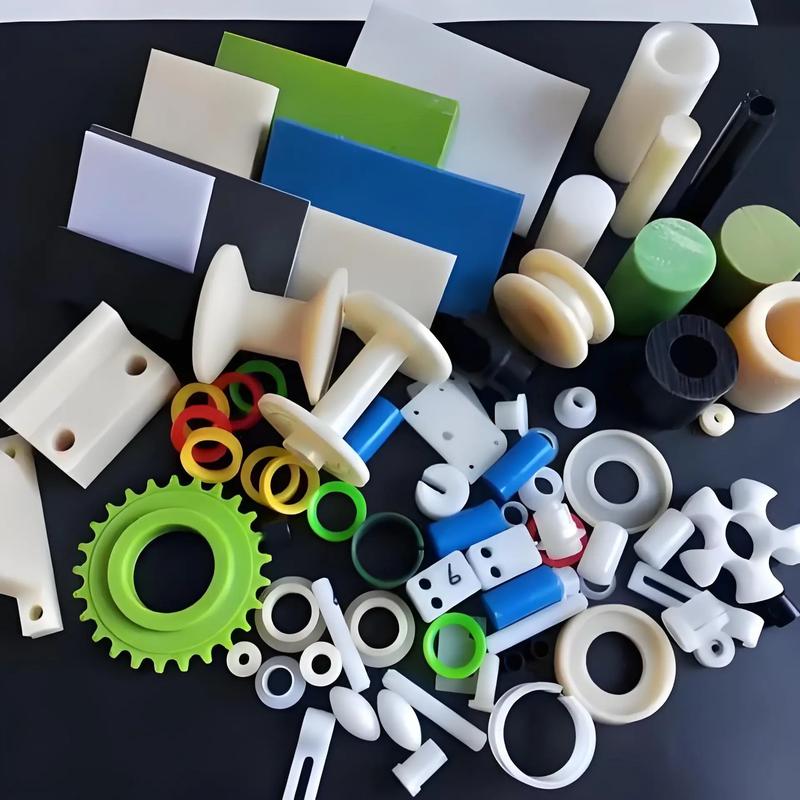 What is PEEK-for Engineers and Buyers
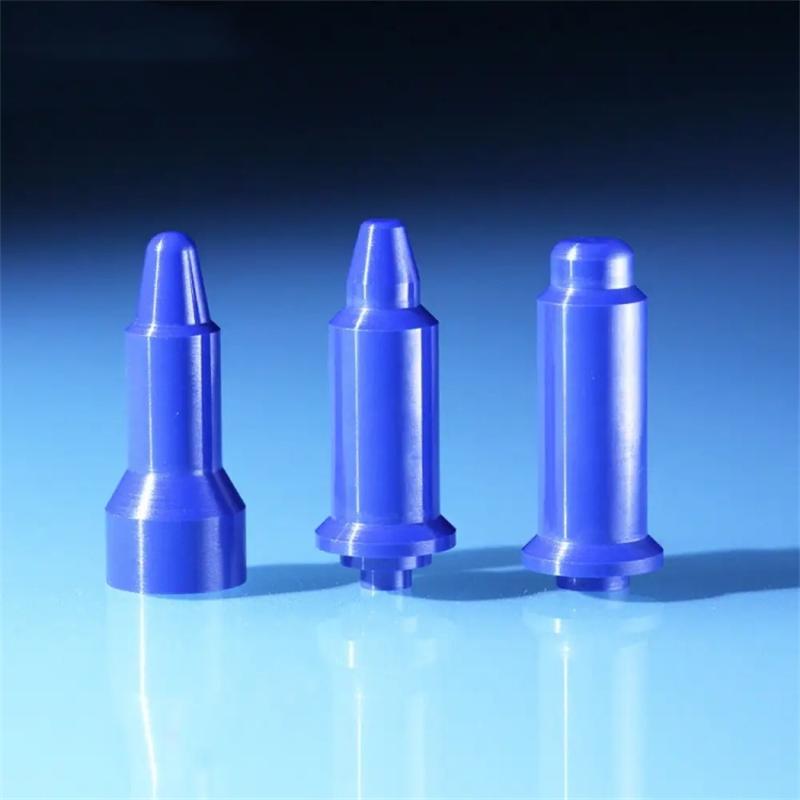 Application Scope of Zirconia Ceramic Structural Components