
Guide to Selecting Storage-Type Liquid Nitrogen Biocontainers
For biological sample banks, livestock research stations, medical institutions, and research laboratories, storage-type liquid nitrogen biological containers (i.e., storage-type liquid nitrogen tanks) serve as the “last line of defense” for ensuring sample viability. Faced with a wide variety of models on the market, engineers focus on thermodynamic performance and compatibility, while procurement personnel must balance cost, compliance, and durability.
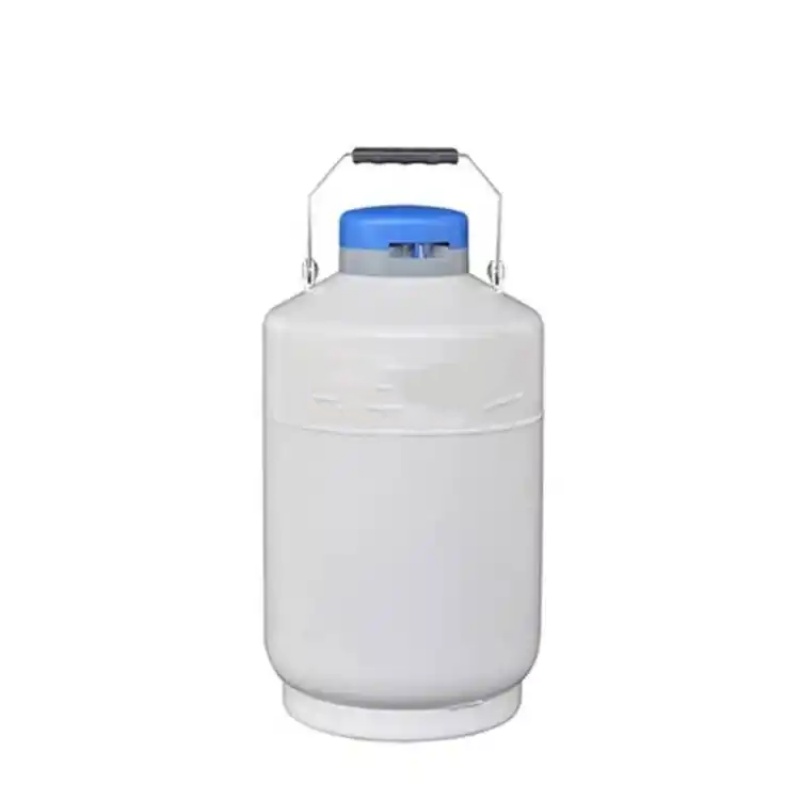
Interpreting Key Parameters: The Logic Behind the Numbers
The essence of selection lies in finding the optimal balance between volume, mouth diameter, storage duration, and sample capacity.
1. Geometric Volume and Mouth Diameter: Determining “How Much” and “What” to Store
Volumes range from 1 L to 35 L, while mouth diameters range from 30 mm to 125 mm to accommodate different scenarios. A large mouth diameter (such as 125 mm) are a key variable; they allow for the storage of cryopreservation vials, blood bags, or large-volume tissue samples, but come at the direct cost of a sharp increase in the static evaporation rate of liquid nitrogen—taking a 31.5-liter volume as an example, the daily evaporation rate for a 50-mm diameter is only 0.12 L, while for a 125-mm diameter it rises to 0.35 L, causing the static storage period to plummet from 254 days to 90 days. If only thin tubes are stored, a 50mm aperture offers the best cost-effectiveness; if cryopreservation trays are required, one must accept the increased frequency of liquid nitrogen replenishment that comes with a larger aperture.
2. Static Storage Life and Evaporation Rate: The “Economic Calculation” for Model Selection
Static storage life (in days) is an intuitive indicator of thermal insulation performance; the higher the value, the lower the liquid nitrogen loss and the lower the operating costs. Taking the Jinfeng YDS series as an example, the YDS-30 (50 mm diameter) has a storage life of up to 254 days, while the YDS-30-125 (125 mm diameter) has only 90 days. When selecting a model, consider refilling conditions: remote sites should prioritize models with longer storage lives, while sample banks equipped with automatic refilling systems can relax this requirement appropriately.
3. Carrier Bucket and Capillary Tube Capacity: Key Constraints for Sample Layout
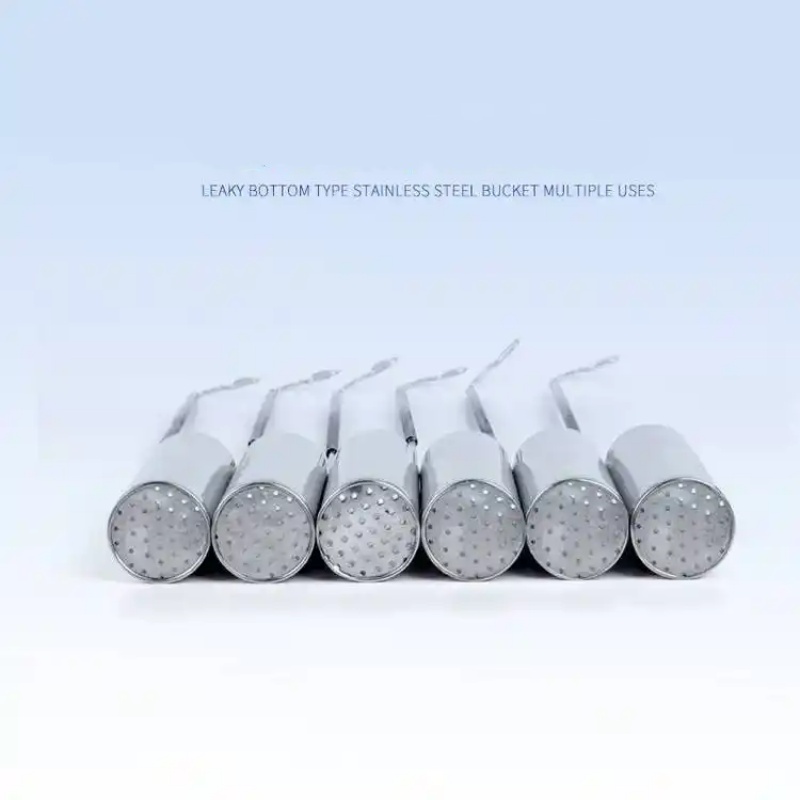
The outer diameter of the carrier bucket must be smaller than the tank opening diameter. Common carrier bucket outer diameters include 38 mm (for 50 mm openings), 63 mm (for 80 mm openings), and 97 mm (for 125 mm openings). The capacity of the vials is influenced by the number of buckets and their height (120 mm or 276 mm). For example, the YDS-30-125 single-layer configuration can hold 5,124 0.5-ml vials, while the double-layer configuration increases this to 9,048 vials. Double-layer buckets significantly increase capacity but make access operations more cumbersome; a trade-off between sample volume and operational efficiency must be considered.
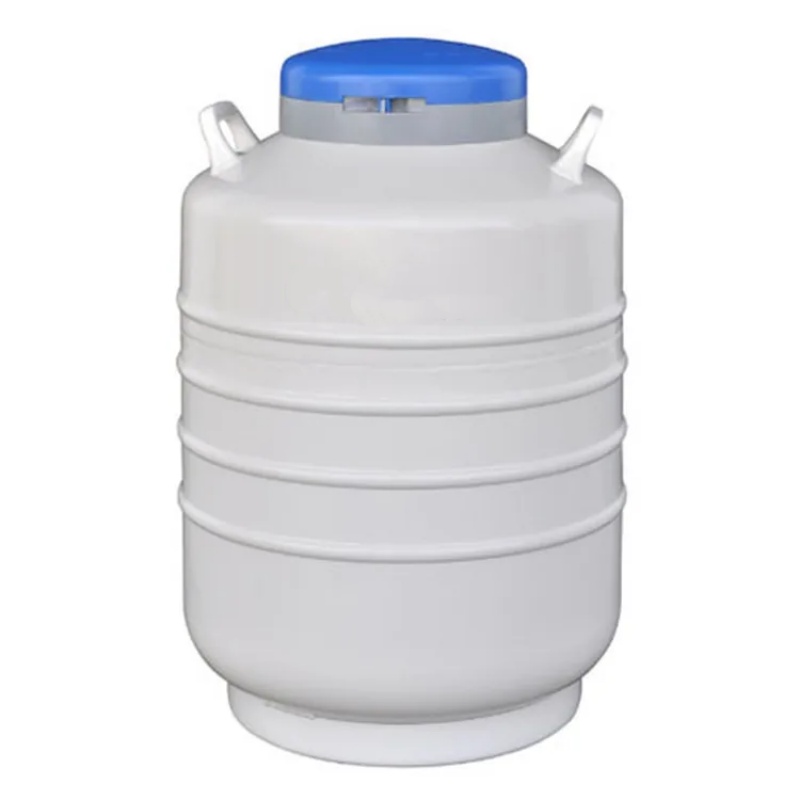
Frequently Asked Questions (FAQ):
Q1: Can storage tanks be used for transportation?
Absolutely not. Storage tanks are designed exclusively for stationary indoor use and lack shock-absorbing structures. Moving or transporting a filled tank can cause the inner liner to detach, damage the vacuum layer, or even result in liquid nitrogen splashing and causing injury. For transportation, you must use a dedicated “transportation-type” liquid nitrogen tank.
Q2: How can I determine if a new tank’s vacuum is intact?
Self-inspection method upon receipt: Fill the tank with liquid nitrogen and let it stand for 2 hours. If frost forms only around the bottle opening, this is normal; if frost or condensation covers a large area of the tank body, it indicates that the vacuum has failed, and you should refuse delivery immediately.
Q3: Why must the inner liner be cleaned after the liquid nitrogen is depleted?
Residual samples turn liquid upon thawing and can corrode the aluminum alloy inner liner. Once cavities form, the tank is rendered unusable. Clean with warm water no hotter than 40°C and allow to air dry naturally.
Q4: Why are compliance certifications important?
For the storage of human samples (such as embryos or blood), models with a Class II Medical Device Registration Certificate must be selected. It is strictly prohibited to substitute with veterinary-grade or industrial-grade products; otherwise, you face compliance risks and the risk of sample disposal.
Model Selection Recommendations: A Decision-Making Framework for Engineers and Purchasing Professionals
Step 1: Define the Intended Use and Compliance Level
– Livestock/industrial applications: Prioritize brands from reputable manufacturers; their parts are interchangeable and maintenance costs are low.
– Hospitals/clinical sample banks: Must select brands with medical registration certification that support smart monitoring.
Step 2: Establish a “Parameter-Scenario” Matching Matrix
Core Requirement Recommended Configuration Example Model
Maximize storage duration (low-frequency fluid replenishment): 50mm diameter, volume ≥30L
Maximize Single-Sample Capacity: 125 mm diameter, double-walled lifting bucket
Step 3: Focus on After-Sales Service Terms
– Vacuum Warranty Period: The standard for reputable brands is 5 years; exercise caution when selecting brands that offer only a 1-year warranty.
– Spare Parts Availability: Ensure lifting buckets, locking lids, and protective covers are readily available to avoid difficulties with future maintenance.
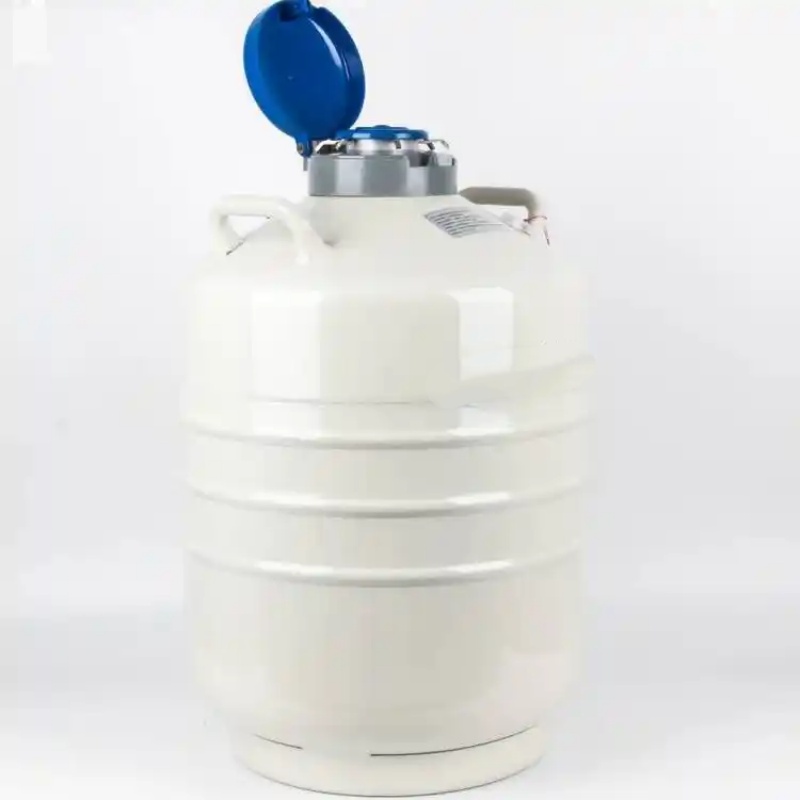
Selecting a storage-type liquid nitrogen container is by no means a matter of simply considering price or volume. Engineers must calculate thermodynamic requirements based on sample type, access frequency, and liquid replenishment conditions; procurement personnel must incorporate compliance certifications and maintenance costs into a full lifecycle assessment. We recommend establishing a selection process following this sequence: “sample list → diameter requirements → volume calculation → operational cost estimation,” and prioritizing brands with clear vacuum warranty terms and a well-established after-sales service network. After all, when comparing equipment costs to the value of the samples, it goes without saying which is more important.
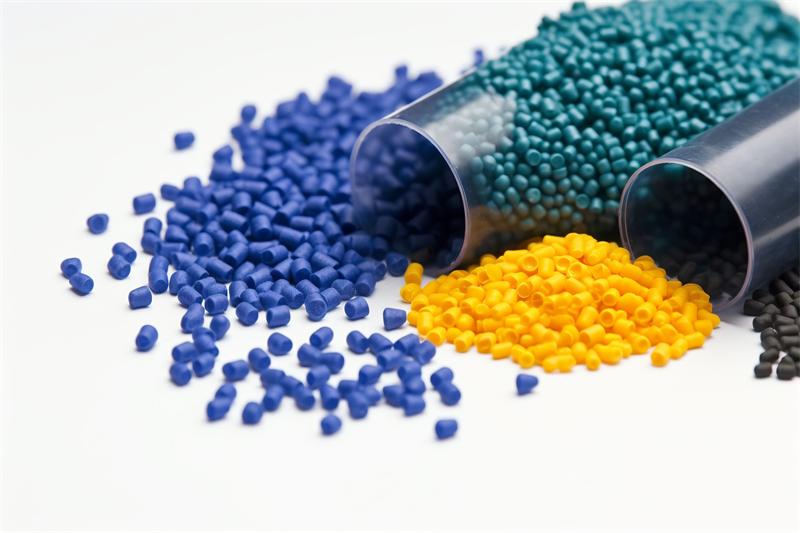 What Is Polyimide (PI)
What Is Polyphenylene Sulfide (PPS)
What Is Polyimide (PI)
What Is Polyphenylene Sulfide (PPS)
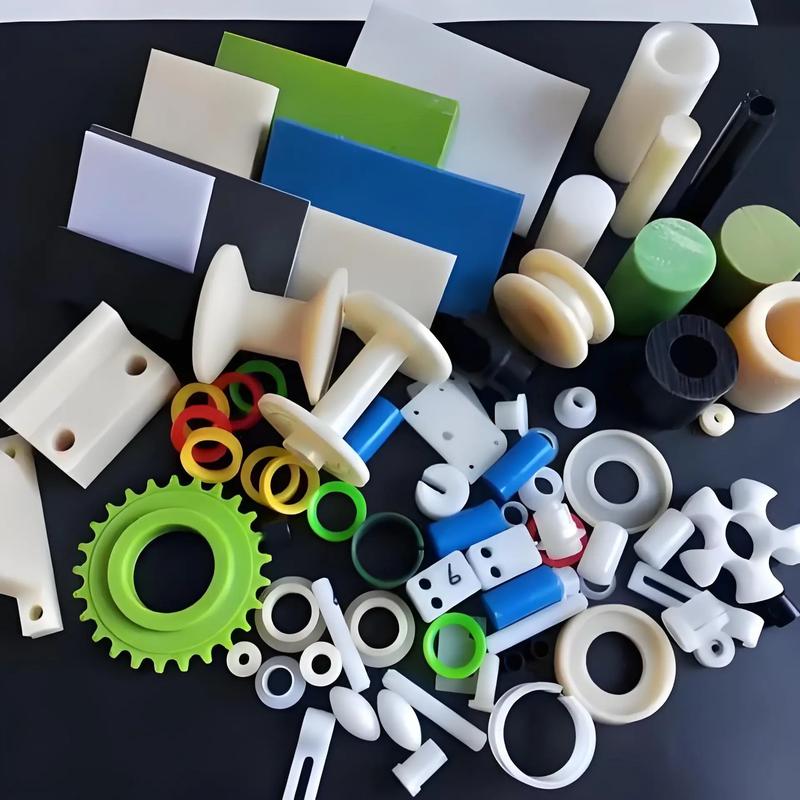 What is PEEK-for Engineers and Buyers
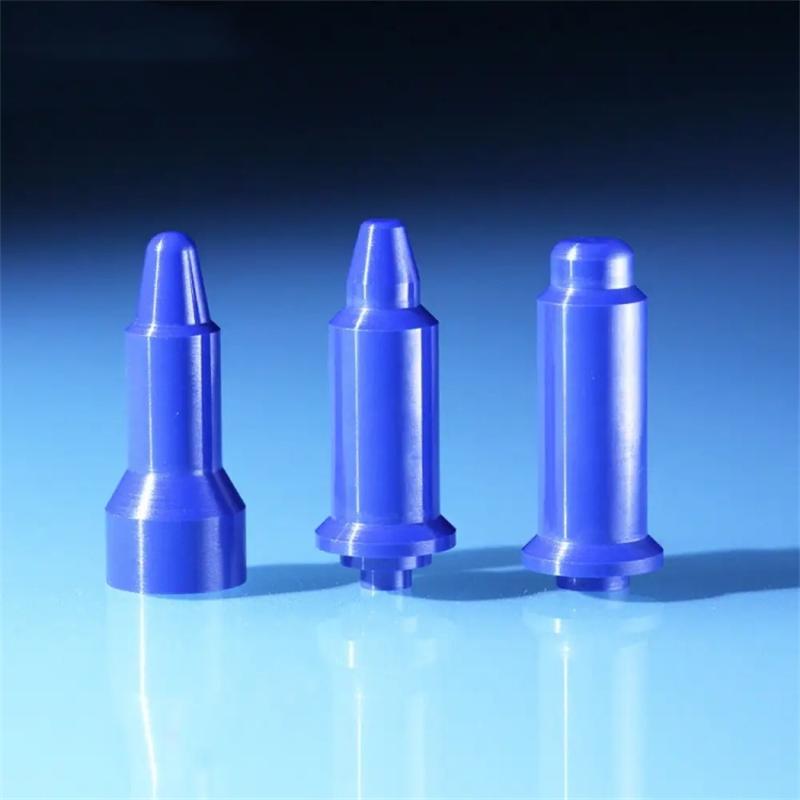 Application Scope of Zirconia Ceramic Structural Components