
Guide to Selecting and Purchasing Alkali-Free Glass Fiber Fabric
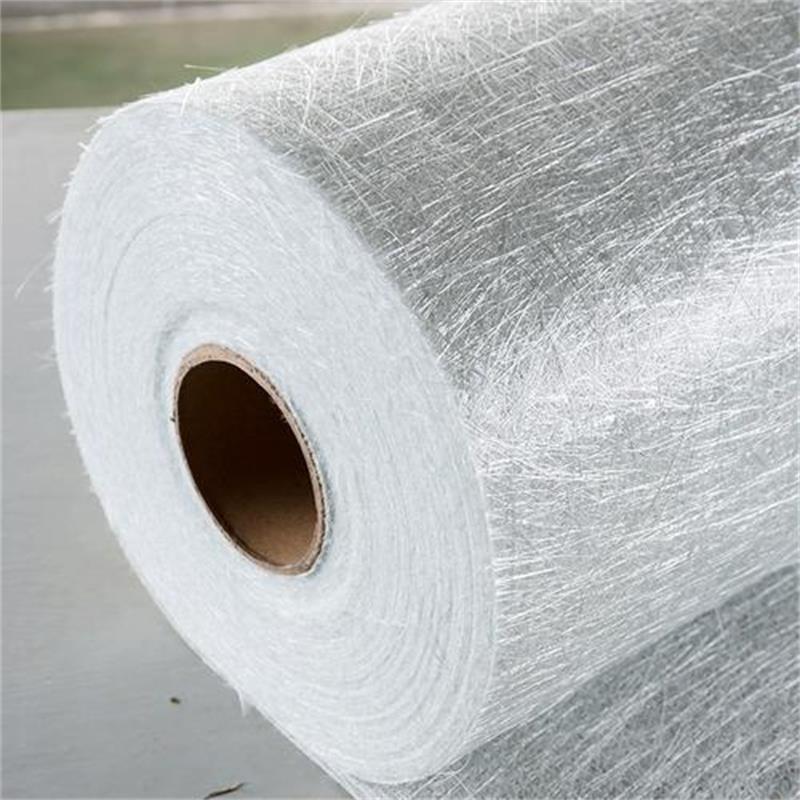
As a core foundational material in the fields of composite materials and electrical insulation, the performance of alkali-free glass fiber fabric (E-Glass Fabric) directly determines the structural strength and electrical reliability of end products. Faced with the myriad specifications and models available on the market, how can engineers and procurement professionals make precise selections? This article provides a systematic technical reference covering chemical composition, physical specifications, weaving processes, and practical applications.
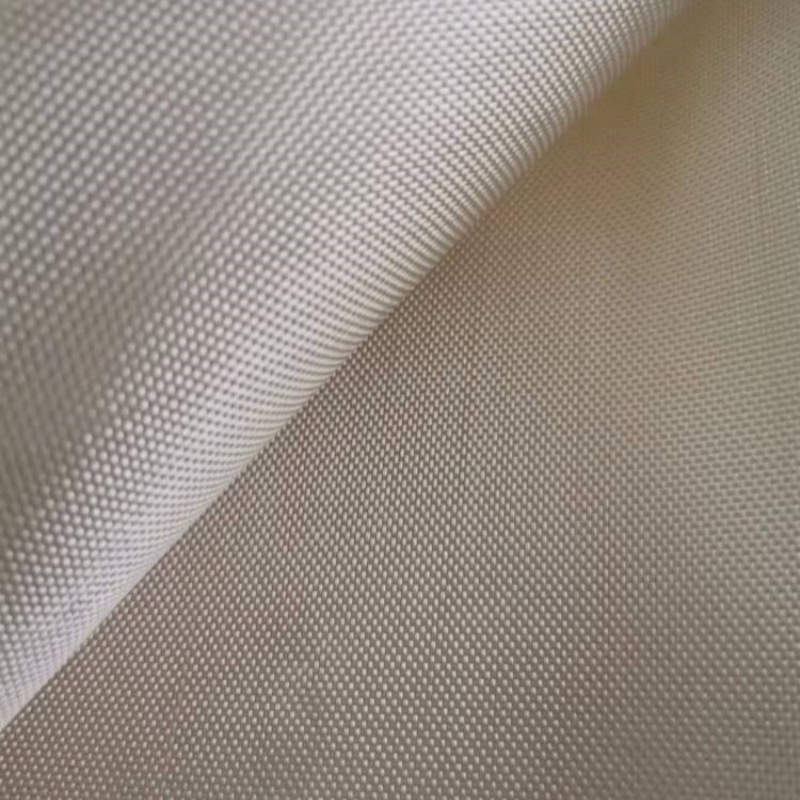
Chemical Composition and Material Classification
The key to the excellent electrical insulation and mechanical strength of alkali-free glass fiber fabric lies in its extremely low alkali metal oxide content.
Chemical Composition Definition: According to industry standards, alkali-free glass fiber fabric uses aluminosilicate glass as its matrix, with the content of alkali metal oxides (such as Na₂O and K₂O) strictly controlled below 0.8 wt% (some domestic high-standard requirements specify ≤0.5%) . This low-alkali formulation gives the material an extremely high volume resistivity (typically between 10¹² and 10¹⁵ Ω·cm) and extremely low dielectric loss.
Grade Classification Comparison:
Alkali-free glass fiber cloth (E-Glass): With excellent insulation properties and high mechanical strength, it is the mainstream choice for electronic-grade PCBs, copper-clad laminates, and high-end composite materials.
Medium-alkali glass fiber cloth (C-Glass): With a higher alkali content, it offers better acid resistance than alkali-free cloth but has slightly lower electrical insulation and mechanical strength; it is primarily used for chemical corrosion protection, pipe reinforcement, and plastic-coated packaging fabrics.
Specialty Electronic Fabrics (Low-Dk/Low-CTE): Designed to meet the demands of 5G communications and AI computing power, these fabrics use T-Glass or quartz fibers (Q-fabric) and feature an ultra-low dielectric constant and an extremely low coefficient of thermal expansion, making them key materials for high-frequency, high-speed PCBs and IC packaging substrates.
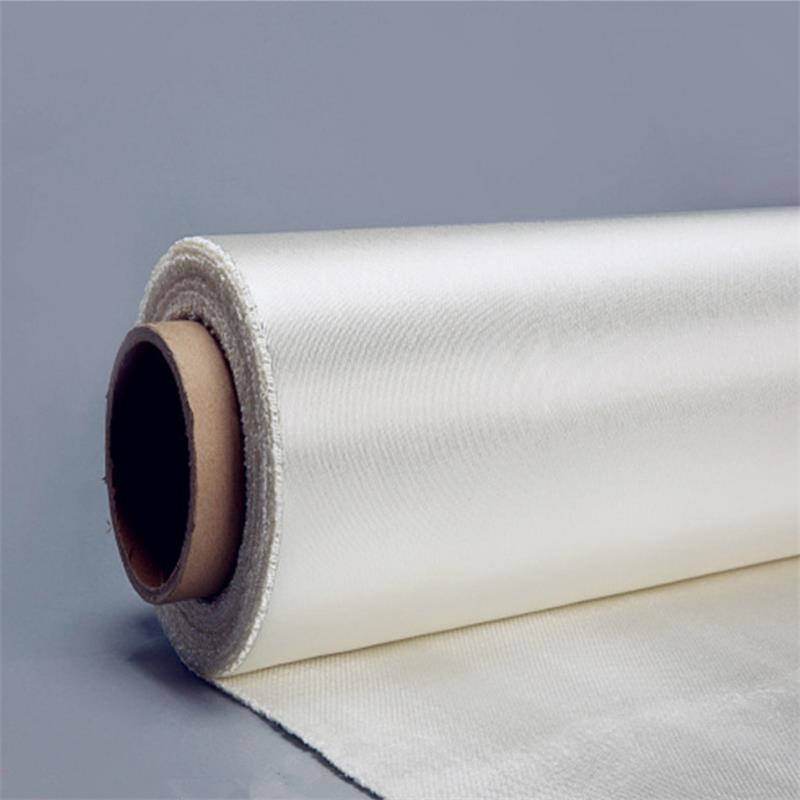
Basis Weight, Thickness, and Specification System
The physical specifications of glass fiber cloth are directly related to its resin impregnation and interlaminar shear strength. The industry typically uses “basis weight (g/m²)” and “thickness (mm)” as core procurement metrics:
Ultra-thin/Micro-thin (13 g–50 g/m², thickness 0.015 mm–0.05 mm): Primarily used in high-frequency precision electronics, such as high-end HDI boards and IC carrier substrates, where flatness and resin wettability are critical.
Thin/Standard Type (100 g–400 g/m², thickness 0.1 mm–0.4 mm): The most widely used range. Examples include the classic 1080 fabric (approx. 46.8 g/m²), 2116 fabric (approx. 102 g/m²), and 7628 fabric (approx. 204 g/m²), which are widely used in consumer electronics motherboards, general-purpose fiberglass-reinforced plastic (FRP) hand-layup, and pultrusion processes.
Heavy-Duty/High-Strength Type (600 g–800 g/m² and above, thickness 0.6 mm–0.8 mm): Designed specifically for high-strength structural components, such as wind turbine blade main spars, ship hulls, large storage tanks, and building reinforcement materials.
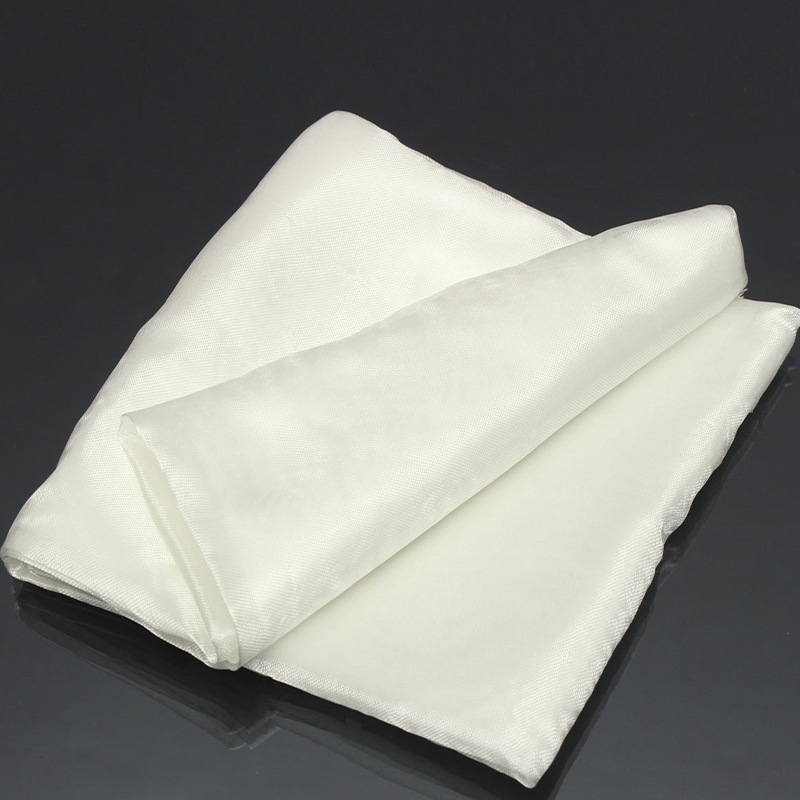
Weaving Process and Weave Structure
The weave not only affects the fabric’s appearance but also determines its mechanical properties and resin flow in different directions.
Plain Weave: Warp and weft threads interlace one over and one under, creating the tightest structure with excellent dimensional stability, though flexibility is relatively low. Suitable for substrates requiring a flat surface and uniform stress distribution.
Twill: With fewer interlacing points than plain weave, twill fabric is soft and easy to apply to complex curved surfaces or molds; it is commonly used for irregularly shaped components such as automotive bodies and yachts.
Satin: With the fewest interlacing points, satin weave has an extremely smooth surface and offers the best flexibility. Unidirectional satin weave provides extremely high tensile strength in a specific direction (0° or 90°), making it suitable for structures subjected to directional stress.
Stitched Fabric: Fiber bundles are secured using stitched yarns without adhesives. It offers excellent impregnation performance and can effectively enhance the impact resistance and delamination resistance of composite materials.
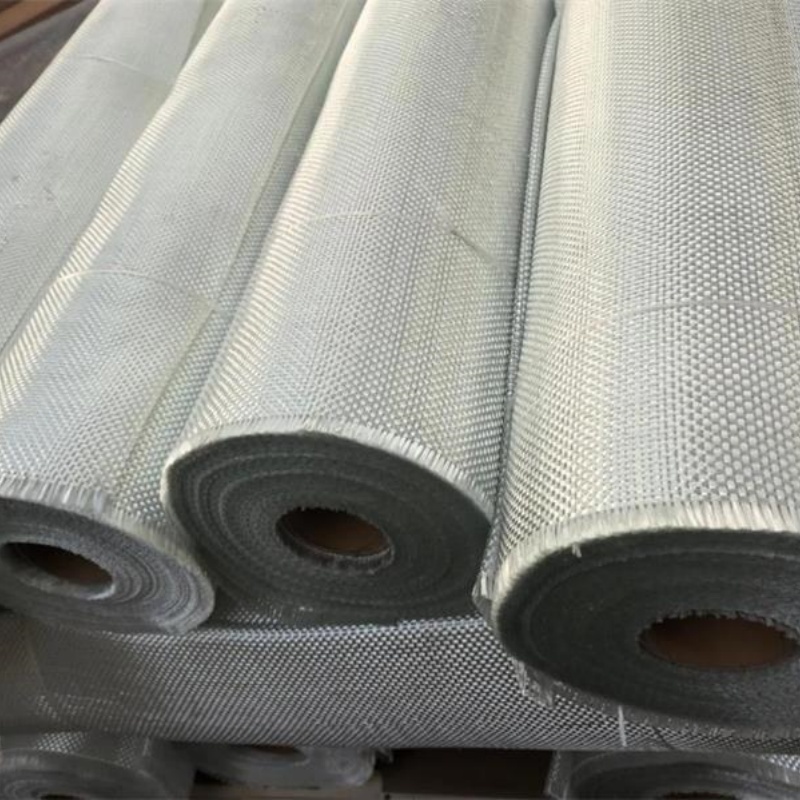
Engineering Selection Recommendations
Electrical Insulation Applications: Alkali-free plain weave fabric is the preferred choice; focus on the dielectric constant, dielectric loss, and breakdown voltage. If used in high-frequency environments, request a Low-Dk test report from the supplier.
Structural Reinforcement Applications: Select the weave pattern based on the direction of stress. Choose unidirectional fabric for unidirectional stress; twill fabric for multidirectional stress or complex curved surfaces; for hand-layup processes, pay attention to the fabric’s drape and resin absorption rate.
Corrosion and Weather Resistance: For long-term exposure to acidic or alkaline environments, evaluate whether to switch to medium-alkali fabric or specialty glass fiber fabrics coated with silane coupling agents or acid-resistant coatings.
Process Compatibility: The Vacuum Assisted Resin Transfer Molding (VARTM) process demands high fabric permeability and resin flowability; select a grade with appropriate porosity. In contrast, compression molding places greater emphasis on fabric weight uniformity and compatibility with prepregs.
Frequently Asked Questions (FAQ) and Guide to Avoiding Pitfalls
Q1: Will alkali-free fiberglass mesh fail when used outdoors or in humid environments?
A: Alkali-free mesh inherently offers excellent water and salt spray resistance; however, prolonged exposure to highly alkaline environments (such as untreated cement substrates) can cause “alkali attack,” leading to a decline in strength. In applications such as exterior wall insulation for buildings, it is essential to use alkali-resistant fiberglass mesh that has been treated with an alkali-resistant coating (e.g., ZrO₂ or TiO₂ modification).
Q2: Why do some fiberglass fabrics prick the skin and cause itching?
A: Glass fibers are brittle and have poor abrasion resistance; when they break, the resulting microscopic fibers can penetrate the skin and cause mechanical irritation. When purchasing, pay attention to the bundling of the yarn and the quality of the surface sizing agent; during installation, be sure to wear protective gloves and long-sleeved work clothes. It is worth noting that the diameter of continuous glass fibers is typically greater than 3 μm, making them unlikely to be inhaled deep into the lungs, and they can be dissolved by macrophages in human lung fluid, so there is no need to be overly concerned about their carcinogenicity (the IARC classifies them as Group 2B, meaning there is limited evidence).
Q3: How can one determine the bond strength between fiberglass cloth and resin?
A: The key lies in the “sizing agent” on the fiber surface. When purchasing, verify that the type of sizing agent is compatible with your resin system (e.g., epoxy, unsaturated polyester, vinyl ester). High-quality silane coupling agents can significantly improve interfacial bond strength and prevent “white strands” or delamination in composite materials.
Q4: Can alkali-free fabric that has been stored for two years still be used?
A: Alkali-free glass fiber is chemically extremely stable. When stored for two years in a dry, well-ventilated environment away from light, its mechanical strength and electrical properties remain essentially unchanged. However, if the fabric becomes damp or the packaging is damaged, degradation of the surface sizing agent may make impregnation difficult. It is recommended to conduct a small-batch impregnation test before use.
 What Is Polyimide (PI)
What Is Polyphenylene Sulfide (PPS)
What Is Polyimide (PI)
What Is Polyphenylene Sulfide (PPS)
 What is PEEK-for Engineers and Buyers
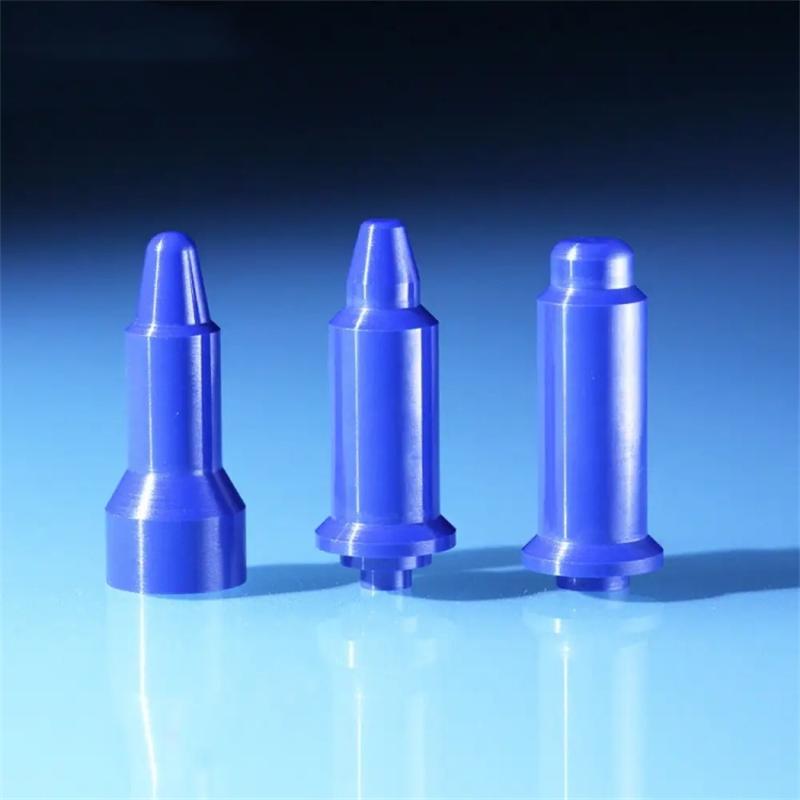 Application Scope of Zirconia Ceramic Structural Components