
Guide to Selecting Metal-Sleeve Composite Roll Sets
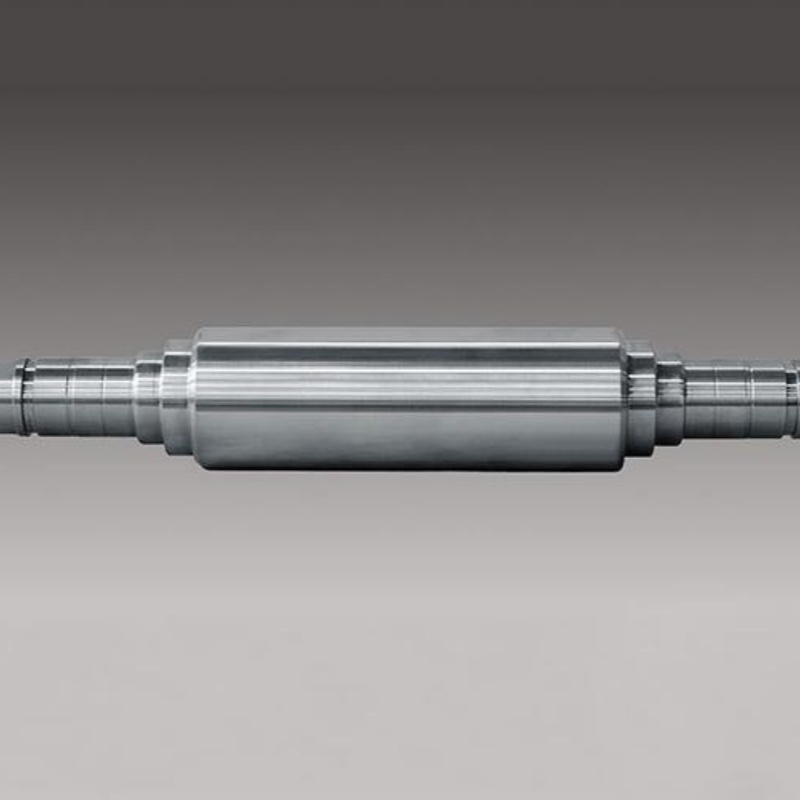
In modern steel rolling mills, metal-sleeve composite roll sets have become core components for reducing costs and improving efficiency due to their “hard exterior and tough interior” properties and the ability to replace individual sections. However, faced with the wide variety of materials and manufacturing processes available on the market, engineers and procurement professionals often find it difficult to make a decision. This article will provide an in-depth analysis of roll sleeve chemical composition, hardness specifications, and selection strategies from the perspectives of materials science and practical application, helping you avoid common pitfalls in the selection process.
Analysis of Materials and Chemical Composition
The performance of roll sleeves fundamentally depends on the compatibility between their chemical composition and manufacturing processes. Currently, mainstream materials are primarily categorized as follows:
High-Chromium Alloys: This is currently the most widely used wear-resistant material. By adding 10% to 30% chromium (Cr), a large number of high-hardness (Cr,Fe)₇C₃-type carbides form in the matrix. These carbides are distributed as isolated particles or clusters, providing not only wear resistance far exceeding that of ordinary white cast iron but also excellent oxidation resistance. Some high-end products also incorporate elements such as tungsten (W) and vanadium (V) to further enhance red hardness.
High-Speed Steel (HSS): Based on alloying elements such as Cr, Mo, and V, high-speed steel offers excellent resistance to thermal fatigue and high-temperature wear, making it particularly suitable for the final stages of hot-rolled strip finishing and high-carbon steel rolling applications.
Alloyed Forged Steel (e.g., 42CrMo, 35CrMo, P20): Primarily used for rollers or applications requiring extremely high toughness. Through refining processes such as vacuum degassing and electroslag remelting, forged steel features a dense internal microstructure and intact metal flow lines, effectively preventing casting porosity and inclusion defects, and offering exceptional resistance to impact and fatigue.
Matching Hardness Specifications to Operating Conditions
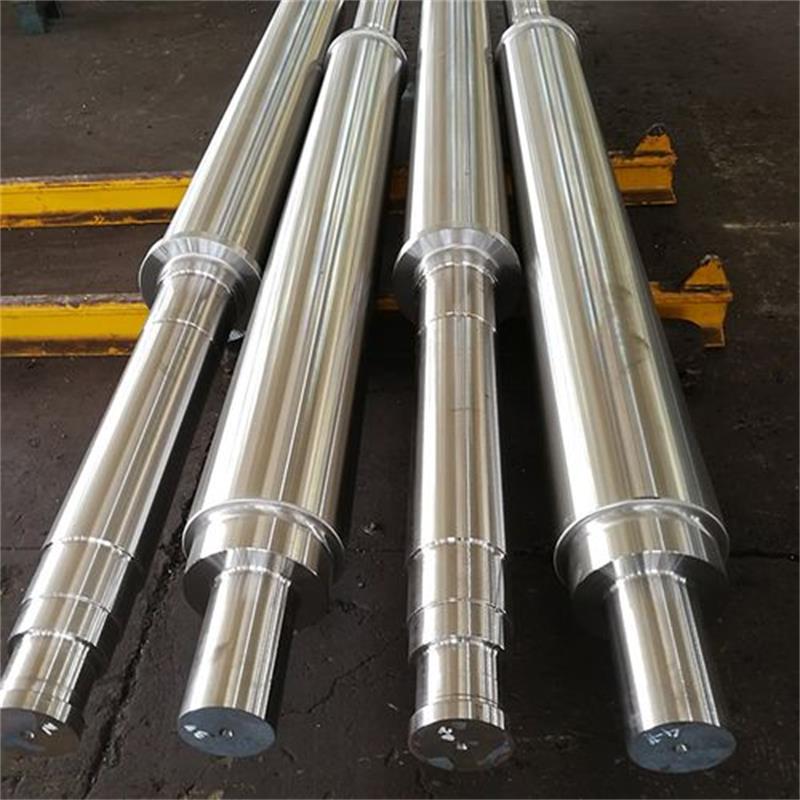
Hardness is a direct indicator of a roll sleeve’s wear resistance, but higher is not necessarily better; it must be balanced with the toughness requirements of the operating conditions:
High-chromium cast iron rolls: Hardness typically ranges from 60–95 HSD (or HRC 60–65). With their high surface finish, they are suitable for cold-rolled strip, leveling rolls, and hot-rolled finishing rolls where surface quality is critical.
Alloy cast steel/semi-steel rolls: Hardness ranges from 50–80 HSD. Combining the toughness of cast steel with the wear resistance of cast iron, these rolls offer a cost-effective choice for hot-rolling roughing and intermediate stands, as well as structural steel rolling.
Cemented Carbide/Pin-Type Roll Covers: Hardness can reach HRC 67 or even 90 and above. Cemented carbide pins embedded in the forged base material form a “material cushion” that protects the base material under material compression. Their service life between major overhauls can be 3 to 4 times that of welded roll covers, but they are more expensive and require extremely high material purity.
Selection Recommendations for Engineers and Purchasing Professionals
When selecting a type, it is recommended to move beyond a narrow focus on “price alone” or “hardness alone” and instead consider the following three dimensions:
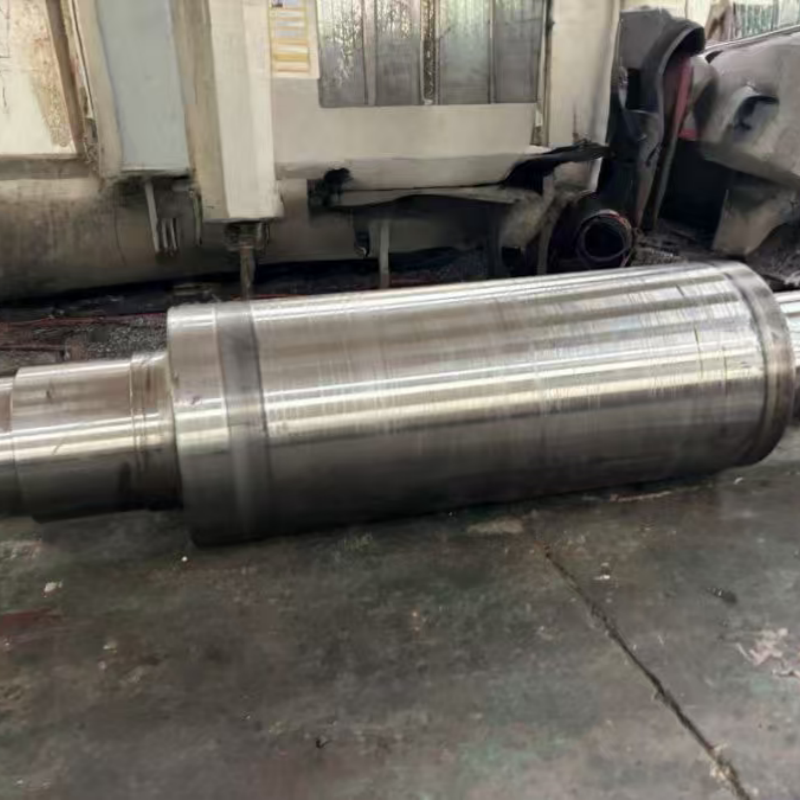
Total Cost of Ownership (TCO) Assessment: Comprehensively consider the initial purchase cost, service life (measured in metric tons of steel processed), and the hidden losses resulting from downtime caused by roller replacement. For example, while bimetallic composite centrifugal cast roller liners have a low initial purchase cost, their inherent casting defects make them prone to fatigue spalling and difficult to repair over large areas; the downtime losses resulting from frequent replacements may far exceed the savings in purchase costs.
Process and Defect Control: Give priority to manufacturers that use centrifugal composite casting or forging processes. Centrifugal casting produces a dense microstructure and reduces segregation, while forging completely eliminates internal porosity. It is essential to verify that suppliers have comprehensive non-destructive testing (ultrasonic, magnetic particle) and heat treatment (quenching + tempering) capabilities to ensure uniform hardness and low residual stress.
Repairability and Maintenance Costs: For high-hardness cast roll shells containing tungsten, wear typically cannot be repaired through conventional surfacing; the only options are grinding to create grooves or direct scrapping. If operating conditions permit, select roll shells with an optimized working layer that supports localized surfacing repairs of the ribs to extend the overall service life.
Frequently Asked Questions (Q&A)
Q1: What is the fundamental difference between high-chromium alloy rolling rolls and standard infinitely cold-hardened cast iron (ICDP) rolling rolls?
A: The key difference lies in the wear-resistance mechanism. ICDP primarily relies on rapid cooling to form a white-cast layer, which offers high hardness but is highly brittle; in contrast, high-chromium alloys provide wear resistance through a large number of uniformly distributed (Cr,Fe)₇C₃ carbides. Not only is their wear resistance 3 to 5 times that of ordinary cast iron, but the alloying process also ensures a better balance of strength and toughness, significantly improving resistance to thermal cracking and the total steel capacity.
Q2: Why do some high-hardness roll liners tend to crack or chip during use?
A: This is typically related to the material’s thermal fatigue resistance and the heat treatment process. High-chromium rolling rolls have low thermal conductivity; if the cooling water flow is insufficient or the temperature difference between the two ends of the roll is too great, thermal stress damage is highly likely to occur. Additionally, if compositional segregation occurs during casting or residual stresses are not eliminated, crack propagation is likely to occur under alternating stress.
Q3: How can you determine whether the roll liners provided by a supplier are of reliable quality?
A: In addition to verifying that the supplier is an actual manufacturer, you should focus on their track record of successful applications under similar operating conditions. Request that the supplier provide chemical composition reports for key elements, heat treatment curves, and non-destructive testing records. For companies in specific regions such as Sichuan, it is recommended to prioritize manufacturers with established local service networks and technical response capabilities to ensure emergency support and ongoing technical optimization.
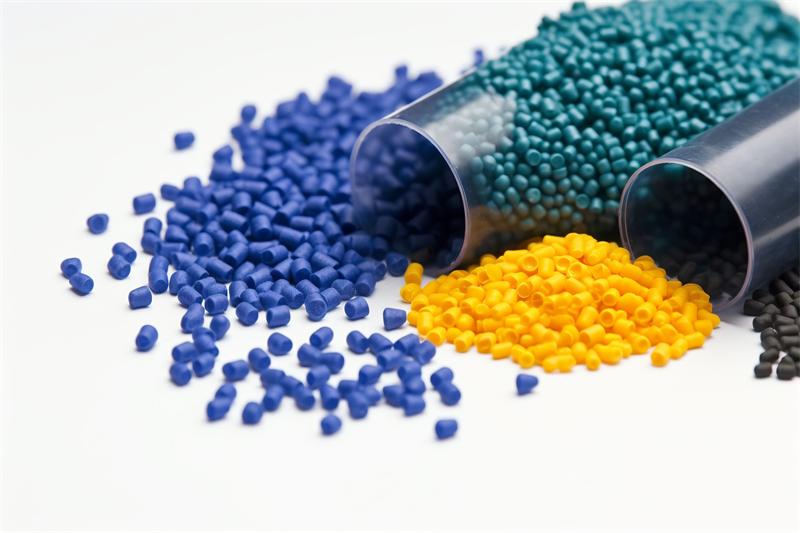 What Is Polyimide (PI)
What Is Polyphenylene Sulfide (PPS)
What Is Polyimide (PI)
What Is Polyphenylene Sulfide (PPS)
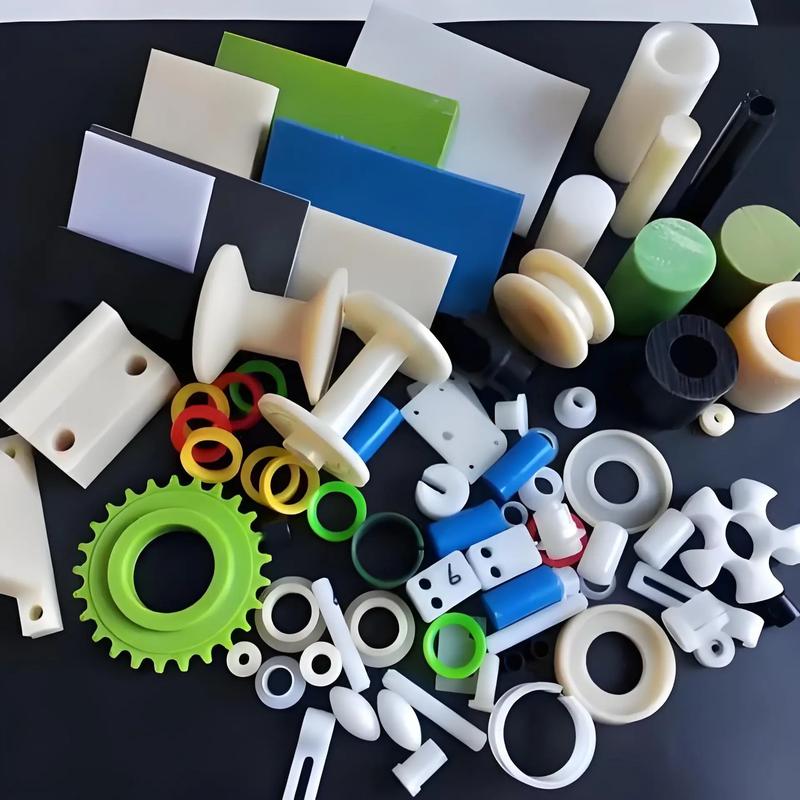 What is PEEK-for Engineers and Buyers
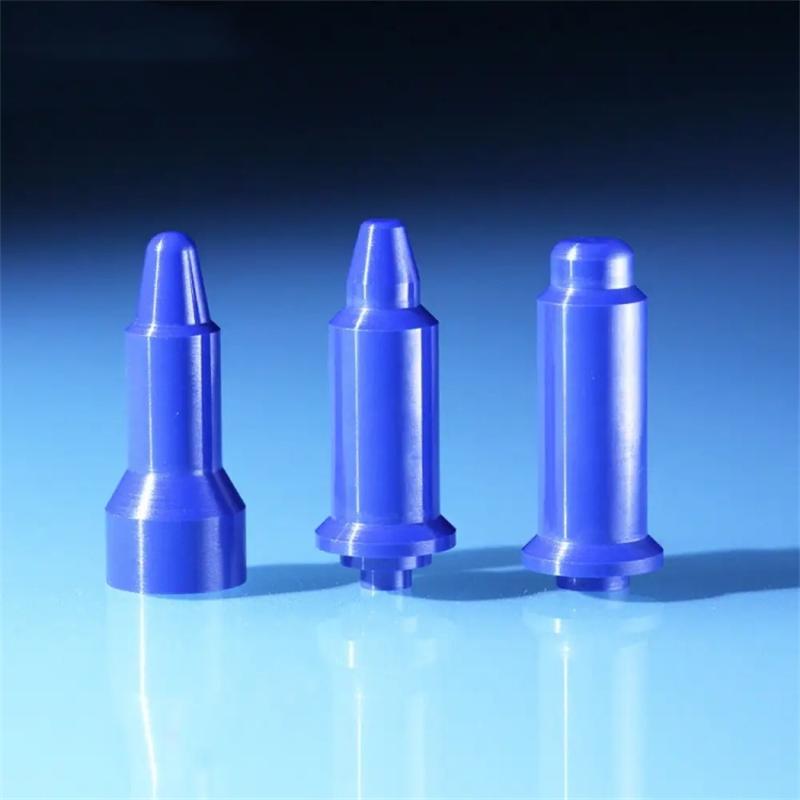 Application Scope of Zirconia Ceramic Structural Components