
Guide to Selecting Thermoplastics
For engineers and procurement professionals, selecting thermoplastics is far from a simple matter of “reviewing samples and requesting quotes”; rather, it is a complex balancing act involving materials science, processing techniques, and cost control. Amid the vast array of polymer materials available, precisely matching product requirements to avoid later issues—such as mold scrapping or product failure due to material defects—is a core skill every professional in the field must master. This article will outline the logic behind selecting thermoplastics from the perspectives of chemical composition, physical properties (hardness), and practical purchasing recommendations.
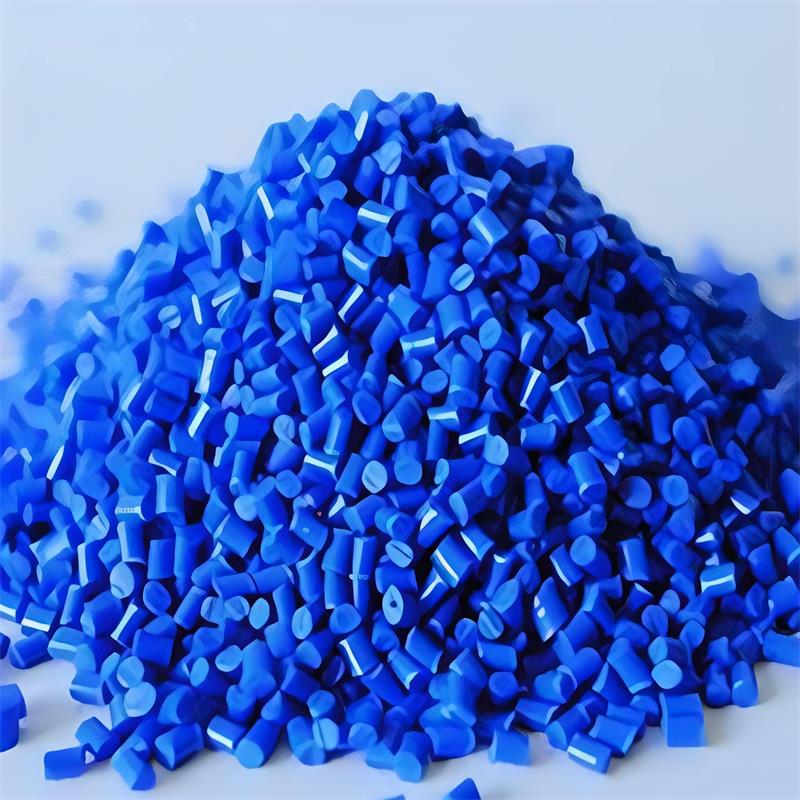
Chemical Composition Determines Performance Limits
The ability of thermoplastics to soften when heated and harden upon cooling stems from their linear or branched molecular structures. The chemical composition of different polymer chains directly determines a material’s temperature resistance, chemical resistance, and mechanical strength.
Take several materials commonly found in daily life and industry as examples: polypropylene (PP) and polyethylene (PE) are carbon-chain polymers, with molecular chains composed of carbon-hydrogen bonds. This gives them excellent chemical resistance and moisture resistance, as well as low density. However, the presence of methyl groups on PP’s molecular chains makes it stiffer and more heat-resistant than PE, so it is often used in microwave-safe food containers or automotive bumpers.
In contrast, polycarbonate (PC) and polyethylene terephthalate (PET) are heterochain polymers, with their molecular chains containing polar functional groups such as ester or carbonate groups. This chemical structure gives them excellent transparency and mechanical strength, but it also means they are relatively sensitive to certain polar solvents. For example, PC may experience stress cracking when exposed to strong alkalis or certain organic solvents.
Furthermore, engineering plastics such as polyamide (PA, commonly known as nylon) and polyoxymethylene (POM) derive their exceptional wear resistance and self-lubricating properties from the amide or ether bonds in their molecular chains, making them the materials of choice for manufacturing precision gears, bearings, and other moving parts. When selecting materials, engineers must first identify the chemical environment in which the product will operate to ensure that the material’s molecular structure can withstand corrosion from the target medium.
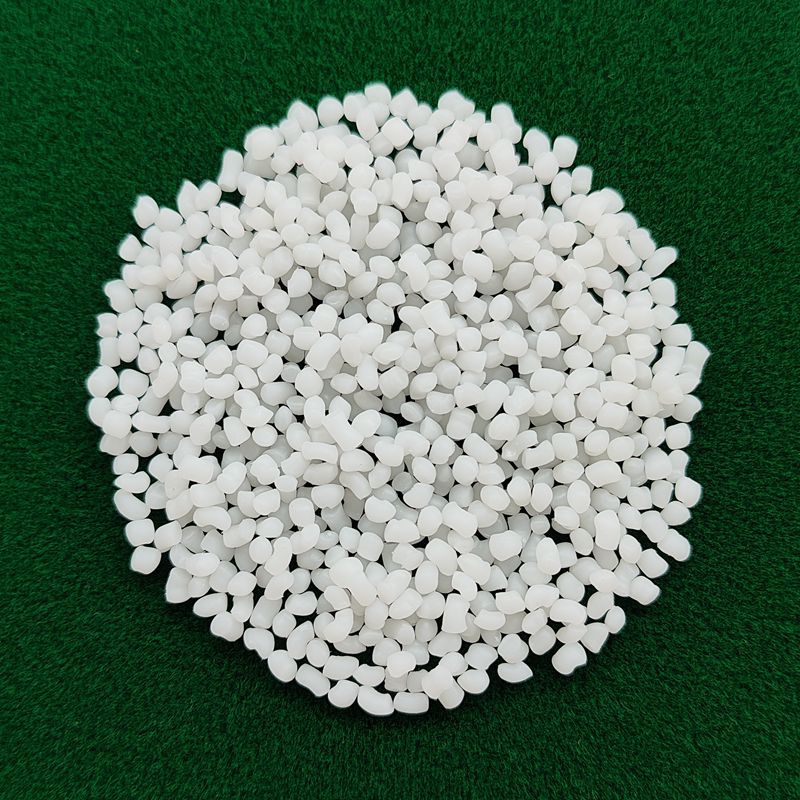
The Trade-off Between Hardness and Toughness: Finding the Balance in Mechanical Properties
In an engineering context, “hardness” is often a multidimensional concept; it encompasses not only surface scratch resistance but also overall rigidity and impact toughness. Many procurement professionals fall into the trap of assuming “the harder, the better” when selecting materials; in reality, it is difficult for a single material to simultaneously achieve both extreme hardness and toughness.
Take ABS and PC as examples: ABS offers balanced overall mechanical properties, moderate surface hardness, and a significant cost advantage, making it the best value-for-money choice for home appliance housings and structural components. PC, on the other hand, is known as “bulletproof plastic”; its impact toughness far exceeds that of ABS, but there is little difference between the two in terms of surface hardness—PC may even be slightly softer and more prone to scratches from hard objects.
If a product requires both a rigid structural framework and a comfortable tactile feel or slip-resistant design, a single material alone cannot meet these demands. In such cases, engineers typically employ an “overmolding” process, which combines a rigid plastic (such as ABS or PC) with a thermoplastic elastomer (TPE/TPU). Thanks to their specially designed molecular structure, elastomers like TPE and TPU exhibit rubber-like softness and high elasticity at room temperature, perfectly compensating for the tactile shortcomings of rigid plastics.
For structural components that must withstand high loads without deformation—such as support brackets or precision shafts—pure resin is often inadequate. In such cases, reinforcing the material with glass fiber or carbon fiber should be considered. The addition of glass fiber can significantly improve the material’s stiffness and dimensional stability, but it also introduces processing challenges such as surface fiber protrusion and anisotropic shrinkage, requiring corresponding compromises in mold design and injection molding processes.
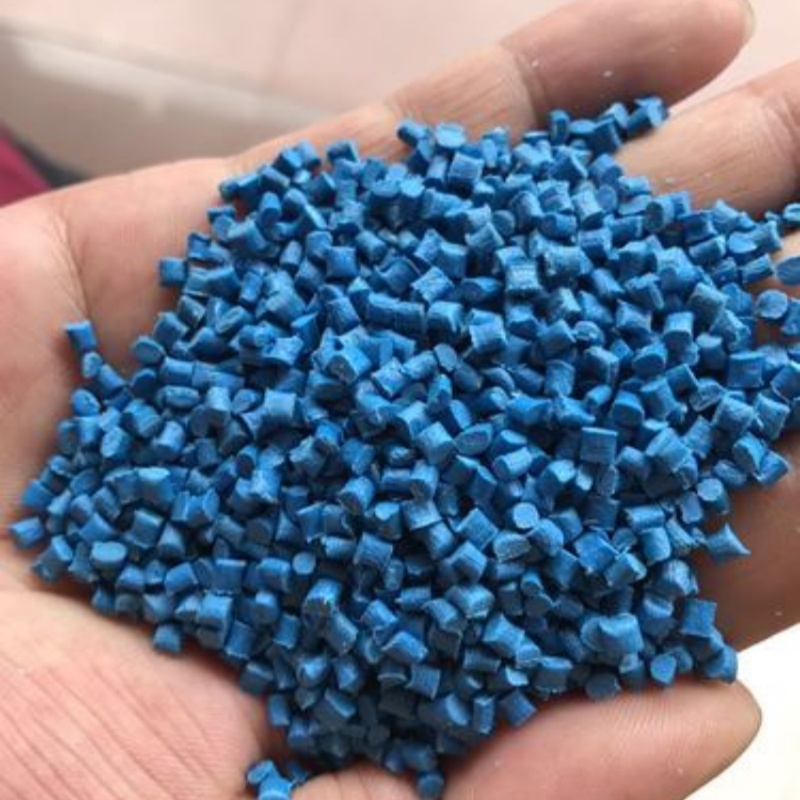
Practical Purchasing Recommendations:
After clarifying chemical resistance and mechanical requirements, procurement and engineering teams must also consider the following practical factors:
First is processability. Different materials vary greatly in melt flow index, shrinkage rate, and thermal stability. For example, PET must undergo rigorous drying before injection molding; otherwise, moisture at high temperatures can cause molecular chain breakage, resulting in brittle products. PVC, on the other hand, has poor thermal stability, a narrow processing temperature window, and is highly prone to decomposition, producing corrosive gases—which places extremely high demands on the corrosion resistance of equipment screws and molds.
Second is the trend toward environmental sustainability and compliance. As global efforts toward sustainable development and the “Dual Carbon” goals advance, traditional petroleum-based plastics are facing challenges. In the food packaging and consumer electronics sectors, bio-based biodegradable materials (such as PLA) and bisphenol A-free (BPA-free) modified copolyester (such as Tritan) are rapidly gaining traction. When selecting materials, procurement professionals must not only consider current physical properties but also proactively plan for green materials that comply with environmental regulations such as RoHS and REACH.
Finally, there is the issue of comprehensive cost accounting. Do not focus solely on the unit price per kilogram of raw materials. Although high-impact polystyrene (HIPS) is about 20% cheaper per unit than ABS, if its brittleness leads to a decrease in injection molding yield or an increase in post-sales returns for end products, overall costs may spiral out of control. Similarly, choosing materials that are easy to recycle and have a low scrap rate (such as PP) can yield significant hidden benefits during long-term mass production.
Frequently Asked Questions
Q1: Why do the color and physical properties of different batches of the same plastic grade fluctuate?
This is typically related to the molecular weight distribution of the resin and the uniformity of additive dispersion (such as antioxidants and lubricants). It is recommended to conduct thorough trial molding before mass production and lock in the supplier’s specific formulation batch. For products with extremely high aesthetic requirements, you can request that the supplier provide color difference meter data and physical property test reports, and establish strict incoming quality control (IQC) standards.
Q2: If a product cracks after a period of use, is this a material quality issue?
Not necessarily. Aside from the material’s inherent lack of resistance to stress cracking, this is more often caused by “environmental stress cracking.” For example, PC or ABS products may retain significant internal stress during molding; later, when exposed to alcohol, grease, or assembly stress, they may experience brittle fracture. Possible solutions include: optimizing the injection molding process to reduce internal stress, adding an annealing step, or switching to a material grade with better resistance to environmental stress cracking.
Q3: How can one easily distinguish between transparent plastics that look similar?
In addition to professional Fourier-transform infrared (FTIR) spectroscopy, a preliminary distinction can be made on-site using the combustion test (which must be conducted under absolutely safe and well-ventilated conditions). For example, when PS burns, it produces thick black smoke and emits the characteristic sweet odor of styrene; when PC burns, it emits a small amount of black smoke, has a faint floral and fruity sweet smell, and self-extinguishes when removed from the flame; whereas when PMMA (acrylic) burns, the flame is light blue with a white tip, produces no black smoke, and emits a strong floral and fruity odor. However, it is important to note that the combustion method is intended only as an emergency reference; rigorous engineering decisions must rely on third-party testing reports.
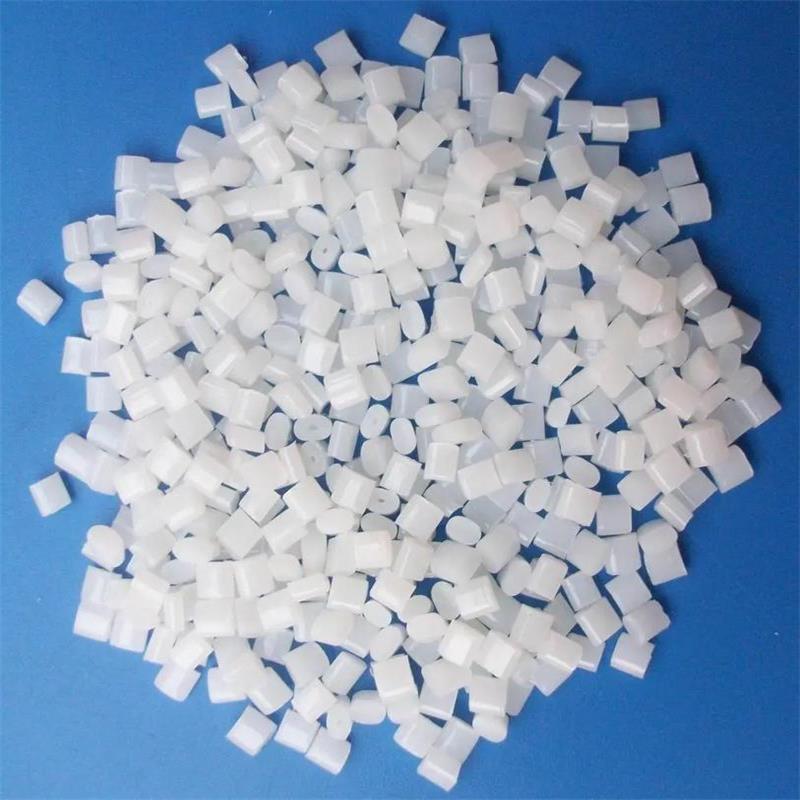
Selecting thermoplastics is an art of balance. It requires engineers to have a deep understanding of the chemical logic at the molecular level, while procurement personnel must possess a holistic view of costs and the supply chain. Only by closely aligning material properties, processing techniques, and end-use applications can one truly create exceptional products that combine performance, cost-effectiveness, and market competitiveness.
 What Is Polyimide (PI)
What Is Polyphenylene Sulfide (PPS)
What Is Polyimide (PI)
What Is Polyphenylene Sulfide (PPS)
 What is PEEK-for Engineers and Buyers
 Application Scope of Zirconia Ceramic Structural Components