
Depth comparison and selection guide between high-purity alumina grinding balls and other grinding media
In precision manufacturing fields such as powder processing, electronic material preparation, and grinding of new energy battery slurries, the choice of grinding medium directly determines the purity, particle size distribution, and production cost of the final product. As engineers and procurement personnel, how to accurately match process requirements with the dazzling array of grinding media in the market?
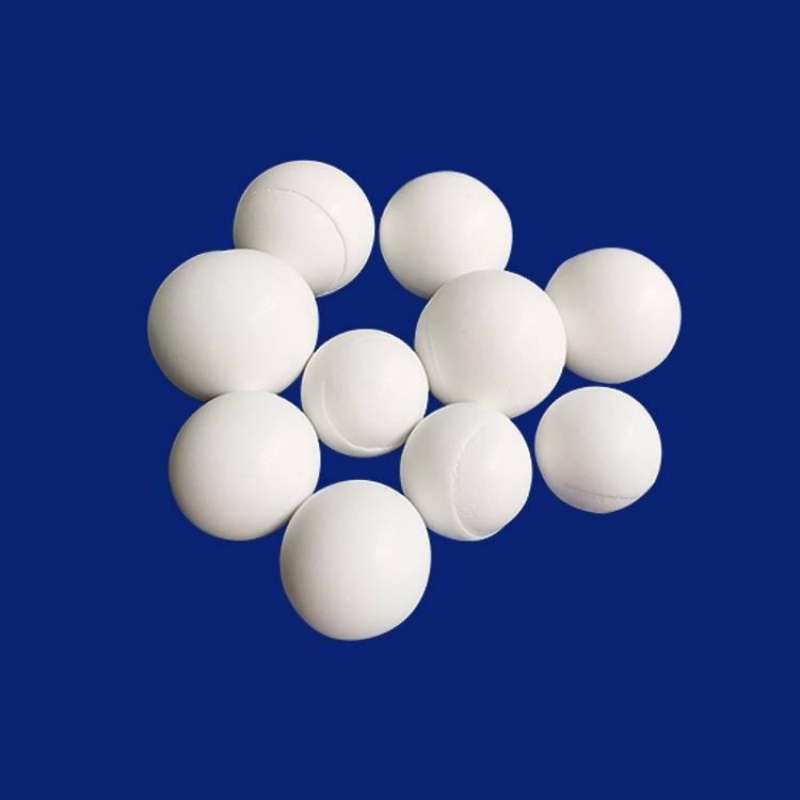
Purity and Pollution Control: Holding the Bottom Line of Product Quality
In high-end applications, the “zero pollution” of grinding media is the primary consideration.
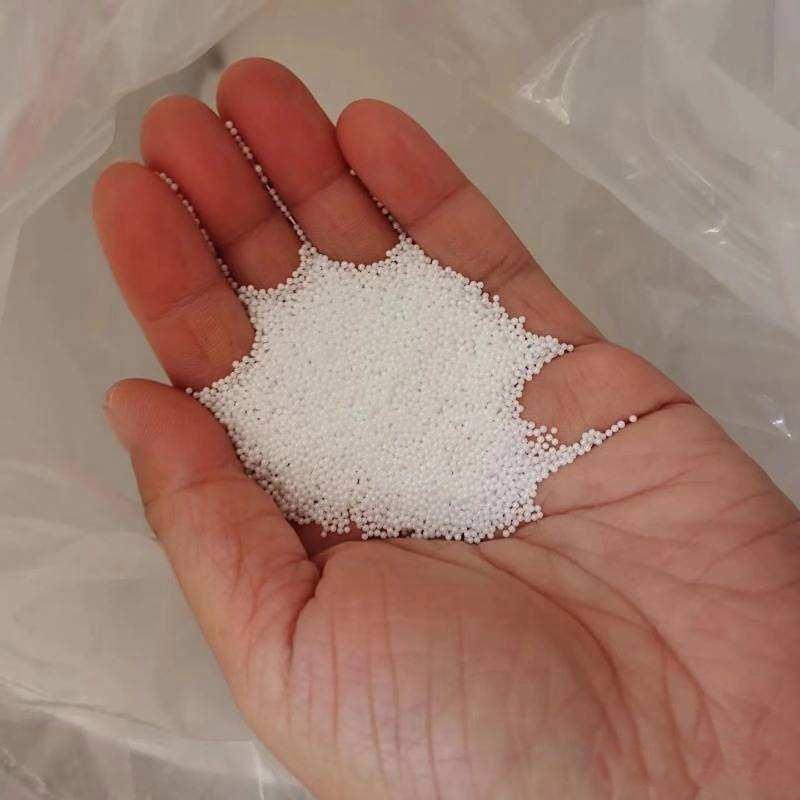
High purity alumina balls: purity can reach 99.9% or even 99.99%, and their wear products have the same composition as the ground materials (such as alumina ceramics and electronic powders), fundamentally eliminating cross contamination. In addition, its radioactive isotope (U, Th) content is extremely low, perfectly meeting the requirements of semiconductors and high-end electronic components.
Zirconia balls: also of extremely high purity, but introduce trace amounts of zirconium (Zr) element. If the end product is sensitive to zirconium (such as certain dielectric ceramics), it should be used with caution.
Steel ball/high chromium cast iron ball: It is highly susceptible to wear under high-speed impact, causing the dissolution of metal ions such as iron (Fe), chromium (Cr), nickel (Ni), etc. In severe cases, it can cause internal short circuits in lithium batteries or reduce the dielectric properties of electronic materials. It is only suitable for rough grinding or bulk building materials industries that do not require metal impurities.
Agate balls: Natural material with high purity, but batch stability is not as good as artificial high-purity alumina balls, and there is a risk of trace impurities.
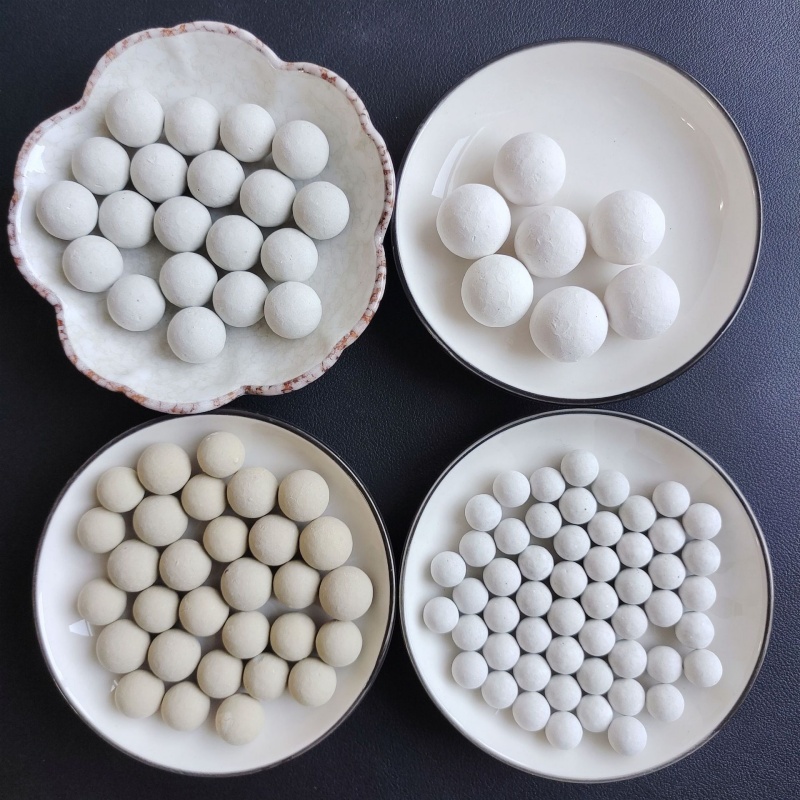
Hardness and Wear Resistance: Determining Grinding Efficiency and Medium Life
High purity alumina balls: Mohs hardness reaches level 9, Vickers hardness is between 1500-1800HV. Thanks to its ultrafine crystalline structure and fine sintering process, it has excellent wear resistance and extremely low wear rate (such as some high-end products having a wear rate of only about 15 ppm/h), and can maintain excellent sphericity during long-term grinding.
Zirconia balls: their hardness is comparable or even slightly higher than that of alumina, and they have extremely high fracture toughness. They have excellent impact resistance and peel resistance in high-speed stirred mills.
Zirconium silicate balls: slightly lower in hardness than zirconia and alumina, but under mild grinding conditions, their wear resistance can meet the needs of most coatings and inks.
Agate ball: The Mohs hardness is between 7.2-7.5, which is relatively low and wears out quickly when grinding high hardness materials.
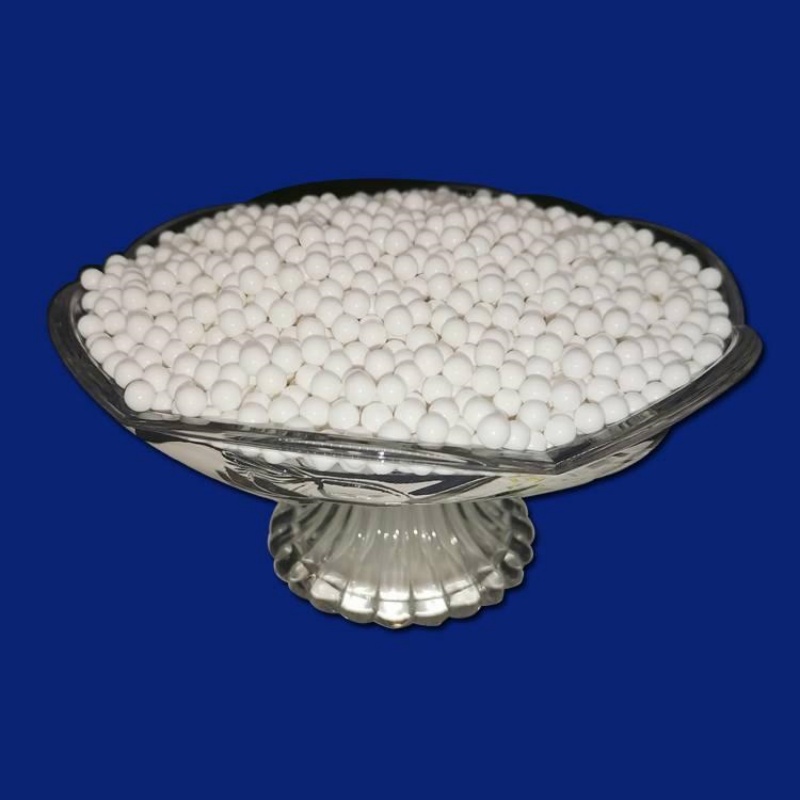
Density and Grinding Energy: Energy saving Advantages of Lightweight Design
The density of the medium is directly related to the kinetic energy input and equipment energy consumption during the grinding process.
High purity alumina balls: with a density of about 3.8-3.9 g/cm ³, only 65% of zirconia balls (about 6.0 g/cm ³). This feature significantly reduces equipment load and operating energy consumption while maintaining sufficient grinding kinetic energy. For heat sensitive materials or processes that require avoiding excessive crushing, the “gentle grinding” of alumina balls can effectively suppress the temperature rise of the slurry and the re aggregation of particles.
Zirconia balls: High density endows them with strong shear and impact forces, making them a powerful tool for preparing nanoscale ultrafine powders (such as lithium iron phosphate and MLCC media), but correspondingly, it also brings higher energy consumption and equipment wear.
Agate balls/glass beads: Low density (about 2.6 g/cm ³), weak impact force, only suitable for slight grinding or dispersion of soft materials.
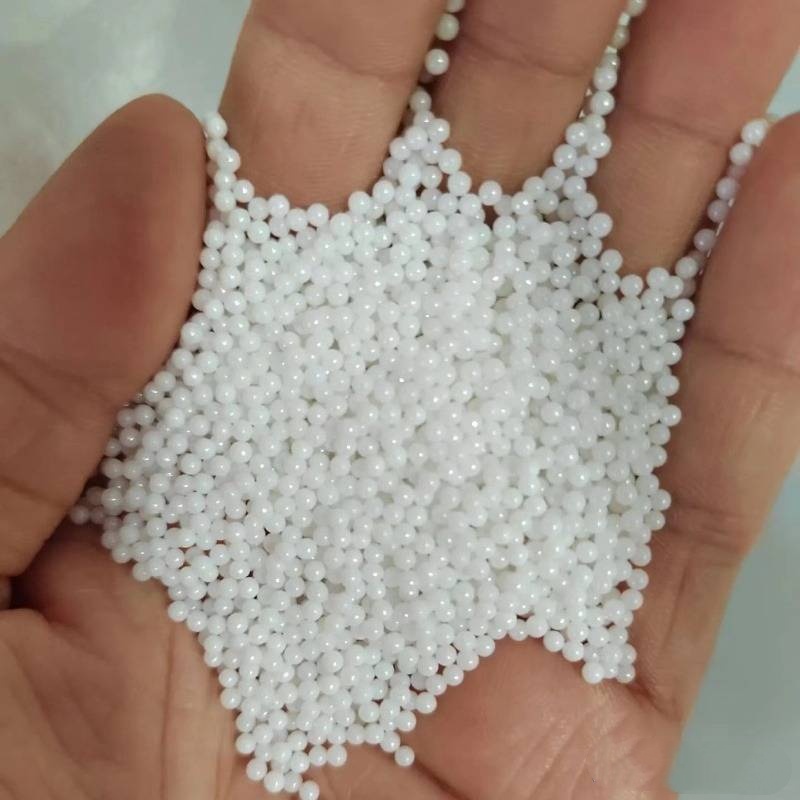
Chemical and Thermal Stability: Bottom Gas for Complex Working Conditions
High purity alumina balls: have excellent corrosion resistance to strong acids (except hydrofluoric acid), strong bases, and various organic solvents. More importantly, it can maintain stable mechanical properties at high temperatures and will not undergo phase transition instability like zirconia after high temperature or prolonged storage, making it an ideal choice for high-temperature grinding and highly corrosive chemical environments.
Zirconia balls: They have excellent chemical stability at room temperature, but their wear resistance and structural stability decrease when the slurry temperature significantly increases.
Steel ball: It is prone to rust and corrosion during wet grinding, which not only pollutes the material but also accelerates equipment aging.
Cost and comprehensive benefits: a full lifecycle consideration beyond unit price
In procurement decision-making, we should not only focus on the initial purchase unit price, but also pay attention to the total cost of ownership (TCO) throughout the entire lifecycle.
High purity alumina balls: Although the unit price is higher than ordinary zirconium silicate or steel balls, their long service life, extremely low wear rate, and saved electricity costs make their overall cost highly competitive. For high value-added products such as electronic ceramics and battery materials, it avoids the risk of batch scrapping caused by impurities, resulting in significant hidden benefits.
Zirconia balls: The highest unit price (usually several times that of alumina balls), mainly used in high-end scenarios with strict requirements for nanoscale fineness and extremely high purity.
Steel ball/natural stone: The initial cost is extremely low, but it wears out quickly, requires frequent replenishment and replacement, and brings extremely high indirect costs such as iron removal process, equipment maintenance, and scrap rate.
Selection suggestions for engineers and procurement personnel
Pursuing ultimate purity and cost-effectiveness (preferred alumina ball): in lithium battery positive and negative electrode materials, high-purity alumina ceramics MLCC、 In the field of fluorescent powder, high-purity alumina balls (99.5% or above) are the optimal solution that balances purity, wear resistance, and cost.
Nano level ultrafine grinding and high shear requirements (choose zirconia balls): When the process requires D50 to reach sub micron or even nanometer level, and the material is insensitive to zirconium element, yttrium stabilized zirconia beads cannot be replaced by high density and high toughness.
Mild dispersion and mid to low end coatings/inks (choose zirconium silicate/agate balls): For conventional industrial grinding that requires fineness above the micrometer level and is cost sensitive, zirconium silicate beads or agate balls can provide good cost-effectiveness.
Bulk rough grinding and mining building materials (selecting steel balls/high chromium balls): In industries such as cement and mineral powder that do not require metal impurities, high chromium cast iron balls are still the lowest cost choice.
Special working condition assessment: If it involves high-temperature grinding, strong acid-base environment, or thermosensitive materials, high-purity alumina balls should be given priority consideration; If the material viscosity is extremely high, it is necessary to evaluate whether high-density zirconia balls will cause equipment overload due to excessive filling.
The selection of grinding media is an art of balancing purity, efficiency, and cost. High purity alumina grinding balls are replacing traditional media in the high-end powder processing field due to their excellent chemical stability, moderate density, and extremely high cost-effectiveness. It is recommended that procurement personnel conduct small-scale evaluations based on specific material characteristics before introducing new media, using data-driven decision-making to maximize production efficiency.
 What Is Polyimide (PI)
What Is Polyphenylene Sulfide (PPS)
What Is Polyimide (PI)
What Is Polyphenylene Sulfide (PPS)
 What is PEEK-for Engineers and Buyers
 Application Scope of Zirconia Ceramic Structural Components