
Selecting the Right Composite Material for Aerospace Structural Components
The aerospace industry has undergone a fundamental transformation in material selection over the past four decades, transitioning from a predominantly metallic paradigm to one where composite materials now define state-of-the-art structural performance. Modern aircraft such as the Boeing 787 Dreamliner utilise approximately 50% composite materials by weight, achieving a 20% weight reduction compared to conventional aluminium designs while delivering significant improvements in fatigue resistance and corrosion performance . This shift is driven by an unrelenting industry demand for improved fuel efficiency, extended range, increased payload capacity, and reduced lifecycle costs.
For engineers, procurement specialists, and designers involved in aerospace projects, the selection of appropriate composite materials for structural components represents a complex engineering decision with far-reaching implications. The choice affects not only immediate performance metrics but also manufacturing feasibility, certification pathways, maintenance requirements, and long-term durability. This guide provides a comprehensive framework for understanding, evaluating, and selecting composite materials for aerospace structural applications, grounded in materials science principles and practical engineering experience.
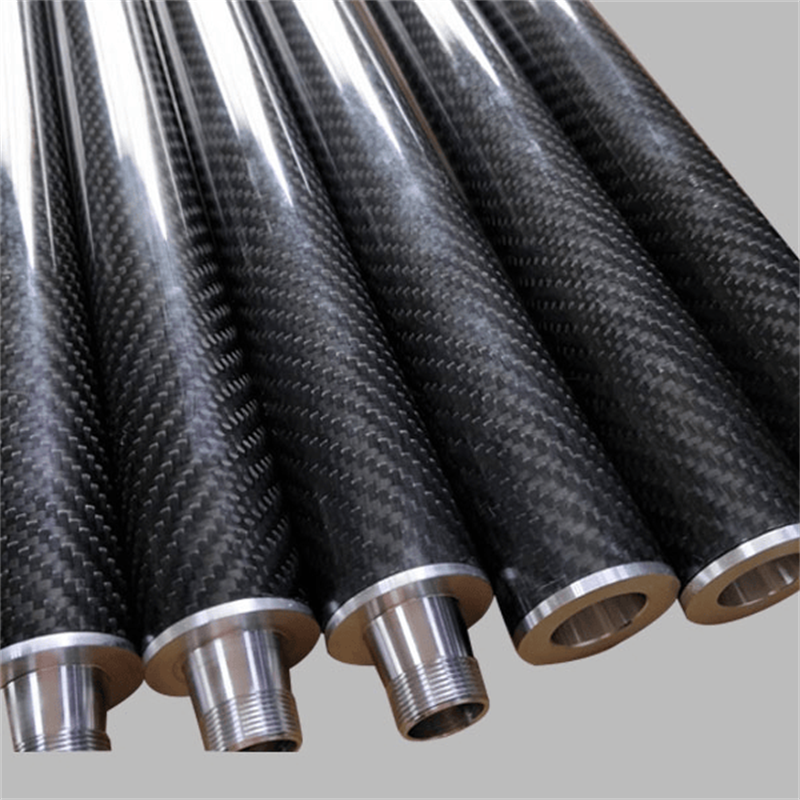
Understanding Composite Materials for Aerospace Structures
A composite material, in the aerospace context, is an engineered combination of two or more constituent materials with significantly different physical or chemical properties that, when combined, produce a material with characteristics distinct from the individual components. The primary constituents are the reinforcement, which provides strength and stiffness, and the matrix, which transfers load between fibres, protects them from environmental degradation, and maintains fibre orientation.
Carbon Fibre Reinforced Polymers (CFRP)
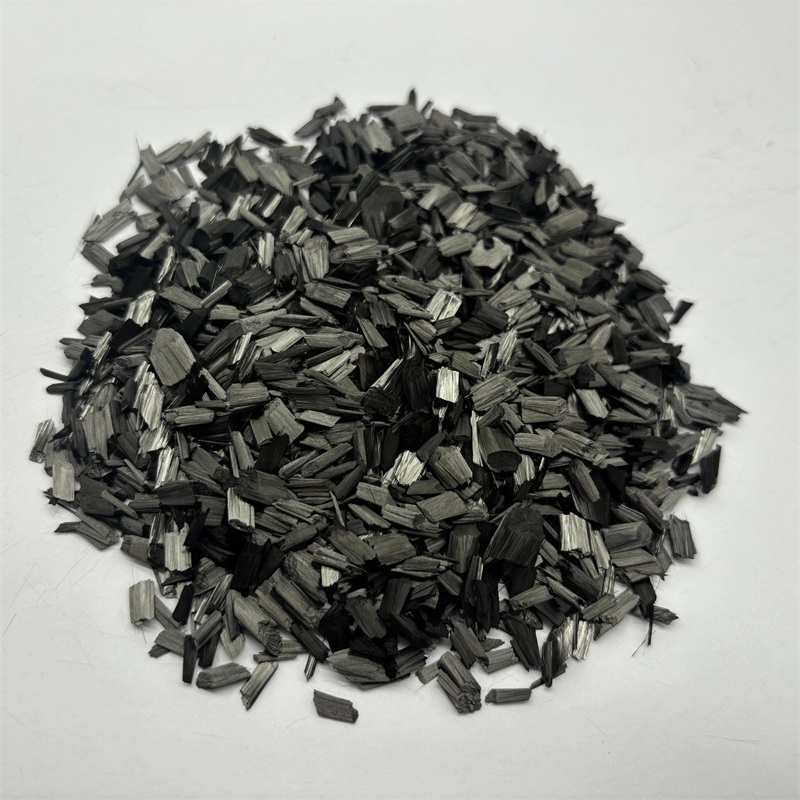
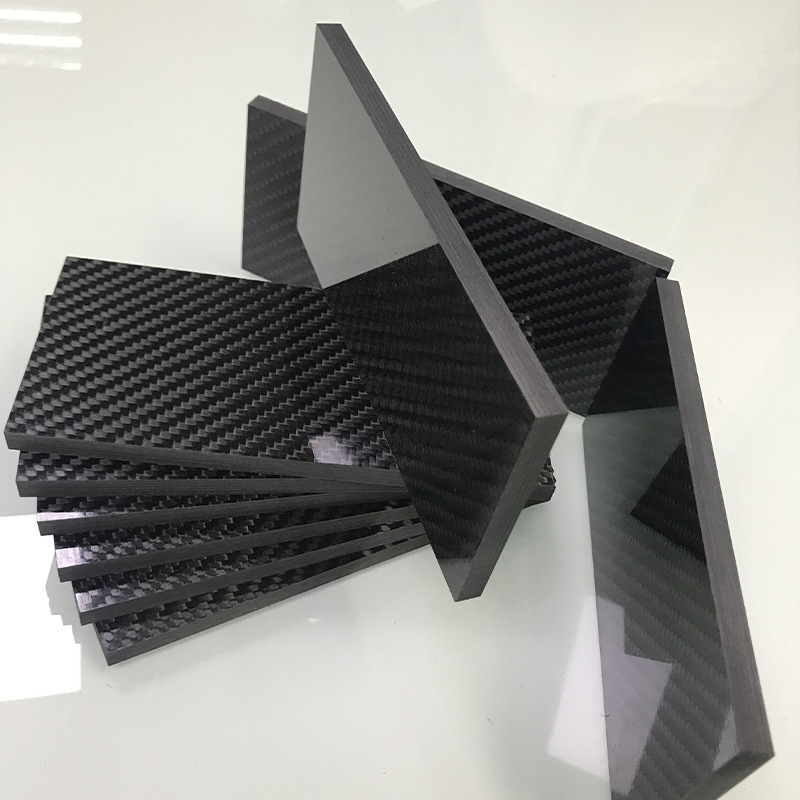
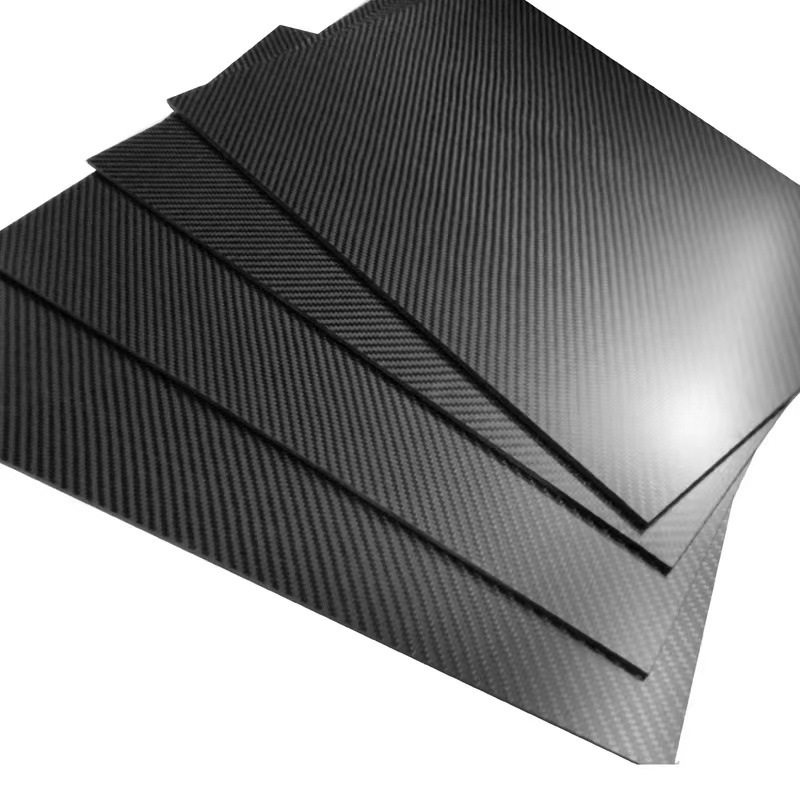
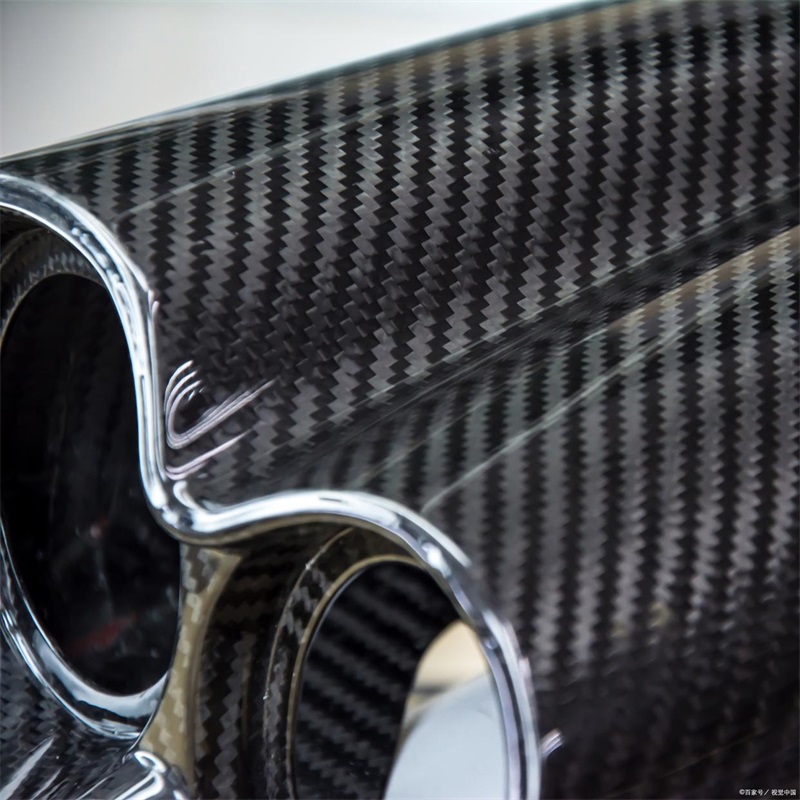
Carbon fibre reinforced polymers represent the most widely adopted composite material in primary aerospace structures . High-modulus carbon fibres can achieve tensile strengths exceeding 7 GPa—several times stronger than steel—with elastic moduli ranging from 230 GPa to 600 GPa, depending on fibre grade . The specific strength of aerospace-grade CFRP is approximately 200-250 kN·m/kg, comparing favourably with aluminium 7075-T6 at 208 kN·m/kg and titanium alloy Ti-6Al-4V at 196 kN·m/kg .
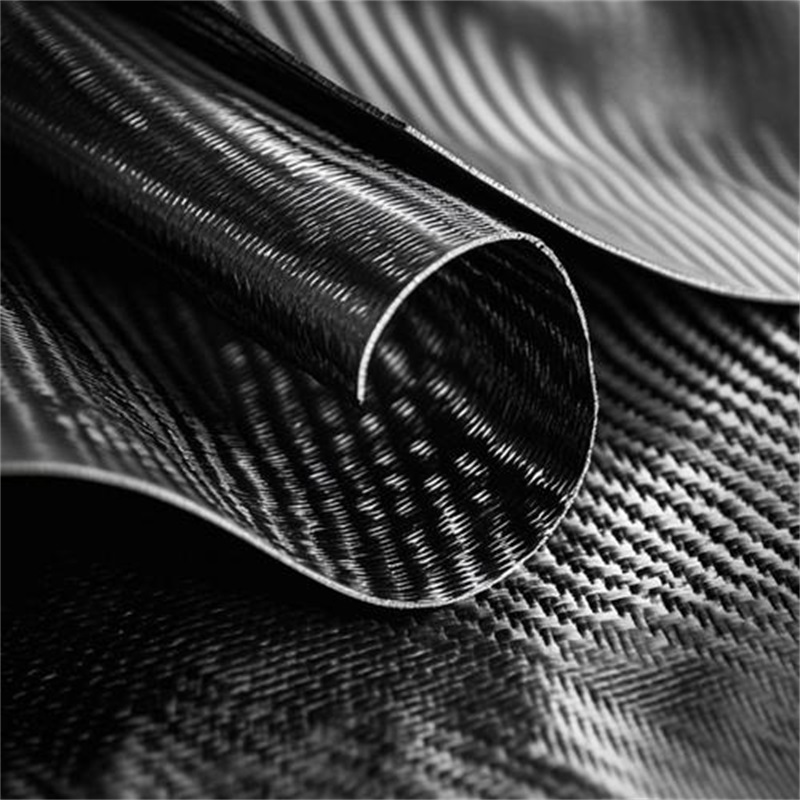
The combination of carbon fibre with epoxy or other thermosetting matrices yields a material system with exceptional stiffness-to-weight and strength-to-weight ratios. Fibre orientation and layup sequence critically influence mechanical properties: unidirectional layups provide maximum strength along a specific axis, while quasi-isotropic laminates with layers oriented at 0°, ±45°, and 90° balance strength and stiffness in all in-plane directions .
Ceramic Matrix Composites (CMC)
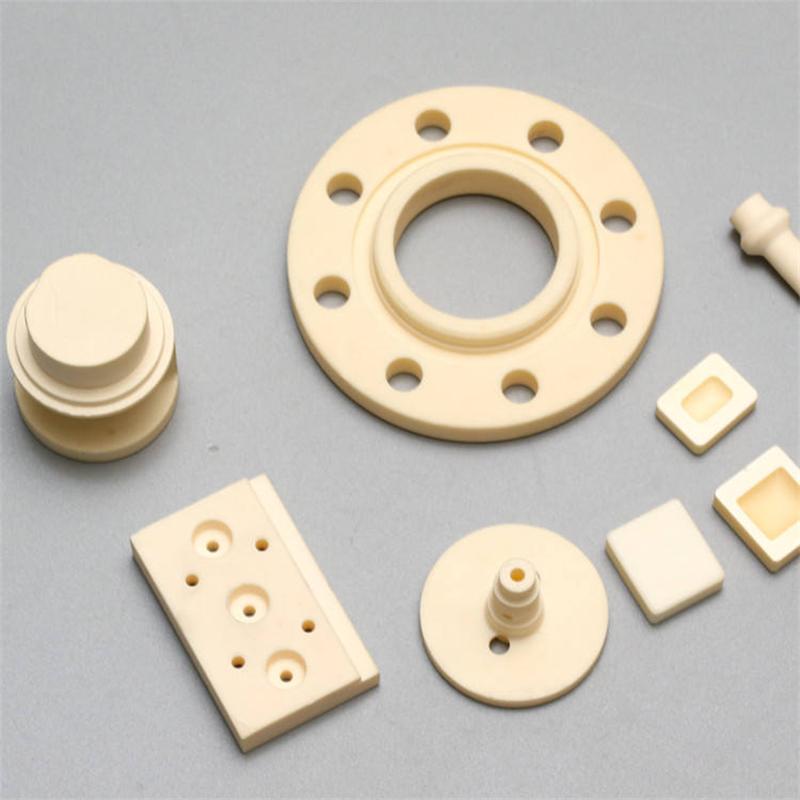
Ceramic matrix composites address a capability gap where traditional CFRP materials cannot operate—extreme thermal environments. CMCs, typically comprising silicon carbide (SiC) or alumina fibres embedded in a ceramic matrix, maintain structural integrity at temperatures exceeding 1,200°C without active cooling . These materials are oxidation-resistant, thermally stable, and exhibit excellent resistance to thermal shock and creep.
In aerospace applications, CMCs are primarily deployed in propulsion systems: turbine shrouds and vanes, combustor liners, exhaust components, and thermal protection systems . Emerging applications include hypersonic vehicle structures, missile systems, and re-entry vehicle thermal protection, where conventional metals would fail or require excessive insulation.
Glass Fibre Reinforced Polymers (GFRP)
While offering lower specific properties than CFRP, glass fibre composites remain relevant for aerospace applications. E-glass fibres typically provide tensile strengths of 2,100-3,500 MPa and elastic moduli of 70-85 GPa . GFRP materials are significantly less expensive than carbon fibre alternatives and offer advantages in electrical insulation, radar transparency, and dielectric properties.
In aerospace structures, GFRP is commonly used for secondary structures, radomes, fairings, and interior components. Hybridisation with carbon fibre can achieve balanced performance at reduced cost .
Aramid Fibre Reinforced Polymers
Aramid (polyaramide) fibres offer a distinctive property profile: tensile strength of 2,800-3,600 MPa, elastic modulus of 70-130 GPa, and elongation at break of 2.0-3.0% . Their high specific strength, excellent impact resistance, and toughness make them suitable for applications requiring energy absorption and damage tolerance, such as ballistic protection and leading edges.
Key Properties and Performance Criteria
Mechanical Properties
Tensile Strength and Modulus. For primary aerospace structures, tensile strength and elastic modulus are primary design drivers. The orientation-dependent nature of composite properties requires careful consideration of loading directions. Unidirectional carbon fibre composites can achieve tensile strengths of 3,500-6,500 MPa and moduli of 230-600 GPa, but transverse properties are substantially lower .
Compressive Strength. Composite materials can exhibit lower compressive strength than tensile strength, particularly in carbon fibre systems where fibre microbuckling may occur. Design must account for this asymmetry, especially in compression-dominated structures such as fuselage panels and wing upper surfaces.
Shear Properties. Interlaminar shear strength and in-plane shear modulus influence structural performance under complex loading. Honeycomb core structures, widely used in sandwich panels for aerospace applications, demonstrate specific shear properties that are critical for design .
Fracture Toughness and Damage Tolerance. The low-velocity impact resistance of composite laminates remains a significant concern. Impact events can produce barely visible impact damage (BVID) that substantially reduces compressive strength. Damage tolerance considerations have driven the development of toughened matrix systems and advanced reinforcement architectures .
Physical Properties
Density. The low density of carbon fibre composites (approximately 1.5-1.6 g/cm³) compared to aluminium (2.7 g/cm³) and titanium (4.5 g/cm³) enables substantial weight savings. This density advantage translates directly into improved specific properties and reduced structural mass .
Thermal Properties. Composite thermal behaviour is complex and often anisotropic. Thermal conductivity varies significantly with fibre type, orientation, and volume fraction. CFRP and GFRP materials exhibit thermal expansion behaviour that can be tailored through fibre architecture, enabling coefficient of thermal expansion (CTE) matching with metallic interfaces .
Moisture Absorption. Matrix materials, particularly thermosetting polymers, can absorb moisture from the environment. Absorbed moisture causes matrix swelling, can reduce glass transition temperature (Tg), and may degrade fibre-matrix bond quality. For aerospace applications requiring long-term durability, moisture effects must be accounted for in design and qualification.
Manufacturing Processes and Their Implications
Prepreg Layup and Autoclave Curing
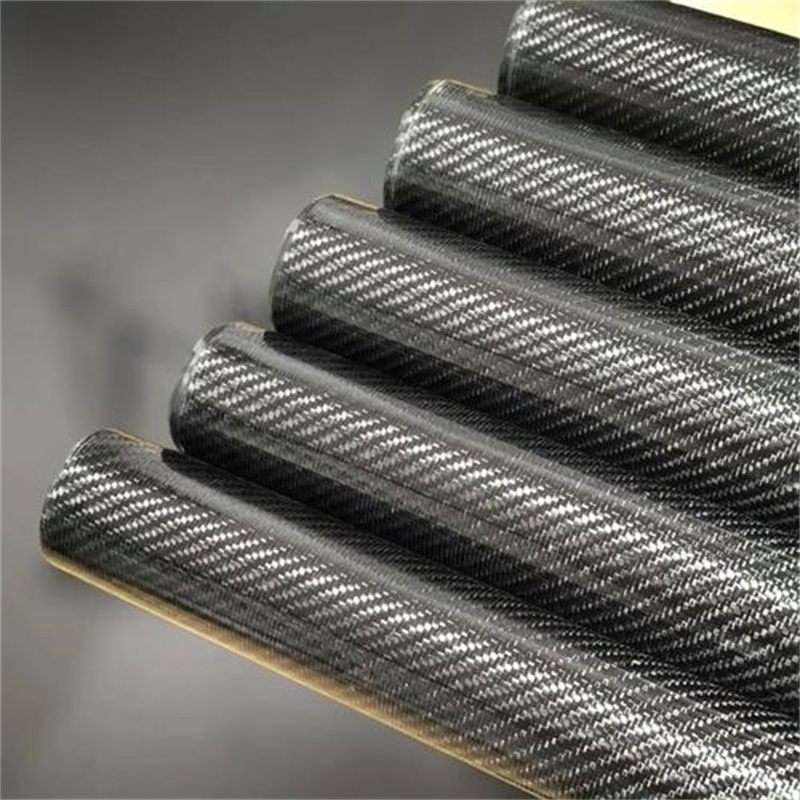
The conventional manufacturing route for high-performance aerospace composites uses prepreg—fibre reinforcement pre-impregnated with partially cured resin. Prepreg materials are laid up in the required ply sequence, vacuum-bagged, and cured under elevated temperature and pressure in an autoclave. This process yields excellent fibre alignment, high fibre volume fractions, and exceptionally low void content, but involves high capital costs, significant energy consumption, and cycle times of several hours .
Autoclave curing is the reference standard for critical aerospace components such as wing skins, fuselage panels, and control surfaces. The process achieves the high consolidation pressure required to eliminate voids and ensure complete fibre wet-out .
Resin Transfer Moulding and Infusion Processes
Liquid composite moulding processes, including resin transfer moulding (RTM) and vacuum-assisted resin infusion (VARI), offer alternatives to autoclave curing for certain aerospace applications. Dry fibre preforms are placed in a mould, resin is injected or infused under vacuum, and the part is cured. These processes reduce capital costs and enable near-net-shape manufacturing but may achieve lower fibre volume fractions and require careful process control to avoid dry spots or voids.
Out-of-Autoclave Processing
Out-of-autoclave (OOA) prepregs have been developed to cure at lower pressures (typically vacuum-bag pressure only) while achieving autoclave-equivalent quality. OOA processing reduces energy consumption and capital costs but requires tailored resin chemistries and rigorous process control. Adoption of OOA materials in aerospace applications has expanded as confidence in these material systems has grown.
Additive Manufacturing
Additive manufacturing (AM) technologies for composite materials are emerging as a transformative capability for aerospace structures . Continuous fibre 3D printing and selective laser sintering of high-performance thermoplastics enable the fabrication of complex geometries impossible to produce with conventional processes. The ability to create architectured cellular structures and optimised topologies presents significant opportunities for lightweighting .
However, AM adoption faces challenges: material qualification, process standardisation, anisotropic property control, and certification pathways remain under development .
Design Considerations for Aerospace Composites
Tailored Anisotropy
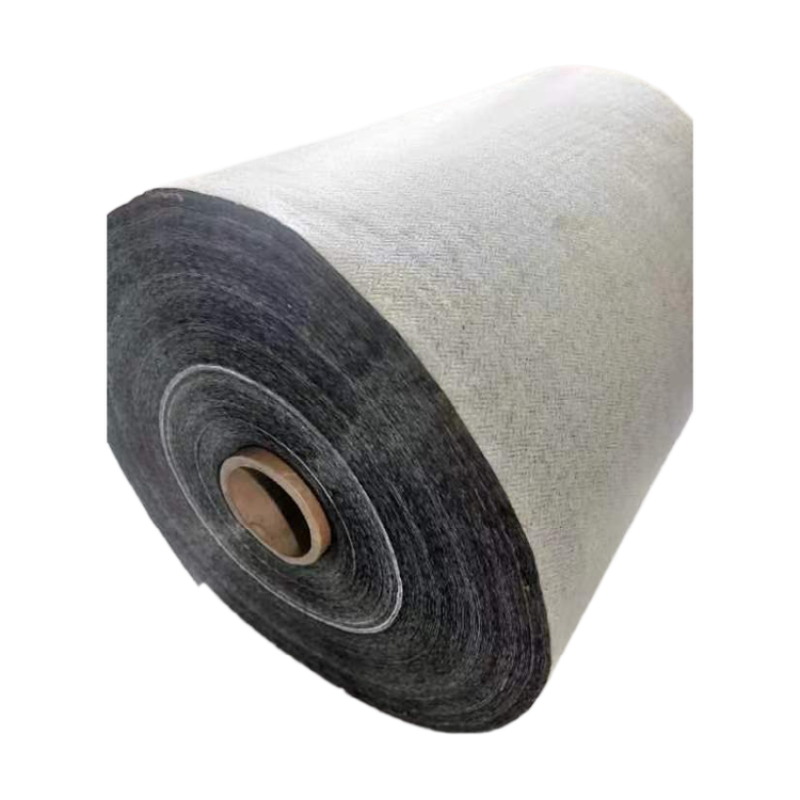
Unlike isotropic metallic materials, composites offer the designer the ability to tailor properties to loading conditions. The engineer can orient fibres to align with primary load paths, optimise stiffness in critical directions, and reduce mass by eliminating unnecessary reinforcement in lightly loaded directions . This capability represents a fundamental shift in structural design philosophy.
Structural Concepts
Skin-Stringer Construction. Traditional thin skins stiffened by discrete longitudinal and hoop stiffeners reflect metallic construction concepts. Composite design can achieve equivalent or superior structural efficiency through alternative approaches, including sandwich construction and integrated stiffening .
Sandwich Structures. Honeycomb or foam-core sandwich panels provide exceptional specific bending stiffness and are widely used in aerospace applications. Face sheets carry axial loads, while the core resists shear and supports the faces against buckling. Core materials include metallic honeycomb (aluminium), aramid honeycomb (Nomex), and polymer foams .
Sandwich structures present unique considerations: edge close-outs to prevent moisture ingress, attachment methods that don’t compromise core integrity, and damage tolerance characteristics that differ from monolithic laminates .
Joining and Assembly
Composite structures require careful attention to joining methods. Bonded joints offer load distribution and reduced stress concentrations but demand surface preparation and quality control . Mechanical fastening introduces stress concentrations and requires attention to bearing strength, hole quality, and fastener selection. Co-curing and co-bonding approaches can integrate components during manufacture, reducing part count and eliminating secondary joining operations .
Limitations and Challenges
Cost
Composite materials, particularly aerospace-grade CFRP, are substantially more expensive than conventional metallic alternatives on a per-kilogram basis. Material costs, combined with labour-intensive fabrication processes and qualification requirements, result in high component costs. Cost-benefit analysis must consider weight savings, performance improvements, and lifecycle advantages .
Manufacturing Complexity
Composite fabrication demands skilled labour, rigorous process control, and sophisticated quality assurance. Process-induced defects—voids, porosity, delaminations, poor fibre wet-out—can significantly degrade performance. Automated layup and robotics are increasingly deployed to improve consistency and reduce costs, but the transition from manual to automated processes presents its own challenges .
Repair and Maintenance
Composite structure repair differs substantially from metallic repair. Damage assessment requires specialised NDI techniques, repair procedures must restore structural integrity without introducing additional damage, and repair success depends on proper material selection, surface preparation, and cure control . Design for repairability is an important but often overlooked consideration.
Environmental Durability
Aerospace composites must withstand a challenging environment: temperature extremes, moisture exposure, UV radiation, chemical exposure, and lightning strikes. Long-term durability is assured only through extensive qualification testing and validated design allowables.
Lightning Strike Protection
Unlike metallic aircraft, composite airframes are poor electrical conductors and require protection against lightning strikes. Metallic mesh or foil layers, conductive coatings, or conductive fibre reinforcements must be integrated to provide a path for electrical current, adding weight and complexity.
Industry Standards
Comprehensive standards govern the qualification, testing, and certification of composite materials and structures. Key documents include:
ASTM Standards. ASTM Committee D30 on Composite Materials develops testing standards including: D3039 (tensile properties), D3410 (compressive properties), D5379 (shear properties), and D5528 (interlaminar fracture toughness).
SAE Aerospace Material Specifications. SAE AMS documents specify materials, processes, and procedures for aerospace composites.
Federal Aviation Administration Regulations. FAA advisory circulars, including AC 20-107B (Composite Aircraft Structure), provide certification guidance.
Military Specifications. MIL-HDBK-17 (Composite Materials Handbook) provides comprehensive guidance on composite materials testing, design, and analysis.
Material Selection Framework
Step 1: Define Functional Requirements
The selection process begins with a rigorous definition of requirements: loading conditions (static and cyclic), operational environment (temperature range, moisture exposure, chemical resistance), design life, certification requirements, and manufacturing constraints.
Step 2: Identify Candidate Material Systems
Based on requirements, identify promising material families. For high-load primary structures, carbon fibre epoxy prepregs are the default choice. For extreme temperatures, consider CMCs. For cost-sensitive secondary structures, evaluate GFRP.
Step 3: Evaluate Specific Properties
Compare specific strength and specific stiffness for candidate materials. The specific property (property divided by density) provides a fair comparison of structural efficiency independent of component geometry .
Step 4: Assess Manufacturing Feasibility
Evaluate whether candidate materials can be fabricated using available manufacturing processes. Consider tooling costs, cycle times, production rates, and supply chain constraints.
Step 5: Consider Certification and Qualification
For aerospace applications, material qualification and certification represent significant time and cost investments. Where possible, leverage established material specifications and design allowables to minimise certification burden.
Step 6: Lifecycle Analysis
Assess total lifecycle cost, including material cost, fabrication cost, assembly cost, maintenance and repair cost, and disposal or recycling considerations.
Common Problems and Misconceptions
Assuming Isotropic Behaviour. A common error is to treat composites as isotropic materials. In reality, composite properties are highly direction-dependent, requiring detailed understanding of loading directions and fibre orientation .
Confusing Fibre Weight Fraction with Fibre Volume Fraction. Mechanical properties depend on fibre volume fraction, not weight fraction. Conversion between weight and volume fractions requires material densities and is essential for accurate property prediction .
Overlooking Moisture Effects. Moisture absorption reduces Tg, degrades matrix properties, and can cause dimensional changes. Environmental conditioning must be considered in both design and testing.
Underestimating Damage Tolerance. The low-velocity impact damage tolerance of composite structures requires careful attention. Design must account for barely visible impact damage and its effect on residual strength.
Frequently Asked Questions
What composite material is most commonly used for primary aircraft structures?
Carbon fibre reinforced epoxy prepregs are the predominant choice for primary aerospace structures. Boeing 787 and Airbus A350 structures utilise carbon fibre composites extensively, with fibre volume fractions typically 55-65%.
How do I select between carbon fibre and glass fibre composites?
Carbon fibre provides higher specific strength and stiffness but at significantly higher cost. Glass fibre offers cost savings and radio-frequency transparency but lower mechanical properties. Carbon fibre is preferred for primary load-bearing structures; glass fibre for secondary structures and radomes.
What are ceramic matrix composites used for in aerospace?
CMCs are used in extreme-temperature environments exceeding 1,200°C, including turbine engine hot-section components, combustor liners, exhaust systems, and hypersonic vehicle thermal protection.
How are composite materials tested for aerospace certification?
Testing follows ASTM standards for coupon-level property determination, combined with element testing (sub-components) and full-scale component testing. Qualification programs typically involve thousands of specimens to establish design allowables.
What is the difference between thermoset and thermoplastic composites?
Thermoset matrices (epoxies, bismaleimides) cure through irreversible chemical reactions and are widely used in high-performance aerospace structures. Thermoplastic matrices (PEEK, PEKK) offer potential advantages in toughness, recyclability, and processing speed but are less established for primary structures.
Can composite structures be repaired?
Yes, composite repairs are possible but require specialised techniques, materials, and quality control. Repair options include bonded patches, bolted repairs, and resin injection, depending on damage type and location.
How does moisture affect aerospace composites?
Moisture absorption can reduce matrix glass transition temperature by 20-30°C, cause matrix swelling, and degrade fibre-matrix bond quality. Environmental conditioning is essential before mechanical testing.
What factors influence composite material cost?
Cost factors include fibre type and quality, matrix material, manufacturing process complexity, tooling requirements, quality assurance, and certification. Aerospace-grade prepregs and autoclave processing are more expensive than industrial-grade materials and OOA processing.
How do I determine the required fibre orientation?
Fibre orientation should align with primary load paths. Use finite element analysis to understand stress directions, then orient fibres to carry tensile and compressive loads efficiently.
What are honeycomb sandwich structures used for?
Sandwich structures provide high bending stiffness with low weight. They are used in fuselage panels, wing control surfaces, floor panels, and interior structures where stiffness-to-weight ratio is critical.
Selecting composite materials for aerospace structural components is a multidisciplinary engineering task requiring deep understanding of materials science, structural mechanics, manufacturing processes, and regulatory requirements. The decision framework presented here provides a systematic approach to evaluating candidates and making informed selections.
For engineers and designers, the key takeaway is that composite materials offer exceptional design flexibility through tailorable anisotropy—but this flexibility requires correspondingly sophisticated analysis and design approaches. Successful applications depend on understanding not only material capabilities but also limitations, manufacturing constraints, and lifecycle considerations .
For procurement professionals and decision-makers, composite material selection involves weighing performance benefits against costs, availability, and certification requirements. Established material specifications and qualified suppliers reduce risk and expedite certification. However, novel material systems offering significant performance advantages may justify the investment in qualification.
The future of aerospace composite materials includes growing adoption of thermoplastic matrices, expanded use of ceramic matrix composites in propulsion and hypersonic applications, integration of nanomaterials for enhanced properties, and advancement of additive manufacturing for complex structural geometries . As these technologies mature, the selection landscape will evolve, but the fundamental principles outlined here will remain relevant.
 Metals vs. Ceramics vs. Composites: Engineer’s Guide to Material Selection
Material Selection Guide for Corrosive Environments
 Alloys vs. Ceramics vs. Polymers for High-Temperature Applications
 Comparative Analysis of Automotive Lightweighting Materials