
Carbon Fiber Composites in Aerospace
Carbon fiber reinforced polymers (CFRPs) have fundamentally changed the aerospace industry over the past half-century. What began as a material for non-critical components has evolved into primary structural material for commercial airliners, military aircraft, spacecraft, and next-generation urban air mobility vehicles. This guide provides materials engineers, design engineers, procurement specialists, and researchers with a comprehensive understanding of carbon fiber composites in aerospace applications—covering composition, properties, manufacturing methods, design considerations, limitations, and future trends.
What Is Carbon Fiber Composite?
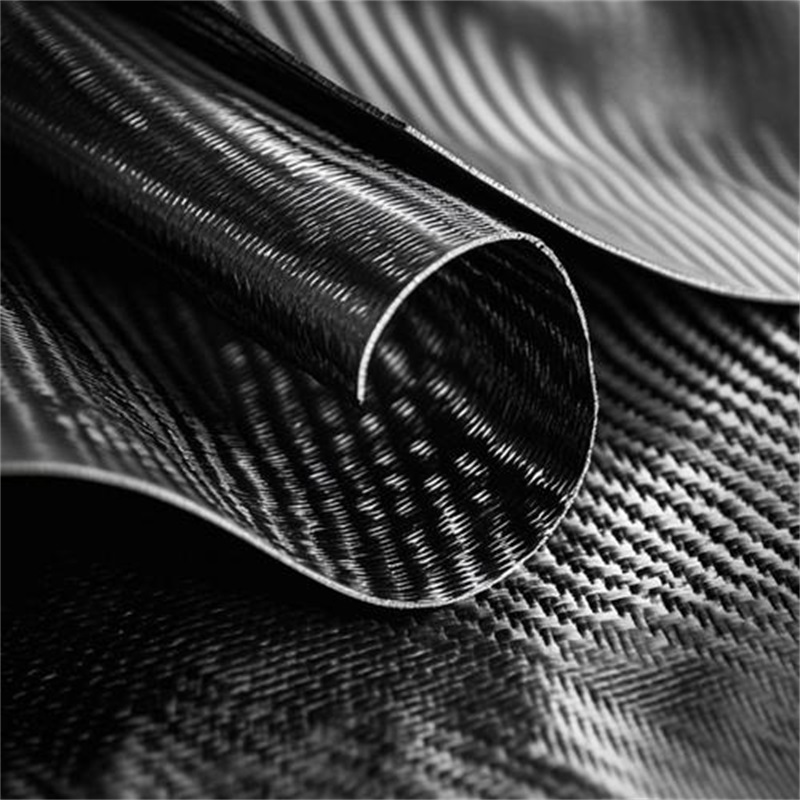
Carbon fiber composite is a multi-phase material consisting of carbon fibers embedded in a polymer matrix. The fibers provide strength and stiffness, while the matrix binds the fibers together, protects them from environmental damage, and transfers loads between fibers. This combination creates a material with properties superior to either constituent alone.
In aerospace applications, the term typically refers to carbon fiber reinforced polymer (CFRP) , although carbon-carbon composites and ceramic matrix composites with carbon fiber reinforcement are also used for specialized high-temperature applications.
The fundamental principle behind CFRP is that the high strength-to-weight ratio of carbon fibers—roughly five times stronger and 60% less dense than standard aerospace aluminum—can be exploited through strategic fiber orientation and layup to create structures that are both lighter and stronger than metallic alternatives .
Composition and Structure
Carbon Fibers
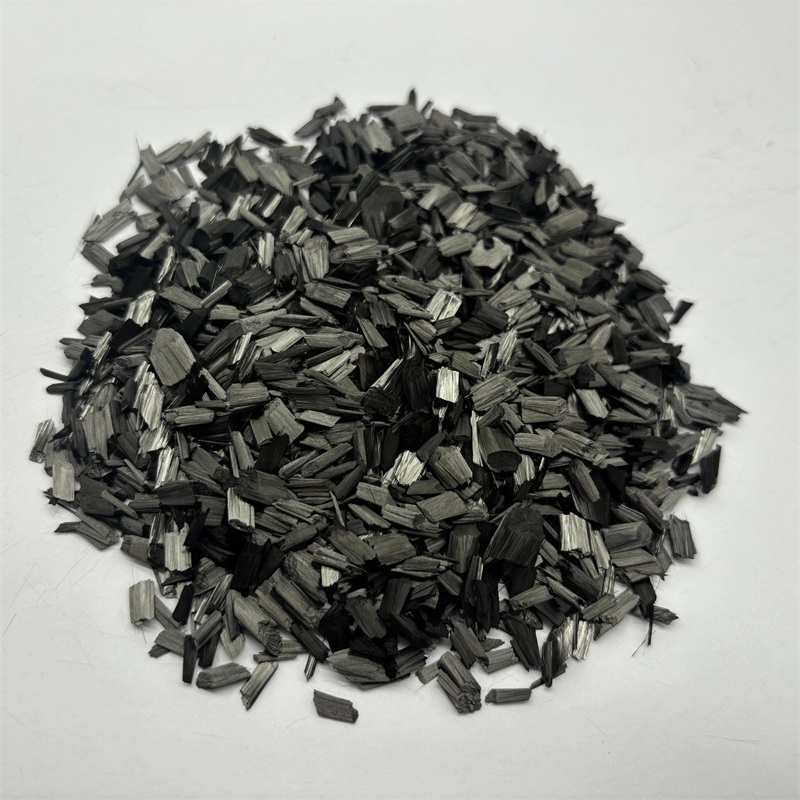
Aerospace-grade carbon fibers are produced primarily from polyacrylonitrile (PAN) precursor through a multi-stage process:
1. Spinning: PAN polymer is extruded through spinnerets to create precursor fibers
2. Stabilization: Fibers are heated in air to oxidize and stabilize the structure
3. Carbonization: Fibers are heated to temperatures exceeding 1000°C in an inert atmosphere to remove non-carbon elements
4. Surface treatment: Fibers are treated to improve adhesion to the matrix
Key fiber grades relevant to aerospace include:
– T300-series: Standard modulus, used in honeycomb cores and secondary structures
– T700/T800-series: Intermediate modulus, widely used in primary aircraft structures
– T1200-series: Ultra-high strength with tensile strength exceeding 8000 MPa—approximately 10 times the strength of ordinary steel at one-quarter the density
The SYT80 (T1200-grade) fiber, for example, has single filament diameter approximately one-tenth that of a human hair, with 12,000 filaments per 12K tow. A 1 cm² cross-section of this material can theoretically support the weight of a fully loaded C919 aircraft (approximately 80 tonnes) .
Matrix Systems
The matrix in aerospace CFRP is typically a thermosetting or thermoplastic polymer:
Thermoset Resins (Predominant in commercial aerospace):
– Epoxy: Most common, offering excellent mechanical properties and processability. Standard aerospace prepregs cure at either 250°F (121°C) or 350°F (177°C) .
– Bismaleimide (BMI): For higher temperature applications
– Polyimide: For extreme temperature environments
Thermoplastic Resins (Growing adoption):
– PEEK (polyether ether ketone): Offers excellent toughness, chemical resistance, and service temperature up to approximately 146°C. CF/PEEK composites are being evaluated for aerospace structural applications .
– PEKK: Similar properties to PEEK with different processing characteristics
Structural Architecture
The layered nature of CFRP permits significant design flexibility:
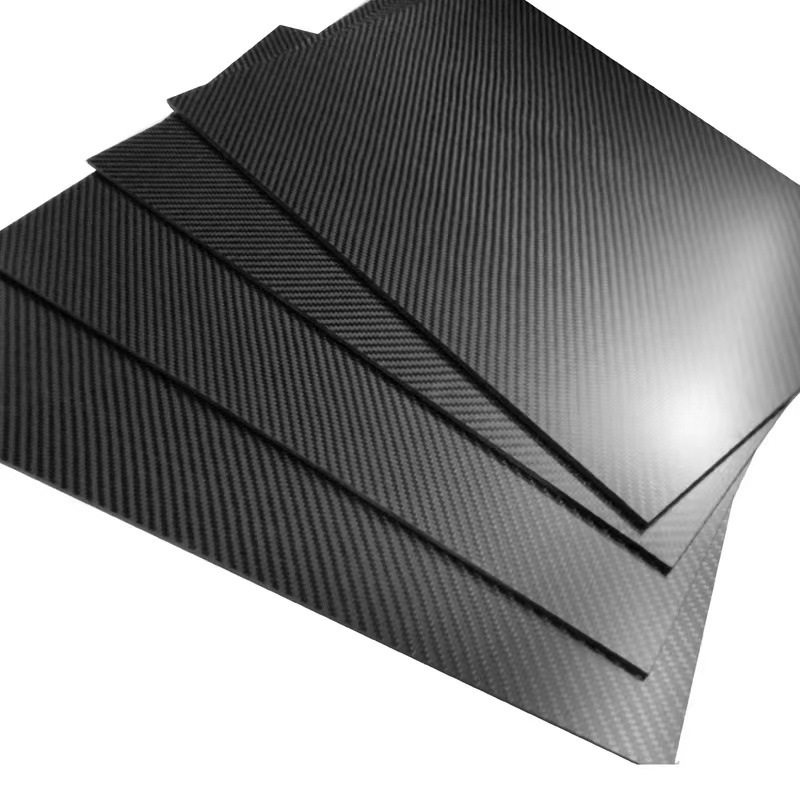
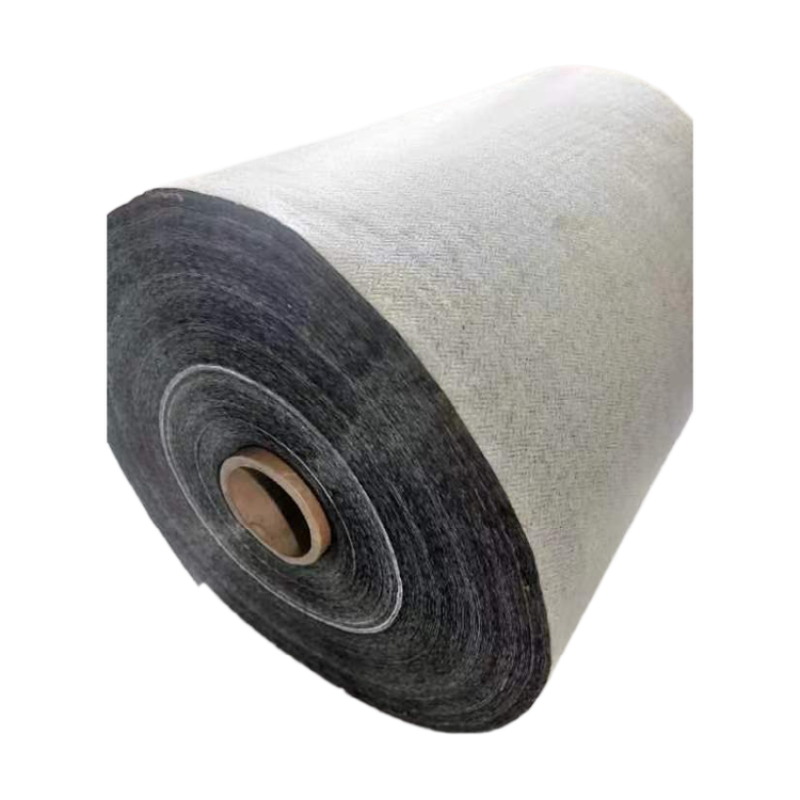
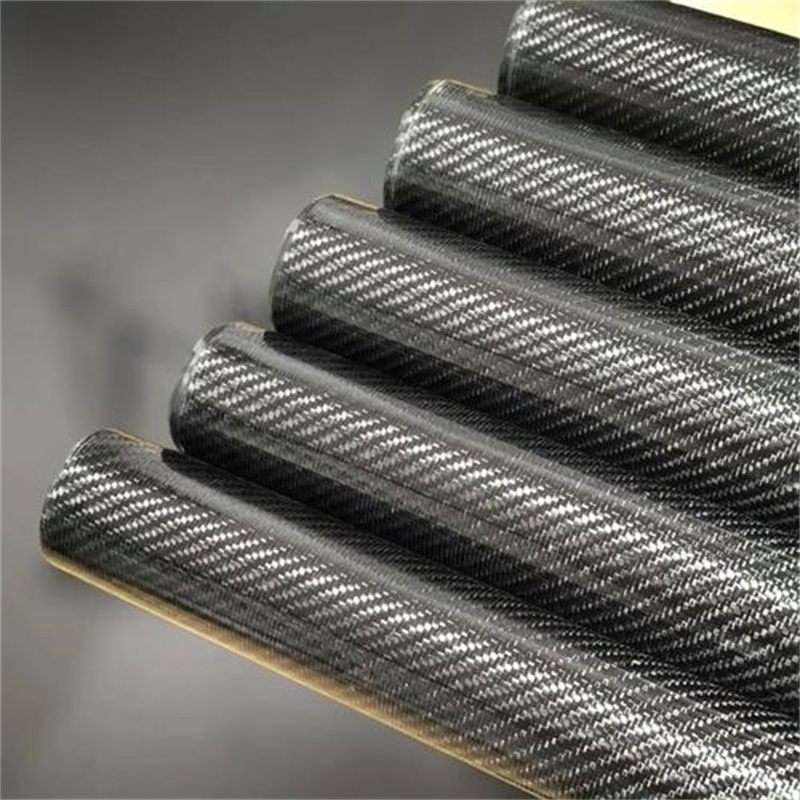
– Prepreg plies: Individual layers of fiber pre-impregnated with resin, oriented at specific angles (0°, 90°, ±45°, etc.) to achieve desired mechanical properties
– Honeycomb cores: Low-density core structures created by expanding pre-impregnated fiber sheets, offering excellent stiffness-to-weight ratio for sandwich panels
– Pyramid-honeycomb structures: Advanced cellular geometries that improve shear performance by reorienting fibers to better resist shear loads
Key Properties
Mechanical Properties
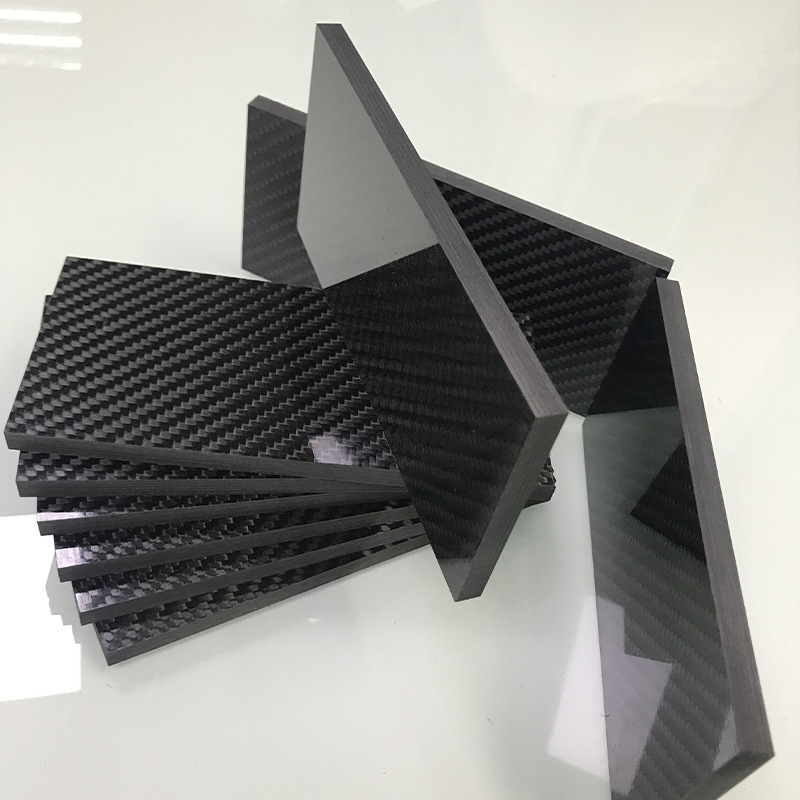
Aerospace-grade CFRP exhibits density in the range of 1.5 to 1.8 grams per cubic centimeter, which is approximately 25 percent of steel’s density and 60 percent of aluminum’s density. This low density is the primary driver for aerospace adoption.
The tensile strength of standard aerospace carbon fibers ranges from 3,500 MPa for T300 grades to over 8,000 MPa for T1200-grade materials. This represents approximately 10 times the tensile strength of ordinary structural steel at one-quarter the density . High-modulus grades can achieve stiffness values up to 630 GPa, comparable to steel at a fraction of the weight.
Carbon fiber composites do not exhibit yield behavior—they remain linear-elastic until sudden failure, requiring designers to incorporate appropriate safety factors .
Specific strength (strength-to-weight ratio) is the most relevant comparative metric for aerospace. CFRP offers three to five times the specific strength of steel, making it the superior choice for weight-critical structures.
Physical Properties
Thermal conductivity of CFRP is generally low to moderate, though certain grades are engineered for enhanced heat dissipation. The coefficient of thermal expansion is very low in the fiber direction, providing excellent dimensional stability across temperature ranges encountered during flight.
Corrosion resistance is excellent; CFRP does not corrode like aluminum. This characteristic enables higher cabin humidity levels for passenger comfort without concern for structural degradation . The material is also non-magnetic, which is advantageous for certain sensor and electronics applications.
Thermal and Environmental Resistance
Thermoset CFRP retains structural integrity up to the glass transition temperature of the matrix, which is approximately 180 to 200 degrees Celsius for standard epoxies and higher for BMI and polyimide systems.
Fire performance characteristics differ significantly from metals. Composite structures char rather than melt, with fibers creating an insulating layer that slows internal heating. However, resin combustion can release heat and smoke, requiring appropriate fire protection measures in critical applications .
Advantages in Aerospace Applications
Weight Reduction
Weight reduction is the primary driver for CFRP adoption in aerospace. Modern commercial aircraft with approximately 50 percent composite airframes achieve significant weight savings compared to aluminum structures . For landing gear applications, CFRP can achieve substantial weight reduction while maintaining strength and stiffness requirements .
Fatigue and Corrosion Resistance
CFRP is not susceptible to fatigue in the same manner as aluminum. This enables extended maintenance intervals—for example, Boeing 787 maintenance checks have been extended to 36 months . The absence of corrosion concerns also means higher cabin pressurization differentials can be used for improved passenger comfort, and larger windows are feasible without compromising structural integrity .
Design Flexibility
The layered construction of CFRP permits tailored properties that are impossible with metals. Fibers can be oriented to align with primary load paths. Variable thickness and ply schedules can be optimized for local loading conditions. Complex shapes can be molded directly, reducing part count and assembly requirements .
Fuel Efficiency
Lighter aircraft consume less fuel and produce fewer emissions. The 50 percent composite content in modern airframes contributes significantly to the 20 to 30 percent fuel efficiency improvements seen in newer aircraft generations.
Limitations and Challenges
Cost
Aerospace-grade CFRP remains significantly more expensive than aluminum on a per-kilogram basis. While costs have decreased dramatically over the past decades—T1200-grade now priced approximately 45 percent lower than imported equivalents following Chinese mass production —material and manufacturing costs remain the primary barrier to broader adoption.
Manufacturing Complexity
Traditional high-performance thermoset CFRP requires autoclave processing, which is slow, expensive, and energy-intensive . Prepreg materials have limited out-time at room temperature, typically approximately two weeks, and require cold storage. Automated fiber placement, ply cutting, and inspection systems require significant capital investment.
Repair Challenges
Composite repair requires highly specialized skills, and there are fewer technicians trained in composite repair compared to metallic structures . Some prepreg repairs require refrigerated transportation, potentially causing delays in maintenance operations. Damage modes such as delamination may not be externally visible, requiring specialized non-destructive inspection methods.
Brittle Failure Mode
CFRP does not exhibit yielding or plastic deformation. When ultimate strength is exceeded, failure is sudden and catastrophic. Engineers must design with appropriate safety factors and incorporate damage tolerance philosophies .
Fire Performance
While CFRP does not conduct heat like metals, resin combustion can be problematic. Composites lose strength at relatively low temperatures compared to steel, necessitating fire protection systems in critical applications .
Manufacturing Processes for Aerospace Structures
Prepreg Layup and Autoclave Curing
This is the dominant process for primary aerospace structures. Prepreg plies are cut and laid up in the desired sequence and orientation. The layup is vacuum-bagged and placed in an autoclave, where heat and pressure are applied to cure the resin and consolidate the laminate. The cured part is then trimmed and inspected. This process offers excellent quality and consistency but is time-consuming and costly.
Resin Transfer Molding (RTM)
In RTM, dry fiber preforms are placed in a closed mold, and resin is injected under pressure. This eliminates the need for prepreg and autoclave processing, potentially reducing manufacturing costs.
Automated Fiber Placement (AFP)
Robotic systems place prepreg or dry fiber tows precisely, enabling efficient manufacture of large structures with optimized fiber orientations.
Additive Manufacturing
3D printing of carbon fiber composites is emerging as a capability for aerospace components. Research has demonstrated potential for manufacturing complex geometries previously difficult to produce, components with reduced structural defects and voids, and parts with enhanced dimensional stability under extreme space environments . CF/PEEK materials are being evaluated for use in 3D-printed structures with zero Poisson’s ratio characteristics, relevant to adaptive aerospace structures .
Honeycomb Core Production
Specialized processes are used to produce honeycomb cores for sandwich panels. The expansion process involves slicing honeycomb blocks and expanding them to form the core structure. Over-expansion techniques produce pyramid-honeycomb structures with improved shear performance .
Applications in Aerospace
Commercial Aircraft
Modern commercial aircraft use CFRP extensively across primary structure including fuselage, wings, and empennage; secondary structure including flaps, fairings, and control surfaces; and interiors including floor panels, overhead bins, and galley structures. The Boeing 787 and Airbus A350 represent the current generation, with approximately 50 percent composite structural weight.
Military Aviation
CFRP is used in fighter aircraft structures, unmanned aerial vehicles (UAVs), and helicopter rotor blades and airframes.
Space Applications
Satellite structures and payload adapters, rocket motor casings and nozzles, fuel tanks for cryogenic storage, and space station components all utilize CFRP for its combination of light weight and structural performance.
Emerging Applications
Urban air mobility (eVTOL) aircraft are increasingly adopting CFRP for airframes, rotors, and structural components. T1200-grade fibers are being evaluated for eVTOL applications to improve payload capacity and range . Humanoid robotics applications use CFRP for endoskeleton structures requiring lightweight, high-strength materials. Hypersonic vehicles utilize high-temperature composites for thermal protection systems.
Industry Standards
Aerospace carbon fiber composites are governed by rigorous standards including SAE AMS3960B, which specifies 250°F (121°C) cure carbon fiber epoxy prepreg ; SAE AMS6891A, which specifies 350°F (177°C) cure prepreg products ; and GB/T (China) standards for carbon fiber honeycomb core specifications, covering density, dimensions, mechanical properties, and inspection requirements . ASTM provides various test method standards for determining composite mechanical properties.
Design Considerations
Fiber Orientation
The orientation of fibers in each ply directly determines the mechanical properties of the laminate. Zero-degree plies provide the primary load-carrying direction. Ninety-degree plies provide transverse strength and stiffness. Plus and minus forty-five degree plies provide shear resistance and damage tolerance.
Stacking Sequence
The order of plies affects delamination resistance, residual stresses, and thermal behavior. Designers must carefully consider ply sequence to optimize performance and manufacturability.
Damage Tolerance
Unlike metals, composite structures do not blunt cracks through plastic deformation. Design must account for impact damage from maintenance activities, debris, and bird strikes; delamination from manufacturing defects or in-service loads; and environmental degradation including moisture absorption and UV exposure.
Joining
Composite structures require careful joint design. Bonded joints provide load transfer through adhesive, avoiding holes in the laminate. Bolted joints require careful hole preparation and design to avoid stress concentrations.
Fire Protection
Where required, fire protection measures may include intumescent coatings, fire-resistant barrier layers, or flame-retardant resin systems.
Selection Guide for Aerospace Applications
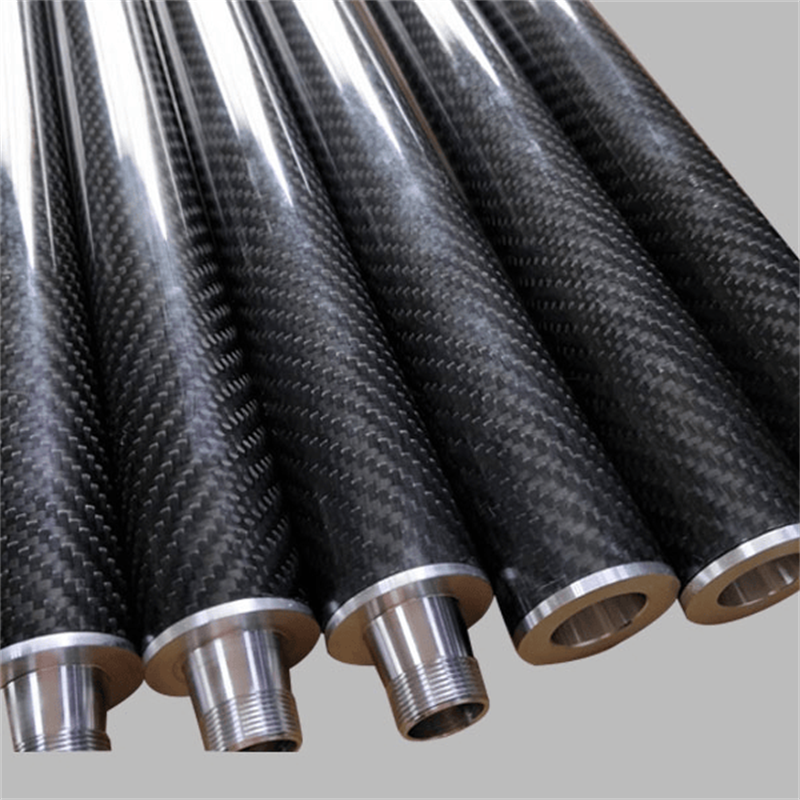
For primary fuselage structures, T800/epoxy prepreg cured in autoclave is the standard choice, selected for its fatigue resistance, damage tolerance, and inspectability.
Wing skins typically employ T800/epoxy with automated fiber placement, selected for high stiffness, low weight, and aerodynamic surface quality.
Engine nacelles require BMI-based CFRP for its high temperature resistance and fire resistance.
Landing gear applications use hybrid metal-composite or high-strength CFRP designed for impact resistance, fatigue performance, and surface protection .
Cryogenic fuel tanks benefit from thermoplastic CFRP or carbon-carbon composites offering low coefficient of thermal expansion, leak-tightness, and cryogenic mechanical properties.
Honeycomb sandwich panels use T300/epoxy honeycomb cores with CFRP facesheets, providing low density, shear stiffness, and compression strength .
Procurement Considerations
When procuring carbon fiber composites for aerospace applications, several key factors must be addressed.
Material Qualification: Ensure materials conform to recognized specifications such as SAE or ASTM standards. Request qualification data from suppliers and verify consistent production quality.
Traceability: Full batch traceability is mandatory. Maintain records of fiber lot, resin batch, and processing parameters.
Testing and Inspection: Specify required testing including mechanical properties, thermal properties, and physical properties. Include non-destructive inspection requirements such as ultrasonic, thermographic, or radiographic inspection. Define acceptance criteria clearly.
Lead Times and Storage: Consider prepreg out-time limitations, typically approximately two weeks at room temperature. Plan for cold storage requirements, typically minus 18 degrees Celsius or below. Account for shipping and customs delays that may compromise material.
Supply Chain: Assess supplier reliability and track record. Consider second-source availability. Note that T1200-grade mass production capacity remains limited, currently at hundred-tonne scale .
Frequently Asked Questions
Why is carbon fiber used in aerospace instead of aluminum?
Carbon fiber composites offer approximately five times the specific strength of aluminum, superior fatigue resistance, no corrosion, and lower coefficient of thermal expansion. These properties enable lighter structures, extended maintenance intervals, and improved passenger comfort through higher cabin pressurization .
How much of a modern aircraft is made from carbon fiber?
Modern commercial aircraft such as the Boeing 787 and Airbus A350 have approximately 50 percent composite structural weight—a dramatic increase from less than 10 percent in earlier generations. This includes fuselage, wings, empennage, and many secondary structures.
What is the difference between T800 and T1200 carbon fiber?
T1200-grade fiber, such as SYT80, has tensile strength exceeding 8000 MPa, making it substantially stronger than T800. It is the highest commercially available strength grade, with engineering applications including next-generation aircraft, hypersonic vehicles, and extreme environment structures .
Can carbon fiber composites be repaired?
Yes, but repair requires specialized skills and techniques. Unlike aluminum, composite damage may not be externally visible, and repair procedures are more complex. Some repairs may require refrigerated prepreg materials and controlled curing conditions .
What is the maximum service temperature for CFRP?
Standard epoxy-based CFRP is limited to approximately 120 to 180 degrees Celsius depending on the specific resin system. BMI and polyimide matrices extend this to 200 to 300 degrees Celsius. Carbon-carbon composites can withstand much higher temperatures exceeding 1000 degrees Celsius for specialized applications.
Is CFRP more expensive than aluminum?
Significantly. While prices are decreasing—T1200-grade is now approximately 45 percent lower than imported equivalent —aerospace-grade CFRP remains substantially more costly than aluminum on a per-kilogram basis. The higher material cost is offset by weight savings, fuel efficiency, and lower maintenance costs over aircraft lifetime.
What is prepreg, and why is it important?
Prepreg is carbon fiber fabric or tape that has been pre-coated with partially cured resin. It is the primary form in which aerospace carbon fiber is supplied, ensuring consistent fiber-to-resin ratio and enabling accurate laminate construction .
How is carbon fiber manufactured for aerospace?
The dominant process uses PAN (polyacrylonitrile) precursor. The precursor is stabilized, carbonized at temperatures exceeding 1000 degrees Celsius, and surface-treated. The resulting fibers are approximately 5 to 7 micrometers in diameter and are gathered into tows containing thousands of individual filaments .
What are the main failure modes for CFRP in aerospace?
Primary failure modes include fiber breakage, matrix cracking, delamination (separation between plies), fiber pull-out, and interface debonding. Unlike metals, CFRP fails catastrophically without yielding, requiring design with appropriate safety factors .
What are the emerging trends in carbon fiber aerospace composites?
Key trends include T1200-grade ultra-high-strength fibers, thermoplastic matrices such as PEEK, additive manufacturing processes, and applications in urban air mobility (eVTOL) and robotics .
Can carbon fiber composites be recycled?
Currently, effective recycling options are limited. The energy-intensive nature of CFRP production and lack of scalable recycling methods represent significant sustainability challenges. Research is ongoing to develop viable recycling pathways .
What quality standards govern aerospace carbon fiber?
Aerospace CFRP is governed by material specifications such as SAE AMS3960B and AMS6891A, along with industry-specific standards for inspection, testing, and qualification. The carbon fiber honeycomb core sector, for example, has dedicated product standards covering density, dimensional tolerances, and mechanical properties .
Carbon fiber composites have established themselves as the dominant material for modern aerospace structures, enabling aircraft that are lighter, more fuel-efficient, and more comfortable than their metallic predecessors. The development of T1200-grade fibers with tensile strength exceeding 8000 MPa continues to push the boundaries of performance, while advances in processing technology and materials science expand the application envelope into new sectors including urban air mobility and robotics.
For materials engineers and procurement professionals, understanding the composition, properties, and limitations of aerospace CFRP is essential for effective material selection, design, and specification. While challenges remain—including cost, repair complexity, and recycling—ongoing innovation continues to expand the capabilities and applications of this transformative material system.
 Metals vs. Ceramics vs. Composites: Engineer’s Guide to Material Selection
Material Selection Guide for Corrosive Environments
 Alloys vs. Ceramics vs. Polymers for High-Temperature Applications
 Comparative Analysis of Automotive Lightweighting Materials