
Carbon Fiber Composite vs Aluminum
In the field of advanced materials engineering, the comparison between carbon fiber composites and aluminum alloys represents a fundamental decision point. Engineers, designers, and procurement specialists frequently evaluate these materials for applications ranging from aerospace structures to automotive components, sporting goods, and industrial equipment.
This guide provides a technical, application-oriented comparison to support material selection decisions. It addresses mechanical properties, manufacturing processes, cost structures, environmental considerations, and specific application scenarios where each material demonstrates distinct advantages. The objective is to equip engineers, researchers, and procurement professionals with the knowledge required to make informed, performance-based material choices.
Understanding the fundamental differences between these material classes is essential. While aluminum has served as a primary structural material for over a century with well-established manufacturing and recycling infrastructure, carbon fiber reinforced polymers (CFRP) represent a relatively newer class of engineered materials that offer unique performance characteristics through tailored anisotropic properties .
What Is Aluminum Alloy?
Aluminum alloy refers to a metal composed primarily of aluminum with added alloying elements such as copper, magnesium, silicon, zinc, and manganese to enhance mechanical properties. Common aerospace and automotive grades include 2024, 6061, and 7075, each offering specific combinations of strength, corrosion resistance, and formability .
Key characteristics of aluminum alloys include isotropic properties, meaning they exhibit uniform mechanical behavior in all directions. This simplifies engineering calculations and design validation. Aluminum also demonstrates predictable plastic deformation before failure, providing visual warning signs of impending structural issues .
What Is Carbon Fiber Composite?
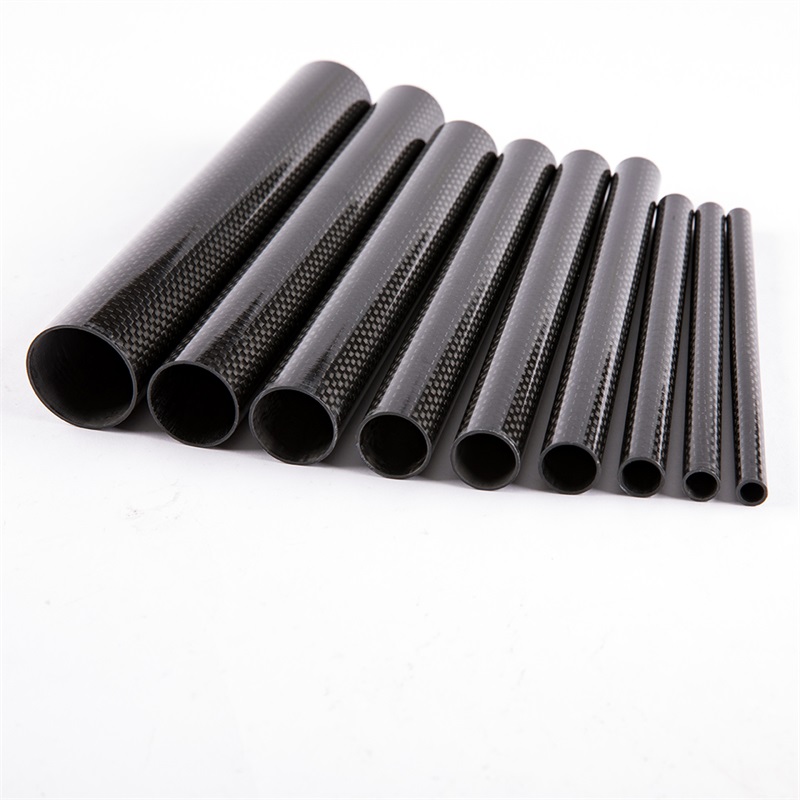
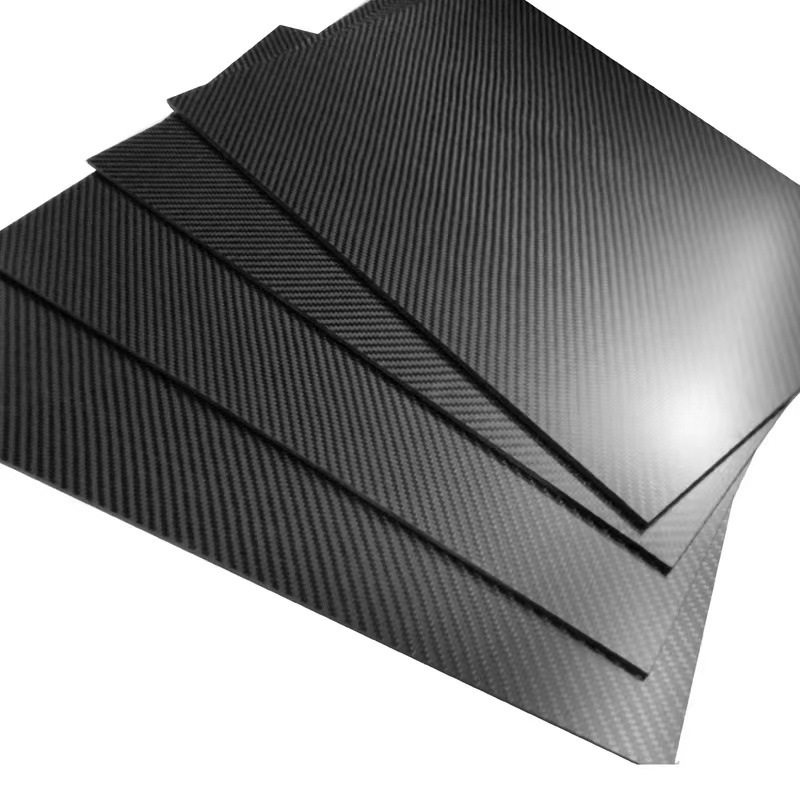
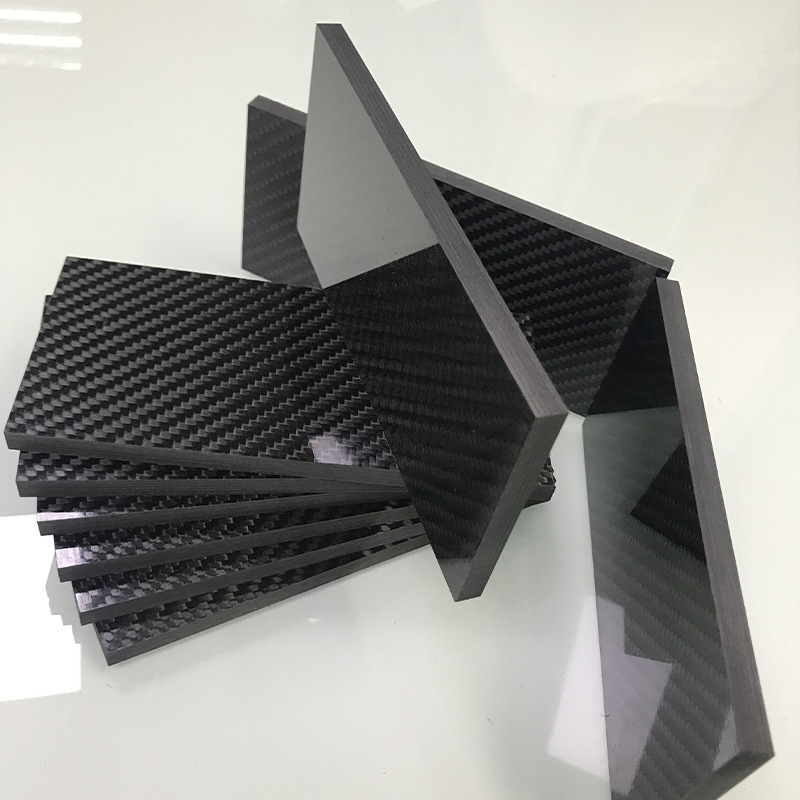
Carbon fiber composite (specifically carbon fiber reinforced polymer, CFRP) is an engineered material system consisting of carbon fibers embedded in a polymer matrix, typically epoxy, polyester, or vinyl ester resin. The fibers provide strength and stiffness, while the matrix transfers loads between fibers, protects them from environmental degradation, and determines the composite’s overall durability .
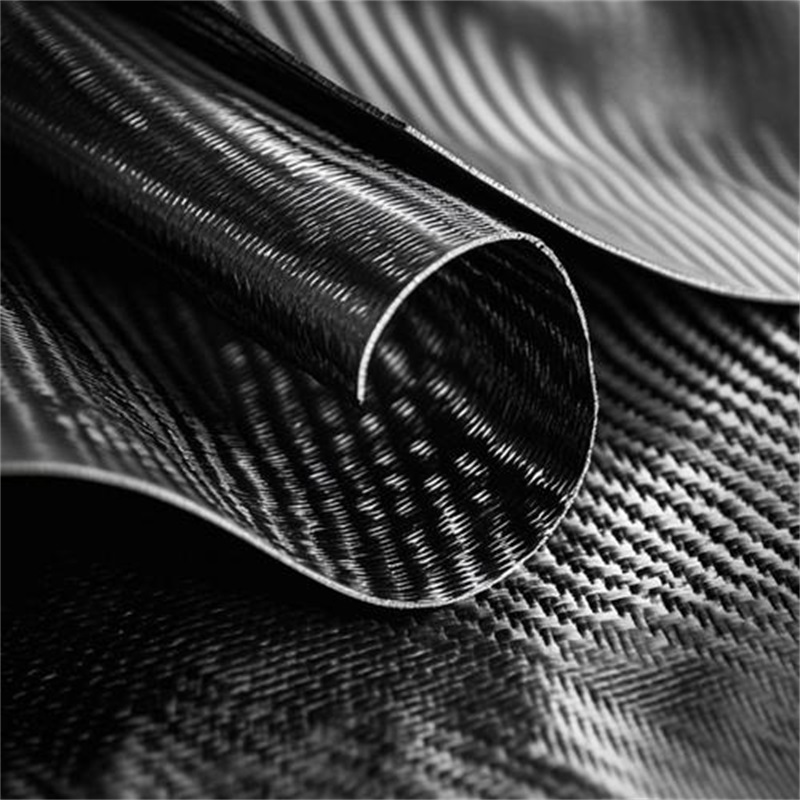
CFRPs are anisotropic materials, meaning their mechanical properties depend on fiber orientation. This characteristic enables engineers to optimize structures for specific load directions, an advantage not achievable with metallic materials . Modern CFRP components commonly use unidirectional tape or woven fabrics, with layup schedules designed to meet specific performance requirements.
Composition & Structure
Aluminum Alloy Structure
Aluminum alloys have a face-centered cubic crystal structure, which contributes to their excellent ductility and formability. Alloying elements can be in solid solution or form precipitates that strengthen the material through precipitation hardening. Heat-treatable alloys like 7075 undergo solution heat treatment and aging to achieve high strength levels .
Carbon Fiber Composite Structure
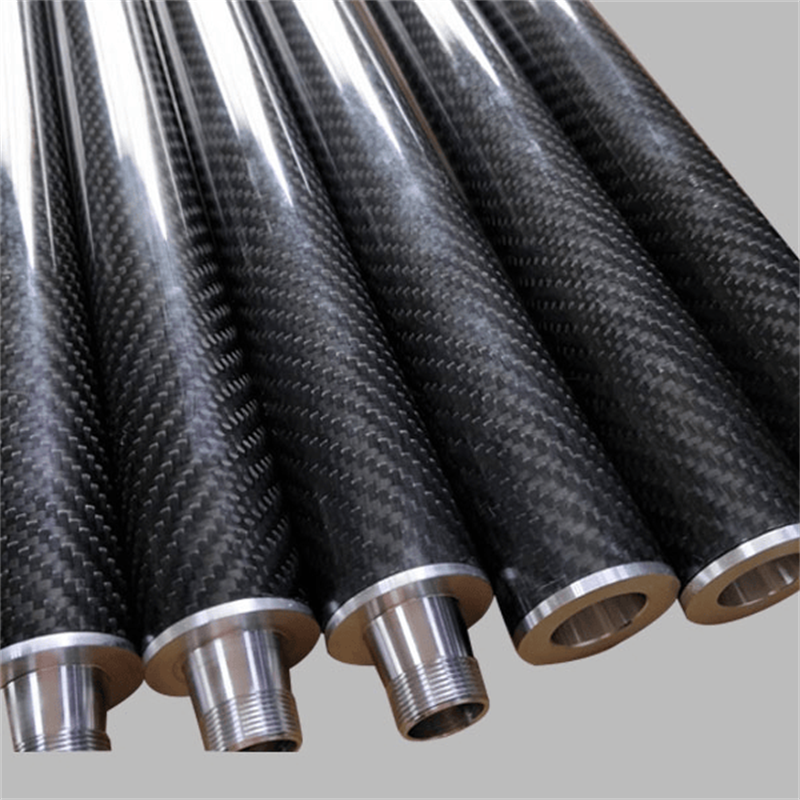
CFRP consists of three primary phases: carbon fibers (typically 60-65% by volume), polymer matrix (35-40% by volume), and the fiber-matrix interface. Carbon fibers are produced from precursor materials such as polyacrylonitrile (PAN) through a complex process involving stabilization, carbonization, and graphitization at temperatures exceeding 1000°C .
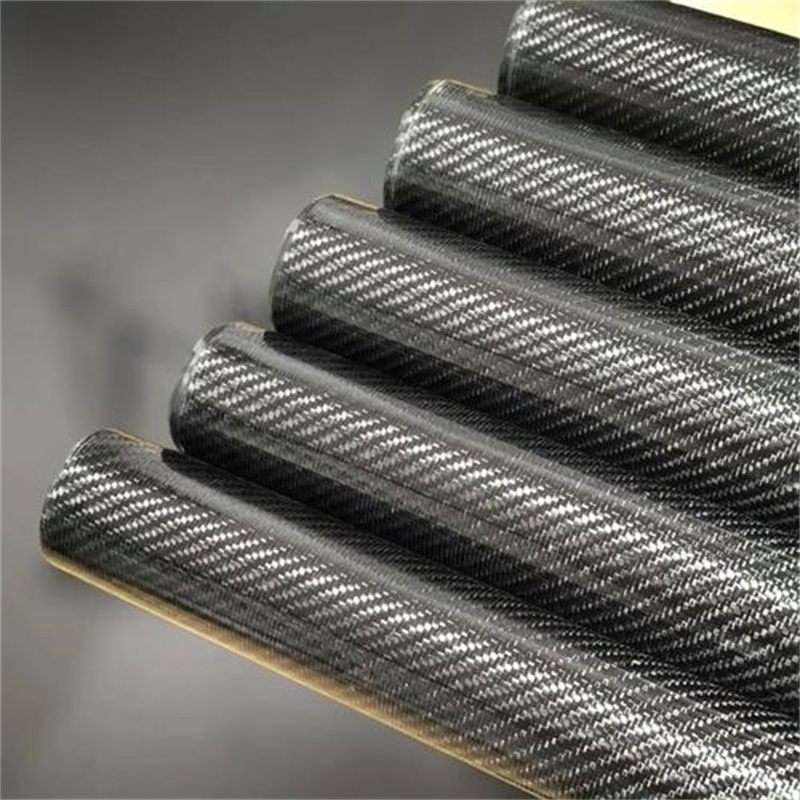
The fiber architecture significantly influences properties. Unidirectional laminates provide maximum stiffness and strength in the fiber direction but low transverse properties. Woven fabrics offer balanced properties and improved damage tolerance but lower in-plane performance compared to unidirectional materials of equivalent fiber content.
Key Properties Comparison
Mechanical Properties
Strength and Stiffness
CFRP exhibits significantly higher specific strength (strength-to-weight ratio) and specific stiffness (stiffness-to-weight ratio) compared to aluminum. At room temperature, carbon fiber composites can achieve specific modulus values exceeding those of aluminum by approximately 40-50% .
For equivalent mechanical performance, a CFRP structure can be up to 40-50% lighter than an aluminum structure . Real-world examples demonstrate this advantage: a CFRP tubular component for aircraft seating weighed 0.420 kg compared to approximately 1 kg for an aluminum equivalent .
Fatigue Resistance
CFRP demonstrates excellent fatigue resistance when manufactured to high quality standards, with minimal performance degradation after numerous loading cycles. This superior fatigue performance makes carbon composites particularly suitable for applications subject to cyclic loading, such as aircraft wings and automotive suspension components .
Aluminum alloys are more susceptible to fatigue phenomena, with greater tendency for micro-crack formation in areas subjected to repeated stress. This necessitates more rigorous inspection regimes, especially in critical applications .
Thermal Properties
Thermal Conductivity
Aluminum exhibits excellent thermal conductivity (approximately 205-250 W/m·K), making it suitable for heat dissipation applications. CFRP has significantly lower thermal conductivity (typically 5-50 W/m·K depending on fiber orientation), which can be advantageous in thermal barrier applications but disadvantageous where heat dissipation is required .
Thermal Expansion
CFRP exhibits very low coefficient of thermal expansion (CTE), typically 2.0 × 10⁻⁶ /°C compared to aluminum’s 23.1 × 10⁻⁶ /°C . This dimensional stability makes CFRP advantageous in applications requiring precise geometric tolerances across temperature variations.
Fire Performance
When exposed to fire, aluminum alloys soften significantly above 150-200°C and melt at approximately 660°C . CFRP experiences matrix decomposition and softening at elevated temperatures, but the carbon fibers retain high tensile stiffness and strength to much higher temperatures, providing superior fire structural survivability in some scenarios .
However, CFRP combustion releases heat, smoke, and toxic fumes, representing a fire hazard concern. The composite can reach significantly higher surface temperatures than aluminum when exposed to identical thermal flux .
Impact and Vibration Damping
Aluminum generally outperforms CFRP in impact absorption due to the metallic crystalline structure allowing better dissipation of impact energy . This characteristic provides greater comfort in applications involving repeated impacts or constant vibration.
Carbon fiber composites, while stiff and lightweight, tend to transmit vibrations more directly. However, strategic fiber orientation can mitigate this drawback, designing structures that effectively damp vibrations and impacts .
Corrosion Resistance
CFRP offers excellent corrosion resistance, unaffected by most chemicals and environmental conditions. Aluminum alloys require surface treatments or coatings for corrosion protection in aggressive environments, though many aerospace grades demonstrate good corrosion resistance through anodization or cladding.
Advantages of Carbon Fiber Composite vs Aluminum
Weight Reduction
The most significant advantage of CFRP is weight reduction. For structural components, CFRP typically achieves 40-50% weight savings compared to aluminum while maintaining or exceeding mechanical performance . In automotive applications, CFRP can reduce component weight by 50-70% compared to steel .
In aerospace applications, weight reduction translates directly to fuel savings and increased payload capacity. The Boeing 787 Dreamliner and Airbus A350 utilize approximately 50-53% composites by weight in primary structures, demonstrating the feasibility of large-scale composite adoption in commercial aviation .
Tailorable Properties
The anisotropic nature of CFRP allows engineers to orient fibers to align with principal stress directions, optimizing material usage. This design flexibility enables complex, integrated shapes that reduce part count and assembly time. Designers can fine-tune stiffness and compliance independently in different directions, enabling optimized structures not achievable with isotropic materials .
Fatigue and Durability
CFRP demonstrates superior fatigue resistance compared to aluminum, particularly in high-cycle applications. The absence of a fatigue limit in aluminum (fatigue strength continues decreasing with cycle count) contrasts with CFRP’s ability to maintain properties through millions of cycles when properly designed .
Dimensional Stability
The low CTE of CFRP provides excellent dimensional stability across temperature ranges. This characteristic is particularly valuable in precision applications such as optical instrument structures, satellite components, and precision manufacturing equipment.
Limitations of Carbon Fiber Composite vs Aluminum
Cost Considerations
CFRP components are typically 40-100% more expensive than equivalent aluminum components on a per-part basis . This cost difference stems from multiple factors:
– High raw material costs: Carbon fiber production is energy-intensive and complex
– Labor-intensive manufacturing: CFRP production requires specialized skills for layup, curing, and inspection
– Capital equipment investment: Autoclaves, filament winding machines, and quality control equipment represent significant costs
– Lower production rates: CFRP manufacturing cycles are generally slower than metal forming processes
A detailed cost analysis of aerospace components found that the CFRP alternative cost approximately 132.60 € compared to 78.62 € for the aluminum equivalent, representing approximately 40% higher production cost .
Manufacturing Complexity
CFRP manufacturing requires precise control of temperature, pressure, and time during curing processes. Defects such as voids, delamination, or improper fiber alignment can significantly compromise mechanical properties. Quality control requires non-destructive inspection techniques such as ultrasound or thermography, adding to production costs and cycle times .
Aluminum benefits from decades of process optimization and widespread manufacturing infrastructure. Common processes such as casting, forging, extrusion, and machining are well-established and can be highly automated, reducing labor costs .
Repair and Maintenance
Aluminum offers more straightforward repair processes. Damage is typically visible (dents, cracks), and conventional welding or mechanical joining methods can restore structural integrity. Field repairs are possible with standard tooling and technician skills .
CFRP damage may be subsurface (delamination, fiber breakage) requiring non-destructive inspection for detection. Repairs require specialized materials, trained technicians, and controlled conditions. In many cases, component replacement is the preferred repair method, increasing life-cycle costs .
Failure Modes
Aluminum fails through plastic deformation, providing visual warning signs before catastrophic failure. This ductility is advantageous in safety-critical applications where progressive deformation absorbs energy and signals impending structural issues .
CFRP typically fails catastrophically with limited prior warning. While some fiber fracture may occur before complete failure, the sudden loss of structural integrity can be challenging to predict and detect. This behavior necessitates conservative design approaches and rigorous inspection regimes in safety-critical applications .
Recycling and Environmental Impact
Aluminum is highly recyclable, with established collection and recycling infrastructure. Recycling aluminum requires approximately 5% of the energy required for primary production, and the material retains its properties through multiple recycling cycles .
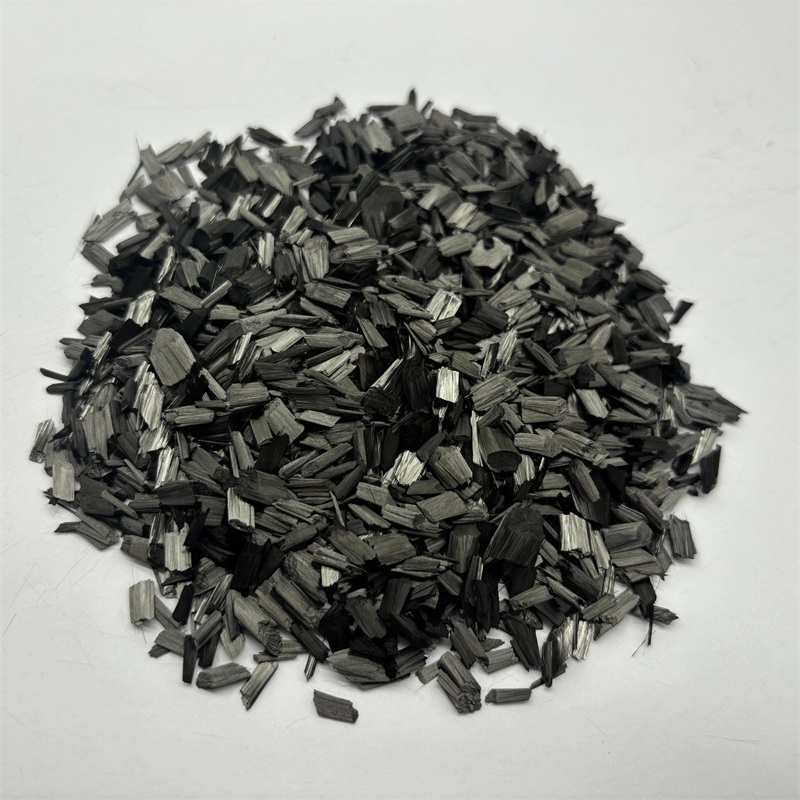
CFRP recycling presents significant challenges. Thermoset matrices cannot be remelted and reformed like thermoplastics or metals. Recycling methods such as mechanical grinding, pyrolysis, and solvolysis are advancing but are not yet as mature or economical as aluminum recycling. Recovered fibers typically have reduced mechanical properties, limiting their application in high-performance components .
Despite recycling challenges, life cycle assessments demonstrate that CFRP can have lower total environmental impact than aluminum due to operational weight savings. A comprehensive life cycle assessment of aerospace components found CFRP had approximately 70% lower environmental impact compared to aluminum, primarily due to reduced fuel consumption during the use phase .
Manufacturing Processes
Aluminum Manufacturing
– Casting: Molten aluminum poured into molds for near-net shapes
– Forging: Deformation under compressive forces to improve mechanical properties
– Extrusion: Forcing heated billets through dies to create complex profiles
– Machining: Material removal using conventional CNC equipment
– Welding and Joining: Established techniques for assembly
CFRP Manufacturing
– Prepreg Layup: Hand layup or automated tape layup of pre-impregnated fiber sheets
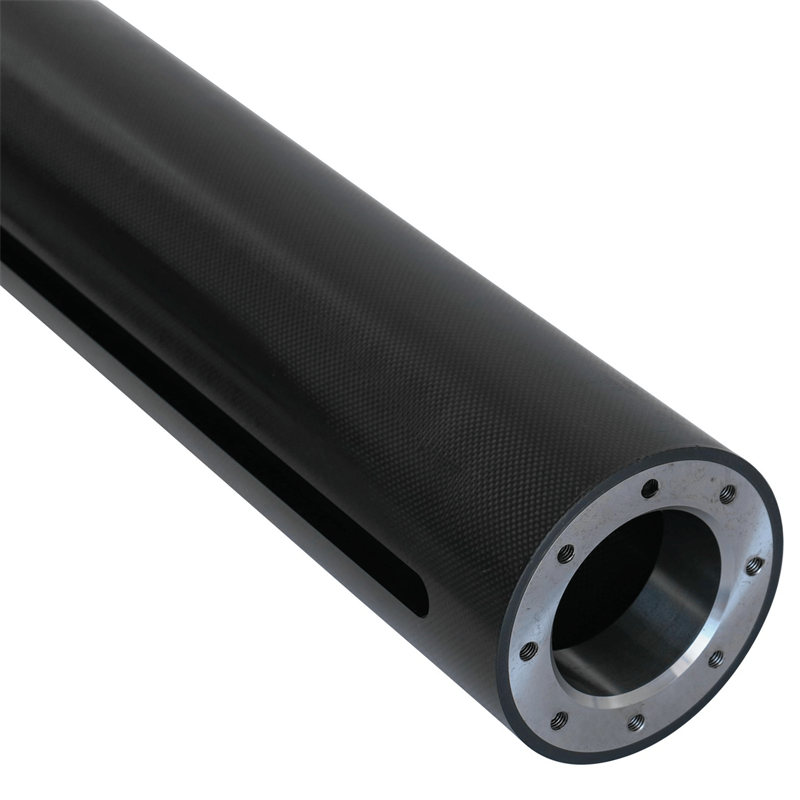
– Filament Winding: Continuous fiber winding over rotating mandrels for cylindrical components
– Resin Transfer Molding: Injection of resin into closed mold containing dry fiber preform
– Autoclave Curing: Pressure and temperature curing for high-quality aerospace components
– Compression Molding: Mold filling with fiber preform and resin, followed by heat and pressure
Processing Considerations
The choice of manufacturing method significantly influences both cost and quality. Filament winding, while requiring specialized equipment, enables cost-effective production of tubular components with lower energy consumption than alternative processes . Autoclave processing, commonly used in aerospace, provides excellent quality but at higher capital and operating costs .
Applications
Aerospace
CFRP Preferred Applications:
– Primary structures (fuselage, wings) where weight reduction justifies cost
– Control surfaces and fairings requiring complex aerodynamic shapes
– Components benefiting from low CTE (satellite structures, precision instruments)
Aluminum Preferred Applications:
– Highly loaded metallic joints and fittings
– Components requiring predictable plastic deformation (crush zones)
– Applications requiring frequent inspection and simple field repairs
Automotive
CFRP Preferred Applications:
– High-performance and luxury vehicle body panels
– Drive shafts and structural components benefiting from weight reduction
– Interior components where aesthetic value justifies cost
Aluminum Preferred Applications:
– Body-in-white and chassis structures
– Engine blocks and heat-dissipating components
– High-volume production where cost efficiency is primary
Sporting Goods
CFRP Preferred Applications:
– High-performance bicycle frames where weight is critical
– Tennis rackets, golf shafts, and fishing rods
– Components requiring specific stiffness or compliance tuning
Aluminum Preferred Applications:
– Entry and mid-level cycling components
– Components where impact resistance and repairability are valued
– Products where cost sensitivity limits material choices
Defense and Ballistic Applications
Studies comparing aluminum-carbon fiber laminates for ballistic applications found that composites combining Al-2024 with carbon fibers provided the best mechanical properties and anti-ballistic performance among tested configurations .

Design Considerations
Performance Optimization
When designing CFRP components, consider:
– Fiber orientation: Align fibers with primary load directions to optimize material usage
– Laminate scheduling: Balance ply orientations to address multi-directional loads while minimizing weight
– Joint design: Account for anisotropic properties and low bearing strength compared to metals
– Damage tolerance: Incorporate redundancy and inspectability for safety-critical structures
Cost Optimization
The cost-effectiveness of CFRP versus aluminum depends on:
– Production volume: Aluminum manufacturing benefits from scale; CFRP may be viable at lower volumes where expensive tooling can be amortized
– Weight sensitivity: Applications where weight reduction yields measurable lifetime benefits favor CFRP
– Lifecycle considerations: Include operational savings, maintenance costs, and disposal/recycling expenses
Hybrid Solutions
Many optimized designs use both materials strategically, leveraging the strengths of each. Common hybrid approaches include:
– Aluminum substructure with CFRP skins or localized reinforcements
– CFRP primary structures with aluminum fittings and joints
– Aluminum components enhanced with CFRP for specific performance requirements
Selection Guide
When to Choose Carbon Fiber Composite
– Maximum weight reduction is a primary objective
– High stiffness-to-weight or strength-to-weight ratios are required
– Complex, integrated geometries can reduce part count and assembly
– Corrosion resistance and low thermal expansion are priorities
– Lifecycle cost analysis favors higher initial cost with operational savings
When to Choose Aluminum
– Cost minimization is primary, especially at high production volumes
– Predictable, isotropic behavior simplifies design and certification
– Ductility and visual failure warning are safety requirements
– Straightforward repair and maintenance are essential
– Recycling and environmental concerns prioritize aluminum
Decision Framework
For practical material selection, consider:
1. Define performance requirements: Structural loads, environmental conditions, service life
2. Establish weight targets: Quantify weight reduction benefits for the specific application
3. Evaluate manufacturing constraints: Available processes, production volume, lead time
4. Assess lifecycle economics: Compare total cost of ownership including purchase, operation, maintenance, and disposal
5. Consider certification and regulatory requirements: Material-specific testing and qualification needs
Frequently Asked Questions
Is carbon fiber always stronger than aluminum?
Not necessarily. While CFRP generally has higher specific strength (strength per weight), absolute strength depends on the specific grade and fiber orientation. Some aerospace aluminum alloys can have higher absolute tensile strength than certain CFRP formulations. The advantage of CFRP is primarily in specific strength and stiffness rather than absolute performance .
How much weight can I save by switching from aluminum to carbon fiber?
Typical weight savings range from 20% to 50% depending on design optimization and laminate schedule. Real-world examples include a 40% weight reduction for simple beams and up to 50% for complex aerospace structures .
How does the cost of carbon fiber compare to aluminum?
CFRP typically costs 40-100% more than equivalent aluminum components on a per-part basis, depending on manufacturing method and production volume. However, lifecycle cost analysis often shows operational savings (fuel efficiency, reduced maintenance) can offset higher upfront costs in weight-critical applications .
Can carbon fiber be recycled?
Recycling technologies for CFRP exist but are not as mature or economical as aluminum recycling. Mechanical grinding, pyrolysis, and solvolysis can recover fibers, though with reduced properties. Many CFRP components currently end up in landfills, though regulations are increasingly restricting this practice .
Is carbon fiber safe in crash applications?
CFRP can be designed for energy absorption through careful laminate design, but it behaves differently from metals in crash scenarios. Aluminum’s ductility provides more predictable energy absorption, while CFRP may shatter catastrophically. Hybrid designs often combine materials to optimize crash performance .
How do repair costs compare between carbon fiber and aluminum?
Aluminum repairs are generally simpler and less expensive, often possible through conventional bodyshop methods. CFRP repairs require specialized materials, trained technicians, and controlled conditions, with many components being replaced rather than repaired. This affects total cost of ownership and insurance considerations .
Does carbon fiber corrode?
CFRP is highly corrosion-resistant and unaffected by most chemicals and environmental conditions. This is a significant advantage in marine and chemical processing applications where aluminum requires protective coatings or treatments .
Can carbon fiber be joined to aluminum?
Yes, but special consideration is required. Mechanical fastening (bolts, rivets) is common, though bearing strength is lower in composites. Adhesive bonding provides better load distribution but requires careful surface preparation and joint design. Galvanic corrosion between carbon and aluminum can occur in the presence of electrolyte, requiring isolation or protective measures.
How does temperature affect these materials?
Aluminum properties degrade significantly above 150-200°C, with melting at approximately 660°C. CFRP experiences matrix softening and decomposition at elevated temperatures, though carbon fibers retain stiffness and strength to much higher temperatures. At room temperature, both materials maintain their specified properties .
Is carbon fiber worth the extra cost for my application?
The answer depends on the application. CFRP is cost-effective when weight reduction yields measurable lifetime benefits (fuel savings, EV range increase, performance value) or when the aesthetic and performance positioning justifies higher unit cost. For applications where cost, reparability, or high-volume production are primary, aluminum remains the practical choice .
How does the fire performance compare?
When exposed to fire, aluminum softens and loses load-bearing capacity at relatively low temperatures. CFRP experiences matrix decomposition and can reach higher surface temperatures, but the carbon fibers retain high tensile strength and stiffness to much higher temperatures, providing superior fire structural performance in tensile applications .
What are the typical lead times for CFRP vs aluminum components?
Aluminum components typically have shorter lead times due to established supply chains and manufacturing infrastructure. CFRP components require longer lead times for material procurement (carbon fiber production, prepreg manufacturing), tooling fabrication, and processing cycles (layup, curing, inspection). This difference is significant for urgent or time-sensitive projects.
The choice between carbon fiber composite and aluminum is not a simple determination of superiority but rather a nuanced decision based on specific application requirements, performance priorities, economic constraints, and lifecycle considerations.
Carbon fiber composites excel where weight reduction is paramount, specific stiffness and strength are critical, and the additional cost can be justified by operational savings or performance benefits. The ability to tailor properties through fiber orientation enables optimized designs not achievable with isotropic materials. However, the higher cost, manufacturing complexity, repair challenges, and recycling limitations must be carefully evaluated.
Aluminum remains the material of choice where cost efficiency, predictable behavior, ease of repair, and established manufacturing and recycling infrastructure are priorities. The isotropic properties simplify engineering and certification, while the ductility provides visual failure warnings and energy absorption characteristics valuable in many applications.
Many optimal engineering solutions employ both materials strategically, leveraging the strengths of each. This hybrid approach provides practical solutions that balance performance, cost, and sustainability. The aerospace industry’s successful adoption of approximately 50% composite primary structures demonstrates that CFRP can be implemented effectively at scale when appropriate design, manufacturing, and support infrastructure are established .
For engineers, designers, and procurement professionals, the key is to evaluate specific application requirements, conduct thorough performance and economic analyses, and select the material that best addresses the full range of technical, economic, and sustainability objectives for the project.
 Metals vs. Ceramics vs. Composites: Engineer’s Guide to Material Selection
Material Selection Guide for Corrosive Environments
 Alloys vs. Ceramics vs. Polymers for High-Temperature Applications
 Comparative Analysis of Automotive Lightweighting Materials