
Cordierite Ceramic in Semiconductor Manufacturing Equipment
Cordierite ceramic, a magnesium aluminosilicate material with the nominal composition 2MgO·2Al₂O₃·5SiO₂, has emerged as an indispensable material in advanced semiconductor manufacturing equipment . Its unique combination of near-zero thermal expansion, high mechanical stiffness, and excellent thermal shock resistance makes it particularly valuable for extreme ultraviolet (EUV) lithography systems—the most demanding semiconductor fabrication platforms .
As semiconductor feature sizes continue to shrink toward single-digit nanometer nodes, the dimensional stability requirements for wafer stages, mask chucks, and optical components have become extraordinarily stringent. Cordierite ceramic addresses these challenges by providing thermal expansion characteristics comparable to low-expansion glass-ceramics while offering significantly higher rigidity and thermal conductivity . This article provides a comprehensive technical overview of cordierite ceramic for semiconductor equipment applications, intended for engineers, procurement specialists, and design professionals seeking to evaluate this material for precision components.
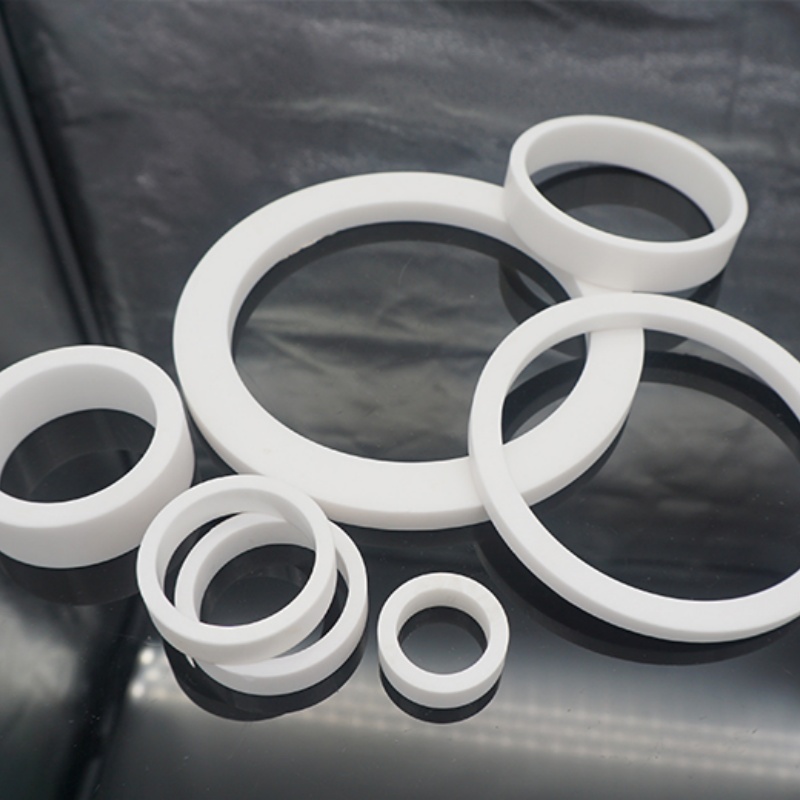
What Is Cordierite Ceramic
Cordierite ceramic is a synthetic engineered material whose primary crystalline phase is magnesium aluminosilicate. It is manufactured from raw materials including talc, clay, alumina, and feldspar through controlled sintering processes . The material exhibits a narrow sintering range—typically within a few degrees of its decomposition temperature—which presents manufacturing challenges but yields exceptional thermal properties when properly processed . Advanced manufacturers utilize chemical synthesis methods and precise process control to achieve uniform microstructures with low porosity and consistent mechanical performance .
In semiconductor applications, cordierite ceramic is valued primarily for its near-zero coefficient of thermal expansion (CTE). High-purity grades can achieve CTE values of 0 ± 20 ppb/K at 22°C, ensuring minimal dimensional change under thermal fluctuations . This property is fundamental to maintaining nanometer-scale alignment in photolithography equipment.
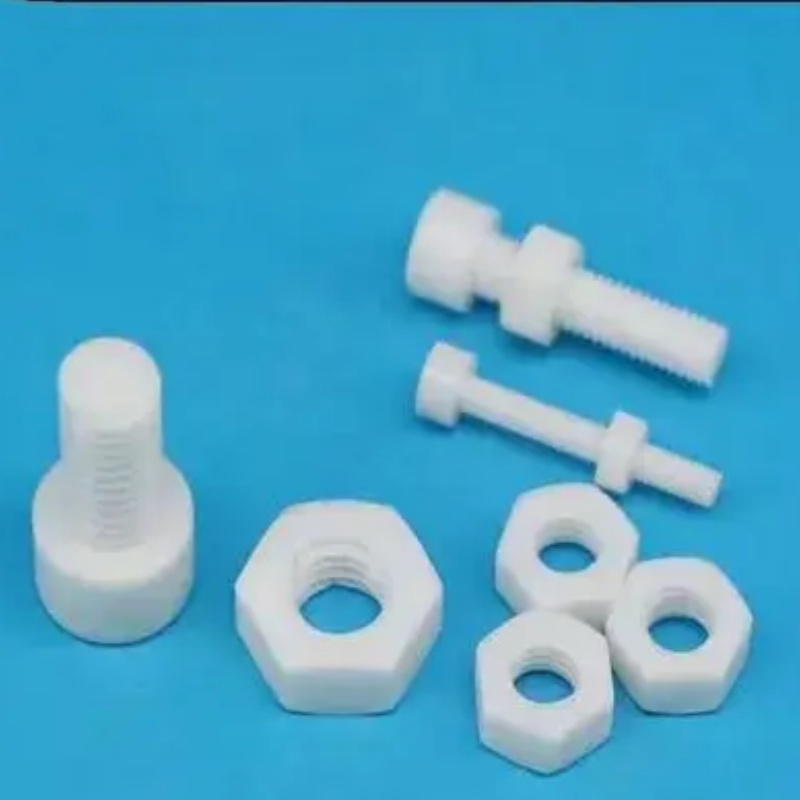
Key Properties of Cordierite Ceramic
Mechanical Properties
Cordierite ceramic demonstrates high mechanical strength with flexural strength values typically ranging from 50 to 65 MPa, compressive strength between 280 and 500 MPa, and elastic modulus of approximately 145–150 GPa . The material’s high specific stiffness—about 1.5 to 2 times that of low-expansion glass—enables lightweight designs that maintain rigidity during high-speed scanning operations . This combination of mechanical properties makes cordierite suitable for moving stages and structural components requiring stability under dynamic loading.
Thermal Conductivity and High Temperature Resistance
The thermal conductivity of cordierite ceramic ranges from 3.35 to 5.02 kJ/(m²·h·°C) (approximately 0.93–1.39 W/m·K) at 0–100°C, roughly three times higher than comparable low-expansion glass materials . This enhanced thermal conductivity allows rapid thermal equalization, preventing localized hot spots that could cause distortion. The material maintains structural integrity at temperatures up to 1350°C and exhibits excellent thermal shock resistance, withstanding temperature differentials of 300–500°C without fracture .
Electrical Insulation and Wear Resistance
Cordierite ceramic provides reliable electrical insulation with volume resistivity exceeding 10¹³ Ω·cm at 20°C and dielectric strength of approximately 10 kV/mm . The material exhibits low dielectric loss and stable permittivity, making it suitable for applications requiring electrical isolation. Its wear resistance and hardness (Vickers 800–1600 HV) contribute to long service life in components subject to mechanical contact .
Corrosion Resistance and Chemical Stability
The chemical inertness of cordierite ceramic makes it resistant to most acids and process chemicals encountered in semiconductor fabrication. Acid resistance exceeding 98% has been reported for high-density grades . Low porosity—achievable below 3% open porosity—minimizes outgassing and contamination risk in cleanroom environments . These characteristics are critical for components exposed to reactive gases and cleaning chemistries.
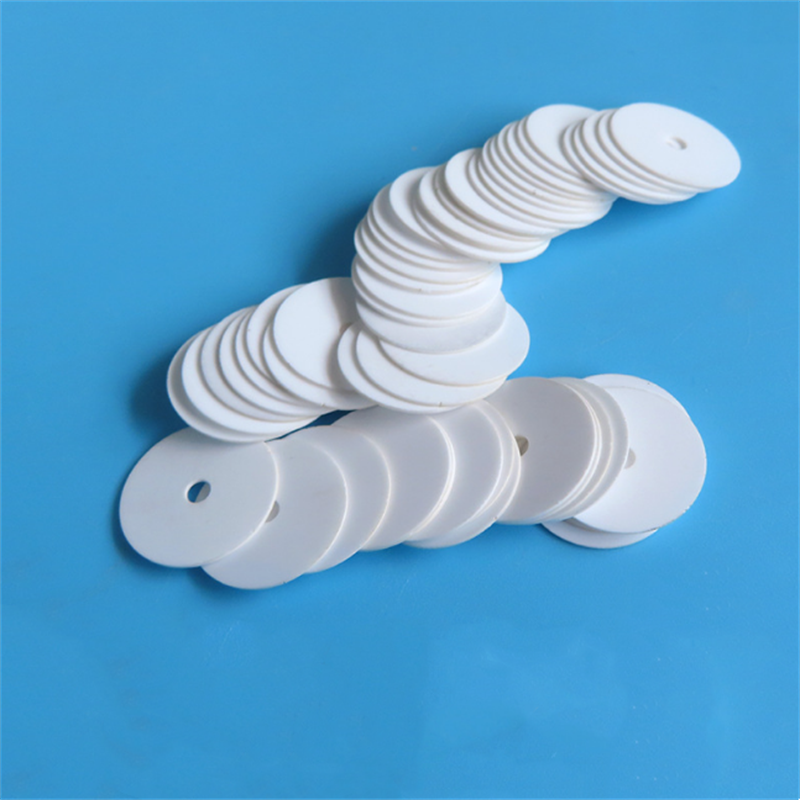
Typical Applications in Semiconductor Manufacturing
Cordierite ceramic components are essential in several critical areas of semiconductor equipment:
EUV Lithography Systems: The material serves as mirror substrates, precision masking plates, electrostatic chucks for masks and wafers, and wafer stage platforms in advanced lithography tools . Its near-zero thermal expansion ensures pattern line edge roughness below 0.1 nm (RMS), enabling resolution for sub-45nm nodes . Leading equipment manufacturers such as ASML and Kyocera have integrated cordierite into their high-end lithography platforms .
Wafer Handling and Positioning: Cordierite components include wafer chucks, alignment stages, guide rails, and precision platforms for wafer transfer and inspection systems . The material’s high specific stiffness enables precise, high-speed movement without deformation.
Optical and Metrology Equipment: Applications extend to mirror assemblies for inspection systems, scanning electron microscope (SEM) components, calibration platforms, and coordinate measuring machine (CMM) structures . The surface finish achievable on cordierite components—below Ra 0.5 nm—is critical for optical performance .
Beyond Semiconductor: The material’s unique properties also support applications in aerospace (telescope mirrors, satellite optical systems), automotive (exhaust catalysts), industrial equipment (kiln furniture, furnace components), medical devices, and energy systems .

Advantages Compared with Other Ceramic Materials
When compared to alternative ceramic materials, cordierite offers distinct advantages:
vs. Alumina (Al₂O₃): Alumina provides higher mechanical strength and hardness but exhibits a much higher thermal expansion coefficient (approximately 6–8 × 10⁻⁶/°C compared to 1.1–1.8 × 10⁻⁶/°C for cordierite) . For applications requiring thermal dimensional stability, cordierite is clearly superior.
vs. Silicon Carbide (SiC): While SiC offers higher thermal conductivity and stiffness, it is more difficult and costly to machine to the surface finishes required for optical applications. Cordierite provides a better balance of machinability, surface quality, and thermal expansion characteristics.
vs. Low-Expansion Glass (Zerodur): Cordierite achieves comparable thermal expansion performance but offers approximately 55% higher elastic modulus, three times higher thermal conductivity, and higher specific stiffness . These advantages enable lighter, more thermally stable designs.
vs. Silicon Nitride (Si₃N₄): Silicon nitride offers superior fracture toughness but has higher thermal expansion and is more expensive to fabricate into large, complex shapes.
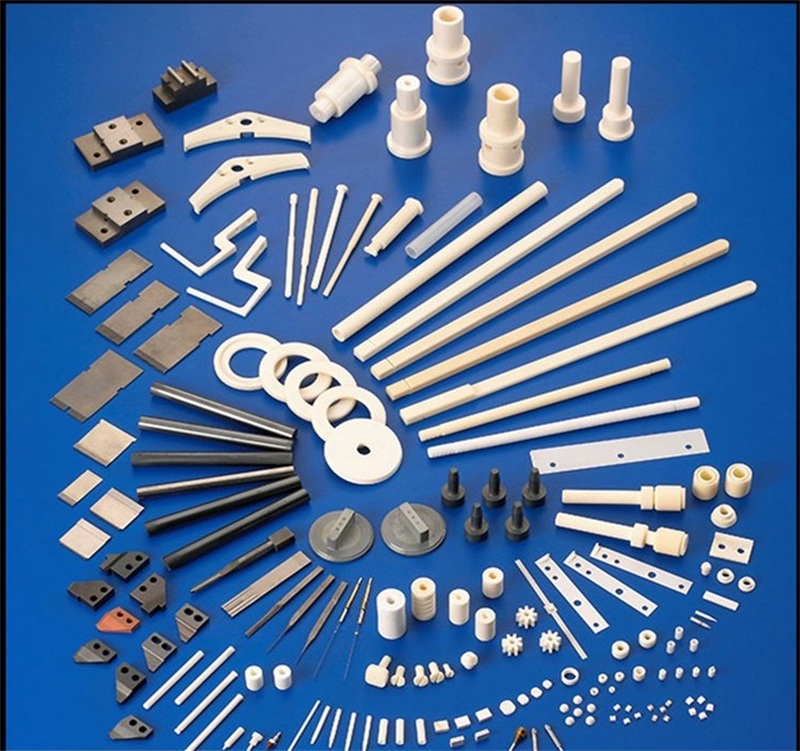
Custom Manufacturing Options
As a Manufacturer and Supplier of technical ceramics, facilities offering Custom Parts and Precision Components employ various forming and finishing methods:
Forming Processes: Dry pressing, isostatic pressing (including cold isostatic pressing), extrusion, injection molding, and casting are used depending on component geometry and production volume . For large substrates and mirror blanks, isostatic pressing produces uniform green density.
Densification: Sintering at 1350–1420°C yields dense ceramic bodies . Controlled cooling schedules and atmosphere management prevent microcracking and optimize the cordierite crystal phase.
Machining and Finishing: Precision grinding, lapping, and polishing achieve surface roughness below Ra 0.1 nm and dimensional tolerances as tight as ±0.005 mm . Diamond tooling is typically required for post-sintering machining.
OEM Capabilities: Established Factory operations provide OEM services, producing components to customer prints and specifications. Design support, material selection guidance, and rapid prototyping capabilities are available from experienced manufacturers .
How to Choose the Right Supplier
Selecting a reliable Supplier for cordierite Precision Components requires careful evaluation:
1. Material Quality Verification: Assess the supplier’s capability to produce high-purity, near-zero porosity cordierite with consistent CTE. Request certified material test reports verifying density, thermal expansion, flexural strength, and porosity.
2. Manufacturing Process Control: Evaluate process controls including sintering temperature uniformity, dimensional inspection systems, and quality management certifications (ISO 9001, ISO 14001) . Suppliers employing statistical process control and automated inspection produce more consistent Precision Components.
3. Customization Capability: Confirm the supplier’s ability to manufacture Custom Parts to your specifications. Key questions include maximum part dimensions, achievable tolerances, surface finish capabilities, and lead times for prototypes versus production volumes.
4. Industry Experience: Prefer suppliers with documented experience in semiconductor equipment components. The semiconductor industry demands cleanliness, traceability, and rigorous quality assurance. A Manufacturer with semiconductor-grade cleanroom facilities demonstrates commitment to this demanding sector.
5. Technical Support: Assess the supplier’s engineering support capabilities. Experienced technical ceramic suppliers provide design for manufacturability guidance, material recommendations, and failure analysis assistance.
Cordierite ceramic has established itself as a critical material for advanced semiconductor manufacturing equipment, particularly in EUV lithography where near-zero thermal expansion and high specific stiffness are essential. Its combination of low CTE (1.1–1.8 × 10⁻⁶/°C), high elastic modulus (145–150 GPa), thermal conductivity approximately three times that of glass alternatives, and excellent machinability makes it a preferred choice for wafer stages, mirror substrates, and precision positioning components .
The material’s relevance extends beyond semiconductor applications into aerospace, industrial equipment, medical devices, and automotive systems where thermal dimensional stability is critical. As semiconductor technology continues to push toward smaller nodes and higher precision requirements, cordierite ceramic’s unique properties will remain in high demand.
When sourcing cordierite components, engineers and procurement professionals should evaluate Suppliers based on material quality verification, process control, customization capabilities, and industry experience. A competent Manufacturer with comprehensive technical support and Custom Parts capabilities ensures component performance and supply reliability.
FAQ
What is the difference between Cordierite and Alumina ceramics?
Cordierite offers significantly lower thermal expansion (1.1–1.8 × 10⁻⁶/°C) compared to alumina (6–8 × 10⁻⁶/°C), making it superior for applications requiring thermal dimensional stability . Alumina provides higher mechanical strength and hardness but cannot match cordierite’s near-zero thermal expansion performance. For semiconductor lithography applications where thermal stability is paramount, cordierite is the preferred choice .
What temperature can Cordierite ceramic withstand?
Cordierite ceramic maintains structural integrity up to approximately 1350°C in continuous service . The material exhibits excellent thermal shock resistance, withstanding temperature differentials of 300–500°C. For reference, the material’s maximum operating temperature is approximately 1300°C, with a softening temperature around 1410°C .
Why is Cordierite used in semiconductor manufacturing equipment?
Cordierite is essential for EUV lithography systems because its near-zero thermal expansion coefficient ensures nanometer-scale dimensional stability under thermal fluctuations . The material’s high specific stiffness enables precision high-speed wafer stage movement, while its thermal conductivity (approximately three times that of glass alternatives) promotes rapid thermal equalization. Additionally, its chemical inertness and low outgassing suit cleanroom environments .
How do I choose a ceramic component supplier for semiconductor applications?
Evaluate Manufacturers based on material quality verification (certified property data), process controls (automated inspection, SPC), customization capabilities (tolerances, surface finishes, maximum dimensions), industry experience (semiconductor sector references), and technical support availability . Prefer Suppliers with cleanroom facilities, quality management certifications, and documented experience producing Custom Parts for semiconductor equipment . Request material test reports and review their OEM and Precision Components track record.
What surface finish can be achieved on Cordierite components?
Advanced machining and polishing processes achieve surface roughness below Ra 0.5 nm and as fine as Ra 0.1 nm on cordierite components . Precision tolerances of ±0.005 mm are achievable for critical dimensions. This level of surface quality is essential for optical mirrors, mirror substrates, and precision alignment surfaces in semiconductor lithography equipment.
 What Is Polyimide (PI)
What Is Polyphenylene Sulfide (PPS)
What Is Polyimide (PI)
What Is Polyphenylene Sulfide (PPS)
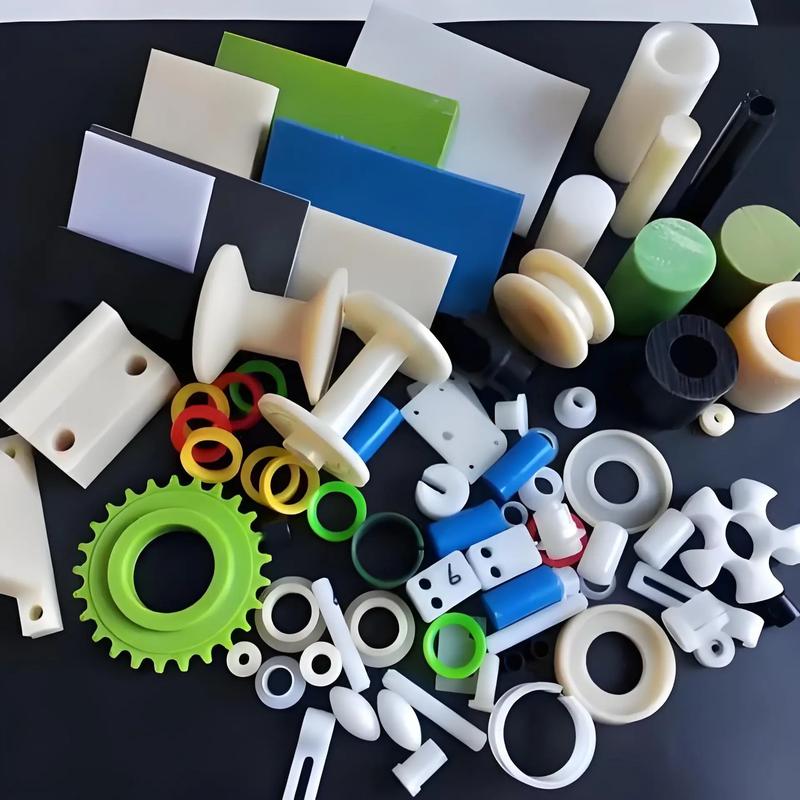 What is PEEK-for Engineers and Buyers
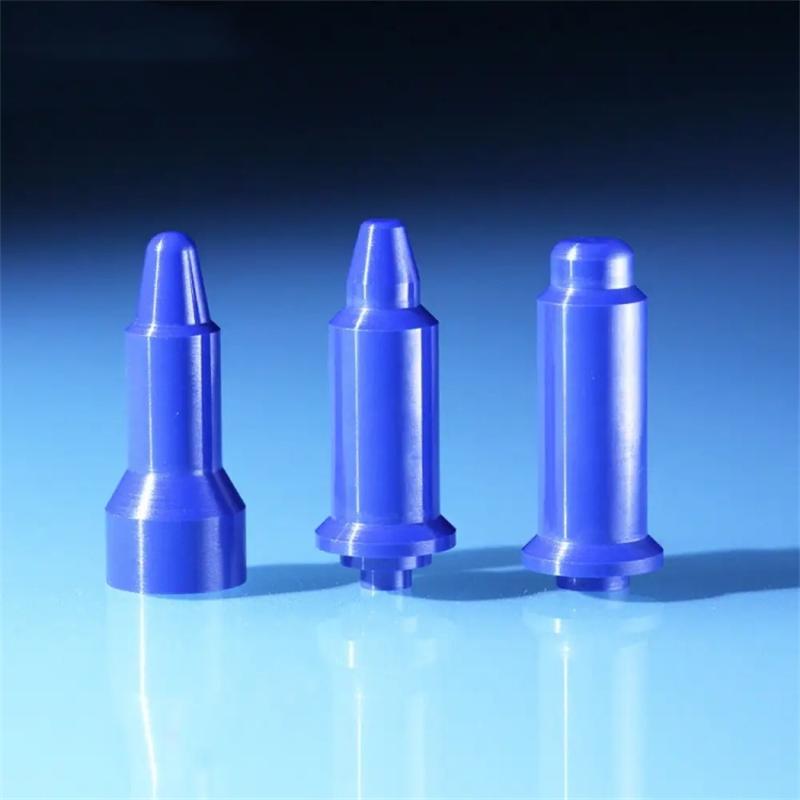 Application Scope of Zirconia Ceramic Structural Components