
Alumina Ceramic Performance Characteristics and Pros and Cons
Alumina ceramic (Al₂O₃) is one of the most widely used advanced ceramic materials in industrial and engineering applications. Known for its excellent balance of mechanical, thermal, and electrical properties, alumina ceramic is often selected when components must operate in demanding environments involving high temperature, wear, corrosion, or electrical insulation. This article explains the performance characteristics, advantages, limitations, and typical applications of alumina ceramic to support material selection for engineers, designers, and procurement professionals.
What Is Alumina Ceramic?
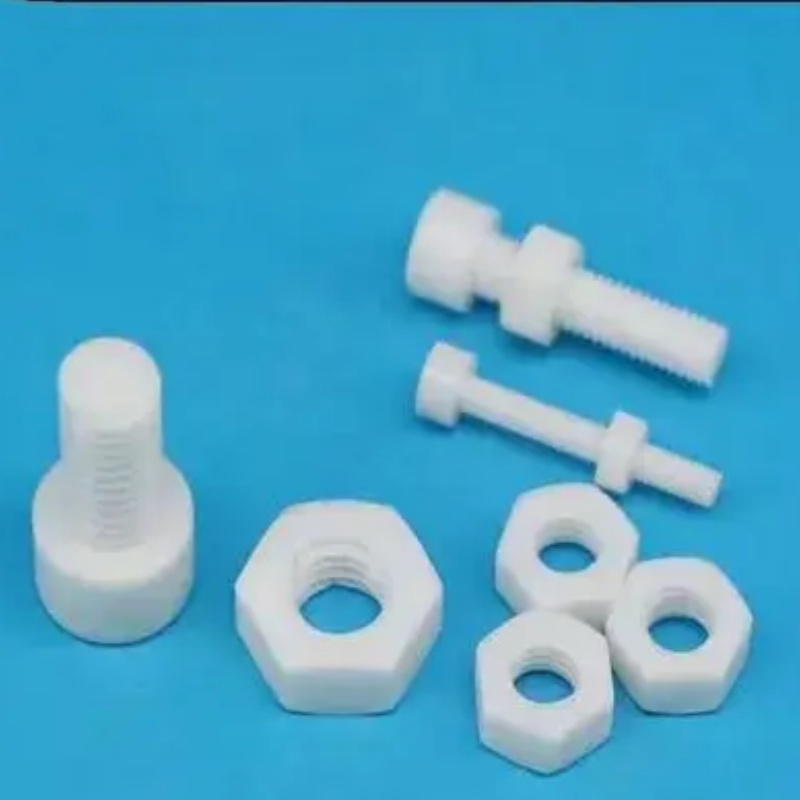
Alumina ceramic is a polycrystalline ceramic material primarily composed of aluminum oxide (Al₂O₃). Depending on purity, it is commonly classified into grades such as 95% alumina, 96% alumina, 99% alumina, and 99.5% alumina. Higher alumina content generally improves mechanical strength, wear resistance, thermal conductivity, and electrical insulation, while lower-purity grades may offer better processability or cost efficiency for less demanding applications.
Key Performance Characteristics
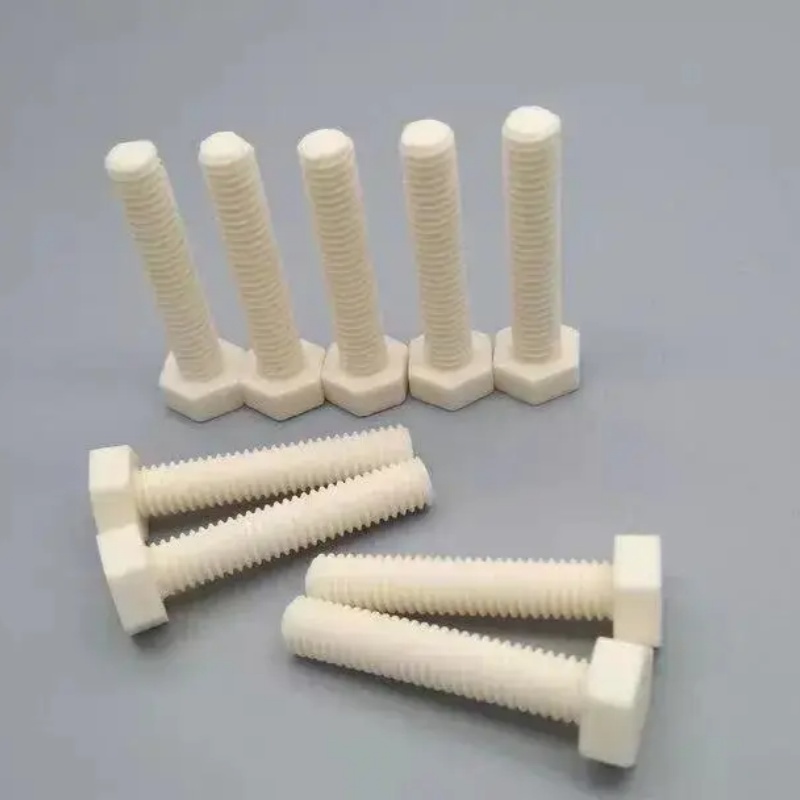
Alumina ceramic is valued for its high hardness and compressive strength. Its hardness is significantly higher than most metals and engineering plastics, making it suitable for wear-resistant components such as seals, bearings, liners, and cutting tool parts. It also maintains good dimensional stability under mechanical load.
Thermally, alumina ceramic can withstand continuous service at elevated temperatures, often exceeding 1,000°C depending on grade and operating conditions. It has relatively low thermal expansion and good thermal shock resistance compared with many brittle materials, although rapid temperature changes should still be evaluated case by case.
Electrically, alumina ceramic is an excellent insulator. It provides high dielectric strength and stable electrical performance across a wide temperature range, which is why it is frequently used in electronic substrates, insulators, sensor components, and semiconductor-related fixtures.
Chemically, alumina ceramic shows strong resistance to acids, alkalis, and many corrosive media. However, its chemical stability can vary with concentration, temperature, and exposure time, so compatibility should be confirmed for specific process environments.
Common Grades and Specifications
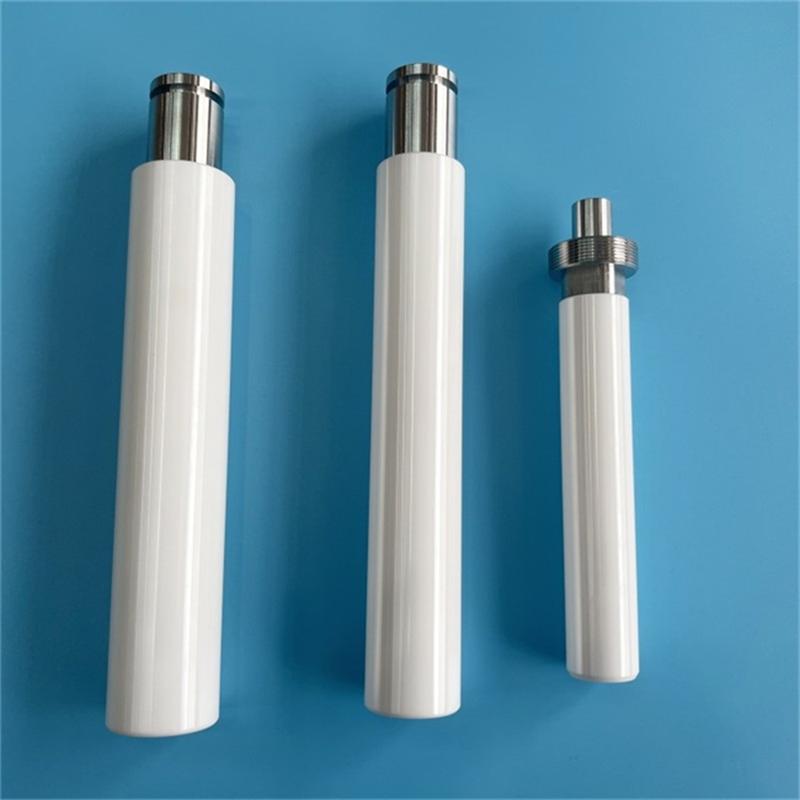
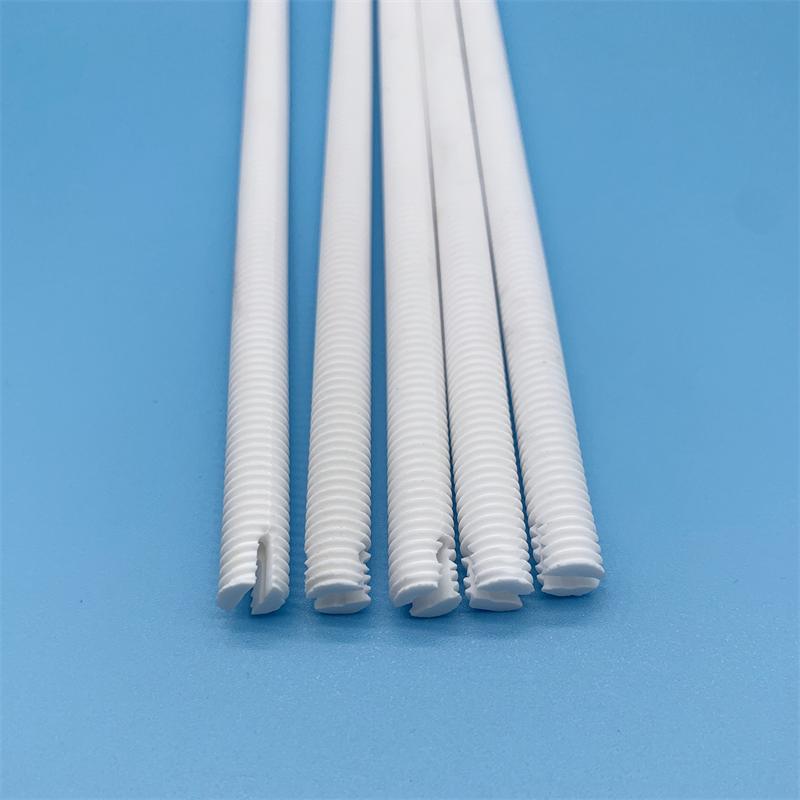
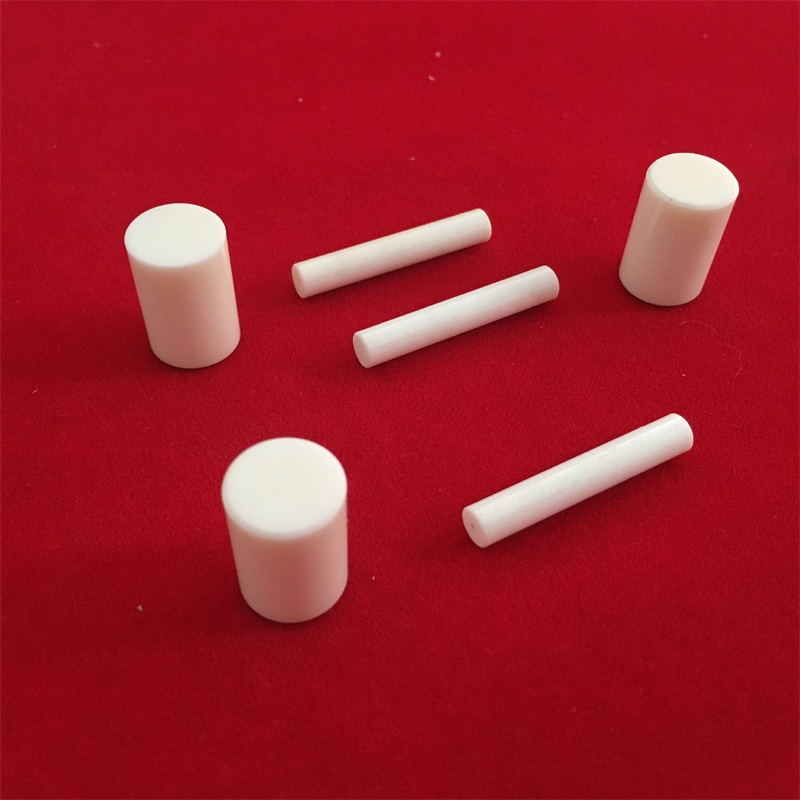
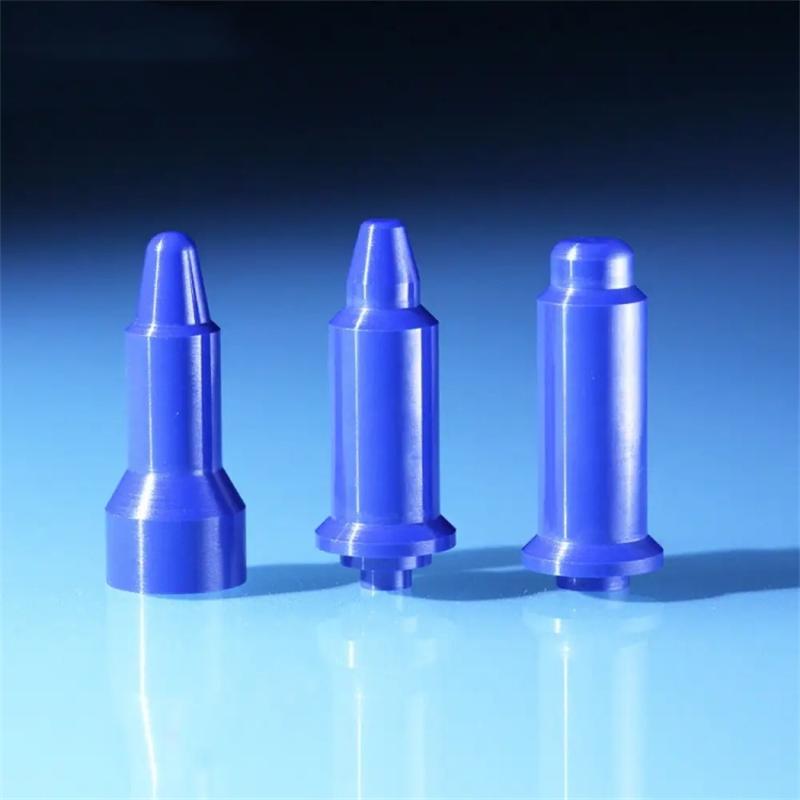
Alumina ceramic components are available in various grades, with 95%, 96%, 99%, and 99.5% Al₂O₃ being among the most common. Higher-purity alumina ceramics typically provide better mechanical and electrical performance but may require more precise manufacturing control. Typical forms include rods, tubes, plates, rings, nozzles, substrates, and custom-shaped components. Final tolerances, surface finish, and dimensional accuracy depend on processing methods such as pressing, sintering, grinding, and polishing.
Typical Applications
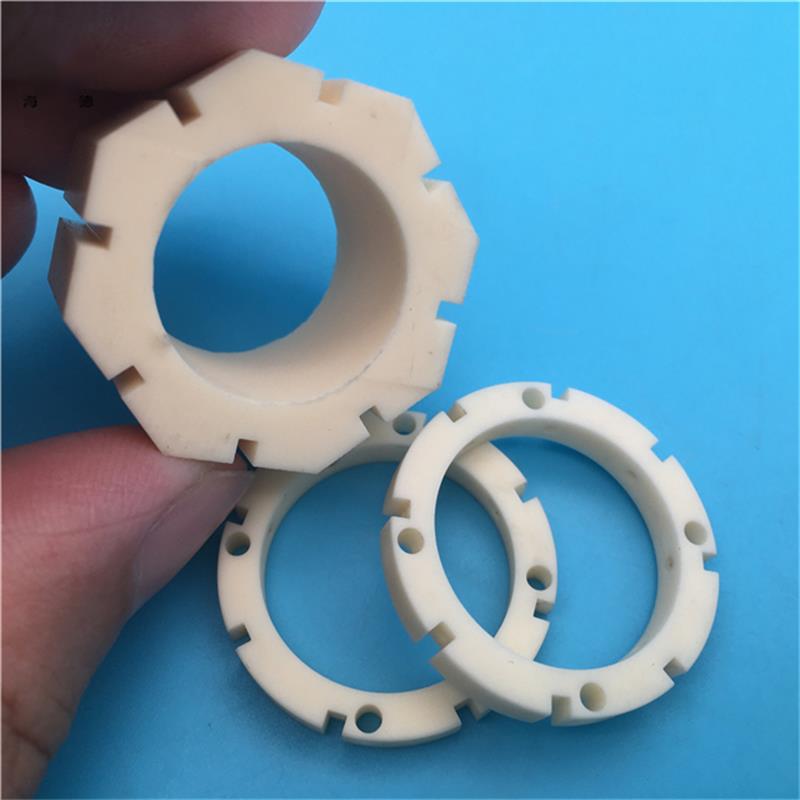
Alumina ceramic is widely used in industries including electronics, semiconductor equipment, mechanical engineering, chemical processing, medical devices, energy, and automation. Typical applications include electrical insulators, ceramic substrates, wear-resistant liners, sealing rings, pump components, thermocouple protection tubes, furnace fixtures, sensor housings, and precision mechanical parts. It is especially suitable when a material must combine electrical insulation with mechanical strength and high-temperature stability.

Advantages of Alumina Ceramic
One of the main advantages of alumina ceramic is its comprehensive performance. It offers high hardness, good wear resistance, strong electrical insulation, high-temperature stability, and good corrosion resistance in a single material system. Compared with many metals, alumina ceramic does not corrode easily in harsh chemical environments. Compared with engineering plastics, it can operate at much higher temperatures and under higher mechanical loads. Compared with some other advanced ceramics, alumina provides a relatively mature processing base and broad industrial availability.
Limitations of Alumina Ceramic
Despite its advantages, alumina ceramic has limitations. Like most ceramics, it is brittle and has low fracture toughness compared with metals. It is not suitable for applications involving high impact, bending stress, or unpredictable mechanical shock. Machining alumina ceramic after sintering is also more difficult and costly than machining metals or plastics, so design simplification and early tolerance planning are important. In addition, while alumina has good thermal conductivity for a ceramic, it is lower than that of metals and some specialized ceramic materials such as aluminum nitride.
Material Selection Guidance
Alumina ceramic should be considered when the application requires electrical insulation, wear resistance, high-temperature stability, or chemical resistance. It is less suitable when high toughness, impact resistance, or complex post-sintering machining is required. For electrical and high-temperature applications, higher-purity grades such as 99% or 99.5% alumina are often preferred. For general wear-resistant or structural applications where extreme electrical performance is not critical, 95% or 96% alumina may provide a more practical balance.
Engineers should also compare alumina ceramic with alternative materials based on operating temperature, mechanical loading, electrical requirements, environmental exposure, and manufacturing feasibility. In many cases, alumina ceramic is chosen not because it is the strongest material in every category, but because it provides a reliable combination of properties across multiple performance requirements.
Frequently Asked Questions
What is the main advantage of alumina ceramic?
Its main advantage is a balanced combination of high hardness, electrical insulation, thermal stability, and corrosion resistance.
Is alumina ceramic electrically conductive?
No. Alumina ceramic is an electrical insulator and is commonly used in electronic, semiconductor, and high-voltage applications.
Can alumina ceramic withstand high temperatures?
Yes. Alumina ceramic can operate at high temperatures, often above 1,000°C, depending on grade and service conditions.
What is the difference between 95% and 99% alumina ceramic?
Higher-purity alumina such as 99% generally provides better mechanical, thermal, and electrical performance, while 95% alumina may be used where requirements are less demanding.
Is alumina ceramic suitable for impact loading?
No. Alumina ceramic is brittle and not recommended for high-impact or high-shock applications.
How does alumina ceramic compare with metals?
Alumina ceramic offers better wear resistance, electrical insulation, and corrosion resistance than many metals, but it has lower toughness and is more sensitive to impact and tensile stress.
 What Is Polyimide (PI)
What Is Polyphenylene Sulfide (PPS)
What Is Polyimide (PI)
What Is Polyphenylene Sulfide (PPS)
 What is PEEK-for Engineers and Buyers
 Application Scope of Zirconia Ceramic Structural Components