
Ceramic Bolts: High-Performance Fastening Solutions That Push Beyond the Limits of Metal
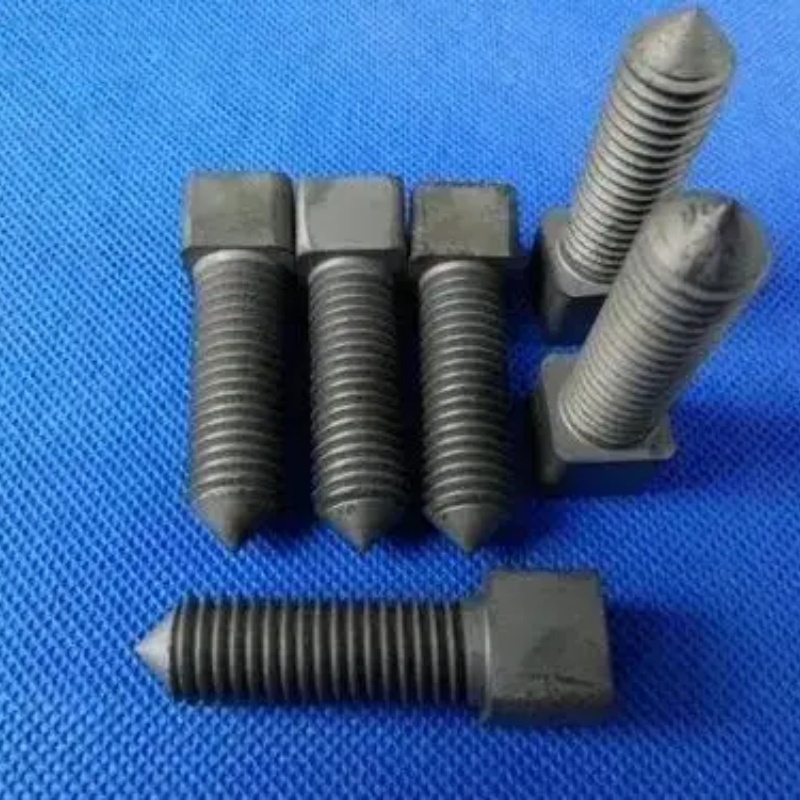
The emergence of ceramic bolt products is the result of material innovation driven by the demands of many specialized operating conditions in today’s market. Specifically, in 99% of ordinary applications (such as automotive, construction, and furniture), metal fasteners remain the undisputed first choice due to their overall performance, reliability, and cost advantages; However, in that remaining 1% of extreme or specialized applications (such as semiconductor equipment, high-temperature furnaces, chemical pumps, aerospace vehicles, and medical devices), metal materials are no longer sufficient, and this is where the value of ceramic bolts becomes evident, serving as the key to solving specific technical challenges.
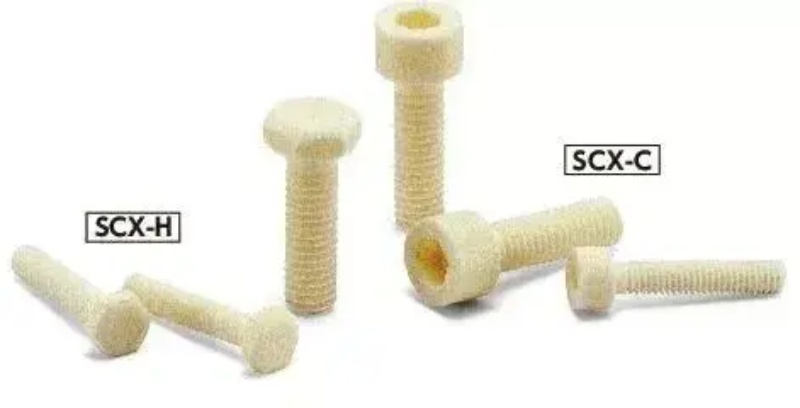
Common Ceramic Bolt Materials
Alumina Bolts: These represent the most economical ceramic fastening solution. When applications primarily require electrical insulation, corrosion resistance, or non-magnetic properties—but do not demand extreme mechanical strength or thermal shock resistance—alumina is a fully adequate and highly cost-effective choice. Bolts made from this material are the most widely produced; as the most fundamental and mature engineering ceramic, they serve as the entry-level industrial ceramic bolts on the market and enjoy high demand.
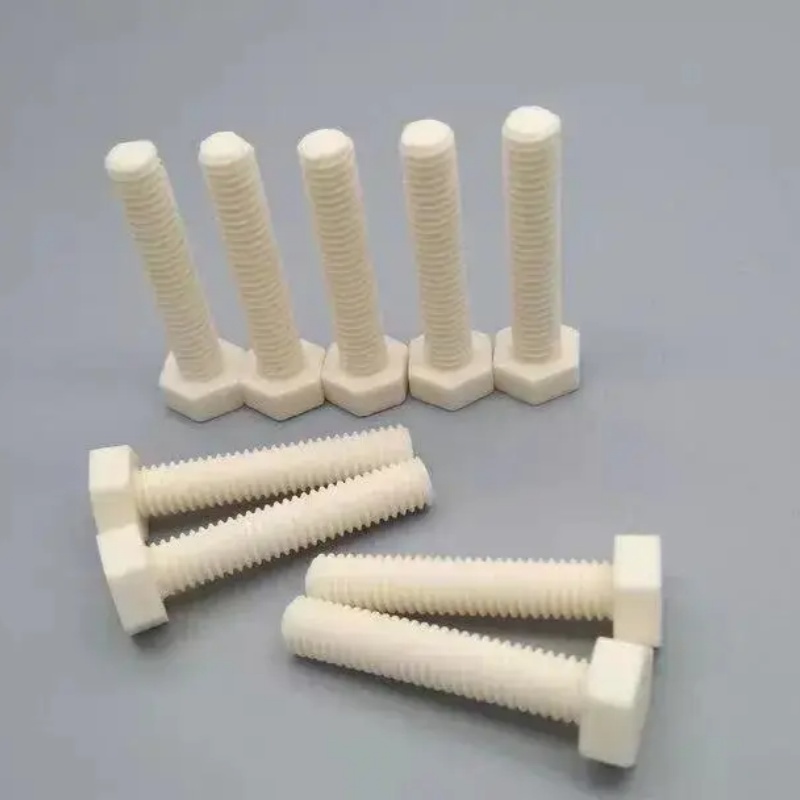
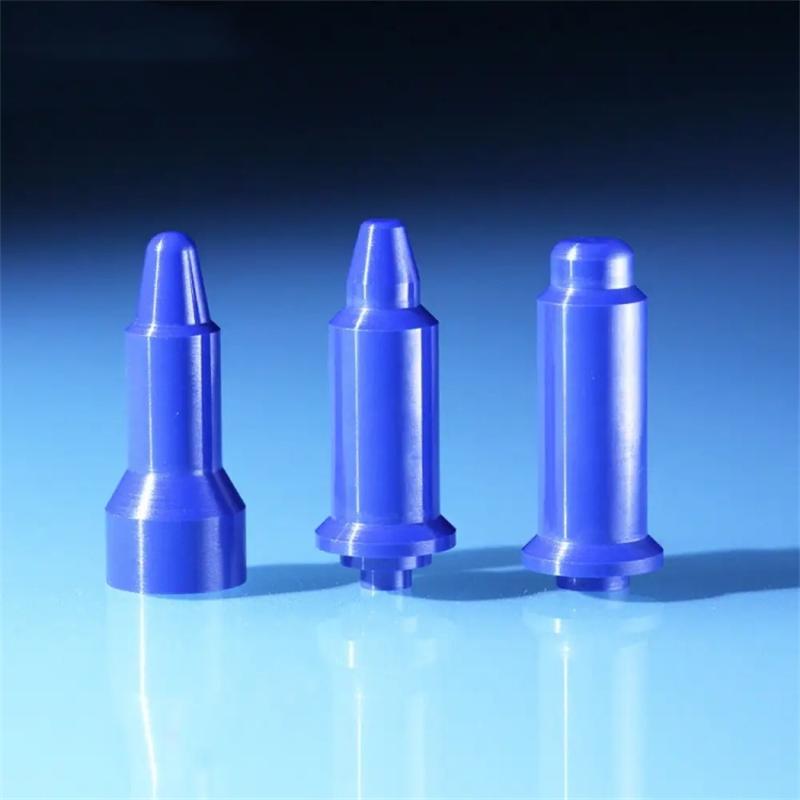
Zirconia Bolts: Their core advantages lie in outstanding toughness and crack resistance; compared to other ceramic materials, they are less prone to brittle fracture. At the same time, they offer excellent wear resistance and surface finish, maintaining stable dimensions and an aesthetically pleasing appearance even under prolonged stress or friction. In applications requiring resistance to impact or stress, coupled with high demands for dimensional accuracy and aesthetic appeal—such as in the medical device and semiconductor industries—its comprehensive performance makes it a critical fastening material for these high-end applications.
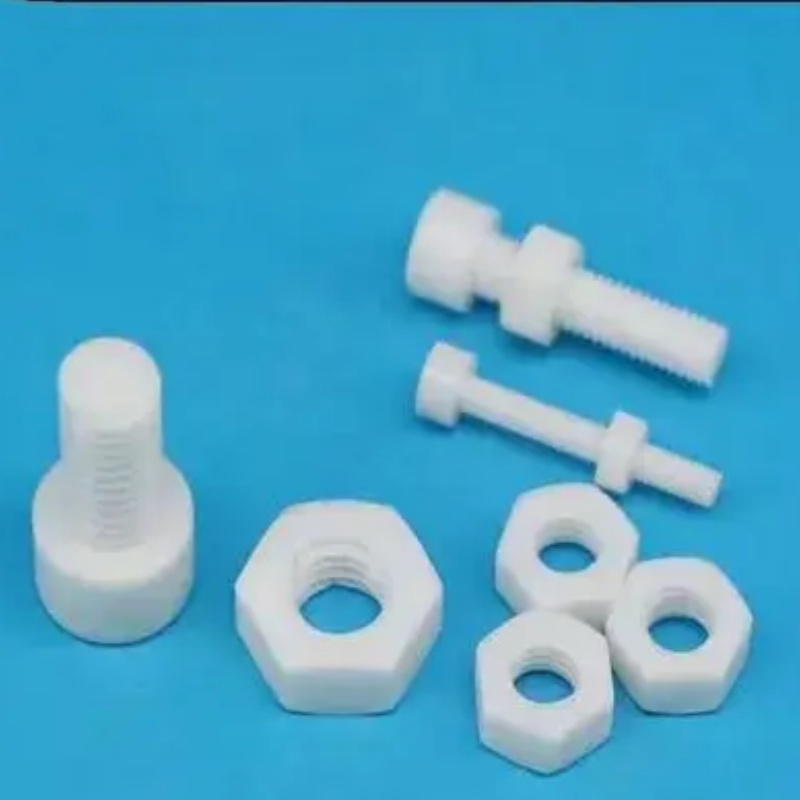
Silicon nitride bolts: This is the ceramic bolt material with the best combination of mechanical properties and thermal shock resistance. In applications requiring high strength, high toughness, and resistance to high-temperature impact, it is virtually the only choice. The technical barriers for silicon nitride powder preparation and sintering are relatively high. The number of companies capable of consistently producing high-quality silicon nitride structural components is far fewer than those for alumina and zirconia, and production is generally specialized. These products typically require advance customization, are rarely available off-the-shelf, and are expensive; however, they are star products for high-temperature, high-strength applications.
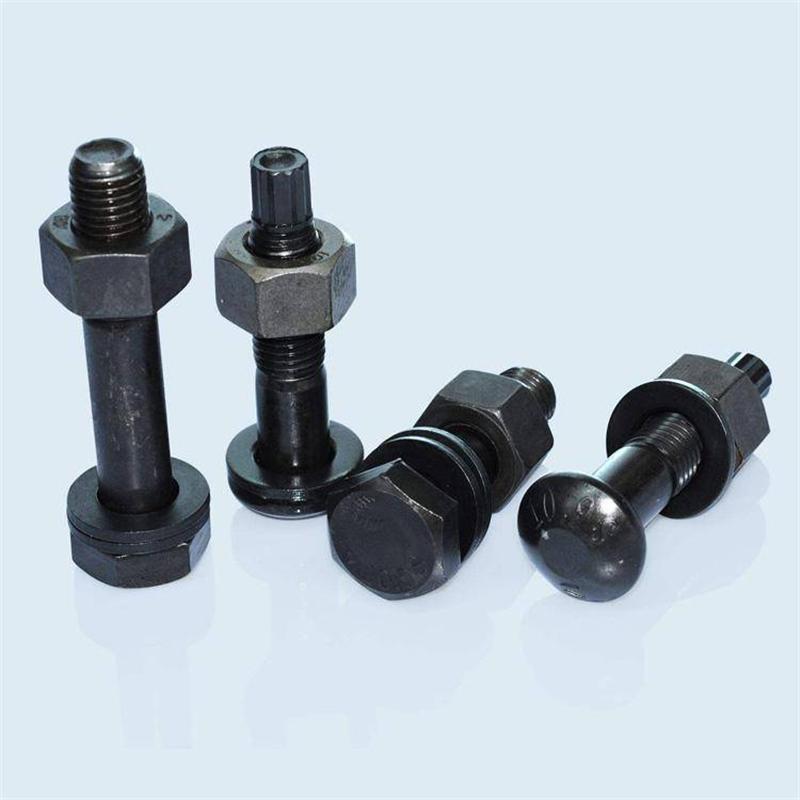
Silicon Carbide Bolts: Sintering silicon carbide is challenging (often requiring reaction sintering or hot-press sintering), and its machinability is poor (diamond grinding is almost the only option). Taken together, these factors result in production costs higher than those of other ceramic materials. These bolts are typically produced on a made-to-order basis to address specific, extreme operating conditions and are suitable for extreme environments where no other materials—including other ceramics—can perform adequately.
Main Applications of Ceramic Bolts
Ceramic bolts are currently primarily used in the fields of high-end manufacturing and scientific research equipment. Common applications include:
Semiconductor Equipment:
Cleanliness and purity are standard requirements in the semiconductor chip manufacturing process. Metal bolts release trace amounts of metal atoms in high-temperature or plasma environments; these contaminants can deposit on wafers, leading to degraded chip performance or even rendering them unusable. Ceramic bolts are inherently stable and do not contaminate the process environment. They also offer excellent plasma resistance and good vacuum performance, ensuring a clean chamber environment. They are widely used in critical components such as etchers, CVD/PVD equipment, and vacuum transport systems.
High-Temperature Furnaces and Heat Treatment Equipment:
In high-temperature industrial equipment such as sintering furnaces and heat treatment furnaces, when operating temperatures exceed the tolerance limits of high-performance alloys (typically >1000°C), metal bolts can soften and creep (slowly deform), leading to a loss of clamping force and connection failure. Bolt products made of silicon nitride and silicon carbide ceramics typically maintain extremely high strength and dimensional stability at temperatures above 1200°C, ensuring reliable connections during long-term high-temperature operation. They do not oxidize or rust at high temperatures, and their service life far exceeds that of metal.
Chemical and Corrosive Environments:
Even high-grade corrosion-resistant metals such as Hastelloy and titanium alloys can be corroded in specific media (e.g., hot concentrated hydrochloric acid and fluoride environments). Furthermore, fields such as chemical production and hydrometallurgy are rife with strong acids, strong alkalis, and various organic solvents. Zirconia and alumina ceramics exhibit excellent corrosion resistance against the vast majority of harsh chemicals. Using these ceramic bolts to secure non-metallic components of pumps, valves, or piping can prevent equipment failures or leaks caused by bolt corrosion and damage.
Electronic and Magnetron Systems:
Applications in these fields primarily leverage two key electrical properties of ceramics: electrical insulation and non-magnetism.
Electrical Insulation: In equipment such as high-voltage power supplies and radio frequency (RF) systems, ceramic bolts can securely fasten live components while serving a dual purpose of structural support and electrical insulation, thereby avoiding the complex structures associated with the use of insulating washers.
Non-magnetic Properties: In devices that are extremely sensitive to magnetic field fluctuations—such as electron microscopes, mass spectrometers, and magnetic levitation systems—any ferromagnetic metal component can interfere with the main magnetic field. Ceramic bolts ensure the “purity” of the entire magnetic circuit environment.
Aerospace and New Energy:
Aerospace Sector: Primarily leveraging ceramics’ lightweight (high specific strength) and high-temperature resistance properties, they are typically used in satellite optical platform mounts and for securing sensors in engine areas, thereby reducing launch weight while withstanding aerothermal stresses or high engine temperatures.
New Energy Sector: Typically used in high-temperature proton exchange membrane fuel cells to secure core components such as bipolar plates.
Medical Devices and Research Equipment:
Medical Devices: In MRI (magnetic resonance imaging) equipment, the use of any magnetic metals is strictly prohibited, making ceramic bolts the only reliable structural fastening solution. Additionally, in processing or testing equipment for certain implantable devices, contamination from metal ions must be avoided.
Research Equipment: In large-scale scientific facilities such as synchrotron radiation sources and particle accelerators, components must be non-magnetic, capable of withstanding ultra-high vacuum conditions, and radiation-resistant. Ceramic bolts are one of the few options that meet all these stringent requirements.

 What Is Polyimide (PI)
What Is Polyphenylene Sulfide (PPS)
What Is Polyimide (PI)
What Is Polyphenylene Sulfide (PPS)
 What is PEEK-for Engineers and Buyers
 Application Scope of Zirconia Ceramic Structural Components