
The Critical Role of Polymer Composites in Electric Vehicle Lightweighting
The automotive industry is undergoing a profound transformation. The shift from internal combustion engines to electric propulsion has fundamentally changed vehicle architecture, weight distribution, and performance requirements. Among the most critical engineering challenges in electric vehicle (EV) development is mass reduction—a factor that directly impacts driving range, battery efficiency, acceleration, braking performance, and overall vehicle dynamics.
Polymer composites have emerged as essential enabling materials for EV lightweighting strategies. Unlike traditional metals, these engineered material systems offer unique combinations of high specific strength, design flexibility, corrosion resistance, and functional integration capabilities that address the distinct demands of electric vehicle platforms. This article provides a comprehensive examination of polymer composite materials in EV applications, covering material systems, properties, manufacturing processes, design considerations, and selection criteria for engineering professionals and procurement specialists.
What Are Polymer Composites for Automotive Applications?
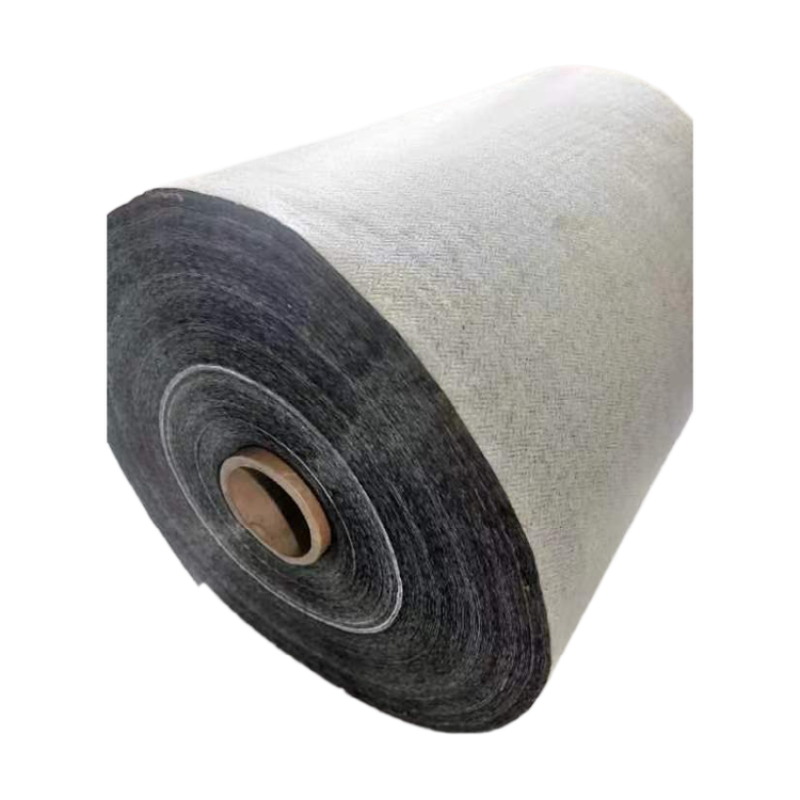
Polymer composites are engineered materials consisting of a polymer matrix reinforced with fibers, fillers, or other reinforcements. The matrix—either thermoset or thermoplastic—provides environmental protection, load transfer, and shape stability, while the reinforcement delivers mechanical strength and stiffness. In EV applications, these materials are formulated to meet specific performance requirements including mechanical strength, thermal management, electrical insulation, flame retardancy, and long-term durability.
The key distinction in automotive polymer composites lies in the matrix type. Thermoset composites, such as epoxy, polyester, and vinyl ester systems, cure through irreversible chemical crosslinking and offer high stiffness, temperature resistance, and dimensional stability. Thermoplastic composites, including polypropylene (PP), polyamide (PA), polybutylene terephthalate (PBT), and high-performance materials like polyether ether ketone (PEEK), provide faster processing, weldability, repairability, and recyclability advantages.
Why Polymer Composites Matter for EV Lightweighting
The relationship between vehicle mass and EV performance is direct and significant. Every kilogram of mass reduction contributes to extended driving range, reduced battery size requirements, improved acceleration, and better braking performance. For electric vehicles, reducing weight by 100 kg can increase driving range by approximately 6% to 11%, depending on the vehicle platform and driving cycle.
Beyond range benefits, lightweighting through polymer composites enables:
– Reduced battery pack size for equivalent range, lowering vehicle cost
– Smaller motors and powertrain components
– Improved handling and dynamics through lower unsprung mass
– Reduced tire wear and braking system requirements
– Lower overall vehicle energy consumption
The industry targets are ambitious. According to the Energy-Saving and New Energy Vehicle Technology Roadmap 2.0, fuel passenger vehicle lightweighting coefficients are expected to decrease by 25% by 2035, with pure electric passenger vehicles achieving a 35% reduction.
Key Polymer Composite Systems for EV Applications
Carbon Fiber Reinforced Polymers (CFRP)
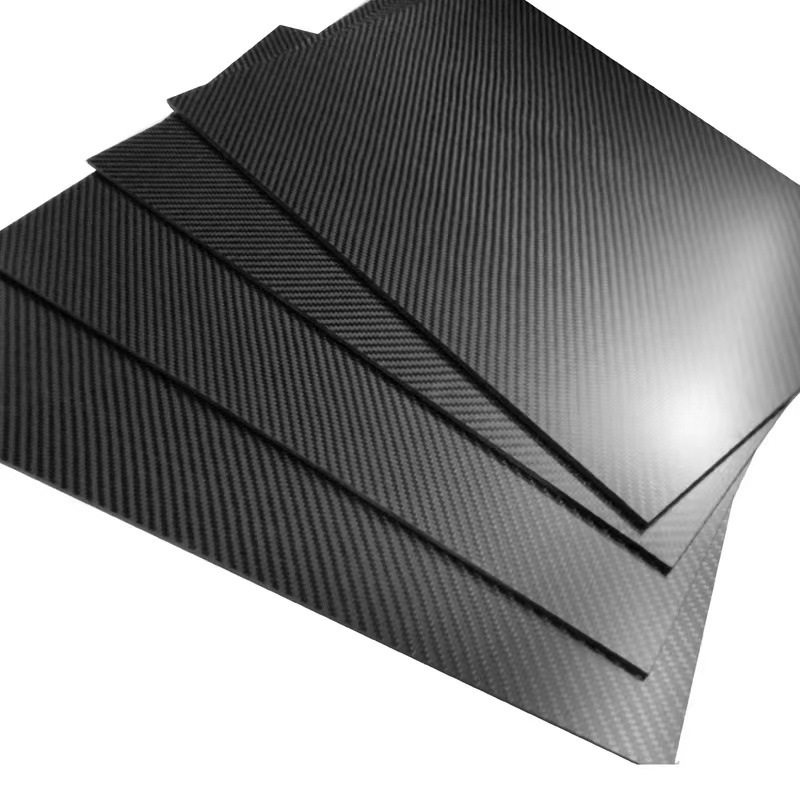
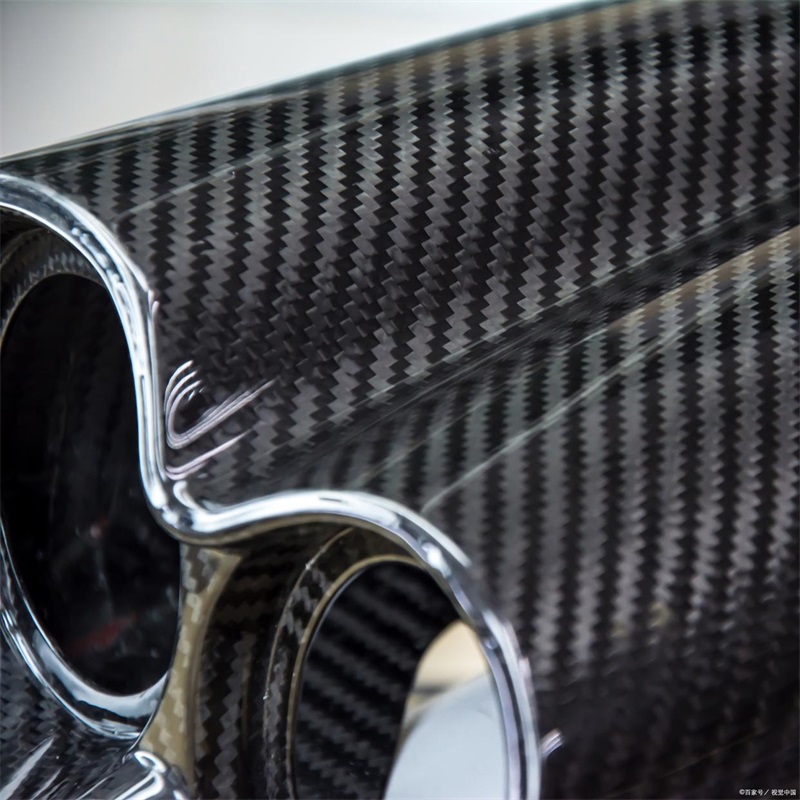
Carbon fiber reinforced polymers deliver exceptional specific stiffness and strength, making them ideal for structural applications where performance is critical. In EV battery enclosures, CFRP composites typically achieve approximately 30% to 40% mass reduction compared to aluminum, with potential savings approaching 50% versus steel. The material also provides corrosion resistance and lower thermal conductivity than metals, contributing to battery thermal management.
Recent research has demonstrated CFRP’s effectiveness in safety-critical components. Studies on T700/PA6.6 and T700/PPS thermoplastic CFRP systems have shown superior impact resistance in B-pillar applications, with optimized layer designs achieving up to 67.70% weight reduction while improving impact performance compared to metal counterparts.
Glass Fiber Reinforced Polymers (GFRP)
Glass fiber reinforced polymers offer cost-effective lightweighting solutions for less demanding structural applications. GFRP materials are widely used in underbody shields, closures, and non-primary structural components. Their advantages include lower material cost, good electrical insulation properties, and adequate mechanical performance for many automotive applications.
High-Performance Thermoplastics
Engineering thermoplastics such as polyamide (PA), polybutylene terephthalate (PBT), polycarbonate (PC), and their blends are replacing metals in motor housings, power electronics carriers, high-voltage connectors, and battery components. These materials provide electrical insulation, thermal stability, and mass reduction compared to metal designs while enabling functional integration and complex geometries through injection molding.
PBT-based connector housings, for example, combine electrical insulation and thermal stability while reducing mass compared to metal alternatives. Recent advanced connector families achieve footprints approximately 30% smaller than earlier designs while integrating EMI control, supporting lightweighting and packaging flexibility in 800V and higher-voltage architectures.
Hybrid and Nanocomposite Systems
Emerging material systems combine multiple reinforcement types or incorporate nanomaterials to achieve tailored property combinations. Hybrid composites combining carbon fiber, glass fiber, and graphene nanoplatelets in epoxy matrices are being developed for battery housings, enabling engineers to tune stiffness, thermal behavior, and fire resistance within a single material system.
Nanocomposites incorporating chitin nanowhiskers or other nanomaterials into polyamide matrices are being researched for lightweight structural applications, offering potential performance comparable to glass-reinforced plastics with reduced environmental impact.
Manufacturing Processes for EV Composite Components
Compression Molding
Compression molding remains a primary manufacturing method for automotive composite components, offering high production rates and good dimensional control. The process involves placing a preheated charge into a heated mold cavity, closing the mold under pressure, and curing the material to form the final part shape. This method is suitable for both thermoset and thermoplastic composite systems and enables the production of complex geometries with integrated features.
Injection Molding
For thermoplastic composites, injection molding provides high-volume production capability with excellent repeatability. The process allows for functional integration, consolidating multiple metal components into single molded parts with reduced assembly costs and weight. EV-specific material formulations include flame-retardant, hydrolysis-resistant, and chemically resistant grades that maintain performance in demanding underhood and battery applications.
Pultrusion
Pultrusion—a continuous process producing constant-cross-section profiles—is increasingly used for structural EV components. Pultruded composite sections reinforced with continuous fibers exhibit high longitudinal strength, making them suitable for structural applications such as chassis components and battery frame elements. Thermoset resin systems used in pultrusion directly influence corrosion resistance, temperature performance, surface quality, and mechanical properties.
Recent applications have utilized pultruded composites in EV chassis structures, taking advantage of their low density, high strength, flame retardancy, and electrical insulation properties. These characteristics address limitations of traditional metal structures, particularly the challenge of electrical conductivity in underbody applications where communication and power cables are distributed.
Filament Winding
Filament winding is used for cylindrical and axisymmetric components such as motor housings, battery enclosures, and structural tubes. The process involves winding continuous fiber rovings impregnated with resin onto a rotating mandrel in precise patterns, achieving high fiber volume fractions and optimized fiber orientations for specific loading conditions.
Additive Manufacturing
Three-dimensional printing of composite materials is emerging as a capability for prototyping, tooling, and low-volume production of complex composite structures. The technology enables rapid design iteration and the production of geometries difficult to achieve through conventional processes.
Key Properties and Performance Characteristics
Mechanical Properties
Polymer composites deliver high strength-to-weight and stiffness-to-weight ratios that exceed those of conventional metals. Specific tensile strength and specific modulus values for carbon fiber composites significantly outperform aluminum and steel, enabling mass reduction without compromising structural performance.
Recent research on hybrid PP composites reinforced with agricultural residues demonstrates the potential for sustainable material systems achieving tensile strengths of 29.51 MPa, flexural strengths of 64.61 MPa, and impact strengths of 6.976 kJ/m²—values exceeding conventional natural fiber PP composites. These property improvements result from enhanced interfacial adhesion achieved through chemical treatments that remove hemicellulose and lignin while increasing surface roughness and fibrillation.
Thermal Properties
Polymer composites exhibit lower thermal conductivity than metals, providing thermal insulation benefits for battery thermal management. This property helps maintain battery operating temperatures and reduces thermal loads on adjacent components. High-temperature thermoplastics such as PEEK and specialized thermoset formulations maintain mechanical properties at elevated temperatures encountered in powertrain and battery applications.
Electrical Properties
The electrical insulation properties of polymer composites are critical in EV applications where high-voltage systems require safe isolation. Polymers and composites provide high dielectric strength, enabling compact component design while ensuring electrical safety. These materials are used in busbar overmolds, high-voltage connectors, and insulation systems where electrical performance is paramount.
Flame Retardancy
EV battery systems require materials that resist ignition and limit flame spread in thermal runaway events. Flame-retardant formulations of both thermoset and thermoplastic composites are available, with performance tailored to meet automotive safety standards and battery pack requirements.
Advantages of Polymer Composites in EV Applications
Mass Reduction
The most significant advantage of polymer composites is their potential for mass reduction. By replacing steel or aluminum with composite materials, engineers can achieve substantial weight savings while maintaining or improving structural performance. In battery pack applications, composite enclosures typically achieve approximately 30% to 40% mass reduction versus aluminum, with potential savings approaching 50% versus steel.
Design Freedom
Polymer composites offer exceptional design flexibility. Unlike metals, which require joining of multiple components, composite materials can be molded into complex, integrated shapes that consolidate multiple functions into single parts. This reduces assembly costs, eliminates joining hardware, and enables topology-optimized designs that minimize mass while maximizing structural efficiency.
Corrosion Resistance
Unlike steel and aluminum, polymer composites do not corrode in automotive environments. This eliminates the need for protective coatings, extends component life, and reduces maintenance requirements. Corrosion resistance is particularly valuable in battery enclosures and underbody applications where exposure to moisture, road salts, and chemicals is common.
Functional Integration
Composites can be formulated to provide multiple functions beyond structural support. Thermal management, electrical insulation, flame retardancy, electromagnetic interference shielding, and sensing capabilities can be engineered into composite materials, reducing the need for secondary components and assembly operations.
Crash Energy Absorption
Composite materials exhibit favorable crash energy absorption characteristics, making them suitable for safety-critical applications. Carbon fiber reinforced thermoplastics, in particular, have demonstrated superior impact resistance in structural components such as B-pillars. The ability to tailor fiber orientation and layup enables engineers to optimize energy absorption for specific loading scenarios.
Limitations and Challenges
Material Cost
High-performance composite materials, particularly carbon fiber systems and advanced thermoplastics, remain more expensive than traditional metals. The cost of carbon fiber composites can be substantially higher than steel or aluminum, although prices continue to decrease with production scale and process improvements. End-user prices for materials like PBT have remained stable at approximately 10,000 RMB per ton, while semi-crystalline thermoplastic composites show decreasing price trends.
Manufacturing Complexity
Composite manufacturing requires specialized equipment, skilled labor, and quality control procedures that add complexity and cost compared to metal fabrication. Processes such as autoclave curing, resin transfer molding, and filament winding require careful parameter control to achieve consistent material properties.
Recyclability
Thermoset composites are difficult to recycle due to their crosslinked molecular structure, presenting end-of-life challenges. Thermoplastic composites offer better recyclability through reprocessing, but economic and technical challenges remain for mixed-material waste streams. Ongoing research is addressing these issues through material innovations and recycling infrastructure development.
Design Knowledge Requirements
Effective composite design requires specialized knowledge of anisotropic material behavior, failure modes, and manufacturing constraints. Unlike isotropic metals, composites require consideration of fiber orientation, ply stacking sequence, and processing effects on final properties. This expertise is not always readily available in engineering organizations.
Applications in Electric Vehicles
Battery Enclosures
Battery enclosures represent one of the most significant opportunities for composite lightweighting in EVs. These structures must protect battery cells from impact, manage thermal conditions, provide electrical insulation, and withstand vehicle loads. Composite battery enclosures can achieve 30% to 50% mass reduction compared to metal alternatives while providing corrosion resistance and lower thermal conductivity.
Advanced dual-matrix composite materials are being developed that combine thermoset and thermoplastic matrices to harness complementary properties: thermosets provide mechanical stiffness, while thermoplastics soften at high temperatures to absorb energy during thermal runaway events. These multifunctional designs integrate active cooling cores and self-sensing capabilities.
Body-in-White Structures
Composite materials are increasingly used in body-in-white applications, where mass reduction directly impacts vehicle efficiency and performance. Carbon fiber reinforced thermoplastic B-pillars have demonstrated weight reductions of up to 67.70% while improving impact resistance compared to steel designs. Structural adhesives enable mixed-material body structures that combine aluminum, advanced high-strength steel, CFRP, and magnesium, achieving system-level mass reductions of approximately 10%.
Power Electronics and Motor Components
Engineering thermoplastics are replacing metals in motor housings, power electronics carriers, and high-voltage connectors. These substitutions reduce mass by replacing multi-part metal assemblies with integrated molded structures that provide electrical insulation, embedded features, and design flexibility. PBT-based connector housings combine electrical insulation and thermal stability while reducing mass compared to metal designs.
Chassis and Suspension Components
Pultruded composite sections are being employed in EV chassis structures, offering benefits including low density, high strength, flame retardancy, and electrical insulation. These properties address the challenge of electrical conductivity in underbody applications and provide design freedom for functional integration.
Interior and Trim Components
While less critical for mass reduction, composites and polymers are widely used in interior applications where they provide weight savings, design freedom, and cost advantages compared to traditional materials.

Industry Standards and Specifications
Engineering professionals should be aware of relevant standards governing composite materials in automotive applications. Key standards include SAE International Standards for composite materials in automotive applications, ISO 1043 for plastics symbols and abbreviated terms, ASTM D3039 for tensile properties of polymer matrix composite materials, ASTM D790 for flexural properties of unreinforced and reinforced plastics, automotive manufacturer specifications that define material requirements for specific applications, and GB 38031-2020 for electric vehicle battery safety requirements.

Design Considerations for Composite EV Components
Effective design with polymer composites requires consideration of several factors that differ from traditional metal design approaches.
Anisotropic Material Behavior
Unlike isotropic metals, composite materials exhibit direction-dependent properties based on fiber orientation. Designers must consider the loading direction and orient reinforcements accordingly to achieve optimal performance. Off-axis loading can reduce effective strength and stiffness significantly.
Joint Design
Composite joints require careful design to avoid stress concentrations and premature failure. Bonded joints typically outperform mechanical fasteners by distributing loads over larger areas. Structural adhesives in multi-material joints enable load transfer without stress concentrations associated with mechanical fasteners.
Environmental Effects
Composite properties can be affected by temperature, humidity, and chemical exposure. Designers must consider the service environment and select materials with appropriate resistance to these factors. Automotive applications require materials that withstand underhood temperatures, road salt exposure, and other environmental stressors.
Processing-Microstructure-Property Relationships
Composite properties are determined not only by constituent materials but also by processing conditions. Fiber orientation, void content, resin cure state, and fiber-matrix adhesion all influence final part performance. Design must consider manufacturing constraints and variability.
Damage Tolerance
Composites can be susceptible to impact damage that is not visually apparent but reduces residual strength. Damage tolerance analyses and design strategies should account for potential service damage and maintain safety margins.
Selection Guide for Polymer Composites in EV Applications
Selecting the appropriate composite material for an EV application requires careful consideration of multiple interrelated factors.
For battery enclosures, CFRP, GFRP, and hybrid composite systems are recommended, with key considerations including impact resistance, thermal management, flame retardancy, and cost constraints. These applications demand materials that provide robust mechanical protection while contributing to battery thermal regulation and fire safety.
For body structures, CFRP, continuous fiber thermoplastics, and hybrid composites are preferred, with primary focus on strength-to-weight ratio, crash performance, and manufacturing volume feasibility. These structural applications require materials that can absorb crash energy while minimizing mass.
For power electronics components, PBT, PA, and PC materials are commonly specified, with critical requirements including electrical insulation, thermal stability, and adequate creepage and clearance distances for high-voltage safety.
For motor housings, PA, PPS, and high-temperature thermoplastics are selected based on their temperature resistance and dimensional stability under operating conditions.
For underbody shields, GFRP and hybrid composites provide the necessary impact resistance and corrosion protection at acceptable cost levels.
For connectors, PBT, LCP, and high-temperature nylons are chosen for their electrical properties, dimensional stability, and compatibility with high-volume injection molding processes.
Cost considerations significantly influence material selection. For semi-crystalline thermoplastics used in automotive applications, average prices were approximately 5,200 RMB per ton in 2023-2024, showing a decreasing trend. However, carbon fiber materials remain significantly more expensive and are typically reserved for applications where their performance advantages justify the cost premium.
Common Problems and Design Pitfalls
Insufficient Understanding of Anisotropic Behavior
A common failure mode in composite components results from designing as if the material were isotropic. Engineers accustomed to metals may not account for direction-dependent properties, leading to under-designed components when loads act off the fiber axis.
Inadequate Joining Design
Bolted joints in composites can create stress concentrations that lead to premature failure. Bonded joints, when properly designed, avoid this issue and improve load distribution.
Ignoring Manufacturing Constraints
Designs that cannot be economically or reliably manufactured often fail in production. Early engagement with manufacturing engineers is essential to ensure manufacturability and quality control.
Underestimation of Long-Term Property Degradation
Environmental exposure, fatigue loading, and creep can degrade composite properties over time. Service life predictions should account for these effects through appropriate testing and design margins.
Overlooking Thermal Management Requirements
Composite materials’ lower thermal conductivity compared to metals can affect battery thermal management. Designers must ensure that composite enclosures provide adequate thermal pathways or integrate cooling features as required.
Failure to Address Damage Tolerance
Composites can sustain impact damage that is not visually apparent. Appropriate design margins, inspection procedures, and damage tolerance analyses should be incorporated to ensure safety.
Frequently Asked Questions
What is the typical weight reduction achieved by replacing steel with CFRP in EV structural components?
Weight reduction typically ranges from 40% to 67% depending on the component and design optimization. B-pillar replacements have demonstrated up to 67.70% mass reduction while maintaining or improving impact performance. Battery enclosures using CFRP typically achieve 30% to 50% reduction compared to steel.
How much can EV range be improved through composite lightweighting?
For electric vehicles, reducing mass by 100 kg can increase driving range by approximately 6% to 11%, depending on the vehicle platform and driving cycle. Range improvement is not linear and varies with vehicle characteristics, but mass reduction remains one of the most effective methods for extending EV range.
What is the difference between thermoset and thermoplastic composites for EV applications?
Thermoset composites cure through irreversible chemical crosslinking, providing high stiffness, temperature resistance, and dimensional stability. Thermoplastic composites can be melted and reformed, offering faster processing, weldability, repairability, and recyclability advantages. Both material types are used in EV applications, with the choice depending on specific requirements.
Are polymer composites cost-effective for high-volume EV production?
Cost effectiveness depends on the application. Thermoplastic composites processed through injection molding can be highly cost-effective for high volumes. CFRP remains more expensive but costs continue to decline. Material prices for semi-crystalline thermoplastics averaged approximately 5,200 RMB per ton in 2023-2024. Design consolidation and functional integration can offset material costs through assembly reduction.
What are the primary challenges in recycling automotive composites?
Thermoset composites cannot be readily recycled due to their crosslinked molecular structure. Thermoplastic composites are more recyclable through reprocessing, but economic and technical challenges remain for mixed-material waste streams. Ongoing research is addressing recyclability through material innovations and recycling infrastructure development.
How do composite battery enclosures handle thermal runaway events?
Advanced dual-matrix composites combine thermoset and thermoplastic matrices: thermosets provide mechanical stiffness, while thermoplastics soften at high temperatures to absorb energy and enhance safety during thermal runaway events. Flame-retardant formulations and integrated cooling features further improve safety.
What tests are required to validate composite EV components?
Typical validation includes mechanical property testing (tensile, flexural, impact), environmental exposure testing (temperature cycling, humidity, chemical resistance), fatigue testing, crash performance evaluation, and electrical property testing for high-voltage applications. Standards such as ASTM D3039 for tensile properties and GB 38031-2020 for battery safety apply.
Can polymer composites match the crash performance of steel?
Yes, properly designed composite structures can meet or exceed crash performance of steel while significantly reducing mass. Carbon fiber reinforced thermoplastic materials have demonstrated superior impact resistance in B-pillar applications. Advanced design optimization using machine learning and neural networks enables composite structures that satisfy crash requirements while minimizing weight.
What are the latest developments in sustainable composite materials for EVs?
Research includes natural fiber-reinforced composites using agricultural residues such as rice straw and foxtail millet husk, achieving mechanical properties exceeding conventional natural fiber composites. Chitin nanomaterials are being developed for polyamide composites, offering performance comparable to glass-reinforced plastics with reduced environmental impact. Bio-based and recycled materials are increasingly available.
How should engineers approach material selection for composite EV components?
Material selection should consider mechanical requirements, environmental conditions, manufacturing volume, cost targets, and regulatory requirements. A multi-material approach often provides optimal solutions, combining different composite systems where their respective advantages are most valuable.
What are the best joining methods for composite-to-metal hybrid structures?
Structural adhesives are preferred for joining composites to metals in mixed-material structures. Adhesive bonding replaces spot welds and mechanical fasteners, reducing stress concentrations and enabling lighter structures with improved torsional stiffness. Bonded flanges and continuous joints distribute loads more uniformly than discrete fastener arrays.
What are the design rules specific to composites in EV chassis applications?
Design rules include accounting for anisotropy by orienting reinforcements along primary load paths, using bonded joints to avoid stress concentrations, designing for manufacturability constraints, incorporating damage tolerance considerations, and evaluating environmental effects on long-term performance. Finite element analysis and topology optimization are essential tools for effective composite design.
Polymer composites are essential enabling materials for electric vehicle lightweighting strategies. Their unique combination of high specific strength, design flexibility, functional integration, and performance tunability addresses the distinct demands of electric vehicle platforms, from battery enclosures and body structures to power electronics and chassis components.
The range of available material systems—from cost-effective glass fiber composites and engineering thermoplastics to high-performance carbon fiber systems and emerging nanocomposites—provides engineers with a broad palette for optimizing designs across performance, cost, and sustainability criteria. Advanced manufacturing processes including compression molding, injection molding, pultrusion, and additive manufacturing enable production at varying scales with appropriate economics.
While challenges remain in material cost, manufacturing complexity, and recyclability, ongoing research and development continue to expand the capabilities and economic viability of polymer composites for EV applications. The industry trend toward increased composite usage is clear, driven by the fundamental relationship between vehicle mass and EV performance.
For engineering professionals and procurement specialists, successful application of polymer composites requires understanding of material behavior, design principles, manufacturing constraints, and industry standards. With this knowledge, composites can be effectively employed to meet the demanding requirements of next-generation electric vehicles.
 Metals vs. Ceramics vs. Composites: Engineer’s Guide to Material Selection
Material Selection Guide for Corrosive Environments
 Alloys vs. Ceramics vs. Polymers for High-Temperature Applications
 Comparative Analysis of Automotive Lightweighting Materials