
Resin Matrix Composites: A Comprehensive Engineering Guide to Polymer-Based Composite Materials
Resin matrix composites, also known as polymer matrix composites (PMCs) or fiber-reinforced plastics (FRPs), represent the most widely used and technologically mature class of composite materials in modern engineering. These materials combine a polymeric resin with reinforcing fibers to create a synergistic system with properties superior to those of their individual constituents. From the aerospace structures that enable commercial flight to the wind turbine blades harnessing renewable energy and the sporting goods that push human performance, resin matrix composites have fundamentally transformed how engineers approach lightweight, high-performance design. Understanding these materials is essential for materials engineers, design professionals, and procurement specialists involved in advanced manufacturing.
What Are Resin Matrix Composites?
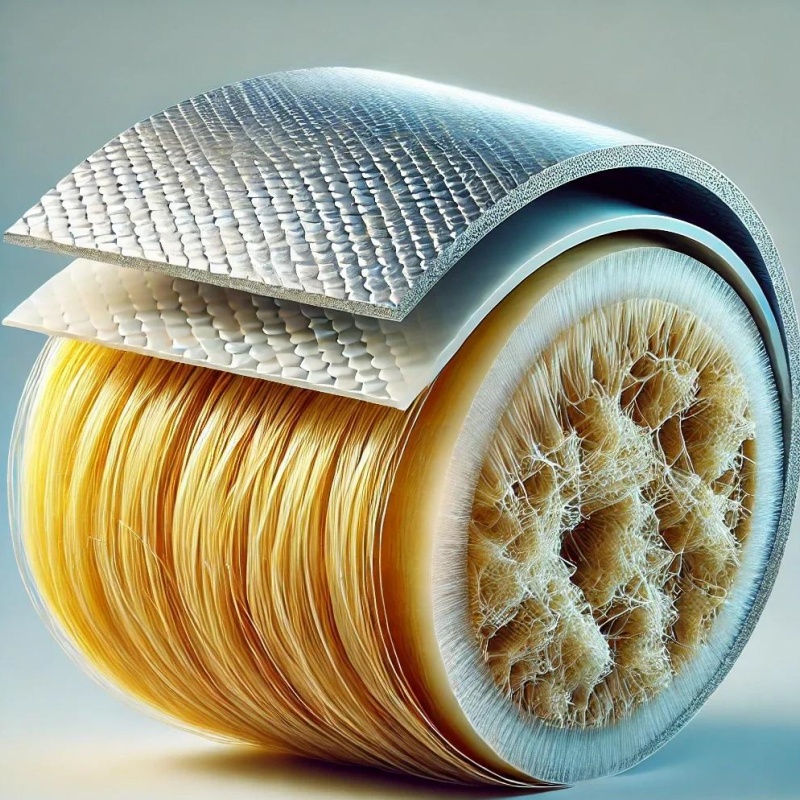
Resin matrix composite is a multiphase material consisting of a polymer matrix phase that binds and surrounds a dispersed reinforcement phase, typically fibers or particles. The polymer matrix serves multiple critical functions: it transfers load between reinforcing fibers, protects them from environmental degradation, provides interlaminar shear strength, and determines the composite’s overall service temperature limitations and environmental resistance.
Resin matrix composites are also commonly referred to as fiber-reinforced polymers (FRPs) or, when glass fiber is the reinforcement, glass-reinforced plastics (GRP) or fiberglass. The development of these materials began in 1932, with significant military applications emerging during World War II, including fiberglass-reinforced polyester radar domes for aircraft. Today, they constitute a global industry serving sectors ranging from aerospace and automotive to construction and renewable energy.
Composition and Structure
The Matrix Phase: Thermosets vs. Thermoplastics
The polymer matrix is the continuous phase that binds the reinforcement together. Polymeric matrices fall into two fundamental categories with distinct characteristics that influence every aspect of composite performance.
Thermosetting Polymers
Thermosets form a covalently bonded, three-dimensional network during curing that is irreversible. Once cured, these materials cannot be remelted or reshaped, which provides excellent thermal and dimensional stability but limits processing options. Epoxy resins dominate the high-performance composite industry, offering outstanding mechanical properties, exceptional adhesion to reinforcing fibers, and good chemical resistance. Their low initial viscosity before curing enables thorough fiber wet-out and impregnation, critical for achieving high composite quality.
Unsaturated polyester resins provide a lower-cost alternative with a good balance of mechanical properties and processing ease, making them the workhorse of the marine and general-purpose composites industry. Phenolic resins, while more limited in mechanical performance, offer excellent fire resistance and low smoke emission, making them the preferred choice for interior aircraft components and mass transit applications where fire safety is paramount.
For extreme-temperature applications, bismaleimides (BMI) provide service capability up to approximately 250°C, while polyimides extend to 300°C or higher, though at significantly increased material cost and processing complexity. These high-temperature thermosets enable composite use in engine nacelles, exhaust structures, and other thermal environments where standard epoxies would degrade.
Thermoplastic Polymers
Thermoplastics consist of linear or lightly branched polymer chains that can be repeatedly softened by heating and solidified by cooling without chemical change. This reversible behavior offers inherent advantages in toughness, damage tolerance, processing speed, and recyclability potential. Polyetheretherketone (PEEK) provides the highest continuous service temperature among common thermoplastics at approximately 250°C, combined with outstanding chemical resistance and toughness.
Polyphenylene sulfide (PPS) offers an intermediate cost option with good thermal and chemical resistance, while polyetherimide (PEI) provides a balance of performance and processability. Aromatic polyimides and liquid crystalline polyesters complete the thermoplastic matrix spectrum, each with specific property advantages for targeted applications.
The key distinction between thermosets and thermoplastics lies in their processing and performance trade-offs. Thermosets generally offer higher stiffness and creep resistance at elevated temperatures, while thermoplastics provide superior toughness, faster processing cycles, and the ability to be welded or reformed. This fundamental material difference drives the selection process for any engineering application.
The Reinforcement Phase
The reinforcement provides strength and stiffness to the composite. Glass fibers, specifically E-glass, represent the most widely used reinforcement globally, offering an optimal balance of good strength at low cost for general-purpose composites. S-glass provides higher strength and stiffness for more demanding applications, though at increased cost. Carbon fibers deliver the highest specific stiffness and strength among commercially available reinforcements, with standard modulus grades offering excellent performance for most structural applications and high-modulus grades providing exceptional stiffness for precision-critical components. Aramid fibers, such as Kevlar and Nomex, contribute high specific strength combined with outstanding impact resistance and toughness, though they present greater processing challenges. Boron fibers, while expensive, provide exceptional stiffness for specialized aerospace applications. Natural fibers, including flax, hemp, and jute, are emerging as sustainable alternatives for specific non-structural or semi-structural applications where environmental impact is prioritized over ultimate performance.
The Fiber-Matrix Interface
The interface between fiber and matrix plays a critical role in composite performance that is often underestimated by design engineers. The matrix must form an effective adhesive bond with the fibers to enable load transfer from the matrix to the reinforcing phase, prevent fiber pull-out under stress, resist environmental attack at the interface, and maintain composite integrity throughout the service life. The interface is typically optimized through fiber surface treatments and sizing—coatings applied to fibers during manufacturing that promote wetting, adhesion, and handling characteristics. The quality of this interface directly influences composite strength, toughness, and durability, making it a critical consideration in material selection and processing.
Manufacturing Process
Resin matrix composites are manufactured through a variety of processes, each with specific capabilities and limitations that influence material selection and design.
Hand Lay-up remains the simplest and most versatile process, involving manual placement of reinforcement layers saturated with resin. This method offers low tooling investment and can produce large, complex parts, but it is labor-intensive, quality-dependent on operator skill, and produces moderate fiber volume fractions typically between 30 and 40 percent.
Spray-up accelerates the process by spraying chopped fibers and resin simultaneously onto the mold surface. This method provides faster production than hand lay-up but with reduced fiber alignment control and limited mechanical properties.
Compression Molding uses matched metal molds and heat to form sheet molding compound or bulk molding compound into finished parts. This high-volume process offers excellent surface finish and dimensional control, with cycle times of one to five minutes, though tooling costs are substantial.
Resin Transfer Molding injects liquid resin into a closed mold containing dry fiber preforms. This process provides good fiber volume fractions of 40 to 50 percent, excellent dimensional control, and low volatile emissions, making it suitable for medium-volume production of complex parts.
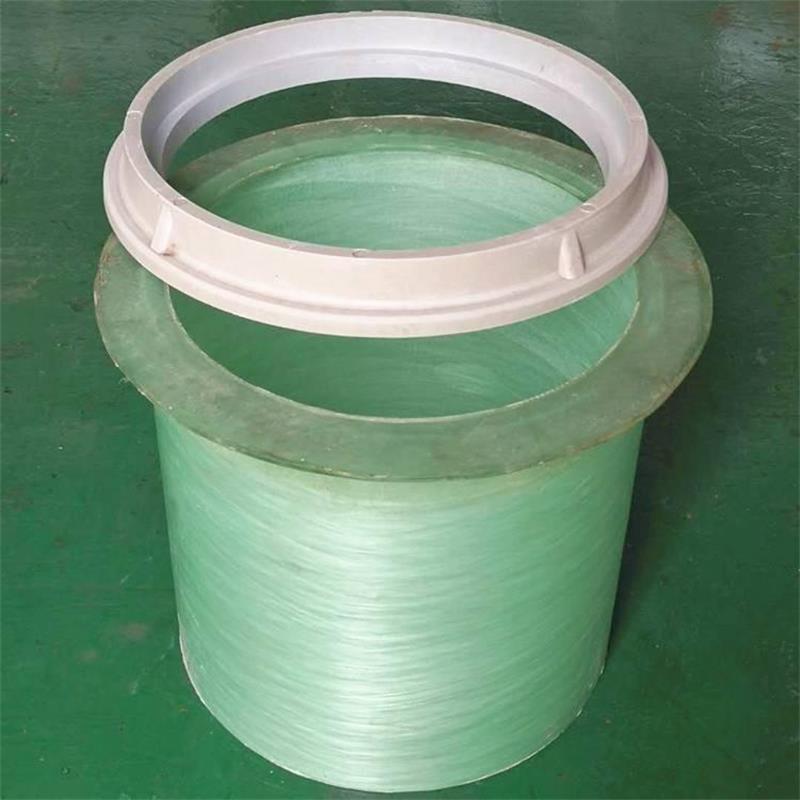
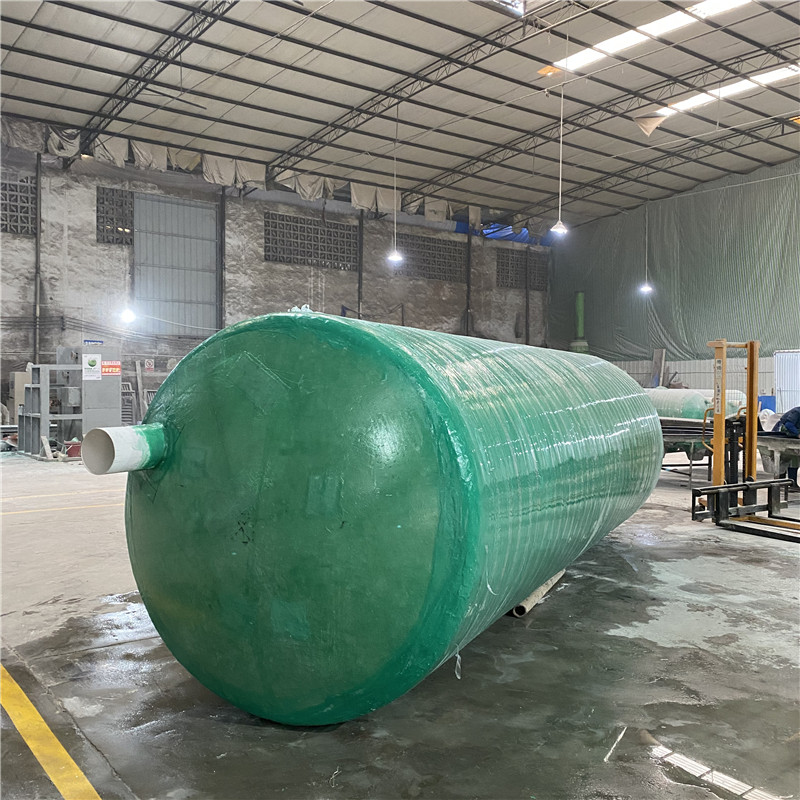
Filament Winding precisely places continuous resin-impregnated fibers onto a rotating mandrel to create hollow structures. This highly automated process achieves fiber volume fractions of 60 to 70 percent, the highest among manufacturing methods, with excellent property consistency, though it is geometrically limited to rotationally symmetric parts.
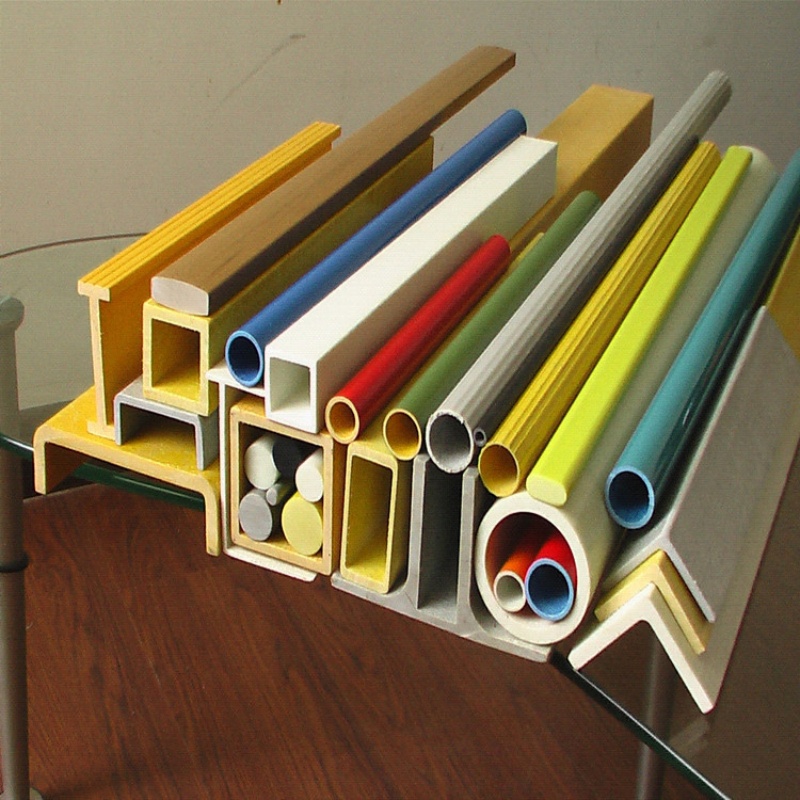
Pultrusion continuously pulls resin-impregnated fibers through a heated die to produce constant cross-section profiles. This cost-effective method achieves fiber volume fractions of 40 to 70 percent with excellent property consistency for structural profiles, beams, and rods.
Autoclave Processing, the gold standard for aerospace composites, cures prepreg materials under vacuum, heat, and pressure. This process achieves the highest composite quality with fiber volume fractions of 55 to 65 percent and minimal porosity, though capital equipment and operating costs are extremely high.
Thermoplastic Consolidation applies heat and pressure to consolidate thermoplastic composite materials, producing parts with processing cycles measured in minutes rather than hours for thermosets. This process offers recycling potential and indefinite material shelf life but requires high processing temperatures and pressures.
Key Properties and Specification Data
Mechanical Properties
The mechanical performance of resin matrix composites is defined by their anisotropic nature, meaning properties vary with direction relative to fiber orientation. For unidirectional composites—the highest-performance architecture—the longitudinal modulus follows the rule of mixtures, representing a weighted average of fiber and matrix moduli based on volume fractions. Standard carbon fiber-epoxy composites achieve longitudinal moduli of 120 to 150 gigapascals at 60 percent fiber volume, with tensile strengths of 1,500 to 2,500 megapascals. The transverse modulus, in contrast, is matrix-dominated and typically ranges from only 8 to 12 gigapascals, highlighting the dramatic anisotropy inherent in these materials.
In-plane shear modulus for unidirectional carbon-epoxy composites generally falls between 4 and 6 gigapascals, while major Poisson’s ratio is approximately 0.28. These property values scale with fiber content and orientation, with woven fabric composites providing more balanced but lower ultimate properties than unidirectional architectures. The longitudinal compressive strength, critical for many structural applications, typically reaches 1,000 to 1,500 megapascals for carbon-epoxy systems, though this is sensitive to fiber straightness and matrix support.
Glass fiber-epoxy composites offer lower absolute properties but at significantly reduced cost. At 60 percent fiber volume, longitudinal modulus reaches approximately 40 to 45 gigapascals, with tensile strength of 800 to 1,200 megapascals. The lower modulus of glass fibers (approximately 72 gigapascals for E-glass compared to 230 to 240 gigapascals for standard carbon) accounts for this property differential, though the cost differential is similarly dramatic.
Strength-to-Weight and Stiffness-to-Weight Ratios
The engineering significance of resin matrix composites lies not in their absolute properties but in their specific properties—properties normalized by material density. Carbon-epoxy composites at 60 percent fiber volume exhibit a density of approximately 1.55 grams per cubic centimeter, compared to 2.7 for aluminum and 7.9 for steel. The resulting specific stiffness of carbon-epoxy reaches 80 to 100 megameters, approximately four times that of steel and two to three times that of aluminum. Specific strength of carbon-epoxy exceeds 1,200 kilonewton-meters per kilogram, compared to approximately 200 for steel and 150 for aluminum, explaining the dramatic weight savings achievable with advanced composites.
Fatigue Performance
Resin matrix composites exhibit superior fatigue performance compared to metals, typically retaining 80 to 90 percent of their static strength at one million cycles, whereas metals may retain only 30 to 50 percent. This fiber-dominant fatigue behavior provides excellent resistance to cyclic loading, with minimal property degradation over time. The fatigue limit, defined as the stress below which fatigue failure does not occur, is approximately 40 to 60 percent of ultimate tensile strength for carbon-epoxy composites, compared to 20 to 30 percent for aluminum alloys. This characteristic makes composites particularly attractive for cyclic-loaded structures such as wind turbine blades, aircraft wings, and automotive suspension components.
Thermal Properties
Thermal performance is matrix-limited, with maximum service temperature determined by the polymer system. Standard epoxy systems are restricted to continuous service temperatures of 120 to 150°C, with glass transition temperatures typically ranging from 150 to 200°C depending on the specific formulation and cure schedule. Above the glass transition temperature, matrix stiffness drops significantly, reducing composite properties.
BMI systems extend continuous service to 200 to 250°C, with glass transition temperatures of 250 to 300°C. Polyimides achieve continuous service at 300°C or higher, enabling composite use in hot aerospace structures. Thermoplastic matrices span the temperature range from approximately 100°C for standard grades to 250°C for PEEK, though property retention at temperature differs from thermosets due to their different physical behavior.
The coefficient of thermal expansion in the fiber direction for carbon-epoxy composites is approximately negative 0.1 to positive 0.5 parts per million per degree Celsius, compared to 23 for aluminum and 12 for steel. This near-zero or slightly negative expansion provides dimensional stability critical for precision applications such as satellite structures and optical benches. Transverse expansion is significantly higher, typically 25 to 35 parts per million per degree Celsius, controlled by the matrix.
Environmental and Physical Properties
Moisture absorption in resin matrix composites is matrix-dependent, with epoxies absorbing approximately 1.5 to 2.5 percent moisture by weight at saturation. This moisture plasticizes the matrix, reducing glass transition temperature by 20 to 30°C and decreasing transverse properties by 10 to 20 percent. Moisture also induces swelling strains that can cause residual stresses in laminates. Material conditioning, including moisture exposure and elevated temperature testing, is essential for design in humid or wet environments.
Chemical resistance varies significantly by matrix type and chemical environment. Epoxy and thermoplastic systems provide excellent resistance to most solvents, acids, and bases, though specific resin formulations may be required for aggressive chemical environments. Polyesters offer good resistance to many chemicals but may be attacked by strong acids, ketones, and aromatic solvents. Material compatibility testing is recommended for any chemical exposure application.
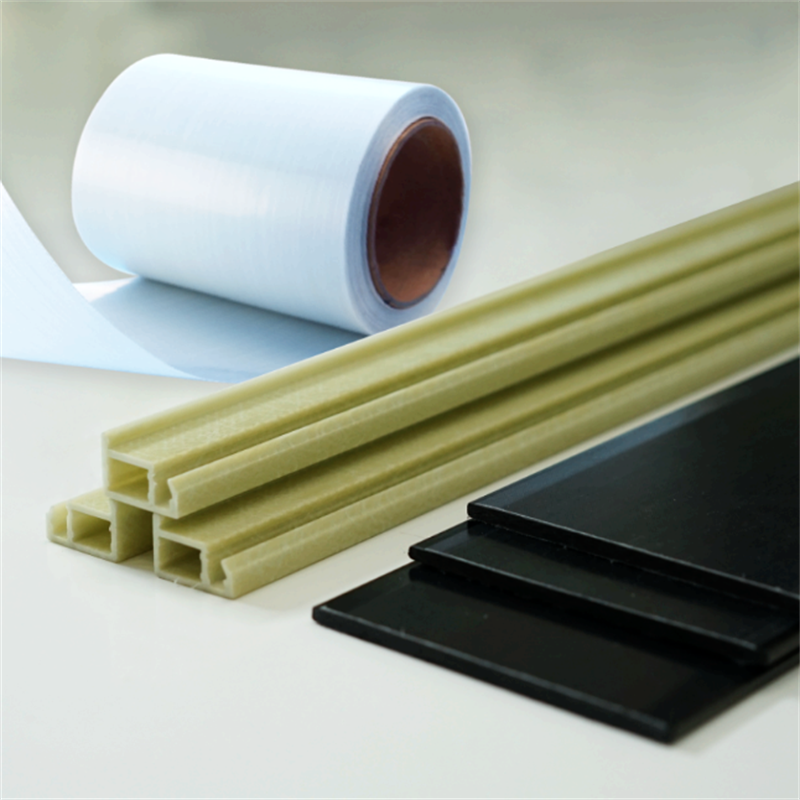
Advantages of Resin Matrix Composites
The outstanding specific strength and stiffness of resin matrix composites enable substantial weight savings compared to metals, typically 30 to 60 percent for equivalently designed structures. The Polaris A-3 missile motor case, which replaced steel with glass fiber-reinforced epoxy, achieved a 50 percent weight reduction while maintaining required performance. This weight efficiency translates directly to improved fuel economy, increased payload capacity, and enhanced operational performance.
Design flexibility from anisotropy allows engineers to align reinforcement precisely with load paths, placing material only where needed. This tailorable property distribution enables structural efficiency impossible with isotropic metals. The same design freedom enables molded-in features, part consolidation, and complex geometries that would require machining from massive metal forgings, reducing manufacturing operations and assembly costs.
Corrosion resistance eliminates the environmental degradation that dominates metal maintenance costs. Marine, infrastructure, and chemical processing applications particularly benefit from composites’ immunity to rust and corrosion. The superior fatigue performance of composites provides longer service life in cyclic-loaded applications, while vibration damping is typically 10 to 100 times higher than metals, enhancing comfort and reducing noise in transportation applications.
Limitations of Resin Matrix Composites
Manufacturing complexity requires specialized equipment, validated material specifications, and skilled operators. The process-property relationships are complex, and defects such as voids, porosity, and incomplete cure can significantly reduce performance. Quality control requirements are stringent, particularly for aerospace applications, adding to cost and development time.
Material costs remain substantial for high-performance systems. Carbon fibers cost 10 to 50 times more than E-glass fibers on a per-kilogram basis, and advanced resin systems cost 5 to 20 times more than standard polyesters. However, the cost per unit property and the total manufactured cost often prove competitive when weight savings, part consolidation, and reduced maintenance are considered in lifecycle analysis.
Inspection and repair present challenges not encountered with metals. Composite damage may not be visible externally, with delamination and barely visible impact damage lurking below the surface. Non-destructive inspection methods such as ultrasonic testing, thermography, and radiography are essential but add manufacturing and maintenance costs. Repair techniques are more complex than for metals, requiring careful procedure development, specialized training, and environmental controls.
Anisotropy creates sensitivity to off-axis loads, requiring careful design and load path definition. Transverse strengths are significantly lower than axial strengths, and off-axis loading can cause premature failure if not properly considered. Design for composites demands thorough load analysis and multi-directional reinforcement to accommodate all load cases.
Service temperature limits are inherent to polymer systems. While high-performance resins extend to approximately 300°C, this is far below the service temperatures of superalloys used in jet engines. For applications requiring temperatures above 300°C, ceramic matrix composites or metallic systems remain the only options.
Applications
Aerospace and Defense
The aerospace industry consumes approximately 60 percent of the advanced composites market, with carbon fiber-reinforced epoxies now comprising 50 percent or more of the structural weight of modern aircraft. Primary aircraft structures—including fuselage, wings, and empennage—benefit from the weight savings that directly translate to fuel efficiency and range. Engine nacelles incorporate carbon-BMI composites for high-temperature performance, while radomes use glass-polyester for electromagnetic transparency. Missile motor cases demand maximum performance and reliability, often using carbon-epoxy systems with fiber volume fractions approaching 70 percent.
Military and commercial aircraft have utilized resin matrix composites since the 1940s, with applications continually expanding as confidence in these materials and manufacturing processes increases. The Boeing 787 Dreamliner and Airbus A350 XWB demonstrate the current state of the art, with composites comprising the majority of primary structure.
Automotive and Transportation
While automotive applications currently account for approximately 5 percent of the advanced composites market, growth is accelerating as costs decrease and manufacturing volumes increase. Body panels and closures benefit from the weight reduction that improves fuel economy and vehicle dynamics. Drive shafts and leaf springs take advantage of composite fatigue resistance and natural frequency characteristics to reduce vibration and improve durability. Structural components are increasingly employing composites for weight-sensitive vehicles, with battery enclosures for electric vehicles representing a fast-growing application. Exterior components such as spoilers, diffusers, and underbody shields leverage composites’ ability to form aerodynamic shapes with good surface finish.
Marine
The marine industry is a major user of glass fiber-reinforced polyester composites, particularly for boat hulls and decks. The corrosion resistance eliminates the galvanic corrosion issues of metal hulls, while the ability to form complex hydrodynamic shapes provides design freedom. Masts and spars for sailing vessels use carbon-epoxy composites to reduce weight aloft, improving stability and performance. Propeller shafts, rudders, and propeller blades benefit from corrosion resistance and fatigue performance, while offshore structures such as platforms and subsea equipment exploit composites’ environmental durability.
Construction and Infrastructure
Bridge decks and structural components use pultruded composite sections for their corrosion resistance in environments where steel would rapidly degrade. Reinforcement bars fabricated from glass fiber-reinforced vinyl ester replace steel rebar in parking garages, bridges, and marine structures where salt exposure causes rapid steel corrosion. Seismic retrofit wraps of carbon-epoxy or glass-epoxy strengthen concrete columns and structures, providing cost-effective earthquake protection. Building facades and architectural elements leverage composites’ ability to form complex shapes with good weathering resistance.
Renewable Energy
Wind turbine blades now exceed 100 meters in length, a scale impossible with traditional materials. Glass fiber-reinforced epoxy provides the stiffness and fatigue resistance required for these massive structures, while carbon-epoxy is increasingly used for longer blades to control deflection. Tidal turbine blades exploit marine composites’ corrosion resistance in the challenging ocean environment. Solar panel support structures are transitioning to composites for corrosion resistance and low weight in remote installations. Hydroelectric components benefit from composites’ wear resistance and corrosion immunity.

Industry Standards and Qualification
CMH-17 (Composite Materials Handbook)
The Composite Materials Handbook, known as CMH-17, is the authoritative engineering reference for polymer matrix composites. Volume 1 provides guidelines for material characterization, covering test methods, data reduction, and statistical analysis for design allowable generation. Volume 2 contains statistically-based material properties for qualifying structural materials, enabling design without extensive proprietary testing. Volume 3 offers design, analysis, and manufacturing guidance, addressing joint design, damage tolerance, and environmental effects. Volume 6 covers sandwich structures with composite facesheets and honeycomb cores, with additional material-specific information updated as new materials are developed.
Key Standards Organizations
SAE International develops standards for aerospace composites, including material specifications, process specifications, and qualification requirements. ASTM International provides test methods for composite materials, covering everything from tensile, compression, and shear testing to environmental conditioning and creep. ISO publishes international standards for composite materials and testing, ensuring global compatibility. Nadcap establishes quality system requirements for aerospace composite manufacturing, with accredited suppliers demonstrating process control and quality assurance.
Material Qualification
Material systems are qualified through rigorous testing programs following CMH-17 guidelines, typically requiring testing of multiple batches from multiple production lots to develop statistical design allowables. The B-basis allowable, defined as the value below which 90 percent of the population falls with 95 percent confidence, provides the design basis for many aerospace applications. A-basis allowables, covering 99 percent of the population with 95 percent confidence, apply to more critical structures. Qualification requires testing at the material, laminate, and structural element levels, with property characterization spanning temperature and environmental conditions representative of service.
Design Considerations
Laminate Design
Composite laminate design involves selecting fiber architecture—unidirectional, woven, or braided—and determining the stacking sequence and orientation angles for each ply. Unidirectional laminates provide the highest properties along the fiber direction but suffer from low transverse strength. Woven fabric laminates offer better balanced properties and easier handling but lower in-plane performance. Braided architectures provide the best damage resistance and are suited to tubular structures.
Ply orientations are typically chosen from 0, 90, and ±45 degree directions to accommodate loads in multiple axes. More complex orientations may be used for specific requirements such as thermal expansion control or elastic tailoring. Symmetric laminates avoid curvature from thermal and moisture expansion, while balanced laminates avoid coupling between extension and shear. Coupled deformations can occur due to off-axis layers, requiring careful analysis and design optimization.
Joint Design
Composite structures require specialized joint design approaches. Mechanical joints such as bolted connections require careful edge margin and spacing design to prevent bearing failure and net-tension failure. The bearing strength of composites is typically 80 to 100 percent of the compressive strength, while shear-out and net-tension strengths depend on laminate properties and geometry. Oversized holes and countersinking must be carefully designed to avoid stress concentrations and delamination.
Adhesive bonding requires surface preparation including grit blasting, peel ply removal, or chemical etching to achieve consistent bond quality. Process control for bonding includes temperature, pressure, and humidity management to ensure optimum adhesive performance. Co-cured and co-bonded joints integrate composite subcomponents during cure, eliminating adhesive joints and their associated weight and inspection requirements. Design for bonded joints must account for peel and cleavage stresses that can cause premature failure.
Damage Tolerance
Design for damage tolerance is critical for composite structures, accounting for potential damage sources including barely visible impact damage (BVID), delamination propagation under cyclic loading, and environmental degradation from moisture and thermal cycling. Design approaches include conservative design allowables incorporating knock-down factors for impact damage and environmental effects. Fail-safety and redundancy are essential for primary structures, with multiple load paths ensuring continued safe operation after damage. Damage arrest features such as interleaves and stitching can prevent delamination propagation, though these add manufacturing complexity and cost.
Selection Guide
Material selection for resin matrix composites follows a structured process beginning with defining the service environment, including temperature extremes, moisture exposure, chemical contact, and ultraviolet radiation. Performance requirements such as loads, stiffness, strength, and fatigue life establish the minimum property targets. Manufacturability considerations including production volume, part complexity, and cost targets narrow the process options. Cost evaluation must consider material cost, processing cost, and lifecycle cost, with total cost of ownership often justifying higher initial expense for lower maintenance and longer service life. Certification requirements specific to the industry—aerospace, marine, construction, or other sectors—determine the qualification effort required and may eliminate certain material options if qualification data is insufficient.
Resin selection balances temperature capability, toughness, cost, and processability. Polyester systems offer low temperature capability of 80 to 100°C with low toughness, low cost, and versatile processing. Epoxy systems provide medium-high temperature capability of 120 to 150°C with medium toughness, medium cost, and processing versatility from hand lay-up to autoclave. BMI systems achieve high temperature capability of 200 to 250°C with high toughness, high cost, and preference for autoclave processing. Thermoplastic matrices span the temperature range from 100°C for standard polymers to 250°C for PEEK, with toughness generally higher than thermosets and cost varying accordingly.
Fiber selection balances stiffness, strength, density, and cost. E-glass provides low stiffness (72 GPa) with medium strength and high density at low cost. S-glass offers medium stiffness with high strength and high density at medium cost. Standard carbon fibers provide high stiffness (230 GPa) with medium strength and low density at medium cost. High-modulus carbon achieves very high stiffness (350 to 440 GPa) with medium strength at high density and high cost. Aramid fibers offer medium stiffness with very high strength and low density at high cost, though with processing challenges.
Common Problems in Resin Matrix Composites
Manufacturing Defects
Voids and porosity result from air entrapment during processing or moisture in the resin system, reducing mechanical properties and accelerating environmental degradation. Prevention requires vacuum processing, proper venting, and moisture control during material storage and handling.
Delamination occurs from inadequate process pressure, contamination, or improper surface preparation, creating weak interfaces between plies that reduce structural integrity. Process control, material handling procedures, and surface treatment protocols minimize this risk.
Non-uniform cure from temperature gradients or incorrect ramps produces varying resin properties through the part thickness, creating residual stresses and property variations. Temperature uniformity, controlled heating and cooling rates, and extensive process qualification are essential.
Fiber misalignment from fabric handling or process flow reduces composite properties and causes property scatter, requiring process optimization and careful material handling throughout manufacturing.
Service Failures
Impact damage may be barely visible yet significantly reduce residual strength, making inspection challenging. Regular inspection with appropriate non-destructive techniques, and design for damage tolerance, mitigate this risk.
Environmental degradation from moisture absorption reduces properties and glass transition temperature, while UV exposure degrades surface resins. Material selection for the service environment and protective coatings are essential.
Fatigue failures initiate from matrix cracks that propagate, eventually causing fiber breakage. Fatigue life prediction and design for infinite fatigue life under operational loads are necessary.
Stress corrosion cracking occurs in specific chemical environments, particularly for glass fibers in acidic conditions. Material compatibility testing and protective barriers are recommended.
Quality Control
Quality assurance for composites requires incoming material verification through manufacturer certification and incoming inspection. Process parameter monitoring ensures temperature, pressure, and time conform to qualified limits. Non-destructive inspection using ultrasonic, thermographic, radiographic, and other methods detects internal defects. Destructive testing on representative coupons validates process quality and material properties, providing statistical confidence.
Frequently Asked Questions
What is the difference between thermoset and thermoplastic matrix composites?
Thermoset matrices cure irreversibly through chemical crosslinking, providing high strength, excellent thermal stability, and resistance to creep and stress relaxation. They cannot be reshaped after curing. Thermoplastics can be repeatedly softened and solidified through heating and cooling cycles, offering higher toughness, faster processing cycles, and recycling potential. Thermosets currently dominate the advanced composites market, particularly in aerospace, due to their established qualification base and superior elevated-temperature creep resistance.
What are the most common resin matrix composites?
Glass fiber-reinforced polyester is the most widely used resin matrix composite, dominating marine, construction, and consumer applications due to its low cost and adequate performance. Carbon fiber-reinforced epoxy is the most common advanced composite for aerospace and high-performance applications, offering the optimal balance of performance and cost for demanding structural uses.
How do resin matrix composites compare to metals?
Composites offer superior specific strength and stiffness (strength-to-weight and stiffness-to-weight ratios), excellent fatigue and corrosion resistance, and the ability to tailor properties through fiber orientation. They provide 30 to 60 percent weight savings for equivalently designed structures. Metals offer higher absolute properties, isotropic behavior, higher temperature capability exceeding 300°C for many alloys, and established manufacturing and repair infrastructure. The selection depends on application requirements, cost targets, and industry infrastructure.
What factors influence the mechanical properties of resin matrix composites?
Reinforcement type, volume fraction, orientation, and architecture determine the primary structural response. Matrix properties control transverse strength, interlaminar properties, and service temperature limits. Fiber-matrix interface quality affects strength and durability. Manufacturing quality determines defect content and property consistency. Service environment including moisture, temperature, and chemical exposure influences long-term performance. All these factors must be considered in design and material selection.
Can resin matrix composites be repaired?
Yes, though repair is more complex than for metals and requires specialized techniques. Successful repair depends on accurate damage assessment, appropriate procedure development, and rigorous process control. Bonded repairs are common for shallow damage, while bolted repairs are used for more extensive damage, particularly in primary structures. Repair process qualification follows procedures analogous to original manufacturing, including non-destructive inspection and proof testing.
What is the maximum service temperature for resin matrix composites?
Service temperature is matrix-dependent and defines one of the primary limitations of polymer composites. Standard epoxies are limited to 120 to 150°C continuous service, with higher-temperature epoxies reaching 180°C. BMI systems provide 200 to 250°C capability. Polyimides extend to 300°C or higher. Thermoplastic PEEK offers 250°C capability, while other thermoplastics range from 100 to 230°C. These temperatures are substantially below metals, with aluminum usable to 300°C and superalloys exceeding 1000°C.
What are the primary manufacturing methods for resin matrix composites?
Common methods include hand lay-up (low cost, low volume), spray-up (medium volume, lower properties), compression molding (high volume, good finish), resin transfer molding (medium volume, good properties), filament winding (highly automated, rotationally symmetric), pultrusion (continuous profiles), autoclave processing (highest quality, highest cost), and thermoplastic consolidation (fast cycles, recyclable). Method selection depends on part complexity, production volume, property requirements, and cost constraints.
How are resin matrix composites tested?
Testing follows ASTM, ISO, and industry-specific standards. Typical tests include tensile, compression, shear, flexure, and fatigue testing at various temperatures and environmental conditions. Impact testing includes drop weight, Izod, and Charpy tests to characterize damage tolerance. Environmental testing includes moisture absorption, temperature cycling, and chemical exposure. Material characterization for design allowables follows CMH-17 guidelines, requiring statistically significant data from multiple batches and test conditions representative of service.
Are resin matrix composites environmentally sustainable?
This is a complex question with evolving answers. Composite manufacturing is energy-intensive, and thermoset composites are currently difficult to recycle, requiring incineration or landfill disposal at end of life. However, composites enable weight reduction that improves fuel economy in transportation, reducing operational carbon emissions that often exceed manufacturing impacts over the full lifecycle. Thermoplastic composites offer recycling potential through remelting and reprocessing, while bio-derived resins from renewable sources are under development. Lifecycle assessment of specific applications is recommended to evaluate sustainability.
How do I select the right resin matrix composite for my application?
Selection follows a structured process: define the service environment including temperature, moisture, and chemical exposure; establish performance requirements for stiffness, strength, and fatigue; consider manufacturability for the required volume and complexity; evaluate total cost including material, processing, and lifecycle; and assess certification requirements for the target industry. A weighted decision matrix based on these factors, with stakeholder input from design, manufacturing, and procurement, is recommended for systematic selection.
What are the main cost drivers in resin matrix composites?
Fiber cost is primary, with carbon fibers costing 10 to 50 times more than glass fibers. Matrix cost varies from low for polyesters to high for thermoplastics and BMI systems. Processing cost includes labor, equipment, and cycle time, with autoclave processing being significantly more expensive than open molding. Manufacturing volume affects cost through economies of scale and learning curve effects. Quality control and certification requirements add substantial cost, particularly for aerospace applications.
What is the role of the matrix in a composite?
The matrix is essential to composite performance despite often being overlooked. It binds fibers together, enabling them to act as a unit. It transfers load to and between fibers through shear stresses at the interface. It protects fibers from moisture, chemicals, UV radiation, and abrasion that would degrade their performance. It maintains fiber orientation during processing and service. It provides interlaminar shear strength and toughness. It determines the composite’s maximum service temperature and environmental resistance. Without the matrix, the fibers would be a loose collection of material with no structural capability.
Can resin matrix composites be welded or joined like metals?
Thermoplastic composites can be welded using methods analogous to plastic welding, including ultrasonic, induction, and resistance welding. Thermoset composites cannot be welded because their crosslinked structure does not remelt. Both types can be mechanically fastened with bolts or rivets, adhesively bonded with structural adhesives, or integrated through co-curing or co-bonding during manufacture. Bonding is generally preferred for structural efficiency when process control is feasible.
What is the expected lifetime of resin matrix composites in service?
Lifetime depends on material selection, service environment, and loading. Aerospace composites have demonstrated service lives exceeding 30 years on commercial aircraft with inspection and maintenance. Marine composites similarly show decades of service in properly designed and maintained structures. Under aggressive environments or cyclic loading, lifetime may be reduced. Fatigue limits and environmental degradation rates are characterized through testing to develop allowable design stresses and predicted service lives for specific applications.
Resin matrix composites represent a mature but continually evolving class of materials that have transformed engineering design across multiple industries. Their unique combination of lightweight, tailorable properties, corrosion resistance, and fatigue performance enables solutions unavailable with traditional metals. Understanding the composition, properties, manufacturing, and design considerations of resin matrix composites is essential for engineers, designers, and procurement professionals seeking to leverage these remarkable materials effectively.
The key to successful application lies in matching material capabilities to application requirements through systematic selection processes. Weight savings of 30 to 60 percent are achievable compared to metal designs, with specific stiffness and strength far exceeding metals. However, these advantages come with trade-offs in manufacturing complexity, inspection requirements, repair challenges, and service temperature limitations that must be carefully considered in design and qualification programs.
Continued advances in resin systems—including nano-modified matrices, hybrid compositions, and recyclable thermoplastics—are expanding the performance envelope and sustainability of these materials. As cost decreases and manufacturing technologies improve, resin matrix composites will continue their penetration into new applications while reinforcing their position in established markets. The authoritative reference for engineering design with polymer matrix composites remains the CMH-17 Handbook, providing the validated design data and methodologies essential for safe, efficient composite structures.
For engineers embarking on composite design projects, the investment in understanding these materials pays substantial dividends through optimized structures, reduced weight, improved durability, and enhanced product performance. Collaboration among design, materials, manufacturing, and quality disciplines ensures that the full potential of resin matrix composites is realized in practical engineering applications.
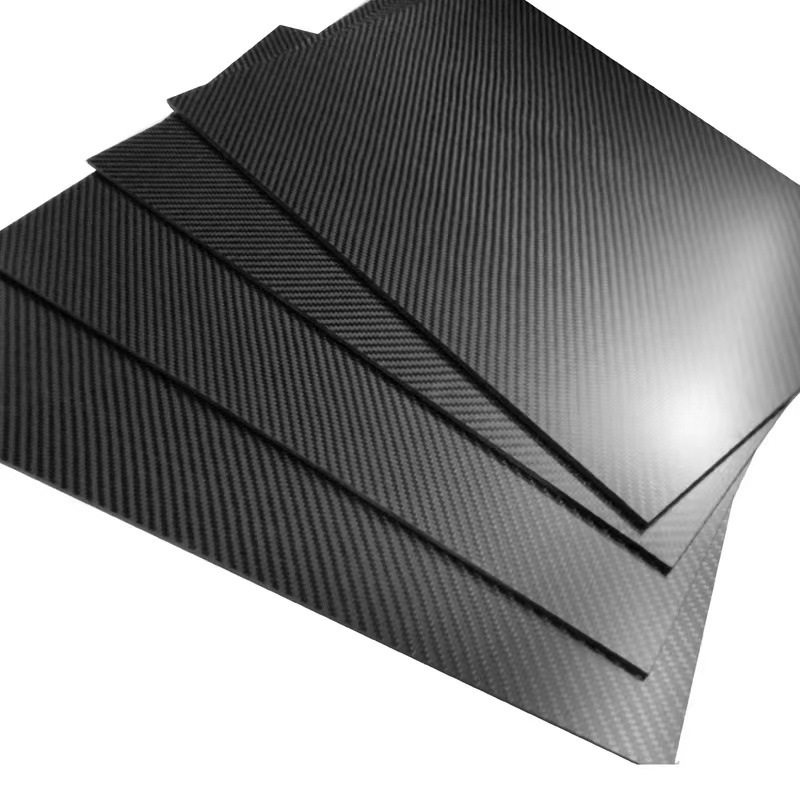 Carbon Fiber vs Glass Fiber Composites
 The Influence of Fiber Orientation on the Mechanical Performance of Composite Laminates
 The Multifunctionality of Polymer Composites
 Thermoplastic vs. Thermoset Composites